Attractions and Places To See around San Giorgio Di Mantova - Top 20
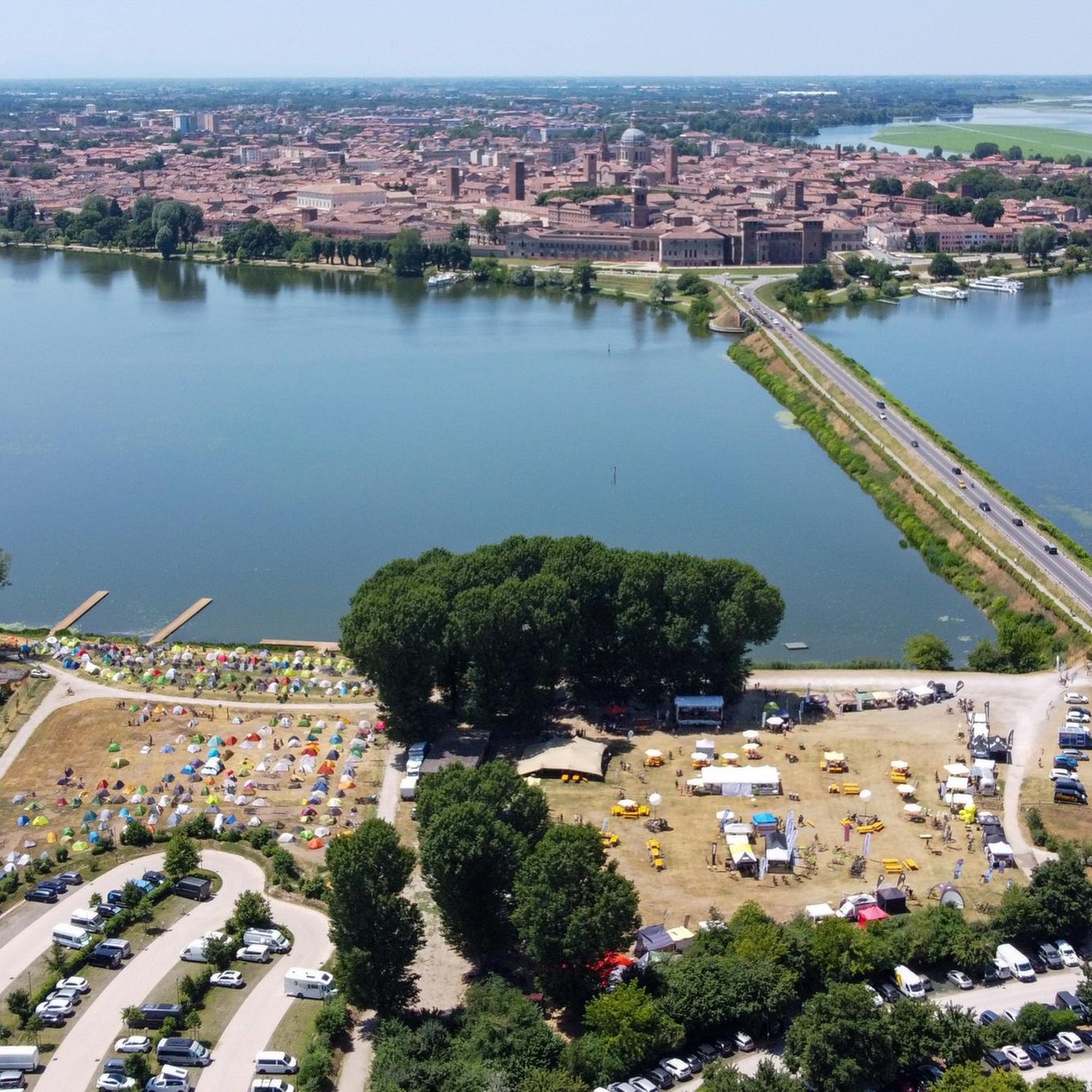
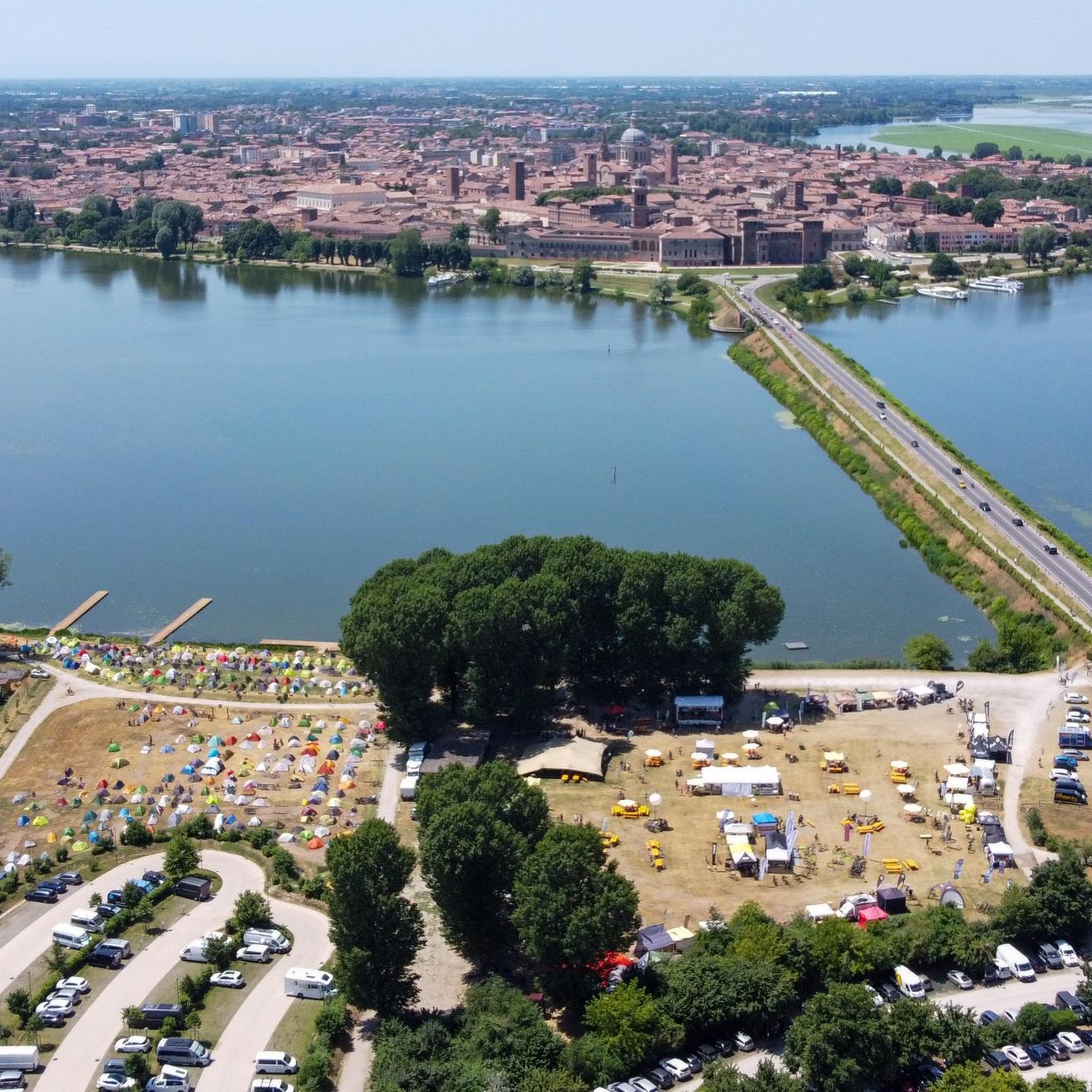
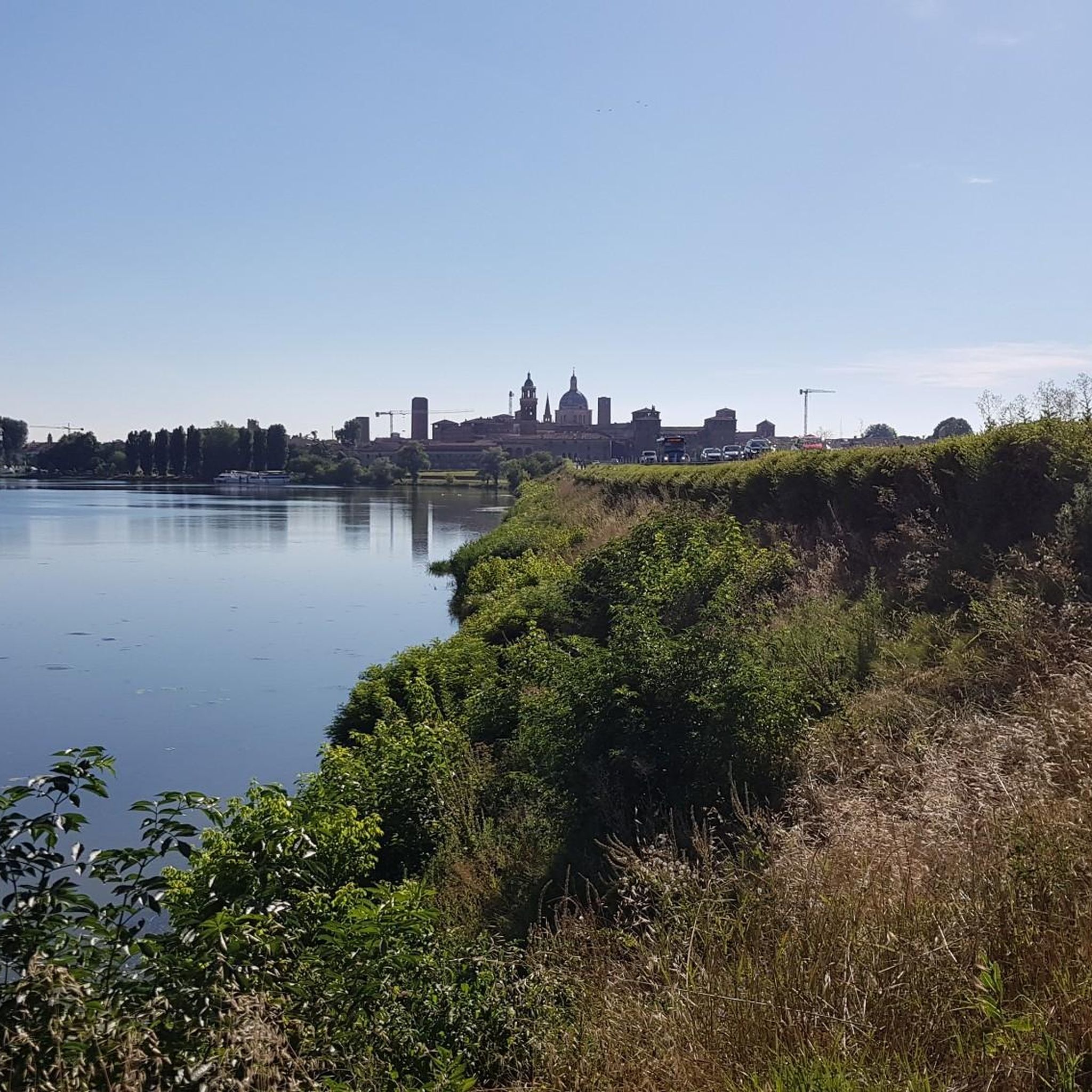
Best attractions and places to see around San Giorgio Di Mantova are primarily found in the nearby city of Mantua, located just 3 kilometers to the west. This area is characterized by its unique geography, with Mantua surrounded by three artificial lakes fed by the Mincio River. The region offers a blend of historical sites, cultural landmarks, and natural landscapes, much of which is recognized as a UNESCO World Heritage site.
Best attractions and places to see around San Giorgio…
Last updated: August 30, 2026
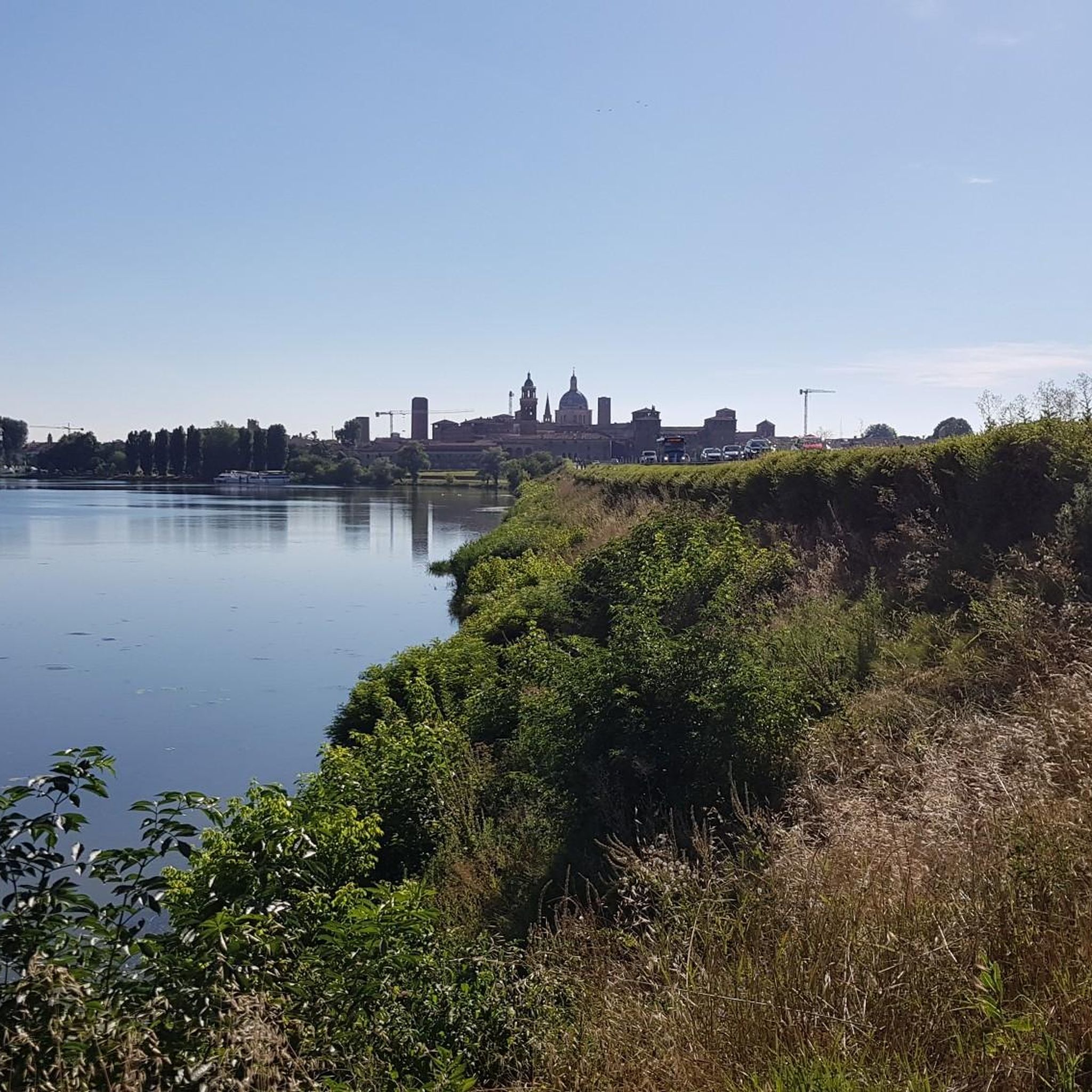
Mantua Lakes Cycle Path
Highlight • Cycleway
Translated by Google •
Tip by

Castello di San Giorgio (Mantua)
Highlight • Castle
Translated by Google •
Tip by

Sign up now to discover places like this
Get recommendations on the best single tracks, peaks, & plenty of other exciting outdoor places.
Sign up for free
Ducal Palace, Mantua
Highlight • Castle
Translated by Google •
Tip by

Sordello Square, Mantua
Highlight • Historical Site
Since 1308 it has been the official residence of …
Translated by Google •
Tip by
Piazza delle Erbe, Mantua
Highlight • Historical Site
Translated by Google •
Tip by

Sign up for free to discover even more attractions around San Giorgio Di Mantova.
Sign up for free
Already have an account?
Start today with a free account
Your next adventure awaits.
Login or Signup

Tips from the Community

Away from traffic in the middle of nature
0
0

beautiful paths around Mantua
0
0


The Ducal Palace was the main residence of the Gonzaga family, lords, marquises and finally dukes of the city of Mantua. It took the name of Royal Palace during the Austrian domination starting from the time of Maria Theresa of Austria. Distinct and separate rooms were built in different periods starting from the 13th century, initially by the Bonacolsi family and later at the instigation of the Gonzaga. It was Duke Guglielmo who commissioned the prefect of the Factories Giovan Battista Bertani to connect the various buildings in an organic form so as to create, starting from 1556, a single grandiose monumental and architectural complex, one of the largest in Europe (approximately 34,000 m²), which extended between the shore of the Lower Lake and Piazza Sordello, the ancient Piazza di San Pietro. After Bertani's death in 1576, the work was continued by Bernardino Facciotto who completed the integration of gardens, squares, loggias, galleries, exedras and courtyards, definitively establishing the appearance of the ducal residence. The interior of the palace is almost bare because once impoverished, the Gonzagas had to sell works of art (especially to Charles I of England) and furnishings, some of which were later stolen by Napoleon. The Palazzo del Capitano overlooking Piazza Sordello is the oldest building of the Ducal Palace commissioned by Guido Bonacolsi at the end of the thirteenth century. Initially built on two floors and separated from the Magna Domus by an alley, in the early 1300s it was raised by one floor and joined to the Magna Domus itself by the monumental façade with portico, which has essentially remained the same to this day. The second added floor consists of a single enormous hall (67 x 15 metres) called Dell'Armeria, also known as the Salone della Dieta, as it hosted the Diet of Mantua in 1459.
0
0


Small square full of significant historical buildings
2
0

One of the many beautiful places in Mantua!👍🤗
2
0
Frequently Asked Questions
What historical landmarks can I explore around San Giorgio Di Mantova?
The area around San Giorgio Bigarello, particularly the nearby city of Mantua, is rich in historical landmarks. You can visit the vast Ducal Palace, which was the residence of the Gonzaga family for centuries. Other significant sites include the Renaissance-style Castello di San Giorgio, the impressive Sordello Square, and the ancient Piazza delle Erbe, both central to Mantua's history. Don't miss Palazzo Te, known for its stunning frescoes, and the Basilica di Sant'Andrea, a masterpiece of Renaissance architecture.
Are there natural attractions or features to enjoy near San Giorgio Di Mantova?
Yes, Mantua is uniquely surrounded by three artificial lakes—Lago Superiore, Lago di Mezzo, and Lago Inferiore—fed by the Mincio River. These lakes offer picturesque views and opportunities for activities like kayaking and birdwatching. The Lago Superiore is particularly famous for its lotus flowers. You can also explore the Mantua Lakes Cycle Path which follows the shores, offering scenic rides.
What outdoor activities are available near these attractions?
The region offers various outdoor activities, especially cycling and running. You can enjoy road cycling routes like the 'Lakes of Mantua – Mantova–Peschiera Cycle Path' or mountain biking trails such as the 'Mincio River Cycleway'. For runners, there are routes like the 'Mantova – Mantua - Campo Canoa loop'. You can find more details and routes on the Road Cycling Routes around San Giorgio Di Mantova, MTB Trails around San Giorgio Di Mantova, and Running Trails around San Giorgio Di Mantova guide pages.
Are there family-friendly attractions around San Giorgio Di Mantova?
Many attractions in the area are suitable for families. The Mantua Lakes Cycle Path is a great option for a family bike ride. Historical sites like the Castello di San Giorgio and Ducal Palace offer engaging experiences for all ages, allowing children to explore ancient castles and learn about history. Strolling through Piazza delle Erbe also provides a pleasant family outing.
What is the best time to visit San Giorgio Di Mantova and its attractions?
The best time to visit is generally during the spring (April to June) and early autumn (September to October) when the weather is pleasant for exploring historical sites and enjoying outdoor activities around the lakes. These seasons offer comfortable temperatures and fewer crowds compared to the peak summer months.
What do visitors enjoy most about the attractions in this area?
Visitors frequently praise the blend of history, culture, and natural beauty. The Mantua Lakes Cycle Path is loved for its scenic views along the lakes. The grandeur and historical significance of the Ducal Palace and Castello di San Giorgio are highly appreciated. Many also enjoy the vibrant atmosphere and shops in Piazza delle Erbe, making it a popular spot for a stroll.
Are there any viewpoints offering panoramic views of Mantua?
Yes, the Ponte San Giorgio offers excellent panoramic views of the city of Mantua, including the Castello San Giorgio and Palazzo Ducale reflecting in the water. The Mantua Lakes Cycle Path also provides numerous scenic spots along the lake shores.
Can I find any hidden gems or lesser-known spots in the region?
While many main attractions are well-known, exploring the smaller squares and side streets of Mantua can reveal charming cafes and unique shops. The Rotonda di San Lorenzo, the most ancient church in Mantua, offers a glimpse into Byzantine art and is a less crowded historical site. Additionally, the Bosco Fontana Nature Reserve, once a hunting lodge for the Gonzaga family, provides a tranquil natural escape.
Is public transport available to reach the attractions?
San Giorgio Bigarello is just 3 kilometers east of Mantua, making it easily accessible to the city's attractions. Mantua itself has a local bus network that connects various points of interest. For specific routes and schedules, it's advisable to check local transport information upon arrival.
Are there any wheelchair-accessible sights near San Giorgio Di Mantova?
While historical sites can sometimes present accessibility challenges, efforts are often made to accommodate visitors. Piazza delle Erbe is noted as being wheelchair accessible, offering a pleasant area for strolling. For specific accessibility information regarding other major attractions like Palazzo Ducale or Castello San Giorgio, it is recommended to contact the venues directly before your visit.
What cultural sites, beyond castles and palaces, are worth visiting?
Beyond the grand palaces, Mantua offers several other significant cultural sites. The Basilica di Sant'Andrea, designed by Leon Battista Alberti, is a stunning example of Renaissance architecture. The Mantua Cathedral (Cattedrale di San Pietro) in Piazza Sordello showcases a mix of architectural styles. For a unique experience, visit the Bibiena Scientific Theater (Teatro Bibiena), a historic and architecturally significant theater.
Can I take a boat tour to see Mantua from the water?
Yes, panoramic boat tours are available on the Lakes of Mantua. Exploring the city and its surrounding lakes by motorboat offers a unique perspective of Mantua, its natural park, and protected oases, providing a different way to appreciate the city's unique island-like appearance.
Most popular routes around San Giorgio Di Mantova
Most popular attractions around San Giorgio Di Mantova

Get inspired with the komoot mobile app


Explore more
Still not found the Highlight you’re looking for? See guides of the top attractions in other regions:
