Attractions and Places To See around Casalmoro - Top 12
Best attractions and places to see around Casalmoro include historical sites, religious buildings, and natural features. This small municipality in the province of Mantua, Italy, offers a glimpse into tranquil rural life in the upper Po Valley. Visitors can explore its local charm through historical sites and natural surroundings, providing a variety of experiences for those interested in local culture and outdoor activities.
Best attractions and places to see around Casalmoro
- The most popular attractions is Strada Bianca Isola Dovarese–Castelfranco…
Last updated: May 11, 2026
Parish Church of Acquafredda
Highlight • Religious Site
including the Fossa Magna, excavated by Bernabò Visconti around the middle of the …
Translated by Google •
Tip by

Strada Bianca Isola Dovarese–Castelfranco d’Oglio
Highlight (Segment) • Cycleway
Translated by Google •
Tip by

Sign up now to discover places like this
Get recommendations on the best single tracks, peaks, & plenty of other exciting outdoor places.
Sign up for free
Church of Saints Peter and Paul of Gambara
Highlight • Religious Site
Translated by Google •
Tip by

Roggia Gambara Weir
Highlight • Structure
Translated by Google •
Tip by

Pieve di Santa Maria in Carpino
Highlight • Religious Site
The basilica-shaped building is …
Translated by Google •
Tip by
Sign up for free to discover even more attractions around Casalmoro.
Sign up for free
Already have an account?
Start today with a free account
Your next adventure awaits.
Login or Signup



Tips from the Community

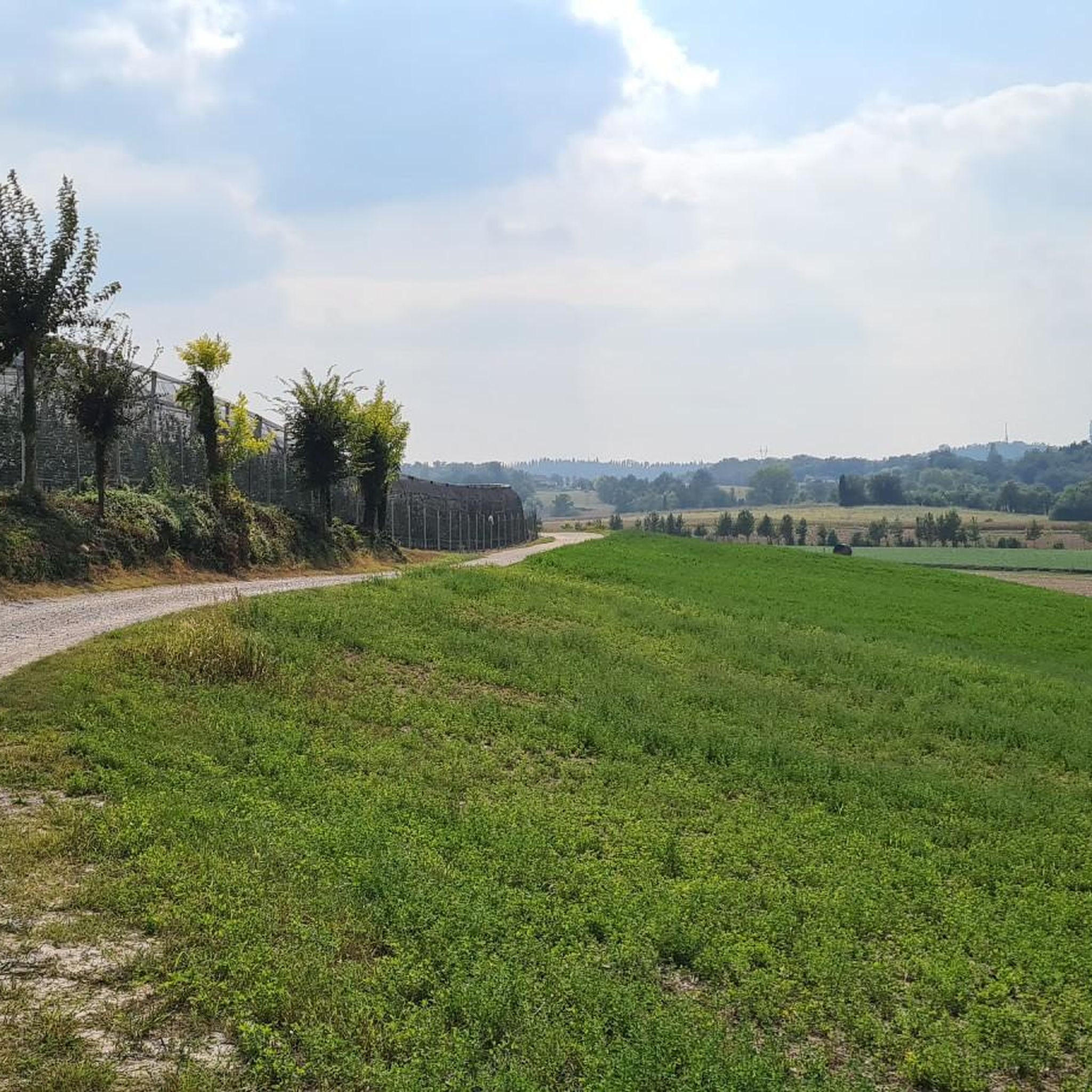
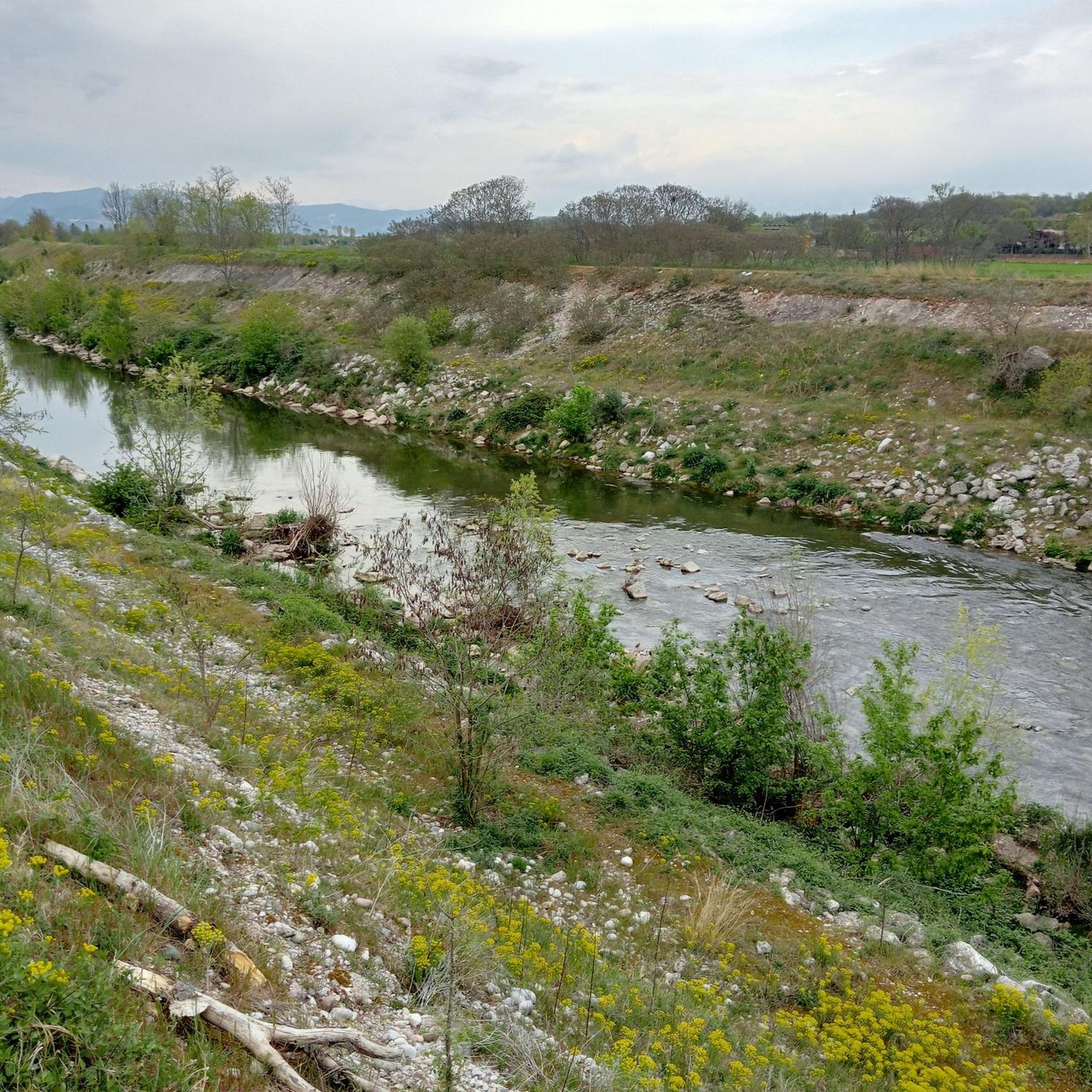
Cycle/pedestrian stretch on a dirt road, which runs along the Oglio river. The route is surrounded by nature and suitable for everyone, completely flat. It is nicknamed "white road" due to the color of the gravel on the bottom.
2
0

Church of the parish of Saints Peter and Paul of Gambara.
1
0
Small characteristic church in the center of the village.
1
0

It is a religious building located on the eastern outskirts of Carpenedolo, in the province of Brescia. It dates back to the 4th or 5th century. The basilica-shaped building is Romanesque in shape, with a semicircular apse in Botticino stone, adorned on the outside with thin pilasters and crowned by a brick frame. Reused elements with carved decorations from the early Middle Ages and Roman times are inserted in the masonry. The façade was originally frescoed and on the south side there was a small annex building which served as a sacristy and as a home for the hermit who guarded the sanctuary, which was demolished in 1966. The interior has a single nave (19.94 m long and 5.92 m wide), covered by a wooden truss roof supported by five slightly acute arches. In the apse it preserves a fifteenth-century fresco attributed to the Cremonese painter Bonifacio Bembo: in a polyptych the Virgin with the Child and little angels are depicted; on the apse there is a fresco of Jesus enthroned with the Gospel and the four evangelists. Other frescoes are preserved in the choir space (San Pietro, with inscription in Gothic characters) and other fragments on the walls. The church also houses two such depicting St. Louis and the Annunciation, restored in 1993.
0
0
The small town of Acquafredda owes its name to the abundance of springs that feed numerous canals, including the Fossa Magna, excavated by Bernabò Visconti around the middle of the 1300s to connect the Garda with the Po. Compatibly with the time of Sunday mass, a visit to the Parish church, pausing to appreciate some aspects of artistic value: - the atmosphere of the interior as a whole, with elegant architectural lines, embellished with warm decorations, without baroque excesses; - the altarpiece by Gerolamo Muziano, depicting a suggestive "Assumption", which presents extraordinary similarities with Romanino's "Assumption" in Sant’Alessandro in Bergamo. - a fascinating mortar fresco dated 1472 known as "Madonna Addolorata" enclosed in the former sacristy, now a chapel to the right of the main altar; - a Crucifix attributed to the Zamara workshop (early 1500s) kept in the sacristy - a Dead Christ kept in a niche at the "Altar of the Community" - some interesting paintings representative of the eclectic academic taste of the Brescia schools between the 1600s and '700: "Sts. Ignazio di Loyola and Filippo Neri adoring the Virgin ”by Ludovico Gallina; "Last Supper" by Germano Prendaglio; "Souls in purgative" and "San Vincenzo Ferrer" by unknown authors .. - the wonderful organ perfectly framed in the counter-façade wall. A special look should also be dedicated to the fifteenth-century wooden statue of the "Madonna with Child", with a particularly mischievous "Baby Jesus", who seems to want to escape from his mother's arms (the statue once she was dressed in a cloak made personally by Santa Paola di Rosa).
0
0

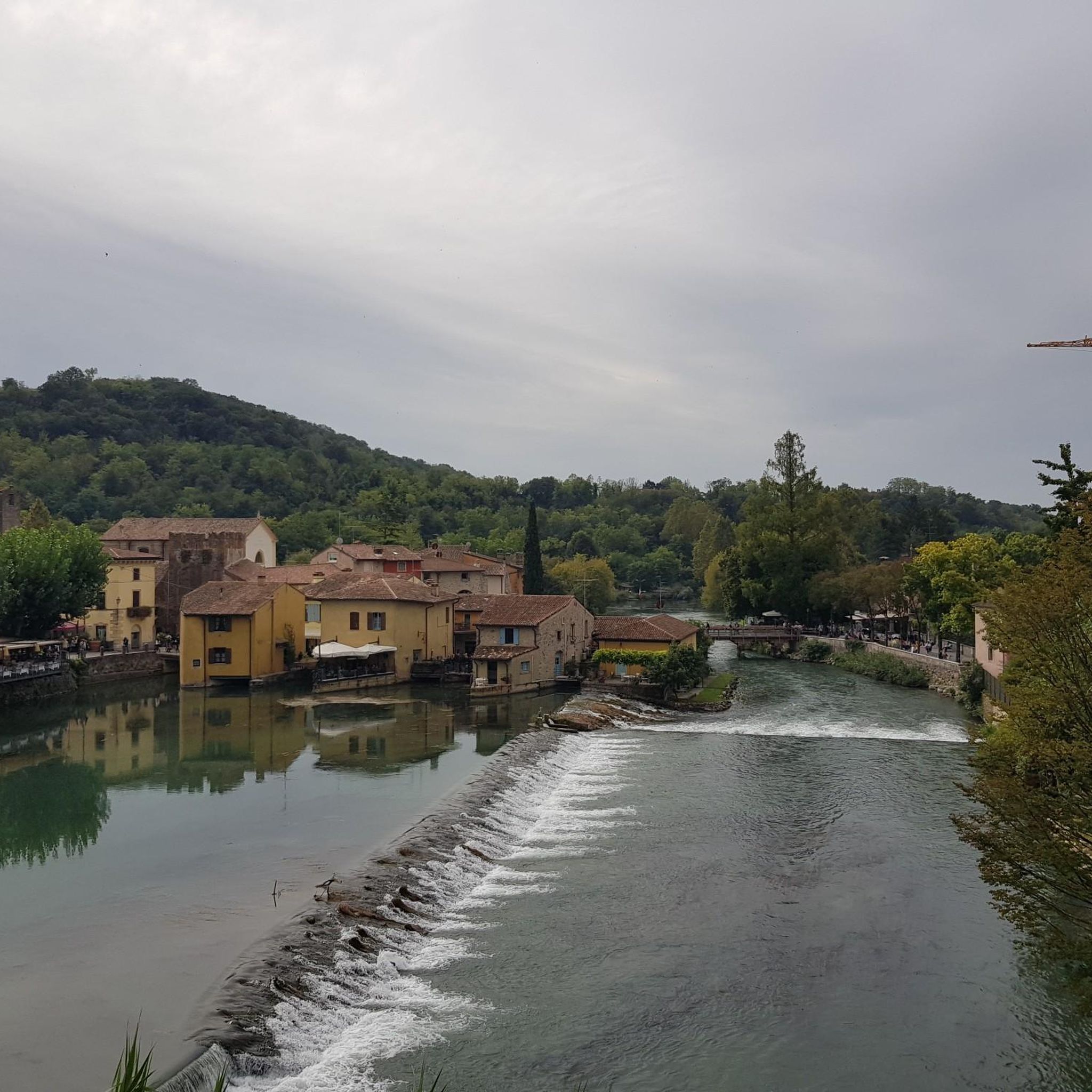
This is where the water of the Roggia Gàmbara is dammed up and then channeled into the irrigation channels in the area, if you like the noise and the movement of the water, this is the right place ... also easy to reach by bike
0
0
I don't know about this church 🤷♂️ but it's kind of beautiful 😀
1
1
I don't know anything about this church🤔, but it's kind of beautiful 😀
0
0
Frequently Asked Questions
What kind of outdoor activities can I enjoy around Casalmoro?
Casalmoro is ideal for nature lovers, offering trails through picturesque landscapes. You can explore the area by cycling or walking along routes like the Strada Bianca Isola Dovarese–Castelfranco d’Oglio, a flat, natural dirt road running along the Oglio river. For more structured outdoor adventures, there are dedicated guides for hiking, gravel biking, and road cycling in the area.
Are there any historical sites or religious buildings to visit in Casalmoro?
Yes, Casalmoro and its surroundings are rich in history and religious architecture. You can visit the Church of Saints Peter and Paul of Gambara, a characteristic religious building in a nearby village. Another significant site is the Parish Church of Acquafredda, known for its artistic value, including an altarpiece by Gerolamo Muziano and a 1472 mortar fresco. Further afield, the Pieve di Santa Maria in Carpino dates back to the 4th or 5th century and features Romanesque architecture and ancient frescoes.
What cultural experiences does Casalmoro offer?
Beyond its historical buildings, Casalmoro provides a glimpse into tranquil rural life. You can explore the historic center with its local architecture. The town also hosts a small Hemp Rope Spinning Museum, dedicated to an important local tradition. Additionally, the region is known for its culinary itineraries, offering gastronomic routes to experience local flavors, wines, and extra virgin olive oil.
Are there family-friendly attractions or activities around Casalmoro?
Many attractions around Casalmoro are suitable for families. The Strada Bianca Isola Dovarese–Castelfranco d’Oglio is a flat, natural path perfect for family cycling or walking. Religious sites like the Parish Church of Acquafredda and the Church of Saints Peter and Paul of Gambara can also be interesting for older children learning about local history and art. The Roggia Gambara Weir offers a unique sight of water management that can intrigue curious minds.
What is the best time of year to visit Casalmoro for outdoor activities?
The region around Casalmoro, being in the upper Po Valley, generally experiences pleasant weather for outdoor activities during spring (April to June) and autumn (September to October). These seasons offer milder temperatures, making hiking and cycling more comfortable. Summers can be warm, while winters are typically cooler and may have fog.
Where can I find easy walking trails near Casalmoro?
For easy walking, consider trails along the rivers and canals. The hiking guide for Casalmoro lists several easy routes, such as the 'Trail on the Roggia Gambara loop from Gambara' and 'Hiking loop from Gambara', both offering manageable distances and terrain.
Are there any unique natural features or viewpoints in the Casalmoro area?
The area is characterized by tranquil rural landscapes and the presence of the Oglio river. The Strada Bianca Isola Dovarese–Castelfranco d’Oglio offers scenic views along the river. You can also visit the Roggia Gambara Weir, where the water of the Roggia Gàmbara is dammed, providing a dynamic natural feature and a pleasant spot to observe the water's movement.
What is Corte Castello and can I visit it?
Corte Castello (also known as Cascina Castello) is a historic building on the outskirts of Casalmoro, originally built as a defensive fortress. It has a rich history, with ownership by prominent families like the Visconti and Malatesta, and even earlier by Benedictine monks. While it stands as a significant architectural landmark, its accessibility for public visits may vary. It's best to check local information for current visiting opportunities.
What are the options for cycling around Casalmoro?
Casalmoro is well-suited for cycling, particularly along its rural paths and river routes. The Strada Bianca Isola Dovarese–Castelfranco d’Oglio is a popular, flat dirt road perfect for all types of bikes. For more specific routes, komoot offers guides for gravel biking and road cycling, featuring various distances and difficulty levels.
Are there any hidden gems or lesser-known spots worth exploring near Casalmoro?
Beyond the main highlights, exploring the tranquil rural landscapes and small villages around Casalmoro can reveal charming, lesser-known spots. The historic center of Casalmoro itself, with its narrow streets and local architecture, offers a quiet discovery. The small Hemp Rope Spinning Museum is also a unique cultural gem that provides insight into local heritage.
What do visitors enjoy most about the attractions around Casalmoro?
Visitors appreciate the blend of historical and natural beauty. The Strada Bianca Isola Dovarese–Castelfranco d’Oglio is particularly loved for its natural setting and suitability for everyone. The religious buildings like the Parish Church of Acquafredda are valued for their artistic and historical significance, offering a peaceful cultural experience.
Most popular routes around Casalmoro

Get inspired with the komoot mobile app


Explore more
Still not found the Highlight you’re looking for? See guides of the top attractions in other regions:
