Attractions and Places To See around San Martino Dall'Argine - Top 20
Best attractions and places to see around San Martino Dall'Argine offer a blend of historical significance and natural landscapes. Situated in the province of Mantua, this municipality is characterized by its flat, agricultural terrain shaped by the Oglio River. The area provides insights into its rich history, particularly its connections to the Gonzaga family, and is part of the protected Oglio Sud Regional Park.
Best attractions and places to see around San Martino Dall'Argine
- The most popular attractions is Pontoon…
Last updated: July 7, 2026
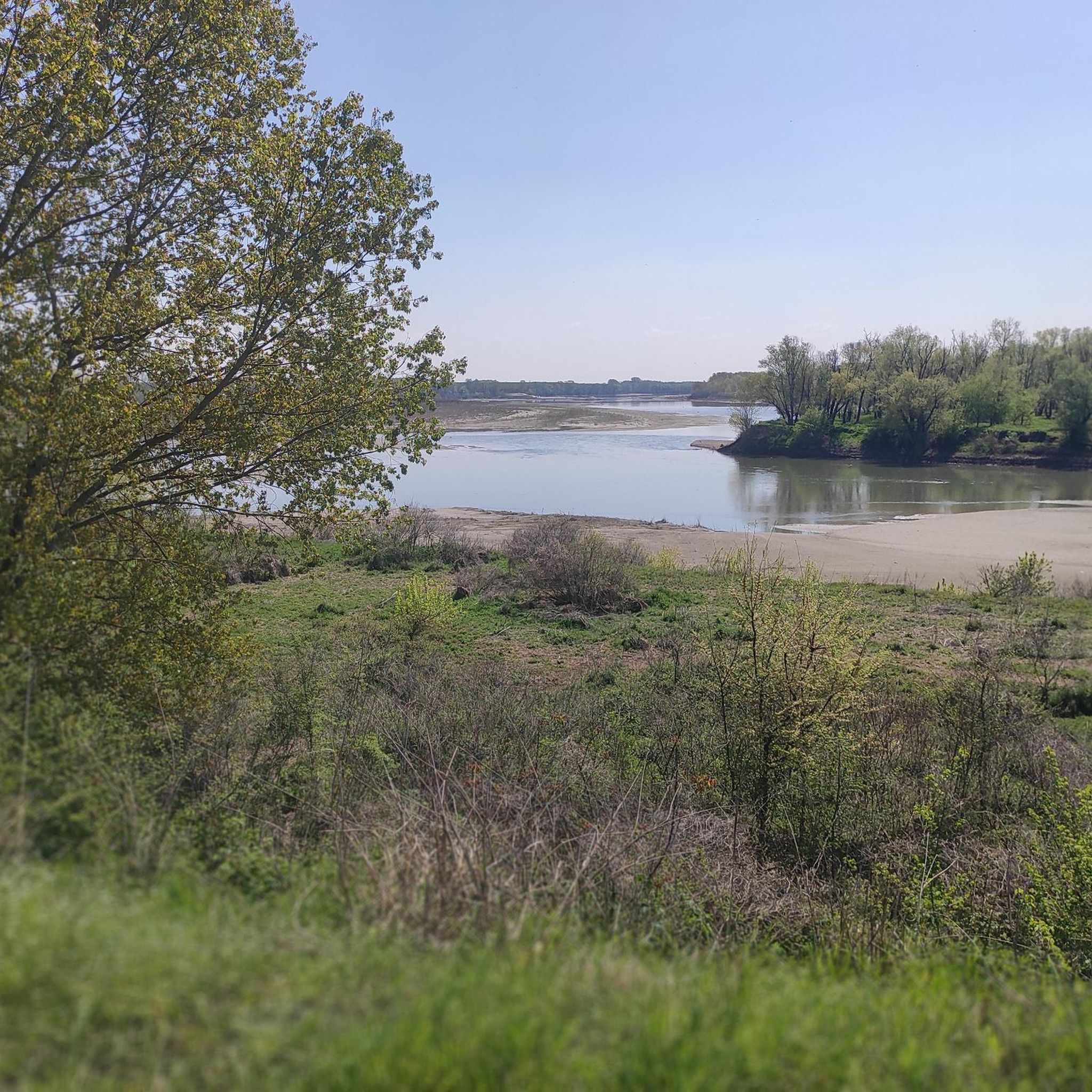
Pontoon bridge on the River Oglio
Highlight • Bridge
The …
Translated by Google •
Tip by

Sabbioneta (UNESCO World Heritage Site)
Highlight • Historical Site
Translated by Google •
Tip by

Sign up now to discover places like this
Get recommendations on the best single tracks, peaks, & plenty of other exciting outdoor places.
Sign up for free
San Matteo delle Chiaviche Pumping Station
Highlight • Structure
Translated by Google •
Tip by

Rivarolo Mantovano
Highlight • Settlement
Translated by Google •
Tip by

The Gallery of the Ancients
Highlight • Historical Site
The gallery, …
Translated by Google •
Tip by

Sign up for free to discover even more attractions around San Martino Dall'Argine.
Sign up for free
Already have an account?
Start today with a free account
Your next adventure awaits.
Login or Signup

Tips from the Community

Gravel ride off the main roads
1
0

This massive drainage system, located in the San Matteo delle Chiaviche hamlet of the municipality of Viadana, provides drainage for a hydraulic basin of approximately 32,000 hectares. It pumps the tributary waters through the Navarolo, Ceriana and Fossola canals into the Oglio river, with a total flow rate of approximately 53,000 liters per second. The plant, in addition to its hydraulic functions, is now home to the interpretation and documentation center of the ecomuseum of Viadana, Commessaggio, Dosolo and Gazzuolo.
3
0

Beautiful medieval portal of this village in the middle of the countryside
0
0

The history of Rivarolo Mantovano is strongly characterized by the domination of the Gonzaga family, of which there are important and numerous traces throughout the municipal territory. Historical research informs us that the first urban nucleus of Rivarolo was located about a kilometer away from the current position, as evidence of the ancient settlement there are still the remains of the terraqueous mill, located on the bank of the Delmona canal, and a tombstone, from the Lombard era, kept in the current parish church and coming from the ancient parish church. In 1432 the emperor Sigismund of Luxembourg officially sanctioned the Gonzaga lordship on the Rivarolo territory, which would continue for more than three centuries, leaving a precious baggage of history, monuments and traditions.
0
0

The walled city of Sabbioneta was born to put into reality the concept of the Renaissance "ideal city". The village, of great architectural, artistic and historical value, hosts sumptuous palaces and harmonic alleys. Since 2008 it has been included among the Italian Unesco sites.
4
0

In this area you can see various hydraulic engineering mechanisms, placed in correspondence with the watercourse: they are of fundamental importance for regulating the flow and preventing possible floods. The Fossola Canal, in the Municipality of Viadana, is in fact characterized by artificial conditions which can cause safety problems due to bed and bank erosion.
3
0

Attention the bridge varies its inclination according to the river
10
0
Frequently Asked Questions
What historical sites can I explore in San Martino Dall'Argine?
San Martino Dall'Argine is rich in history, particularly due to its ties with the Gonzaga family. You can visit the Palazzo Comunale with its majestic Gonzaga porticoes, the Chiesa Castello / Parish Church of Santa Maria Annunciata which features 16th-century frescoes, and the historic Piazza Castello. Another significant religious site is the Chiesa dei Santi Fabiano e Sebastiano. Additionally, the Casa di Ferrante Aporti, formerly a barracks, became the first rural infant school in 1834.
Are there any unique natural features to see near San Martino Dall'Argine?
The area is defined by the Oglio River, which has shaped its flat, agricultural landscape. San Martino Dall'Argine is situated on the river's right bank, and its name reflects its origins from an ancient natural embankment. The fluvial area is part of the Parco Regionale dell'Oglio Sud, offering rich biodiversity and serene rural environments. A notable engineering marvel connected to the river is the Pontoon bridge on the River Oglio, known for its unique design that adapts to the river's water levels.
What kind of outdoor activities can I do around San Martino Dall'Argine?
The region offers various outdoor activities, especially along the Oglio River and within the Oglio Sud Regional Park. You can explore numerous routes for running and cycling. For running, consider trails like the Casatico Countryside Loop or the Running loop from San Martino dall'Argine. For cycling, options range from easy to difficult, including routes like the Rivarolo Mantovano – Porta Mantova loop from Bozzolo. You can find more details on these activities in the Running Trails around San Martino Dall'Argine and Cycling around San Martino Dall'Argine guides.
Can I find family-friendly attractions in the area?
Yes, the region offers attractions suitable for families. The nearby Sabbioneta (UNESCO World Heritage Site) is considered family-friendly, offering a fascinating glimpse into a Renaissance 'ideal city' with its palaces and harmonious alleys. Exploring the historical town of Rivarolo Mantovano, with its old rural houses and Piazza Finzi, can also be an engaging experience for families.
What is the significance of the Gonzaga family in San Martino Dall'Argine?
The Gonzaga family played a pivotal role in shaping San Martino Dall'Argine. Their influence is evident in the majestic Gonzaga porticoes of the Palazzo Comunale and the historical context of the Chiesa Castello, originally desired by Cardinal Scipione Gonzaga. The town's description as an 'open-air museum' with noble palaces and wide porticoes underscores the ancient splendor brought by this powerful Mantuan family.
Where can I see examples of impressive engineering in the region?
The region showcases significant hydraulic engineering. The San Matteo delle Chiaviche Pumping Station is a massive drainage system crucial for flood control and water flow regulation, draining approximately 32,000 hectares. It's a testament to the area's efforts in managing its riverine landscape. Additionally, the Pontoon bridge on the River Oglio is an innovative structure designed to adapt to changing water levels.
Is there a UNESCO World Heritage site nearby?
Yes, the walled city of Sabbioneta, located near San Martino Dall'Argine, is a UNESCO World Heritage site. It is renowned as a Renaissance 'ideal city,' featuring splendid palaces and harmonious streets that exemplify Renaissance urban planning. It was inscribed on the UNESCO list in 2008.
What is the Pontoon bridge on the River Oglio known for?
The Pontoon bridge on the River Oglio is known for its unique engineering. It is placed on boats, meaning that as the Oglio River's water levels rise, the slope of the access ramps to the bridge changes, as they are connected in a 'jointed' way. This adaptive design makes it a distinctive landmark, though it's important to check its operational status as it can be closed to traffic, including cycling, at times.
What is the Oglio Sud Regional Park and what does it offer?
The Parco Regionale dell'Oglio Sud is a protected regional park that encompasses the fluvial area of San Martino Dall'Argine. It extends from the Oglio Nord Park to the confluence with the Po River. The park is characterized by rich biodiversity, particularly in its wetland areas, and offers a serene, rural environment shaped by quality agricultural production. It's an ideal place for nature observation and tranquil walks.
Are there any easy walks or running trails around San Martino Dall'Argine?
Yes, there are several easy to moderate running and walking trails in the vicinity. For instance, the 'Running loop from San Martino dall'Argine' is a moderate 10 km route. You can also find various cycling routes with easy difficulty grades, such as the 'Rivarolo Mantovano – Porta Mantova loop from Bozzolo' for touring bicycles or the 'Rivarolo Mantovano – Porta San Martino of Bozzolo loop from Bozzolo' for road cycling. More details are available in the Running Trails around San Martino Dall'Argine and Cycling around San Martino Dall'Argine guides.
What is Rivarolo Mantovano and why is it significant?
Rivarolo Mantovano is a splendid town in the province of Mantua, strongly influenced by the Gonzaga family, much like San Martino Dall'Argine. Its old historic center, within its walls, features long, straight streets and old rural houses, centered around Piazza Finzi. The town's history is deeply intertwined with the Gonzaga domination, which lasted for over three centuries, leaving a rich legacy of history, monuments, and traditions.
What is The Gallery of the Ancients?
The Gallery of the Ancients, also known as the 'Corridor grande in the castle square,' was built between 1584 and 1586. It was originally constructed to house Duke Vespasiano Gonzaga's archaeological collection of ancient marbles, busts, statues, and epigraphs. Although the collection was later transferred, the gallery itself remains a significant historical structure, showcasing the artistic and cultural ambitions of the Gonzaga era.
Most popular routes around San Martino Dall'Argine

Get inspired with the komoot mobile app


Explore more
Still not found the Highlight you’re looking for? See guides of the top attractions in other regions:
