The best MTB trails around Castelverde
4.3
(325)
1,337
riders
182
rides
Mountain biking around Castelverde offers a network of routes primarily characterized by flat to gently rolling terrain, typical of the Po Valley region in Italy. The landscape features agricultural areas, riverside paths along the Po and Adda rivers, and historic cycling paths. Elevations are generally low, with most climbs being gradual hills rather than mountains. The area provides opportunities for cycling through rural settings and past cultural landmarks near Cremona.
Best mountain bike trails around Castelverde
- The most popular mountain…
Last updated: July 1, 2026
3.8
(4)
18
riders
Moderate mountain bike ride. Good fitness required. Suitable for all skill levels.
5.0
(2)
13
riders
76.7km
04:33
160m
160m
Moderate mountain bike ride. Good fitness required. Suitable for all skill levels.

Sign up for free
4.3
(3)
10
riders
34.3km
01:50
30m
30m
Easy mountain bike ride. Great for any fitness level. Suitable for all skill levels.
5.0
(2)
5
riders
Moderate mountain bike ride. Good fitness required. Advanced riding skills necessary.
4
riders
Easy mountain bike ride. Great for any fitness level. Suitable for all skill levels.
Get access to more routes and recommendations from other explorers.
Sign up for free
Already have an account?
Our route recommendations are based on thousands of hikes, rides, and runs completed by other people on komoot.
Start today with a free account
Your next adventure awaits.
Login or Signup

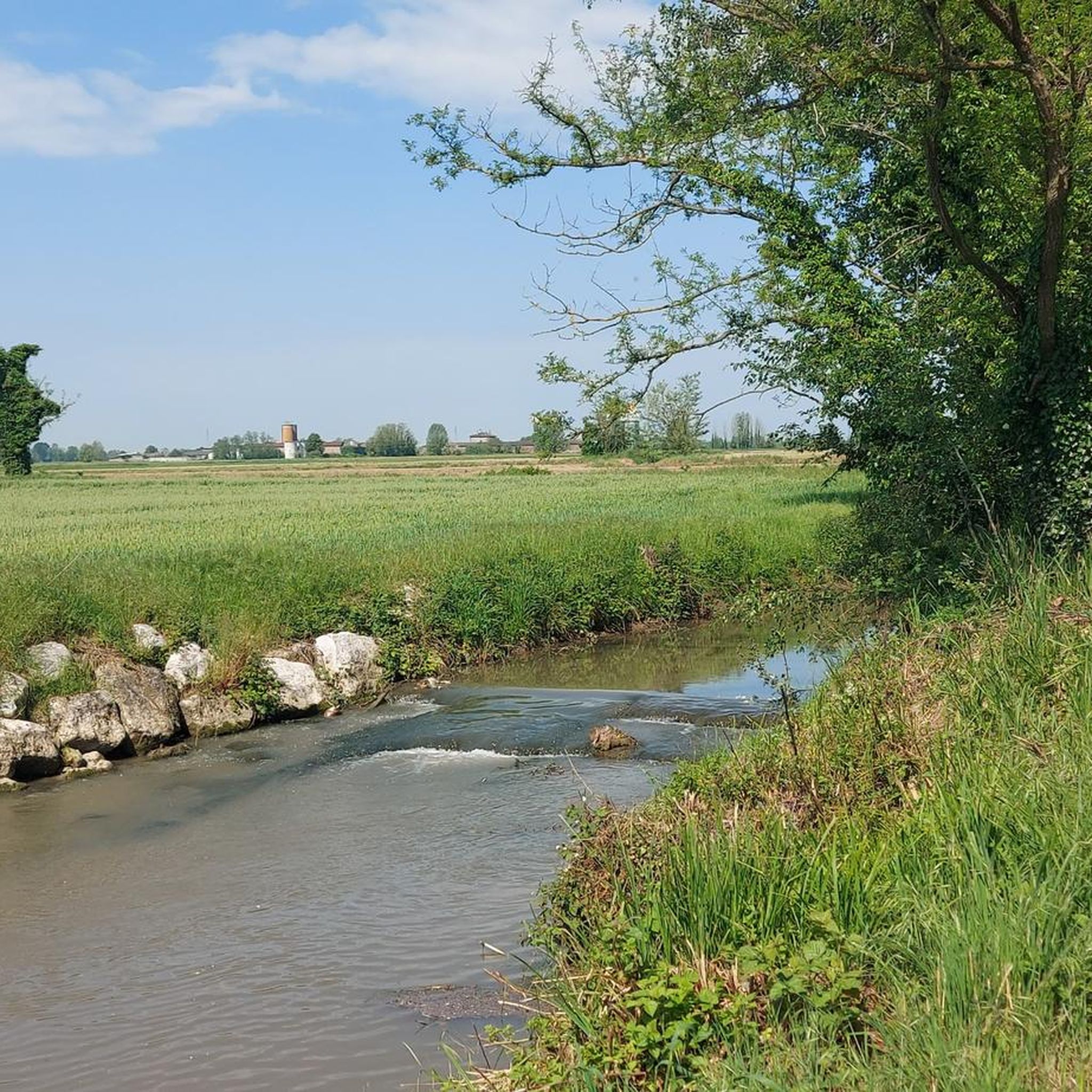
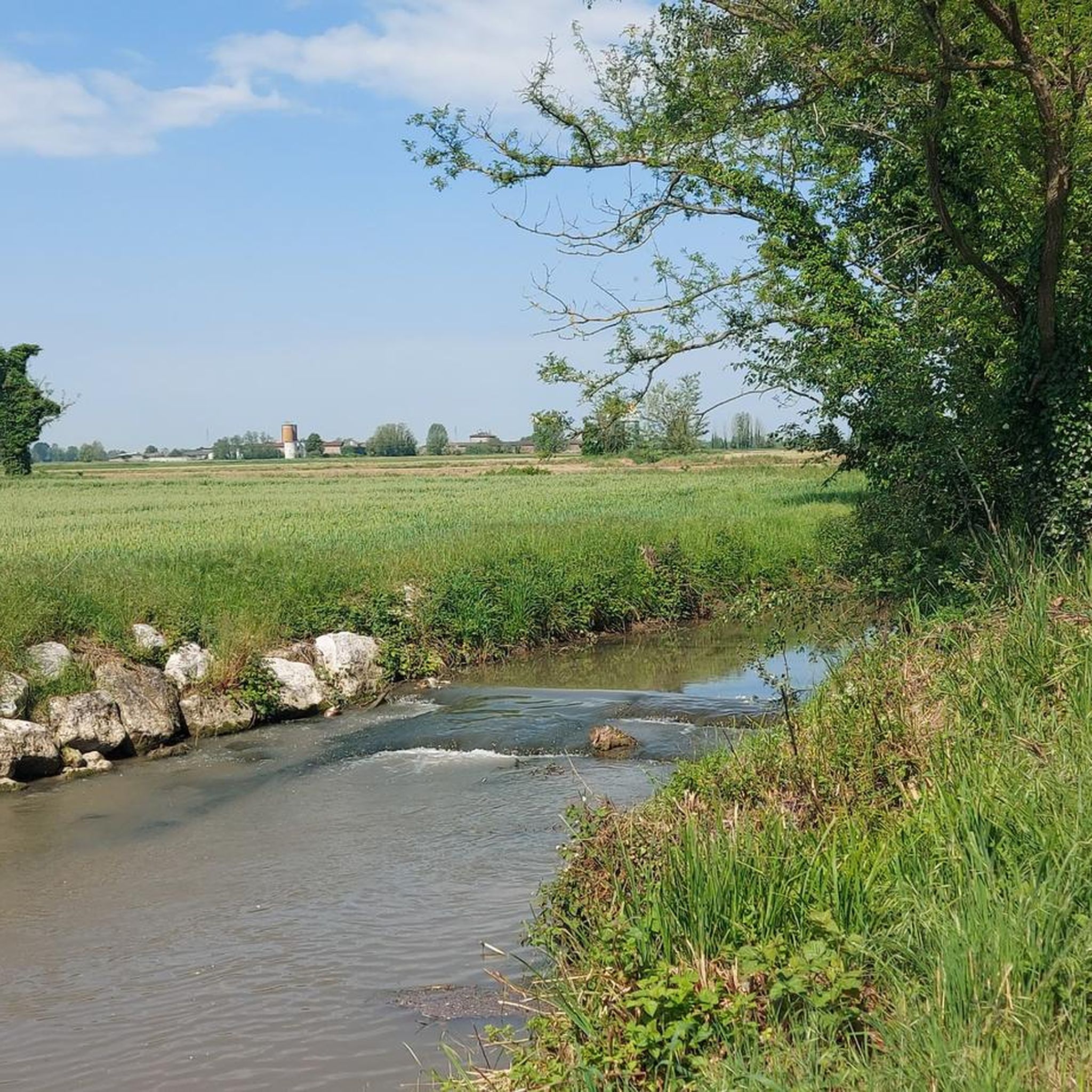
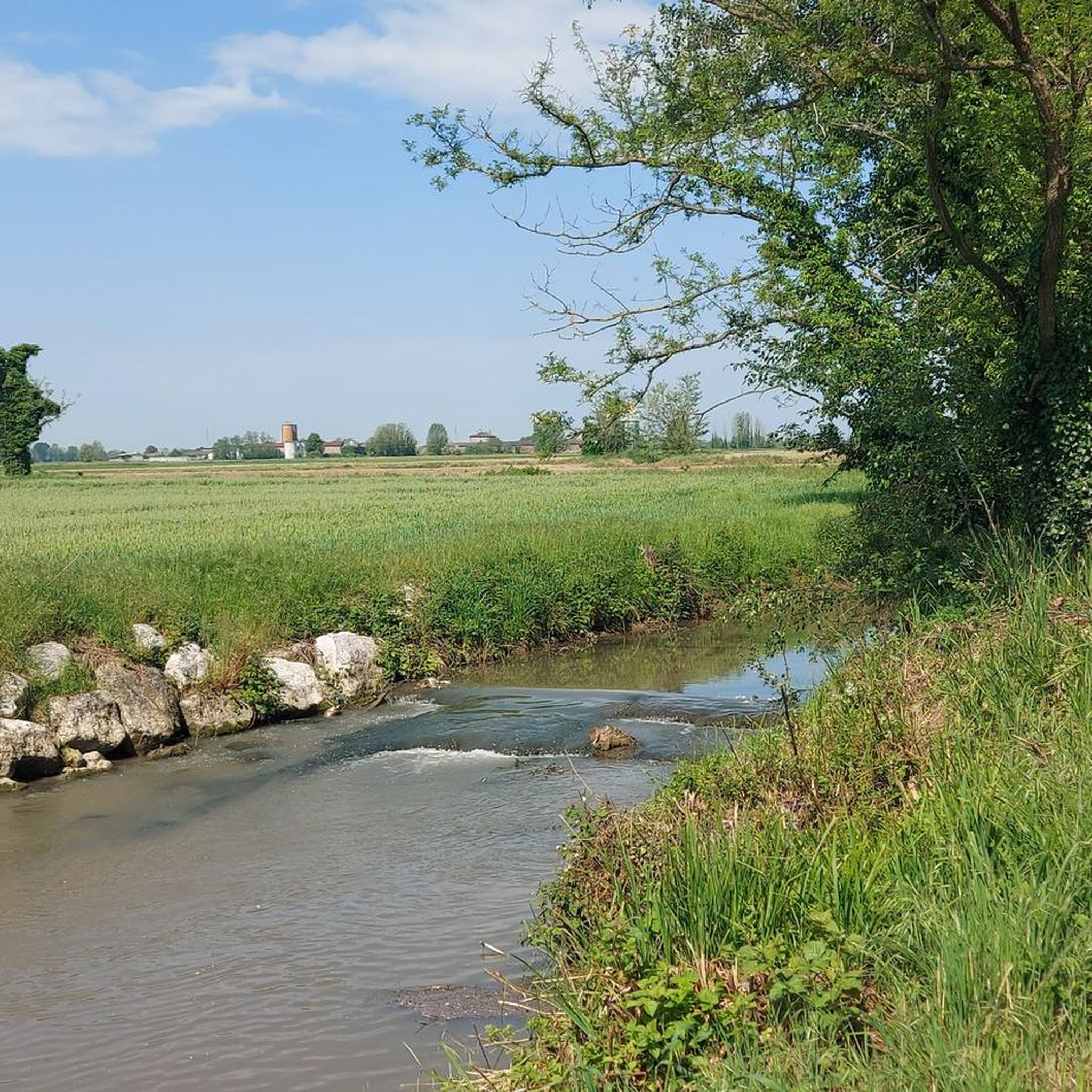
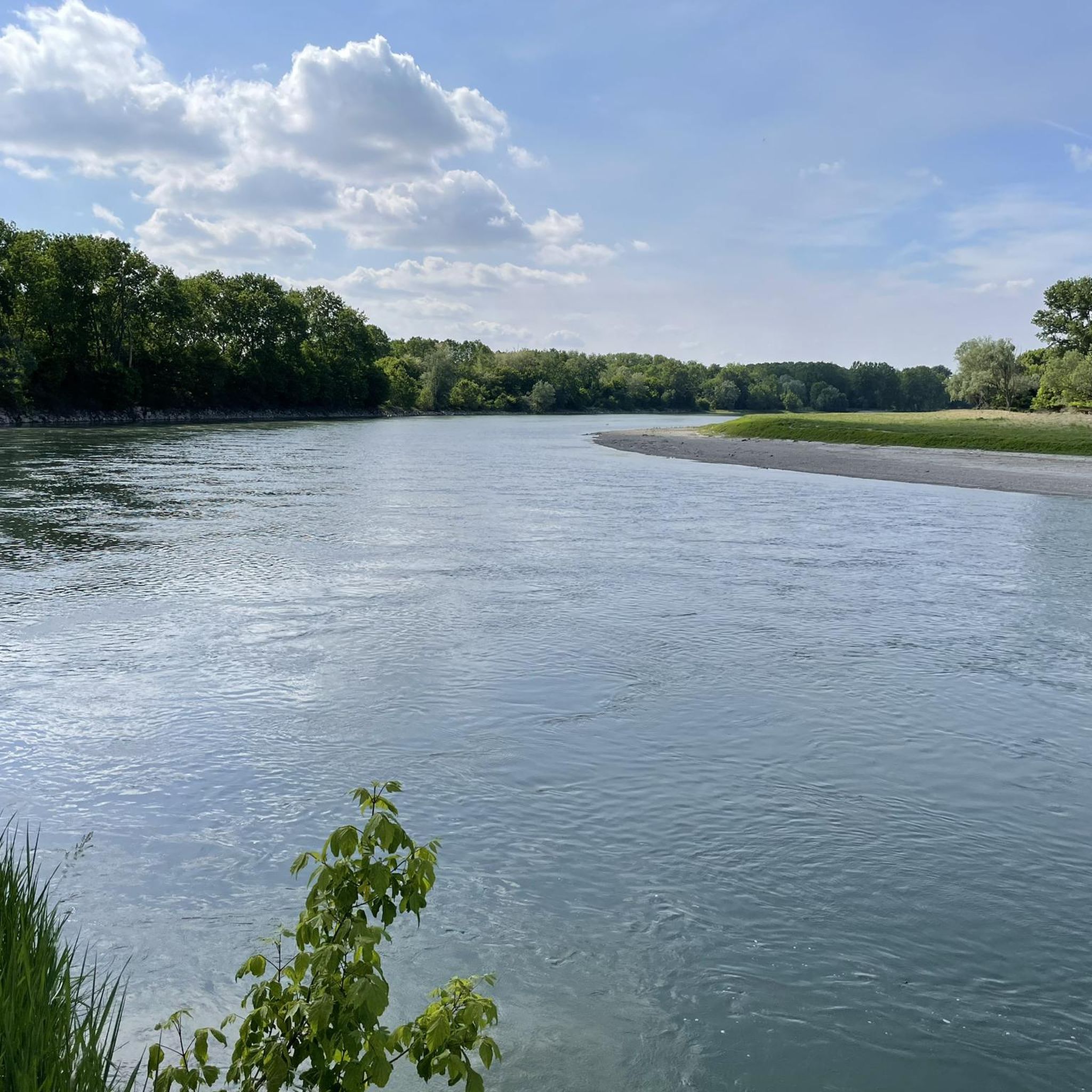
Tips from the Community

Pure Gravel ride. With mixed stretches on asphalt to relax a bit. Alternating shade and sun, but I think mid-season is preferable. The stretch of Verolavecchia and Verolanuova is beautiful, with its architectural features. There are fun climbs and descents, for which, however, it's better to have good brakes (as always).
0
0

The Naviglio Civico di Cremona is a historic artificial canal of about 57 km (reaching over 75 km considering the underground section "Cremonella" and the final stretch into the Po River), built in 1337 for irrigation purposes and still fundamental for agriculture today. It crosses the province from north to south, connecting the Oglio river to the city, characterized by a landscape rich in biodiversity, ancient farmhouses, and a cycle path.
0
0

❌Lost path, brambles and nettles 2m high DANGEROUS!!❌
0
0

The station was activated in 1863, with the opening of the Treviglio-Cremona line.
16
0
The church of Santa Maria Nascente is the parish church of Migliaro, the original nucleus of the church presumably arose in the sixteenth century, at the behest of the Amati lords, at the beginning of the following century the bishop Cesare Speciano ordered that the church be expanded and rebuilt. In the first decades of the twentieth century the building was the subject of an important restoration and presumably in the same years the interior was decorated by the painter Silvio Verdelli
17
0
The Mirabello hydroelectric power plant built at the beginning of the 20th century supplied 140 kW of energy, mostly to the Municipality of Cremona. With the nationalization of electricity production, the small power plants in the area became unprofitable and were therefore abandoned.
22
0
The hydraulic junction of the Tombe Morte-Tredici Ponti constitutes the most important concentration of artificial waterways in the province of Cremona, irrigating approximately 85,000 hectares of countryside. Here the Naviglio Civico di Cremona, the Naviglio Grande Pallavicino and the Canale Vacchelli intersect, the latter pouring almost all of its flow into the Naviglio Pallavicino, the Naviglio Civico and a dozen irrigation ditches through an impressive system of locks. Finally, a spillway, built between 1968 and 1981, detaches from the junction, which discharges any excess flow from the Naviglio Civico, the Naviglio Pallavicino and the Vacchelli into the Oglio river. Two different hypotheses have been made regarding the origin of the name, the first would originate from the term tomba which is synonymous with siphon, a hydraulic element that connects two conduits. Probably some of these artifacts would have fallen into disuse, hence the adjective death. Another hypothesis is linked to the discovery of several dozen burials dating back to the late Roman era.
23
0
Church rebuilt in 1579 reusing the materials of the previous church which dates back to 1100, enlarged several times during the following centuries
22
0
Frequently Asked Questions
How many mountain bike trails are available around Castelverde?
There are over 170 mountain bike trails around Castelverde, offering a wide range of options for different skill levels. The komoot community has explored these routes over 1500 times, contributing to an average rating of 4.2 stars.
What is the typical terrain like for mountain biking in Castelverde?
Mountain biking around Castelverde primarily features flat to gently rolling terrain, characteristic of the Po Valley region in Italy. You'll find routes winding through agricultural areas, alongside the Po and Adda rivers, and utilizing historic cycling paths. Elevations are generally low, making for accessible rides.
Are there mountain bike trails suitable for beginners or families in Castelverde?
Yes, Castelverde offers plenty of options for beginners and families. With 58 easy trails available, you can enjoy relaxed rides through agricultural landscapes and small villages. Routes like Cascina San Giorgio – Church of Santa Maria Nascente loop from San Martino in Beliseto are perfect for a leisurely experience.
What kind of landmarks or attractions can I see while mountain biking near Castelverde?
The area around Castelverde is rich in cultural and historical sights. You can cycle past impressive landmarks such as the Torrazzo of Cremona, Europe's tallest medieval brick bell tower, or the historic Iron Bridge over the Po River. Other notable attractions include the Cathedral of Saint Mary of the Assumption and various castles like Maccastorna and its castle.
Are there any circular mountain bike routes in Castelverde?
Yes, many of the mountain bike trails around Castelverde are circular, offering convenient starting and ending points. Popular options include the 43.3-mile Iron Statue on the Po River – Church in Bassa Cremonese loop from Cava Tigozzi and the 20.4-mile Torre del Guado – Along the Adda at Pizzighettone loop from Acquanegra Cremonese.
What do other mountain bikers enjoy most about the trails in Castelverde?
The komoot community rates the mountain bike trails around Castelverde highly, with an average score of 4.2 stars. Riders frequently praise the well-maintained paths, the peaceful rural scenery, and the opportunity to explore riverside areas and historic sites. The variety of routes, from easy loops to moderate distances, is also a common highlight.
What is the best time of year for mountain biking in Castelverde?
The Po Valley region generally offers pleasant cycling conditions during spring and autumn, when temperatures are milder. Summer can be warm, but riverside routes provide some relief. Winter can be chilly and potentially foggy, but trails remain accessible for those who don't mind cooler weather.
Are there any challenging mountain bike trails for experienced riders?
While the region is known for its generally flat terrain, there are 6 difficult trails available for those seeking more of a challenge. These routes may feature longer distances or slightly more varied elevations, often exploring the river valleys and agricultural fields over extended periods.
Can I find routes that follow the Po or Adda rivers?
Absolutely. Many mountain bike trails in Castelverde incorporate riverside paths along both the Po and Adda rivers. These routes offer scenic views and a refreshing experience, allowing you to cycle through natural settings. An example is the Torre del Guado – Along the Adda at Pizzighettone loop from Acquanegra Cremonese.
Are there mountain bike routes that pass through or near Cremona?
Yes, some routes connect Castelverde with the historic city of Cremona, allowing you to combine your ride with cultural exploration. For instance, the Cascina San Giorgio – Cremona Cathedral loop from Casalbuttano is a moderate 70.7 km trail that takes you past significant landmarks in and around Cremona.
What are the typical distances and durations for mountain bike trails in this area?
Trail distances vary widely, from shorter loops perfect for a quick ride to longer excursions. For example, the Iron Statue on the Po River – Church in Bassa Cremonese loop from Cava Tigozzi is 43.3 miles (69.7 km) and takes about 3 hours 40 minutes, while the Cascina San Giorgio – Church of Santa Maria Nascente loop from San Martino in Beliseto is 20.9 miles (33.6 km) and typically takes around 1 hour 50 minutes.
Most popular routes around Castelverde
Most popular attractions around Castelverde

Get inspired with the komoot mobile app


Explore more
Browse the best MTB trails in other regions.
