Attractions and Places To See around Stagno Lombardo - Top 20
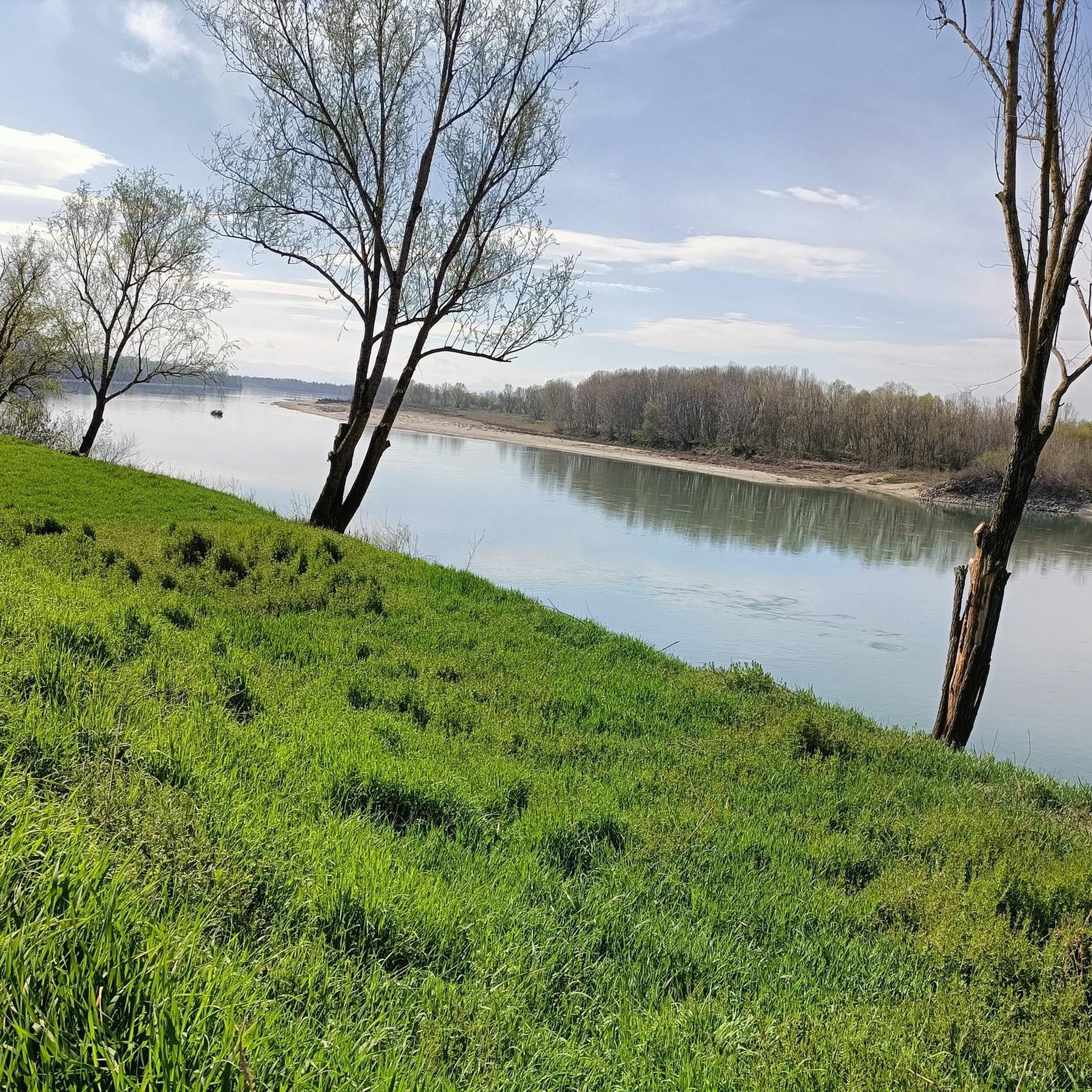
Best attractions and places to see around Stagno Lombardo include its deep connection to the Po River and its agricultural heritage. This small municipality offers insight into traditional Lombard rural life, characterized by an open landscape of poplar groves and cultivated fields. The area features historical farmhouses and natural areas like the Lanca Gerole, highlighting its ancient hydraulic and agricultural vocation. Stagno Lombardo provides an authentic experience of a Lombard rural settlement.
Best attractions and places to see around Stagno…
Last updated: October 9, 2026
Torrazzo of Cremona
Highlight • Monument
Boasting the record of being the tallest medieval brick bell tower …
Translated by Google •
Tip by

Busseto
Highlight • Settlement
Translated by Google •
Tip by

Sign up now to discover places like this
Get recommendations on the best single tracks, peaks, & plenty of other exciting outdoor places.
Iron Bridge over the Po River (Cremona)
Highlight • Bridge
Translated by Google •
Tip by

Cathedral of Saint Mary of the Assumption
Highlight • Religious Site
Translated by Google •
Tip by

Baptistery
Highlight • Religious Site
The octagonal baptismal chapel from 1167 with its mighty dome houses an octagonal baptismal font made of red marble from the 16th century. Originally the baptismal chapel …
Translated by Google •
Tip by

Sign up for free to discover even more attractions around Stagno Lombardo.
Already have an account?
Start today with a free account
Your next adventure awaits.

Tips from the Community

A visit to this unusual museum is definitely worthwhile. Current prices, opening hours, and restrictions can be found here: https://museoverticale.it/
4
0
The historic city of Cremona in Lombardy is dominated by a monumental bell tower, the Torrazzo. At 112 meters tall, it is the tallest brick bell tower in Europe and one of the most impressive medieval structures in Italy. The Torrazzo was built gradually between the 13th and 14th centuries as part of the cathedral complex. Its brick construction testifies to both the technical ingenuity of medieval builders and the city's ambition to express its power and importance. In 1583, a unique astronomical clock was added to the tower, which still fascinates with its accuracy. Climbing the Torrazzo is a spiritual journey from earth to heaven, and it is not difficult to ascend the 502 steps that lead to the final terrace to enjoy a breathtaking 360° panorama. The visit includes a stop in the rooms dedicated to the study of time and astronomy in the new Vertical Museum, which was inaugurated in November 2018. https://www.cattedraledicremona.it/torrazzo-interno/?lang=de
5
0
Cremona Cathedral (Duomo di Cremona) is the seat of the Bishop of Cremona. The Romanesque church also exhibits Gothic, Renaissance, and Baroque elements. Together with the Baptistery and the bell tower, the Torrazzo, it forms the city's most important architectural ensemble. The three buildings stand opposite the Town Hall on the eastern edge of the Piazza del Comune (the old Platea Maior of the medieval city). The main structural elements of the three buildings date from the late 12th to the 15th centuries. The Cathedral is a national monument. https://de.wikipedia.org/wiki/Dom_von_Cremona
2
0

I recommend a visit, the interior is stunning.
1
1
Stunning frescoes that completely decorate the interior
1
1
Magnificent interior with spectacular frescoes
1
1

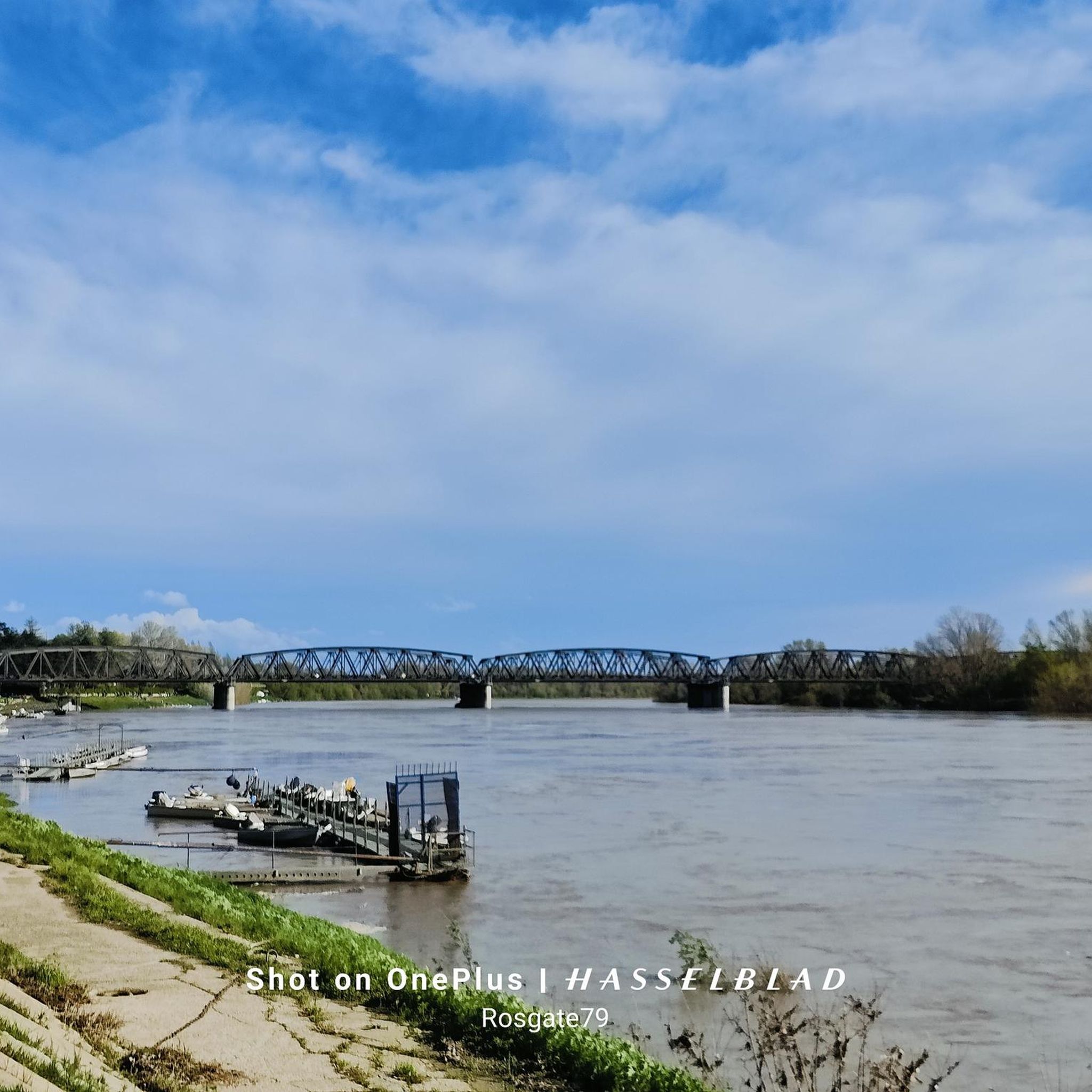
beautiful, I passed by chance, a breathtaking view below and a comfortable and safe bike passage, I recommend it
6
0

The tallest brick tower in Italy is also a vertical museum about time measurement and astronomy.
5
0
Frequently Asked Questions
What kind of attractions can I expect to find around Stagno Lombardo?
Stagno Lombardo offers an authentic experience of a Lombard rural settlement. You'll find a deep connection to the Po River and its agricultural heritage, with an open landscape of poplar groves and cultivated fields. Attractions range from historical farmhouses and ancient churches to natural areas like the Lanca Gerole, highlighting the region's ancient hydraulic and agricultural vocation.
Are there any significant historical landmarks near Stagno Lombardo?
Yes, the area boasts several historical landmarks. The Torrazzo of Cremona, the tallest medieval brick bell tower in Europe, is a prominent symbol of Cremona. You can also visit the Cathedral of Saint Mary of the Assumption in Cremona, known for its lavish frescoes. The municipality of Busseto, the birthplace of Giuseppe Verdi, also offers historical significance.
What natural features are prominent in the Stagno Lombardo area?
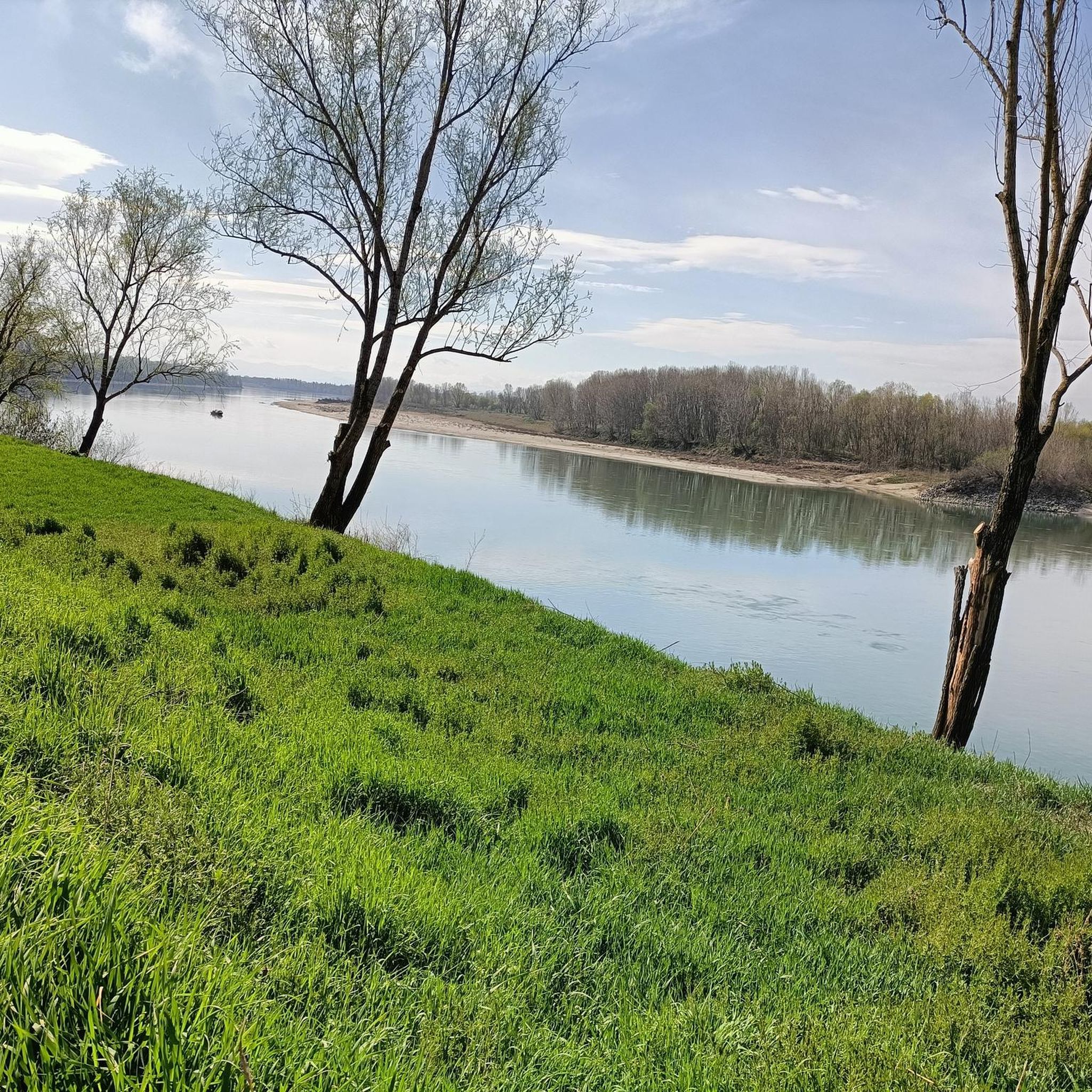
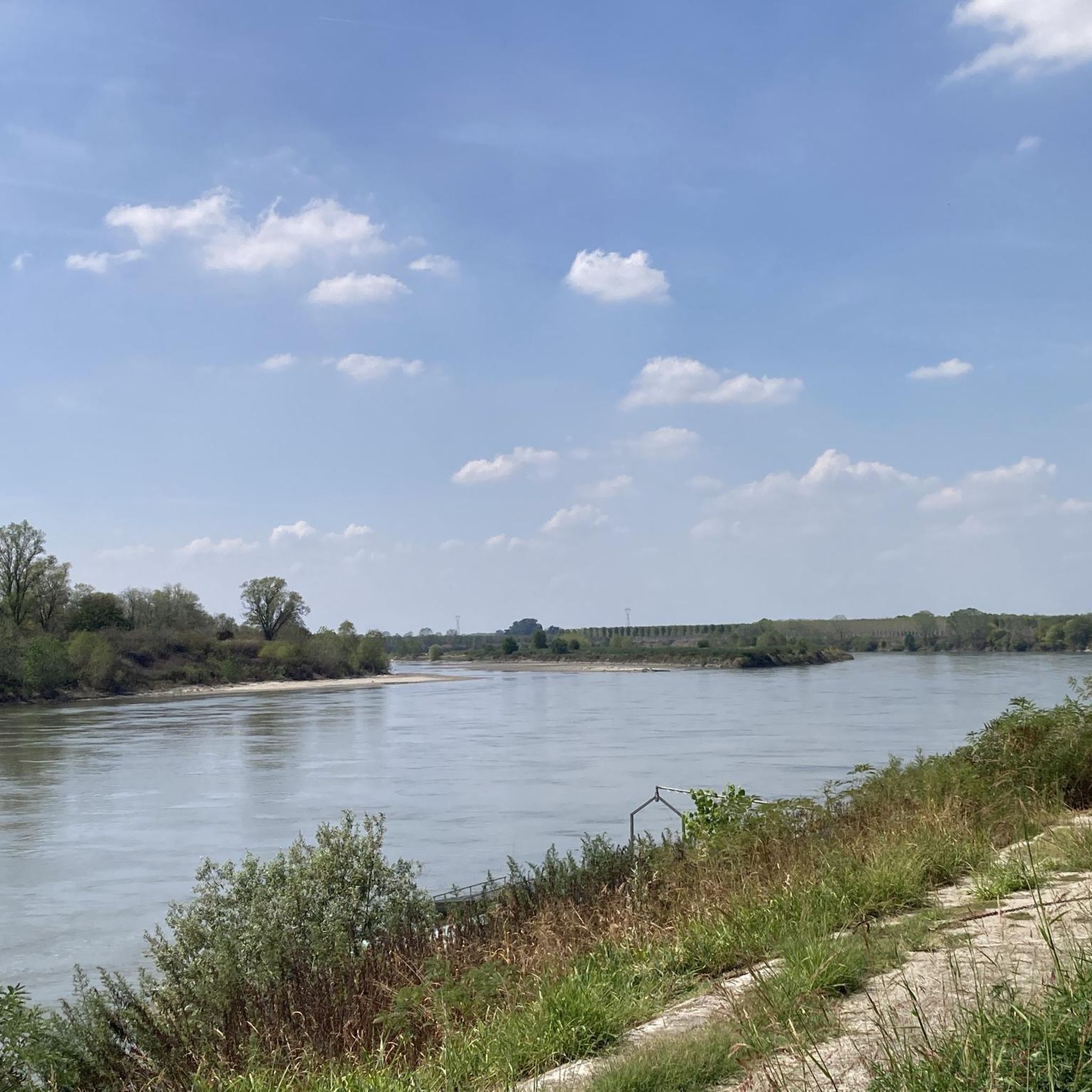
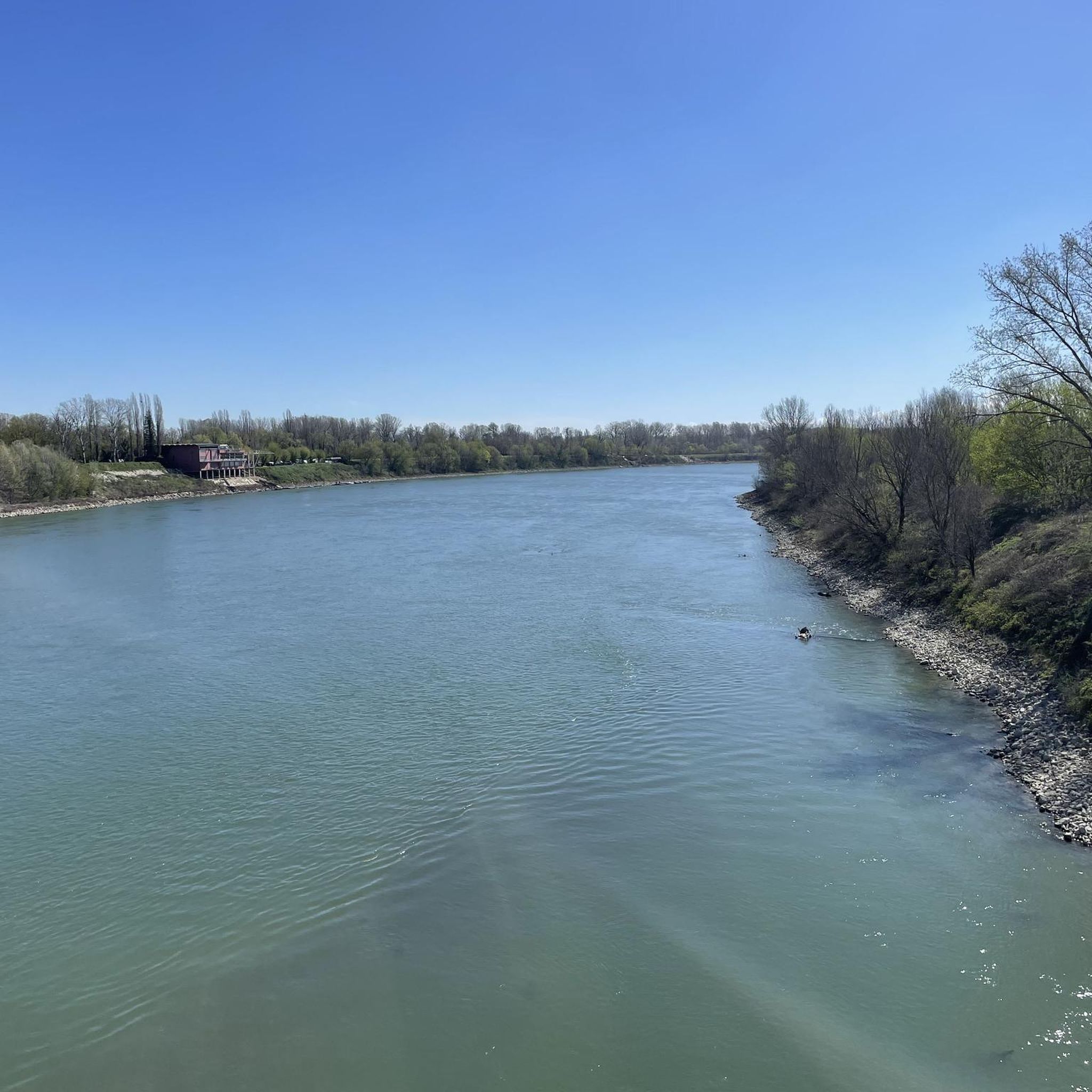
The most prominent natural feature is the Po River, which flows just south of the town center, offering an open landscape of poplar groves and cultivated fields. The Iron Bridge over the Po River (Cremona) provides a great viewpoint. Additionally, the Lanca Gerole Natural Area is a wetland of significant ecological value, popular for birdwatching and nature photography.
Are there any unique cultural sites to visit?
Beyond the major landmarks, Stagno Lombardo's cultural identity is deeply rooted in its agricultural heritage. You can explore numerous historic farmhouses (Cascine), some still active, which are integral to understanding the area's rural craftsmanship and community ties. The Parish Church of San Pietro Apostolo also stands as a significant historical testimony to the local community's roots.
Are there family-friendly attractions around Stagno Lombardo?
Many of the historical and natural sites can be enjoyed by families. The Cathedral of Saint Mary of the Assumption and the Baptistery in Cremona are considered family-friendly. The town of Busseto is also a good option for families. The natural areas, like the Lanca Gerole, are excellent for walks and observing wildlife with children.
What outdoor activities can I do near Stagno Lombardo?
The region around Stagno Lombardo is ideal for various outdoor activities, especially cycling and walking. You can find numerous routes for touring bicycles, gravel biking, and mountain biking. For example, there are easy cycling routes like the 'Cremona Tourist River Dock – Po River at Cremona loop' or 'Oasi Margherita – Po Museum loop'. You can explore more options on the Cycling around Stagno Lombardo guide.
Are there cycling routes available around Stagno Lombardo?
Absolutely! The area is crisscrossed by several irrigation canals and smaller waterways, making it very appealing for cyclists. You'll find a variety of routes, including easy ones like the 'Cremona Tourist River Dock – Po River at Cremona loop' (27.7 km) and 'Culatello Route – Busseto loop' (26.6 km). For more challenging rides, there are moderate and difficult gravel biking and MTB trails. Discover detailed routes in the Cycling around Stagno Lombardo and Gravel biking around Stagno Lombardo guides.
Where can I find easy walking or hiking trails?
While specific hiking trails are not detailed, the open landscapes of poplar groves, cultivated fields, and white roads along the Po River and around the Lanca Gerole Natural Area offer pleasant opportunities for easy walks and nature strolls. The region's waterways also provide appealing paths for walks. For more structured routes, consider the easy cycling loops mentioned in the Cycling around Stagno Lombardo guide, which can often be adapted for walking.
What is the best time of year to visit Stagno Lombardo for outdoor activities?
The best time to visit Stagno Lombardo for outdoor activities is generally during the spring (April-June) and early autumn (September-October). During these periods, the weather is typically mild and pleasant, ideal for cycling, walking, and exploring the natural riverine landscapes without the intense heat of summer or the chill of winter.
Is Stagno Lombardo accessible by public transport?
While Stagno Lombardo is a small municipality, it is located in the lower Cremona plain. Public transport options might be limited directly to the town center or specific rural attractions. It is advisable to check local bus schedules or consider traveling by car for greater flexibility in exploring the surrounding attractions and natural areas. For more information on the region, you might find details on local transport via visitcremona.org.
Are there any wheelchair accessible trails or attractions?
The Iron Bridge over the Po River (Cremona) is noted as wheelchair accessible, featuring a well-maintained and easily accessible cycle path. For other attractions, particularly historical sites and rural paths, accessibility can vary. It's recommended to check specific venue information or local guides for detailed accessibility details.
What do visitors enjoy most about the attractions near Stagno Lombardo?
Visitors particularly appreciate the rich history and architectural grandeur of sites like the Torrazzo of Cremona and the Cathedral of Saint Mary of the Assumption, often marveling at their intricate details and historical significance. The natural beauty of the Po River landscape and the tranquility of the Lanca Gerole Natural Area are also highly valued for their scenic views and opportunities for relaxation and nature observation.
Most popular routes around Stagno Lombardo

Get inspired with the komoot mobile app


Explore more
Still not found the Highlight you’re looking for? See guides of the top attractions in other regions:
