The best road cycling routes around Tribiano
4.2
(354)
6,052
riders
229
rides
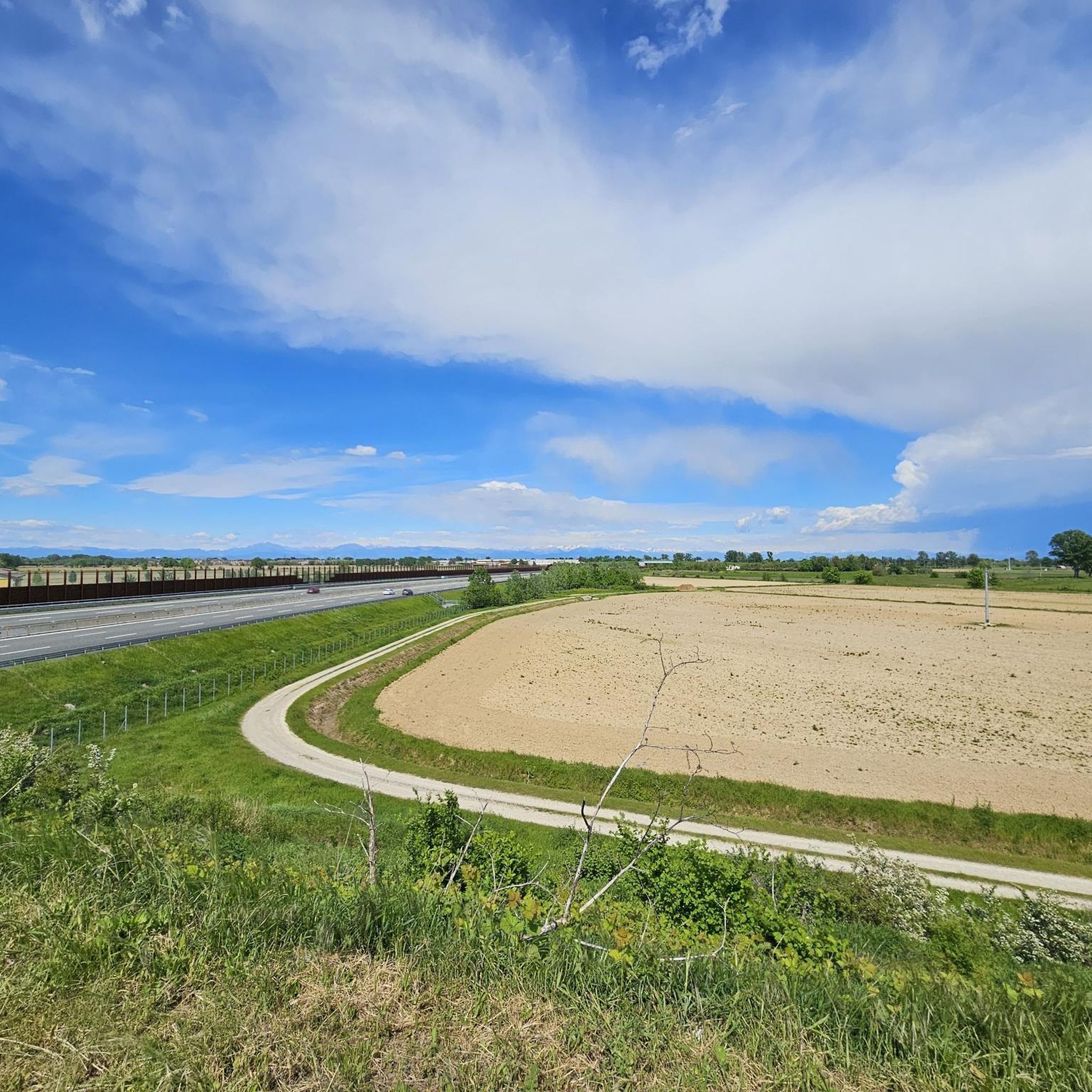
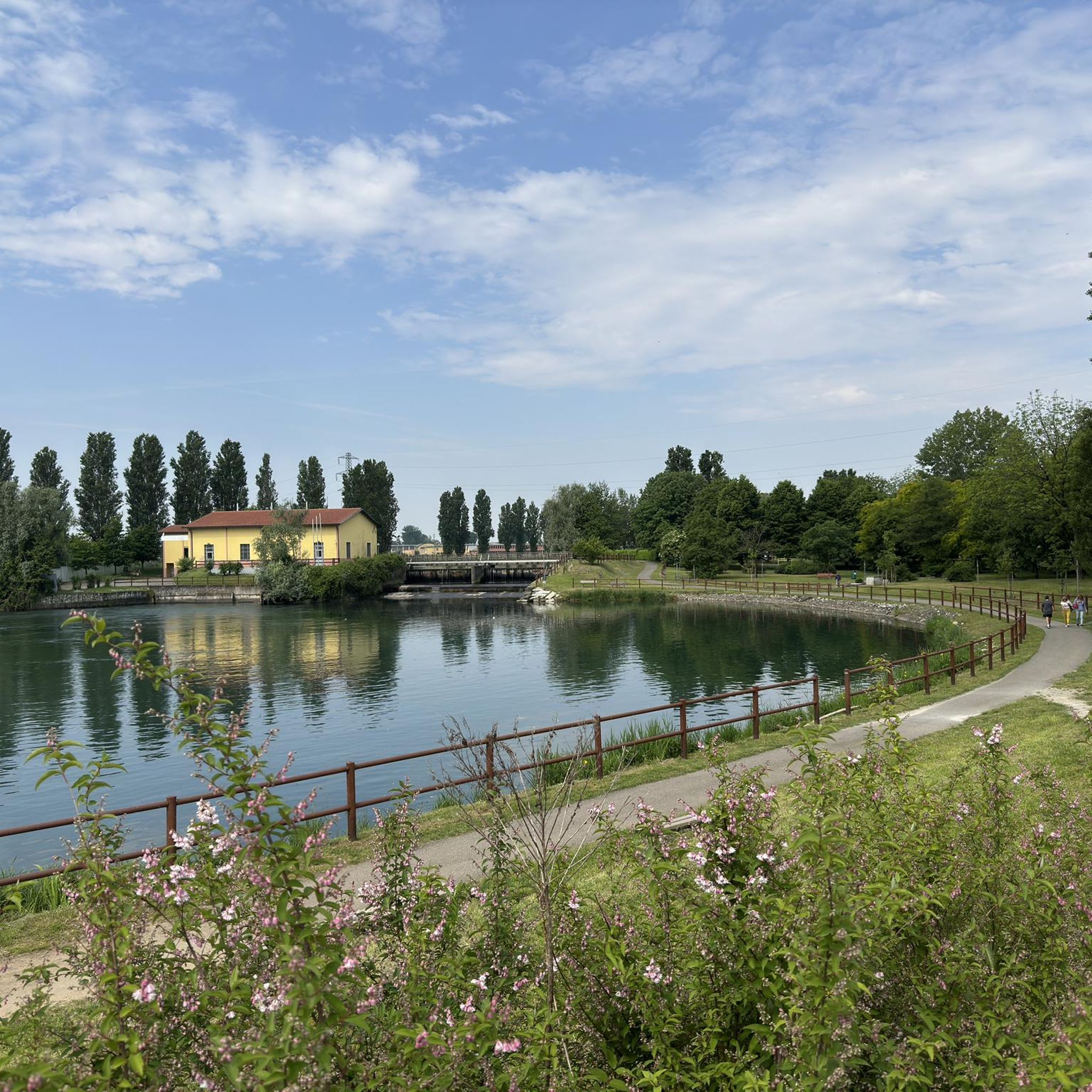
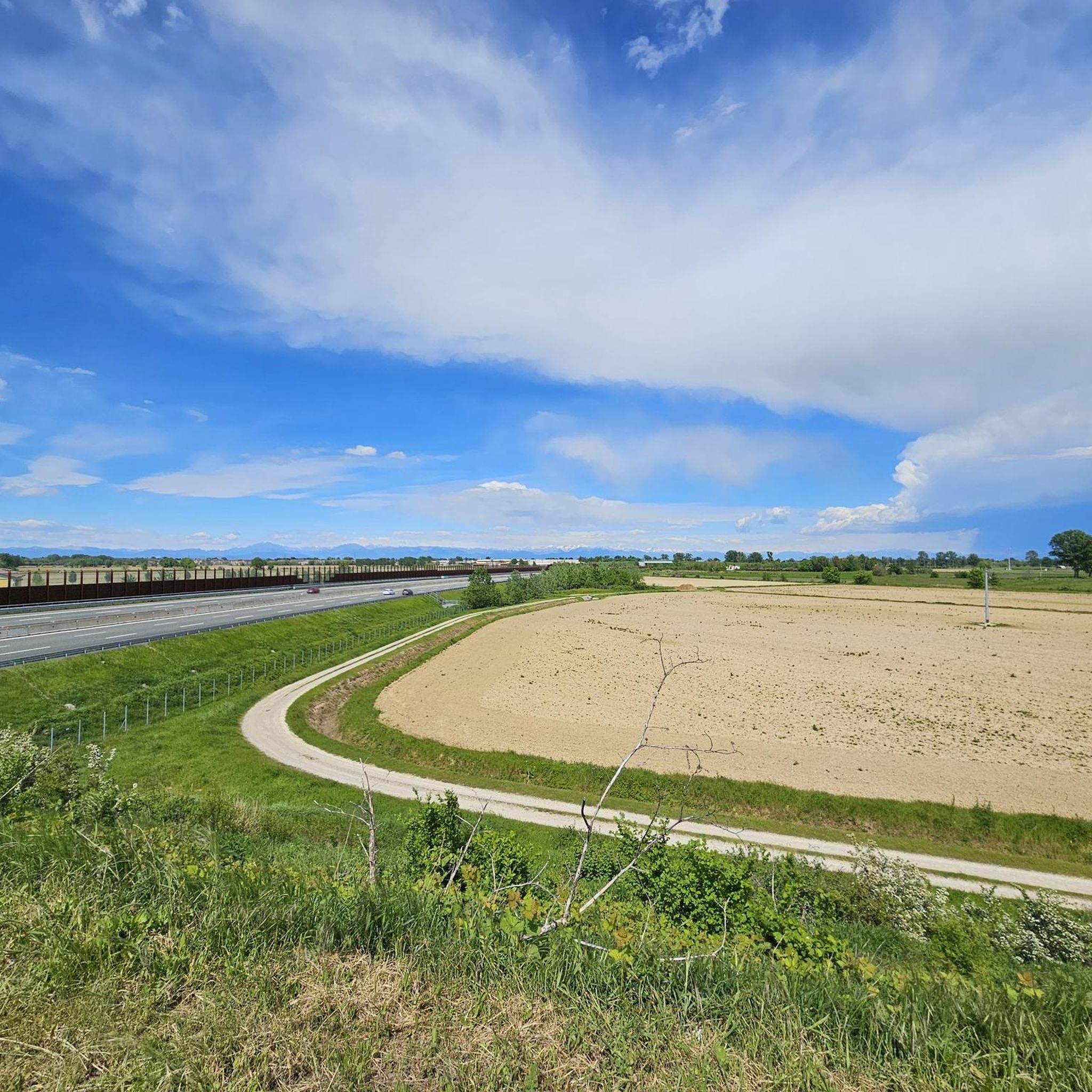
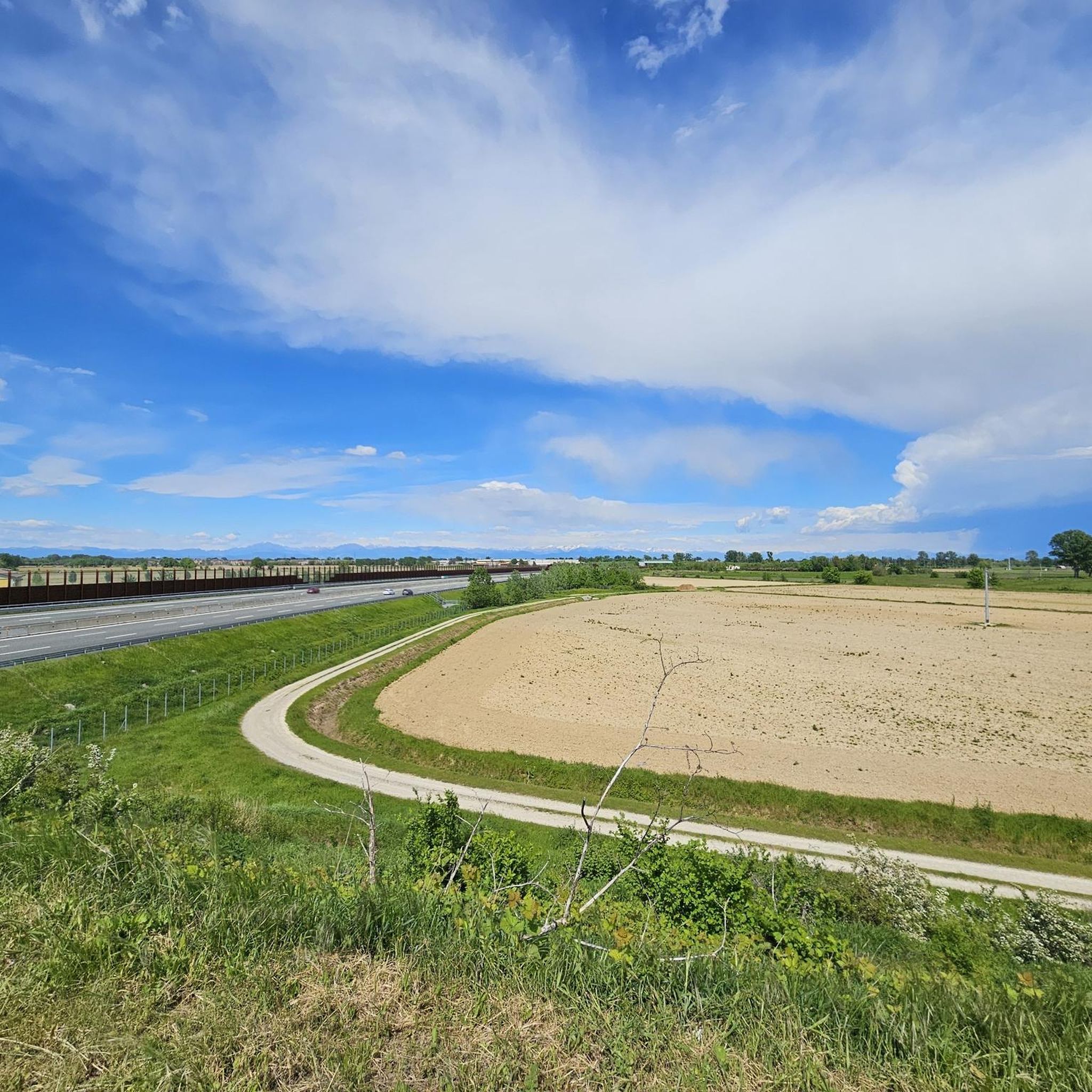
Road cycling around Tribiano, located in the Po Valley, is characterized by its predominantly agricultural landscape. The terrain is generally flat, featuring extensive fields and an intricate network of canals and ditches. Cyclists will encounter long avenues, often lined with poplars, plane trees, and willows, providing scenic backdrops for rides. The Addetta canal, a branch of the Muzza Canal, also defines the area's natural features.
Best road cycling routes around Tribiano
- The most popular road cycling route is Cycling Ring…
Last updated: August 21, 2026
3.4
(8)
82
riders
59.9km
02:22
130m
130m
Moderate road ride. Good fitness required. Mostly well-paved surfaces and easy to ride.
4.5
(2)
75
riders
46.3km
01:49
80m
80m
Easy road ride. Great for any fitness level. Mostly well-paved surfaces and easy to ride.

Sign up for free
4.0
(3)
72
riders
32.1km
01:16
80m
80m
Easy road ride. Great for any fitness level. Mostly well-paved surfaces and easy to ride.
5.0
(1)
30
riders
70.2km
02:48
130m
130m
Moderate road ride. Good fitness required. Mostly well-paved surfaces and easy to ride.
28
riders
80.9km
03:11
240m
240m
Moderate road ride. Good fitness required. Mostly well-paved surfaces and easy to ride.
Get access to more routes and recommendations from other explorers.
Sign up for free
Already have an account?
Our route recommendations are based on thousands of hikes, rides, and runs completed by other people on komoot.
Start today with a free account
Your next adventure awaits.
Login or Signup

Tips from the Community

The Church of the Assumption of the Blessed Virgin Mary in Villavesco, a hamlet of Tavazzano con Villavesco in the province of Lodi, is a 17th-century place of worship. The structure features a yellow facade with niches and bas-reliefs, a rectangular plan with symmetrical chapels, and historical sacred artworks.
0
0
The Locks of Bellinzago Lombardo are an important historical hydraulic engineering work located along the course of the Naviglio della Martesana. They represent one of the best-known stopping and points of interest for cyclists and hikers who frequent the canal bank. These historical hydraulic systems (locks or sluices) originally served to regulate the flow of water and allow commercial navigation between the Adda and Milan.
0
0
Miradolo Terme is an Italian municipality located in Lombardy, in the province of Pavia, known mainly for its renowned thermal spa and for being the birthplace of the famous television presenter Gerry Scotti. The town stands in a hilly position at the foot of the San Colombano hills, surrounded by vineyards and hazelnut groves overlooking the Bassa Pavese.
0
0
The Tavazzano and Montanaso thermoelectric power plant covers an area of 79 hectares in the Municipalities of Montanaso Lombardo and Tavazzano con Villavesco, in the province of Lodi, 25 km from Milan. The plant has an installed capacity of 1,970 MW and consists of three combined cycle units. The plant is close to important electricity consumption centers.
0
0
The Ciaparat Chapel is a landmark mainly known on road cycling routes around Sant'Angelo Lodigiano and the Parco Agricolo Sud Milano, often included in loop itineraries between Bascapè, Locate Triulzi, and Vistarino. It is a popular area for moderate road bike training, with asphalted roads.
0
0

Naviglio della Martesana is perhaps the least known of the ancient artificial canals connecting Milan to the great Lombard rivers. It originates from the Adda in Concesa, a hamlet of Trezzo d’Adda, crosses the Martesana sub-region, northeast of the provincial capital, and once in the city, it plunges underground beneath Via Melchiorre Gioia, at the height of Cassina de’ Pomm. It measures approximately 38 km in length, with a width varying from 9 to 18 meters. However, once upon a time, the Naviglio della Martesana continued in the open air all the way to the center, where a lock system centered on the Conca dell’Incoronata connected it to the short Naviglio di S. Marco and the urban network of the Navigli. The lock was inaugurated in 1496, utilizing lock gates designed by Leonardo da Vinci. The canal had been opened in 1471, under Francesco Sforza. By connecting it to the other Navigli, Leonardo laid the foundations for realizing a dream of the Sforzas: to travel by water from the Ticino, and therefore from Lake Maggiore, all the way to the Adda.
1
0
The route runs alongside the Naviglio della Martesana, perhaps the least known among the ancient artificial canals connecting Milan to the great Lombard rivers. It originates from the Adda river in Concesa, a hamlet of Trezzo d’Adda, crosses the Martesana sub-region, north-east of the provincial capital, and once in the city, it plunges underground beneath via Melchiorre Gioia, near Cassina de’ Pomm. It measures approximately 38 km in length, with a width varying from 9 to 18 meters. However, at one time, the Naviglio della Martesana continued in the open air right into the center, where a system of locks centered on the Conca dell’Incoronata connected it to the short Naviglio di S. Marco and the urban ring of the Navigli. The lock was inaugurated in 1496, utilizing lock gates designed by Leonardo da Vinci. The canal had been opened in 1471, under Francesco Sforza. By connecting it to the other Navigli,
3
0
The construction of the Naviglio Piccolo, later known as the Martesana, was started by Francesco Sforza in 1475 to transport along the route "grinding stones, oil presses, spinning mills, paper mills". It originates from the Adda, on the right bank, below the Castle of Trezzo and reaches Milan at Cascina de' Pomm, ending buried at San Marco. The Naviglio della Martesana, definitively completed in 1496 under the guidance of Ludovico il Moro, flows from Trezzo sull’Adda to Milan for a total length of 38 km. The route runs alongside the ancient Roman road that crossed the Adda with two branches: at Vaprio and at Cassano. Concurrently with the improvement of the agricultural structure thanks to irrigation, a notable flourishing of stately villas occurred in the Baroque era. The irrigation function of the Martesana marks the clear boundary between the dry plain, to the north, and the irrigated plain, to the south.
3
0
Frequently Asked Questions
How many road cycling routes are available around Tribiano?
There are over 220 diverse road cycling routes around Tribiano listed on komoot, catering to various preferences and fitness levels. These routes are highly rated by the komoot community, with an average score of 4.4 stars from over 200 reviews.
What is the typical terrain like for road cycling in Tribiano?
Road cycling around Tribiano is characterized by its predominantly flat Po Valley terrain. You'll encounter extensive agricultural fields, an intricate network of canals and ditches, and long avenues often lined with poplars, plane trees, and willows, providing scenic backdrops for your rides. The Addetta canal is also a prominent natural feature.
Are there routes suitable for beginners or those looking for an easy ride?
Yes, Tribiano offers a good selection of easy routes. For instance, the Marzano Circuit – Canale Muzza loop from Paullo is an easy 22.2-mile (35.8 km) path that follows the Canale Muzza, providing a flat and accessible ride through the local countryside.
What kind of attractions can I see along the road cycling routes in Tribiano?
Beyond the natural beauty of the Po Valley, you can explore several interesting attractions. Notable landmarks include the historic Chiaravalle Abbey, a 12th-century Cistercian complex, and the Idroscalo of Milan, a recreational hub. You might also pass by the Castello di Peschiera Borromeo or the Vacchelli Canal entrance.
Are there any natural features or viewpoints to look out for?
Absolutely. The region is rich in natural beauty, defined by its canals like the Addetta and Muzza, and tree-lined avenues. You can discover natural monuments such as the Besozza Forest, Carengione Wood, or the Isola delle Rose. The agricultural landscape itself offers serene and picturesque views.
Are there any longer or more challenging road cycling routes?
Yes, for those seeking a longer ride, the Cascine Capri – Vacchelli Canal at Sunrise loop from Paullo is a moderate 46.3-mile (74.5 km) trail. Another option is the Banine Ascent: The Woods – Graffignana Cycle Bridge loop from Paullo, which covers nearly 48.5 miles (78 km) and offers a moderate challenge.
Can I find routes that are loops or circular?
Many of the road cycling routes in Tribiano are designed as loops, allowing you to start and end in the same location. For example, the Cycling Ring of Paullo – ring tour in the Parco Adda Sud is a popular circular route exploring the Parco Adda Sud.
What do other road cyclists enjoy most about Tribiano?
The area is highly rated by the komoot community, with an average score of 4.4 stars. Reviewers often praise the flat, accessible terrain, the scenic agricultural landscapes, and the peaceful rides along the numerous canals and tree-lined avenues. Over 5,000 road cyclists have used komoot to explore Tribiano's varied terrain.
Are there routes that follow rivers or canals?
Yes, the region's landscape is defined by its intricate network of canals. Routes often follow these waterways, offering pleasant and flat rides. The Adda River at Cassano d'Adda – Adda River at Trezzo sull'Adda loop from Paullo is a great example, following the Adda River.
Are there any routes that pass through natural parks?
Yes, some routes venture into natural areas. The Cycling Ring of Paullo – ring tour in the Parco Adda Sud explores the Parco Adda Sud, offering views of agricultural fields and canals within a protected natural environment.
What is the overall difficulty range of road cycling routes in Tribiano?
Tribiano offers a wide range of difficulties. Out of over 220 routes, you'll find approximately 88 easy routes, 128 moderate routes, and a few more challenging options, ensuring there's something for every skill level.
Most popular attractions around Tribiano

Get inspired with the komoot mobile app


Explore more
Browse the best Road cycling routes in other regions.
