The best road cycling routes around the Tagus
4.3
(65)
3,456
riders
135
rides
Road cycling around the Tagus offers diverse landscapes, from tranquil riverside paths along the Tagus River to paved rural roads with low traffic. The region features forested hills, rolling farmland, and granite ridges, providing a mix of flat sections and hillier climbs. Cyclists can find routes catering to various fitness levels, with many roads being well-maintained.
Best road cycling routes around the Tagus
- The most popular road cycling route is Marechal Carmona Bridge – Ponte D. Luís I of Santarém…
Last updated: July 2, 2026
3.0
(1)
64
riders
Moderate road ride. Good fitness required. Mostly well-paved surfaces and easy to ride.
5.0
(1)
50
riders
84.2km
03:30
210m
210m
Moderate road ride. Good fitness required. Some segments of this route may be unpaved and difficult to ride.

Sign up for free
36
riders
66.3km
02:41
200m
200m
Moderate road ride. Good fitness required. Mostly well-paved surfaces and easy to ride.
4.0
(4)
38
riders
50.4km
02:13
460m
460m
Moderate road ride. Good fitness required. Mostly well-paved surfaces and easy to ride.
5.0
(2)
39
riders
Moderate road ride. Good fitness required. Mostly well-paved surfaces and easy to ride.
35
riders
Moderate road ride. Good fitness required. Mostly well-paved surfaces and easy to ride.
21
riders
87.2km
04:14
1,240m
1,240m
Hard road ride. Very good fitness required. Mostly well-paved surfaces and easy to ride.
22
riders
90.6km
03:42
430m
430m
Moderate road ride. Good fitness required. Mostly well-paved surfaces and easy to ride.
20
riders
34.5km
01:36
430m
430m
Moderate road ride. Good fitness required. Mostly well-paved surfaces and easy to ride.
18
riders
46.5km
02:15
560m
560m
Moderate road ride. Good fitness required. Mostly well-paved surfaces and easy to ride.
Get access to more routes and recommendations from other explorers.
Sign up for free
Already have an account?
Our route recommendations are based on thousands of hikes, rides, and runs completed by other people on komoot.
Start today with a free account
Your next adventure awaits.
Login or Signup
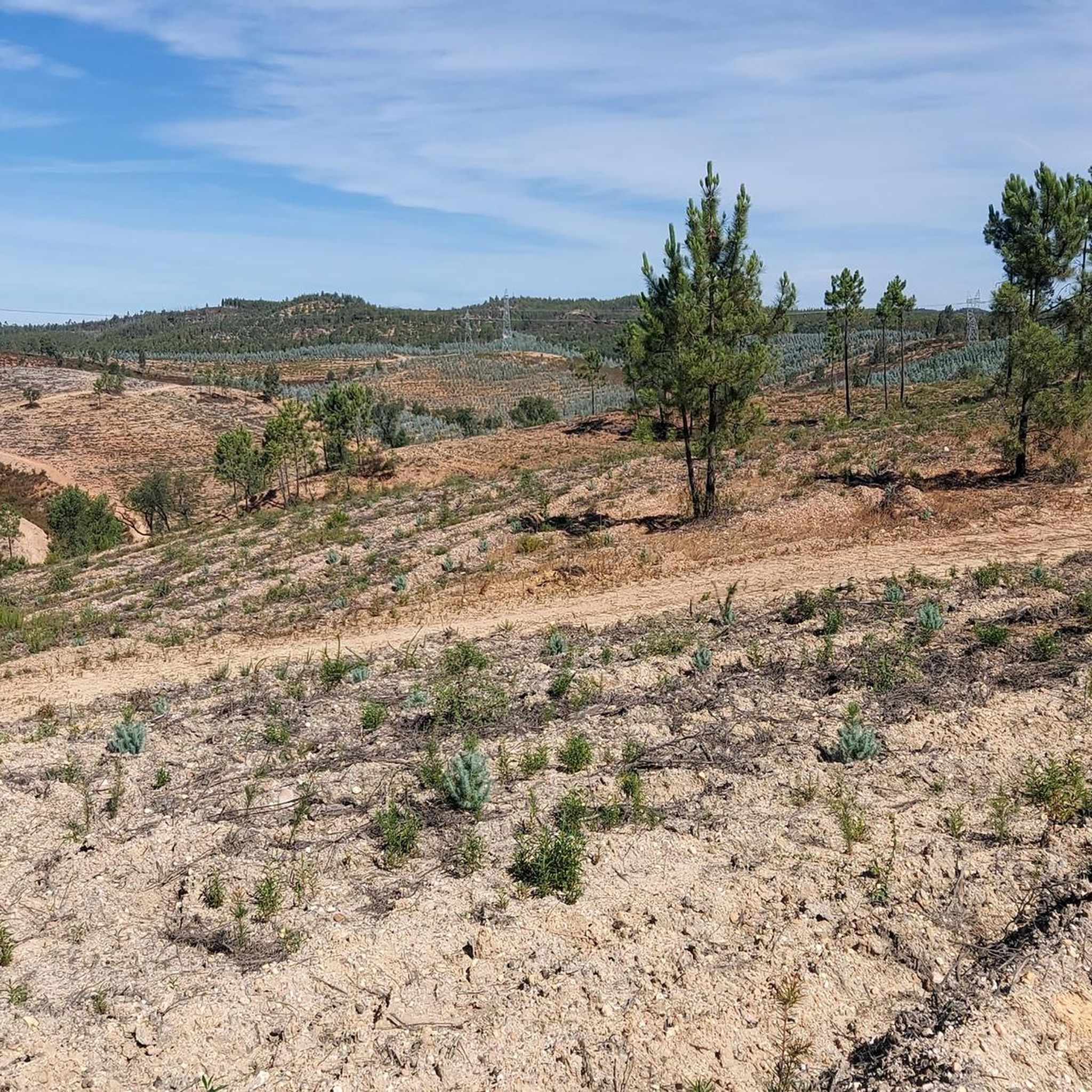

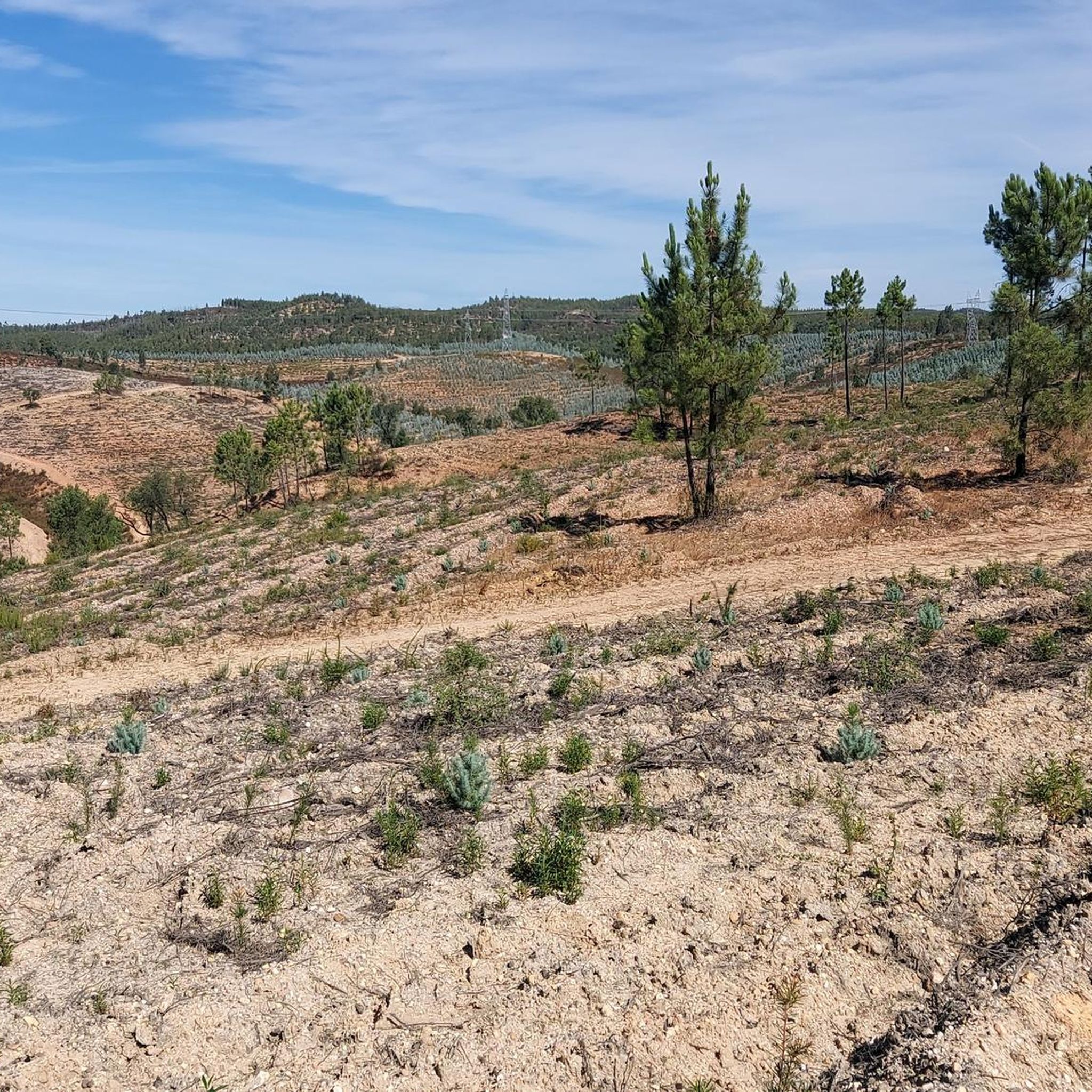
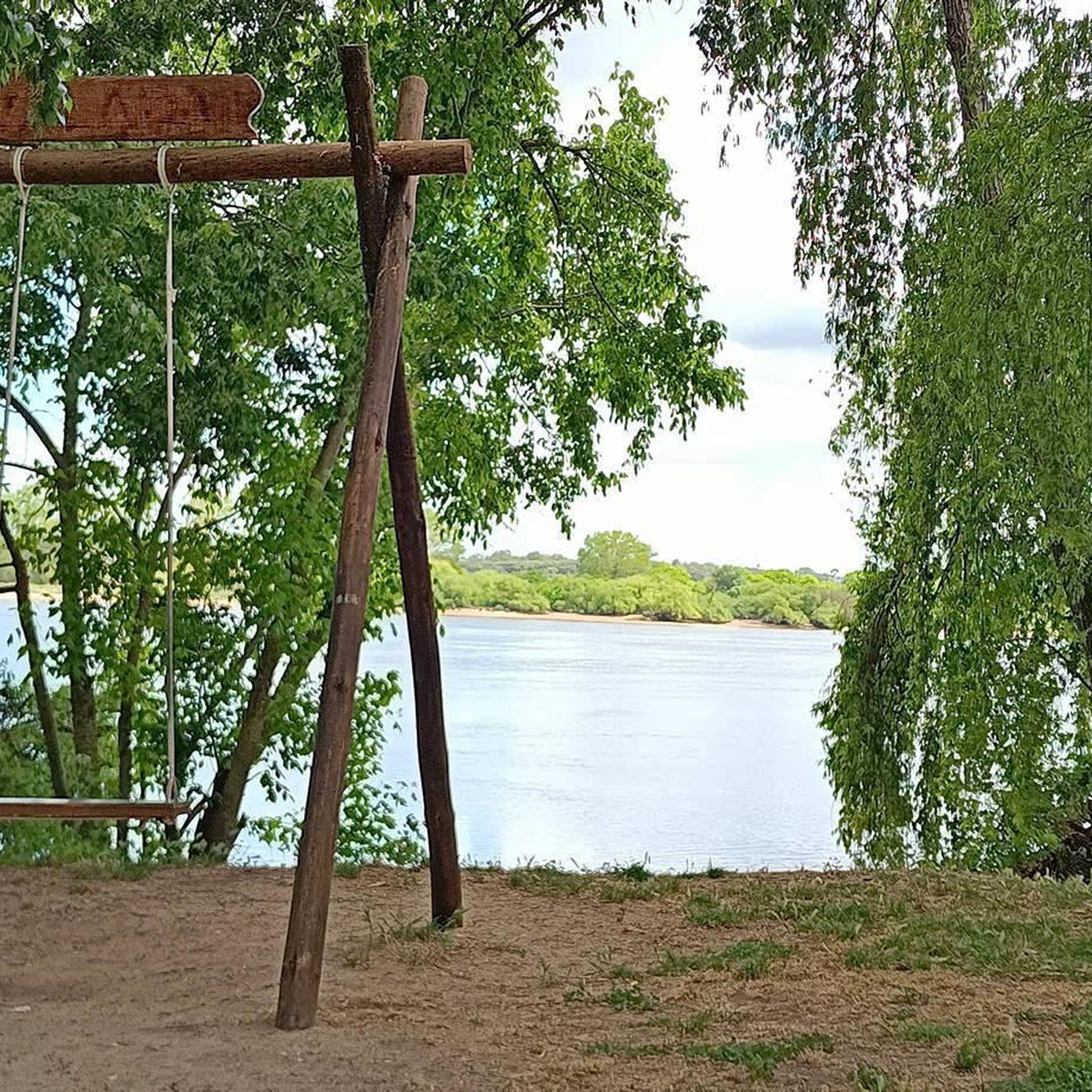

Tips from the Community

A tribute to the campino, that is, the traditional farmer of the region.
17
0

The house where José Saramago was born is located in the village of Azinhaga, in the municipality of Golegã, district of Santarém, Portugal. The Azinhaga House Location: The house is located on Rua da Igreja, in Azinhaga, a typical village in Ribatejo, known for its landscape of fertile fields and its proximity to the Tagus River. Foundation: Currently, the childhood home houses the José Saramago Foundation Delegation in Azinhaga, a space of memory that recreates the environment of the writer's childhood and houses a library and an auditorium. Visits: The place is open to visitors who wish to learn about the roots of the only Nobel Prize winner in Literature in the Portuguese language. The Lanzarote House Although he was born in Azinhaga, the writer's most emblematic residence is "The House" in Tías, on the island of Lanzarote, Spain. It was there that he lived for much of his adult life, and where his vast personal library is located; today it functions as the José Saramago House-Museum and is open to the public.
2
0
The Roman Bridge of Reguengo (or Reguengo Bridge) is an ancient bridge, probably of medieval origin with a Roman base, located between the towns of Vale de Figueira and Pombalinho, in the district of Santarém, Portugal. It crosses the Ribeira do Alviela, a tributary of the Tagus River. About the Bridge Location: The bridge is situated in a rural area and access to it is via a road that passes in front of the site. State of conservation: The bridge is described as an old and abandoned structure, and some visitors have noted a lack of signage or historical indications at the site. Access: The site is frequented by fishermen, and visitors should be discreet and careful, as the area is not ideal for carelessness, especially with children. Current use: The bridge is not used for regular road traffic, as a new bridge was built further downstream (downstream means towards the mouth of the river, further down) for the current road. Location Approximate address: Between Vale de Figueira and Pombalinho, Santarém, Portugal. GPS: 39°27'36.2" N 8°51'25.9" W (approximate coordinates for the area).
1
0
Val'Doce is a pastry shop of the same name located in the district of Santarém. Specifically, it is located in the town of Vale de Figueira. Information about Val'Doce Address: R. Dr. Vitor Semedo 8 B, 2000-741 Vale de Figueira, Portugal, in the district of Santarém. Specialties: Known for its varied pastries, hamburgers, and daily specials, such as soup. Opening Hours: Monday, Wednesday, Thursday: 7:00–22:30. Friday, Saturday: 7:00–00:00. Sunday: 8:00–22:30. Tuesday: Closed. Amenities: It has an outdoor seating area, is wheelchair accessible, and accepts credit cards.
1
0
The Sanctuary of Our Lady of the Castle is located in the town of Coruche, Portugal. The church was built on the ruins of an ancient castle destroyed by the Moors. From there, visitors enjoy a panoramic view of Coruche and the Sorraia River. The entrance and parking are wheelchair accessible.
5
0
Built during the Roman period, it is an important vestige of that people's presence in the municipality. The Roman presence in the parish of Muge is clearly evident in the area of Porto de Sabugueiro. The most striking vestiges of this historical period are found here. Porto de Sabugueiro, due to its proximity to the Tagus River, was an important river port during the Roman period. Excavations and published studies define this location as an important Roman village, with ceramic production, due to the existence of a ceramic kiln found here in the 1960s. Approximately 400 meters from this location is the Roman Bridge, which crosses the Muge stream. The construction techniques used, especially in the larger arch, undoubtedly indicate a Roman origin; however, the two smaller arches, due to their typology, are attributable to the Middle Ages. This bridge was one of the main crossing points connecting Muge to the interior of the country (Alentejo) and to the city of Santarém. It possesses undeniable historical value, forming part of the memory and heritage identity of the municipality of Salvaterra de Magos. (Source: www.salvaterrademagos.pt)
16
0
Bus stop built with the same material as the Chamusca bridge
14
0
Frequently Asked Questions
How many road cycling routes are available in the Tejo region?
The Tejo region offers a wide selection of road cycling routes, with over 140 tours available. These routes cater to various skill levels, from easy riverside paths to more challenging climbs.
What are the difficulty levels of road cycling routes in Tejo?
Road cycling routes in Tejo range from easy to difficult. You'll find around 15 easy routes, 96 moderate routes, and 29 difficult routes, ensuring options for all experience levels.
What kind of terrain can I expect on road cycling routes around the Tagus?
The Tejo region offers diverse terrain for road cycling. You can expect tranquil riverside paths, paved rural roads with low traffic, forested hills, rolling farmland, and granite ridges. There's a mix of flat sections and hillier climbs, including panoramic ascents.
What interesting landmarks or natural features can I see along the road cycling routes in Tejo?
Many routes offer scenic views and pass by notable attractions. You might encounter historical sites like the Ponte D. Luís I of Santarém, the Cathedral of Santarém, or the Valada Village. Natural highlights include viewpoints like Jardim das Portas do Sol and the impressive Pego das Portas de Ródão natural monument. Further afield, the Tejo Internacional Natural Park offers wild landscapes and extensive cork-oak forests.
Are there family-friendly road cycling routes in the Tejo region?
Yes, the Tejo region has options suitable for families. The generally flat terrain of the Tagus Estuary Natural Reserve near Lisbon is well-suited for touring cycling routes that follow riverine paths and dikes. Look for routes categorized as 'easy' for the most family-friendly experiences.
Are there circular road cycling routes available in Tejo?
Many of the road cycling routes in Tejo are designed as loops, allowing you to start and finish at the same point. For example, the Aquapolis Sul loop from Barragem de Belver is a moderate 50 km circular route.
When is the best time of year for road cycling in the Tejo region?
The Tejo region is generally pleasant for cycling for much of the year. Spring and autumn offer mild temperatures and beautiful scenery, making them ideal. Summers can be hot, especially inland, while winters are generally mild but can have more rainfall.
What is the traffic like on road cycling routes in Tejo, and what about road quality?
Outside of major urban areas, traffic tends to be light, especially on the calm, paved rural roads found in areas like Médio Tejo. The quality of roads in Portugal can vary; many are well-maintained, but be aware that cobblestone streets in town centers can present a challenge.
Is public transport or parking available near road cycling routes in Tejo?
While specific parking and public transport options vary by route, many towns and villages along the Tagus River offer parking facilities. For routes starting in larger towns like Santarém, public transport connections are generally available. It's advisable to check local transport options for your chosen starting point.
Are there places to stop for refreshments or accommodation along the road cycling routes?
Yes, the Tejo region is dotted with villages and towns where you can find cafes, restaurants, and accommodation. River beaches like Aldeia do Mato or Constância also offer pleasant stops during rides. Routes often pass through areas with amenities, especially in the Médio Tejo region which is rich in history and culture.
What do other road cyclists say about the routes in Tejo?
The road cycling routes in Tejo are highly rated by the komoot community, with an average score of 4.4 stars from over 20 reviews. Cyclists often praise the varied terrain, tranquil riverside paths, and the scenic beauty of the forested hills and rolling farmland.
Which specific areas within Tejo are best for road cycling?
The Médio Tejo region is particularly noted for its calm, paved rural roads and scenic diversity. The Lisbon riverside also offers flat and scenic routes, while areas around towns like Entroncamento, Abrantes, Tomar, and Sertã are known for their appealing landscapes and low traffic.
Most popular routes around the Tagus
Most popular attractions around the Tagus

Get inspired with the komoot mobile app


Explore more
Browse the best Road cycling routes in other regions.
