Attractions and Places To See around Licata - Top 20
Best attractions and places to see around Licata, a historic coastal town on Sicily's southern coast, blend ancient history, natural landscapes, and architecture. The region offers a diverse coastline with sandy beaches, reefs, and natural caves. Visitors can explore notable landmarks, cultural sites, and intriguing points of interest.
Best attractions and places to see around Licata
- The most popular attractions is Torre di Gaffe Beach, a beach located between Palma di Montechiaro and Licata. This beach has a wild appearance, surrounded by rocks and Mediterranean scrub, and is guarded by an ancient watchtower.
- Another must-see spot is Former Jesuit College of Naro, a historical site built between 1610 and 1619. This structure highlights its baroque style with imposing main pillars in Greek-Roman style.
- Visitors also love Church of San Francesco, Naro, a religious building whose original structure dates to the 13th century, with its current form from 1635. The façade features mannerist and Spanish decorative elements, and the interior includes a large barrel vault frescoed by Domenico Provenzani.
- Licata is known for its historical sites, beaches, and religious buildings. The area offers a variety of attractions to see and explore, from ancient castles to natural coastal features.
- The attractions around Licata are appreciated by the komoot community, with 8 highlights, 6 photos, and 16 upvotes.
Last updated: October 11, 2026
Licata
Highlight • Settlement
Translated by Google •
Tip by

Torre di Gaffe Beach
Highlight • Beach
Translated by Google •
Tip by

Sign up now to discover places like this
Get recommendations on the best single tracks, peaks, & plenty of other exciting outdoor places.
Former Jesuit College of Naro
Highlight • Historical Site
As a consequence of the "Family Pact" stipulated in 1764 between the ruling families of the Bourbons of France, Spain, Naples and Parma, in 1767 there was the first expulsion of the Jesuits from Sicily; in 1785 the college was given to the Benedictines of the SS. Annunziata and then return to the care of the Jesuits. The enterprise of the Thousand witnessed the suppression of religious corporations, and therefore the second expulsion of the Jesuits; for this and also for the closure to the cult of the old Norman cathedral, the church of Jesus was entrusted to the regular clergy, elevating itself to the dignity of the Mother Church.
What remains of the old Jesuit college today is an entrance portal that gives access to the remaining part of the cloister, which is in turn adjacent to the church.
source: comune.naro.ag.
it
Translated by Google •
Tip by

Church of San Francesco, Naro
Highlight • Religious Site
Next to the church there is the former convent. With the suppression of the religious corporations in 1866, the Franciscan friars were expelled and the convent was transformed into the seat of the town hall; other rooms are occupied by the Feliciana Library. The eighteenth-century cloister of the current Town Hall also belonged to the former convent; it is delimited by a row of columns that give rise to 16 arches.
source: comune.naro.ag.it
Translated by Google •
Tip by
Fontana Spina of Malerba
Highlight • Natural Monument
Translated by Google •
Tip by

Sign up for free to discover even more attractions around Licata.
Already have an account?
Start today with a free account
Your next adventure awaits.


Tips from the Community

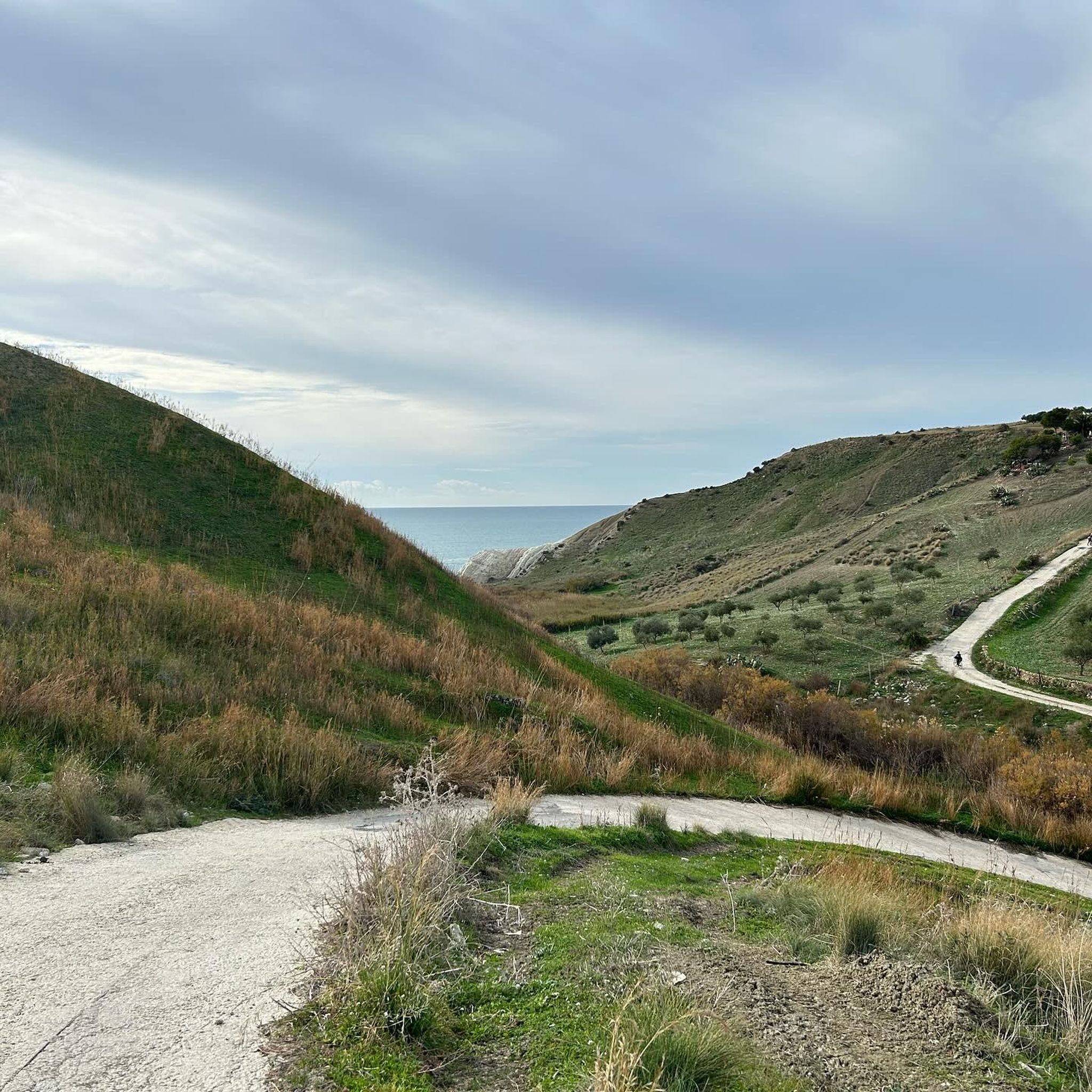
Unfortunately, if it weren't for all these mountains of garbage dumped everywhere, including piles of asbestos, and not just in this part of Sicily! It would be truly spectacular. I don't understand why no one is doing anything about it.
0
0

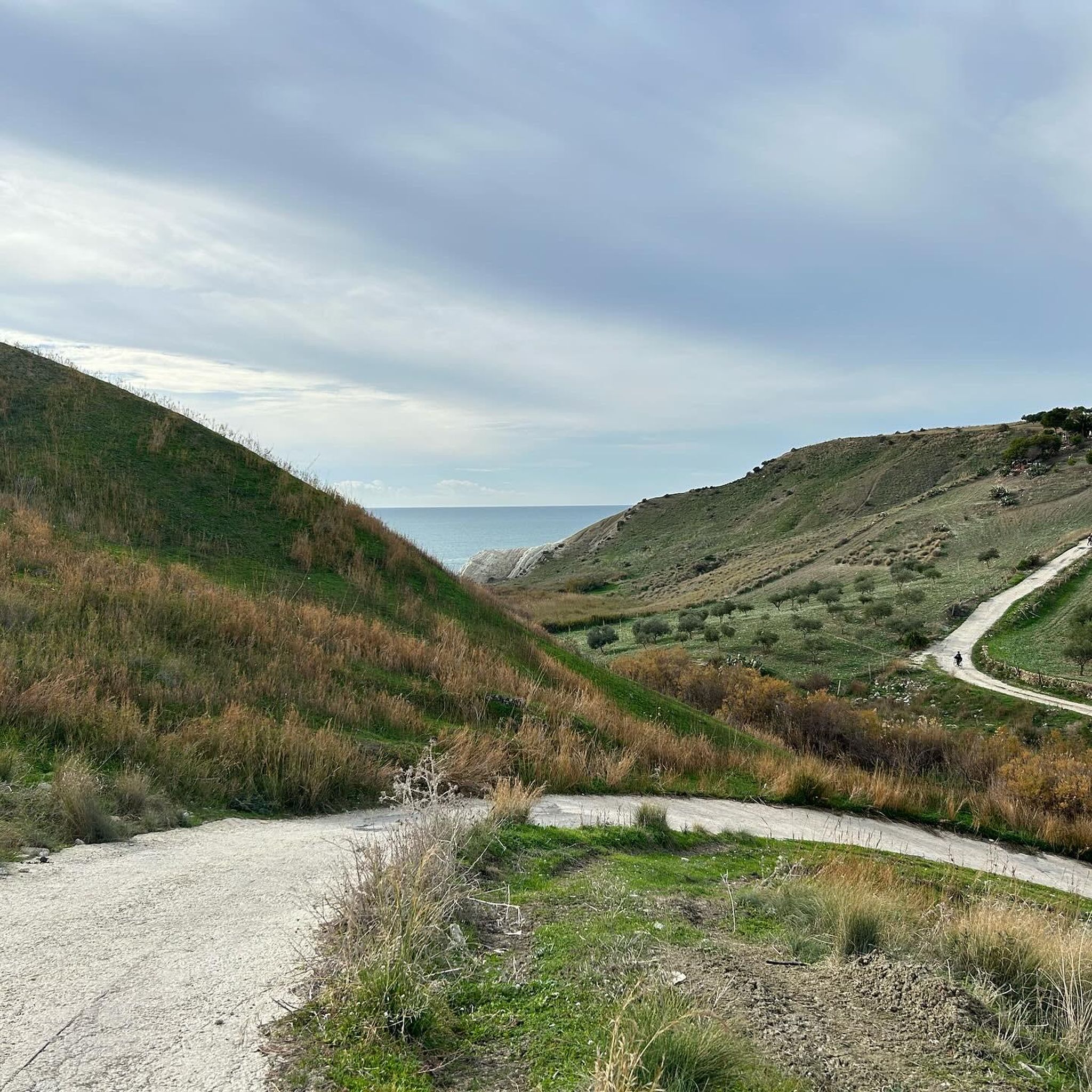
This fountain is almost an oasis in the middle of the barren, rocky, and barren stretch that characterizes this part of the coast. It's ideal for a break and a breather.
0
0

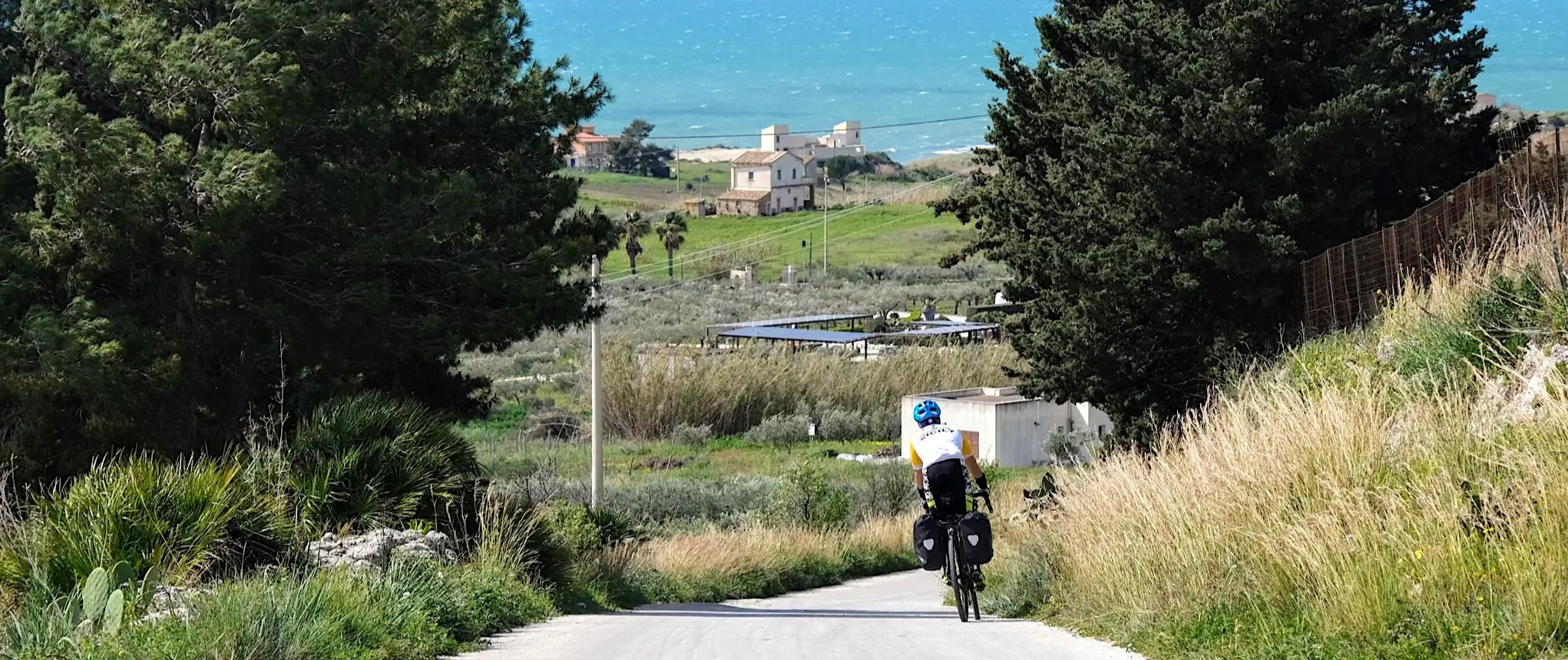
I rode my bike along the stretch that leads from Fontana Spina towards the Ciotta hamlet...never have my eyes seen such a disproportionate contrast of suffering between the beauty of nature and the neglect and contempt for that place by all the institutions and the people they represent. I hope that some enlightened person will do something.
2
0

Between Palma di Montechiaro and LIcata on the southern Sicilian coast is the Torre di Gaffe
0
0
The coves of the Nicolizia district offer small isolated beaches, and various areas with rocks.
0
0

A former Jesuit college, this structure highlights its baroque style with its imposing main pillars in Greek-Roman style
0
0
The imposing church of San Francesco overlooks the square of Naro
0
0

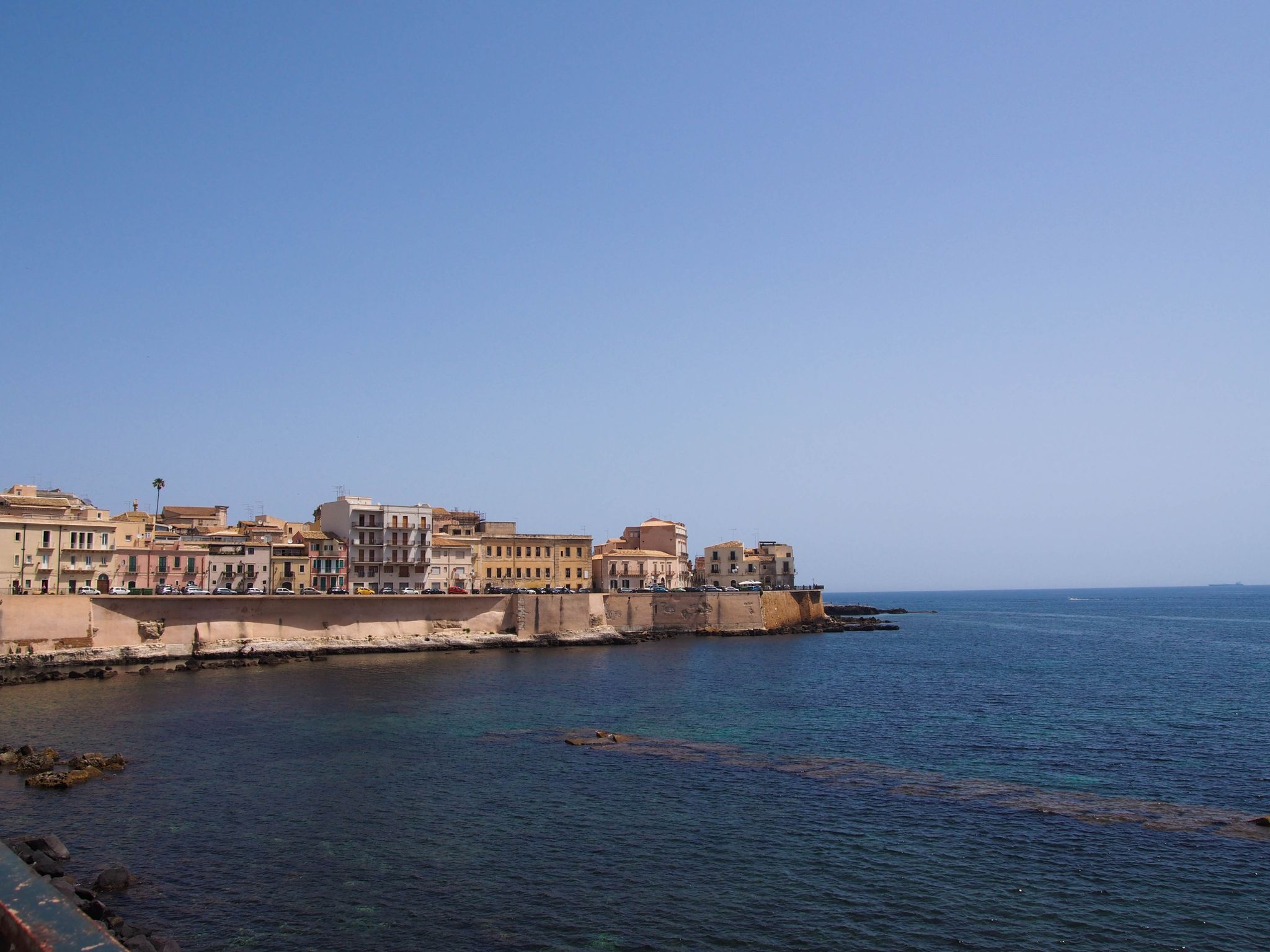
Located in the middle of the southern coast of Sicily, Licata is a seaside resort also famous for its Baroque style churches and the Castel Sant'Angelo castle also in Baroque style. In addition to culture, you can relax on the Maraniello beach.
2
0
Frequently Asked Questions
What are some popular beaches and natural spots to visit in Licata?
Licata offers a diverse coastline with many beautiful beaches. You can visit Torre di Gaffe Beach, known for its wild appearance, rocks, and Mediterranean scrub. Other popular choices include Spiaggia di Marianello, famous for its yellow clay cliffs called "Timpe," Mollarella Beach, and Spiaggia di Poliscia. For a unique natural feature, explore Fontana Spina of Malerba, an oasis-like fountain on a rugged stretch of coast.
Where can I explore historical sites and ancient ruins in Licata?
Licata is rich in history. You can visit the 17th-century Castel Sant'Angelo, which offers panoramic views from Mount Eknomus. The town also boasts significant ancient Greek remains, including seven *domus* near Monte Sant'Angelo and domestic and craft environments from the Hellenistic-Roman period. Don't miss the ingenious Hellenic-era water supply project, Pozzo di Grangela, an ancient well 17 meters deep.
Are there any notable churches or religious buildings to see in Licata?
Yes, Licata has several historically significant churches. The Chiesa di Santa Maria La Nuova (Matrice/Duomo) in Piazza Progresso features Baroque elements and houses the statue of Cristo Nero. You can also visit Chiesa San Domenico, known for its elegant architecture and paintings by Filippo Paladini, or the medieval Benedictine basilica Chiesa di Santa Maria la Vetere. For a unique experience, explore the Grotta di San Calogero, a church located inside a grotto.
What kind of architecture can I find in Licata's town center?
Licata is renowned for its elegant early 20th-century Liberty-style (Art Nouveau) architecture. Notable examples include Palazzo Verderame with its exquisite frescoes, and the Palazzo di Città (Town Hall), designed by Ernesto Basile. The recently restored Teatro Re Grillo is another fancy Liberty-style theatre. You can also find many Liberty-style villas, such as Villa Sapio Rumbolo, Villa Urso, and Villa La Lumia, on the Monserrato hill.
What outdoor activities can I do around Licata?
The area around Licata is great for outdoor activities, especially cycling and running. You can find various road cycling routes, including a challenging loop from Licata to Agrigento or a moderate coastal loop around Licata and Palma di Montechiaro. For those who enjoy running, there are several trails like the easy running loop from Campobello di Licata or a moderate loop from Contrada Piano di Marco. Explore more options on the Road Cycling Routes around Licata, Running Trails around Licata, and Cycling around Licata guide pages.
Are there any museums in Licata worth visiting?
Yes, Licata offers a couple of interesting museums. The Museo del Mare (Maritime Museum), located in the cloister of Sant'Angelo, preserves relics of Punic and Roman ships, highlighting the region's naval history. Additionally, the Archaeological Museum, situated in the former Cistercian convent of S. Maria del Soccorso, displays archaeological finds spanning from prehistoric times to the 3rd century BC.
What are some family-friendly attractions in Licata?
Many of Licata's beaches, such as Torre di Gaffe Beach and Mollarella Beach, are suitable for families. Exploring the historic center of Licata with its charming alleys and squares can also be an enjoyable activity for all ages. The town's general atmosphere and coastal areas provide a relaxed setting for family outings.
What is the Centro Storico (Historic Center) of Licata like?
Licata's Centro Storico is a captivating network of narrow alleys, Baroque churches, and 19th-century buildings that reflect the town's past wealth from trade and sulphur exports. It's a great place to wander and discover the town's historical charm. The Borgo Marina, the old fishermen's quarter, and Borgo San Paolo, built by Maltese citizens, are also intriguing districts to explore within the historic area.
Can I visit a lighthouse in Licata?
Yes, the Faro di San Giacomo (San Giacomo Lighthouse) is a prominent landmark in Licata's harbor. It is one of the tallest lighthouses in Europe and is still operational, offering an impressive sight.
What are some unique points of interest in the surrounding area of Licata?
Beyond Licata itself, you can explore the Former Jesuit College of Naro, a historical site built between 1610 and 1619, showcasing baroque style. Also in Naro, the Church of San Francesco, with its original structure dating to the 13th century, features rich mannerist and Spanish decorative elements.
What is the best time to visit Licata for outdoor activities and sightseeing?
Licata, being on Sicily's southern coast, generally enjoys a Mediterranean climate. The spring (April-May) and autumn (September-October) months are often ideal for visiting, offering pleasant temperatures for exploring historical sites, enjoying the beaches, and engaging in outdoor activities like cycling and running, without the intense heat of summer.
Most popular attractions around Licata

Get inspired with the komoot mobile app


Explore more
Still not found the Highlight you’re looking for? See guides of the top attractions in other regions:
