The best walks and hikes around Porto Cesareo
4.4
(73)
712
hikers
50
hikes
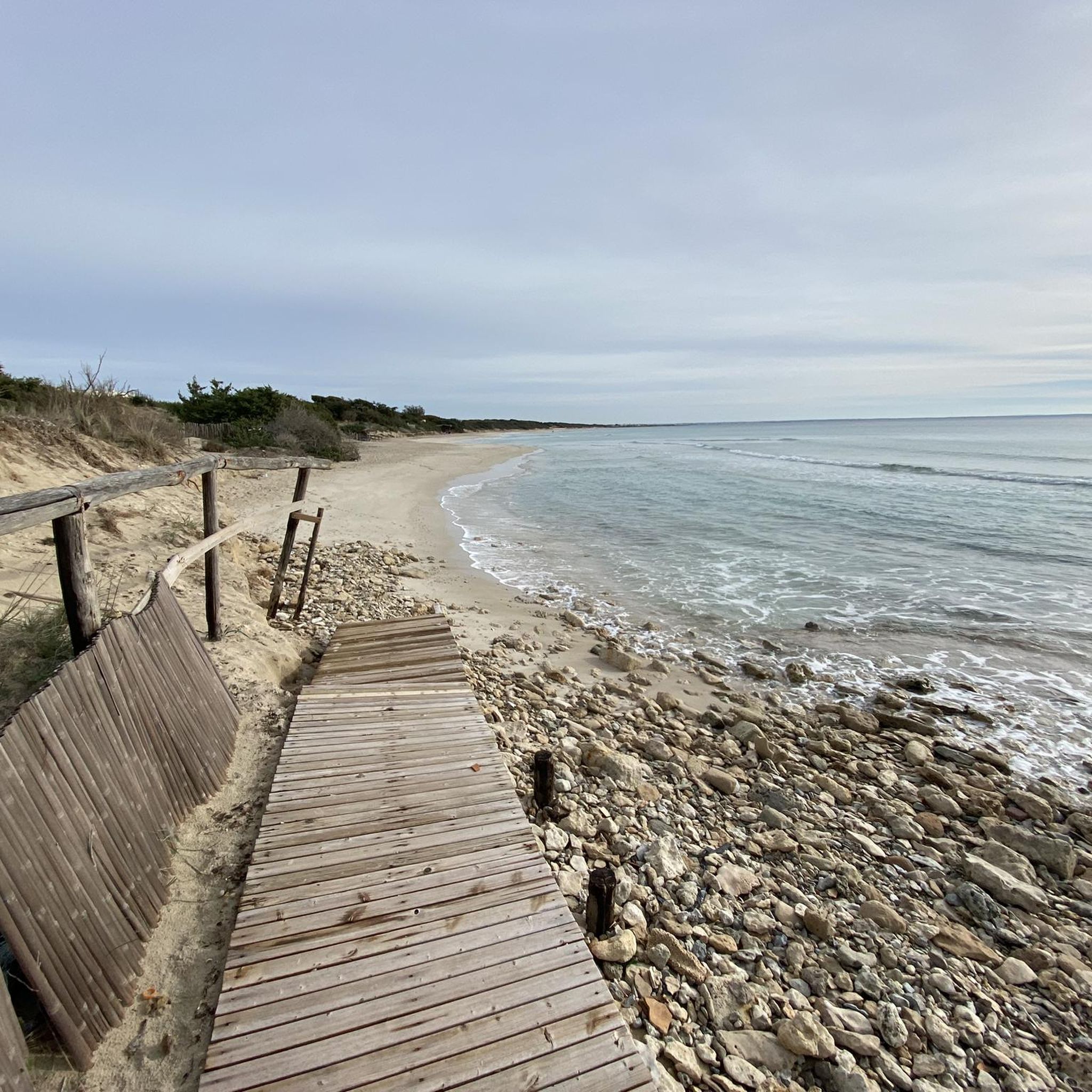
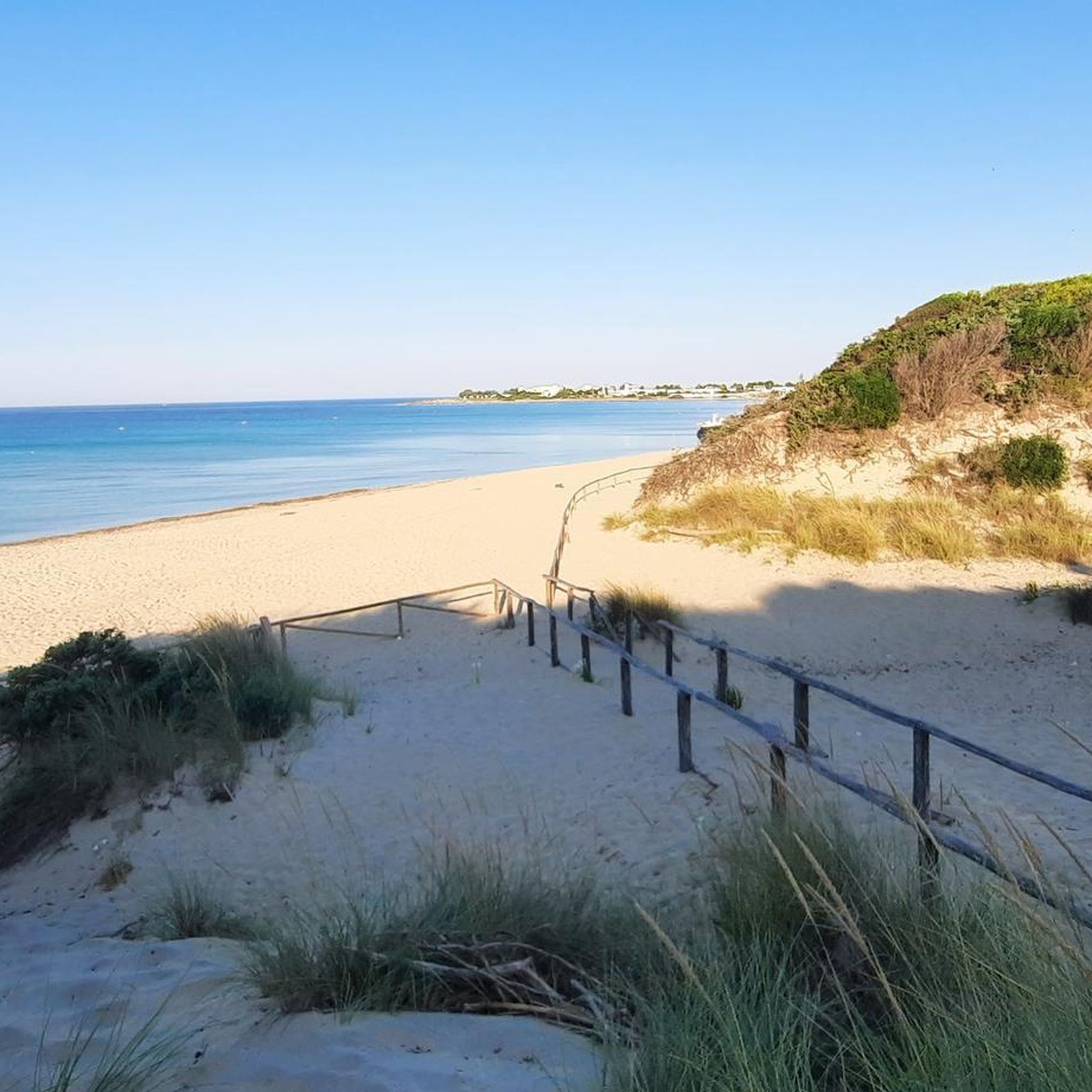
Hiking around Porto Cesareo offers diverse natural landscapes along the Ionian coast of Salento in Puglia, Italy. The region features a blend of pristine beaches, rugged coastlines, and protected natural reserves. Hikers can explore Mediterranean scrub, pine forests, coastal dunes, and rocky coves. The terrain is generally flatter, making many routes accessible for various activity levels.
Best hiking trails around Porto Cesareo
- The most popular hiking route is Le Riserve del Litorale Tarantino Orientale – Salina dei Monaci e Palude del Conte – loop tour, a 6.4 miles (10.3 km) moderate trail that takes 2 hours 35 minutes to complete, exploring salt marshes and coastal wetlands.
- Another top favourite among local hikers is Monks' Saltworks – Salina Monaci Nature Reserve loop from Punta Prosciutto, a moderate 6.0 miles (9.7 km) path. This route winds through the natural reserve, offering views of the saltworks and coastal scenery.
- Local hikers also love the Porto Cesareo Fishing Harbor – Le Dune Beach loop from Porto Cesareo, a 3.7 miles (5.9 km) trail leading through coastal dunes and along the beach, often completed in about 1 hour 29 minutes.
- Hiking around Porto Cesareo is defined by coastal paths, natural reserves, and sandy beaches. The network offers options for easy walks along the shore and moderate trails through protected natural areas.
- The routes in Porto Cesareo are highly rated by the komoot community with an average score of 4.3 stars from over 60 reviews. More than 500 hikers have used komoot to explore Porto Cesareo's varied terrain.
Last updated: October 12, 2026
3.0
(4)
24
hikers
Moderate hike. Good fitness required. Easily-accessible paths. Suitable for all skill levels.
4.5
(17)
56
hikers
8.10km
02:02
10m
10m
Moderate hike. Good fitness required. Easily-accessible paths. Suitable for all skill levels.

4.5
(4)
61
hikers
Easy hike. Great for any fitness level. Easily-accessible paths. Suitable for all skill levels.
5.0
(1)
39
hikers
Easy hike. Great for any fitness level. Easily-accessible paths. Suitable for all skill levels.
4.3
(8)
25
hikers
Easy hike. Great for any fitness level. Easily-accessible paths. Suitable for all skill levels.
Get access to more routes and recommendations from other explorers.
Already have an account?
Our route recommendations are based on thousands of hikes, rides, and runs completed by other people on komoot.
Start today with a free account
Your next adventure awaits.

Tips from the Community

monument near the Port to celebrate in 2002 the success of the Italian actress Manuela Arcuri
0
0
It is an imposing sixteenth-century watchtower located in the heart of the inhabited center of Porto Cesareo
0
0

One of the numerous 16th-century coastal watchtowers standing here along the coast every 4 km (within sight of each other).
0
0

Wonderful sunsets, great gelateria
2
0

In some parts the sand on the trail is quite thick: if you are travelling with a very heavy bike it might be better to push it.
0
0

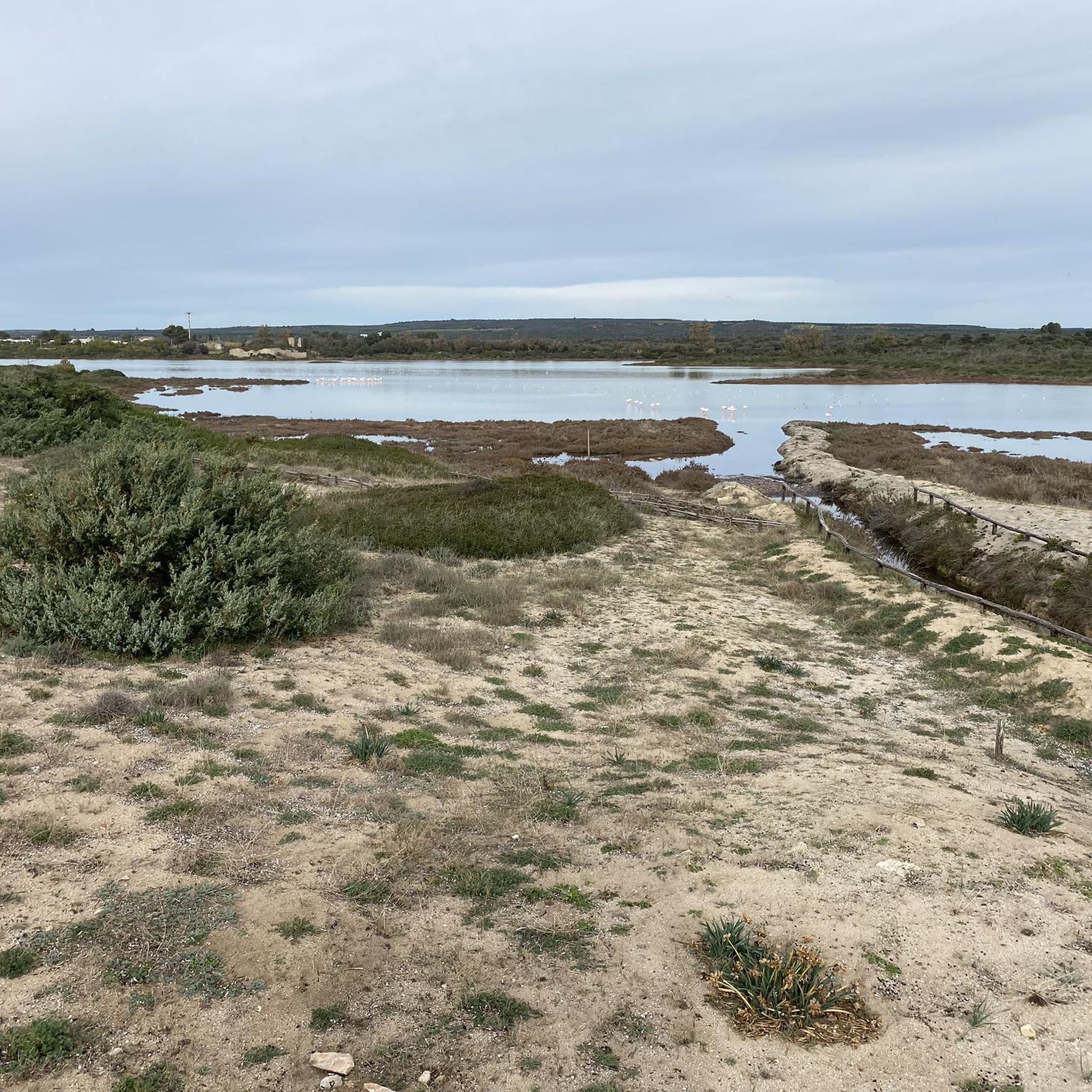
The Salina dei monaci of Torre Colimena is a small earthly paradise located on the Ionian coast of Salento a few kilometers from Porto Cesareo
0
0

COLIMENA TOWER The Colimena cove was chosen as the highest lookout point by the engineer Giovanni Maria Tommaso Scala, responsible for designing new watchtowers. A small tower already existed, but for economic reasons, it was decided to preserve it and incorporate it into the base of the new one, completed in 1570. From that moment on, Torre Colimena represented a fully-fledged defense structure, with its harquebusiers, machicolations and falconate and access regulated by retractable ladders. Its garrison was entrusted to a tower keeper with the rank of corporal, accompanied by companeros with whom he monitored the horizon to promptly warn of the arrival of the enemy with alarm signals (smoke during the day, fires at night, shots from stone cannons and the sounds of the trumpet). Once the Turkish danger had subsided, in 1730, the tower passed into the custody of Giulio Briganti; in 1777 to that of the soldiers of the Invalid Regiment; in 1820 to the Customs Guards and then went through a period of abandonment, until it was entrusted in 1877 to a Brigade
2
0
A beautiful example of a medieval defensive tower on the coast of southern Italy with a museum of selected ceramics As part of the activities for the knowledge and enhancement of ancient, modern and contemporary ceramics, the National Association of Friends of Ceramics carried out research on ceramic containers for wine, in particular the Grottagliese jar. In Grottaglie the origins of the figurative art are lost in time, but it is the wine jar, called srulu in the local dialect, that characterizes the production of the last two centuries, when the wine for daily consumption was extracted from the capason in the srulu. The word srulu derives from the Latin urceolus, a diminutive of urceus, orcio, first adulterated in ursulu, then by apheresis in rsulu and finally by metathesis in srulu. probably it is an onomatopoeic voice that indicates the sound yes before when the wine is sucked out of the ceramic container SOTS I give with enthusiasm. Its shape is characterized by the ovoid body on a disc base and the wide neck esti or. the ribbon handle and the inverted nose pourer. Over time it suffers lie actions: in the nineteenth-century examples it is pot-bellied, while in those SH vi tends to lengthen gradually from 20 to 40 cm. with the ability to make it from poorly cleaned local clay and cover it with different enamels from ivory white to matte yellow. therefore from a simple, meager artifact that the figures of Grottaglie represent from embellished by short brushstrokes and with chromatic vivacity: ochre to iron yellow, from light blue to intense blue, from fat green to manganese brown; More or less bright colors, tastefully combined in a balanced and bright relationship with the base glaze. Meape covered Elumi, ilos values of ceramic production. The decorative motifs constitute the iconographic repertoire of the Grotagliese craftsmanship of the 19th and 20th centuries: from the anthropomorphic elements to the twisted, phytomorphic, landscape and geometric elements, up to the double continuous thread with daisies that always defines the limit of the artistic. It is therefore authentic folk art, expressing general feelings and views of authentic folk art, inspired by sophisticated or traditional models of thought. The more convincing the Arinium, the more authentic Tsula his language niae, the cultivated convinced". An art that every Rono or Rework Vescio Quil Sa Fire "Core in Heni's reality Well, dear friends, you know how to make exaggerations, but also joys, hopes and faith. Elio Scarciglia
2
0
Frequently Asked Questions
How many hiking trails are there in Porto Cesareo?
There are over 40 hiking trails around Porto Cesareo, offering diverse experiences from coastal walks to nature reserve explorations. The majority, around 30 routes, are considered easy, making them accessible for various fitness levels.
Are there easy hiking trails suitable for beginners or families?
Yes, Porto Cesareo is known for its generally flatter terrain, making many routes accessible for all ages and skill levels. About 30 of the available routes are rated as easy. For example, the Porto Cesareo Fishing Harbor – Le Dune Beach loop from Porto Cesareo is an easy 5.9 km trail perfect for a relaxed walk along the coast.
What kind of natural landscapes can I expect to see on hikes in Porto Cesareo?
Hiking in Porto Cesareo offers a rich variety of natural landscapes. You'll encounter pristine sandy beaches, rugged coastlines, and extensive Mediterranean scrub. The region also features protected natural reserves with pine forests, coastal dunes, and unique wetlands like the Salina dei Monaci.
Are there any circular hiking routes in Porto Cesareo?
Yes, many of the trails in Porto Cesareo are circular, allowing you to start and end at the same point. A popular option is the Le Riserve del Litorale Tarantino Orientale – Salina dei Monaci e Palude del Conte – loop tour, which explores salt marshes and coastal wetlands over 10.3 km.
What are some notable natural attractions or landmarks to look out for on the trails?
The region is rich in natural beauty. You can explore areas like Palude del Capitano, known for its lush vegetation and freshwater bodies, or the Torre Colimena and Salina dei Monaci Nature Reserve, where you might spot flamingos. The Chidro River Mouth is another interesting natural monument.
What is the best time of year to go hiking in Porto Cesareo?
The best time for hiking in Porto Cesareo is typically during the spring (April-May) and autumn (September-October) months. During these periods, the weather is pleasantly mild, and the landscapes are vibrant, making for comfortable exploration. Summer can be very hot, especially midday, but early morning or late afternoon walks along the coast are still enjoyable.
Can I bring my dog on the hiking trails in Porto Cesareo?
Many natural areas and coastal paths in Porto Cesareo are generally dog-friendly, especially if your dog is well-behaved and kept on a leash. However, it's always advisable to check specific regulations for protected areas like the Porto Cesareo Marine Protected Area or Porto Selvaggio Natural Park, as rules can vary.
Are there any trails that offer scenic viewpoints?
Absolutely. The coastal trails, particularly those near rocky cliffs and coves, offer stunning panoramic views of the Ionian Sea. Areas like La Strea Peninsula provide immersive walks with great photo opportunities, and the Porto Selvaggio Natural Park boasts trails leading to picturesque rocky coves overlooking the sea, such as the celebrated trek from Torre dell'Alto.
What do other hikers enjoy most about hiking in Porto Cesareo?
The hiking routes in Porto Cesareo are highly rated by the komoot community, with an average score of 4.3 stars from over 60 reviews. Hikers often praise the region's diverse coastal paths, the tranquility of its natural reserves, and the beauty of its sandy beaches. The accessibility of many routes for various activity levels is also frequently highlighted.
Is public transport available to reach hiking trailheads?
While Porto Cesareo has some local bus services, public transport options to specific hiking trailheads might be limited, especially for more remote natural reserves. It's often more convenient to reach trailheads by car. Parking is generally available near popular starting points, though it can be busy during peak season.
Are there any permits required for hiking in the natural reserves?
Generally, no specific permits are required for hiking on the established trails within the natural reserves around Porto Cesareo, such as the Porto Cesareo Nature Reserve or the Salina dei Monaci. These areas are open for public access to enjoy nature. However, always respect local signage and regulations, especially concerning protected flora and fauna.
Are there any less crowded hiking options in Porto Cesareo?
To avoid crowds, especially during peak tourist season, consider exploring areas like the La Strea Peninsula. This area offers immersive walks through Mediterranean scrub and is ideal for tranquil hikes away from the more frequented beaches. Early mornings or late afternoons are also good times to find quieter trails.
Most popular attractions around Porto Cesareo

Get inspired with the komoot mobile app


Explore more
Browse the best Hikes in other regions.
