The best walks and hikes around Tarnow
4.5
(1471)
5,548
hikers
190
hikes
Hiking around Tarnow offers a diverse landscape characterized by rolling hills, extensive forest complexes, and picturesque river valleys. The region features unique natural attractions such as the Petrified City with its distinctive rock formations and the expansive Radlow Forests. Hikers can explore varied terrain, from gentle river paths to more rugged trails in areas like the Brzanka Range. This varied topography provides a range of experiences for different skill levels.
Best hiking trails around Tarnow
- The most popular hiking route…
Last updated: June 26, 2026
4.8
(4)
20
hikers
5.68km
01:29
40m
40m
Easy hike. Great for any fitness level. Easily-accessible paths. Suitable for all skill levels.
6
hikers
16.1km
04:11
110m
110m
Moderate hike. Good fitness required. Easily-accessible paths. Suitable for all skill levels.

Sign up for free
4.0
(2)
9
hikers
9.83km
02:34
70m
70m
Moderate hike. Good fitness required. Easily-accessible paths. Suitable for all skill levels.
4.0
(2)
6
hikers
11.6km
02:59
50m
50m
Moderate hike. Good fitness required. Easily-accessible paths. Suitable for all skill levels.
13.5km
03:32
110m
110m
Moderate hike. Good fitness required. Easily-accessible paths. Suitable for all skill levels.
Get access to more routes and recommendations from other explorers.
Sign up for free
Already have an account?
Our route recommendations are based on thousands of hikes, rides, and runs completed by other people on komoot.
Start today with a free account
Your next adventure awaits.
Login or Signup

Tips from the Community

200 m from the large Steintanz. There is also a small seating area.
0
0

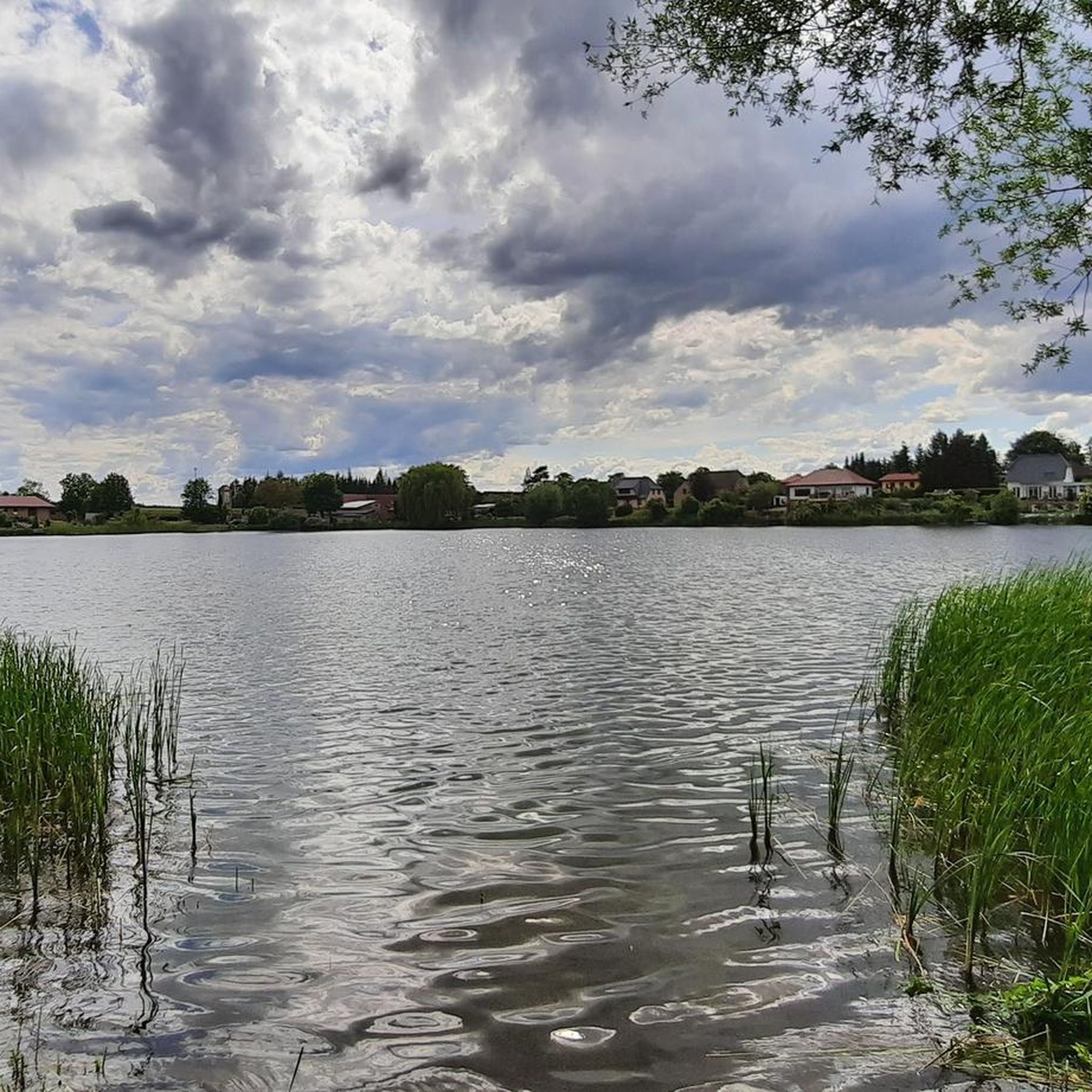
We will test how calm the Warnow really is by canoe😅
1
0

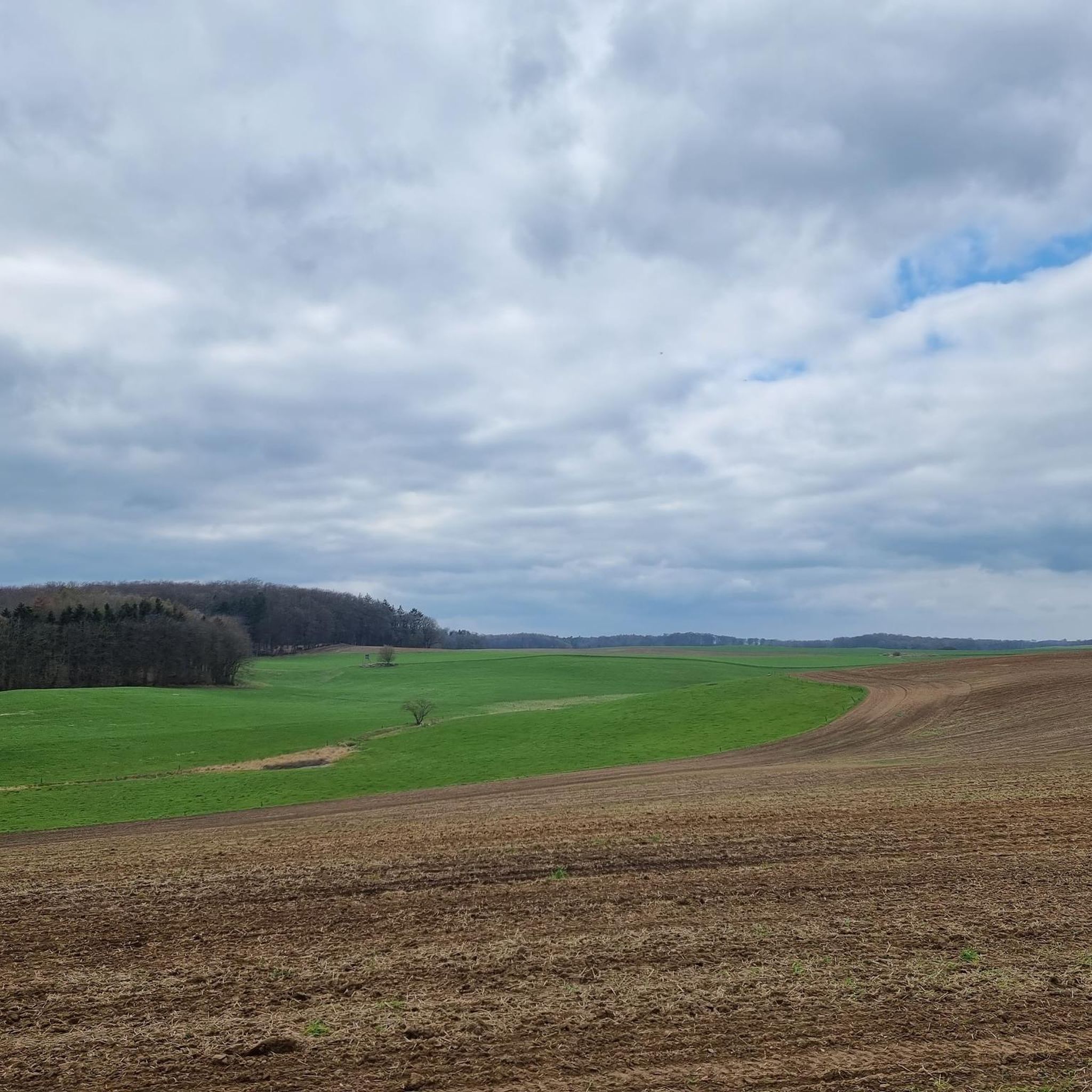
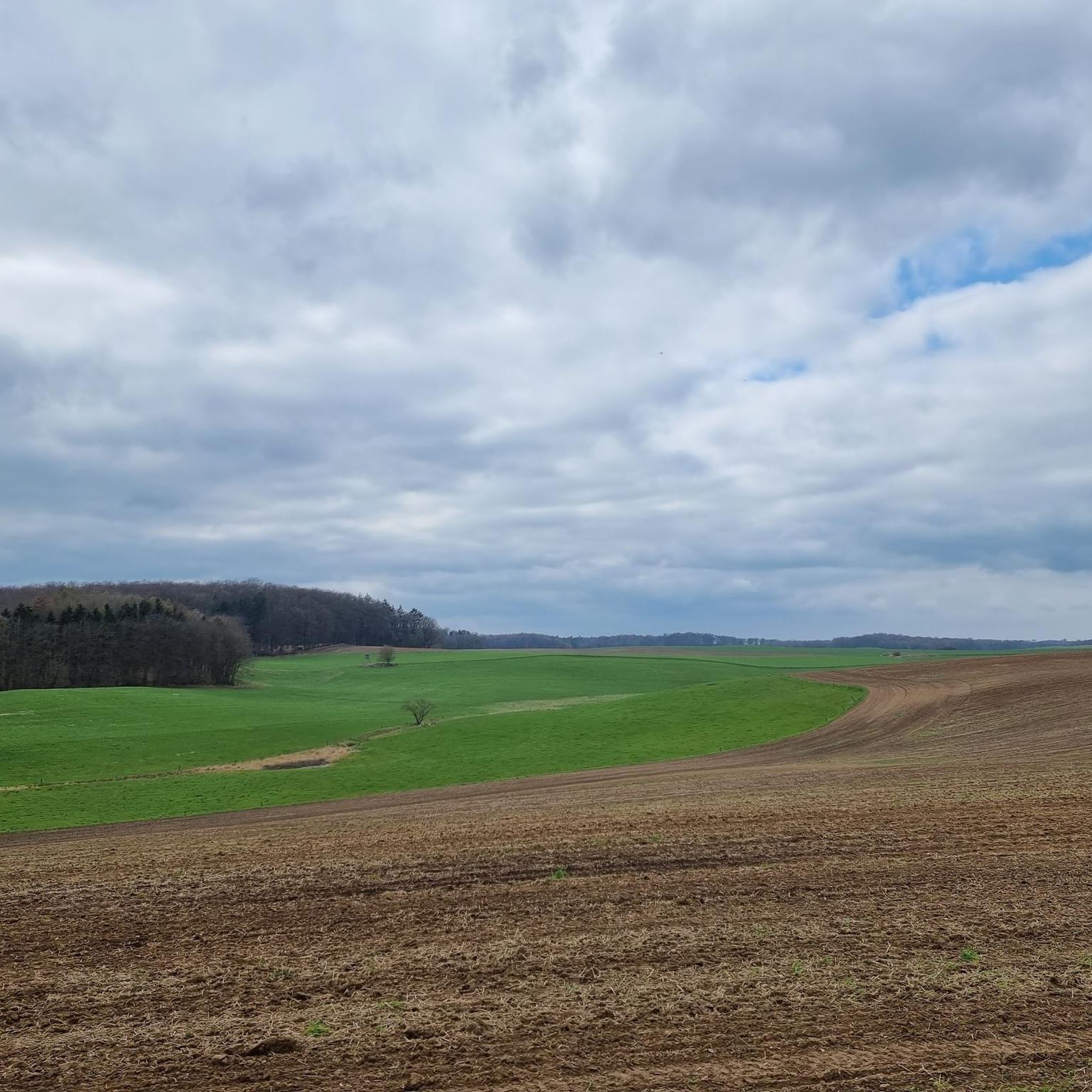
A rustic landscape that must be enjoyed and experienced.
7
0

The Boitin Stone Dance is one of the most famous archaeological monuments in Mecklenburg-Western Pomerania. It consists of four stone circles. The stone circles are located in the Tarnow district of Boitin, near the town of Bützow - in the forest, on a straight stretch between Tarnow and Zernin (approx. 2.2 km). The Boitin Stone Dance consists of three stone circles that are close together and a stone circle about 100 m opposite. The position of the stone circles and information about them can be seen on an information board on site. The large stone circle consists of 9 stones. Some stones have names, such as "Kanzel". The granite stone that tapers upwards, with the vertical row of holes, is called the "Brautlade". A shelter offers shelter in bad weather. Seating invites you to linger. Source: https://www.treffpunkt-ostsee.de/ostsee/sehenswertes/steinkreise/boitiner-steintanz-steinkreise.php
0
0

A wide ring wall of a large Slavic castle on the hill chain.
1
0
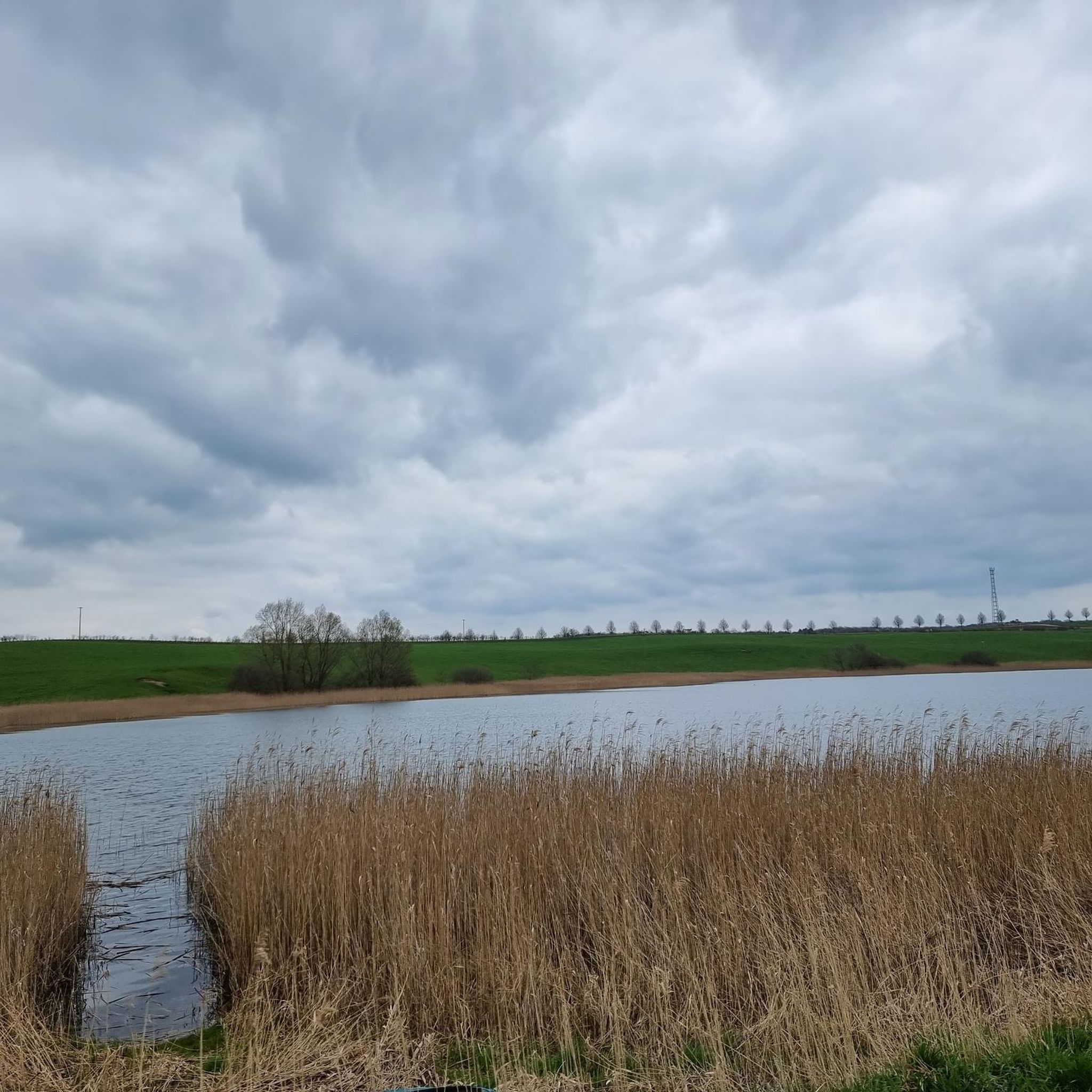
Valley with many information boards about the Ice Age, the Warnow breakthrough valley, stones and nature.
0
0
The story in brief: The glacier of the Ice Age came from Scandinavia, big, thick and fat (you can hardly imagine how fat it was!), pushed everything in front of it that stood in its way, and came to a standstill 16,000 years ago. The ice that melted flowed forward (i.e. south) and collected in large lakes. When it got warmer (15,000 years ago), the glacier crumbled and melted; the meltwater continued to flow forward (south) in channels, collected... and at some point (11,000 years ago) there was no glacier left, the surface was smooth and also lower, the direction of flow in the channels reversed... and the Warnow deepened the channel by pushing up hills (terminal moraine). Sure, everyone knows that. But seeing all this live, with a 30-40m difference in height between the chain of hills and the Warnow bed, with this story in mind, is a different matter, namely very impressive.
2
0
It is estimated that several thousand stone circles were built in Europe in the Middle Stone Age. Many of them have disappeared over time, e.g. due to weathering or the formation of moors, others were used as material. Today only a few hundred remain. There are three stone circles next to each other here, a fourth in the forest a little way away, with a total of 30 menhirs (up to 1.60m high). There is even said to have been a fifth. The age is unclear, but at least people who died later in the Iron Age (750 BC to 1000 AD) are said to have been buried here. Wikipedia has an explanation of the calendar function, according to which the sunrise at the winter solstice, the 13 lunar months (Small Stone Dance), the 28 days of the month (Great Stone Dance), the 13x28=364 +1 (extra stone)=365 days of the year and the leap year solution (every four years - four additional stones) -->365 1/4 days are measurable/represented. https://de.m.wikipedia.org/wiki/Boitiner_Steintanz
1
0
Frequently Asked Questions
How many hiking trails are there around Tarnow?
The Tarnow region offers a wide variety of hiking experiences, with over 190 routes available. These range from easy strolls through forests to more challenging ascents in areas like the Brzanka Range.
Are there easy hiking trails suitable for families or beginners in Tarnow?
Yes, Tarnow is well-suited for families and beginners, with over 110 easy routes. Many trails traverse gentle landscapes like river paths along the Biała River or the expansive Radlow Forests, providing comfortable walking experiences. For example, the Emil Jürgens Memorial loop from Dreetz is an easy trail with minimal elevation gain.
What are some unique natural attractions to see while hiking near Tarnow?
The region boasts unique natural features. The Dobbertiner Seenlandschaft Protected Landscape Area offers scenic views, and the Petrified City (Skamieniałe Miasto) in Ciężkowice features fascinating rock formations. You can also explore the Brzanka Range for panoramic views or the extensive Radlow Forests.
Are there any circular hiking routes around Tarnow?
Yes, many of the trails around Tarnow are designed as loops, offering convenient circular routes. For instance, the Hiking loop from Dreetz takes you through forested areas, providing a complete circuit back to your starting point.
What do other hikers enjoy most about the trails in Tarnow?
The hiking routes in Tarnow are highly rated by the komoot community, with an average score of 4.5 stars from over 1300 reviews. Hikers often praise the diverse landscapes, from rolling hills and extensive forests to unique rock formations, and the variety of options suitable for different ability levels.
Are there any challenging hikes for experienced trekkers?
While many routes are easy or moderate, Tarnow also offers more challenging options, particularly in areas with significant terrain differences like the Petrified City or the Brzanka Range. There are 13 difficult routes available for those seeking a more strenuous experience.
Can I find trails with historical or cultural points of interest?
Absolutely. St. Martin's Hill (Góra Świętego Marcina) offers a popular hiking route that passes the ruins of Tarnow Castle, combining natural beauty with historical exploration. The region also features various cultural and historical landmarks along its extensive trail network.
Are there any trails that offer views of lakes or rivers?
Yes, the region is home to several scenic water bodies. Paths along the banks of the Biała River provide peaceful outdoor excursions with gentle slopes. Additionally, you can find highlights like Garder Lake and the Swimming Area at Großlabenzer See, which are often accessible via hiking trails.
What kind of terrain can I expect on Tarnow's hiking trails?
Tarnow's hiking trails feature diverse terrain, from the rolling hills and extensive forest complexes of the Radlow Forests to the picturesque river valleys. You'll also encounter unique rock formations in places like the Petrified City, and more rugged paths in areas such as the Brzanka Range.
Are there any long-distance hiking options or connections to larger trail networks?
While many local trails are perfect for day hikes, the Polish Green Velo Trail, a significant long-distance cycling and hiking route, runs near Tarnow. This provides opportunities for longer excursions and connects to untouched wilderness and historical landmarks across various regions.
Are there any trails that pass by interesting bridges or unique structures?
Yes, some routes incorporate interesting man-made structures. For example, you might encounter highlights like the Warnow Bridge or the Wooden Bridge over the Warnow in the Warnow Breakthrough Valley, adding unique points of interest to your hike.
What is the best time of year to go hiking in Tarnow?
The Tarnow region offers pleasant hiking conditions throughout much of the year. Spring and autumn provide mild temperatures and beautiful scenery, with vibrant foliage in the fall. Summer is also popular, though some trails may be busier. Winter hiking is possible, especially on well-maintained paths, but requires appropriate gear for colder conditions.
Most popular attractions around Tarnow

Get inspired with the komoot mobile app


Explore more
Browse the best Hikes in other regions.
