The best walks and hikes around Tarbek
4.5
(4104)
14,361
hikers
525
hikes
Hiking around Tarbek offers access to a diverse landscape in Schleswig-Holstein, Germany. The region is characterized by the Tarbeker Moor, a renatured moorland complex featuring open water surfaces and peat dams. Beyond the moor, the area includes flat marshland, tree-lined avenues, and gently rolling hills. Several lakes, such as Großer Segeberger See and Großer Plöner See, contribute to the scenic variety.
Best hiking trails around Tarbek
- The most popular hiking route is Tarbeker Moor – View of Tarbeker Moor loop…
Last updated: June 21, 2026
4.7
(106)
271
hikers
6.27km
01:36
20m
20m
Easy hike. Great for any fitness level. Easily-accessible paths. Suitable for all skill levels.
4.7
(73)
210
hikers
4.78km
01:14
20m
20m
Easy hike. Great for any fitness level. Easily-accessible paths. Suitable for all skill levels.

Sign up for free
4.6
(11)
31
hikers
13.9km
03:31
30m
30m
Moderate hike. Good fitness required. Easily-accessible paths. Suitable for all skill levels.
4.6
(8)
35
hikers
Easy hike. Great for any fitness level. Easily-accessible paths. Suitable for all skill levels.
4.2
(5)
17
hikers
21.6km
05:34
110m
110m
Hard hike. Very good fitness required. Easily-accessible paths. Suitable for all skill levels.
Get access to more routes and recommendations from other explorers.
Sign up for free
Already have an account?
Our route recommendations are based on thousands of hikes, rides, and runs completed by other people on komoot.
Start today with a free account
Your next adventure awaits.
Login or Signup
Tips from the Community

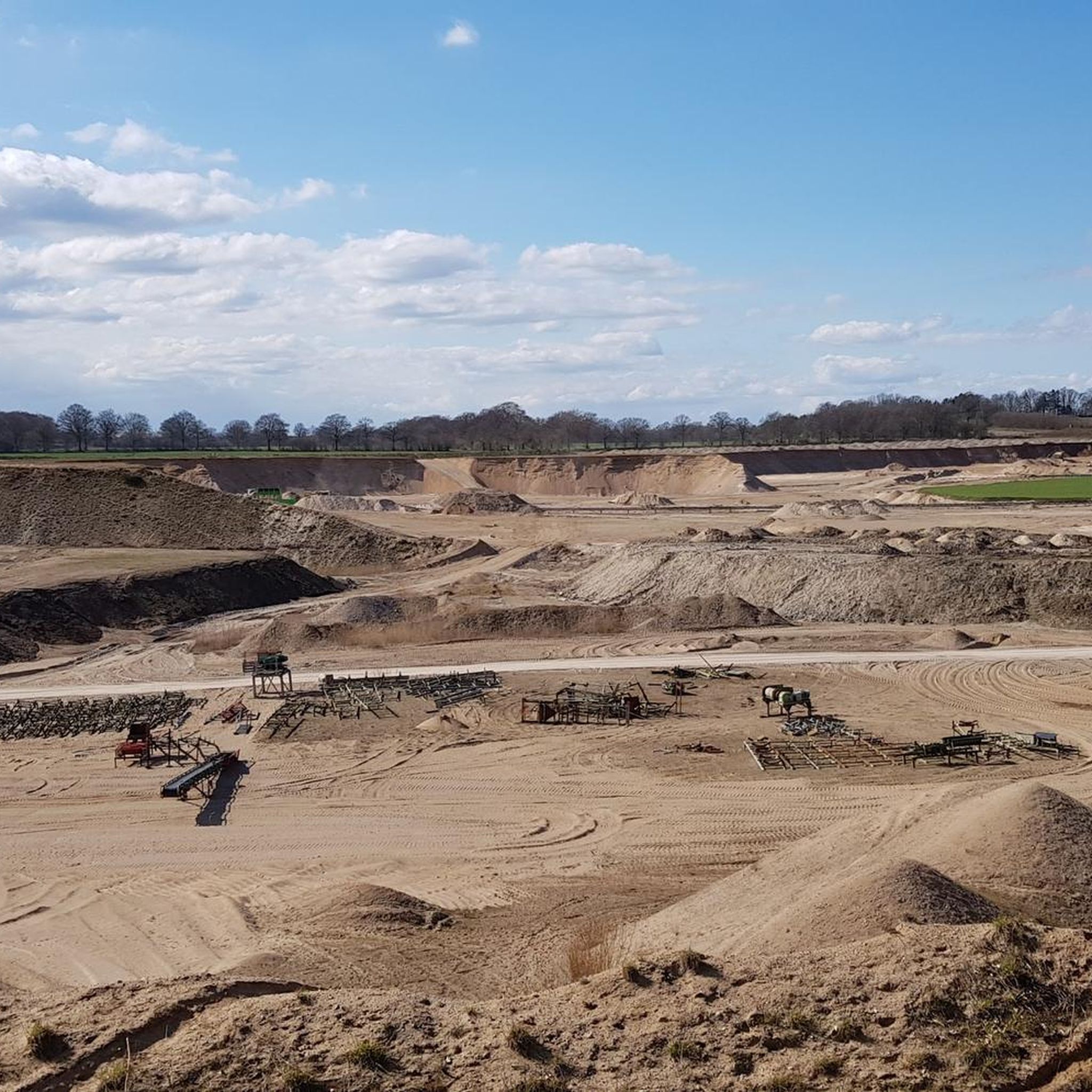
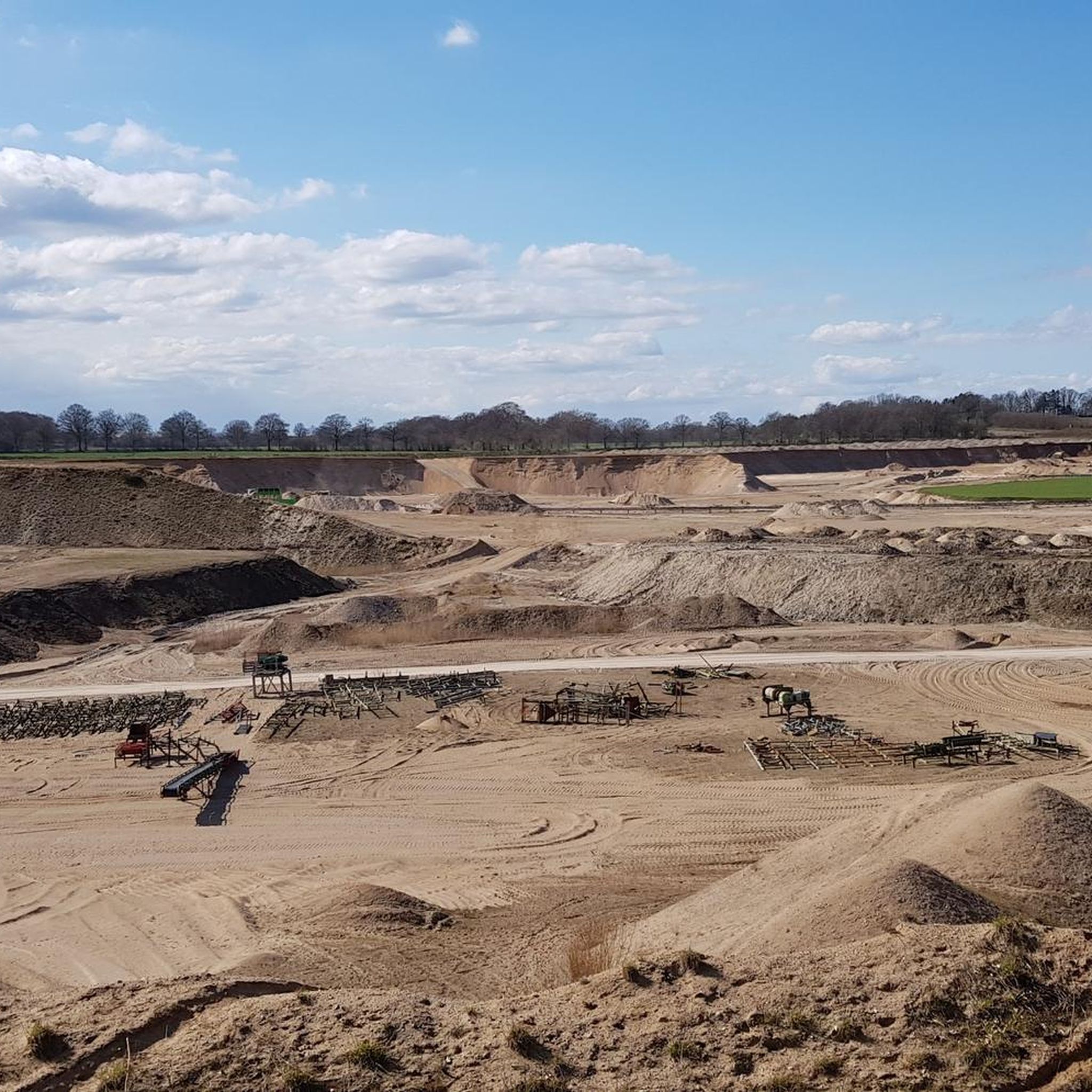
The Tarbeker Moor is the remnant of a larger moor complex that formed in a meltwater channel after the last ice age. The surrounding moors were drained and almost completely converted into grassland in the 19th and 20th centuries. The Tarbeker Moor was partially industrially drained down to the mineral subsoil from 1951 to 1990. The peat extraction led to the complete destruction of the high moor vegetation.
7
0
In 1991, the renaturation of the Tarbeker Moor (a raised bog still capable of renaturation) began. Through the impoundment of the water from the Tensfelder Au, as well as inflow from springs from the subsoil and from the slopes, a large-scale vegetation of transition and quaking bogs has developed on the former extraction areas. In the western shallow lakes, peat moss-rich quaking mats of Calla palustris (bog-calla) and open water areas with Utricularia vulgaris (common bladderwort) dominate. In the eastern excavation areas, extensive stands of Carex paniculata (great-panicled sedge), Carex pseudocyperus (pseudocyphel sedge), and Juncus effusus (soft-rush) interspersed with grey willows have formed. In places, rare peat mosses occur
8
0

The moor is a quiet, natural place. You can and should linger here peacefully.
1
0

A very nice hike
0
0

The chapel and cemetery belong to the Vicelin Church in Neumünster. Vicelin played a significant role there: in 1127, he founded the "Novum Monasterium" (New Münster) monastery in Neumünster and from there carried out missionary work in Holstein and Wagria.
2
0
“Caution: Ducks!” Sign warns of ducks crossing near the riverbank. Smiling is permitted, but braking is recommended. These signs are not legally binding, like the wildlife crossing sign (No. 142), but they do increase the awareness of road users.
1
0
Admittedly, it's not particularly fun. But if you experience nature with open eyes, you can discover little wonders despite the street noise: moor frogs, harvest mice, red-necked silphs, etc.
2
0
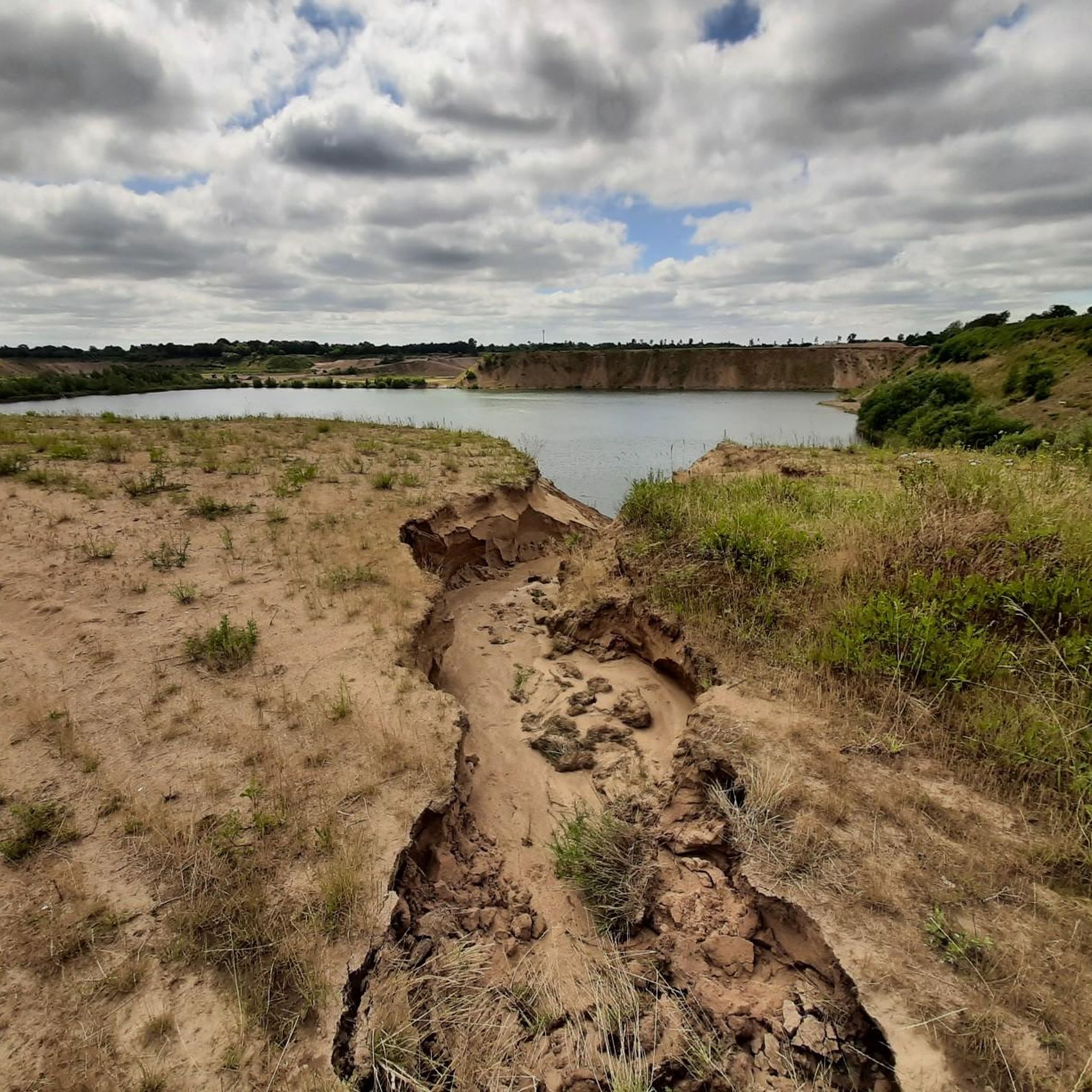
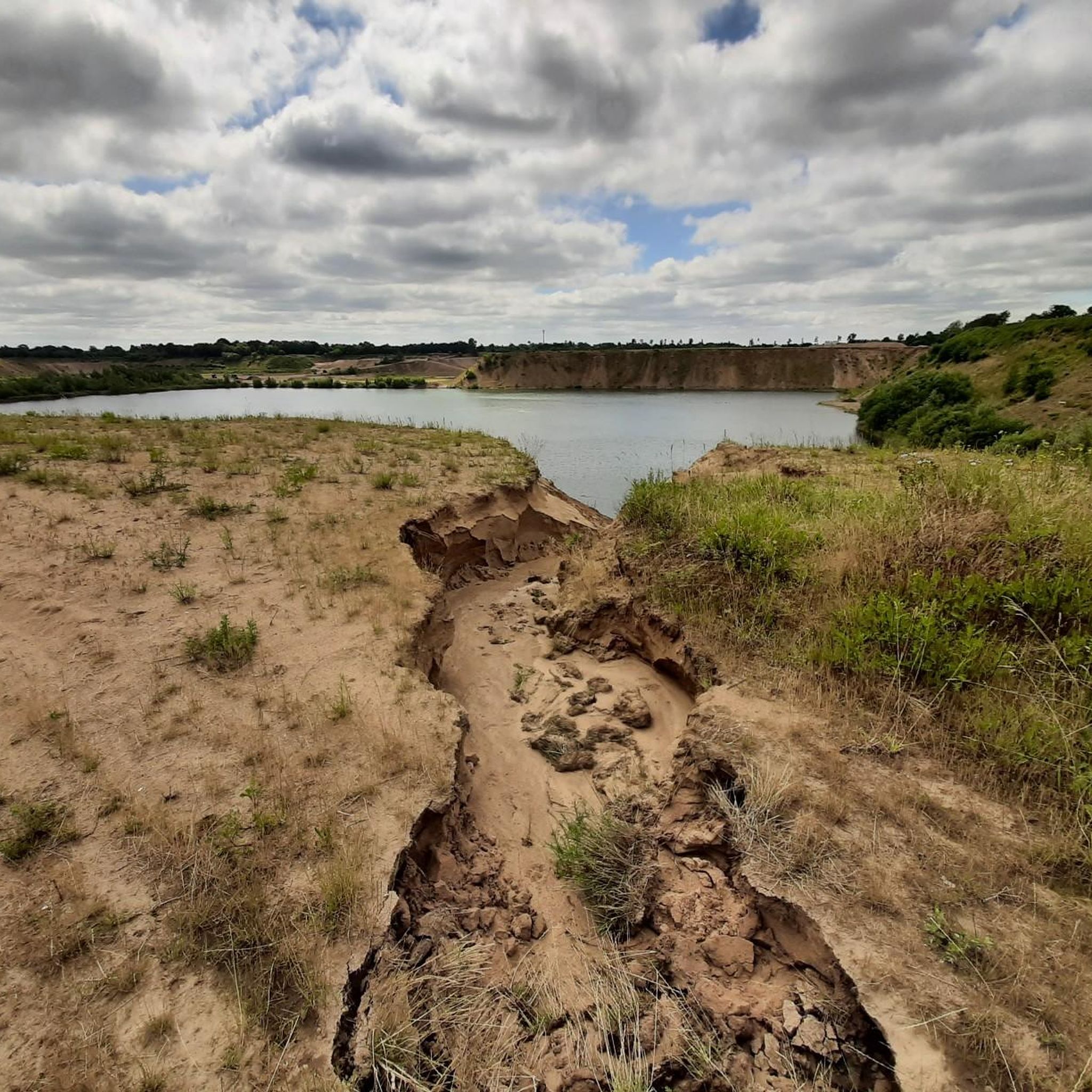
Small bodies of water are valuable habitats that often house rare aquatic and marsh plants as well as numerous animal species – including dragonflies and amphibians, which spend their larval stages here. On the Geest, many of these bodies of water are artificial, such as marl pits or livestock watering holes. Due to landscape change and intensive agriculture, many have disappeared, particularly affecting amphibians. A newly created pond with shallow banks, a sunny location, and nearby woodland now provides favorable conditions for their reproduction.
2
0
Frequently Asked Questions
How many hiking trails are available in Tarbek?
Tarbek offers a wide selection of over 500 hiking trails. These routes cater to various fitness levels, with over 370 easy trails, 130 moderate options, and a few more challenging paths for experienced hikers.
What kind of natural landscapes will I encounter while hiking in Tarbek?
The primary natural feature is the Tarbeker Moor, a renatured bog complex with diverse moor-typical vegetation, open water surfaces, and dry peat dams. Beyond the moor, the region features flat marshland, tree-lined avenues, and gently rolling hills. You'll also find scenic river landscapes and crystal-clear lakes, characteristic of Schleswig-Holstein.
Are there any specific natural features or landmarks to look out for?
Absolutely. The Tarbeker Moor itself is a highlight, known for its mosaic of habitats and wildlife, including amphibians like the common spadefoot toad and moor frog, as well as European otters and various dragonflies. You can also enjoy views of the Lakeside promenade at the Great Segeberg Lake and the Großer Plöner See from its southern shore. The Tensfelder Au Pond and Weir also adds to the picturesque water features of the area.
What do other hikers enjoy most about the trails in Tarbek?
The komoot community highly rates the trails in Tarbek, with an average score of 4.5 stars from over 3,800 reviews. Hikers often praise the unique natural beauty of the Tarbeker Moor, the well-maintained paths, and the peaceful atmosphere that allows for immersion in nature. Over 14,000 hikers have used komoot to explore the varied terrain here.
Are there many circular hiking routes in Tarbek?
Yes, many of the trails in Tarbek are designed as loops, allowing you to start and end at the same point. For example, the Tarbeker Moor – View of Tarbeker Moor loop from Tensfeld is a popular 6.3 km circular route offering views across the moorland.
Are the hiking trails in Tarbek suitable for families with children?
Many trails in Tarbek, particularly those within the Tarbeker Moor, are considered easy to walk with minimal elevation gain, making them suitable for families. The diverse wildlife, such as amphibians and dragonflies, can also be an engaging experience for children. An easy option is the View of Tarbeker Moor – Tensfelder Au loop from Blunk, which is 4.8 km long.
Can I bring my dog on the hiking trails in Tarbek?
Generally, dogs are welcome on hiking trails in Tarbek. However, it's always recommended to keep dogs on a leash, especially in nature protection areas like the Tarbeker Moor, to protect wildlife and ensure a pleasant experience for all visitors. Always check local signage for specific regulations.
What is the typical duration for a hike in Tarbek?
Hike durations vary depending on the route and your pace. Many of the easy trails around the Tarbeker Moor can be completed in about an hour. For example, the Bornhöved Chapel and Cemetery – Schwentine source area loop from Bornhöved is an easy 4 km path. Longer routes, such as the Tarbeker Moor – View of Tarbeker Moor loop from Alt-Erfrade, which is 10.1 km, might take around 2.5 hours.
Are there any moderate or more challenging hikes available?
While many trails are easy, there are also moderate options for those seeking a bit more challenge. For instance, the Hiking loop from Daldorf is a moderate 13.9 km route that offers a longer excursion through the varied landscape.
What is the best time of year to go hiking in Tarbek?
Tarbek offers pleasant hiking experiences throughout much of the year. Spring and autumn are particularly beautiful, with vibrant flora and comfortable temperatures. The renatured Tarbeker Moor is especially captivating during these seasons. Even in winter, the landscape can be serene, though some paths might be muddy or icy.
Is there public transport access to the hiking areas in Tarbek?
While Tarbek is a rural area, public transport options exist to reach the vicinity. However, direct access to trailheads might be limited, and it's often advisable to check local bus schedules in advance. Many visitors choose to arrive by car, utilizing available parking near popular starting points.
Where can I find parking for hiking trails near Tarbek?
Parking is typically available near the starting points of popular trails, especially around the Tarbeker Moor and in nearby villages. Specific parking information can often be found on local signage or within detailed route descriptions on komoot.
Most popular attractions around Tarbek

Get inspired with the komoot mobile app


Explore more
Browse the best Hikes in other regions.
