Attractions and Places To See around Caprarica Di Lecce - Top 20
Best attractions and places to see around Caprarica Di Lecce include a blend of historical sites, cultural experiences, and natural landscapes in the Salento region of Puglia. This municipality is characterized by its agricultural areas, featuring ancient olive groves and vineyards. Caprarica Di Lecce serves as a base for exploring both local landmarks and the wider Salento area.
Best attractions and places to see around Caprarica Di Lecce
- The most popular attractions is Basilica of Santa Croce, a religious building that is a Baroque church located in the historic center. Built between the 16th and 17th centuries, its facade is richly decorated with columns, statues, cherubs, and telamons.
- Another must-see spot is Acaya Castle, a castle built between 1521 and 1535 to protect a fortified citadel. This Renaissance fortress was constructed by Gian Giacomo dell'Acaya for Charles V.
- Visitors also love Lecce Cathedral (Cathedral of Saint Mary of the Assumption), the mother church of Lecce and seat of the archbishop. Originally built in the 12th century in Romanesque style, it was rebuilt in the 17th century in Lecce Baroque style.
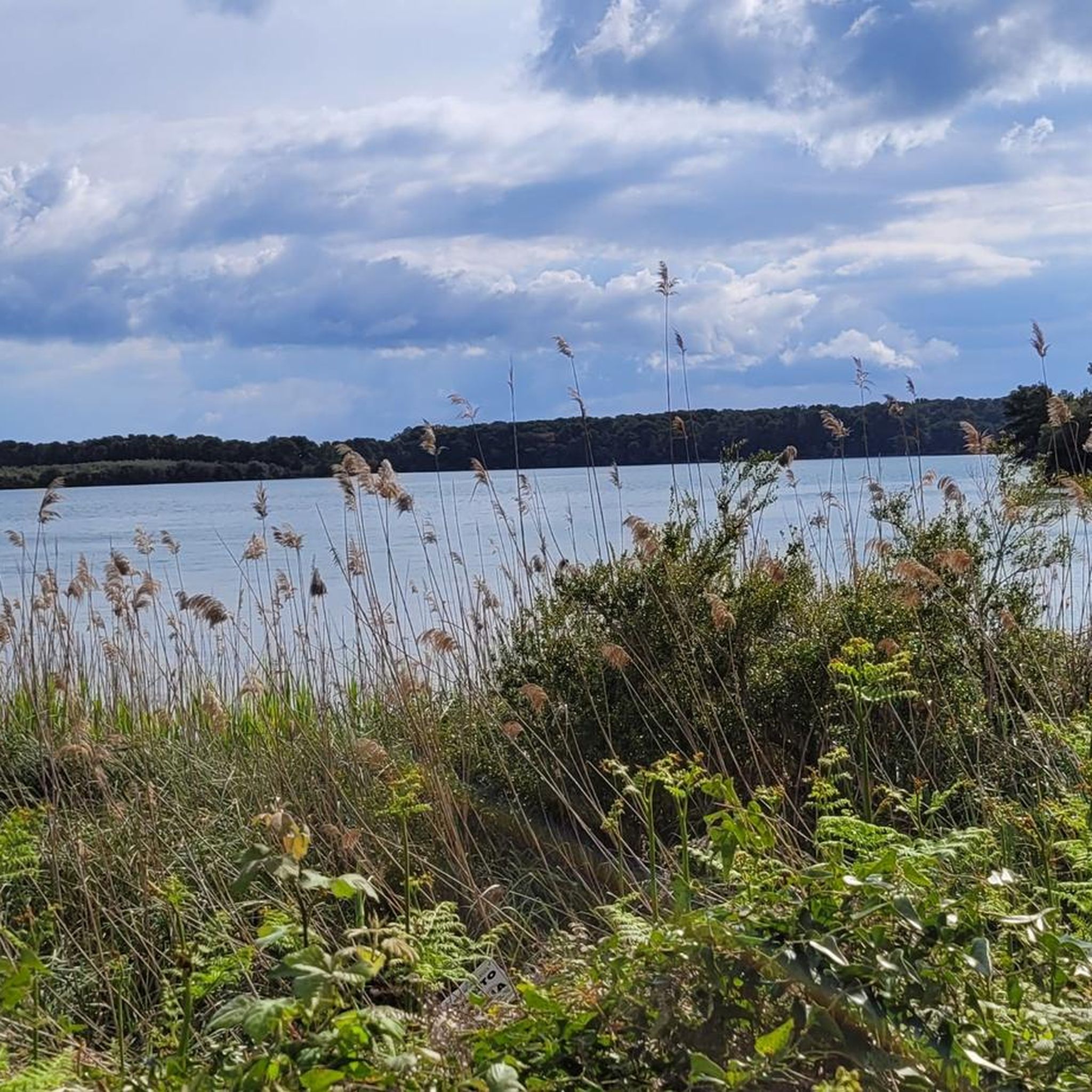
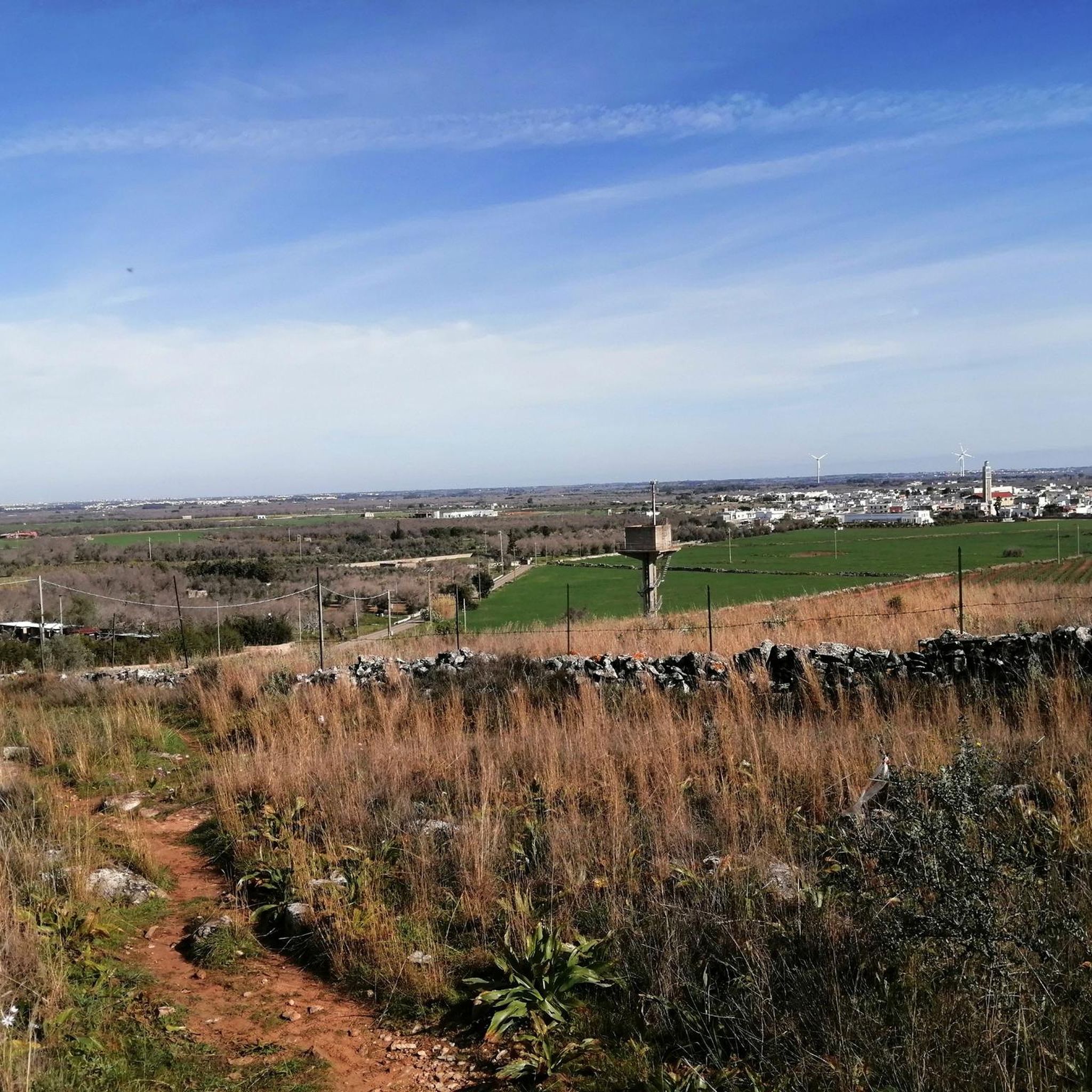
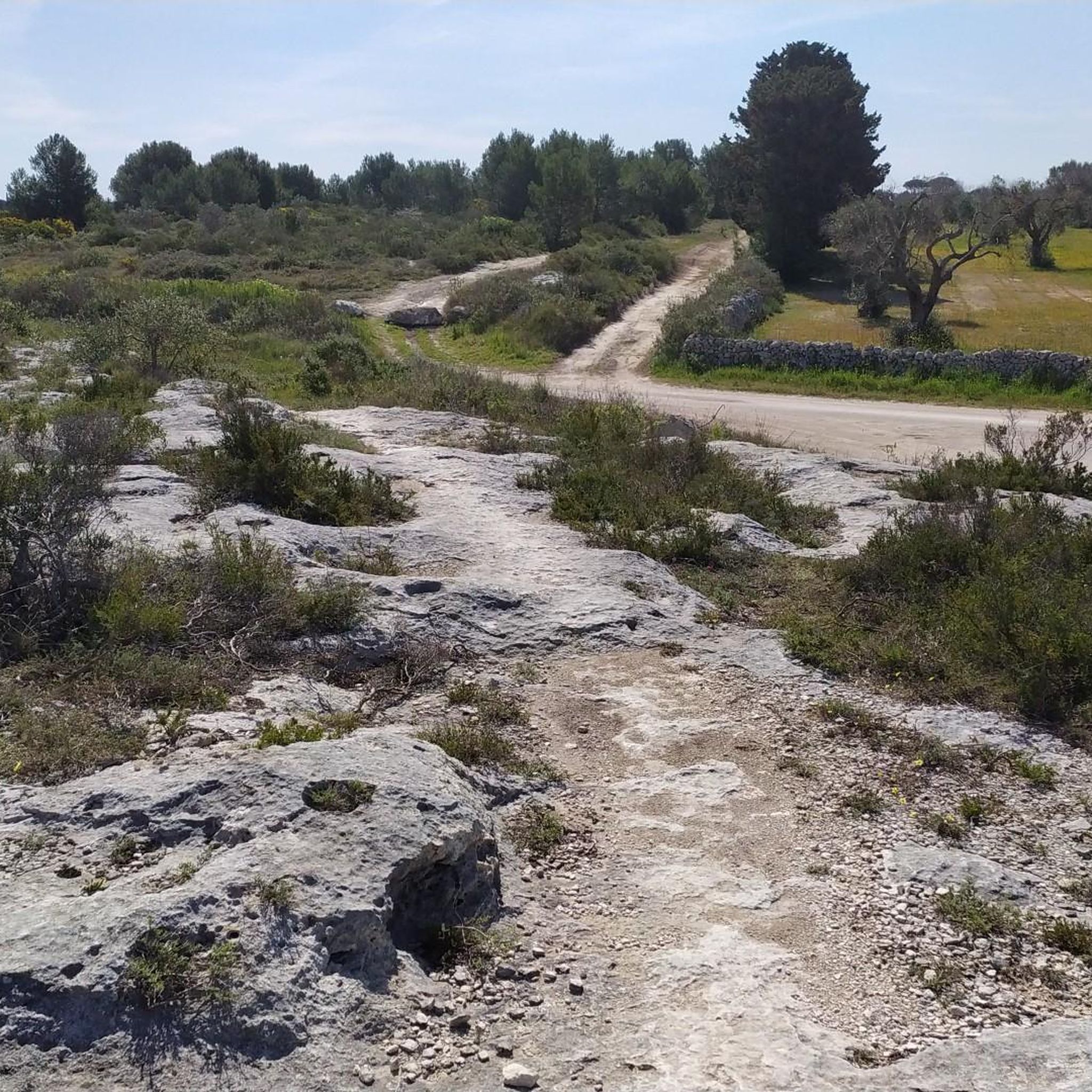
- Caprarica Di Lecce is known for its historical sites, religious buildings, and natural features like centuries-old olive trees. Visitors can explore a variety of attractions, from ancient megalithic monuments to Baroque architecture.
- The attractions around Caprarica Di Lecce are appreciated by the komoot community, with 279 upvotes and 157 photos shared across the highlights.
Last updated: July 2, 2026
Basilica of Santa Croce
Highlight • Religious Site
Translated by Google •
Tip by

Acaya Castle
Highlight • Castle
Translated by Google •
Tip by

Sign up now to discover places like this
Get recommendations on the best single tracks, peaks, & plenty of other exciting outdoor places.
Sign up for free
Lecce Cathedral (Cathedral of Saint Mary of the Assumption)
Highlight • Religious Site
Translated by Google •
Tip by
Historic Centre of Lecce
Highlight • Historical Site
Translated by Google •
Tip by

Church of St. Matthew
Highlight • Religious Site
Since April 30, 1810 it has been the seat of the parish of Santa Maria della Luce, established on March 16, 1606 in a church of the same name outside the walls and transferred here after the abolition of the Franciscan monastery.
Source: it.wikipedia.org/wiki/Chiesa_di_San_Matteo_(Lecce)
Translated by Google •
Tip by

Sign up for free to discover even more attractions around Caprarica Di Lecce.
Sign up for free
Already have an account?
Start today with a free account
Your next adventure awaits.
Login or Signup

Tips from the Community

The Basilica of Santa Croce is a Roman Catholic church in Lecce, in the southern Italian region of Apulia. The parish church of the Archdiocese of Lecce, dedicated to the Holy Cross, holds the rank of a minor basilica. The Baroque church was built at the end of the 16th century and completed in the 17th century. Source: https://de.wikipedia.org/wiki/Santa_Croce_(Lecce)
3
0

In the hamlet of the same name in the municipality of Vernole, in the Lecce area, Acaya Castle was built in the 16th century by Gian Giacomo of the Acaya family, on behalf of Charles V, the famous sovereign on whose empire "the sun never set".
0
0


beautiful church in Lecce
3
0
church in lecce puglia
3
0
beautiful church in Lecce
3
0
beautiful gothic style church in lecce
3
0
Frequently Asked Questions
What historical and cultural sites can I explore in Caprarica di Lecce itself?
Within Caprarica di Lecce, you can visit the Baronial Palace, which features a Norman tower and dates back to the 17th-18th centuries. Other notable sites include the Church of the Crucifix and the Madonna del Carmine Church, both examples of Baroque architecture, and the ancient Ussano Menhir, a megalithic monument from the Bronze Age. The Kalòs – Archeodromo del Salento offers an interactive journey into ancient Messapian life.
Are there any significant religious buildings to visit near Caprarica di Lecce?
Yes, the nearby city of Lecce, often called the 'Florence of the South,' boasts several impressive religious buildings. You can visit the magnificent Basilica of Santa Croce, a stunning Baroque church with richly decorated facades. Another must-see is the Lecce Cathedral (Cathedral of Saint Mary of the Assumption), originally built in the 12th century and rebuilt in the Lecce Baroque style. The Church of Saint Clare is also a beautiful example of the region's architectural heritage.
What natural features characterize the area around Caprarica di Lecce?
The countryside surrounding Caprarica di Lecce is renowned for its majestic, centuries-old olive trees, which are a vital source of extra virgin olive oil and a symbol of Salento's enduring connection to nature. The area is also rich with olive groves and vineyards, reflecting its agricultural heritage. While not directly on the coast, the town is close to the Adriatic, offering access to scenic seaside resorts and natural reserves like Riserva Naturale Le Cesine and the Alimini Lakes.
What are some family-friendly attractions near Caprarica di Lecce?
Families can enjoy the Acaya Castle, a 16th-century Renaissance fortress that offers a glimpse into historical defense architecture. The Kalòs – Archeodromo del Salento provides an engaging experience with reconstructions of Messapian dwellings and interactive workshops, often featuring historical re-enactments at sunset. Exploring the Historic Centre of Lecce with its Roman amphitheater and Baroque architecture can also be a captivating experience for all ages.
What outdoor activities can I do near these attractions?
The region around Caprarica di Lecce is excellent for outdoor activities. You can explore various cycling routes, including those that pass by menhirs and charming villages, or enjoy gravel biking tours that take you to coastal viewpoints and nature reserves. There are also numerous running trails, with options ranging from moderate loops around Caprarica di Lecce itself to more challenging routes connecting nearby towns and historical sites. For detailed routes, check out the Gravel biking around Caprarica Di Lecce, Cycling around Caprarica Di Lecce, and Running Trails around Caprarica Di Lecce guides.
What is the best time to visit Caprarica di Lecce and its surrounding attractions?
Visiting in autumn, particularly October, is often recommended. During this time, the peak holiday tourism has subsided, allowing for a more relaxed experience while exploring the beautiful cities and attractions like Lecce. The weather is generally pleasant for outdoor activities and sightseeing.
Are there any wheelchair-accessible attractions in the area?
Yes, the Lecce Cathedral (Cathedral of Saint Mary of the Assumption) is noted as being wheelchair accessible, allowing visitors to experience its impressive Baroque architecture. When planning your visit, it's always a good idea to check specific accessibility details for other sites directly.
What are some 'hidden gems' or lesser-known spots worth visiting?
Beyond the major landmarks, consider visiting the ancient Ussano Menhir, a Bronze Age megalithic monument that offers a quiet connection to the region's deep past. The Archaeological Excavations of Piazza Vittoria in Caprarica di Lecce also provide insights into the town's ancient roots. For a unique experience, the Kalòs – Archeodromo del Salento, an open-air archaeological park, offers an immersive look at Messapian life.
How far is Caprarica di Lecce from the coast, and what beaches are nearby?
Caprarica di Lecce is strategically located approximately 19 km (about a 20-minute drive) from the Adriatic coast. Nearby seaside resorts include San Foca, Torre dell'Orso, Torre Specchia, Roca, and Sant'Andrea. The Ionian coast is a bit further, about 40 km away.
What kind of wildlife can I expect to see in the natural areas around Caprarica di Lecce?
While specific wildlife details are not extensively documented for Caprarica di Lecce itself, the wider Salento region, particularly natural reserves like the Riserva Naturale Le Cesine, is known for its diverse ecosystems. These areas can host various bird species, small mammals, and reptiles typical of Mediterranean scrubland and coastal habitats. The ancient olive groves also support local insect and bird life.
What is the significance of the olive trees in Caprarica di Lecce?
The centuries-old olive trees surrounding Caprarica di Lecce are more than just a natural feature; they are a fundamental part of Salento's identity and economy. They represent a long-standing symbiotic relationship between humans and nature, producing vital extra virgin olive oil and symbolizing the region's agricultural heritage and resilience. These majestic trees are a characteristic and iconic symbol of the landscape.
Most popular routes around Caprarica Di Lecce
Most popular attractions around Caprarica Di Lecce

Get inspired with the komoot mobile app


Explore more
Still not found the Highlight you’re looking for? See guides of the top attractions in other regions:
