Attractions and Places To See around Buti - Top 20
Best attractions and places to see around Buti include a rich blend of historical landmarks, cultural experiences, and natural beauty. Located on the eastern slopes of Monte Pisano in Tuscany, Italy, the town is surrounded by pine and chestnut forests. Visitors can explore ancient structures and immerse themselves in the serene landscape. The area offers diverse attractions for those interested in history, culture, and outdoor activities.
Best attractions and places to see around Buti
- The most popular attractions is Le Parole d'Oro Aqueduct and Bridges, a man-made monument that features an artificial channel descending from the mountains. This site is known for its sinuous bends, bridges, and luxuriant forest, making it an excellent walk.
- Another must-see spot is Dante's Pass, a mountain pass with historical-literary value. This pass offers beautiful landscape views of Pisa and is believed to have been traveled by Dante Alighieri.
- Visitors also love Santallago Plateau, an equipped natural area. It is ideal for picnics and serves as a fundamental hub for mountain biking trails.
- Buti is known for historical sites, natural features like mountain passes, and man-made monuments. Visitors can explore ancient structures, enjoy serene landscapes, and discover unique local traditions.
- The attractions around Buti are appreciated by the komoot community, with more than 190 upvotes and over 100 photos shared.
Last updated: October 9, 2026
Le Parole d'Oro Aqueduct and Bridges
Highlight • Monument
From a pass just beyond, the itinerary heads to the left, goes around Monte Vallone, ending at the important pass of Prato a Sigliori or Sillori. Having crossed the forest road to Sant'Andrea, continue towards San Valentino and along the so-called Monsagrati path, you reach the Santallago road again.
Translated by Google •
Tip by

Guamo Temple-Cistern
Highlight • Monument
Translated by Google •
Tip by

Sign up now to discover places like this
Get recommendations on the best single tracks, peaks, & plenty of other exciting outdoor places.
Dante's Pass
Highlight • Mountain Pass
One of these has a particular historical-literary value, because it would have been traveled by no less than Dante Alighieri: it is precisely the Passo di Dante, who in the Comedy at canto XXXIII of the Inferno refers "al monte per che i Pisan veder Lucca non ponno." (ie the mountain that prevents the view of a city from the other one.) Above the stone slab that bears these verses, there is a bust of the Poet.
Naturally this pass, that connected the Lucca side with the Pisan one, was well known long before Dante: from the Neolithic to the Roman age it had been traveled by people of all origins, but from the Renaissance onwards it was known just as "Dante's Pass".
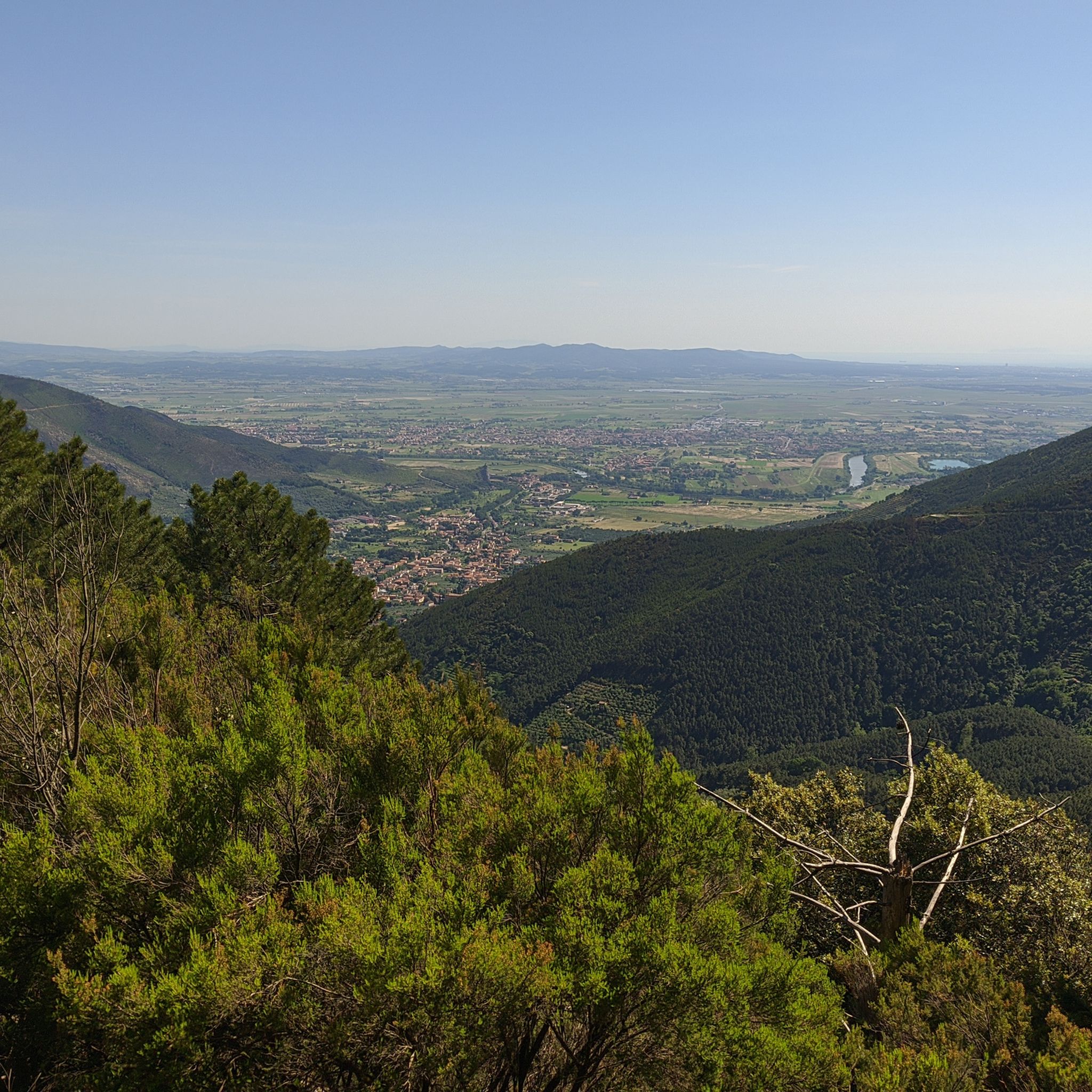
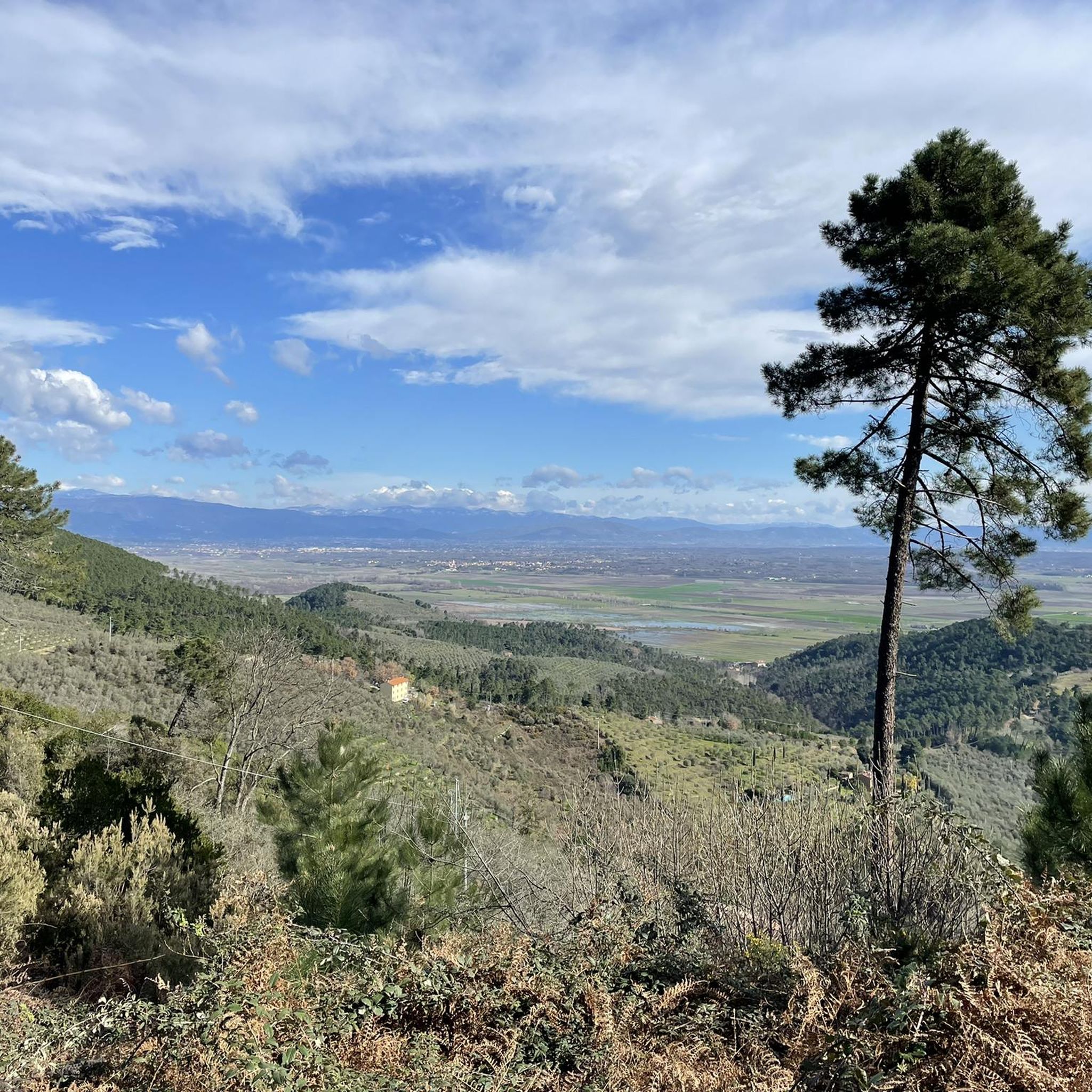
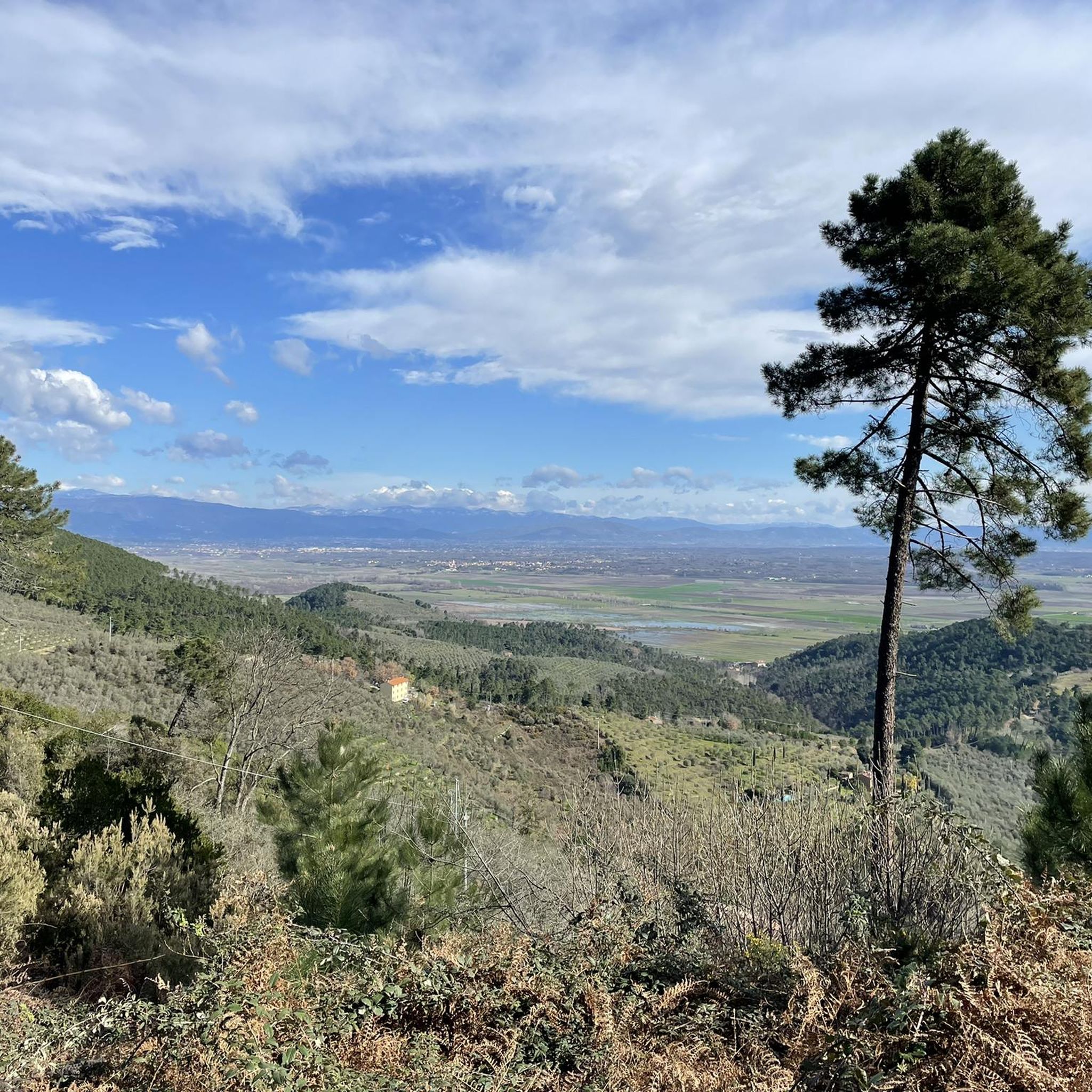
The tour up to the Pass, which is located just over 200 m above sea level and offers beautiful landscape views of Pisa, can be started from S. Maria del Giudice or S. Giuliano, with distances that vary depending on the starting point and if you go to on foot or by bike.
Tip by

Campo di Croce Trail Junction
Highlight • Trail
Translated by Google •
Tip by

Santallago Plateau
Highlight • Natural
Translated by Google •
Tip by
Sign up for free to discover even more attractions around Buti.
Already have an account?
Start today with a free account
Your next adventure awaits.
Tips from the Community

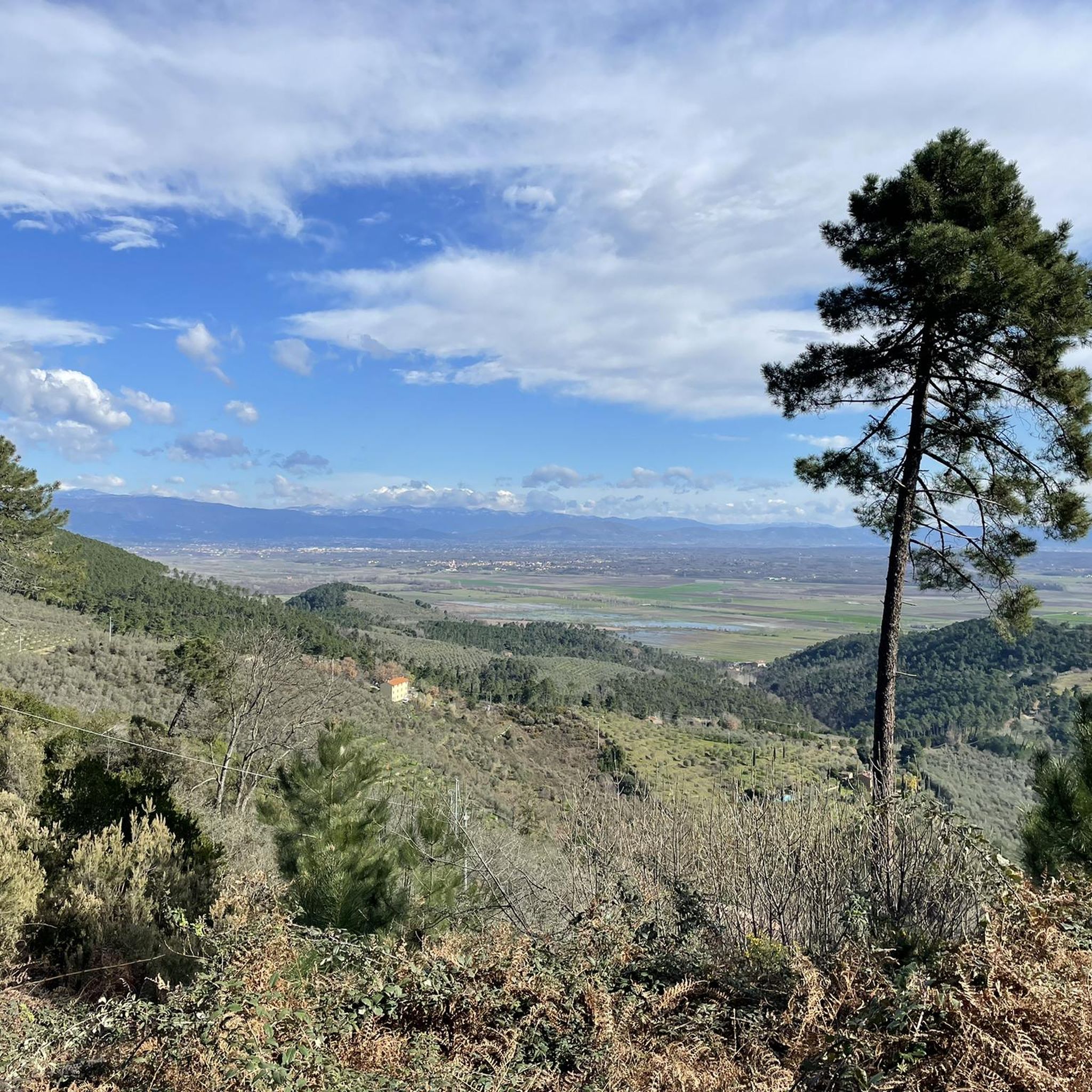
The Passo di Dante is a scenic pass located at 335 meters above sea level in the Monti Pisani, the mountain range that historically separates the cities of Pisa and Lucca. This place owes its name to a famous mention by Dante Alighieri in Canto XXXIII of the Inferno in the Divine Comedy (verses 28-30). In the text, Count Ugolino recounts a premonitory dream in which Monte Pisano is described as the mountain "per che i Pisan veder Lucca non ponno" (through which the Pisans cannot see Lucca).
0
0
Il Tempietto-Cisterna di Guamo is an elegant neoclassical building located in the municipality of Capannori (Lucca), which constitutes the starting point and collection point for the waters of the imposing Nottolini Aqueduct. Designed by architect Lorenzo Nottolini and built between 1823 and 1825 at the behest of Duchess Maria Luisa di Borbone, this structure served to filter and channel the pure waters coming from the springs of the Monti Pisani before sending them towards the city of Lucca.
0
0

The Tempietto-Cisterna di Guamo is the intake point and the southern end of the Monumental Aqueduct Nottolini. Located in the municipality of Capannori, it was designed by Lorenzo Nottolini and built between 1823 and 1825 at the behest of Duchess Maria Luisa of Bourbon. It is a circular building in neoclassical style with the original function of collecting and filtering the spring waters of Monte Pisano, intended for the water supply of the city of Lucca. The route of the so-called "Passeggiata dell’Acquedotto" also starts from the Tempietto, following the arches to the city.
1
0

excellent place to spend Sundays and holidays, have barbecues and take walks in the surrounding area
0
0


by bike it's free. accessible by two paths: one short and steep and the other long and less steep. At the top there is also a bar!
0
0

It is very beautiful here.
1
2

Built between 1823 and 1825. Architect Lorenzo Nottolini Aqueduct has a length of about 3250 meters, interrupted by the A11 motorway. Purpose: good quality of water in Lucca
1
0
Frequently Asked Questions
What natural features can I explore around Buti?
Buti is nestled on the eastern slopes of Monte Pisano, offering a rich natural landscape. You can explore serene pine and chestnut forests, discover hidden waterfalls and natural springs, or visit the protected area safeguarding the Pinus laricio biotype. The Santallago Plateau is an equipped natural area perfect for picnics and a hub for mountain biking trails.
Are there historical sites to visit in Buti?
Yes, Buti boasts a rich history. Key historical sites include the ancient Dante's Pass, a mountain pass with historical-literary value believed to have been traveled by Dante Alighieri. Within the town, you can find the Medici Villa, Castel Tonini, the Romanesque Church of San Francesco, and the Francesco di Bartolo Theater, dating back to 1842.
What cultural experiences does Buti offer?
Buti is rich in cultural experiences. You can visit the Museum of Sacred Art, explore local markets for authentic Tuscan life, or learn about traditional olive oil production along the 'Strada dell'Olio Monti Pisani'. The town also has a history of handcrafted basket production and hosts the annual Palio of San Antonio horse race every January.
Are there hiking trails near Buti's attractions?
Absolutely. The Monti Pisani surrounding Buti offer a network of paths and mule tracks ideal for hiking. You can find various hiking routes, from easy to challenging, that lead through forests and offer scenic views. For more detailed options, explore the Hiking around Buti guide.
What cycling routes are available around Buti?
Buti and the Monti Pisani are excellent for cycling. The Santallago Plateau is a fundamental hub for mountain biking trails. You can find routes suitable for various skill levels, from leisurely rides through olive groves to challenging mountain bike trails. Check out the MTB Trails around Buti guide for specific tours.
Are there any family-friendly attractions in Buti?
Many attractions around Buti are suitable for families. The Santallago Plateau is an equipped natural area perfect for picnics and spending a day in nature. Exploring the Le Parole d'Oro Aqueduct and Bridges offers an excellent walk through a luxuriant forest, which can be an engaging adventure for children. The Educational Park Monte Cucco also provides another natural area for family exploration.
What is the 'Le Parole d'Oro Aqueduct and Bridges'?
The Le Parole d'Oro Aqueduct and Bridges is a man-made monument featuring an artificial channel that descends from the mountains with sinuous bends, crossed by bridges and surrounded by a luxuriant forest. It's known for its uncontaminated landscapes and makes for an excellent walk, especially in autumn. The itinerary begins at the Romanesque church of San Quirico in Guamo.
Can I find viewpoints with scenic landscapes near Buti?
Yes, the region offers several stunning viewpoints. Dante's Pass provides beautiful landscape views of Pisa. Additionally, the Campo di Croce Trail Junction is a key point in the Pisan Mountains from which paths branch off in every direction, often leading to panoramic spots. The Monti Pisani themselves offer numerous opportunities for scenic vistas.
What is the best time of year to visit Buti for outdoor activities?
The Monti Pisani, where Buti is located, offer a network of paths ideal for hiking, biking, and horseback riding throughout the year. However, spring and autumn are particularly pleasant for outdoor activities, with milder temperatures and beautiful natural colors. Autumn is especially recommended for walks along the Le Parole d'Oro Aqueduct and Bridges.
Are there any unique local traditions or events in Buti?
Buti is known for its vibrant local traditions. The most prominent is the annual Palio of San Antonio, an exciting horse race and festival held every January, where the town's districts parade through the streets. Another unique cultural expression is the 'Maggio Butese,' a popular drama derived from sacred and profane history, which is still practiced in the town.
Where can I find local produce and artisanal goods in Buti?
Buti hosts weekly local markets where you can experience authentic Tuscan life. These markets offer fresh produce, artisanal goods, and local specialties. Additionally, the town is situated on the 'Strada dell'Olio Monti Pisani,' reflecting centuries of olive cultivation, and visitors can often find opportunities for olive oil tastings at local farms.
What is the Guamo Temple-Cistern?
The Guamo Temple-Cistern is a circular building in the Doric neoclassical style, representing the beginning of the Nottolini Aqueduct. It was designed to convey waters from 18 pure water sources and is part of a larger aqueduct system that supplied the city of Lucca. Today, the small temple is well-preserved and can be visited.
Most popular attractions around Buti

Get inspired with the komoot mobile app


Explore more
Still not found the Highlight you’re looking for? See guides of the top attractions in other regions:
