The best walks and hikes around Masi Torello
4.8
(14)
193
hikers
18
hikes
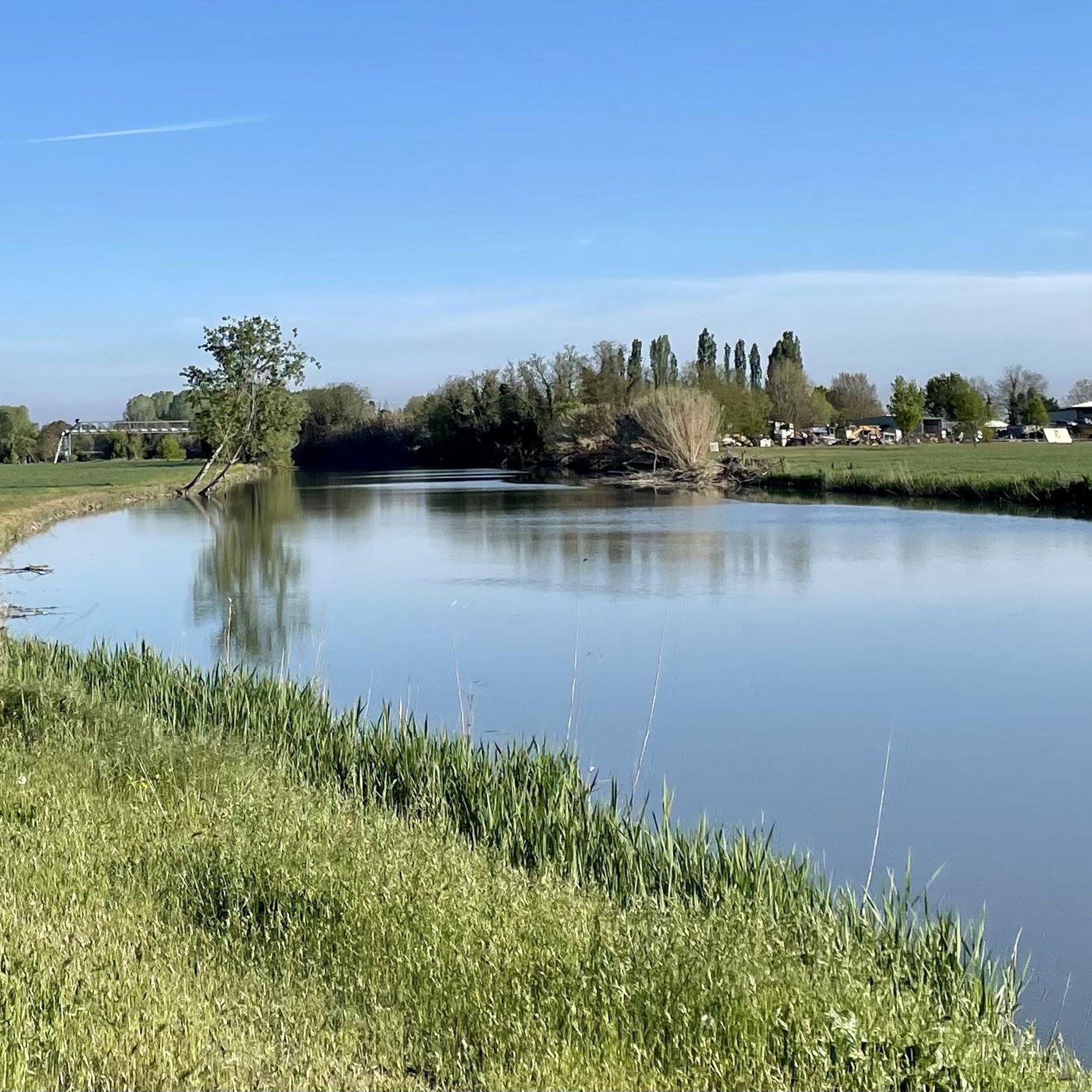
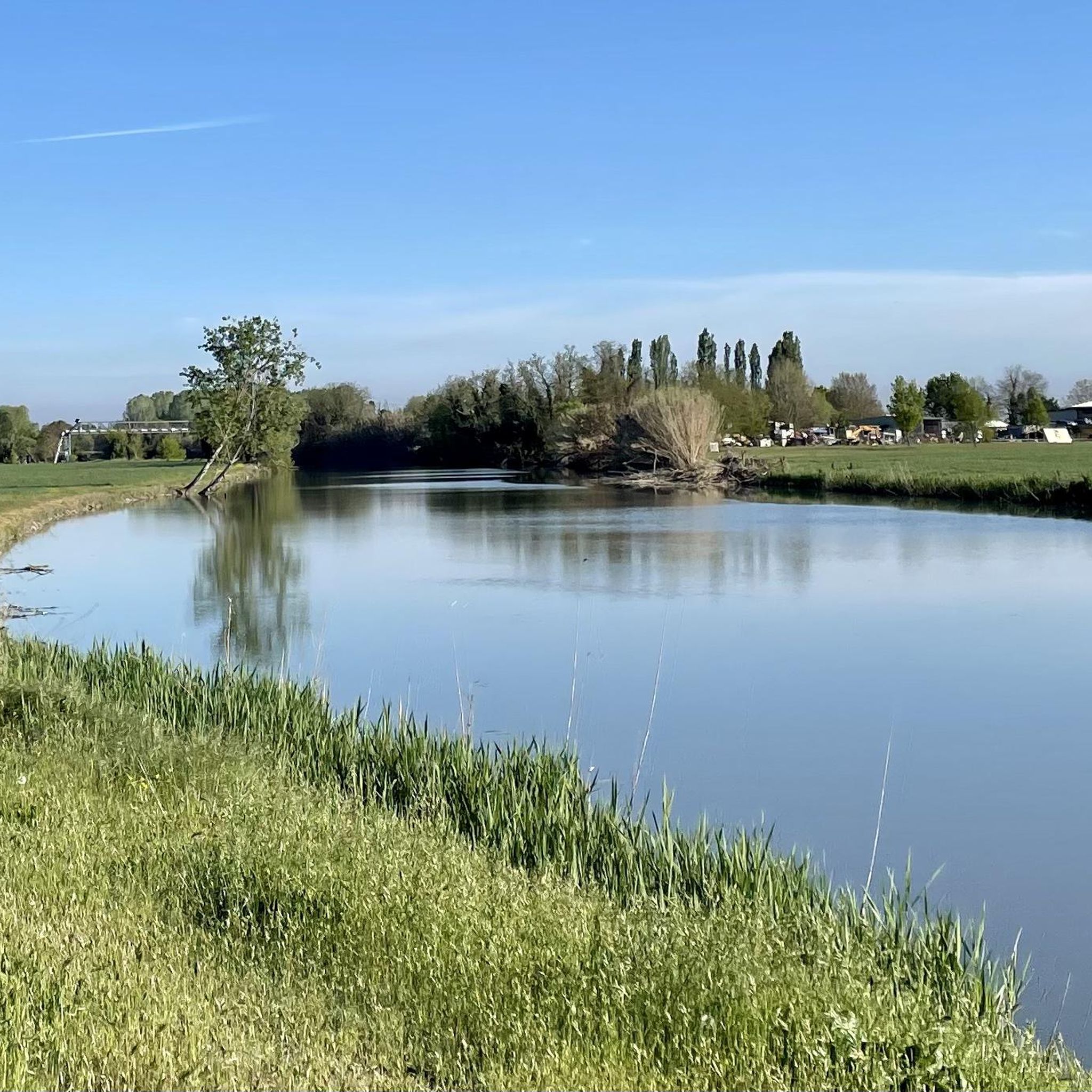
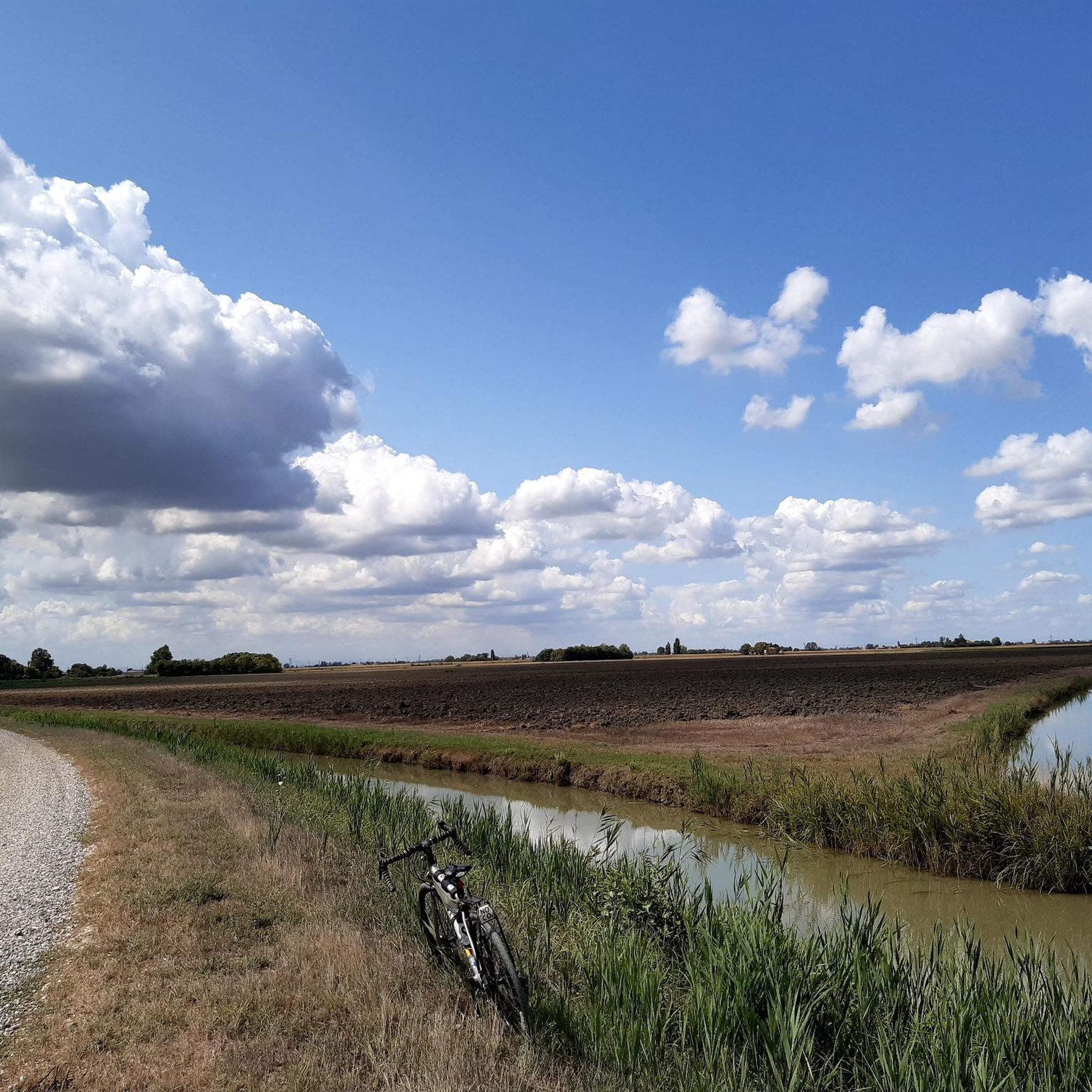
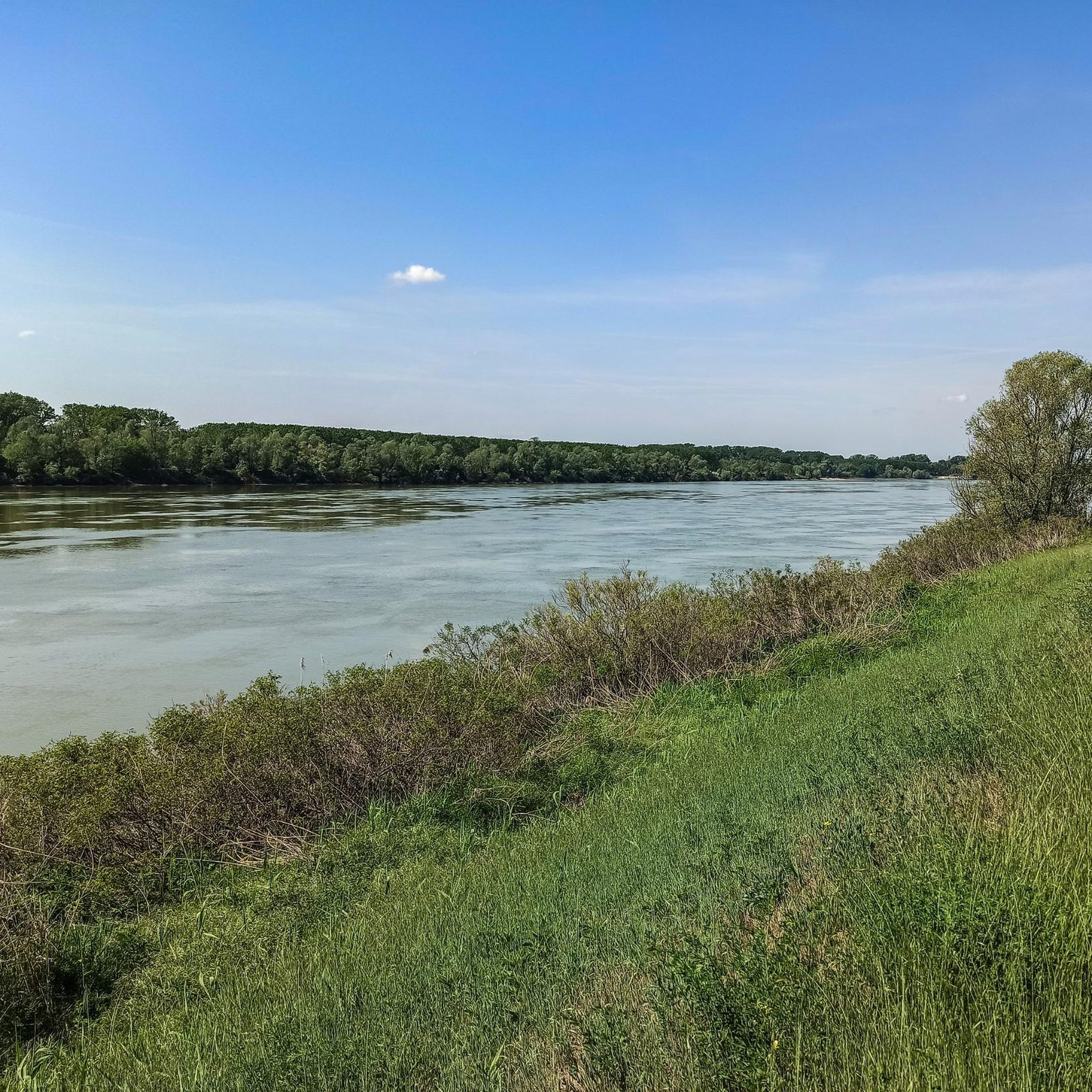
Hiking around Masi Torello offers exploration of the flat, agricultural landscape characteristic of the Po Valley. The region features expansive fields and riverine environments, with trails often following riverbanks. Minimal elevation changes define the terrain, making routes accessible for various activity levels.
Best hiking trails around Masi Torello
- The most popular hiking route is Macero Wetland loop from Quartesana, a 3.9 miles (6.3 km) trail that takes 1 hour 35 minutes to complete, exploring the Macero Wetland area.
- Another…
Last updated: July 1, 2026
4.7
(3)
12
hikers
6.31km
01:35
10m
10m
Easy hike. Great for any fitness level. Easily-accessible paths. Suitable for all skill levels.
12
hikers
8.22km
02:04
10m
10m
Moderate hike. Good fitness required. Easily-accessible paths. Suitable for all skill levels.

Sign up for free
4.3
(3)
9
hikers
5.64km
01:25
10m
10m
Easy hike. Great for any fitness level. Easily-accessible paths. Suitable for all skill levels.
6
hikers
7.71km
01:57
10m
10m
Easy hike. Great for any fitness level. Easily-accessible paths. Suitable for all skill levels.
4.5
(2)
8
hikers
10.3km
02:37
20m
20m
Moderate hike. Good fitness required. Easily-accessible paths. Suitable for all skill levels.
Get access to more routes and recommendations from other explorers.
Sign up for free
Already have an account?
Our route recommendations are based on thousands of hikes, rides, and runs completed by other people on komoot.
Start today with a free account
Your next adventure awaits.
Login or Signup

Tips from the Community

Voghenza was a Roman settlement called Vicus Aventinus or Vico Habentia, the administrative hub of vast imperial properties. Archaeological excavations have brought to light a burial and monumental area of some importance dating from the mid-1st century AD to the mid-3rd. The materials found consist of common ceramics (cups, mugs, lamps), glass and onyx unguentaria, gold and amber ornaments, now exhibited at the Museo Civico di Belriguardo. Among the 67 burials (inhumations and cremations), the large marble sarcophagus of Ulpia Pusinnica and two funerary enclosures with tombs marked by inscribed cippi stand out. Located just outside the town, the necropolis is not accessible for visits, but is still visible as a whole from Via Dante Alighieri. Visible only from the outside.
0
0
The museum, managed by the Historical Modelers Association, is the only one in the world that can boast total coverage of the branches of miniature reproduction. The route through the rooms resembles a miniature city; passing from the station to the port, from the airport to the square, there are hundreds of reproductions: legendary cars, historical figures, medieval villages, speed record cars, ships and planes from all eras. The Museum houses an extraordinary working model railway and an absolute rarity of antique modelling: an extraordinary reconstruction of the wedding between Alfonso I d'Este and Lucrezia Borgia. In addition to the seven exhibition rooms, the Museum has a large garden where you can sail, in the adjoining lake, with small radio-controlled vehicles, and offers a complete specialized library where you can consult volumes, videos and projects. www.museomodellismostorico.it +39 348 290 4655
0
0
The bastion of San Giorgio is the result of the architectural interventions made, between 1521 and 1525, to the fourteenth-century Barbican of the same name: the surviving cylindrical guardhouse is still visible, the only testimony of the dozens of sentry boxes built during the seventeenth and eighteenth centuries along the entire fortified circuit of the city.
0
0
The church of Voghenza was destroyed during the Second World War and, today rebuilt, is dedicated to San Leo, the miracle-working Saint of Montefeltro. Legend has it that on 14 February 1016, Emperor Henry II had to leave the sarcophagus containing the remains of the Saint here in Voghenza and which was originally supposed to be transported to Speyer, in Germany; the emperor had obtained these relics from the Pope, in exchange for the defeat inflicted on the Greeks and Saracens near Rome. More likely, the sarcophagus with the relics, still kept inside the church, remained here during one of the journeys that, in the Early Middle Ages, sacred relics were made to make, transported to villages and cities struck by natural disasters or plagues. The church also contains the lid of another sarcophagus, of the XII bishop of Voghenza, Mauricino (6th century). A flourishing center already in Roman times, its fortunes were linked to the key function of the Sandalo river for navigation, communications and trade between Ravenna and the Po Valley hinterland. It was the first episcopal seat in the Ferrara area with the Cathedral dedicated to S. Stefano. With the changing hydrographic and political situation and the transfer of the episcopal seat to S. Giorgio di Ferrara, it declined to the level of a parish, with a church dedicated to S. Leo since the 11th century. Until the beginning of the 17th century the church did not have a baptismal font. Holy Mass Times: Pre-holiday at 6:00 pm - Holiday at 8:30 am (to be checked for possible updates)
0
0


Short segment, mostly clay, many holes in the central area.
1
0

History The term barbican derives from the medieval Latin barbacanis or from the vulgar Arabic bar-al-baqara, literally "cattle enclosure", indicating a buttress, a walled reinforcement for defensive purposes. The artifact benefited from some repairs over time thanks to the Legate of Ferrara, Cardinal Giulio Sacchetti (1627-1630), as evidenced by the engraved marble cantonal (Iulio. Card. Sacchetti Leg.) Placed above the eastern corner, while the guardhouse above cylindrical is the only testimony of the dozens of sentry boxes built during the seventeenth and eighteenth centuries along the entire fortified circuit of the city.
0
0
Frequently Asked Questions
What kind of terrain can I expect on hiking trails around Masi Torello?
The Masi Torello area is characterized by a predominantly flat, agricultural landscape, typical of the Po Valley. Trails often weave through expansive fields and follow riverbanks, offering serene, open views. The minimal elevation changes make the routes highly accessible for various activity levels.
Are there many easy hiking options suitable for beginners in Masi Torello?
Yes, the region offers numerous easy hiking options. Out of the 15 available routes, 11 are classified as easy. An example is the Macero Wetland – Riverside View loop from Codrea, which is 4.8 km (3.0 miles) long and takes about 1 hour 12 minutes to complete.
Are there any family-friendly hiking trails in the area?
Absolutely. The flat terrain and minimal elevation changes make many trails around Masi Torello ideal for families. Routes like the Macero Wetland loop from Codrea, at 5.6 km (3.5 miles), are perfect for a leisurely family outing, typically taking about 1 hour 25 minutes.
Can I bring my dog on the hiking trails in Masi Torello?
Many of the trails in the Masi Torello area are suitable for dogs, given the open agricultural fields and riverine paths. However, it's always recommended to keep dogs on a leash, especially when passing through agricultural areas or near wildlife, and to check local regulations for specific routes.
What are the best seasons for hiking around Masi Torello?
The flat terrain of Masi Torello makes it enjoyable for hiking across multiple seasons. Spring and autumn offer pleasant temperatures and vibrant natural colors. Summer can be warm, but riverside paths provide some relief. Winter hiking is also possible, with the landscape taking on a different, tranquil beauty.
Are there any circular hiking routes available?
Yes, many of the trails around Masi Torello are designed as loops, allowing you to start and end at the same point. For instance, the Macero Wetland – Riverside View loop from Cona is a moderate 8.2 km (5.1 miles) circular path that offers views of the wetland and riverside.
What interesting landmarks or historical sites can I see near the hiking trails?
The region around Masi Torello is rich in history. You can explore sites like the Delizia del Verginese, a historical site, or the impressive Belriguardo Castle. The Roman Necropolis – San Leo Parish loop from Voghiera specifically takes you past historical points of interest.
What do other hikers enjoy most about the trails in Masi Torello?
The trails in Masi Torello are highly rated by the komoot community, with an average score of 4.7 stars from over 50 reviews. Hikers often praise the peaceful, accessible nature of the routes, the open views across the agricultural plains, and the serene riverine environments.
Are there any trails that offer views of wetlands or rivers?
Yes, the area is known for its riverine environments and wetland areas. The Macero Wetland loop from Quartesana is a prime example, exploring the Macero Wetland area and offering picturesque natural scenery.
How long do hikes typically take around Masi Torello?
Hiking durations vary depending on the route and your pace. Many easy trails can be completed in 1 to 2 hours, while moderate options might take 2 to 3 hours. For example, an easy 6.3 km (3.9 miles) trail typically takes about 1 hour 35 minutes.
Is public transport available to reach the trailheads?
While specific public transport options directly to every trailhead may vary, Masi Torello is a small town in the Ferrara plain. It's advisable to check local bus schedules or regional transport services for connections to the general area, and then plan for a short walk or taxi to specific starting points.
Are there any cafes or places to eat near the hiking routes?
Masi Torello and its surrounding villages offer local cafes and eateries where you can refresh after a hike. These establishments often provide a taste of local cuisine and a chance to relax in a traditional Italian setting.
Most popular routes around Masi Torello
Most popular attractions around Masi Torello

Get inspired with the komoot mobile app


Explore more
Browse the best Hikes in other regions.
