Top 16 Castles around Terenzo
Castles around Terenzo offer a glimpse into historical architecture and regional heritage. The area features a variety of fortifications, from well-preserved medieval structures to ancient ruins. These sites often stand in strategic locations, providing insights into past defensive systems. Visitors can explore these historical landmarks, which are integral to the cultural landscape of the region.
Best castles around Terenzo
- The most popular castles is Torrechiara Castle, a castle that is one of the best preserved fortresses in Emilia-Romagna. It…
Last updated: July 1, 2026
Torrechiara Castle
Highlight • Castle
Translated by Google •
Tip by

Rocca Sanvitale di Sala Baganza
Highlight • Castle
fountain. Outside there are also games for children.
Translated by Google •
Tip by

Sign up now to discover places like this
Get recommendations on the best single tracks, peaks, & plenty of other exciting outdoor places.
Sign up for free
Pallavicino Castle of Varano de' Melegari
Highlight • Castle
Translated by Google •
Tip by

Berceto
Highlight • Settlement
Translated by Google •
Tip by

Torre del Boriano
Highlight • Historical Site
Translated by Google •
Tip by
Sign up for free to discover even more castles around Terenzo.
Sign up for free
Already have an account?
Start today with a free account
Your next adventure awaits.
Login or Signup
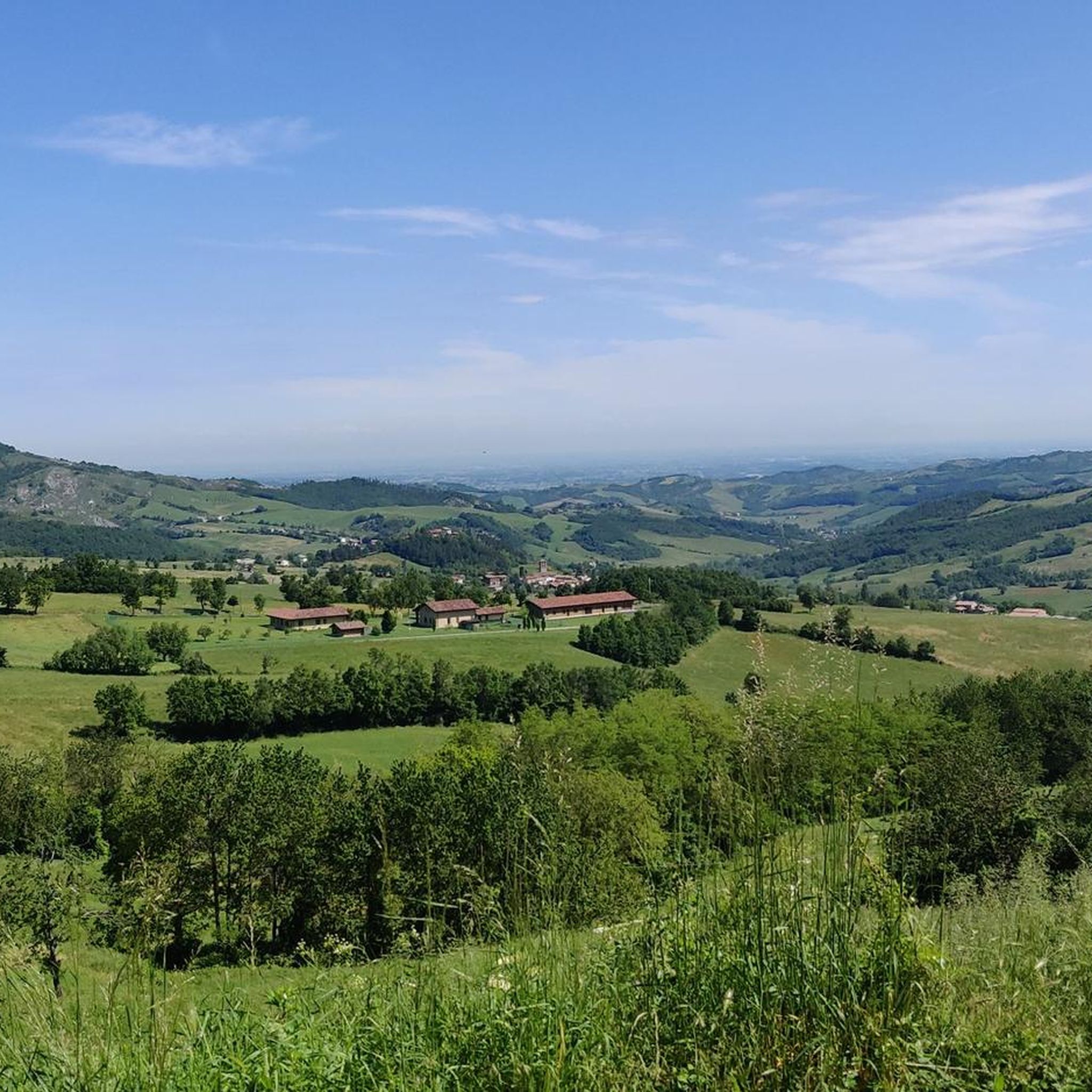
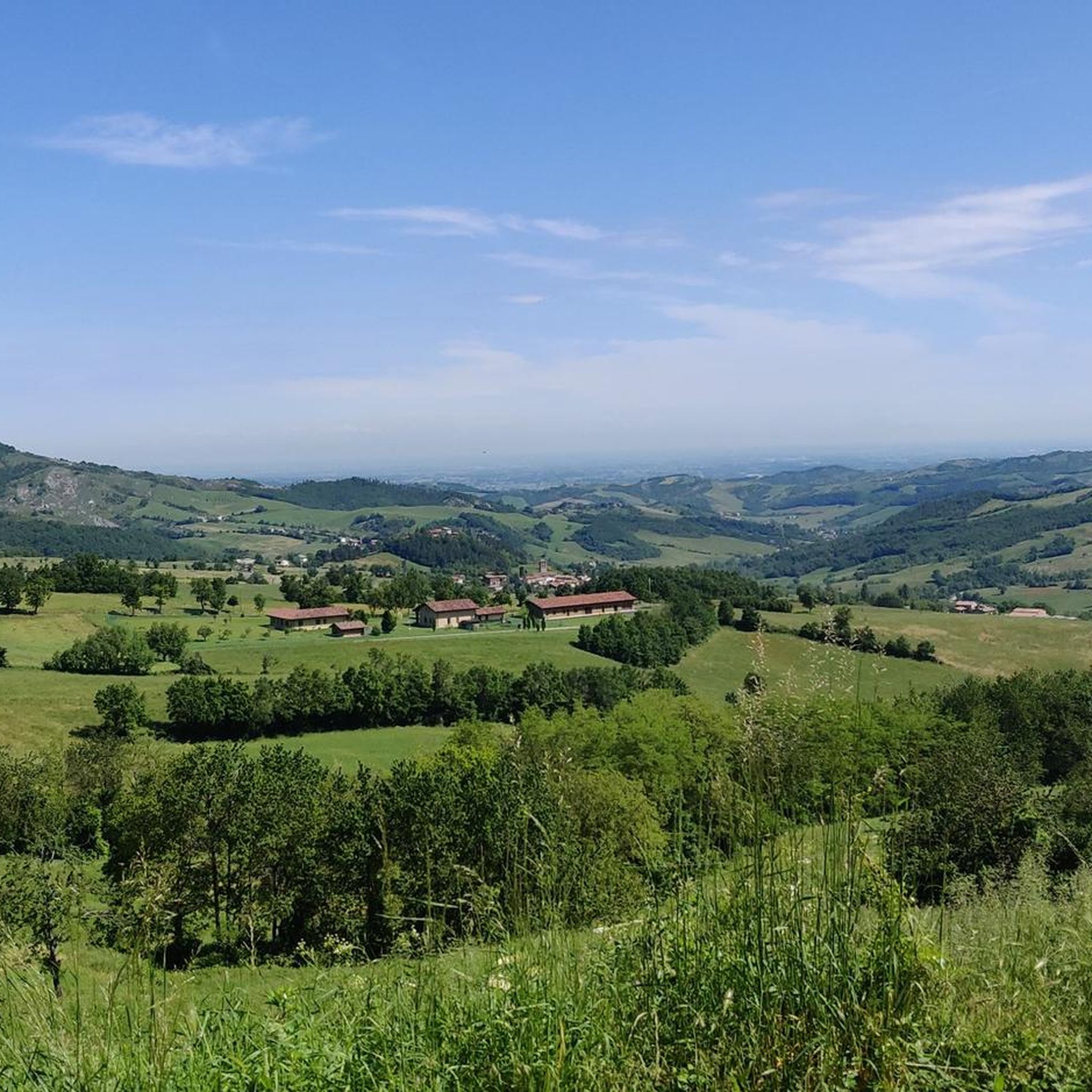
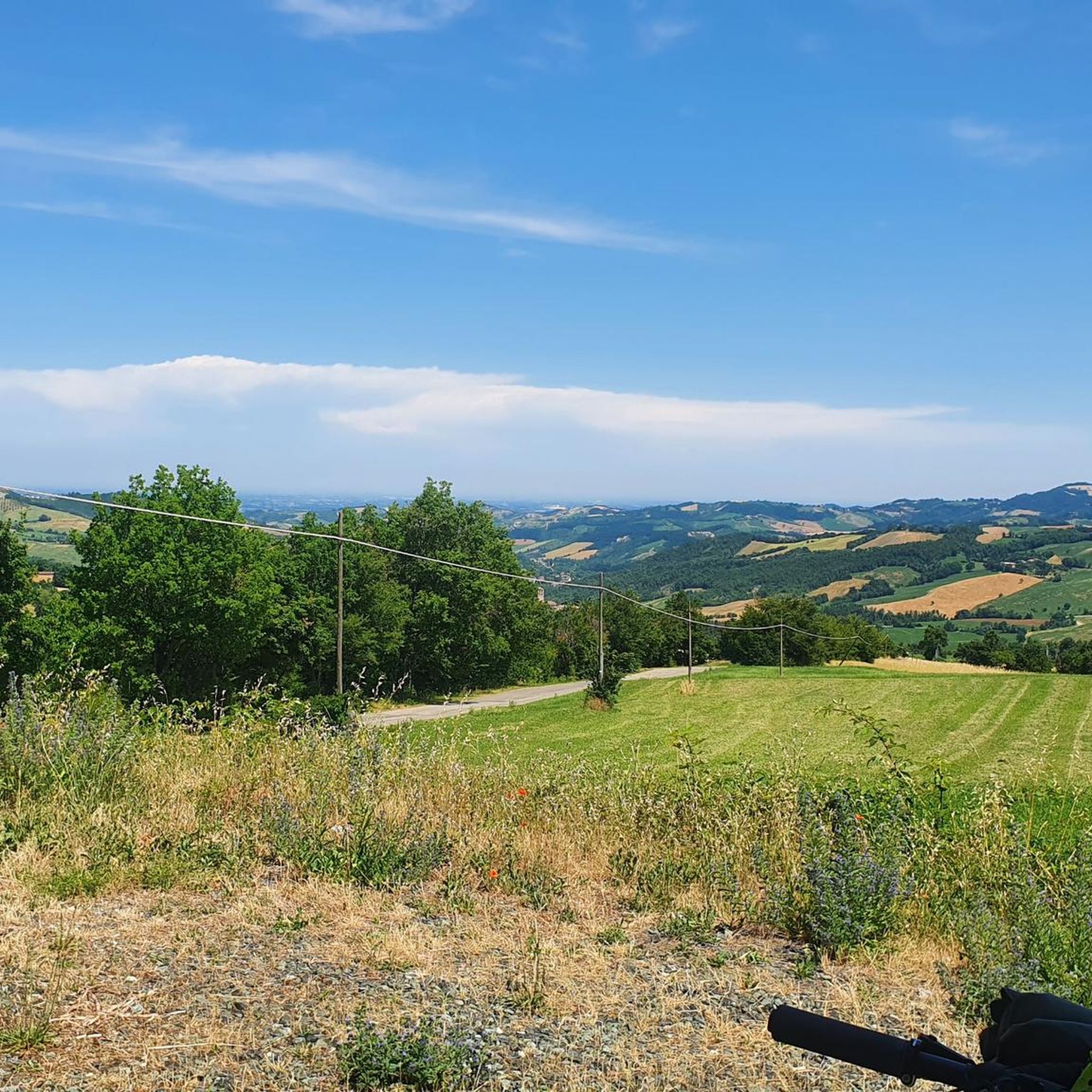
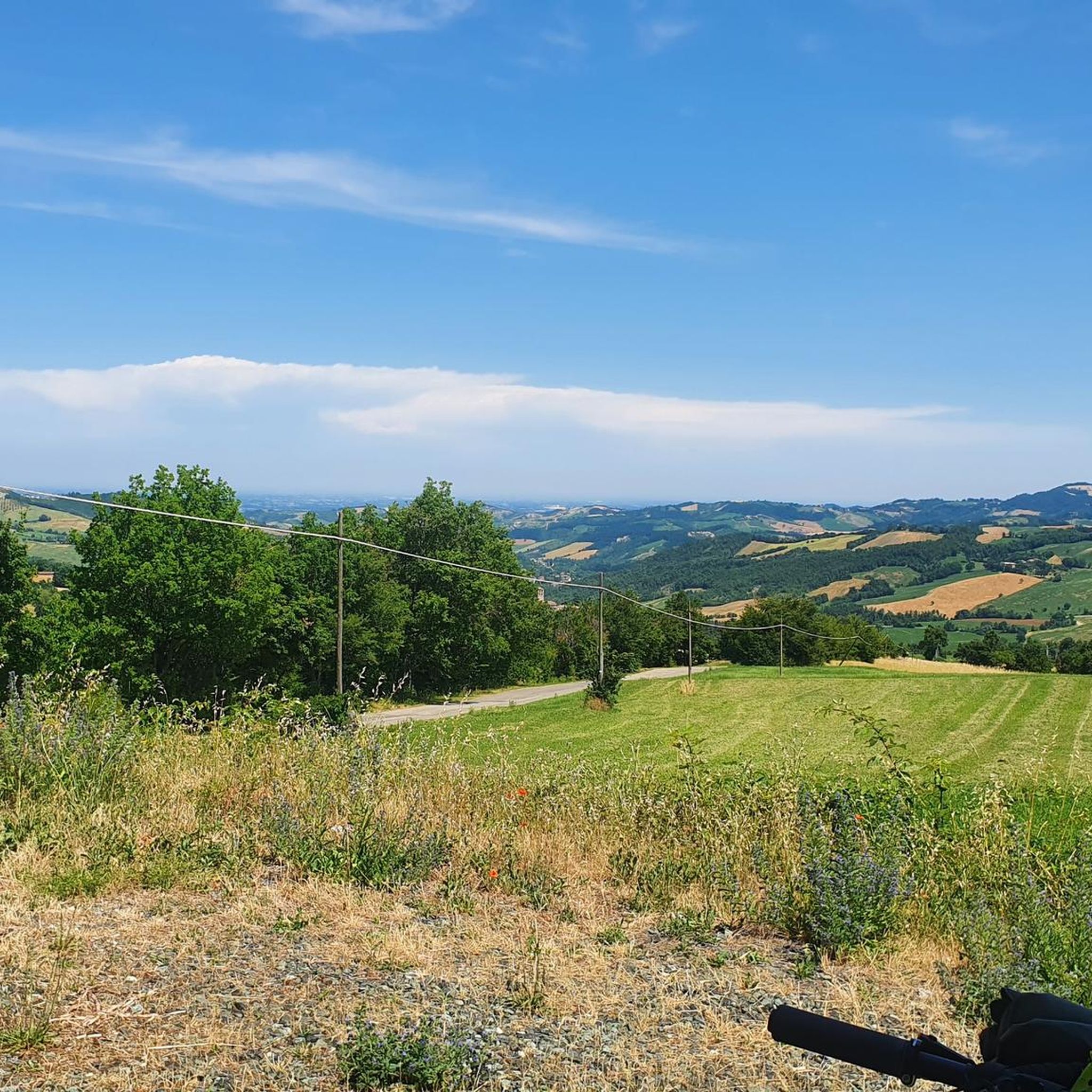
Tips from the Community

The Pallavicino Castle of Varano de' Melegari is an extraordinary medieval fortress located on a sandstone spur in the Ceno valley, in the province of Parma. Renowned for being a perfect example of defensive military architecture, the castle was designed to be completely impregnable. It is part of the prestigious circuit of the Castles of the Duchy of Parma, Piacenza and Pontremoli.
1
0

It is a private property visible only from the outside. The place is very suggestive both seen from afar and up close.
1
0
A beautiful town in the Parma Apennines. Worth a visit.
0
0

Vogoleno Castle is very beautiful
1
0

A short detour to visit the town center (and perhaps stop at a bar for a snack)
1
0

Torre del Boriano Torre [18th century] A complex of rustic buildings called "Torre del Borriano" stands in a dominant position, near the Bastia and Palero mountains, revealing how it was originally an observation outpost on the surrounding territories of the Baganza Valley and, at the same time, a defensive bastion. Being visible from the transit roads along the Baganza river, the village of the "Torre", which since 1802 also includes an Oratory, was a safe point of reference for merchants and travellers along the Via Francigena. The first reliable news regarding the Borriani family, whose name is the probable corruption of the ancient Pariano, dates back to the 17th century when the building complex, built between the 16th and 18th centuries, had assumed its almost definitive appearance, with the exception of the Oratory, consecrated in 1802 on the occasion of the wedding of Pietro Boschi with Teresa Riccardi. The building complex consists of four distinct bodies of the factory, the manor house, the "Tower" proper, the "Hunters' House", the farmhouse and the Oratory, united by the perimeter walls in which there are two entrances to the internal courtyard. The "Tower" has always been the family residence: built in an elevated position with respect to the other buildings, accessible from the central square via a semicircular staircase. The building (mixed technique, stone and brick) is very complex, with two basement levels currently used as cellars and storage rooms, a ground floor including the living area, the second floor with the bedrooms and the attic with service rooms. The main façade has a symmetrical five-axis scansion with a central door and two orders of openings. The vertical connections are ensured by two staircases placed on the north and south sides and not directly communicating with each other. The kitchen and the cellars are united by a well that descends beyond the last basement floor to form the icehouse. On the roof there are five brick chimneys, with decorative motifs in wrought iron, and a bell, placed when the Oratory was built. One of the reception rooms retains traces of the original decoration: inside a shaped and gilded relief frame there is a nineteenth-century tempera, in poor condition, depicting a landscape, inspired by the famous and stereotyped panorama of Naples from Posillipo with maritime pines and Vesuvius. The hunters' house was originally used to shelter the owners' carriages and horses: the room looked directly onto the internal square, while the stable is located at the back of the building, to the north. Above the stable, characterized by barrel vaults lowered on cylindrical brick pillars, there was a small hayloft from which, via a direct passage, it was possible to supply the horses with the necessary food, while the other rooms were used for storage and accommodation for the grooms. Of particular interest is the overhead passageway obtained on the first floor to connect the Hunters' House to the kitchens of the Tower, which allowed the owner to go directly down to the stables without leaving the house. Another curiosity is represented by the "toilet" of very small dimensions obtained on the landing of the staircase, close to the external wall. The farmhouse was originally the building in which the garrison of the fortified outpost was housed. It is currently a two-story house, including service and storage rooms, a stable and the hayloft above. The main entrance of the small Oratory faces south, outside the walls, therefore directly accessible for the faithful of the nearby villages. The plastered façade is divided by the string course, closed by lateral pilasters and surmounted by a triangular tympanum on top of which stands a wrought iron cross with the year of foundation, 1802 Includes: Tower (18th century) Oratory (19th century) Villa (18th century) House (18th century) Rural house (18th century) Park/Garden (18th century Source: https://www.tourer.it/scheda?torre-del-boriano-san-vitale-baganza-sala-baganza
1
0

Berceto is a charming village located in the Parma Apennines, at an altitude of 852 meters above sea level. It is located halfway between Parma and La Spezia, in the valley of the Taro river, in the Emilia-Romagna region Berceto is a stop on the Via Francigena, the pilgrimage route of early medieval Christianity to Rome. The ancient village preserves the character and atmosphere typical of the Middle Ages, with stone houses, buildings from the 12th to the 17th centuries and the ruins of a castle. Some of the main attractions are the Cathedral of St. Moderanno, an important example of Romanesque architecture, and the ruins of the Castle of Berceto. Next to the church is the Cathedral Museum, which preserves sacred furniture and vestments, including the 12th century Cape of San Moderanno.
2
0

A bit of history https://www.tourer.it/scheda?torre-del-boriano-san-vitale-baganza-sala-baganza
0
0
Frequently Asked Questions
What are some of the most historically significant castles around Terenzo?
The region boasts several castles with rich histories. The Torrechiara Castle is a well-preserved fortress showcasing medieval and Renaissance elements. Rocca Sanvitale di Sala Baganza served as a hunting residence for dukes and played a key defensive role. The Pallavicino Castle of Varano de' Melegari is an exceptional example of impregnable medieval defensive architecture. Additionally, the **San Terenzo Castle** on the coast has origins dating back to the Middle Ages, built to defend against pirate raids, and was later strengthened by the Republic of Genoa.
Are there family-friendly castles to visit near Terenzo?
Yes, several castles are suitable for families. Rocca Sanvitale di Sala Baganza is noted for its beautiful garden and outdoor games for children. The village of Berceto, with its castle ruins and medieval atmosphere, can also be an engaging visit for families. The **San Terenzo Castle** area offers a pleasant pedestrian promenade connecting to Lerici, which can be enjoyable for a family stroll.
What kind of views can I expect from the castles in the Terenzo area?
Many castles in the region offer spectacular panoramic views due to their strategic locations. Torrechiara Castle is situated on a panoramic rocky hill overlooking the Val Parma. The **San Terenzo Castle**, perched on a rocky promontory, provides breathtaking views of the Gulf of Poets and the surrounding waters.
What outdoor activities can I do near these castles?
The area around Terenzo offers various outdoor activities. You can find numerous hiking trails, such as the easy 'From the Bardone Forests towards Mount Pinzera' or the moderate 'The Stonemasons' Way Trail'. For cycling enthusiasts, there are road cycling routes like the 'Berceto and Val Baganza — ring tour' and gravel biking options, including routes around the Boschi di Carrega. You can explore more routes on the Hiking around Terenzo, Road Cycling Routes around Terenzo, and Gravel biking around Terenzo guide pages.
Are there any castles around Terenzo that are considered 'hidden gems' or less frequented?
While not extensively detailed as a 'hidden gem' in the traditional sense, the Torre del Boriano, an old medieval fortified construction, offers a suggestive place to visit. It's a less prominent site compared to the larger castles, providing a glimpse into the region's history away from the main tourist paths.
What is the best time of year to visit the castles around Terenzo?
The best time to visit the castles around Terenzo is generally during spring (April-June) and autumn (September-October) when the weather is pleasant for exploring and outdoor activities. Summers can be warm, but still enjoyable, especially for coastal castles like San Terenzo. Winter visits are possible, but some facilities or access might be limited, and the weather can be colder and wetter.
Are there any castles near Terenzo with literary connections?
Yes, the area around **San Terenzo Castle** is famously known as the 'Gulf of Poets' due to its enchantment of English poets Lord Byron and Percy Bysshe Shelley, who stayed nearby. The castle itself now features a permanent exhibition dedicated to P.B. Shelley, highlighting its connection to literary history.
Can I find cafes or places to eat near the castles?
While specific cafes directly adjacent to every castle are not listed, the villages and towns where these castles are located, such as Sala Baganza (near Rocca Sanvitale) and Varano de' Melegari (near Pallavicino Castle), will have local eateries. The village of San Terenzo, home to the castle, offers a quieter, more traditional Ligurian atmosphere with options for dining.
What are the parking and public transport options for visiting castles near Terenzo?
Information on specific parking and public transport for each castle varies. For **San Terenzo Castle**, it is located within the village of San Terenzo, which is accessible by public transport. Parking might be available in the village, but it's advisable to check local regulations. For other castles like Torrechiara, Rocca Sanvitale, and Pallavicino Castle, driving is often the most convenient option, with parking typically available nearby, though it might involve a short walk to the castle entrance.
Are there any castles that are more like ruins versus well-preserved structures?
The region offers a mix. Torrechiara Castle is one of the best-preserved fortresses in Emilia-Romagna. In contrast, the charming village of Berceto preserves the ruins of a castle, offering a different historical perspective. The Torre del Boriano is also an older, fortified construction, which might be more ruin-like in its current state.
How long should I allocate for visiting a castle in the Terenzo area?
The time needed for a visit can vary. For larger, well-preserved castles like Torrechiara Castle or Rocca Sanvitale di Sala Baganza, especially if you opt for a guided tour, you might spend 1.5 to 3 hours. For smaller sites or ruins like those in Berceto or the Torre del Boriano, a shorter visit of 30 minutes to an hour might suffice. **San Terenzo Castle** can be explored in about an hour, allowing extra time for enjoying the views and the promenade.
What cultural events might be hosted at these castles?
Some castles serve as venues for cultural events. The **San Terenzo Castle**, for example, sometimes hosts art and photography exhibitions, in addition to its permanent exhibition dedicated to P.B. Shelley. It's advisable to check local event listings for specific dates and details during your visit.
Most popular routes around Terenzo
Most popular attractions around Terenzo

Get inspired with the komoot mobile app


Explore more
Looking for the best castles somewhere else? Discover other guides around Terenzo:
