The best road cycling routes around Santorso
4.6
(385)
15,151
riders
11
rides
Road cycling around Santorso offers a diverse landscape characterized by significant elevation changes, winding roads through valleys, and challenging mountain passes. The region's terrain includes both open stretches and sections that ascend into higher elevations, providing varied experiences for road cyclists. This area is known for its demanding climbs and descents, making it suitable for those seeking a rigorous cycling experience. The routes often navigate through natural settings, connecting towns and offering expansive views.
Best road cycling routes around Santorso
…Last updated: July 8, 2026
4.5
(6)
147
riders
27.3km
01:20
390m
390m
Moderate road ride. Good fitness required. Mostly well-paved surfaces and easy to ride.
5.0
(1)
48
riders
34.4km
01:41
500m
500m
Moderate road ride. Good fitness required. Mostly well-paved surfaces and easy to ride.

Sign up for free
22
riders
34.8km
01:50
630m
630m
Moderate road ride. Good fitness required. Mostly well-paved surfaces and easy to ride.
24
riders
34.1km
01:41
430m
430m
Moderate road ride. Good fitness required. Some segments of this route may be unpaved and difficult to ride.
18
riders
30.1km
01:34
480m
470m
Moderate road ride. Good fitness required. Some segments of this route may be unpaved and difficult to ride.
Get access to more routes and recommendations from other explorers.
Sign up for free
Already have an account?
Our route recommendations are based on thousands of hikes, rides, and runs completed by other people on komoot.
Start today with a free account
Your next adventure awaits.
Login or Signup


Tips from the Community

A beautiful villa and a very rewarding visit, which requires at least 2 hours if done properly: via QR code you can listen to the audio guide that illustrates the various spaces in a concise but interesting and engaging way. Villa Godi is the first villa designed by Andrea Palladio in 1537, and built between 1538 and 1542 on the hill of Lonedo in Lugo di Vicenza: the architect, although he had not yet defined his classical style principles, conceived this beautiful residence by combining sober elegance with the functionality of daily life. Over the centuries, the villa was owned by various families, hence the compound name: the Godi who commissioned it, the Piovene and the Valmarana; in 1962 it was purchased in a state of decay by the Milanese Malinverni family, who restored it and whose descendants live there today. It is included in the UNESCO World Heritage list. The complex includes richly frescoed rooms, with original furnishings from the 17th and 18th centuries, the 16th-century large kitchen, the magnificent English and Italian gardens, the hanging garden, the secret garden, the barchessa (which houses the excellent Torchio Antico restaurant), the dovecote, the lemon house, and the romantic 19th-century park with centuries-old trees. Also present and included in the entrance ticket are two small museums: the notable fossil museum, with a majestic, fully and perfectly preserved palm specimen, which at 9 meters is the largest in Europe; the museum on the First World War, focused on the English command that was hosted by the villa in 1918 to coordinate Anglo-Saxon troops on the Asiago Plateau. Info: https://www.villagodi.com
0
0
Villa Piovene (1541) stands just above the contemporary and more renowned Villa Godi (1540), on the same hill of Lonedo... and it's no coincidence! It was indeed commissioned by the Piovenes in open and declared competition with the Godi residence: the two noble families from Vicenza, at the time the most important in the area, were in continuous and increasingly bitter rivalry to divide the large estates of the district. With evident Palladian inspiration, it dominates the hill with its elegance and symmetry: a scenic front staircase, framed by statues and an Italian garden arranged on four terraces, descends from the villa to the sumptuous eighteenth-century wrought iron gate. Villa Piovene Porto Godi (this is the full name) is open in the afternoon from March to September, for a fee (4.5€): the interiors are off-limits as it is a private residence, but you can visit the front garden with its beautiful staircase, the chapel, and the large, silent park with centuries-old trees. https://villapiovene.weebly.com https://loveneto.wordpress.com/2016/11/15/un-cancello-su-lugo/
0
0

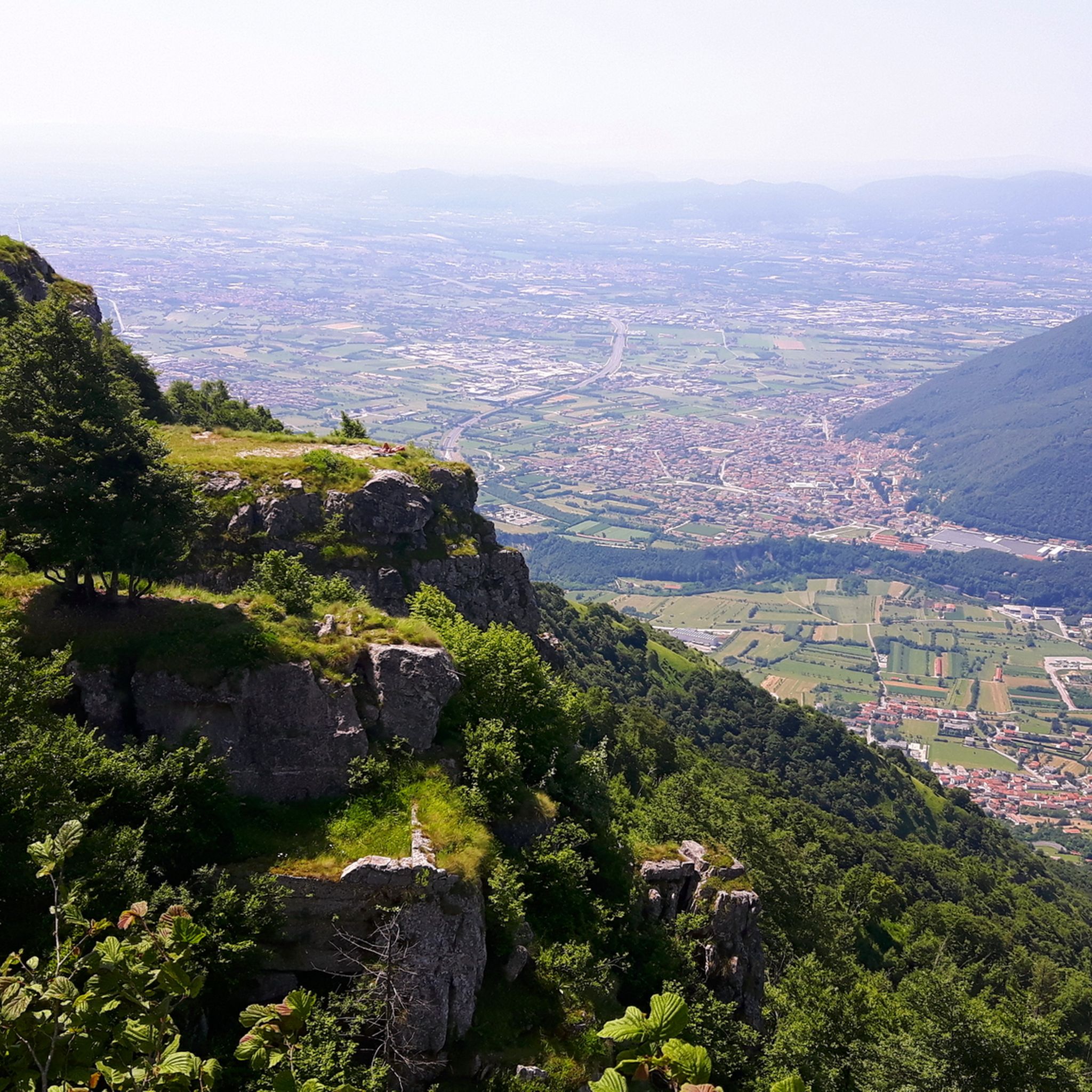
View of the plain. Places to visit
0
0

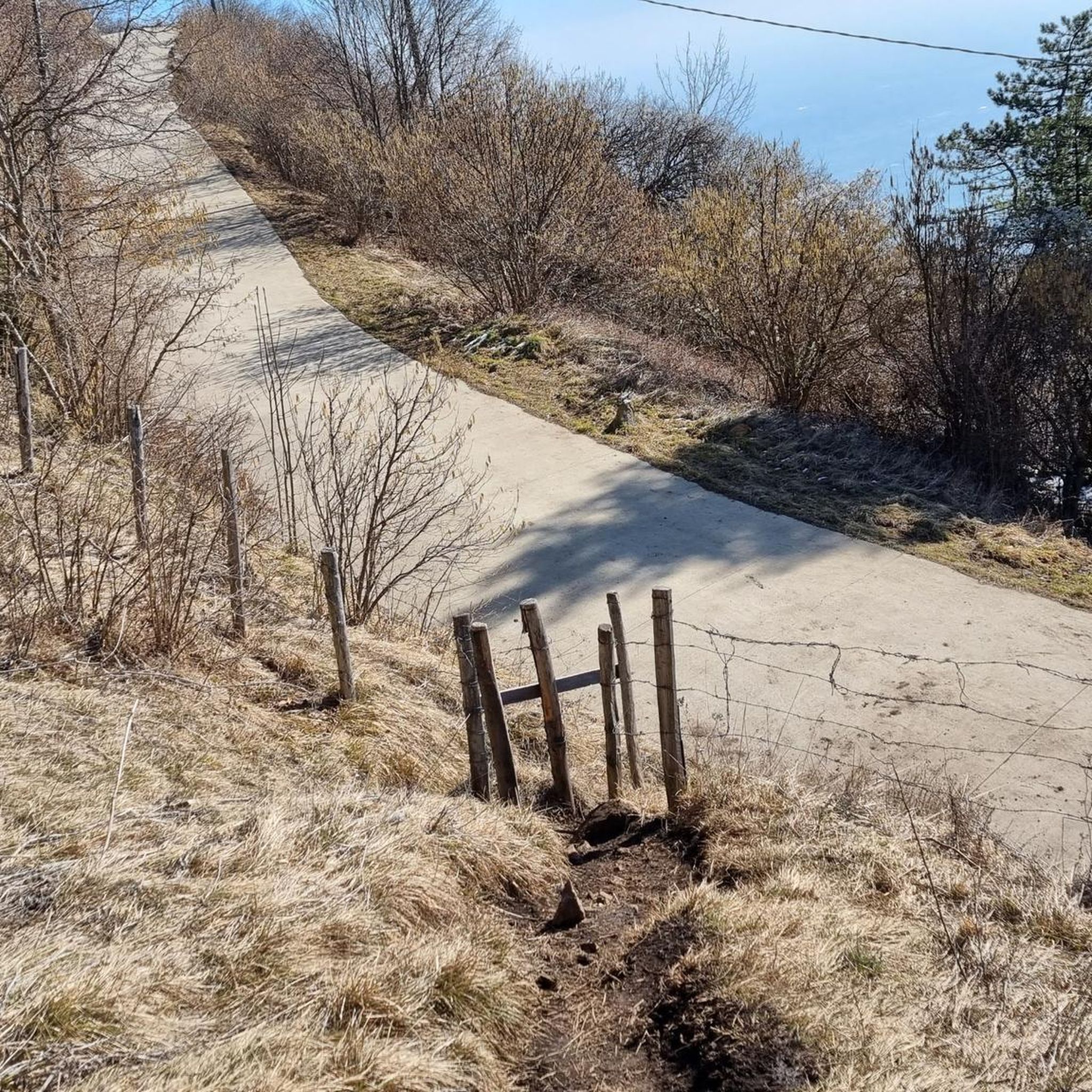
Not always lit, Take the footpath there 😉
3
0

nice road not too busy to do all year round
1
0

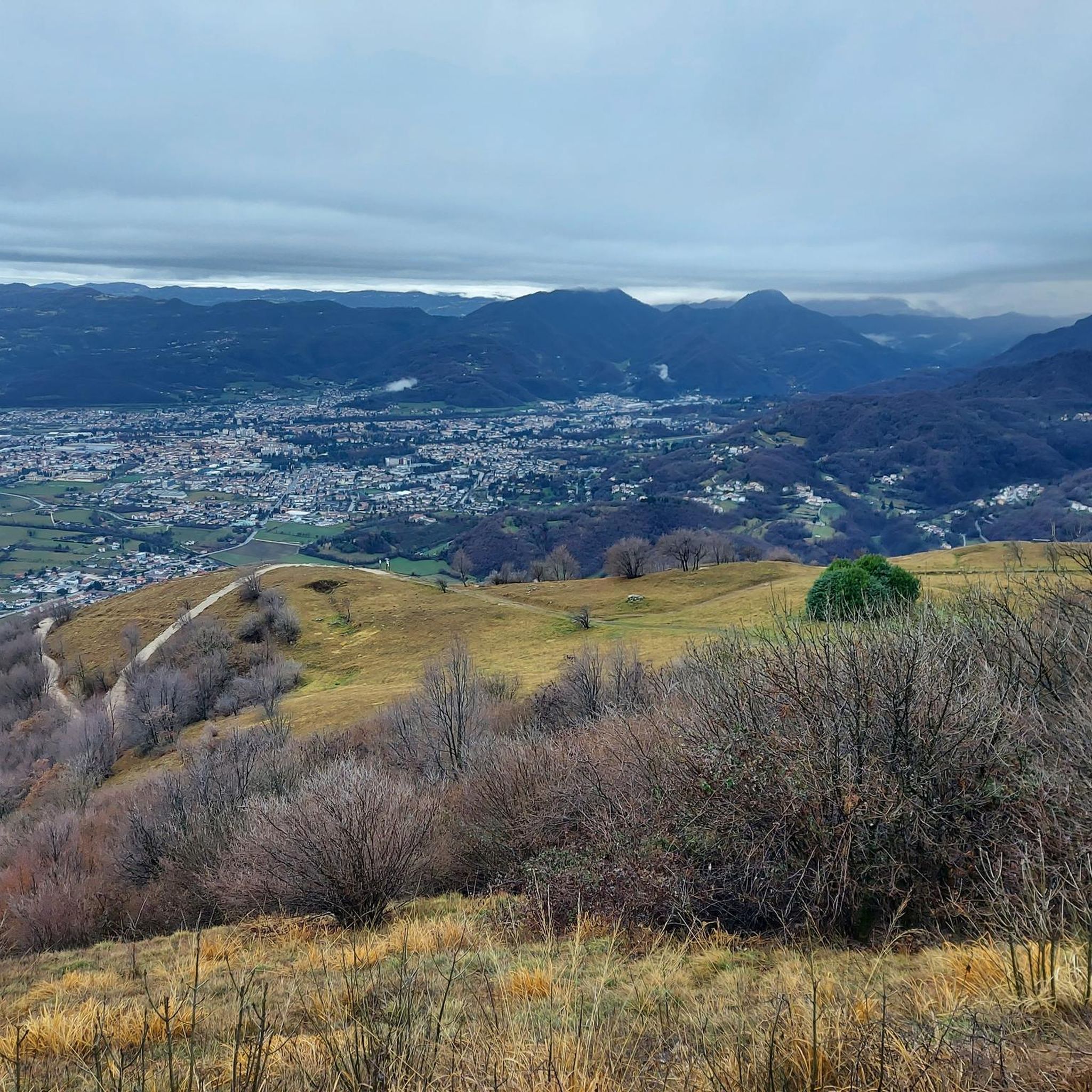
Faedo full of paths of various types
0
1

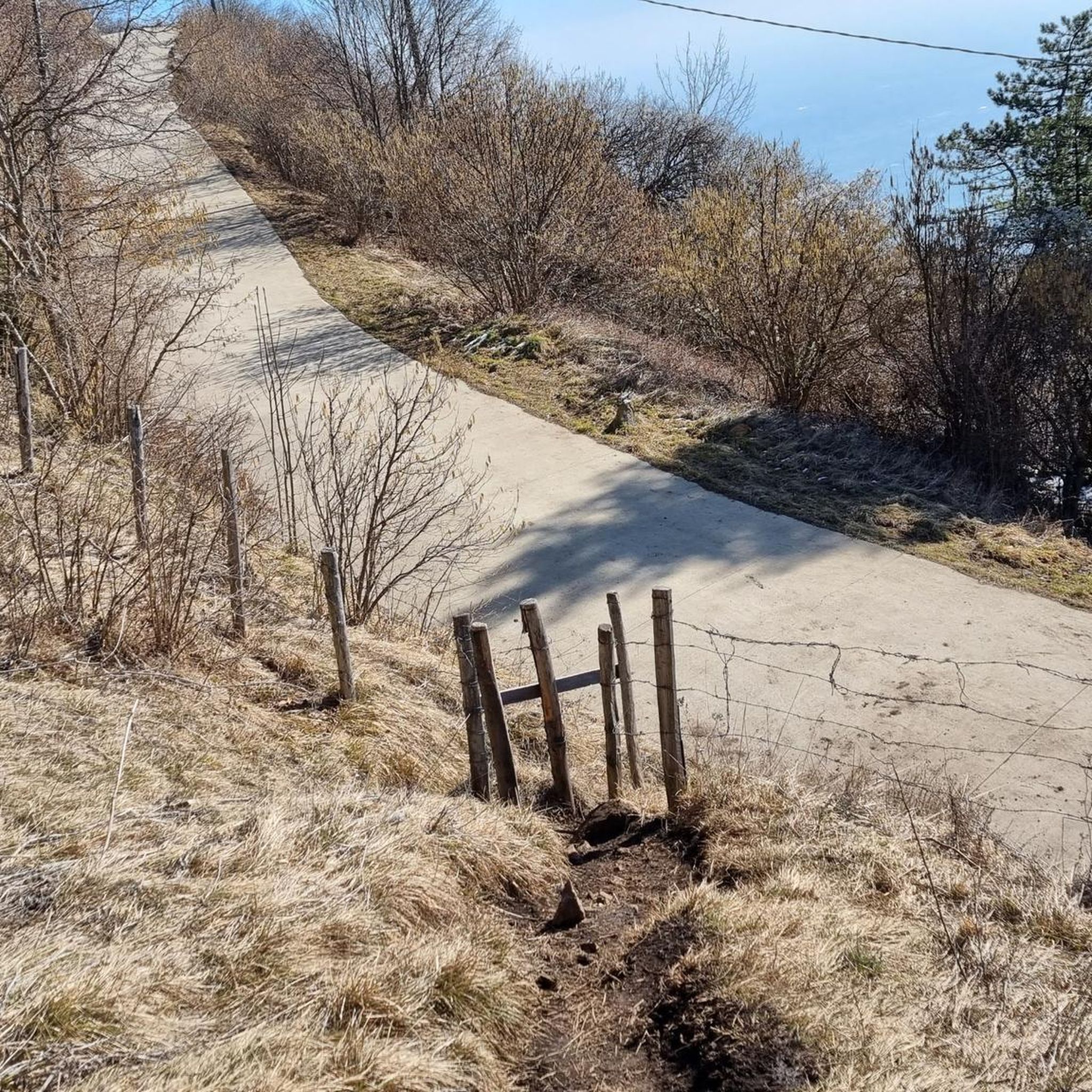
Nice stretch to do even at the beginning of the season, paying attention to the humidity which in certain points makes the road slippery
0
0
Easy climb, ideal for the cold season
1
0
Frequently Asked Questions
How many road cycling routes are available around Santorso?
There are nearly 270 road cycling routes around Santorso documented on komoot, offering a wide range of options for cyclists. These include 40 easy, 150 moderate, and 78 difficult routes, catering to various skill levels.
Are there road cycling routes suitable for beginners in Santorso?
Yes, Santorso offers 40 easy road cycling routes that are suitable for beginners. While the region is known for its challenging terrain, these easier options provide a gentler introduction to road cycling in the area.
What kind of terrain can I expect on road cycling routes in Santorso?
Road cycling around Santorso is characterized by significant elevation changes, winding roads through valleys, and challenging mountain passes. You'll encounter both open stretches and sections that ascend into higher elevations, providing a rigorous and varied cycling experience.
What are some of the longer, more challenging road cycling routes in the area?
For experienced cyclists seeking a challenge, routes like the Rotzo – Vezzena Pass loop from Marano Vicentino, which is 74 miles (119 km) long with substantial elevation gain, offer demanding climbs and descents. Another option is the Asiago Town Center – Marostica Castle loop from Marano Vicentino, a 69.3-mile (111.6 km) path connecting notable towns and castles.
Are there any circular road cycling routes around Santorso?
Many of the road cycling routes in Santorso are designed as loops, allowing you to start and finish at the same point. Examples include the Rotzo – Vezzena Pass loop from Marano Vicentino and the Rifugio Campogrosso – Xon Pass loop from Marano Vicentino, which provides a scenic circular journey through mountainous terrain.
What attractions can I see along the road cycling routes in Santorso?
The region offers several interesting sights. You might encounter natural features like the Contrà Pria Pools or explore historical sites such as the Gun Emplacement Tunnel of Monte Cengio. Summits like Summano Summit Cross and Mount Cengio also offer panoramic views.
What do other road cyclists say about the routes in Santorso?
The road cycling routes in Santorso are highly regarded by the komoot community, holding an average rating of 4.5 stars from over 350 reviews. Cyclists often praise the challenging mountain passes, varied terrain, and expansive views encountered along the routes.
Are there any hidden gem road cycling routes in Santorso?
While many routes are popular, exploring some of the less-trafficked paths can reveal hidden gems. The Passo Xon – Xon Pass loop from Marano Vicentino, for example, offers a challenging ride with over 1000 meters of elevation gain, providing a rewarding experience away from the most frequented trails.
What is the best time of year for road cycling in Santorso?
The best time for road cycling in Santorso is typically from spring through early autumn (April to October). During these months, the weather is generally more stable and pleasant, making the challenging climbs and descents more enjoyable. Always check local weather forecasts before heading out, especially when planning to tackle higher passes.
Are there options for shorter road cycling routes in Santorso?
Yes, while many routes are long, there are shorter options available. For instance, the Passo Xon – Xon Pass loop from Marano Vicentino is about 36.6 miles (58.9 km) and can be completed in under 3 hours, offering a significant challenge in a more condensed timeframe.
Where can I find parking for road cycling routes in Santorso?
Many routes around Santorso, particularly those starting from towns like Marano Vicentino, offer public parking options. It's advisable to check specific route descriptions or local municipality websites for detailed parking information near your chosen trailhead.
Can I find cafes or refreshment stops along the road cycling routes?
The routes often connect towns and villages where you can find cafes, restaurants, and shops for refreshments. Planning your route to pass through these settlements, especially in larger towns like Asiago or Marostica, will ensure you have opportunities for breaks and resupply.
Most popular routes around Santorso
Most popular attractions around Santorso

Get inspired with the komoot mobile app


Explore more
Browse the best Road cycling routes in other regions.
