Top 20 Gorges around Cagli
Canyons around Cagli offer a blend of natural beauty and historical significance in Italy's Marche region. This historic town serves as a gateway to remarkable natural gorges carved by rivers, revealing millions of years of geological history. The area features impressive rock formations, diverse ecosystems, and ancient Roman engineering integrated into the landscape. Visitors can explore a variety of natural attractions and historical sites within these canyon environments.
Best canyons around Cagli
- The most popular canyons is Gola del Furlo…
Last updated: May 20, 2026
Gola del Furlo Gorge
Highlight • Gorge
Translated by Google •
Tip by

Fondarca Arch
Highlight • Natural Monument
The entrance to path no. 20 is found at the entrance to …
Translated by Google •
Tip by

Sign up now to discover places like this
Get recommendations on the best single tracks, peaks, & plenty of other exciting outdoor places.
Sign up for free
Giants' Cauldrons
Highlight • Canyon
Translated by Google •
Tip by
Via Flaminia along the Burano River
Highlight • River
Translated by Google •
Tip by

Lower Terrace
Highlight • Viewpoint
Translated by Google •
Tip by

Sign up for free to discover even more gorges around Cagli.
Sign up for free
Already have an account?
Start today with a free account
Your next adventure awaits.
Login or Signup

Tips from the Community

Although the lower terrace is less spectacular than the upper one, it is absolutely worth a stop, especially because from here, with a bit of luck, you might spot a family of golden eagles nesting in the area.
1
0

Point of extreme charm. Mandatory stop!
1
0

What a natural spectacle! And also refreshing on hot days. Worth a stop.
0
0

You can see eagles, which nest in the gorge. It is advisable to bring binoculars to be able to spot them more easily.
0
0

Easy route on clean and dry paths. Enchanting views
1
0

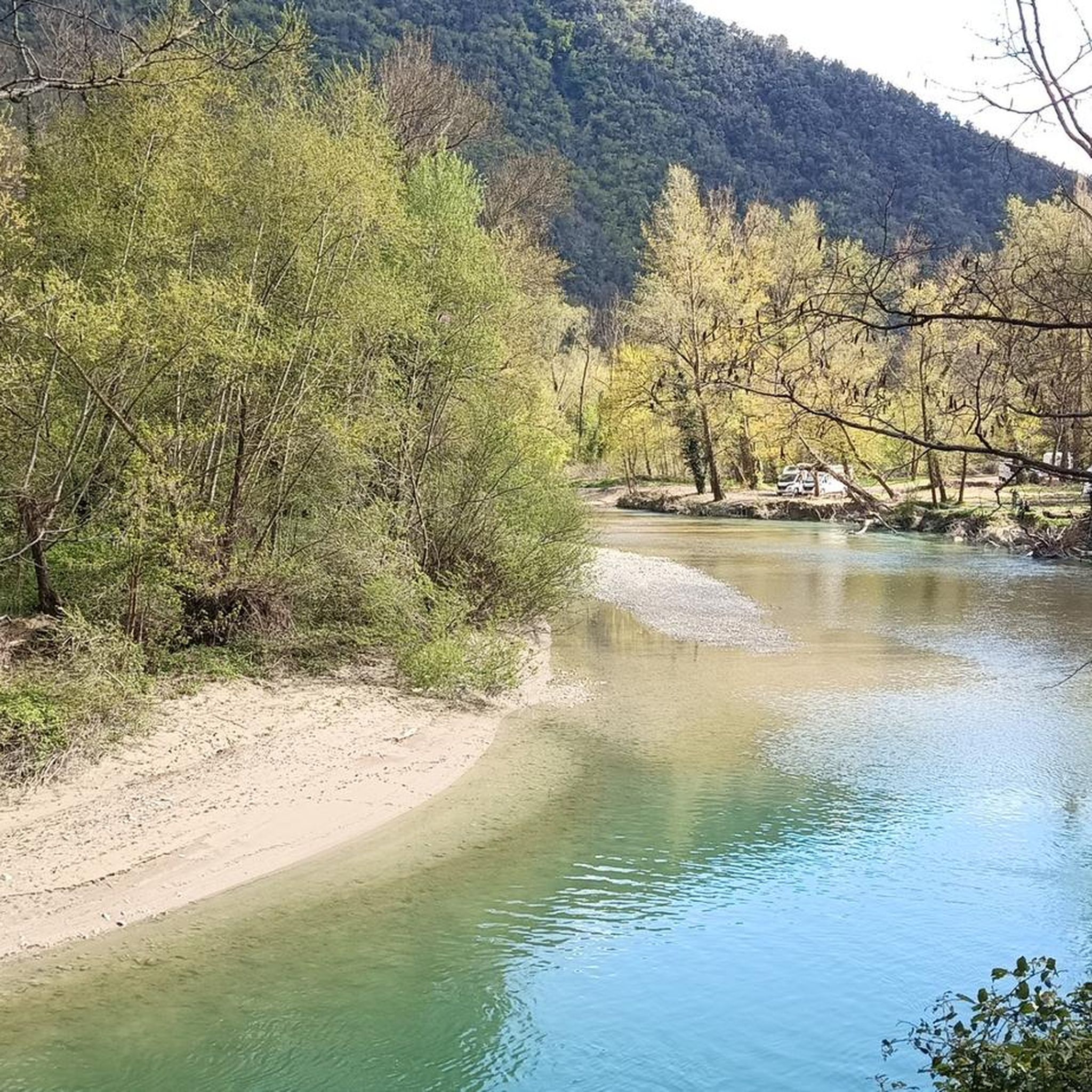
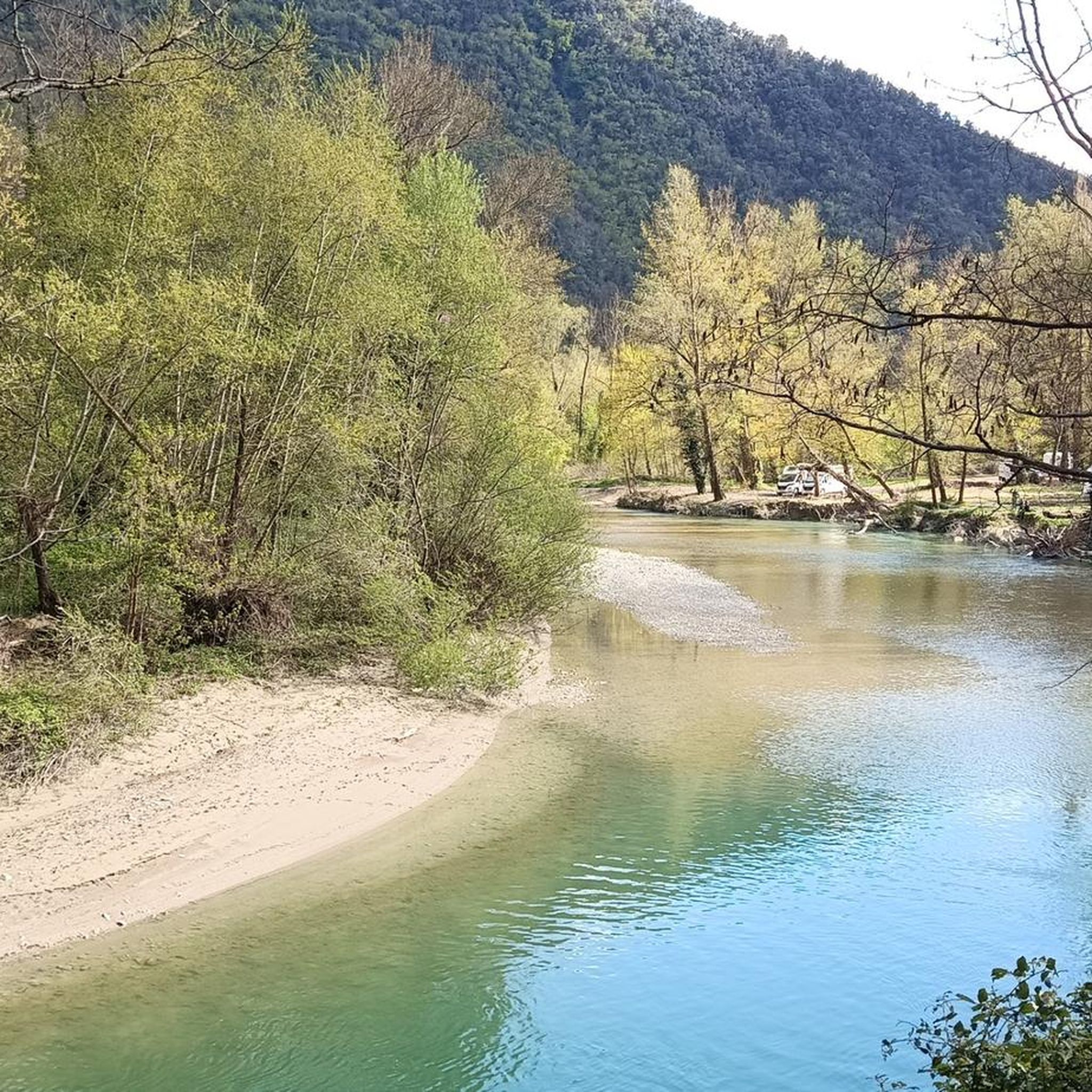
The Burano river between Cagli and Cantiano.
1
0

remarkable view of the Furlo gorge and the green hills of the Marche region.
1
0

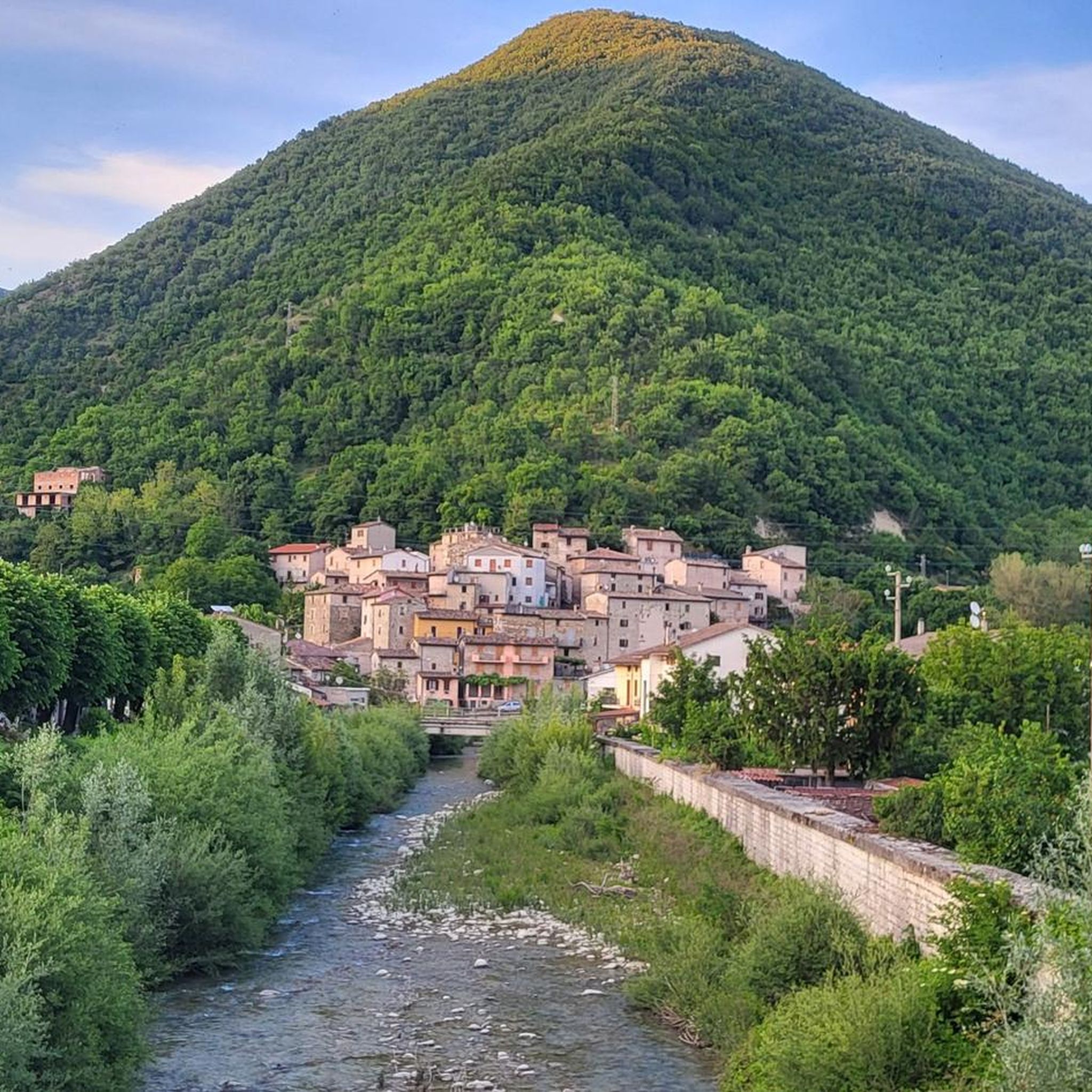
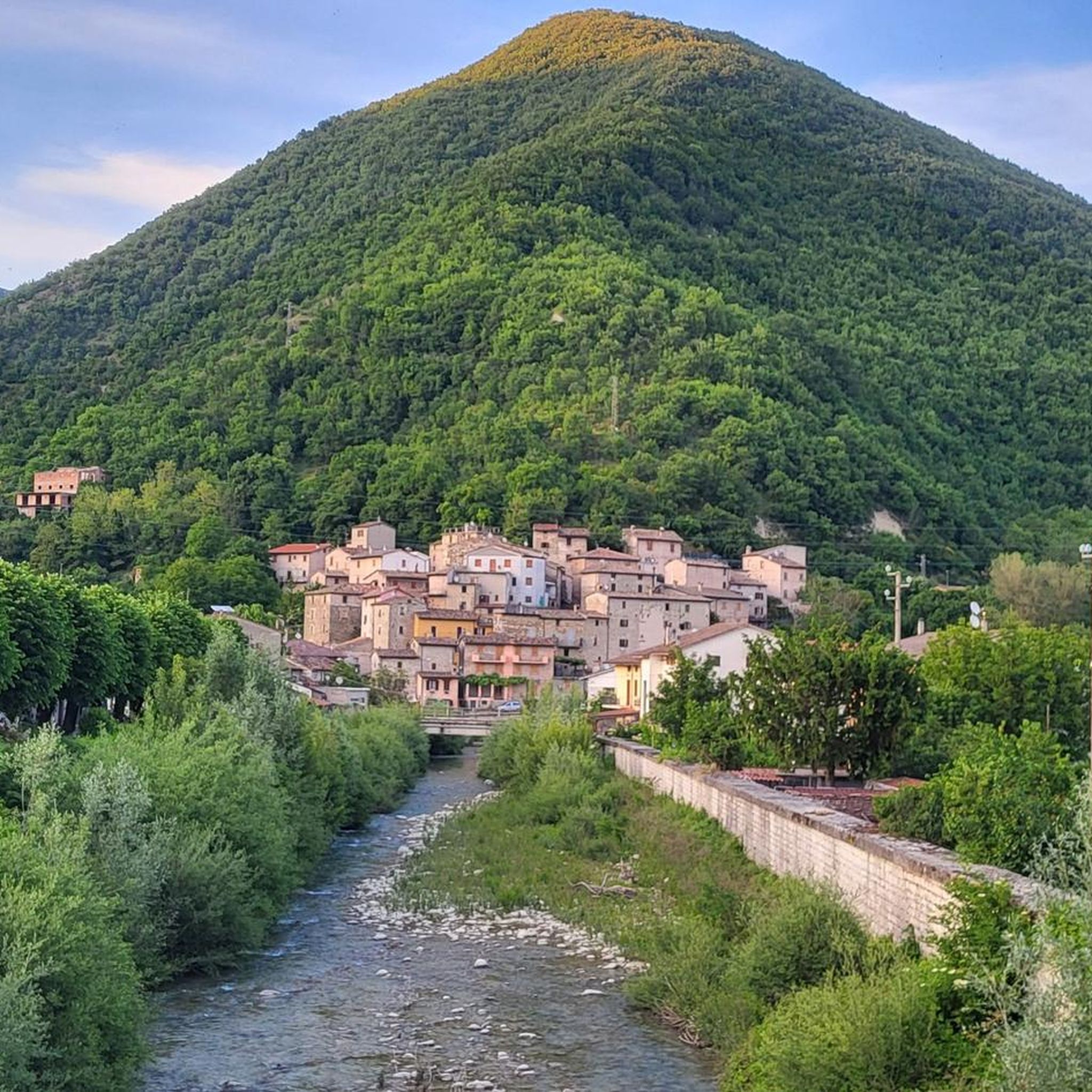
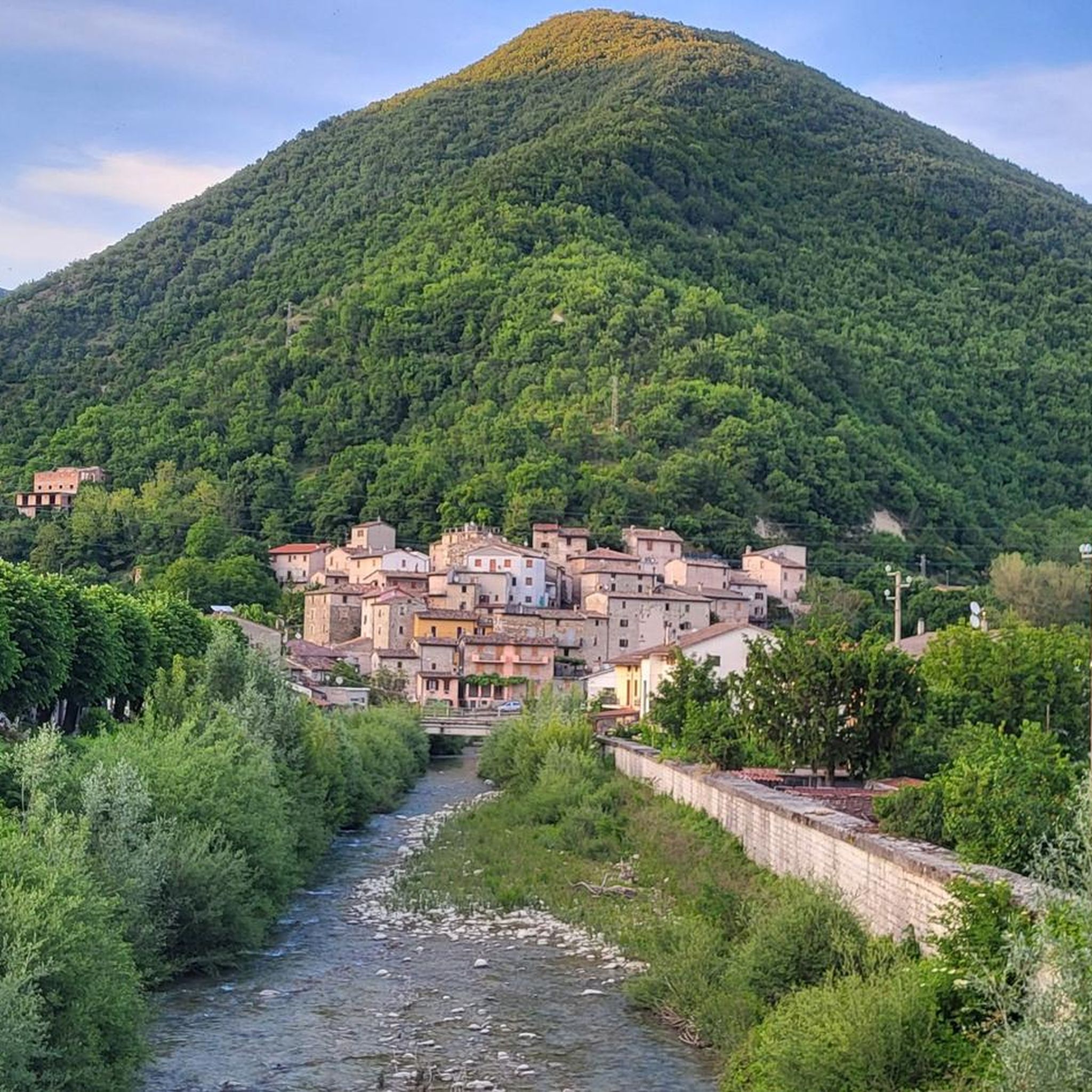
This stretch of road follows the route of the ancient Via Flaminia and connects the towns of Cagli and Cantiano through the narrow Burano valley. The road has little traffic thanks to the construction of the new state road that runs parallel. The gorge carved out over time by the watercourse is spectacular and evocative.
2
0
Frequently Asked Questions
What are the most popular canyons and gorges to visit near Cagli?
The most popular natural attractions include the spectacular Gola del Furlo Gorge, often called the 'Grand Canyon of Italy,' and the Giants' Cauldrons, known for its huge pools formed by the Metauro river. Another notable site is Fondarca Arch, a natural rock arch that is the remnant of a collapsed cave.
Are there any historical sites within the canyons around Cagli?
Yes, the Gola del Furlo Gorge is home to significant historical importance. It features the Roman Tunnel of Furlo, built by Emperor Vespasian in 76 A.D. to facilitate passage along the ancient Via Flaminia. A smaller, older tunnel from around 220 BC is also present.
What kind of natural features can I expect to see in the canyons near Cagli?
You can expect to see impressive limestone gorges carved by rivers like the Candigliano and Metauro, revealing millions of years of geological history. The area boasts diverse ecosystems with holm oaks, oak woods, and beech forests. Keep an eye out for various shorebirds like grey herons, egrets, and kingfishers, especially in the Gola del Furlo Gorge.
Are there family-friendly options for exploring the canyons?
Yes, both the Gola del Furlo Gorge and Passo del Furlo are considered family-friendly. The Gola del Furlo State Nature Reserve offers guided walks and educational activities for children, while the Passo del Furlo provides simple excursions with shaded paths suitable for beginners.
Can I go hiking or trekking in the canyons around Cagli?
Absolutely. The Gola del Furlo Gorge offers 52 kilometers of mountain trails, with well-signposted routes leading to the summits of Monte Pietralata and Monte Paganuccio, as well as easier flat walks. The Gorgo a Cerbara Gorge is also part of moderate hiking loops starting from Cagli.
What outdoor activities are available near the canyons of Cagli?
Beyond hiking, the region offers excellent opportunities for cycling and mountain biking. You can find numerous routes for gravel biking, MTB trails, and touring bicycle routes that explore the scenic landscapes, including loops around the Furlo Gorge and Bosso Gorge.
Is it possible to swim in the canyons or gorges?
Yes, the Gorgo a Cerbara Gorge is known for its 'chilly but fantastic baths,' offering opportunities for refreshing swims in natural pools. Additionally, at the Giants' Cauldrons, it is possible to swim in the huge pools formed by the Metauro river during summer.
What is the best time to visit the canyons around Cagli?
While specific seasonal data isn't provided, visiting during spring or autumn generally offers pleasant temperatures for hiking and exploring. For swimming in the natural pools, the warmer months of summer would be ideal, though some areas like the Roman Tunnel of Furlo are best visited in the morning during summer for cooler temperatures.
Are there viewpoints offering panoramic views of the canyons?
Yes, the Gola del Furlo Gorge offers panoramic views of the Apennines and the Adriatic Sea from its mountain trails. The Fondarca Arch also provides glimpses of the surrounding peaks.
What makes the Gola del Furlo Gorge unique?
The Gola del Furlo Gorge is unique for its dramatic natural beauty, carved by the Candigliano river between Mount Pietralata and Mount Paganuccio. It's a State Nature Reserve with a rich ecosystem, ancient Roman tunnels, and even a historical carving of Mussolini's head on Monte Pietralata, making it a blend of natural wonder and historical intrigue.
What do visitors enjoy most about the canyons around Cagli?
Visitors frequently highlight the impressive natural beauty and the historical significance of the area. Many appreciate the unique ecosystem of the Gola del Furlo Gorge, the charm of the Passo del Furlo, and the fascinating geological formations like the Fondarca Arch and Giants' Cauldrons. The blend of nature and ancient Roman engineering is a particular draw.
Most popular attractions around Cagli

Get inspired with the komoot mobile app


Explore more
Already discovered everything in this region? See additional gorges around Cagli for your next adventure:
