Top 20 Mountain Passes around San Pietro Di Cadore
Best mountain passes around San Pietro Di Cadore are found within the surrounding Cadore and Dolomite regions, offering access to diverse alpine landscapes. This area is characterized by its mountainous terrain, connecting valleys through historical routes and scenic roads. The passes provide opportunities for various outdoor activities and showcase the natural features of the Dolomites.
Best mountain passes around San Pietro Di Cadore
- The most popular mountain passes is Demutspassage (Stoneman Dolomiti Trail), a challenging trail that offers a…
Last updated: October 13, 2026
Demutspassage (Stoneman Dolomiti Trail)
Highlight (Segment) • Trail
to call it flowing, maybe you have to
Your name is Danny MacAskill? A good MTB‘ke
will be half the distance for sure …
Translated by Google •
Tip by

Stoneman checkpoint Passo Silvella
Highlight • Mountain Pass
Translated by Google •
Tip by

Sign up now to discover places like this
Get recommendations on the best single tracks, peaks, & plenty of other exciting outdoor places.
Tilliacher Pass (Forcella Dignas)
Highlight • Mountain Pass
Translated by Google •
Tip by

Puster Valley - Kartitsch Saddle
Highlight (Segment) • Mountain Pass
Translated by Google •
Tip by

Pfannspitze Peak
Highlight • Summit
Translated by Google •
Tip by

Sign up for free to discover even more mountain passes around San Pietro Di Cadore.
Already have an account?
Start today with a free account
Your next adventure awaits.
Popular around San Pietro Di Cadore
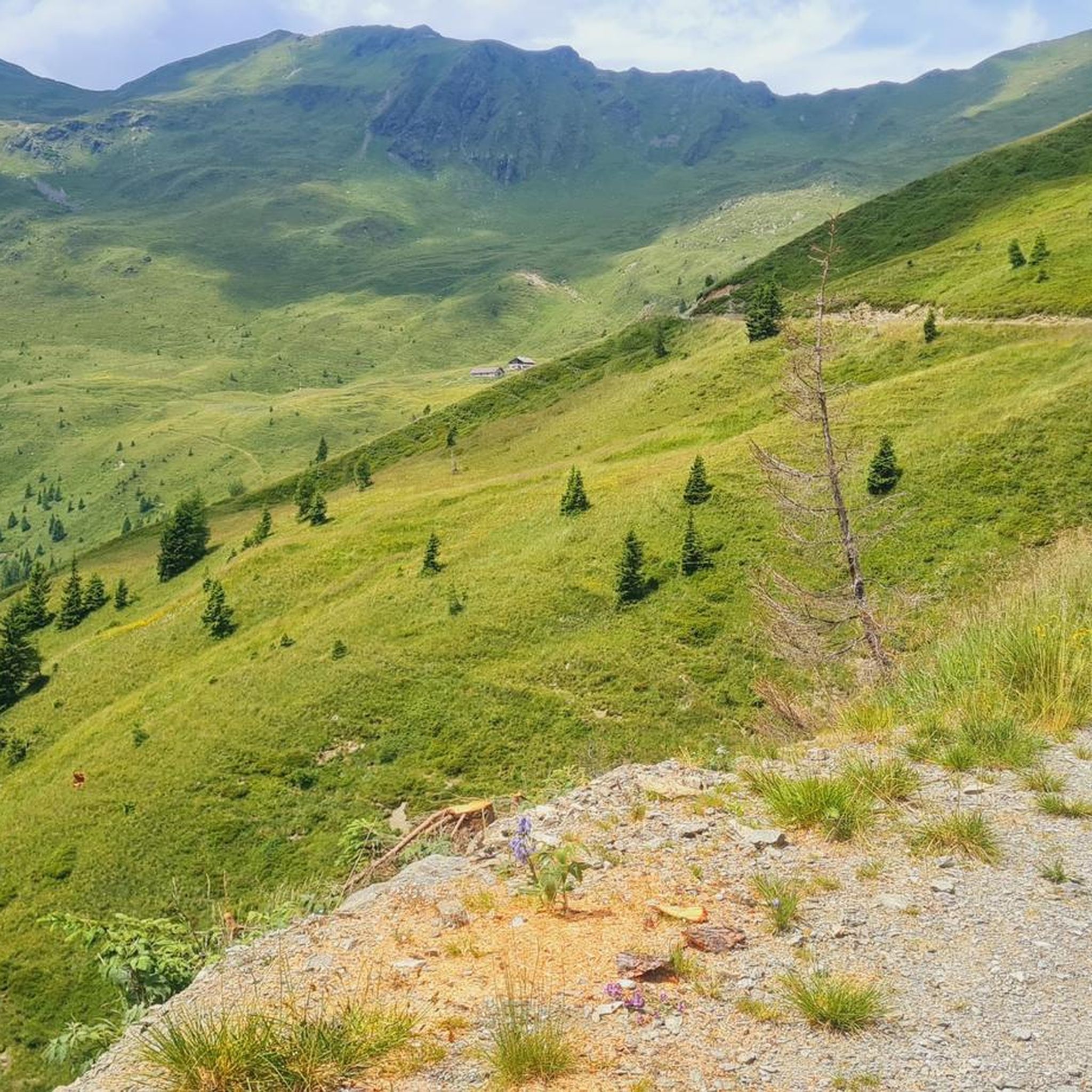
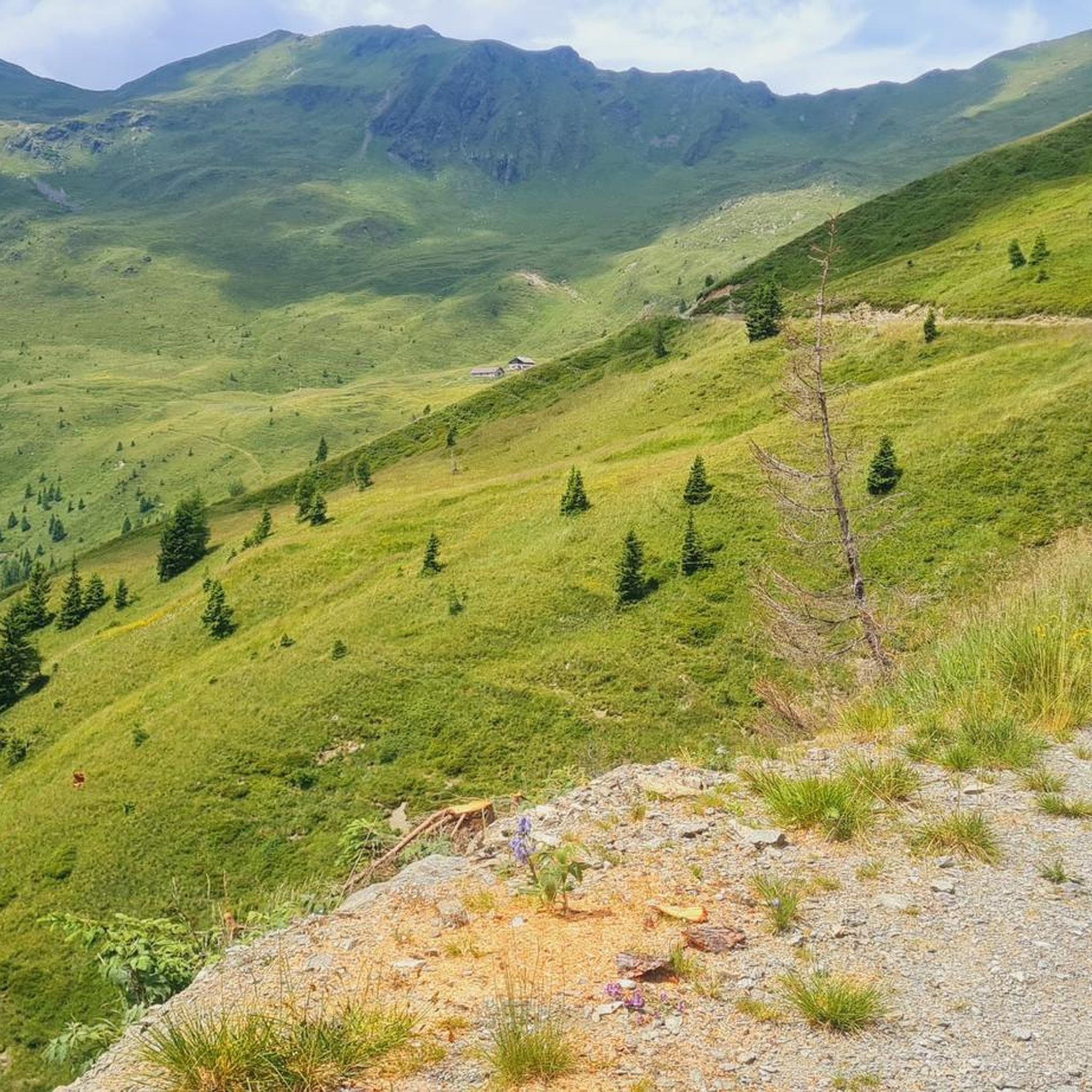
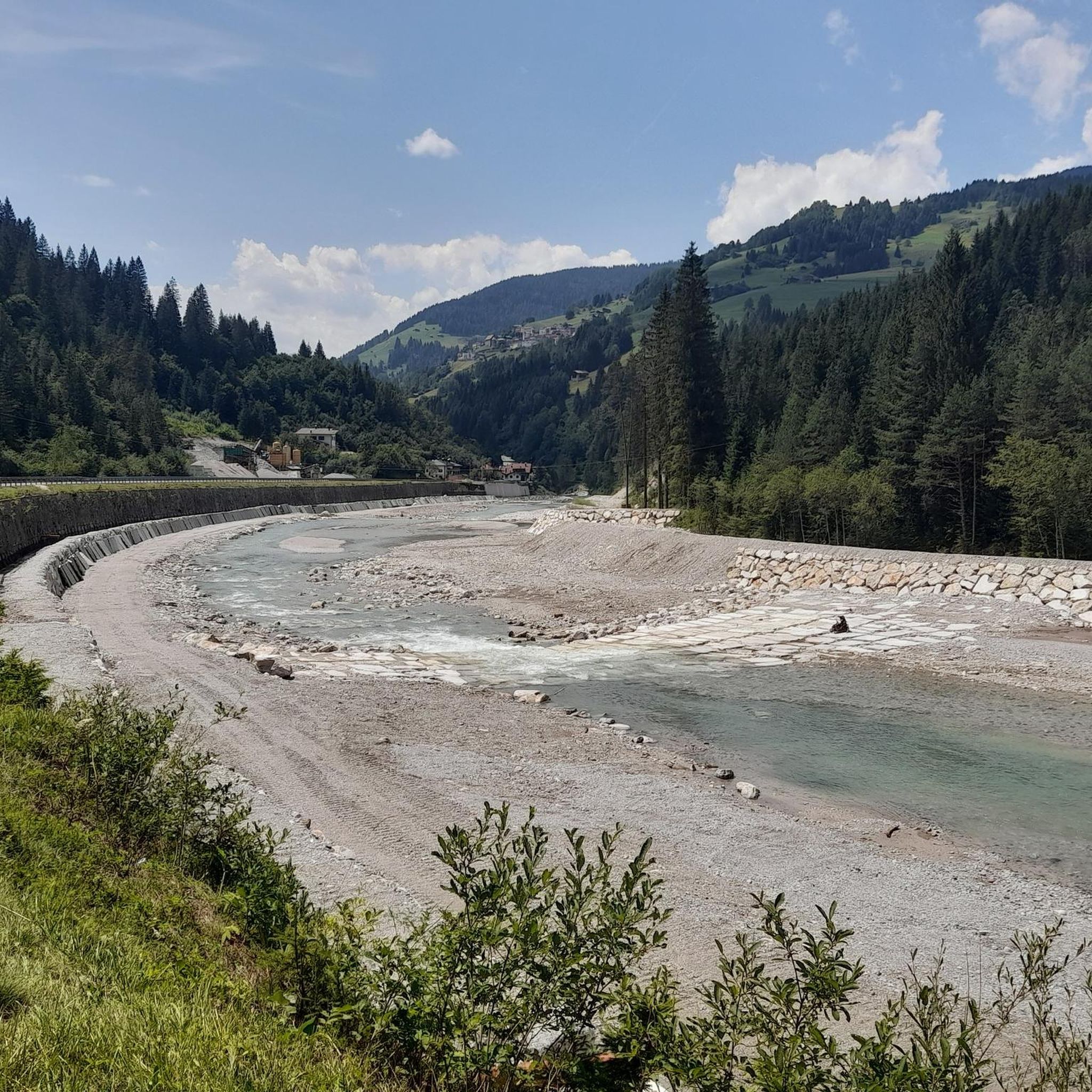
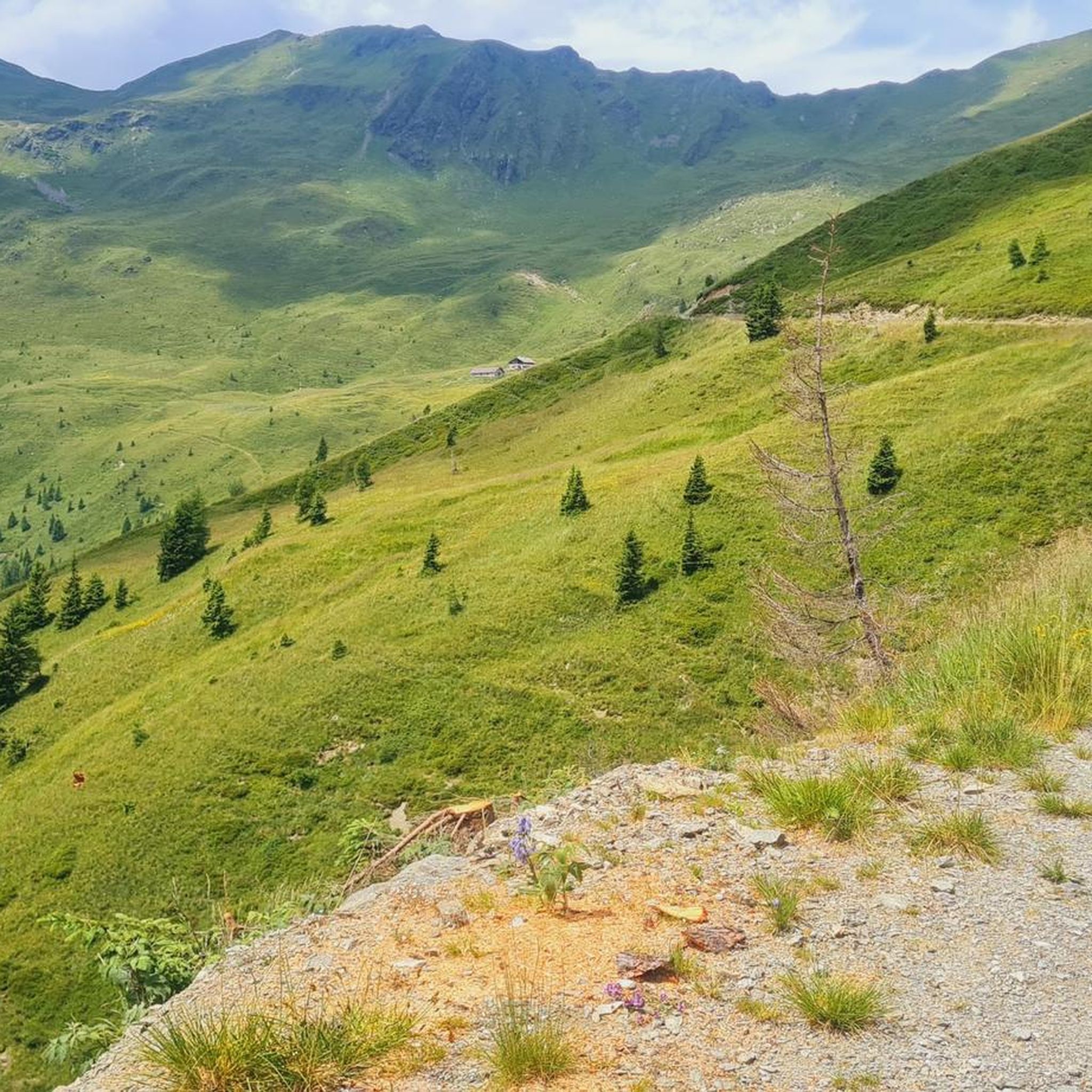
Tips from the Community

Übergang zwischen dem Lesachtal und dem Val Visdende. Ab hier kann man sich entscheiden, ob man über den Höhenrücken zum Hochweißstein wandert oder die entspanntere Variante über die Malghen macht.
0
0

Spectacular view, very pleasant road although quite steep
2
0

Anyone who thinks the climb is over here is wrong. Now there is another climb with quite loose ground... most people will probably have to push - me too 😉
3
0

The Tilliacher Joch was already an important crossing point in 1822, where a lively timber trade took place between the Italians and the people of Obertilliach. The timber was used at the time for fortifying Venice, for building houses and bridges, as well as for gondolas and ships. In 1915, the Tilliacher Joch was occupied by the Lesachtal Standschützen Company and the Porzescharte opposite was occupied by the Italians. The Carnic High Route has made the two crossings more important again in modern times.
2
0

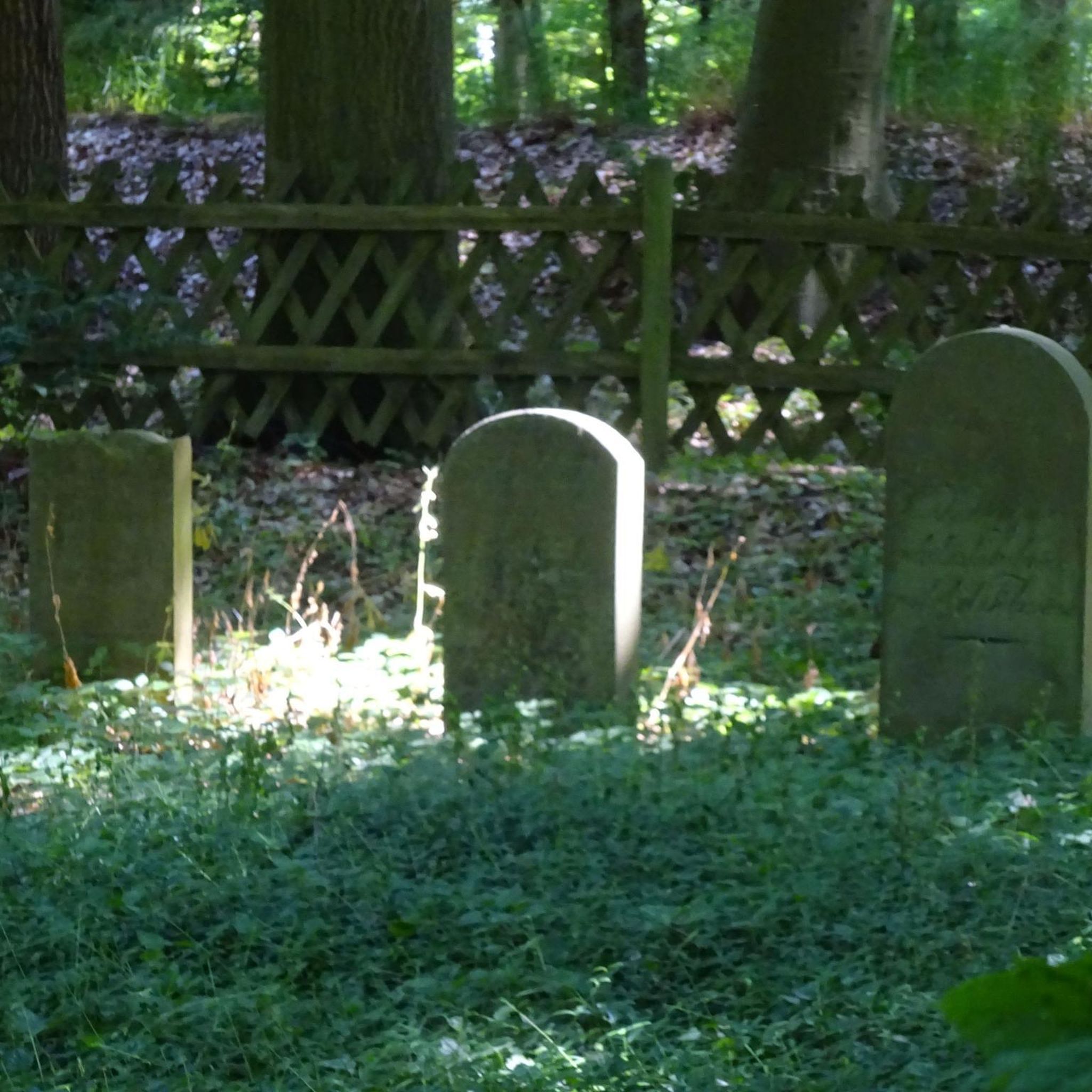
On the Tilliacher Joch I always have to be quiet when I see witnesses to senseless wars.
1
0

One of the Stoneman control stations at 2,320 m. Take a breather, recharge your batteries and enjoy the view before continuing over the scree field.
7
0

From the pass you can continue towards Col Quaternà and then conclude with the beautiful descent of Monte Spina; alternatively, go down to the right towards Malga Nemes / Col Trondo for a forest road to be done at full speed, very fun, then the possibilities to go down to the Montecroce Pass are many. Continuing straight instead you head towards Val Digon.
4
0

From Kartitsch to Kötschach the asphalt is terrible. You're constantly stuck on the brakes and have to be extremely careful and constantly slaloming to avoid hitting holes or longitudinal cracks. I really felt sorry for my bike on the piste. It also tends to be downhill, as there are often short, sharp climbs in between, which give you another 400m of uphill climbing to Kötschach. All in all, the descent is not much fun.
0
1
Frequently Asked Questions
What are some of the most notable mountain passes near San Pietro di Cadore?
The region around San Pietro di Cadore offers several significant mountain passes. These include Demutspassage (Stoneman Dolomiti Trail), known for its challenging terrain and magnificent views, and Stoneman checkpoint Passo Silvella, a high-altitude stamping point on the Stoneman Dolomiti trail. Other notable passes mentioned in the region research are Passo della Mauria, Passo Monte Croce di Comelico, and Passo di Sant'Antonio / Passo del Zovo.
What kind of outdoor activities can I do near these mountain passes?
The mountain passes around San Pietro di Cadore are excellent for various outdoor activities. You can find numerous road cycling routes, such as the challenging Tre Cime di Lavaredo Loop or the Monte Croce di Comelico Pass – View of the Dolomites loop. For mountain biking, options include the Salita al Monte Zovo loop or the Passo Digola – Sappada loop. Hiking enthusiasts can explore trails like the Rifugio Forcella Zovo Loop Trail or the Crode dei Longerini Trail. You can find more details on these activities in the dedicated guides for Road Cycling Routes, MTB Trails, and Hiking around San Pietro di Cadore.
Are there any historical sites or significant landmarks at these passes?
Yes, several passes have historical significance. Tilliacher Pass (Forcella Dignas), for instance, sits directly on the Austrian-Italian border and features well-preserved attachment positions from World War I. Passo Monte Croce di Comelico was also a strategic point during World War I, with a cross at its summit commemorating fallen soldiers. Passo della Mauria was a site of clashes during the First Italian War of Independence.
What are the difficulty levels of mountain passes around San Pietro di Cadore?
The difficulty varies significantly. Passes like Demutspassage (Stoneman Dolomiti Trail) are considered challenging, often requiring pushing a bike in some sections. Pfannspitze Peak, a summit on the Carnic High Trail, requires surefootedness due to its airy sections. Other passes, like the climb to Passo Monte Croce di Comelico from San Candido, offer more manageable elevation gains suitable for intermediate cyclists.
When is the best time to visit the mountain passes near San Pietro di Cadore?
The best time to visit largely depends on your planned activities. For cycling and hiking, the warmer months from late spring to early autumn (May to October) generally offer the most favorable conditions. Passo della Mauria is typically open year-round, but high-altitude passes and trails may be affected by snow and ice outside of peak season. Winter offers opportunities for skiing at locations like Passo Monte Croce di Comelico.
Are there family-friendly options among the mountain passes or nearby trails?
Passo Monte Croce di Comelico is particularly suitable for families in winter, as it hosts ski lifts with slopes designed for beginners and children. For hiking, while many trails can be challenging, some sections or shorter routes near the passes might be suitable for families. Always check the specific trail difficulty and conditions before heading out with children or dogs.
What kind of views and natural features can I expect to see?
The passes offer breathtaking panoramic views of the Dolomites and surrounding mountain ranges. From Pfannspitze Peak, you can enjoy a 360-degree view of the Sexten Dolomites and the Central Alps. Passo della Mauria provides views of the Tagliamento Valley and Julian Alps, while Passo Monte Croce di Comelico offers vistas towards the Sesto Dolomites and Carnic Alps. Many routes pass through wooded areas and alpine meadows, showcasing the diverse natural beauty of the region.
Are there amenities like restaurants or cafes available at the passes?
Yes, some passes offer amenities. At the summit of Passo della Mauria, you will find a restaurant. Passo Monte Croce di Comelico hosts two ski lifts and is part of the Tre Cime Dolomiti ski area, implying facilities for visitors. For other passes, it's advisable to check local information or plan to bring your own provisions, especially for more remote locations.
What do visitors enjoy most about the mountain passes around San Pietro di Cadore?
Visitors frequently highlight the stunning natural beauty and the sense of accomplishment. The Demutspassage (Stoneman Dolomiti Trail) is praised for its 'bizarre backdrop of the sixth Dolomites' and the feeling of being able to 'really switch off.' The panoramic views from summits like Pfannspitze Peak are also a major draw, offering expansive vistas of the surrounding mountains.
Can I find mountain passes suitable for cycling in the area?
Absolutely. The region is very popular with cyclists. Passo della Mauria, with its winding road and 12 hairpin turns, is described as a 'highly recommended climb for cycling enthusiasts.' Passo Monte Croce di Comelico also offers a manageable 15 km road climb from San Candido. The Puster Valley - Kartitsch Saddle provides a pleasant and smooth climb, popular for road cyclists.
Are there any passes that offer a more secluded or tranquil experience?
Passo di Sant'Antonio / Passo del Zovo, while offering beautiful views at its summit, is noted for its tranquility along the route, especially when approached from Padola. It provides a more secluded experience for those who prefer less crowded paths, as there are no real views along the route apart from the top.
Most popular routes around San Pietro Di Cadore
Most popular attractions around San Pietro Di Cadore

Get inspired with the komoot mobile app


Explore more
See even more epic mountain passes by checking out these guides around San Pietro Di Cadore:
