Top 20 Lakes around Primiero San Martino Di Castrozza
Best lakes around Primiero San Martino Di Castrozza are situated within the Dolomites, offering varied natural landscapes. This region, part of the Paneveggio - Pale di San Martino natural park, features alpine valleys and mountain scenery. The area provides opportunities for exploring both natural and historically significant sites. It is known for its diverse aquatic environments.
Best lakes around Primiero San Martino Di Castrozza
- The most popular lakes is Colbricon Lakes, a lake system of glacial origin. These lakes…
Last updated: September 27, 2026
Segantini Hut
Highlight • Mountain Hut
Translated by Google •
Tip by

Colbricon Lakes and Colbricon Hut
Highlight • Lake
Translated by Google •
Tip by

Sign up now to discover places like this
Get recommendations on the best single tracks, peaks, & plenty of other exciting outdoor places.
San Pellegrino Pass
Highlight • Mountain Pass
Translated by Google •
Tip by

Lake Calaita
Highlight • Lake
Translated by Google •
Tip by

Lake della Stua
Highlight • Lake
Translated by Google •
Tip by

Sign up for free to discover even more lakes around Primiero San Martino Di Castrozza.
Already have an account?
Start today with a free account
Your next adventure awaits.
Popular around Primiero San Martino Di Castrozza
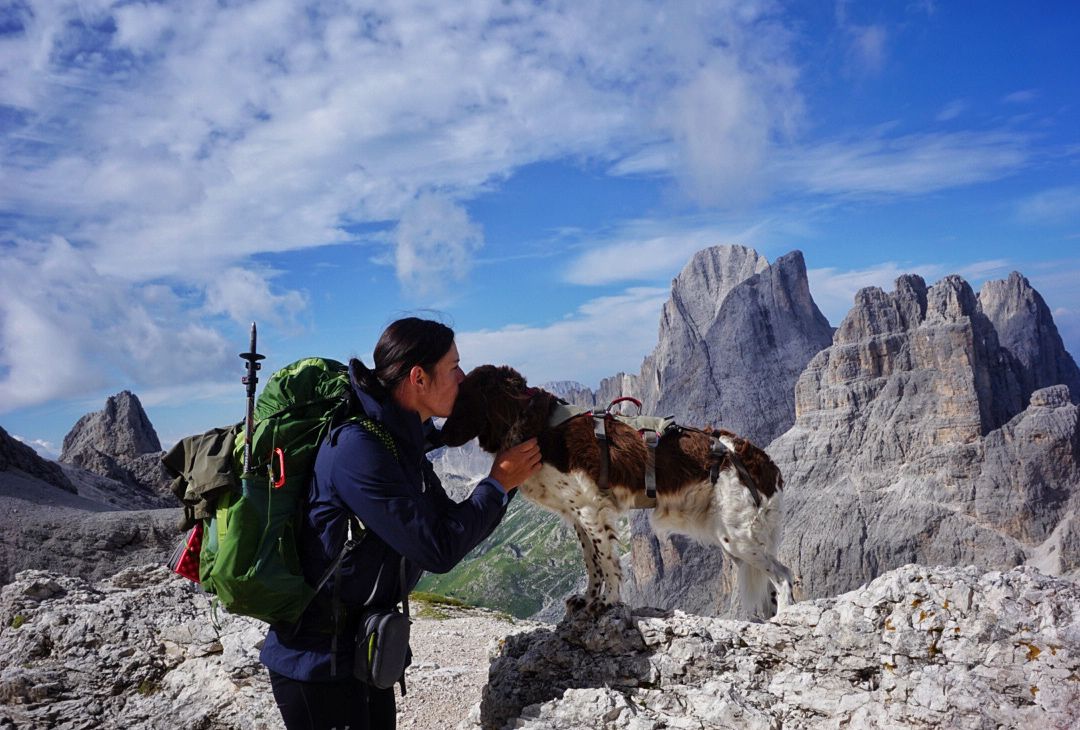
The extra-large Dolomites round – an out-of-this-world hiking adventure
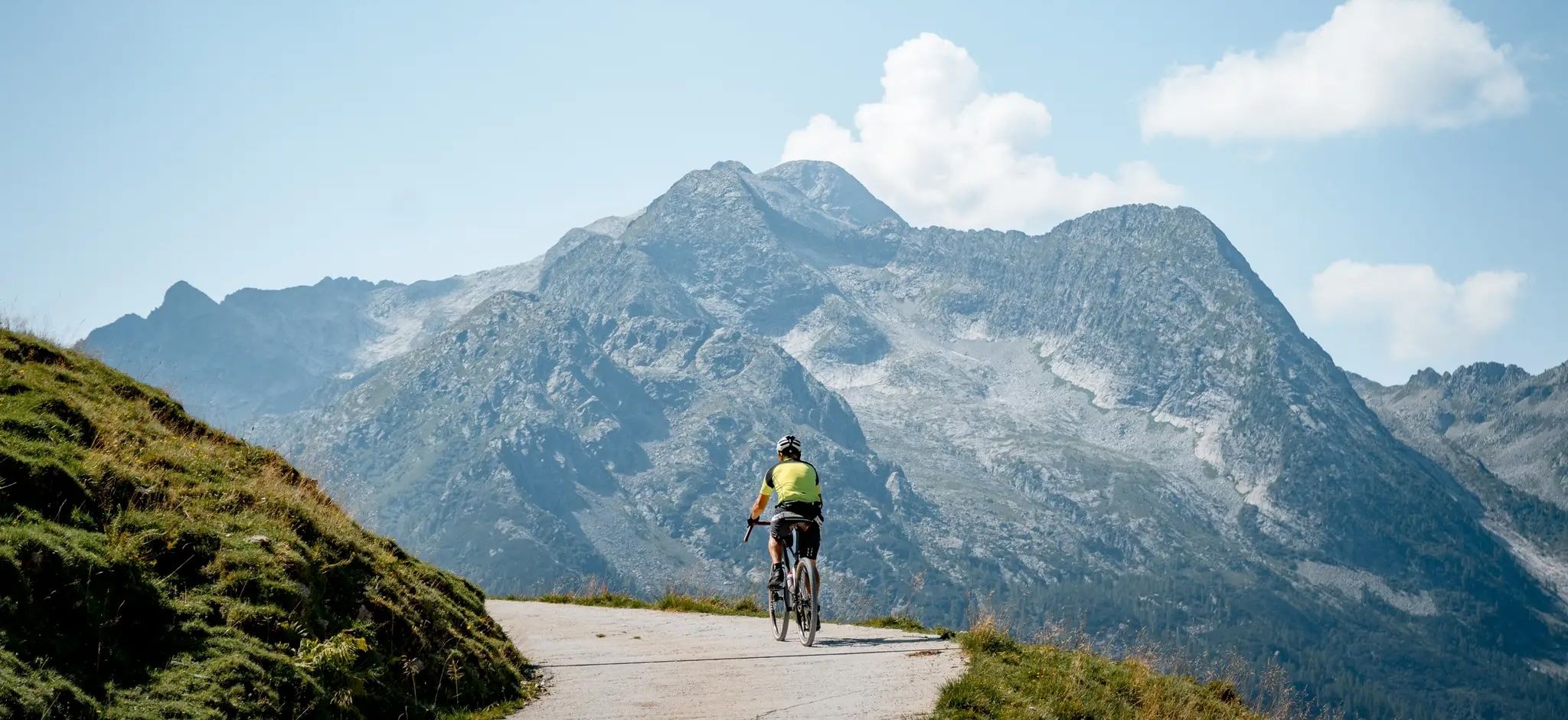
Gravel cycling in Trentino – The gateway to the Dolomites
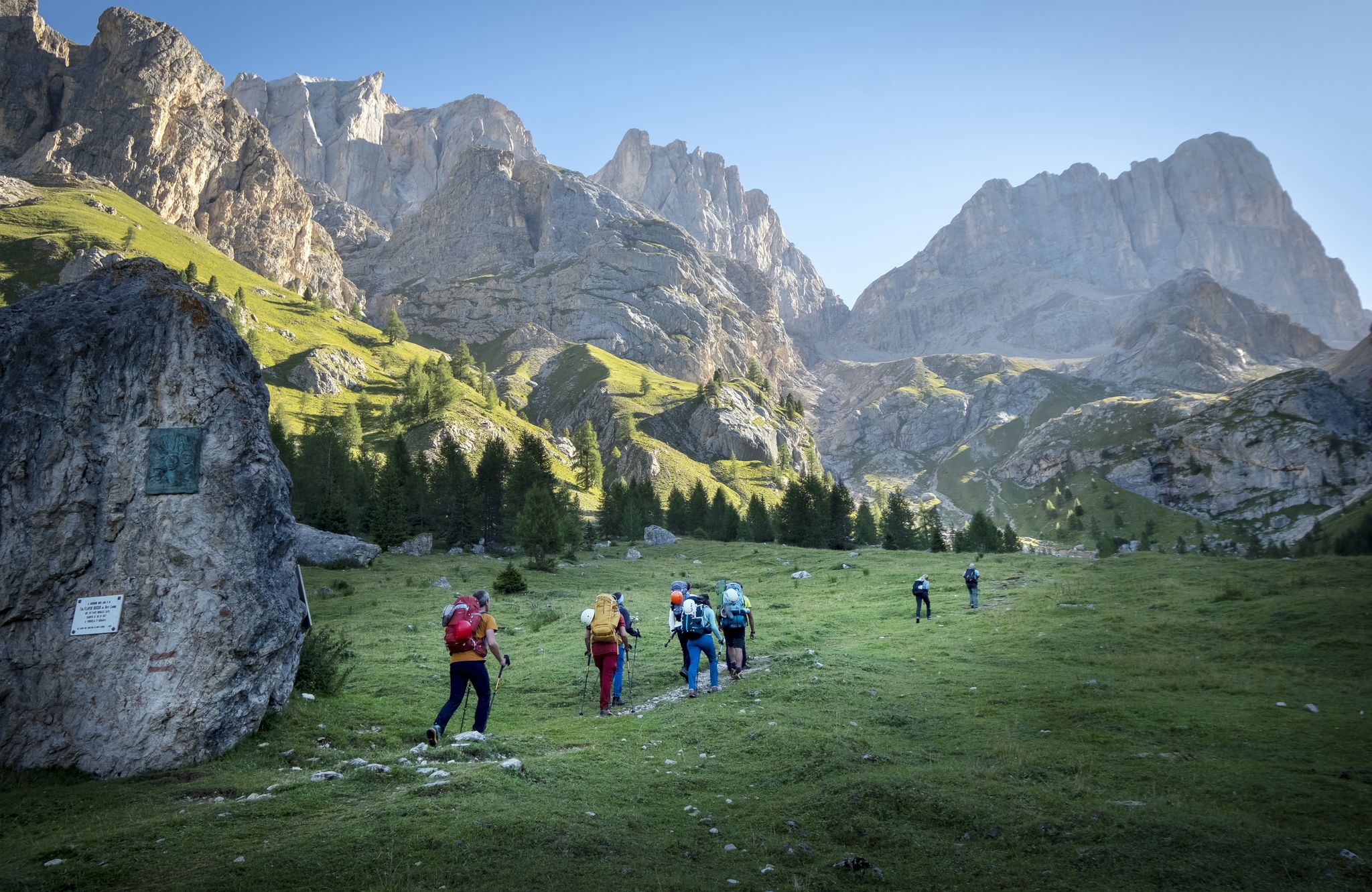
The Path of Peace – journey into Trentino's history
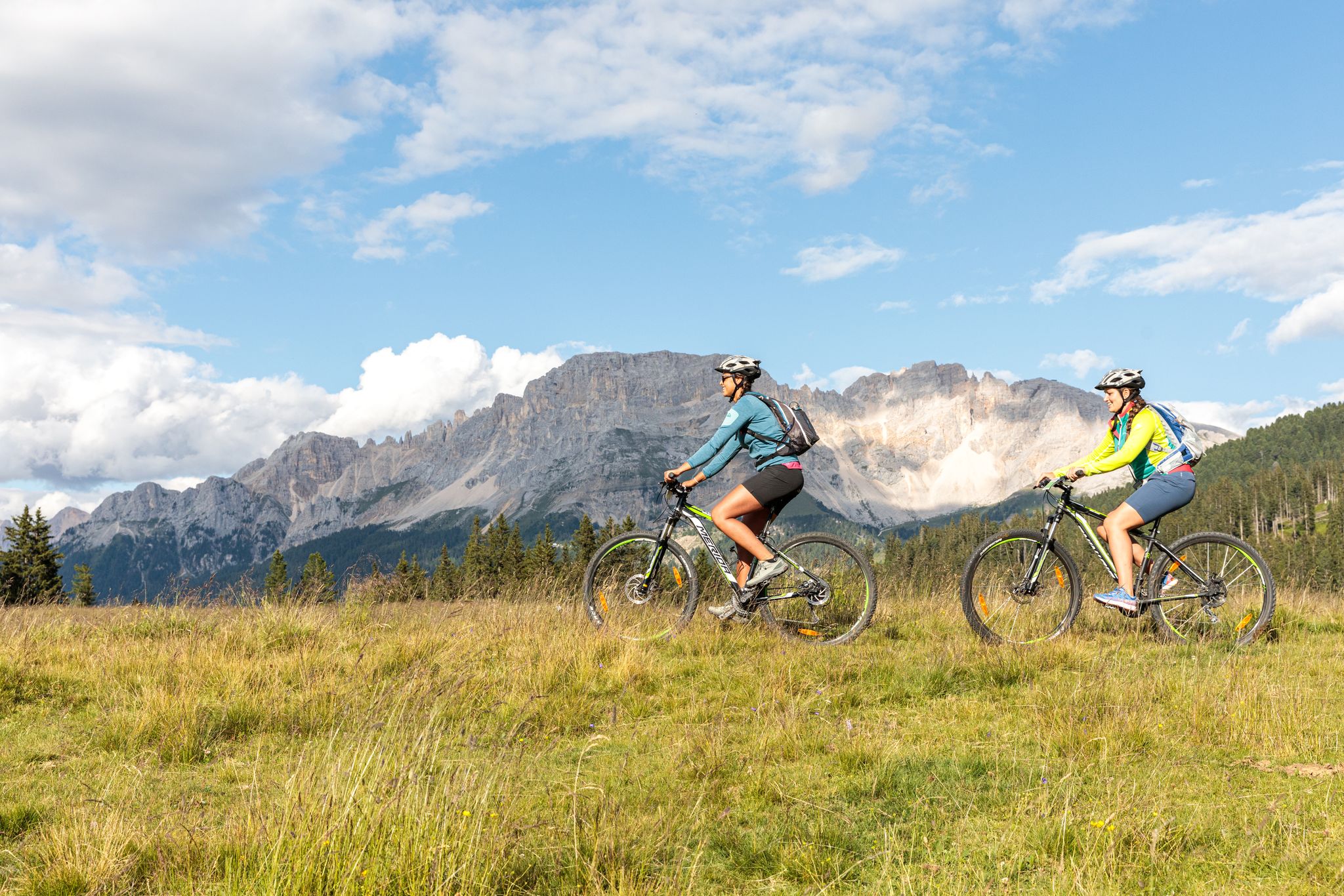
Explore the heart of the Dolomites – discover Val di Fiemme by MTB
In the wake of legends – the Alta Via 2 of the Dolomites
Wild routes – a week in Italy’s Dolomites
Up and down the Alps – Dolomites by road bike
Mountain biking in Trentino in Italy – 10 varied routes
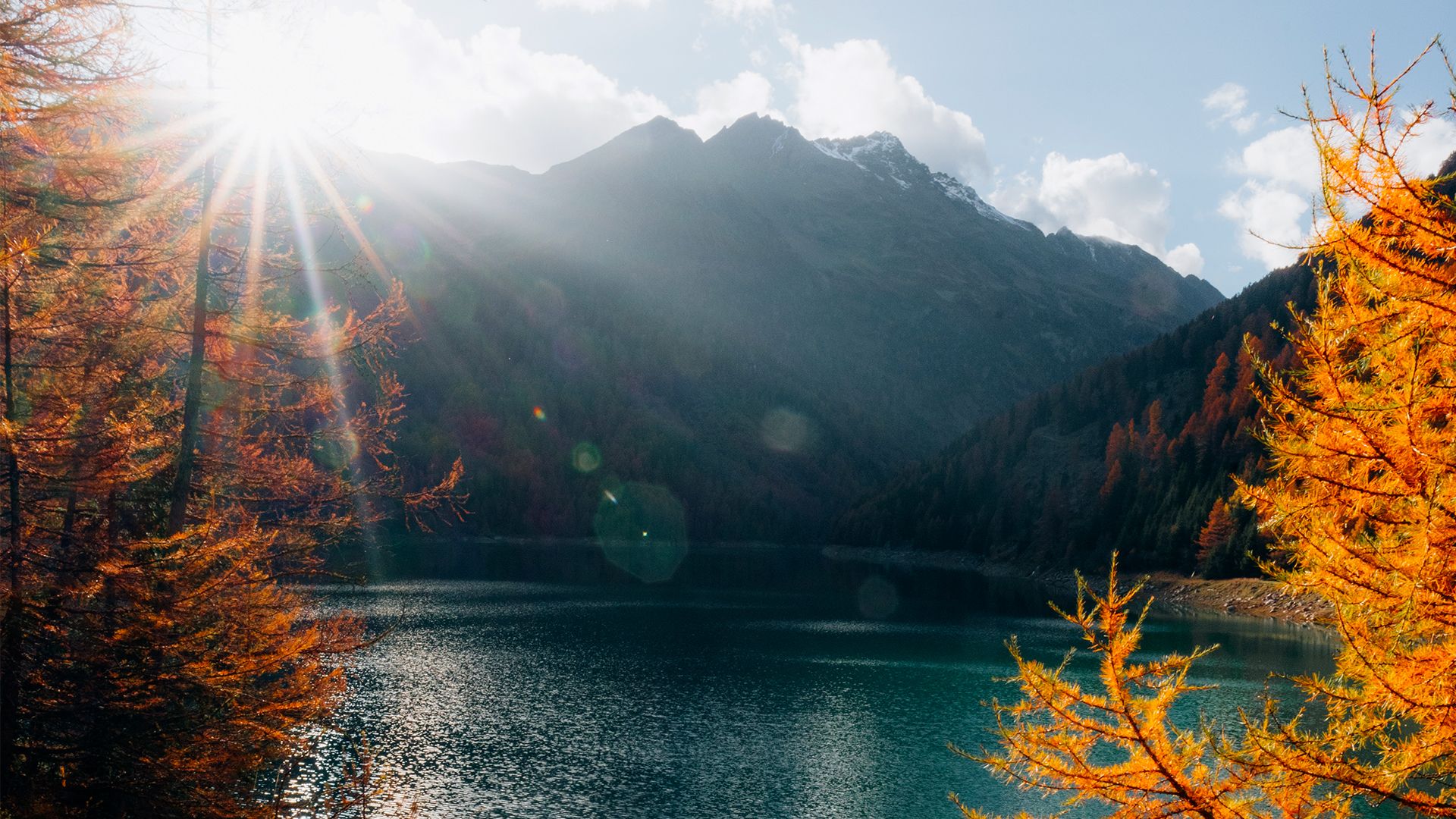
Prolonging the summer – colourful hikes through Trentino in Italy
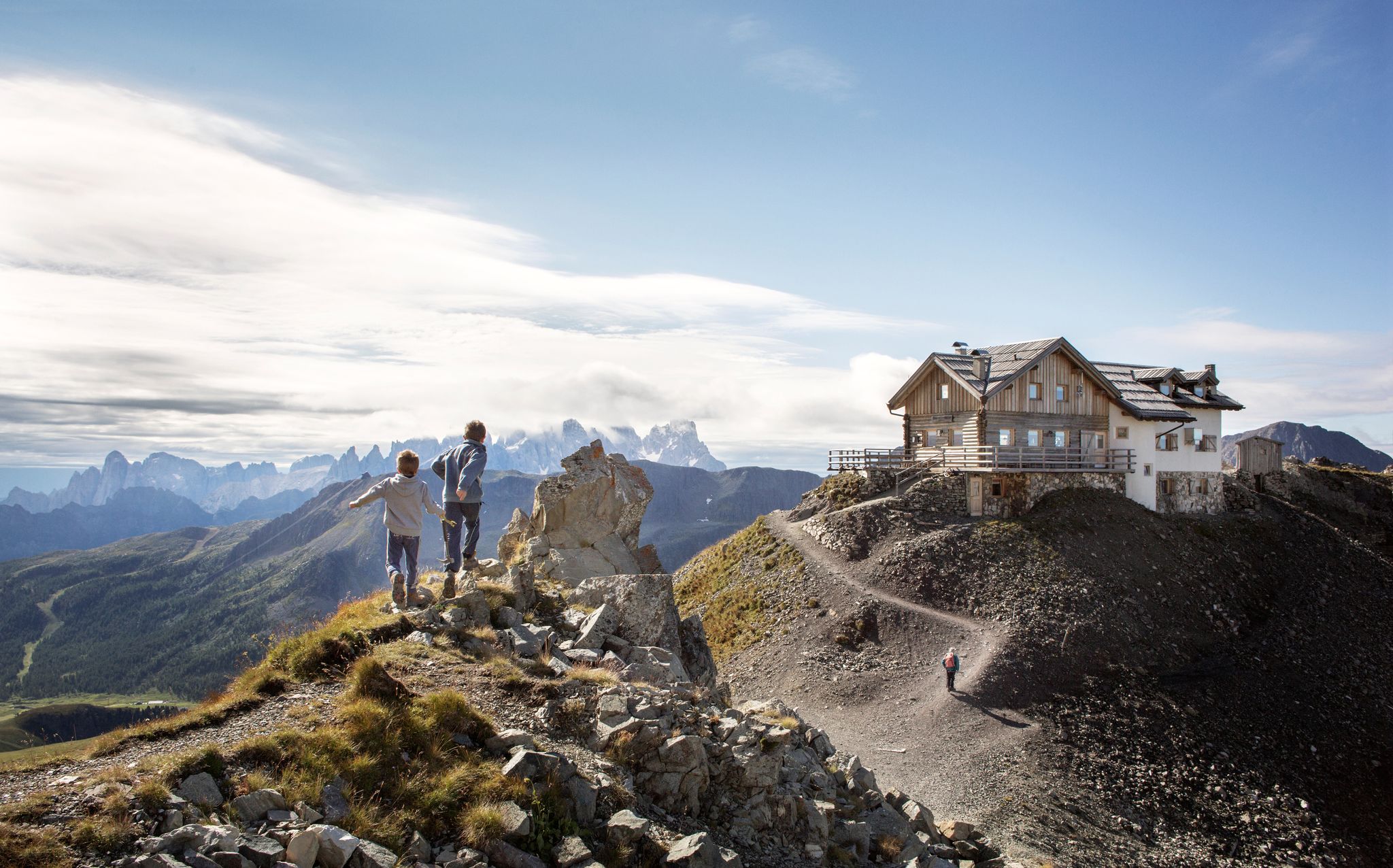
10 breathtaking hiking trails in Trentino
Other adventures around Primiero San Martino Di Castrozza


Tips from the Community

Splendid alpine lake within the Parco delle Pale di San Martino and Paneveggio. Rich in char. Panorama of the Pale di San Martino
1
0

In this season the lake turns green, emerald and turquoise
0
0

Truly spectacular! Baita Segantini offers breathtaking views and a welcoming atmosphere that makes every visit special. The staff is friendly and helpful, and the overall experience was unforgettable. Highly recommended for those seeking relaxation and nature.
0
0

beautiful alpine lake to see. easy to get there by car.
0
0

Lago della Stua is an artificial lake in the heart of the Belluno Dolomites, in Val Canzoi, fed by the Caorame torrent. The dam that holds it back was built between 1952 and 1953 by SADE, an Italian electricity company, with the aim of generating hydroelectric energy. Origin of the name: The name "Stua" comes from the dialect term to indicate an artificial structure that blocked a torrent, used for floating timber. This practice consisted of transporting logs through torrents and rivers, exploiting the current of the water. The construction: The Lago della Stua dam is 54.3 meters high and 32.4 meters wide, and was built in the area of Orsera, a town in Cesiomaggiore, to allow the production of hydroelectric energy. The lake extends for about 1.5 square kilometers and is home to various species of fauna. Activities: Lago della Stua is a popular destination for outdoor tourism, with opportunities for sport fishing, trekking, mountain biking and bird watching. Its panoramic position and natural beauty make it an ideal place for hiking and outdoor activities. Importance: Lago della Stua represents an important source of renewable energy for the region and an important naturalistic site, contributing to the conservation of the biodiversity of the Dolomites.
1
0

A climb without difficulty, giving you a feeling of being in the deep Dolomites.
0
0

San Pellegrino Pass
0
0
Frequently Asked Questions
Are there family-friendly lakes around Primiero San Martino Di Castrozza?
Yes, several lakes in the region are suitable for families. Lake Calaita is easily accessible by car and offers a peaceful, relaxing environment with a hut on its shore. Welsperg Lake features a path around it that is comfortable and safe for all ages, including children and grandparents, and is part of an educational itinerary focused on biodiversity.
Which lakes are easily accessible by car in Primiero San Martino Di Castrozza?
Lake Calaita is notably easy to reach by car, despite a steep road in parts. It's located in the Lozen Valley at 1600 meters above sea level and offers beautiful views of the Pale di San Martino.
What kind of wildlife can I expect to see around the lakes?
Around Welsperg Lake, the 'Palù Grant' (large marsh) is an area of significant botanical and faunal interest. You might spot rushes, marsh thistles, common reeds, and various orchid species. This habitat is also appreciated by amphibians, trout, and the rare crayfish (Austropotamobius pallipes).
Are there any historical sites near the lakes?
Yes, the Colbricon Lakes area is of significant historical interest. Archaeological finds dating back to the Mesolithic period were discovered here, and the area was also a scene of battles during the First World War, with numerous remains from the conflict still visible.
Can I go wild swimming in any of the lakes?
The Colbricon Lakes are listed as a swim spot. These glacial lakes offer a refreshing experience amidst the natural beauty of the Paneveggio - Pale di San Martino natural park.
What are some easy walks around the lakes in Primiero San Martino Di Castrozza?
The path around Welsperg Lake is designed for comfortable and safe walks, suitable for families and those seeking a gentle stroll. Additionally, the Colbricon Lakes can be accessed from Passo Rolle via a path of modest altitude (SAT 348) in about an hour, offering an easy walk.
Are there challenging hikes near the lakes?
Yes, the region offers challenging hikes. For instance, you can find difficult routes like the 'Val Venegia – Passo delle Farangole loop' or the 'Rifugio Pradidali loop' in the Mountain Hikes around Primiero San Martino Di Castrozza guide. These routes often provide stunning views of the surrounding Dolomites.
What outdoor activities can I do near these lakes?
Beyond enjoying the lakes themselves, you can explore various outdoor activities. There are numerous hiking trails, including moderate options like 'Capanna Cervino e Baita Segantini — Round trip'. For cyclists, the region offers gravel biking routes, such as the 'Val Venegia – Segantini Hut loop'.
Are there viewpoints offering panoramic views of the lakes and mountains?
Absolutely. Segantini Hut is a highly recommended viewpoint, offering spectacular views of the Pale di San Martino and Cimon Della Pala. Many lakes, like Lake Calaita and Welsperg Lake, also provide picturesque settings with reflections of the surrounding peaks.
What is the best time to visit the lakes in Primiero San Martino Di Castrozza?
The best time to visit is generally during the warmer months, from late spring to early autumn (May to October), when the weather is pleasant for hiking, walking, and enjoying the natural beauty. During this period, facilities are typically open, and trails are clear. Some areas, like Segantini Hut, are also accessible for snowshoe excursions in winter, offering a different experience.
Are there any cafes or restaurants near the lakes?
Yes, several lakes have amenities nearby. Lake Calaita has a hut on its shore, likely offering refreshments. The Colbricon Lakes area also features a refuge (hut) that includes a pub, accommodation, and a restaurant. Segantini Hut is another excellent spot with a restaurant.
Can I bring my dog on walks around the lakes?
While specific dog-friendly policies vary by location and protected areas, many trails in the Dolomites are generally dog-friendly, provided dogs are kept on a leash. For instance, the easy paths around lakes like Welsperg Lake are popular for walks and often accommodate well-behaved dogs.
Most popular routes around Primiero San Martino Di Castrozza
Most popular attractions around Primiero San Martino Di Castrozza

Get inspired with the komoot mobile app


Explore more
Still not found your perfect lake around Primiero San Martino Di Castrozza? Check out the guides of these regions to see even more beautiful places.
