Top 17 Lakes around Quero Vas
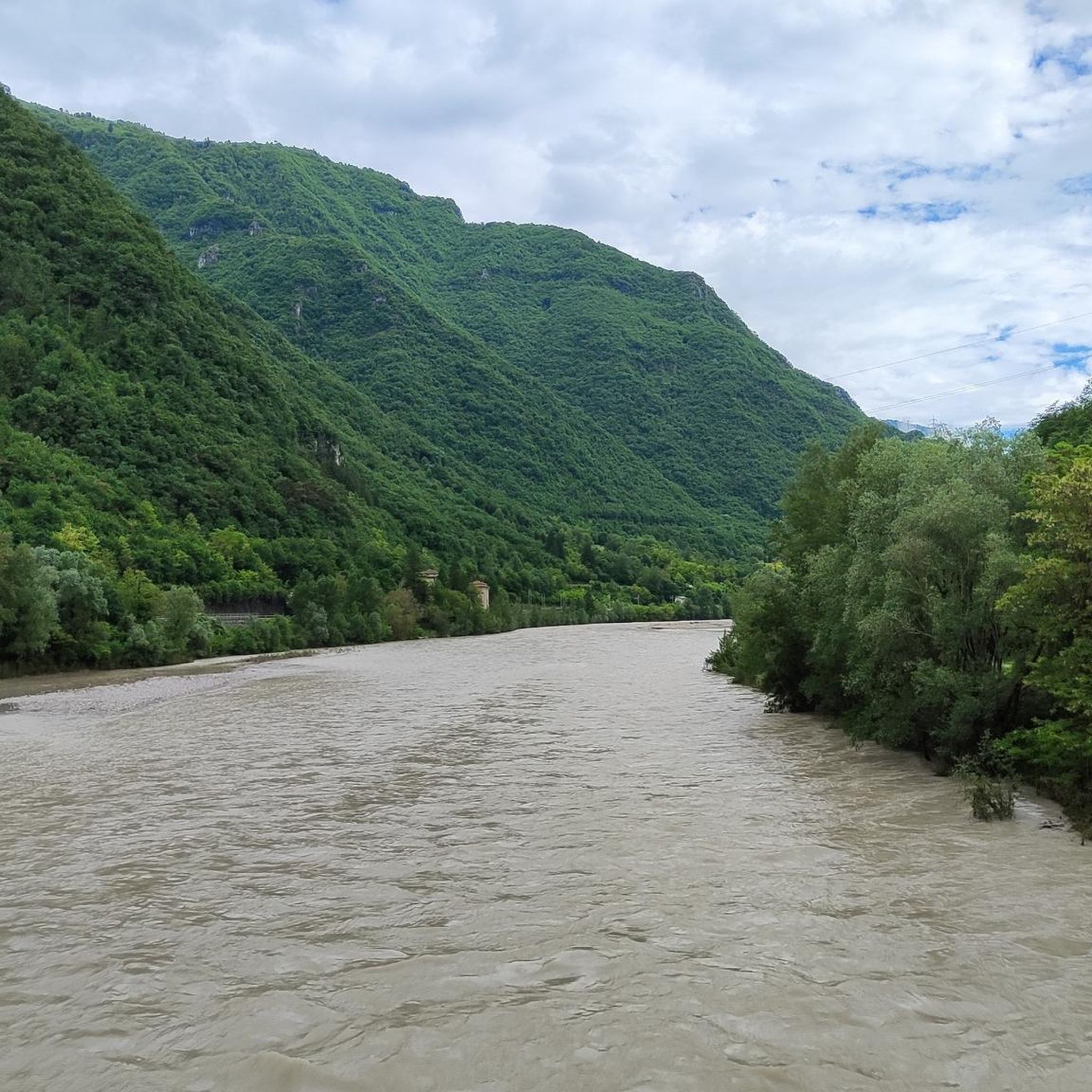
Best lakes around Quero Vas are primarily artificial, with the region's natural landscape shaped by the River Piave and the Fium stream. Quero Vas is situated on both banks of the River Piave, a significant geographical feature known for its biodiversity and historical importance. The area offers a riverine landscape and mountainous terrain, providing opportunities for outdoor activities such as hiking. While natural lakes are not a prominent feature, the artificial Lake Corlo is a notable point of interest.
Best…
Last updated: August 11, 2026
Victory Bridge
Highlight • Bridge
Translated by Google •
Tip by

Lake Corlo
Highlight • Lake
Translated by Google •
Tip by

Sign up now to discover places like this
Get recommendations on the best single tracks, peaks, & plenty of other exciting outdoor places.
Sign up for free
Corlo Dam
Highlight • Monument
Translated by Google •
Tip by

Lake Corlo
Highlight • Lake
Translated by Google •
Tip by

Blue Grotto of Mel
Highlight • Cave
Translated by Google •
Tip by

Sign up for free to discover even more lakes around Quero Vas.
Sign up for free
Already have an account?
Start today with a free account
Your next adventure awaits.
Login or Signup
Popular around Quero Vas
Other adventures around Quero Vas

Tips from the Community


The Corlo lake dam blocks the Cismon stream which flows towards the Brenta river.
0
0


Dam immersed in the narrow gorge of the Cismon torrent, completed in 1953. Crossable, cycle/pedestrian. Pleasant walk with a view and the peculiarity of ending right inside a small tunnel in the rock, which then connects to the road to Corlo, very steep!
3
0

Blue Grotto of Mel It is an arch carved into the rock with a waterfall that flows into clear natural basins and then continues the path giving rise to the Rui stream. Zumelle Castle, an ancient fortification that dominates the Piave Valley. The start of the route is near the Zumelle castle. It is the only castle in Val Belluna that survived the destruction by the Serenissima in the 1400s to ensure total control of the territory
0
1

The Corlo dam (which takes its name from the village above) was built in the years 1951-53 to dam the Cismon stream and form the artificial lake, for hydroelectric use. The area occupied today by the basin was once known as the 'Ligònt plain': a fertile area, almost entirely cultivated with corn cobs and tobacco, with several inhabited hamlets. With the construction of the dam, many towns were forcibly abandoned, demolished and submerged; others, on the eastern side, found themselves isolated from the world and soon depopulated too. This civil engineering work amazes for its dizzying height of 71m, for the construction expertise thanks to which it slips into the mountain and for the view of the very narrow Cismon canyon. The crown of the dam can also be explored by car: after the tunnel, a very narrow and winding asphalt road ends in Contrà Corlo. When the bulkheads are raised, the power of the waterfall coming down the discharge chute is impressive and spectacular! https://it.wikipedia.org/wiki/Lago_del_Corlo
1
0
Lake Corlo is crossed by 3 bridges close together, at the Rocca d'Arsiè bottleneck: the Polo Bridge, the Bassane Bridge and the Vittoria Bridge. The Ponte della Vittoria (also called Ponte delle Corde) is the southernmost bridge, as well as the most evocative and characteristic: cycle-pedestrian, with a maximum capacity of 12 people (as per the sign), and consists of a wooden walkway supported by ropes metal, fixed to stone towers; although it is absolutely safe, you feel a wobble at every step and under your feet, between the cracks in the boards, you can glimpse emptiness and water! Crossing it, some might suffer from dizziness... It was built in 1928, before the artificial lake was created, to replace an old, much lower bridge, often submerged by the floods of the Cismon torrent; dedicated to the victory of the First World War.
1
0

Natural cave particularly interesting due to the green/blue color assumed by the waters of the stream that crosses it
1
0
Frequently Asked Questions
What kind of lakes can I expect to find around Quero Vas?
The Quero Vas area is primarily characterized by artificial lakes and a rich riverine landscape. While natural lakes are not a prominent feature, you'll find significant artificial water bodies like Lake Corlo and the Rimonta Ponds. The region's natural allure largely stems from the River Piave and the Fium stream.
Are there any natural lakes in the Quero Vas area?
No, the municipality of Quero Vas is not home to any notable natural lakes. Its landscape is significantly shaped by the River Piave and the Fium stream, which offer various natural and historical points of interest instead.
What are the main attractions at Lake Corlo?
At Lake Corlo, a must-see is the Victory Bridge, which offers a 360-degree panorama in the middle of the lake, providing an incomparable view and a popular photo opportunity. Another spot is the Pont de Polo Bridge, offering views of the lake and a gorge.
What is the history behind Lake Corlo?
Lake Corlo is an artificial lake, created in 1954 with the construction of a dam along the Cismon stream. It's a significant part of the local landscape and history.
Are there family-friendly activities around the lakes near Quero Vas?
Yes, several spots around the artificial lakes and ponds are considered family-friendly. Lake Corlo, Victory Bridge, and Pont de Polo Bridge are all categorized as family-friendly. The Rimonta Ponds also offer an easy, flat walk suitable for everyone, especially children, featuring curious sculptures and information about local flora and fauna.
What outdoor activities can I do near the lakes and rivers in Quero Vas?
The region around Quero Vas offers various outdoor activities. You can find numerous hiking trails, including moderate and difficult options, such as the Alta Via 8: Malga Paoda Trail or the Valle di Schievenin WWI Trail. There are also gravel biking and road cycling routes available. For more details on routes, you can explore the hiking guide, gravel biking guide, and road cycling guide for Quero Vas.
What is the significance of the River Piave in Quero Vas?
The River Piave is a prominent geographical feature in Quero Vas, flowing through the municipality. It's often referred to as a 'sacred river' due to its historical importance and is recognized for its biodiversity. The river provides a rich environment for flora and fauna, and initiatives like the 'Ways of River Piave' promote outdoor activities and share knowledge about its history, nature, and cultural significance. You can learn more about the Piave River's biodiversity at visitproseccohills.it.
Are there any historical sites related to water bodies in Quero Vas?
Yes, the Fium stream, another significant watercourse, historically powered a paper mill in the hamlet of Vas. Although the mill ceased production in 1963, its industrial archaeology complex is now managed by an association that hosts events. This site connects the region's industrial heritage with its natural water resources.
What are the Rimonta Ponds and what can I see there?
The Rimonta Ponds are artificial lakes formed by resurgences at the confluence of the Piave river and the Rimonta stream. They offer a pleasant, flat walk suitable for all ages, especially children. The area features curious sculptures by artists, often depicting fantastic or fairytale themes, or local animals. There are also signs explaining the local plants and wildlife.
What do visitors enjoy most about the lakes and water features around Quero Vas?
Visitors particularly enjoy the scenic views and photo opportunities, especially from the Victory Bridge over Lake Corlo and the Pont de Polo Bridge. The artificial lakes and ponds are appreciated for their opportunities for scenic walks and their role as habitats for local flora and fauna. The community has shared over 240 photos and given more than 400 upvotes to these locations.
Is it possible to spot wildlife near the water bodies in Quero Vas?
Yes, the River Piave is recognized for its biodiversity, providing a rich environment for flora and fauna, making it suitable for birdwatching further along its course. The artificial lakes and ponds also offer habitats for local wildlife, and the Rimonta Ponds specifically highlight the typical animals of their habitat.
Most popular routes around Quero Vas
Most popular attractions around Quero Vas

Get inspired with the komoot mobile app


Explore more
Still not found your perfect lake around Quero Vas? Check out the guides of these regions to see even more beautiful places.
