Attractions and Places To See around Castello Di Godego - Top 20
Best attractions and places to see around Castello Di Godego include a blend of historical landmarks, cultural sites, and natural features. Situated between the Asolane Hills and the central Venetian Plain, the area offers diverse landscapes. Its history dates back to pre-Roman times, with archaeological findings and ancient structures evident throughout the region. Visitors can explore a variety of sites reflecting this rich heritage and geographical setting.
Best attractions and places to see around Castello Di Godego
- The most popular…
Last updated: August 30, 2026
Asolo
Highlight • Settlement
Translated by Google •
Tip by

Ezzelini Trail
Highlight • Cycleway
Translated by Google •
Tip by

Sign up now to discover places like this
Get recommendations on the best single tracks, peaks, & plenty of other exciting outdoor places.
Sign up for free
Muson dei Sassi Cycle and Pedestrian Path
Highlight (Segment) • Cycleway
Local traffic in a short distance, but overall quiet …
Translated by Google •
Tip by

Cittadella Walled City
Highlight • Historical Site
Translated by Google •
Tip by

Gabriele D'Annunzio Square, Asolo
Highlight • Settlement
Asolo's old town is characterized by the fortress (Rocca) from the 12th century. In addition to it, the Cathedral of Santa Maria Assunta, the Villa Scotti-Pasini and the Castello …
Translated by Google •
Tip by

Sign up for free to discover even more attractions around Castello Di Godego.
Sign up for free
Already have an account?
Start today with a free account
Your next adventure awaits.
Login or Signup
Tips from the Community

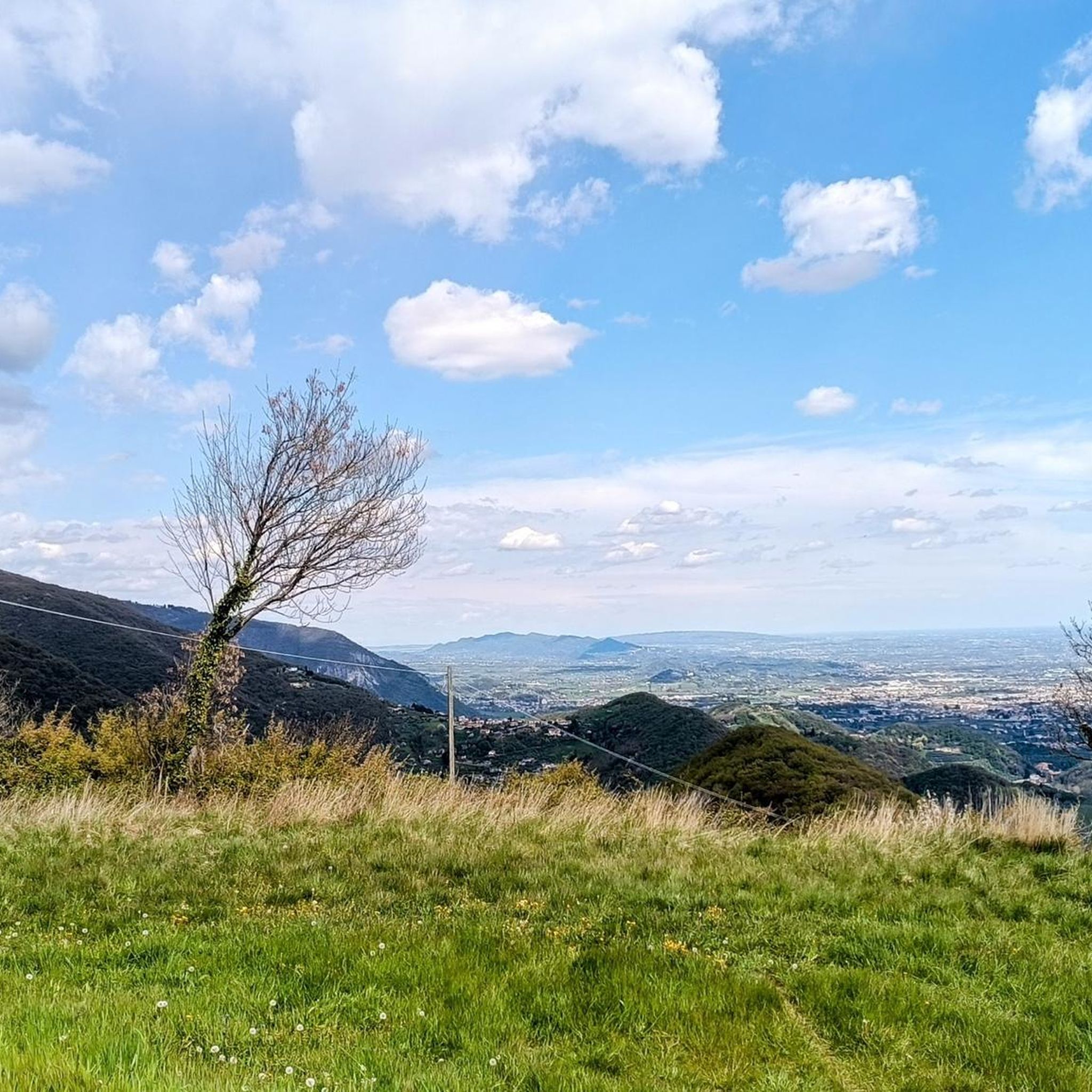
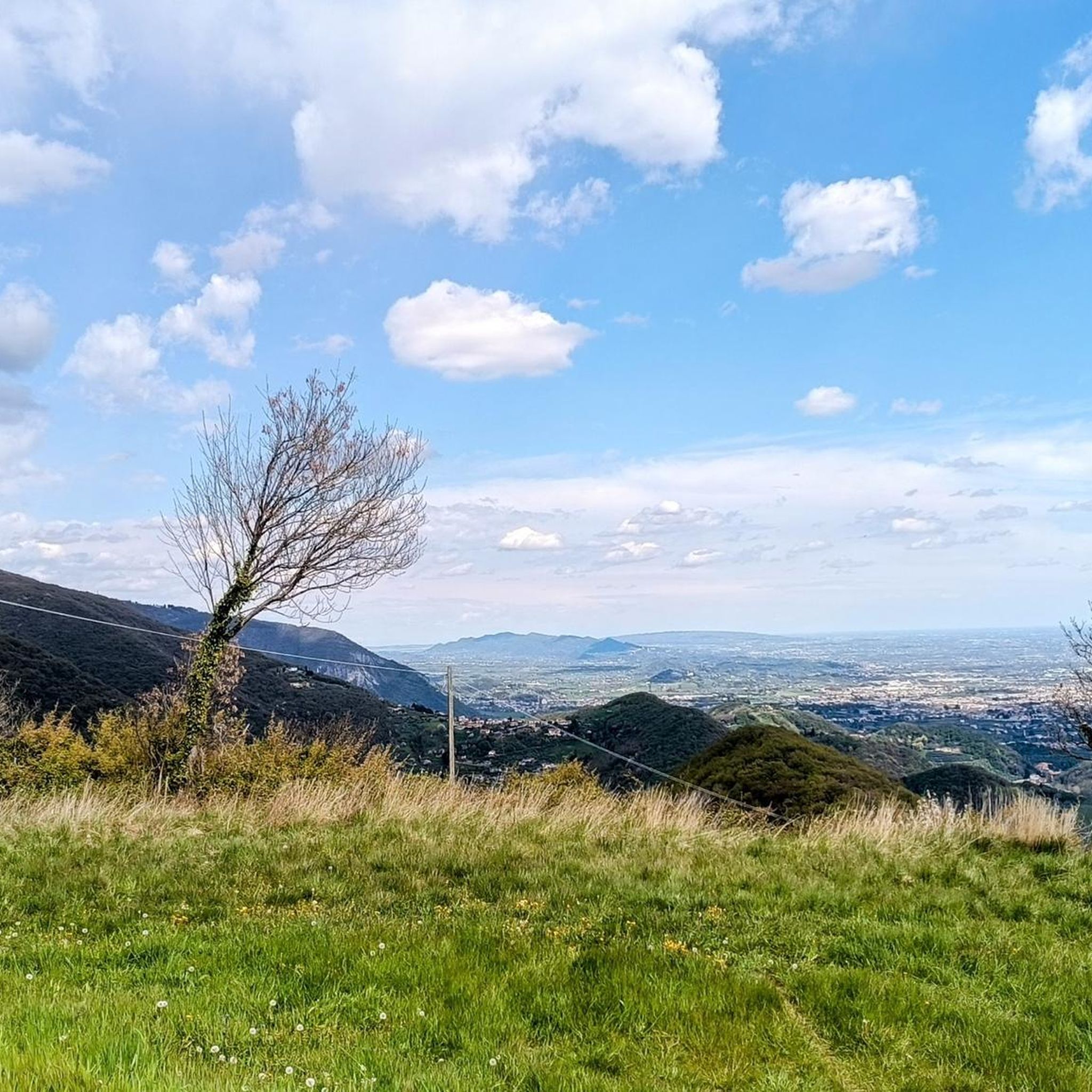
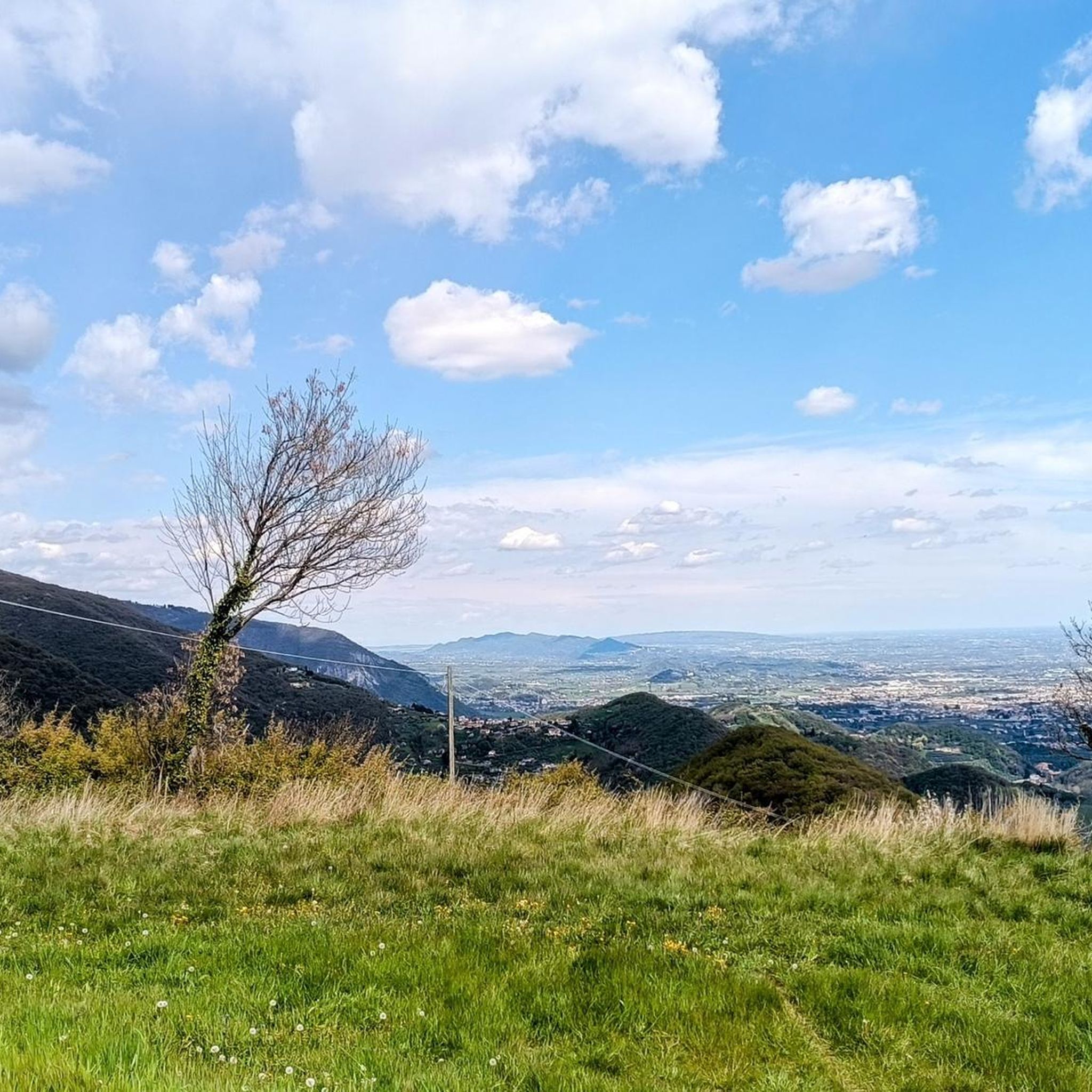
...on the way there, the late afternoon light was an unexpected gift. A soft, slanted light, capable of transforming everything. With my ever-present SLR, I captured silent ruins, meadows crisscrossed by plays of color that seemed to reflect the memory of a recently faded rainbow, bridges suspended in time...
1
0

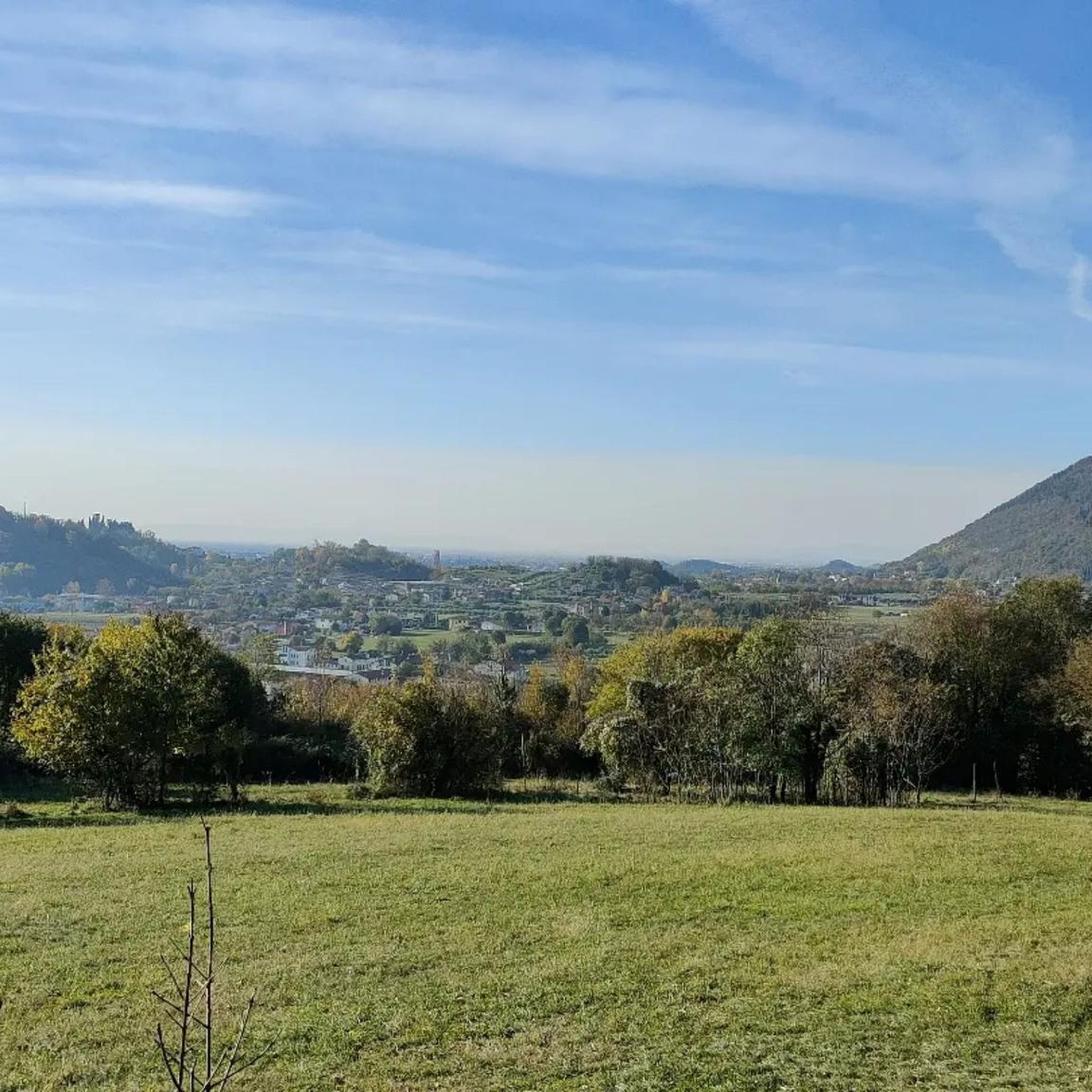
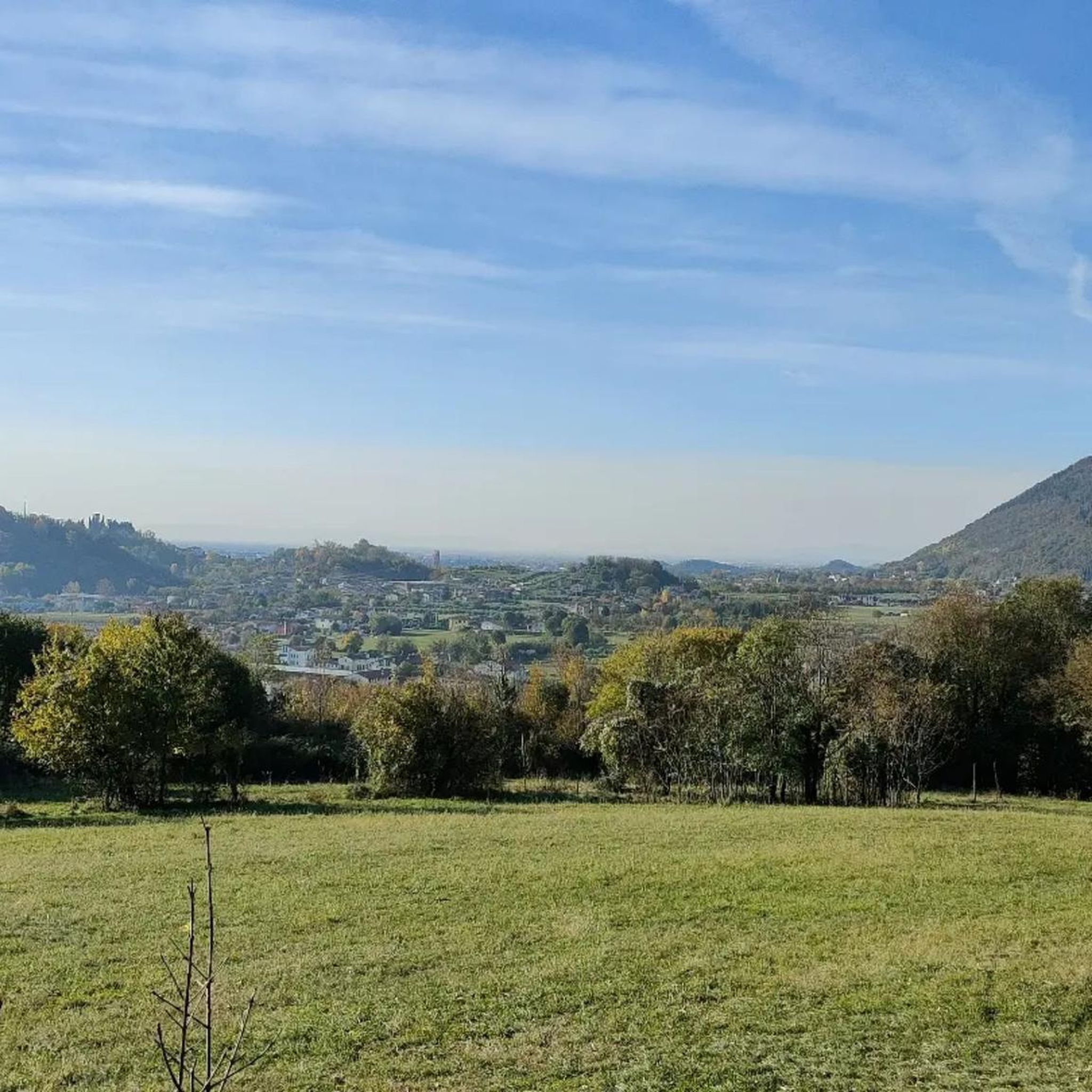
The Muson dei Sassi cycle/pedestrian path is worth a visit because it combines nature and history: it follows the ancient route of the Muson river, passes through rural landscapes and Venetian villages, and is part of the historic route connecting Padua and Asolo, ideal for those who love cycling immersed in the memory of the territory.
1
0

After paying €5 you can enjoy the beautiful views. The city walls, with its 32 towers, have a length of 1461 meters. Access to the walls is only possible via the tourist information point.
6
0

Asolo Asolo's old town is characterized by the fortress (Rocca) from the 12th century. In addition to it, the Cathedral of Santa Maria Assunta, the Villa Scotti-Pasini and the Castello della Regina Cornaro are among the city's main attractions. The remains of an amphitheater and an aqueduct date from Roman times. Text / Source: italien.de GmbH https://www.italien.de/staedte/asolo
19
0
Asolo Asolo's old town is characterized by the fortress (Rocca) from the 12th century. In addition to it, the Cathedral of Santa Maria Assunta, the Villa Scotti-Pasini and the Castello della Regina Cornaro are among the city's main attractions. The remains of an amphitheater and an aqueduct date from Roman times. Text / Source: italien.de GmbH https://www.italien.de/staedte/asolo
15
0

A few kilometers from Padua, Vicenza and Treviso stands Cittadella, a splendid walled city of medieval origin. The walls can be visited with a panoramic walk at a height of 15 meters. Not to be missed, beyond the entrance gates to the city, are the Cathedral, the Palazzo Comunale and the Convent.
8
0

Asolo is part of the circuit Borghi più Belli d’Italia. Here you can visit the castle of Queen Cornaro, the Cathedral, the Rocca, the Civic Museum. Finally, in the historic center you can taste the local food and wine delicacies.
8
4

Asolo's old town is characterized by the fortress (Rocca) from the 12th century. In addition to it, the Cathedral of Santa Maria Assunta, the Villa Scotti-Pasini and the Castello della Regina Cornaro are among the city's main attractions. The remains of an amphitheater and an aqueduct date from Roman times. The mighty Rocca is 15 meters high and between 2.5 and 3.5 meters wide. The defensive structure was built towards the end of the 12th century. A previous building to the cathedral already existed in 969. The church took on its current shape in the middle of the 18th century. Inside you will find Lorenzo Lotto's famous painting “The Assumption of Mary”. The castle, with the clock tower visible from afar, was the seat of the city bailiffs of Venice from the middle of the 14th century. In 1489 it became the residence of Caterina Cornaro, wife of the King of Cyprus, whose name it still bears today. In 1798 the large Pretoria auditorium was converted into a theater.
8
0
Frequently Asked Questions
What historical sites can I explore in Castello di Godego?
Castello di Godego offers a rich historical tapestry. You can visit the ancient Le Motte Archaeological Area, a unique pre-Roman site. The Sacello di San Pietro, dating back to the 4th century, is Godego's oldest church. Additionally, the nearby walled city of Cittadella Walled City offers a fascinating glimpse into medieval history with its walkable walls.
Are there any natural areas or features to visit near Castello di Godego?
Yes, the region boasts several natural features. The Area Naturalistica ZPS "Prai", located east of the Muson torrent, is notable for its rare botanical species. The Muson torrent itself is a significant natural element, and the area's position between the Asolane Hills and the Venetian Plain provides scenic landscapes.
What cycling paths are available around Castello di Godego?
The area is excellent for cycling. The Ezzelini Trail is a popular tree-lined cycle and pedestrian route, free from car traffic. Another great option is the Muson dei Sassi Cycle and Pedestrian Path, which follows the ancient Muson river route through rural landscapes and Venetian villages. For more routes, check out the Cycling around Castello Di Godego guide.
Are there family-friendly attractions in the Castello di Godego area?
Many attractions around Castello di Godego are suitable for families. The Asolo settlement, with its castle and historic center, is considered family-friendly. Both the Ezzelini Trail and the Muson dei Sassi Cycle and Pedestrian Path offer enjoyable outdoor activities for all ages. The Cittadella Walled City also provides an engaging historical experience for families.
Where can I find ancient Roman history near Castello di Godego?
You can discover traces of ancient Roman history in the area. The grid layout of Roman centuriation is still visible at the intersection of the Muson torrent and the ancient Via Postumia. Additionally, the Le Motte Archaeological Area has yielded archaeological materials from the pre-Roman era, suggesting a long history of human settlement.
What kind of outdoor activities can I do around Castello di Godego?
Beyond cycling, the region offers various outdoor activities. You can enjoy gravel biking, with routes like the "Ezzelini Trail – Historic Center of Asolo loop." There are also numerous running trails, such as the "Villa Caprera loop from Castello di Godego." For detailed routes and guides, explore the Gravel biking around Castello Di Godego and Running Trails around Castello Di Godego guides.
Are there any religious sites of interest in Castello di Godego?
Yes, the area has several significant religious sites. The Sacello di San Pietro is Godego's primitive and oldest church, dating to the 4th century. The Santuario della Beata Vergine della Crocetta is named after a miraculous apparition, and the Parish Church of the Nativity of Mary Santissima, built in the early 20th century, is the main parish church.
Can I find any historic villas to visit in the region?
The region is home to several elegant historic villas. Villa Priuli (17th century) now houses a civic museum and municipal library. Other notable villas include Villa Mocenigo Garzoni Martini Pensa with its expansive park, Villa Ca' Zorzi Moresco Beltrame which preserves agricultural tools, and the neoclassical Villa Caprera/Santi.
What do visitors particularly enjoy about the attractions near Castello di Godego?
Visitors appreciate the blend of history and nature. The Ezzelini Trail is loved for its tree-lined, car-free environment and views of the mountains. The Muson dei Sassi Cycle and Pedestrian Path is praised for combining nature and history, passing through rural landscapes and Venetian villages. The historic town of Asolo is cherished for its beautiful streets, flower-adorned lanes, and wonderful views.
Are there options for running or walking trails around Castello di Godego?
Yes, there are several trails perfect for running and walking. The Ezzelini Trail and the Muson dei Sassi Cycle and Pedestrian Path are both excellent for these activities. The Muson dei Sassi path, in particular, is very popular with runners. You can find more specific routes in the Running Trails around Castello Di Godego guide.
When is the best time to visit Castello di Godego for outdoor activities?
For outdoor activities like cycling, running, and walking, spring and autumn generally offer pleasant temperatures. If you plan to use the Muson dei Sassi Cycle and Pedestrian Path in summer, it's advisable to go in the morning or evening as it can be exposed to the sun. Local festivals, such as the "Sagra patronale della natività di Maria" around September 8th or the "Sagra della Madonna della Crocetta" in early July, can also enhance your visit.
Is there a place to learn about local history and nature?
Yes, Villa Priuli serves as a civic museum and houses the municipal library. It features botanical collections from the "Prai" naturalistic area and archaeological collections from the Bronze Age and Roman era, offering comprehensive insight into the local history and natural environment.
Are there any unique archaeological sites in the area?
The most unique archaeological site is the Le Motte Archaeological Area. This extensive embankment is considered unique in Italy and is believed to have been a pre-Roman place of worship with astronomical and solar significance. Archaeological findings from this period have been discovered there.
Most popular routes around Castello Di Godego
Most popular attractions around Castello Di Godego

Get inspired with the komoot mobile app


Explore more
Still not found the Highlight you’re looking for? See guides of the top attractions in other regions:
