The best cycling routes around Castelfranco Veneto
4.5
(207)
1,616
riders
60
rides
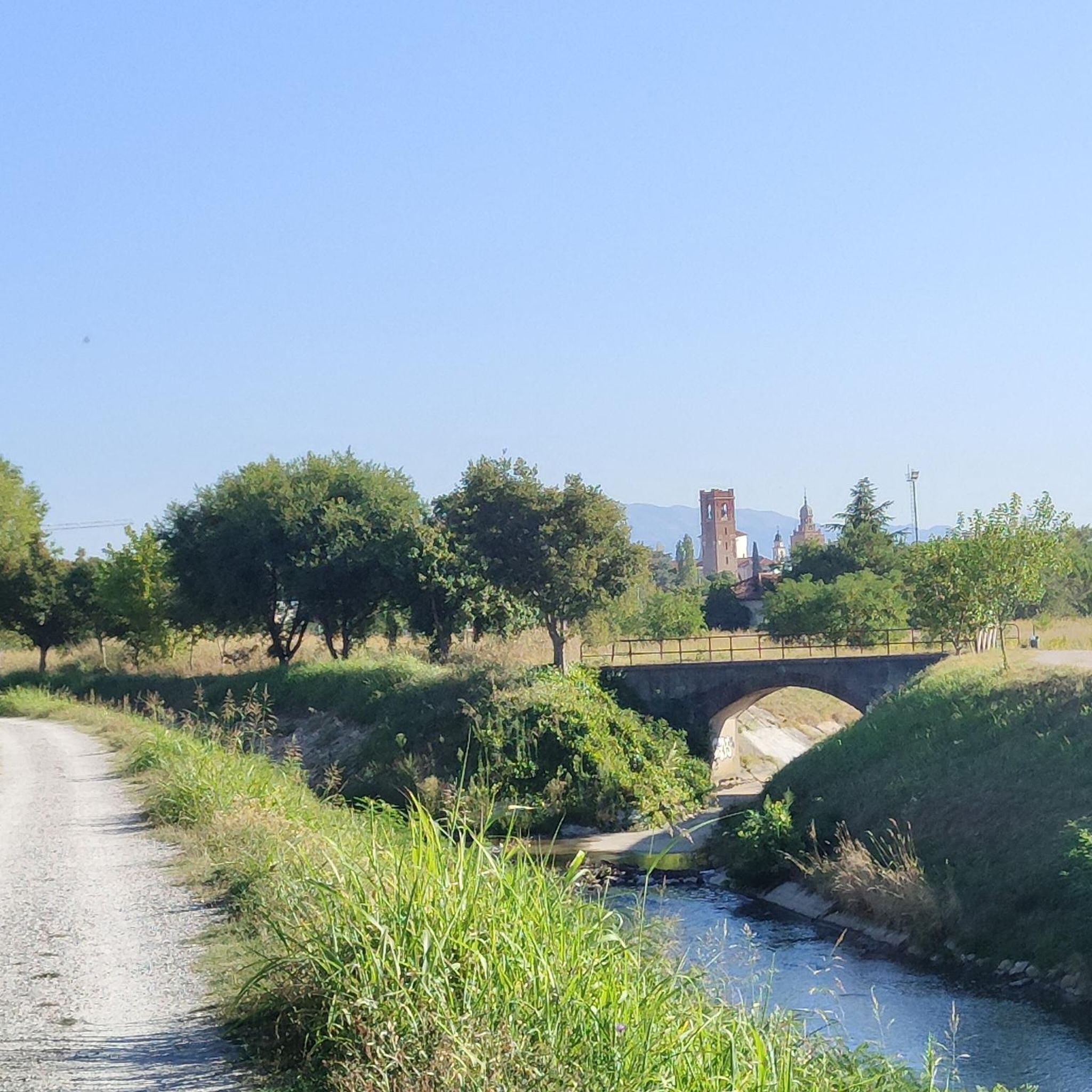
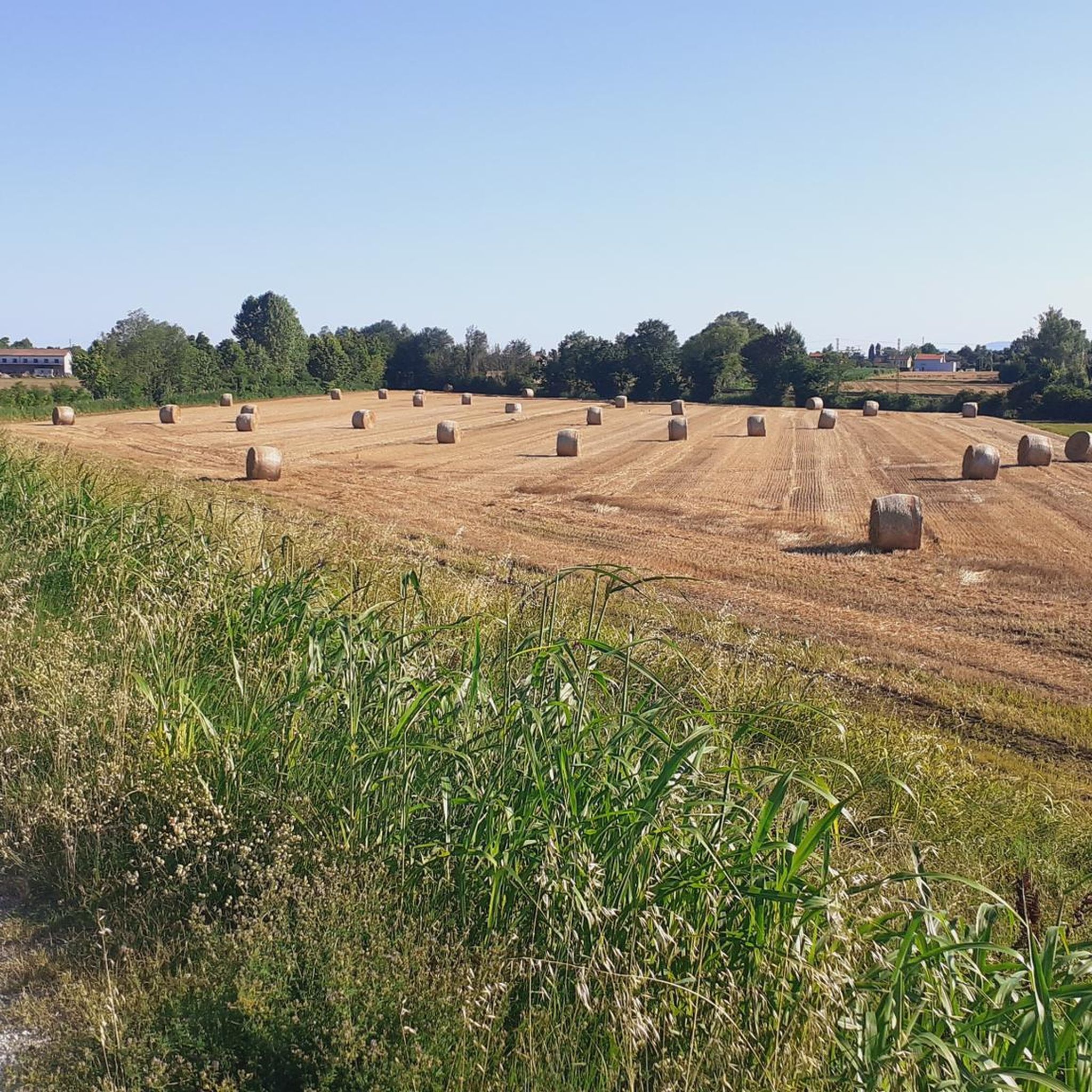
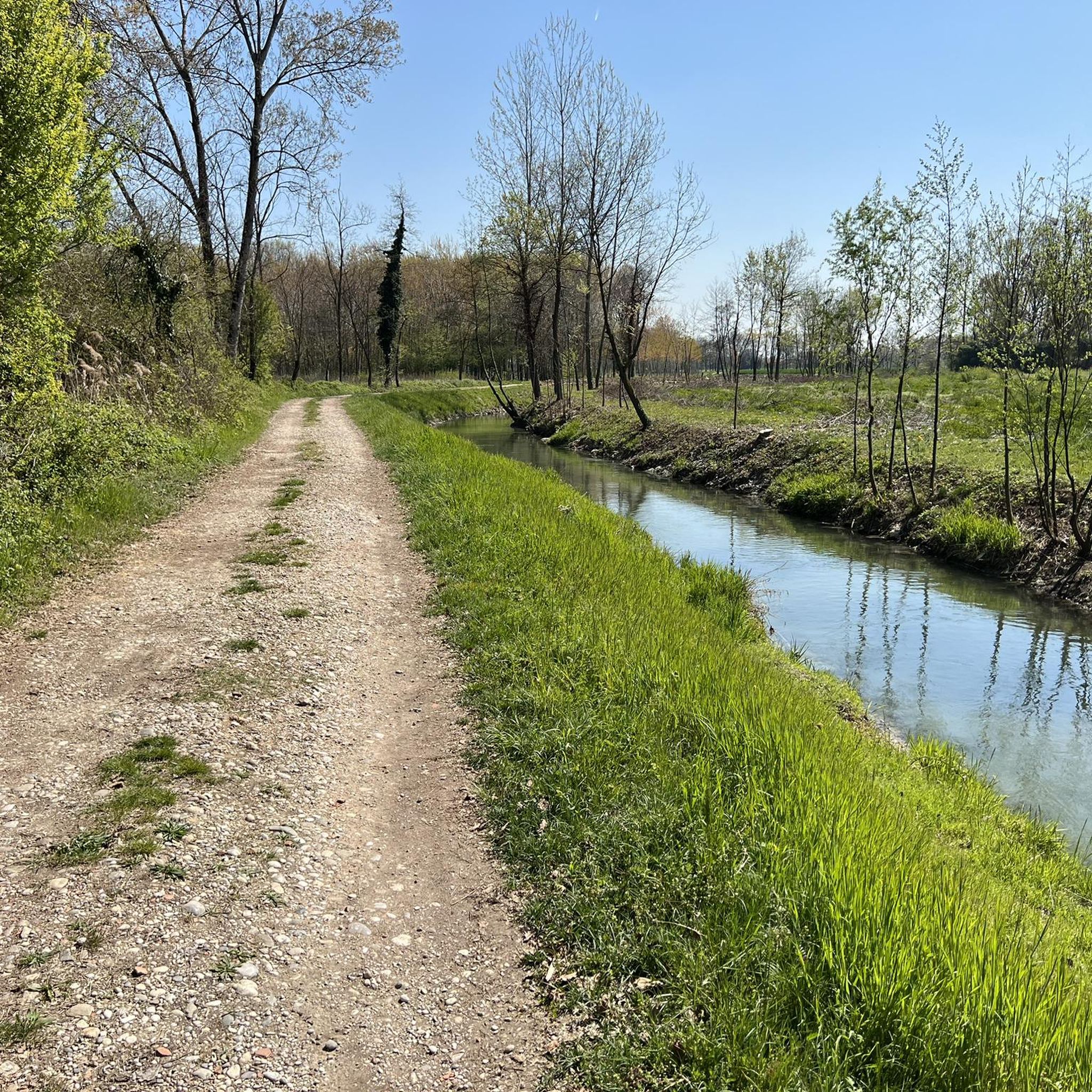
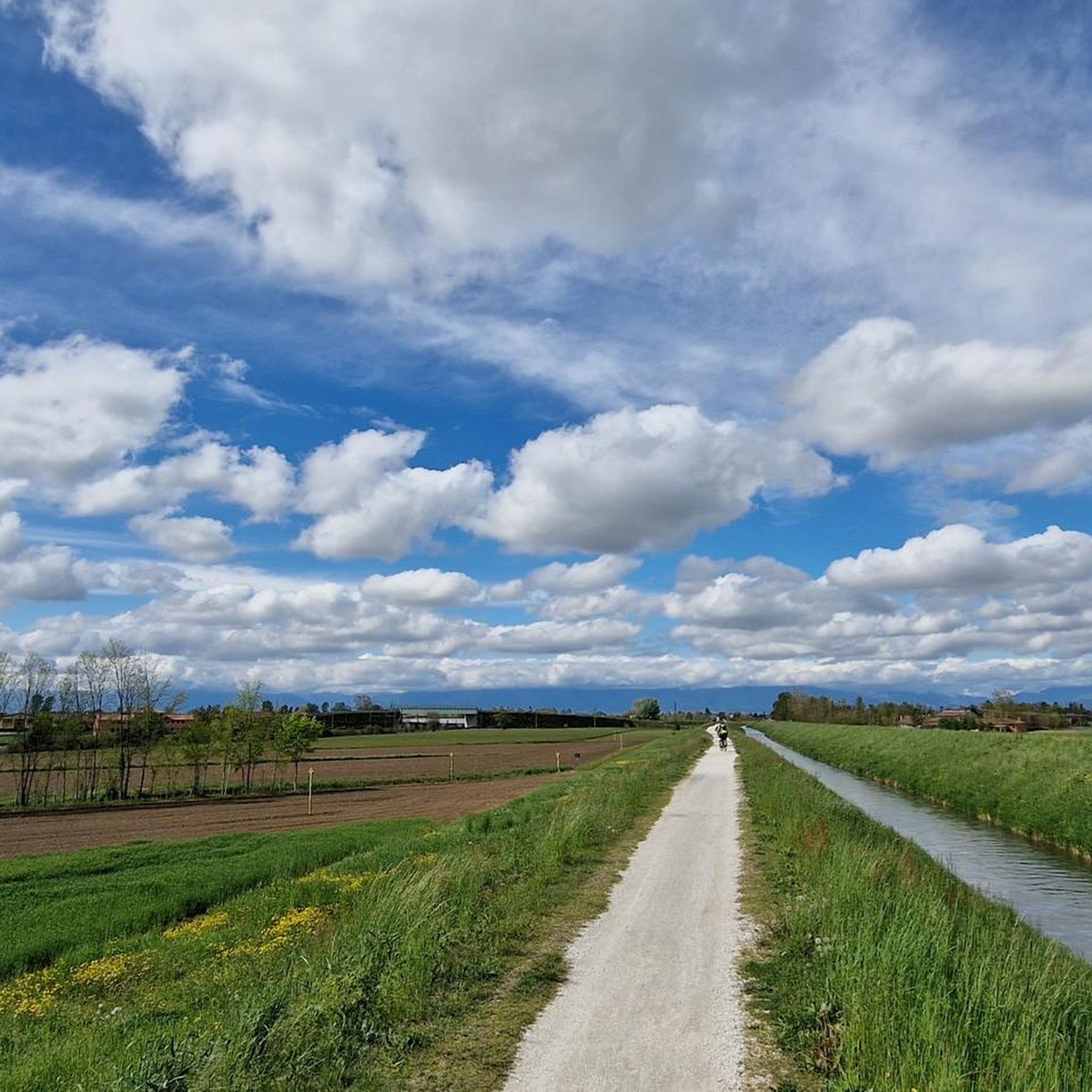
Touring cycling around Castelfranco Veneto offers diverse terrain, from flat plains along river paths to rolling hills. The region features well-developed cycle paths along waterways like the Muson stream and Sile River, providing easy rides through rural landscapes. To the north, the UNESCO-listed Prosecco hills present a scenic backdrop with vineyards and more challenging climbs. Historic walled towns and agricultural areas known as "Campi Chiusi" also characterize the landscape.
Best touring cycling routes around Castelfranco Veneto
- The most popular touring cycling route is Trail of the Ezzelini – Asolo loop from Castelfranco Veneto, a 32.2 miles (51.9 km) trail that takes 3 hours 23 minutes to complete, passing through historic towns and varied landscapes.
- Another top favourite among local touring cyclists is Sentiero degli Ezzelini – Villa Caprera loop from Castelfranco Veneto, an easy 13.8 miles (22.1 km) path that traverses flat rural areas.
- Local touring cyclists also love the Camposampiero Kiosk – Ostiglia Refreshment Kiosk loop from Castelfranco Veneto, a 15.8 miles (25.5 km) trail leading through flat plains and along river paths, often completed in about 1 hour 37 minutes.
- Touring cycling around Castelfranco Veneto is defined by flat plains, river paths, and rolling hills, with routes offering options for various ability levels.
- The routes in Castelfranco Veneto are highly rated by the komoot community with an average score of 4.5 stars from over 160 reviews. More than 1500 touring cyclists have used komoot to explore Castelfranco Veneto's varied terrain.
Last updated: July 4, 2026
4.7
(85)
587
riders
51.8km
03:23
270m
270m
Moderate bike ride. Good fitness required. Mostly paved surfaces. Suitable for all skill levels.
4.2
(14)
133
riders
Moderate bike ride. Good fitness required. Mostly paved surfaces. Suitable for all skill levels.

Sign up for free
5.0
(4)
56
riders
45.1km
02:40
200m
200m
Moderate bike ride. Good fitness required. Mostly paved surfaces. Suitable for all skill levels.
4.6
(17)
117
riders
Easy bike ride. Great for any fitness level. Mostly paved surfaces. Suitable for all skill levels.
4.4
(5)
22
riders
Moderate bike ride. Good fitness required. Mostly paved surfaces. Suitable for all skill levels.
Get access to more routes and recommendations from other explorers.
Sign up for free
Already have an account?
Our route recommendations are based on thousands of hikes, rides, and runs completed by other people on komoot.
Start today with a free account
Your next adventure awaits.
Login or Signup

Tips from the Community

Immersed in the Trevigiano countryside, a short distance from Castelfranco Veneto, Villa Caprera is a splendid historic residence that perfectly embodies the charm and elegance of historic Venetian homes. Surrounded by a centuries-old park meticulously cared for, the villa stands out for its refined architecture and evocative interiors, where large frescoed halls tell stories of nobility and hospitality. This exceptional setting makes it one of the most sought-after locations in the area for organizing weddings, private events, and prestigious corporate meetings. The outdoor spaces, with tree-lined paths and picturesque views, offer a romantic and versatile backdrop, ideal for outdoor receptions and unforgettable photo shoots. Villa Caprera masterfully combines the tranquility of nature and historical prestige, guaranteeing a magical atmosphere and an exclusive experience just a stone's throw from the main cultural centers of the Veneto region.
0
0

Considered the "little sister" of the contemporary porta San Tomaso, it is located at the end of Borgo Cavour. It presents itself with its Istrian stone facade with three arches. On the external facade, the representation that stands out above all is the winged lion, symbol of Venice's power over the mainland. It takes its name from the nearby church dedicated to the Forty Martyrs of Sebaste. It was built in 1516, perhaps on a design by Alessandro Leopardi,
13
0

Safe routes for gravel running lovers, corroborated by unique countryside environments, poplar groves and small woods traversable via white roads and trails.
0
0
Dominated by the imposing mass of St. Peter's Cathedral, Piazza del Duomo represents the center of spiritual power in Treviso, contrasted with the civil power of Piazza dei Signori. The space is characterized by the monumental neoclassical pronaos of the Duomo, with its six tall columns that give the area a solemn and elevated feel compared to street level. The square is a true architectural palimpsest: next to the cathedral stand the Romanesque Baptistery of San Giovanni and the ancient Canoniche buildings, which today house the Diocesan Museum. A distinctive element are the two lions in red Veronese marble, placed on the sides of the staircase, which seem to guard the entrance to the temple. Despite the very serious damage suffered during the bombing of 1944, the square retains a severe elegance, marking the arrival point of Via Calmaggiore and the beginning of the episcopal zone.
0
0
Built in 1517 under the direction of the podestà Bartolomeo d'Alviano, Porta Santi Quaranta represents the monumental entrance to Treviso for those coming from the west (Padua or Vicenza). Together with Porta San Tommaso, it is one of the symbols of the defensive rebirth of the city carried out by the Republic of Venice in the 16th century. The name pays homage to the forty Christian soldiers martyred in Armenia, but during the period of Austrian rule it was renamed Porta Vendramin. The external facade, made of Istrian stone, follows a sober and elegant Renaissance style, with three arches, the central one intended for carts and the two side ones for pedestrians. Above the main arch stands the winged lion of Saint Mark, a symbol of Venetian power. A significant historical detail is the inscription celebrating the Serenissima's right to defend its borders. Today it marks the entrance to the Borgo Cavour district and is an integral part of the panoramic walk along the 16th-century walls.
3
0
The Cathedral of San Liberale and the adjacent Civic Tower represent the beating heart and historical soul of Castelfranco Veneto. The Duomo, an 18th-century masterpiece by Francesco Maria Preti, strikes with its imposing neoclassical facade which houses the famous Pala by Giorgione, one of the most enigmatic works of the Renaissance. Not far away, the Clock Tower stands tall above the medieval walls as a symbol of vigilance and power. Characterized by its Ghibelline battlements and the large dial that has marked the city's time for centuries, it serves as a privileged gateway to the castle. Together, these monuments create a unique dialogue between the military solidity of the past and the spiritual harmony of Venetian art.
0
0

Here you can decide whether to continue towards Vicenza or follow the Brenta cycle path in the direction of Limena.
0
0

Asolo is an enchanting fortified town in the province of Treviso, rich in history, art and culture, located on the top of a hill with a particular elongated shape in ridges and dominated by Monte Ricco, on which stands the medieval Rocca.
0
0
Frequently Asked Questions
What types of terrain can I expect when touring cycling around Castelfranco Veneto?
The region offers a diverse range of terrain. You'll find pleasant, flat cycle paths along waterways like the Muson stream and Sile River, ideal for leisurely rides through rural landscapes. To the north, the UNESCO-listed Prosecco hills provide scenic backdrops with vineyards and rolling hills, offering both flatter sections and more challenging climbs. Further afield, the Euganean Hills present green valleys and woods. The area also features unique agricultural areas known as "Campi Chiusi".
Are there touring cycling routes suitable for families or beginners?
Yes, Castelfranco Veneto offers many easy routes perfect for families and beginners. For instance, the Sentiero degli Ezzelini – Villa Caprera loop from Castelfranco Veneto is an easy 13.8 miles (22.1 km) path that traverses flat rural areas. Another great option is the Camposampiero Kiosk – Ostiglia Refreshment Kiosk loop from Castelfranco Veneto, a 15.8 miles (25.5 km) trail leading through flat plains and along river paths.
What historical towns and landmarks can I explore along the cycling routes?
Many routes pass through or near historic walled towns and significant landmarks. Castelfranco Veneto itself is a captivating starting point. You can cycle to nearby Cittadella, another walled town where you can walk along the restored walls. Routes like the Trail of the Ezzelini – Asolo loop from Castelfranco Veneto will take you through historic towns like Asolo and Crespano del Grappa. You might also encounter Palladian villas, such as Villa Barbaro in Maser or Villa Emo, along various routes.
Are there any challenging touring cycling routes for experienced riders?
Absolutely. While many routes are gentle, the region also offers more demanding options, especially towards the Prosecco Hills and beyond. For a significant challenge, consider the Descent from Cima Grappa – Sentiero degli Ezzelini Trail loop from Castelfranco Veneto, which covers 57.2 miles (92.1 km) with substantial elevation gain. Another difficult route is the Asolo – Mostaccin Pass loop from Castelfranco Veneto, featuring notable climbs.
What natural features or scenic viewpoints can I discover while cycling?
The area is rich in natural beauty. You can explore the Gran Bosco Fontanassi, or visit the La Porta dell'Acqua – Entrance to Parco Naturale Regionale del Fiume Sile, which provides access to natural spring areas and the Sources of the Sile. The unique agricultural landscapes of the Campi Chiusi also offer picturesque views. Cycling through the Prosecco hills provides stunning vistas of vineyards and rolling terrain.
Are there circular touring cycling routes around Castelfranco Veneto?
Yes, many of the touring cycling routes in the area are designed as loops, allowing you to start and end in the same location. Examples include the popular Trail of the Ezzelini – Asolo loop from Castelfranco Veneto and the easier Sentiero degli Ezzelini – Villa Caprera loop from Castelfranco Veneto. These circular routes make planning your day trip convenient.
What is the best time of year for touring cycling in Castelfranco Veneto?
Spring and autumn are generally considered the best seasons for touring cycling in Castelfranco Veneto. The weather is typically mild and pleasant, making for comfortable rides. In spring, the landscapes are lush and green, while autumn offers beautiful foliage and opportunities for wine tasting in the Prosecco region. Summer can be warm, but early mornings or late afternoons are still enjoyable.
What do other touring cyclists enjoy most about the routes in Castelfranco Veneto?
The touring cycling routes around Castelfranco Veneto are highly rated by the komoot community, with an average score of 4.5 stars from over 160 reviews. Cyclists often praise the diverse terrain, from flat river paths to scenic rolling hills, and the opportunity to explore historic walled towns and natural features. The well-developed network of cycle paths, often following old railway lines and waterways, is also a frequently highlighted positive aspect.
Are there cafes or refreshment points along the cycling routes?
Yes, you'll find various refreshment points and cafes along many of the routes. For example, the Camposampiero Kiosk – Ostiglia Refreshment Kiosk loop from Castelfranco Veneto specifically mentions the Ostiglia Refreshment Kiosk. Many routes also pass through villages and towns where you can find local cafes and restaurants to refuel.
Can I bring my dog on the touring cycling routes?
While specific regulations can vary, many of the rural cycle paths and natural areas around Castelfranco Veneto are generally dog-friendly, especially if your dog is well-behaved and kept on a leash. It's always advisable to check local signage and be mindful of other cyclists and pedestrians. Ensure your dog is comfortable with cycling distances and bring plenty of water for them.
Is there parking available for cyclists near the routes?
Yes, Castelfranco Veneto and the surrounding towns offer various parking options. Many routes start from or pass through urban centers where public parking is available. For routes beginning in more rural areas, look for designated parking spots near trailheads or local amenities. It's often convenient to park in Castelfranco Veneto itself and start your ride from there, as many routes are loops originating from the town.
Can I use public transport with my bike in the Castelfranco Veneto area?
Public transport options for bikes can vary. Regional trains in Italy often allow bikes, sometimes for an additional fee or during specific hours. Buses typically have more restrictions. It's recommended to check the specific policies of local train and bus operators in the Veneto region before planning your journey with a bike, especially if you intend to use it to reach a starting point further afield.
Most popular routes around Castelfranco Veneto
Most popular attractions around Castelfranco Veneto

Get inspired with the komoot mobile app


Explore more
Browse the best Cycling routes in other regions.
