The best road cycling routes around Torre Di Mosto
4.4
(200)
5,739
riders
292
rides
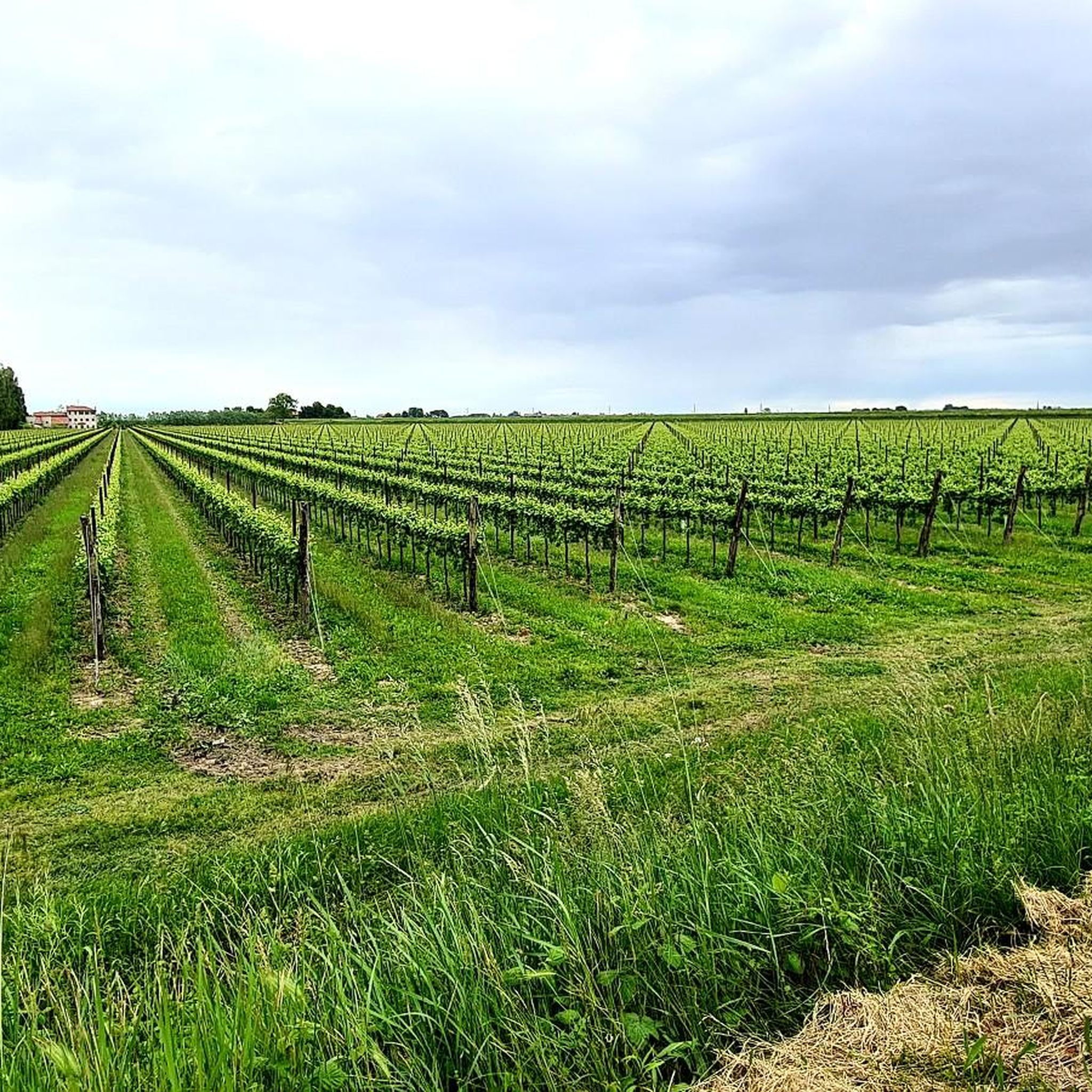
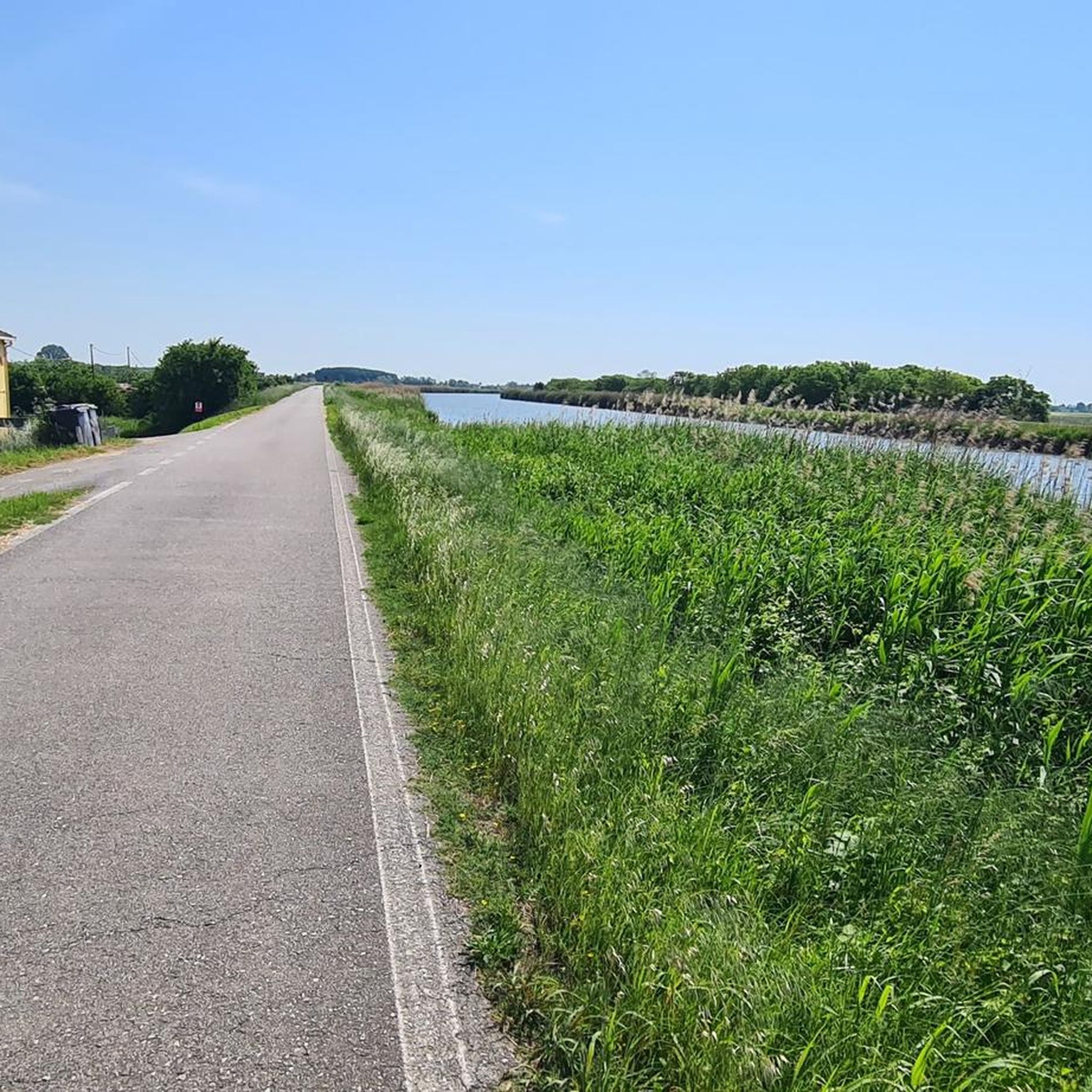
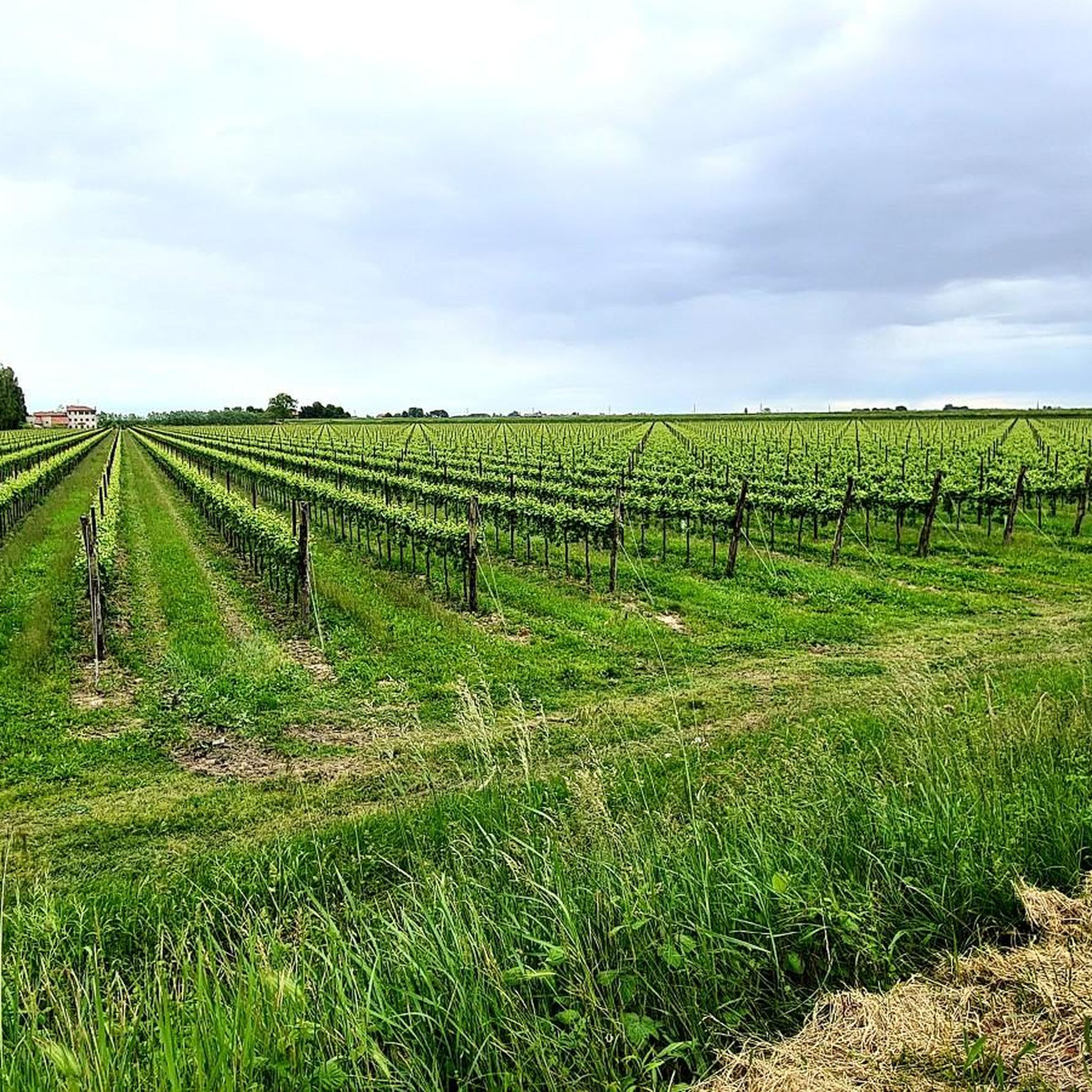
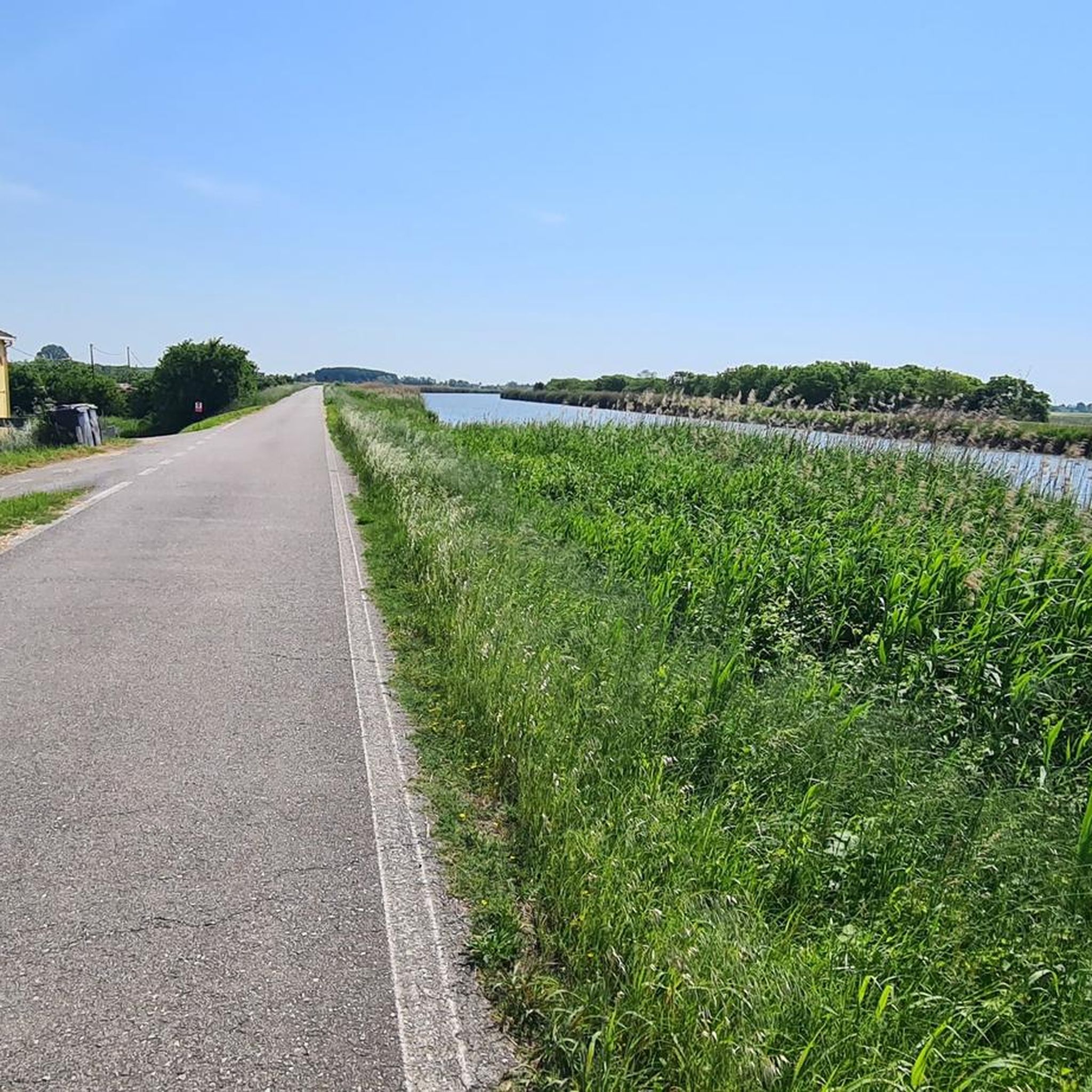
Road cycling routes around Torre Di Mosto are characterized by the predominantly flat terrain of the Venetian plain, making them accessible for various skill levels. The region features tranquil waterways, including the Livenza River and its winding canals, which provide scenic backdrops for rides. Cyclists can explore numerous routes along quiet roads and paved surfaces, often tracing historic paths like the Piave Vecchia Cycle Path. The landscape offers consistent, low-elevation cycling with minimal climbs.
Best road cycling routes around Torre…
Last updated: July 5, 2026
4.3
(21)
333
riders
Moderate road ride. Good fitness required. Mostly well-paved surfaces and easy to ride.
4.3
(3)
82
riders
Moderate road ride. Good fitness required. Mostly well-paved surfaces and easy to ride.

Sign up for free
22
riders
75.9km
02:53
100m
100m
Moderate road ride. Good fitness required. Mostly well-paved surfaces and easy to ride.
21
riders
Easy road ride. Great for any fitness level. Mostly well-paved surfaces and easy to ride.
18
riders
Moderate road ride. Good fitness required. Some segments of this route may be unpaved and difficult to ride.
Get access to more routes and recommendations from other explorers.
Sign up for free
Already have an account?
Our route recommendations are based on thousands of hikes, rides, and runs completed by other people on komoot.
Start today with a free account
Your next adventure awaits.
Login or Signup

Tips from the Community

The course of the Cavetta Canal which flows into the Piave river.
2
0

The Cortellazzo Bridge, located in the homonymous fishing village in Jesolo, is a characteristic mobile structure that crosses the artificial Cavetta canal, a vital waterway connecting the Sile and Piave rivers. This bridge plays a crucial role for both road traffic in the area and inland navigation, allowing the passage of recreational and commercial vessels. The structure opens exclusively by telephone reservation during dedicated time slots, which differ between the summer and winter seasons, thus ensuring a balance between road and river traffic. Beyond its practical function, the bridge represents a historical symbol of Cortellazzo's identity, linked to the tradition of fishermen and the historical land reclamation works of the Veneto region.
0
0

At La Salute and from the bridge over the Livenza, there are great views of the Livenza.
0
0
An asphalted side road with very little car traffic. The view of the Livenza is almost permanent and when the Livenza has a calm water flow, there are great opportunities for mirror image photos.
0
0

The Duomo di Santa Maria delle Grazie (also commonly called the cathedral) is the main church and the historical symbol of San Donà di Piave. It is located in the heart of the city center and belongs to the diocese of Treviso. Origins: The first religious structure was built in the second half of the 15th century. The building was later rebuilt in neoclassical style in the 19th century by the Venetian architect Gian Battista Meduna. Destruction: During World War I, being on the Piave front line, the church was completely razed to the ground by bombing. In 1917, the retreating Italian army also blew up the bell tower so as not to leave it as an observation point for the enemy. Rebirth: The current building was reconstructed between 1919 and 1923 based on a design by architect Giuseppe Torres. It was solemnly consecrated on September 19, 1925, by the Bishop of Treviso. Style: Torres decided to maintain the strong neoclassical imprint of the previous 19th-century structure, explicitly drawing inspiration from the famous Church of the Redeemer in Venice. It features a single, large central nave topped by a solemn barrel vault. Six communicating chapels open up on the sides. Behind the main altar, precious Carrara marble sculptures stand out. The bell tower: At its top stands a bronze statue of an angel with a sword. The current one replaces the original statue by Torres, which was destroyed by lightning in 1966.
1
0
The Ponte di Tezze, which connects the banks of the Livenza river between the provinces of Treviso and Pordenone, represents a fundamental infrastructure for local mobility and history. The current structure, characterized by spans that elegantly reflect on the river's waters, stands at a historically strategic point for trade and movement between the Veneto and Friuli regions. The surrounding area is of considerable landscape value: the banks of the Livenza here offer suggestive natural views, with lush vegetation that changes color with the seasons. The bridge is not just a functional link, but a privileged viewpoint for admiring the slow flow of the river, a symbol of a territory that has managed to integrate modern development with the protection of the river environment.
2
0
The historic center of San Stino di Livenza develops along the banks of the homonymous river, an element that has shaped its identity and economy over the centuries. The heart of the town is dominated by the bulk of the Castello di Passo di Torre, an ancient defensive structure that testifies to the strategic importance of the area as a crossing point between land and water. Strolling through the central streets, you will encounter the Parish Church of Santo Stefano Protomartire, which houses valuable works. The pedestrian area and the squares offer a typical glimpse of the Venetian mainland villages, where civil architecture blends with the riverine nature, creating a serene atmosphere that invites the discovery of local traditions and the history of the eastern Veneto territory.
2
0

“Flumen Liquentia ex montibus Opiterginis…” among the rivers mentioned by Pliny is the Livenza, in the feminine form. Almost always, however, in current language it is used as if it were masculine, due to the appellation “river” that precedes it. Regarding the origin of its name, there are two versions: some derive it from livens, from the verb livere (to be livid in color); others from liquens, from the verb liqui (to be liquid, to melt). By the ancients it was always called Liquentia and this is also because its waters teem, clear, cold and silent at the foot of the mountain above the pebbles, as if these and those were liquefying. Sacile's peculiar river is certainly one of the most beautiful waterways encountered in the plains of northern Italy. A means of communication, the ultimate defense of the nascent Veneto Domain, a source of life for its water flow and fish richness, the Livenza has always been cited by Greek and Latin authors.
1
0
Frequently Asked Questions
What is the general terrain like for road cycling around Torre Di Mosto?
The road cycling routes around Torre Di Mosto are primarily characterized by the flat terrain of the Venetian plain. This makes them accessible for various skill levels, with consistent, low-elevation cycling and minimal climbs. You'll find many routes along quiet roads and paved surfaces.
How many road cycling routes are available in the Torre Di Mosto area?
There are over 290 road cycling routes available around Torre Di Mosto, offering a wide variety of options for cyclists. These include 118 easy routes, 167 moderate routes, and a few more challenging options.
What are some notable natural features or landmarks I can see along the road cycling routes?
Many routes follow the tranquil Livenza River and its winding canals, offering scenic backdrops. You might also encounter interesting bridges such as the Cortellazzo Boat Bridge and Ponte delle Bilance. The Piave Vecchia Cycle Path is another significant natural feature tracing the historic course of the Piave River.
What is the best time of year for road cycling in Torre Di Mosto?
The region is particularly popular for cycling during the months of March and July, suggesting favorable weather conditions for outdoor activities. Generally, spring and early autumn offer pleasant temperatures for exploring the routes.
Are there any family-friendly road cycling routes in Torre Di Mosto?
Yes, due to the predominantly flat terrain, many routes are suitable for families. For example, the Lungo Argine Road – Road Along the Livenza River loop from San Stino di Livenza is an easy 31.4 km route that follows riverine landscapes, perfect for a family outing.
What kind of difficulty levels can I expect on road cycling routes here?
Torre Di Mosto offers a range of difficulty levels. You'll find a significant number of easy routes, such as the Ponte delle Bilance – Termine Pumping Station loop from Torre di Mosto (44.7 km), which is ideal for a relaxed ride. There are also many moderate routes, like the Tezze Bridge over the Livenza River – Vittoria Canal in Cessalto loop from San Stino di Livenza (65.4 km), and a few more challenging options for experienced cyclists.
What do other road cyclists say about their experience in Torre Di Mosto?
The road cycling routes in Torre Di Mosto are highly rated by the komoot community, with an average score of 4.4 stars from over 200 reviews. Cyclists often praise the tranquil waterways, flat agricultural landscapes, and well-paved surfaces that make for an enjoyable ride.
Can I combine road cycling with other activities or visit nearby cities?
Absolutely. Torre Di Mosto's strategic location allows easy access to the beaches of the Adriatic coast. You can also combine cycling with cultural explorations in renowned art cities like Venice and Treviso, which are within reach for a broader experience.
Are there any specific cycle paths or routes that are particularly scenic?
Yes, the Piave Vecchia Cycle Path is a notable feature, tracing the historic course of the Piave River and offering a scenic experience. Routes along the Livenza River, such as the Road Along the Livenza River – Lungo Argine Road loop from Torre di Mosto, also provide beautiful views of the region's aquatic scenery.
Where can I find more information about the Torre Di Mosto region?
For additional information about the region, including local attractions and services, you can visit the official tourism website for Venezia Orientale: visitveneziaorientale.com.
Are there any circular road cycling routes available?
Yes, many of the routes around Torre Di Mosto are designed as loops, allowing you to start and end in the same location. Examples include the Ponte delle Bilance – Termine Pumping Station loop from Torre di Mosto and the Cortellazzo Bridge – Caposile Pontoon Bridge loop from San Stino di Livenza.
Most popular routes around Torre Di Mosto
Most popular attractions around Torre Di Mosto

Get inspired with the komoot mobile app


Explore more
Browse the best Road cycling routes in other regions.
