The best walks and hikes around Meolo
4.3
(401)
3,004
hikers
228
hikes
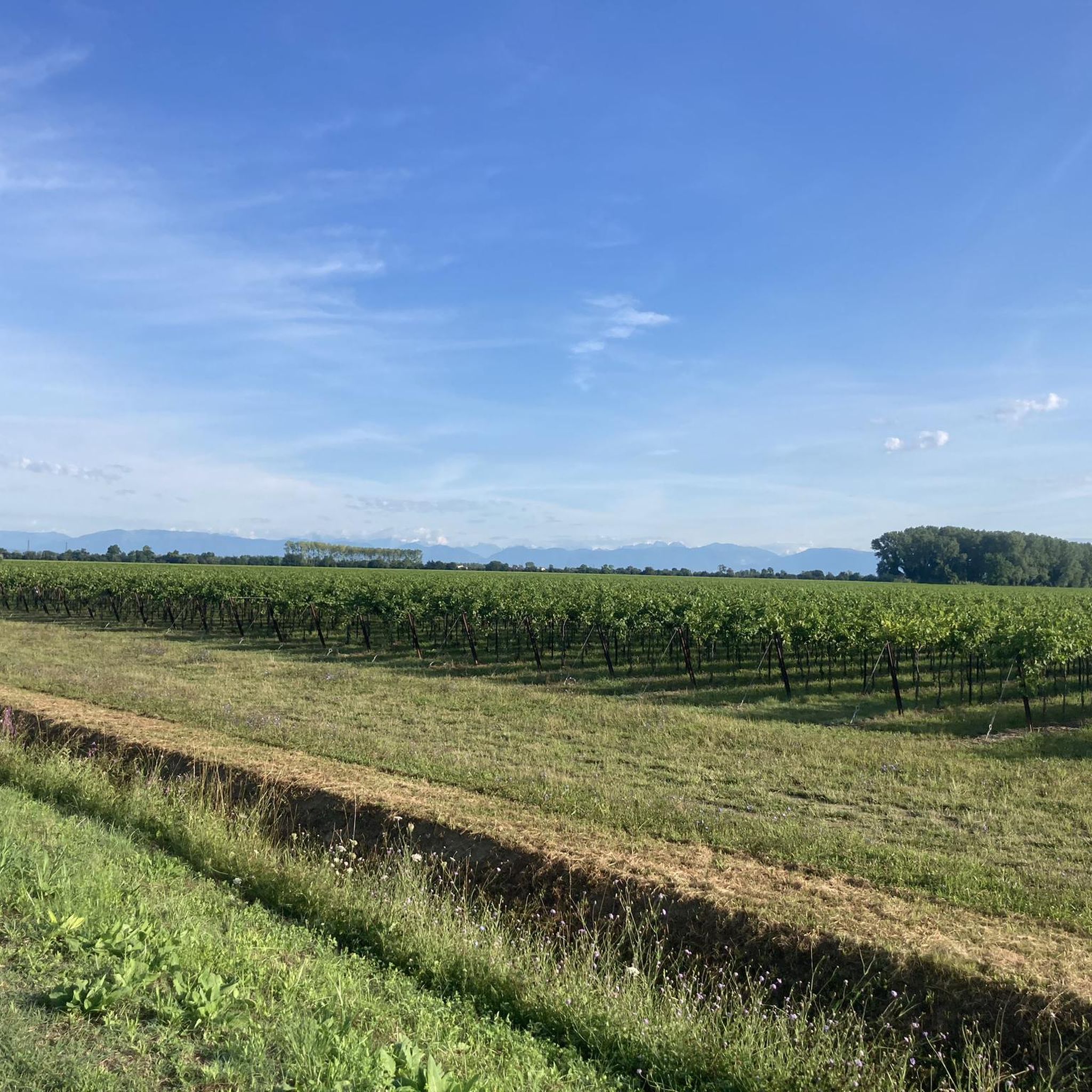
Hiking trails around Meolo are characterized by a predominantly flat landscape, shaped by the Piave River and its associated waterways. The region features a network of paths that often follow riverbanks, canals, and offer views of the surrounding lagoon areas. Elevations are minimal, making most routes accessible for various fitness levels.
Best hiking trails around Meolo
- The most popular hiking route is Caposile Boat Bridge – View of the Barena Lagoon loop from Portegrandi, a 12.6 miles (20.2 km)…
Last updated: October 7, 2026
5.0
(8)
11
hikers
9.09km
02:17
10m
10m
Moderate hike. Good fitness required. Easily-accessible paths. Suitable for all skill levels.
8
hikers
4.90km
01:14
10m
10m
Easy hike. Great for any fitness level. Easily-accessible paths. Suitable for all skill levels.

8
hikers
4.82km
01:13
10m
10m
Easy hike. Great for any fitness level. Easily-accessible paths. Suitable for all skill levels.
7
hikers
Moderate hike. Good fitness required. Easily-accessible paths. Suitable for all skill levels.
5.0
(3)
8
hikers
7.01km
01:46
10m
10m
Easy hike. Great for any fitness level. Easily-accessible paths. Suitable for all skill levels.
Get access to more routes and recommendations from other explorers.
Already have an account?
Our route recommendations are based on thousands of hikes, rides, and runs completed by other people on komoot.
Start today with a free account
Your next adventure awaits.

Other adventures around Meolo

Tips from the Community

Bridge on Via Della Chiesa over the Vallio river.
7
0
The Vallio is a picturesque resurgence river in the Veneto plain, about 24 kilometers long. It flows between the provinces of Treviso and Venice, offering a unique combination of natural beauty and ingenious historical hydraulic works.
7
0
Main square of the municipality of Fossalta di Piave and seat of the municipality.
1
0

La Contrada Martellia is one of the historic territorial subdivisions of Meolo, deeply linked to the hamlet of Marteggia. Its name has its roots in the area's Roman past, probably deriving from the Latin term Martel(l)ia, and has a Roman chariot as its identifying symbol, testifying to the passage of the ancient Via Annia through this sector of the territory. An integral part of the municipality's social life, the contrada is a protagonist in the famous Palio di Meolo, where it competes against other local entities (Albarato, Ca’ Cappello, Ca’ Corner, Candeara, and Palumbo) in sporting and scenic competitions. The link with Marteggia defines its identity: an area characterized by reclaimed rural landscape and important historical traces, such as stone artifacts embedded in the parish church. Being part of Martellia means cherishing a sense of belonging that unites the memory of ancient Roman roots with the vibrancy of contemporary community traditions.
1
0
Some images of the characteristic Martellia district, in the municipality of Meolo. During the month of May, the Palio delle Contrade takes place here.
23
0
A stretch of the Vallio river near Marteggia, a small hamlet in the municipality of Meolo.
13
0

After having collected the waters of the Meolo a little further north, they forced it to cross the Fossetta and then the waters of the Sile cut at Portegrandi, to go and throw its waters into the Siletto Canal and then into the Silone Canal near Altino to reach the lagoon and from there, perhaps, the sea... how hard life is for a river in the reclaimed lands!
2
0
The monument to the “Sassari” Brigade, placed in Losson della battle in 2008 by the F.A.S.I. (Federation of Sardinian Associations in Italy) and by 131 Municipalities of Sardinia, is dedicated to the fallen of the Battle of the Solstice fought during the First World War, in June 1918, along the Piave river. The work is due to the architect Franco Niffoi and the artist Albino De Martis: «The monument, commissioned by the F.A.S.I., has the shape of a sort of nuraghe stylized in geometric shapes and was created with stones from Sardinia: granites, trachytes , basalts, porphyries and sandstones. All around the gravestones remember the name and country of origin of the fallen, 138 "Sassarini" boys of '99, whose identity was reconstructed by Lieutenant Antonio Pinna, historical consultant of Sassari".
22
0
Frequently Asked Questions
How many hiking trails are available around Meolo?
There are over 170 hiking routes around Meolo, offering a wide variety of options for different preferences and skill levels. The region's flat landscape, shaped by the Piave River and its waterways, makes most routes accessible.
Are there easy hikes suitable for beginners in Meolo?
Yes, Meolo offers nearly 100 easy hiking routes perfect for beginners. An excellent option is the Conca di Portegrandi Marina – Conca di Portegrandi loop from Portegrandi, a 3.9-mile (6.3 km) trail that takes about 1 hour 35 minutes to complete.
What kind of terrain can I expect on hikes around Meolo?
The terrain around Meolo is predominantly flat, characterized by paths along riverbanks, canals, and through agricultural areas. You'll often find extensive views of the surrounding lagoon areas, with minimal elevation changes, making for generally easy walking.
Are there any circular hiking routes in the Meolo area?
Yes, many routes around Meolo are circular, allowing you to start and end at the same point. A popular choice is the Ponte della Vittoria – Piave River loop from Fossalta di Piave, a moderate 6.4-mile (10.3 km) path offering scenic riverside views.
What are some interesting sights or landmarks to see while hiking near Meolo?
The region offers several points of interest. You can explore the Old River Port of Noventa di Piave, or discover natural monuments like the Majestic Black Poplar. For panoramic views, consider visiting the Observation Tower on the Venice Lagoon.
Is Meolo a good destination for family-friendly hikes?
Absolutely. The flat and accessible nature of most trails around Meolo makes them ideal for families with children. Many routes follow quiet river paths and offer gentle walks without significant climbs.
Can I bring my dog on the hiking trails in Meolo?
Yes, the flat river paths and open landscapes around Meolo are generally very suitable for dog walking. Always ensure your dog is under control, and check local regulations for specific areas, especially near nature reserves or agricultural land.
What is the best time of year to go hiking in Meolo?
Spring and autumn are generally the best times for hiking in Meolo, offering pleasant temperatures and beautiful scenery. Summer can be warm, so early mornings or late afternoons are recommended. Winter hiking is also possible due to the flat terrain, though paths can be damp.
Are there viewpoints or scenic spots along the trails?
Many trails offer scenic views, particularly those along the Piave River and near the lagoon areas. The Caposile Boat Bridge – View of the Barena Lagoon loop from Portegrandi, for example, provides extensive views of the Barena Lagoon.
How long do hikes around Meolo typically take?
Hike durations vary significantly. Shorter, easy routes like the Conca di Portegrandi Marina loop can be completed in under 2 hours. Longer, more challenging routes, such as the Caposile Boat Bridge – View of the Barena Lagoon loop, can take over 5 hours.
What do other hikers say about the trails in Meolo?
The trails in Meolo are highly rated by the komoot community, with an average score of 4.2 stars from over 250 reviews. Hikers often praise the peaceful river paths, the unique lagoon views, and the accessibility of the routes for all fitness levels.
Are there any specific trails that offer a unique experience or are considered 'hidden gems'?
While many trails offer a serene experience, the routes along the Sile River, such as those near the Along the Sile highlight, provide a tranquil escape through lush riverine landscapes, often feeling like a hidden gem away from busier areas.
Is parking generally available near trailheads in Meolo?
In most towns and villages around Meolo, you will find public parking options that are convenient for accessing nearby trailheads. It's always advisable to check specific route details on komoot for information on designated parking areas.
Most popular attractions around Meolo

Get inspired with the komoot mobile app


Explore more
Browse the best Hikes in other regions.
