Attractions and Places To See around Pramaggiore - Top 20
Best attractions and places to see around Pramaggiore, a town in the Veneto region of Italy, offer a blend of history, culture, and countryside. Its origins trace back to the Roman Empire, with significant development as part of the Venetian Republic from the 10th century. The area features historical landmarks, cultural sites, and picturesque natural landscapes, including vineyards and olive groves.
Best attractions and places to see around Pramaggiore
- The most popular attractions is Gate of Sesto al Reghena,…
Last updated: June 22, 2026
Gate of Sesto al Reghena
Highlight • Monument
it.m.wikipedia.org/wiki/Sesto_al_Reghena
Translated by Google •
Tip by

Historic Center of Portogruaro
Highlight • Historical Site
Translated by Google •
Tip by
Sign up now to discover places like this
Get recommendations on the best single tracks, peaks, & plenty of other exciting outdoor places.
Sign up for free
The Belfiore Mill
Highlight • Monument
Translated by Google •
Tip by
Cycle-pedestrian bridge over the Livenza River
Highlight • Bridge
Translated by Google •
Tip by
Palù del Bandiziol
Highlight • Lake
Showing Translation
Tip by
Sign up for free to discover even more attractions around Pramaggiore.
Sign up for free
Already have an account?
Start today with a free account
Your next adventure awaits.
Login or Signup

Tips from the Community

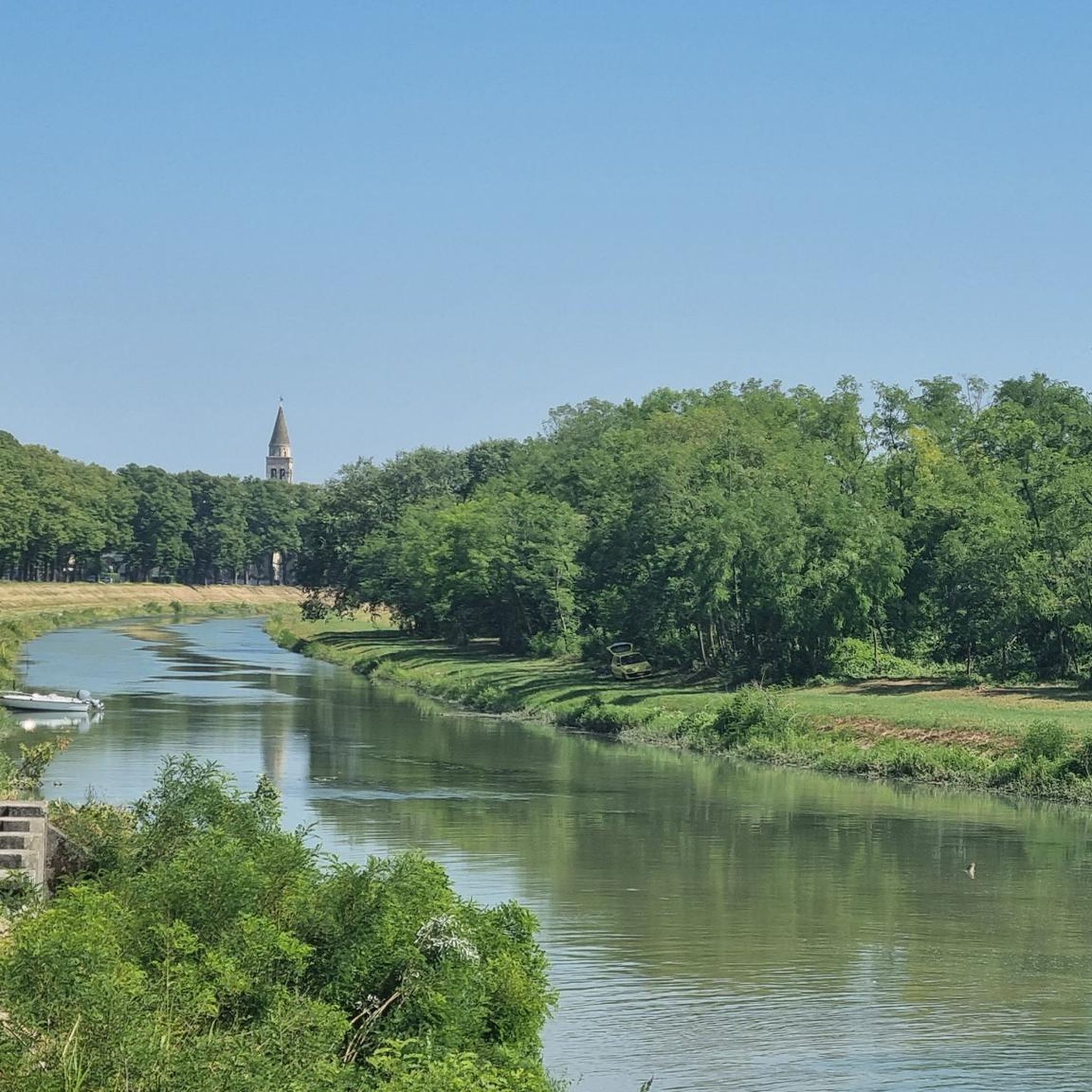
The historic center of Portogruaro, defined as the "little Venice of the mainland", develops elegantly along the banks of the Lemene river. The beating heart is Piazza della Repubblica, where the characteristic pillars of the Gothic brick Town Hall and the unusual leaning bell tower of the Cathedral of Sant'Andrea stand out. Strolling under the long medieval and Renaissance arcades, you can admire frescoed palaces in Venetian style that testify to the city's glorious commercial past. One of the most evocative views is offered by the Mulini di Sant'Andrea, located right in the city center, where the water wheels still turn above waters populated by swans. Here, wrought iron bridges and weeping willows create a romantic atmosphere that harmoniously combines monumental architecture with river vitality.
1
0
The Belfiore Mill is located near Pramaggiore. Situated along the Loncon river, it is a valuable example of milling architecture dating back to the 15th century, perfectly preserved and set within the charming park of Villa Dalla Pasqua. Formerly the heart of the local grain economy under the jurisdiction of the lords of Fratina and later the Grimani family, the mill remained active until the 1940s. Today, it houses an important Ethnographic Museum, where you can admire the original millstones and hydraulic gears, as well as a collection of agricultural tools and furnishings that tell the story of past rural life. It is a symbolic place of Eastern Veneto, often hosting cultural events and concerts.
1
0
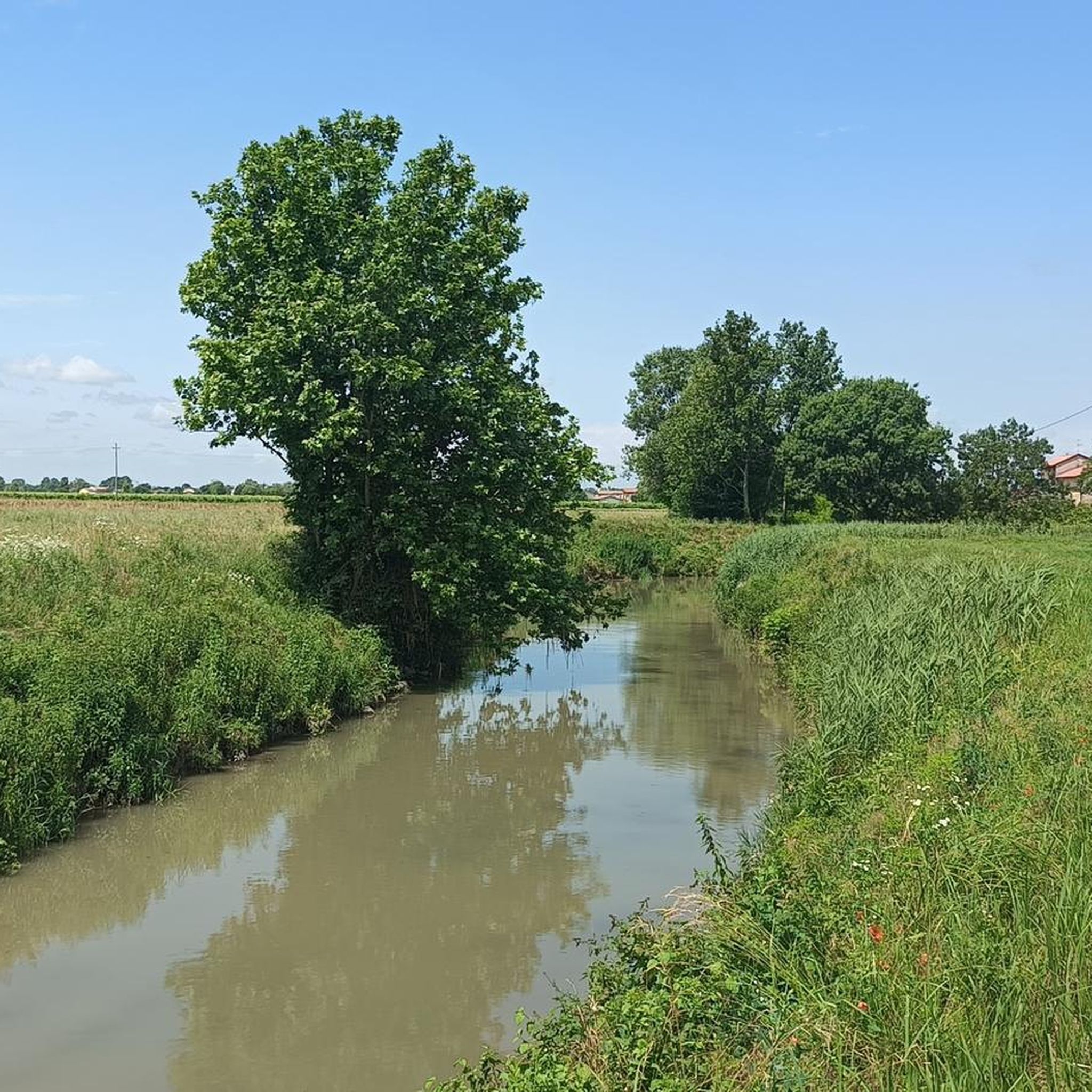
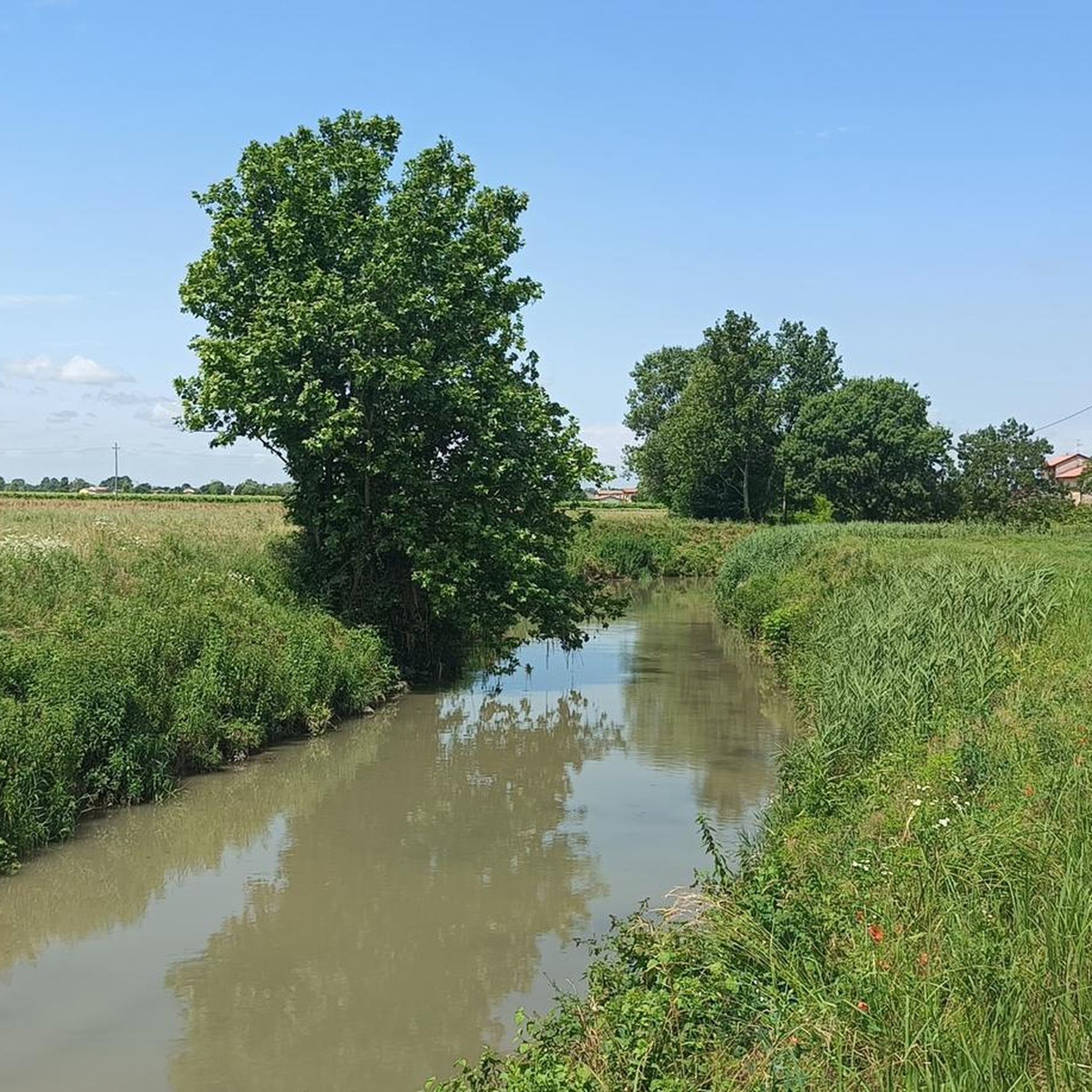
The cycle-pedestrian bridge over the Livenza river is a modern infrastructural work that serves as a vital link for sustainable mobility in Motta di Livenza. Characterized by a functional and lightweight design, the bridge allows pedestrians and cyclists to cross the waterway in complete safety, strategically connecting different areas of the urban center and facilitating access to the surrounding natural paths. In addition to its practical utility, the structure offers an unprecedented panoramic view of the river, allowing for close observation of the riparian flora and fauna. It has become a mandatory passage point for those who wish to explore the territory at a slow pace, integrating harmoniously into the river landscape and promoting an active lifestyle in close contact with the environment.
0
0

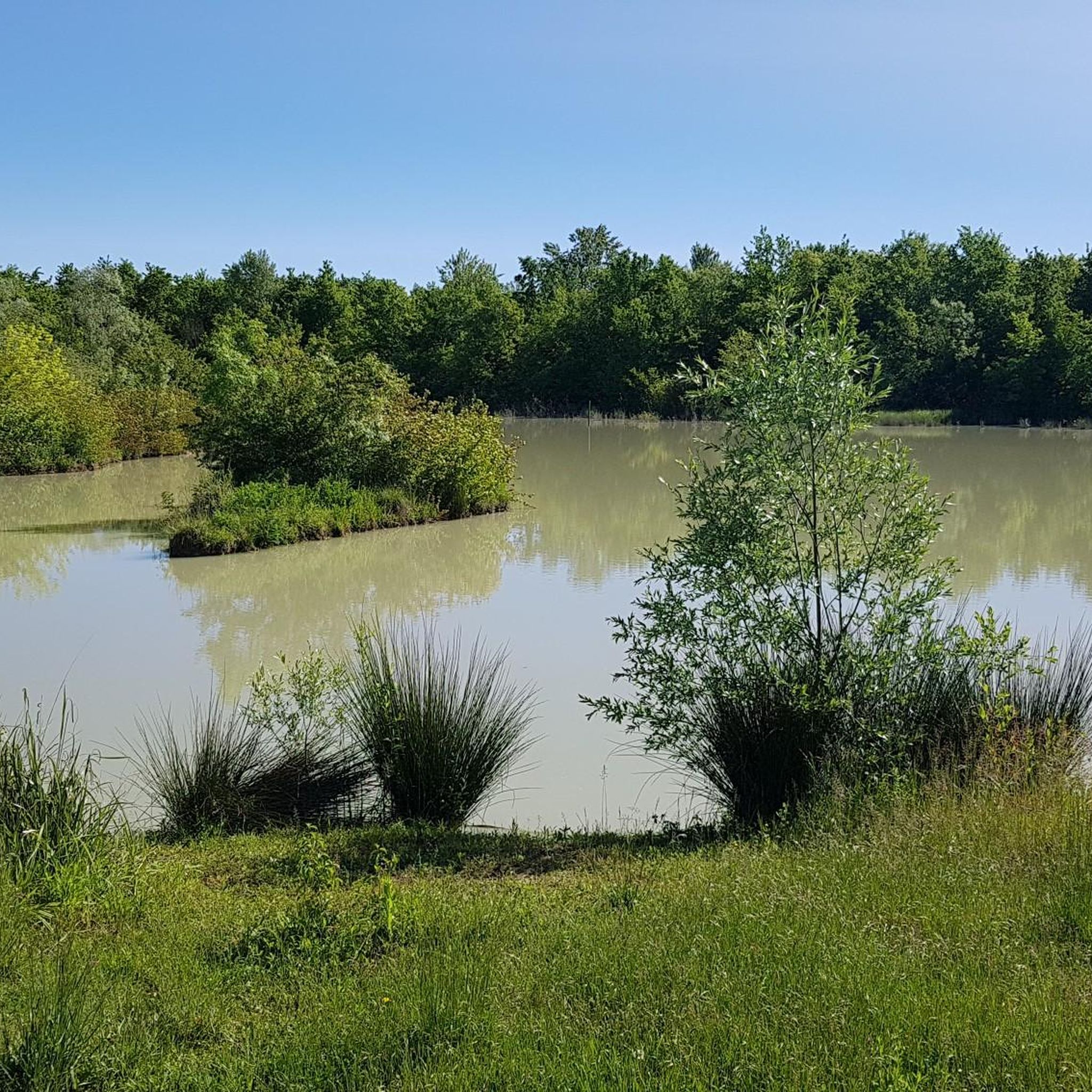
The Sanstino territory was characterized in its southern part by large lagoons and marshes until a few decades ago. Until the first half of the 20th century, these environments proved very harmful to humans, in various aspects, as they were a source of diseases, such as malaria, and were not sufficiently productive. Thus, with major land reclamation works, the land was taken from the water to make it cultivable and to obtain products that allowed many families to live. However, the lagoons were also a huge reservoir of biodiversity with many species of animals and plants that were largely destroyed during the land reclamation operations. It is also for this reason that, within the project for the historical reconstruction of the Bandiziol and Prassaccon woods, it was desired to leave a further mark of what the territory and landscape of S. Stino once were, by creating a wetland area, partly similar to the numerous wetlands once present even within the woods, called "bassone". This intervention is not only an operation of "philological" recovery of the pre-reclamation hydraulic system but, above all, presents a significant environmental value as it reconstructs the natural habitat of various bird species. The small lake is located in the eastern part of the Bosco di Bandiziol, covers an area of approximately 10,000 sq m and has a rounded shape with small islands within it. To better reproduce different lake habitats, the small lake has varying depths, from a few centimeters to over 2 meters, thus offering many bird species the opportunity to find a suitable environment to stay. In fact, in the shallower waters and marginal areas, it is possible to see herons, egrets, plovers, mallards, and other surface ducks. In the rest of the lake, there are divers, cormorants, and diving ducks that find food in open water or on deep bottoms. The islands and the winding perimeter shapes were created specifically to allow the avifauna to hide and find refuge, so that it can be disturbed as little as possible by human presence. In fact, the conformation of the banks and the vegetation (reeds, herbaceous and shrubby vegetation) offer all the necessary environments for the rest, feeding, and nesting of birds.
11
0

Nice cycle bridge in Motta di Livenza.
0
0

The mill now houses a museum spread over three floors, featuring material evidence and information panels where visitors can learn more about the milling process and the activities related to cereal cultivation.
1
0
The Belfiore mill was active as early as 1479, but it likely existed for a couple of centuries before that. At its peak, it had five vertical paddle wheels that powered the millstones on the ground floor, while the upper floors of the building housed the millers' families.
1
0
Of the many mills that once existed along the Loncon River, the Belfiore mill is the only one to have retained its original features. The surviving documents date back to the second half of the 1400s, but it is very likely that the original structure predates by at least two centuries. Ownership changed hands over the centuries, until it came into the hands of the Della Pasqua family in 1800. It is currently owned by the Municipality of Pramaggiore. While the modern blades are visible on the outside, inside a beautiful ethnographic museum has been set up, housing both the ancient millstones and the gears of a milling system, as well as some testimonies of rural civilization, from agricultural tools to some everyday objects and furnishings. FAI
13
0
Frequently Asked Questions
What historical sites can I explore in Pramaggiore?
Pramaggiore boasts a rich history with several notable sites. You can visit the medieval Pramaggiore Castle, known for its majestic appearance and local legends. The 13th-century Church of San Martino is a significant religious monument with a bell tower offering scenic views. Additionally, the historic Gate of Sesto al Reghena, an entrance to a historic village with a fortified abbey, and the San Giovanni Archway, a 12th-century gate, are also worth exploring.
Are there any significant religious buildings to visit in the area?
Yes, Pramaggiore and its surroundings feature several important religious buildings. The 13th-century Church of San Martino is a prominent example. You can also visit the Church of Sant'Anastasio (Cessalto), which has a history dating back to 1510 and was rebuilt in 1949 with Romanesque-style elements. Another beautiful structure is the Church of Santa Maria Assunta of Blessaglia, a late Romanesque style building from the 1600s, known for its colorful frescoes.
What cultural experiences does Pramaggiore offer?
For a glimpse into local culture and history, visit the Ethnographic Museum and Mulino di Belfiore (Belfiore Mill). This historic water mill, dating back to at least the 13th century, now houses ancient millstones, gears from a milling plant, and exhibits of peasant civilization, including agricultural tools and everyday objects. The Belfiore Mill is renowned for its architecture and medieval history.
What natural features can I see around Pramaggiore?
Pramaggiore is celebrated for its picturesque natural features, particularly its extensive vineyards and beautiful olive groves. The favorable climate and soil create ideal conditions for growing excellent wines and producing high-quality olive oils. These landscapes offer stunning scenic beauty, attracting photographers and painters, and contribute significantly to the region's biodiversity and rural environmental sustainability.
Are there opportunities for cycling around Pramaggiore?
Absolutely! Pramaggiore offers various cycling opportunities. You can find numerous routes for both road cycling and touring bicycles. For example, explore routes like the 'Portogruaro’s historic canals' or the 'Lison Pumping Station' for road cycling. For touring, consider routes such as 'The Belfiore Mill – Entrance to Bosco Bandiziol loop'. You can find detailed guides for these and more at Road Cycling Routes around Pramaggiore and Cycling around Pramaggiore.
Can I go running near Pramaggiore's attractions?
Yes, there are several running trails available near Pramaggiore. You can find routes suitable for various distances and difficulties. Examples include a 'Running loop from Pramaggiore' or longer trails like the 'Laghetto Doris (Privato) loop from Annone Veneto'. For more options and detailed information, check out the Running Trails around Pramaggiore guide.
Are there family-friendly attractions in Pramaggiore?
Many attractions around Pramaggiore are suitable for families. The Belfiore Mill, with its ethnographic museum, offers an educational and engaging experience for all ages. Historical sites like the Gate of Sesto al Reghena and the San Giovanni Archway provide interesting historical context in an accessible setting. The picturesque vineyards and olive groves also offer beautiful spaces for family walks and exploration.
Are any attractions wheelchair accessible?
The San Giovanni Archway is noted as wheelchair accessible, allowing visitors to experience this historical landmark. While not all attractions may be fully accessible, many outdoor areas like the vineyards and olive groves can be enjoyed by individuals with mobility aids, depending on the specific path conditions.
When is the best time of year to visit Pramaggiore's attractions?
Pramaggiore offers charm throughout the year. Spring and autumn are particularly pleasant for exploring historical sites and enjoying outdoor activities like cycling and walking, with milder temperatures and beautiful scenery. The vineyards and olive groves are especially vibrant during these seasons. Summer is also popular, though it can be warmer, while winter offers a quieter, more serene experience, especially for cultural visits.
What do visitors particularly enjoy about the attractions around Pramaggiore?
Visitors to Pramaggiore's attractions appreciate the blend of rich history, cultural depth, and beautiful countryside. The komoot community has shown strong engagement, with over 200 upvotes and more than 200 photos shared across the various highlights. People particularly enjoy the well-preserved historical sites like the fortified abbey at Gate of Sesto al Reghena and the unique experience of the Belfiore Mill, which offers a glimpse into peasant civilization.
Are there any hidden gems or lesser-known spots to discover?
Beyond the main attractions, exploring the rural landscape of Pramaggiore can reveal hidden gems. The ancient olive groves, considered among the most beautiful in Italy, offer serene and picturesque scenes away from typical tourist routes. Wandering through the local villages and along the Loncon river, where the Belfiore Mill is located, can lead to charming discoveries and a deeper appreciation of the region's authentic character.
Most popular routes around Pramaggiore
Most popular attractions around Pramaggiore

Get inspired with the komoot mobile app


Explore more
Still not found the Highlight you’re looking for? See guides of the top attractions in other regions:
