The best MTB trails around Pontelongo
4.3
(214)
1,262
riders
110
rides
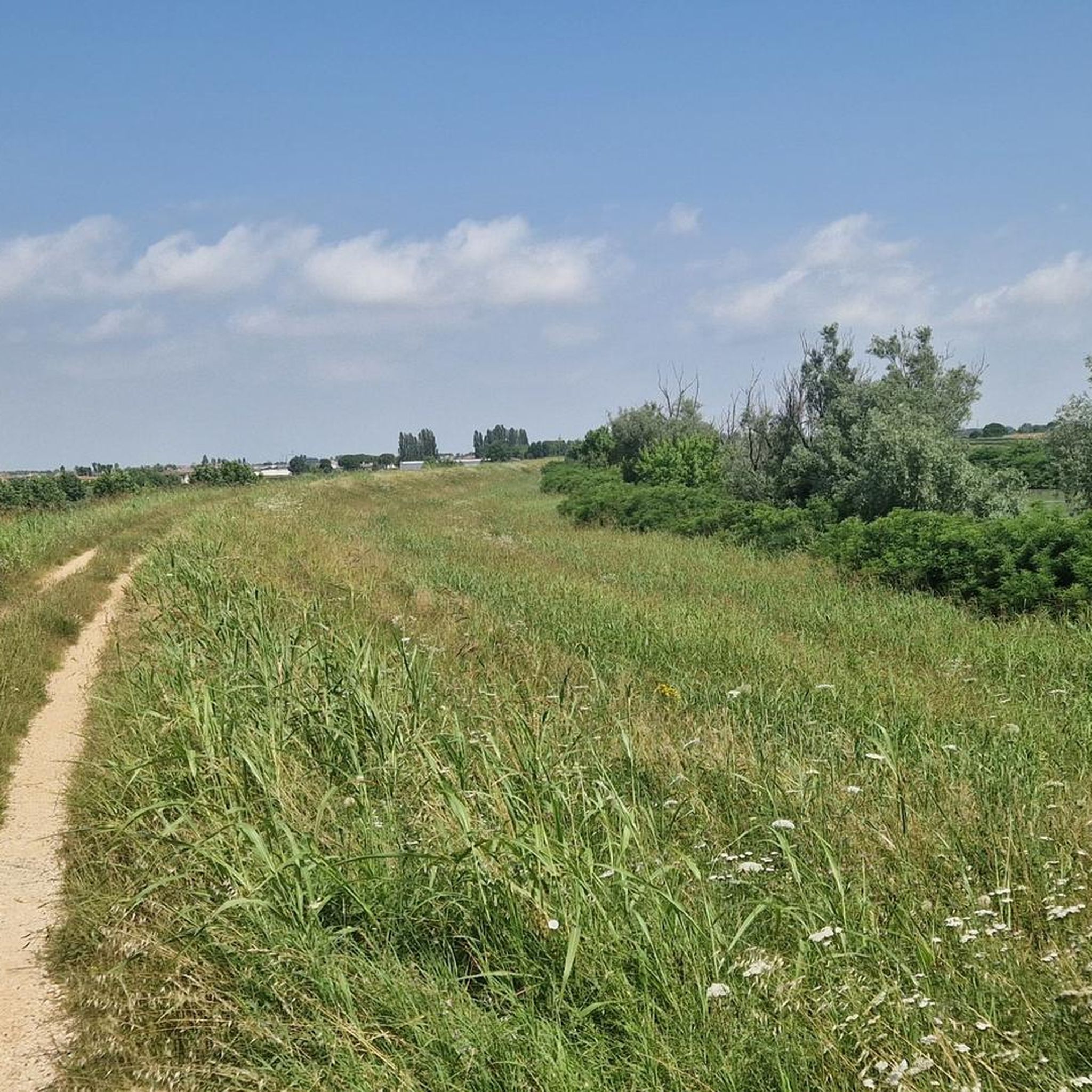
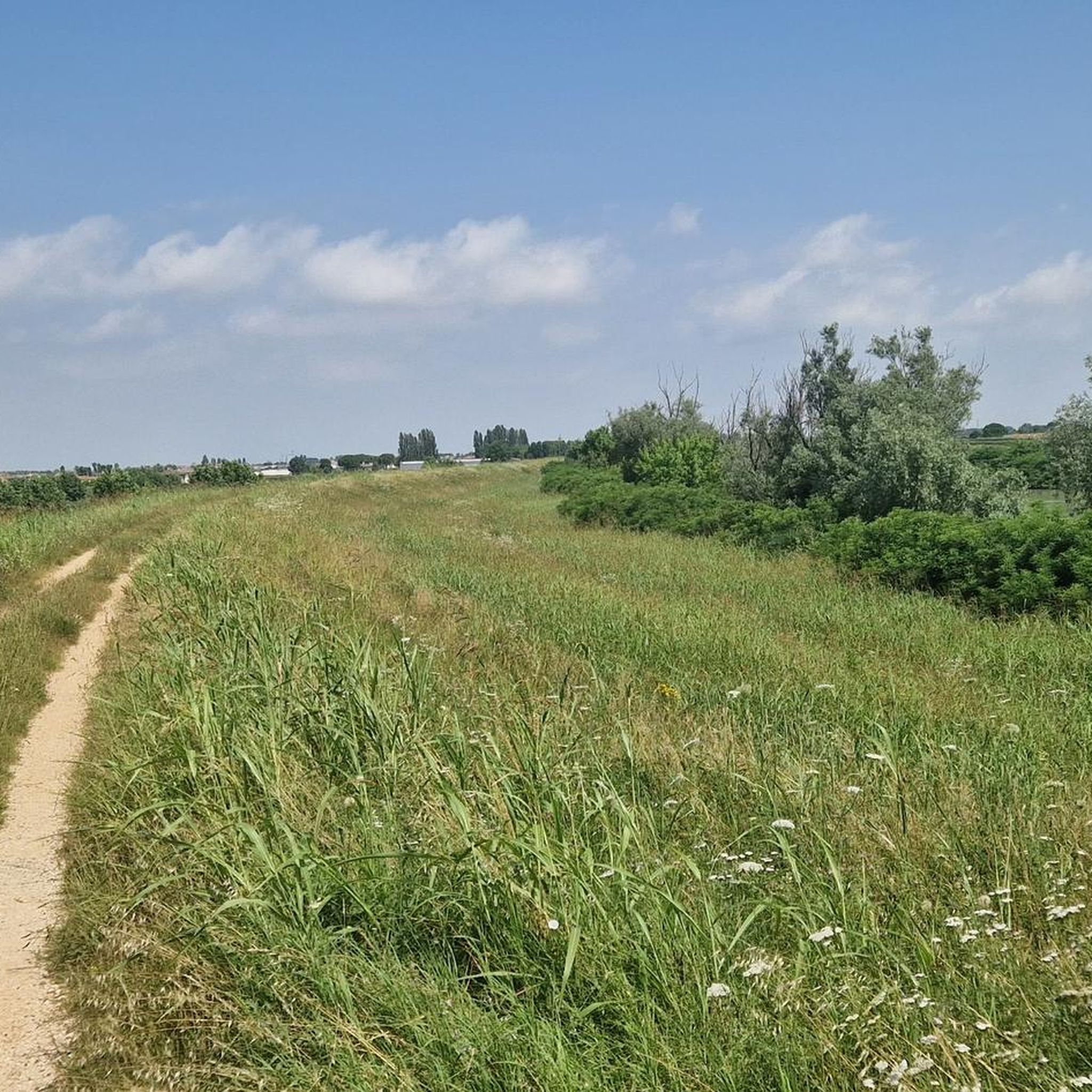
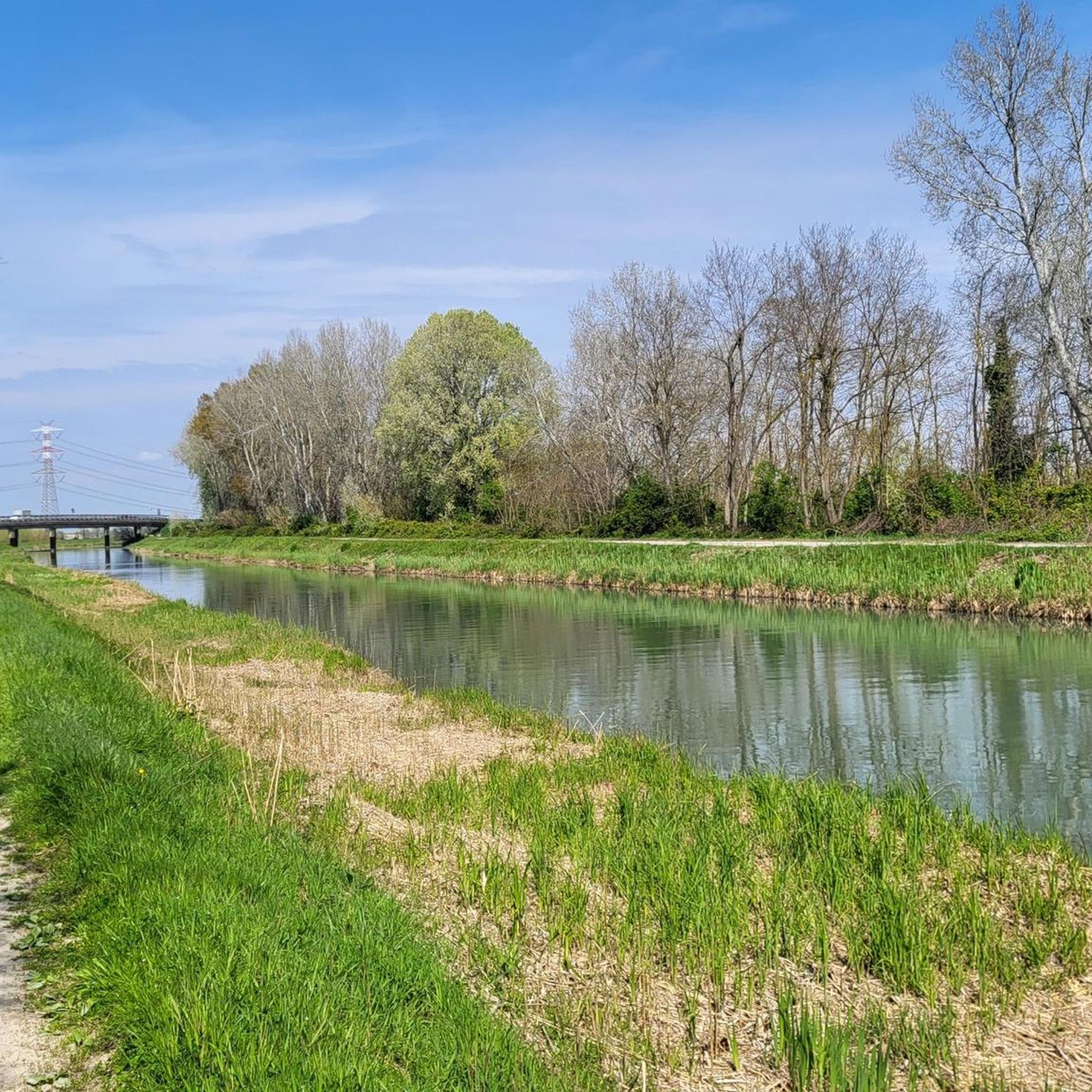
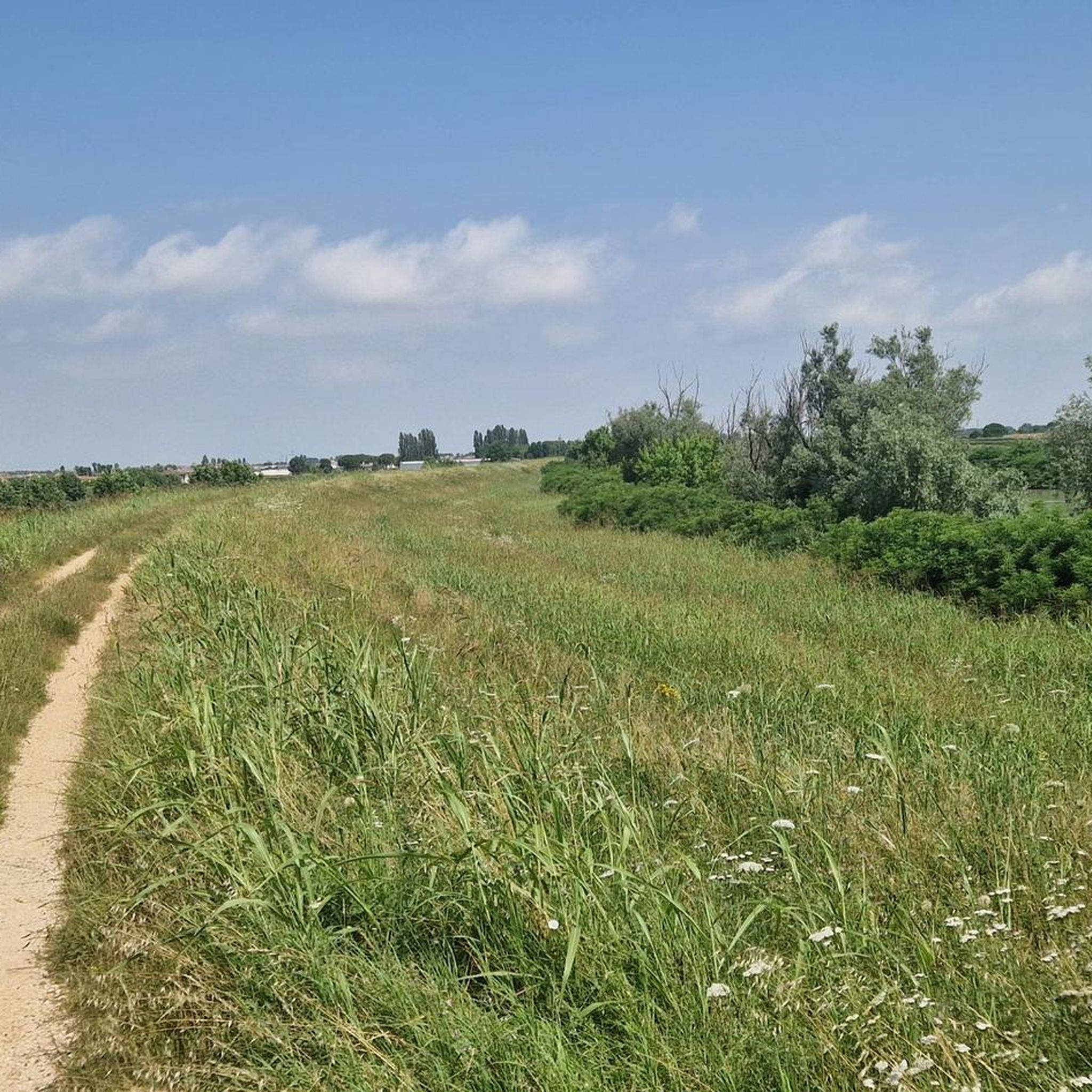
Mountain biking around Pontelongo offers diverse off-road cycling experiences across its flat terrain, characterized by riverbanks, canals, and expansive lagoon areas. The region, part of the Southern Lagoon of Venice UNESCO World Heritage site, features unique natural features like the Millecampi Valley and Boschettona Beach. While not known for steep climbs, the area provides numerous paths suitable for mountain biking and gravel cycling, often following waterways like the Bacchiglione River. The landscape is generally low-lying, with minimal elevation changes, making…
Last updated: August 25, 2026
4.8
(25)
142
riders
Moderate mountain bike ride. Good fitness required. Advanced riding skills necessary.
4.1
(15)
110
riders
Moderate mountain bike ride. Good fitness required. Advanced riding skills necessary.

Sign up for free
4.4
(10)
54
riders
51.2km
03:06
50m
50m
Moderate mountain bike ride. Good fitness required. Advanced riding skills necessary.
3.2
(5)
30
riders
75.5km
05:01
570m
570m
Hard mountain bike ride. Very good fitness required. Advanced riding skills necessary.
5.0
(4)
29
riders
33.4km
02:02
30m
30m
Moderate mountain bike ride. Good fitness required. Suitable for all skill levels.
Get access to more routes and recommendations from other explorers.
Sign up for free
Already have an account?
Our route recommendations are based on thousands of hikes, rides, and runs completed by other people on komoot.
Start today with a free account
Your next adventure awaits.
Login or Signup

Tips from the Community

Very evocative lagoon area.
0
0

The Church of San Giacomo Apostolo is one of the most important and majestic sacred buildings in Chioggia, located along the very central Corso del Popolo. Rebuilt in the first half of the eighteenth century on a pre-existing structure, the church strikes with its imposing Baroque facade and its spacious single-nave interior, dominated by a richly frescoed ceiling that narrates the glories of the Saint. Inside, a rich collection of artworks is preserved, including altarpieces by Venetian masters and a revered icon of the Madonna della Navicella, linked to a famous Marian apparition in 1508. This temple is not only an architectural masterpiece but also a fundamental spiritual and historical landmark, capable of recounting the deep popular devotion and the indissoluble bond of the Chioggia community with its maritime roots.
0
0
The Canal Vena is the most picturesque and vital waterway in Chioggia, often described as the city's "Grand Canal". What makes it unique are its nine bridges, each with its own history and appearance, connecting the side foundations and allowing passage between the alleys. The most majestic is undoubtedly the Ponte di Vigo, located at the northern end of the canal, towards the lagoon. Built of marble in 1685, it represents the monumental gateway to the city: with its imposing staircase and elegant decorations, it offers a spectacular view that ranges from the canal to the nearby island of Pellestrina. The other eight bridges, such as the Ponte di San Giacomo or the Ponte Caneva, follow one another along the route, offering postcard-worthy glimpses between moored boats and historic markets. These passages are not just architectural structures, but the beating heart of Chioggia life, where the Venetian atmosphere blends with the authenticity of the fishing village.
0
0

Boschettona Beach—also known as Paduan Beach—is a stretch of lagoon located in the municipality of Codevigo, and is the only stretch of coast still suitable for swimming in the province of Padua.
0
0

Many embankments and roads with little traffic
0
0

Basilica of San Giacomo, Chioggia The Church of San Giacomo was built in 1740 according to the design of the Venetian Pietro Pelle and completed by his nephew Domenico Pelle. The present church, with a single nave, was built on the site of an earlier Romanesque church with three naves supported by low brick columns that had been demolished by decay. It was consecrated in 1790 and became a Basilicata in 1806 after the relic of the Madonna della Navicella was placed within its walls. The church houses numerous works of art. Between 1989 and 1992, it housed the relics of the patron saints Felice and Fortunato and was the site of numerous religious ceremonies during the restoration of the cathedral. Text / Source: Municipality of Chioggia https://www.comune.chioggia.ve.it/vivere-il-comune/luoghi/basilica-di-san-giacomo-chioggia/
15
0
One of the major projects completed during the Fascist era is the Sottomarina Dam, which, together with the Ca' Roman Dam built a few years earlier, completes the mouth of the Port of Chioggia. Construction began in the years following the First World War. Like the Murazzi (sea walls), the dam was constructed of brick and boulders of local Istrian stone and, in addition to finally completing the entrance to the Port of Chioggia, also allowed for a further expansion of the beach. The inauguration, as mentioned, took place in the midst of the Fascist regime on April 28, 1935, in the presence of the Duke of Aosta. The dam was immediately embraced by the local population, especially the residents of Sottomarina, a popular destination for their walks, so much so that many refer to it as "Sailors' Square." Text / Source: Lidi di Chioggia https://www.lididichioggia.it/la-diga-murazzi/
15
0
The Dam and the Walls, Sottomarina The Dam and the Walls The Walls are Istrian stone walls built by the Republic of Venice starting in the late 18th century to protect the inhabited centers of the lagoon from marine erosion. They are divided into three sections: one on the island of Lido, a second on the island of Pellestrina as far as Cà Roman, and a third along the coast of Sottomarina, running from Forte San Felice to the center of Sottomarina at a height of approximately 1200 meters. The famous War of Chioggia led to the complete destruction of Sottomarina, which became an uninhabited area, exposed to the sea without any protection and subject to frequent flooding. Reconstruction, which included the construction of the Walls, did not begin until 1600. The Walls along Via San Felice were more than 5 kilometers long and over 300 meters wide. They were built from square stones, primarily Istrian stone, erected on stilts extending to the Pellestrina coast and, of course, the Sottomarina coast. Initially, given the scale of the project and the lack of adequate equipment, construction seemed impossible, so it took thirty-eight years to complete in 1770. Legend has it that the inscription "Ausu romano, aere veneto" (With Roman boldness, with Venetian money) was already in place. The inscription is still visible when passing by on the Chioggia-Pellestrina vaporetto. The Murazzi ceased to function between the late 19th and early 20th centuries when the receding sea revealed an unexpected beach, thus forming a symbolic dividing line between "old" and "new" Sottomarina. Today, the Murazzi di Sottomarina are located about one kilometer from the sea: this has allowed for a large-scale revival of coastal tourism. The Murazzo now connects the entire Venetian coast, especially the outer islands, like a cordon, leaving only the three bays open, thus preserving the lagoon's waters. Text / Source: Lidi di Chioggia https://www.lididichioggia.it/la-diga-murazzi/
15
0
Frequently Asked Questions
How many mountain bike trails are available around Pontelongo?
There are over 90 mountain bike trails available around Pontelongo, catering to various skill levels. This includes 32 easy routes, 53 moderate routes, and 6 more challenging options.
What kind of terrain can I expect on mountain bike trails in Pontelongo?
Mountain biking in Pontelongo primarily features flat terrain, characterized by scenic riverbanks, canals, and expansive lagoon areas. While not known for steep climbs, the area provides numerous paths suitable for off-road cycling and gravel biking on less challenging surfaces, often following waterways like the Bacchiglione River.
Are there mountain bike trails suitable for beginners or families in Pontelongo?
Yes, Pontelongo offers a good selection of trails suitable for beginners and families. With 32 easy routes and 53 moderate routes, you'll find plenty of options that are generally low-lying with minimal elevation changes, making them accessible for various skill levels. Many routes follow quiet paths along rivers and through natural areas.
Are there any challenging mountain bike routes for experienced riders in Pontelongo?
While the region is generally flat, there are a few more challenging routes for experienced riders. For instance, the Vineyard Road to Monte Fasolo – Mottolone Plateau loop from Pontelongo is a difficult 46.9-mile (75.5 km) trail that offers varied terrain through vineyards and across a plateau, with a significant elevation gain of over 570 meters.
Are there circular mountain bike routes in Pontelongo?
Yes, many of the mountain bike routes in Pontelongo are designed as loops, allowing you to start and finish at the same point. Examples include the Ca' Conti Historical Complex – Battaglia Terme Canal loop from Pontelongo and the View from Pontelongo Bridge – Bovolenta Town Center loop from Pontelongo Fermata.
What interesting natural features or landmarks can I see along the mountain bike trails?
The trails often pass through areas of significant natural and cultural value. You can explore the Millecampi Valley and Casoni della Fogolana, known for its traditional huts and natural beauty within the Southern Lagoon of Venice UNESCO World Heritage site. Some routes also lead towards Boschettona Beach, the sole outlet to the sea in the Province of Padua, or past historical sites like the Corte Benedettina di Correzzola.
Where can I find parking or access trails via public transport in Pontelongo?
Many routes start directly from Pontelongo, implying local parking availability. For public transport access, some routes, like the View from Pontelongo Bridge – Bovolenta Town Center loop, start from 'Pontelongo Fermata', indicating proximity to a public transport stop. It's advisable to check local transport schedules for specific connections.
What is the best time of year to go mountain biking in Pontelongo?
The flat terrain and diverse landscapes of Pontelongo make it suitable for mountain biking for much of the year. Spring and autumn generally offer pleasant temperatures for cycling. While winter riding is possible, be mindful of cooler temperatures and potential for damp conditions, especially along riverbanks and lagoon areas.
Are there any routes that pass by cafes or places to stop for refreshments?
While specific cafes on trails are not detailed, routes that pass through town centers, such as the View from Pontelongo Bridge – Bovolenta Town Center loop, will likely offer opportunities to find cafes, restaurants, or shops for refreshments and breaks.
What do other mountain bikers enjoy the most about mountain biking in Pontelongo?
The mountain bike trails around Pontelongo are highly rated by the komoot community, with an average score of 4.3 stars from nearly 200 reviews. Riders often praise the diverse off-road cycling experiences, the scenic riverbanks and lagoon areas, and the accessibility of routes for various skill levels.
Can I explore historical sites while mountain biking in Pontelongo?
Yes, several routes incorporate historical elements. For example, the Ca' Conti Historical Complex – Battaglia Terme Canal loop from Pontelongo features historical landmarks, and the View of Castello del Catajo – Battaglia Terme Canal loop offers views of the impressive Castello del Catajo.
Are there any routes that explore the unique lagoon environment?
Absolutely. The region is part of the Southern Lagoon of Venice UNESCO World Heritage site. The Cason delle Sacche – Casoni della Fogolana loop from Pontelongo Fermata is an excellent option to experience the unique lagoon environment, including the traditional 'casoni' huts and the naturalistic value of the Millecampi Valley.
Most popular routes around Pontelongo
Most popular attractions around Pontelongo

Get inspired with the komoot mobile app


Explore more
Browse the best MTB trails in other regions.
