The best walks and hikes around Fossalta Di Piave
4.2
(47)
468
hikers
19
hikes
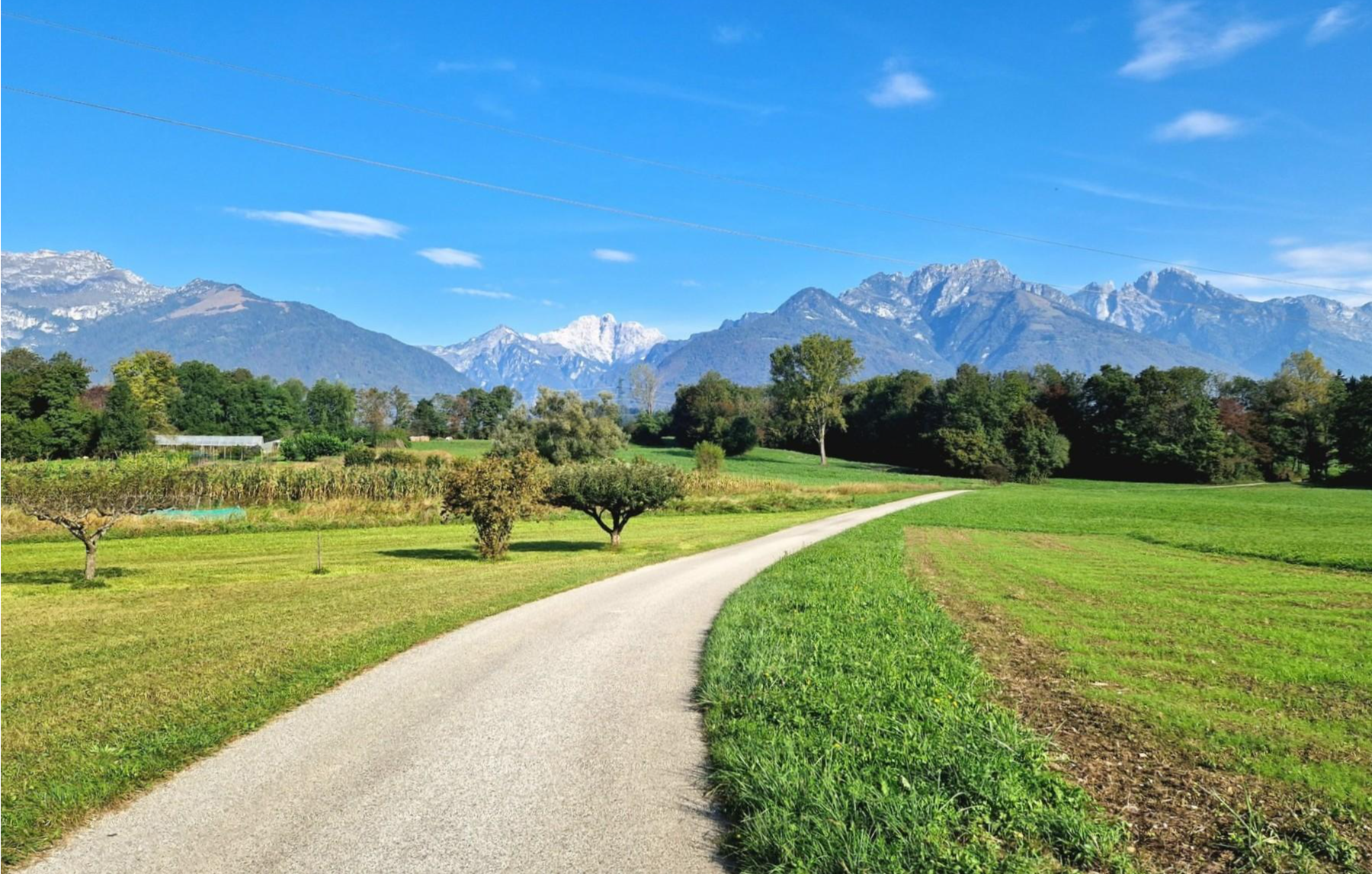
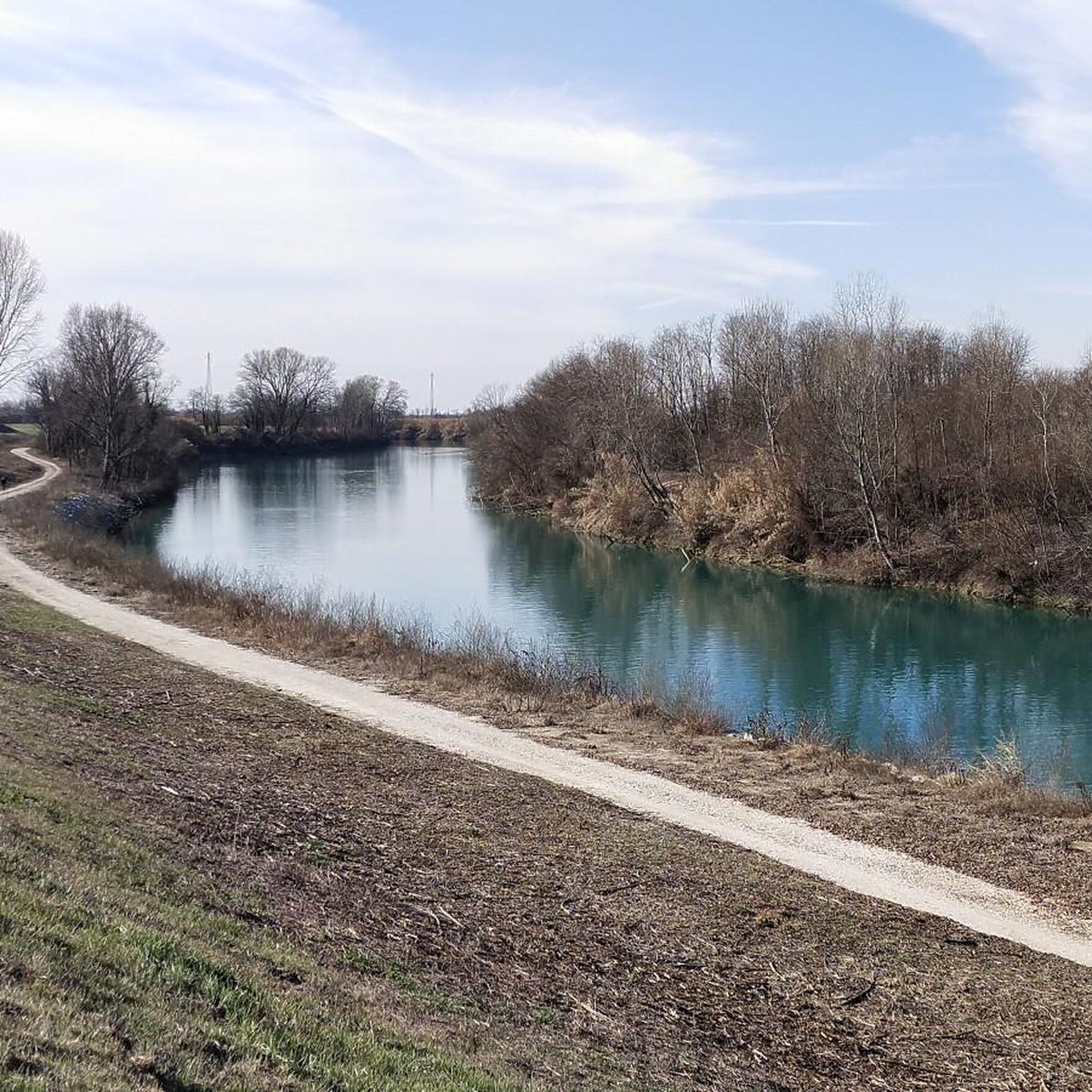
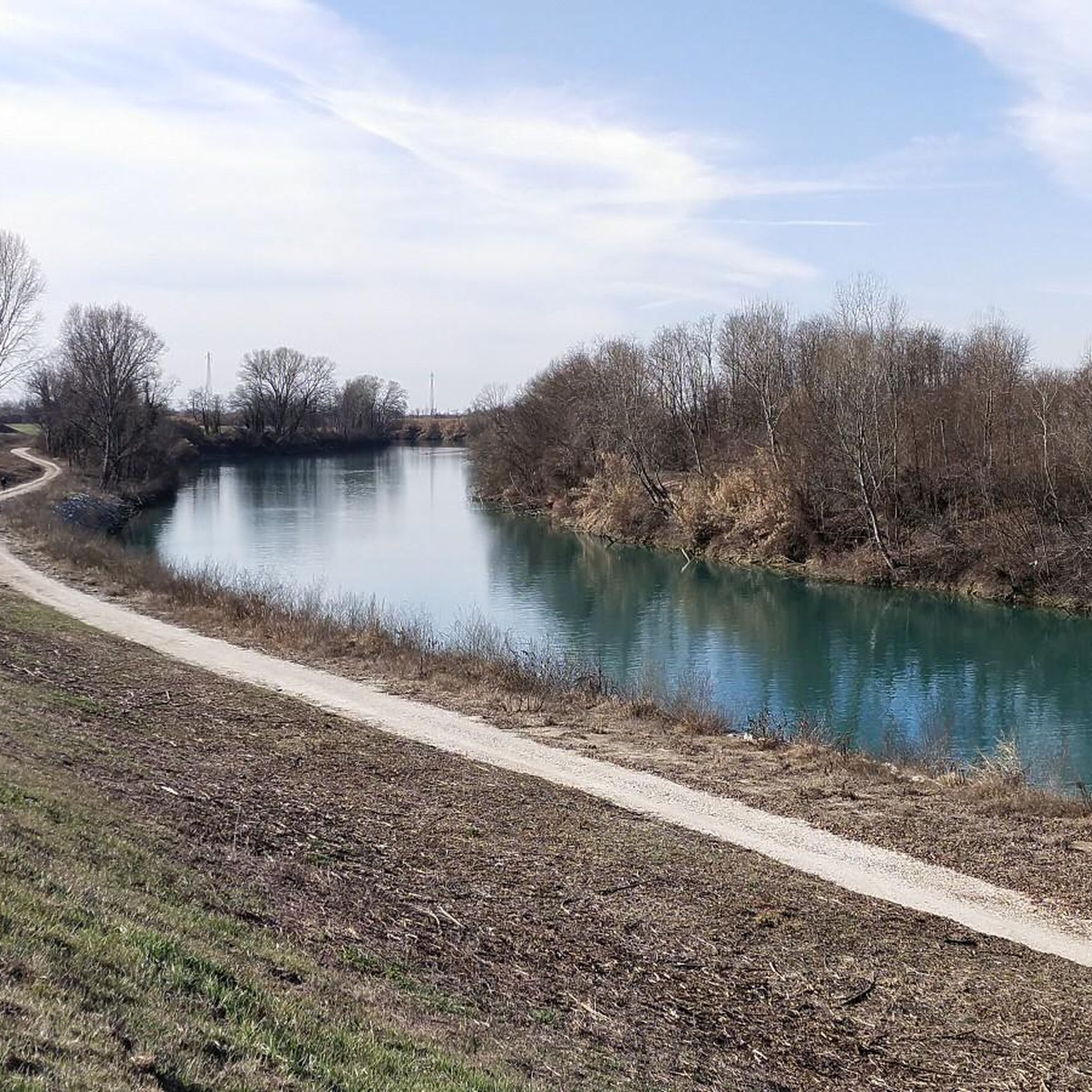
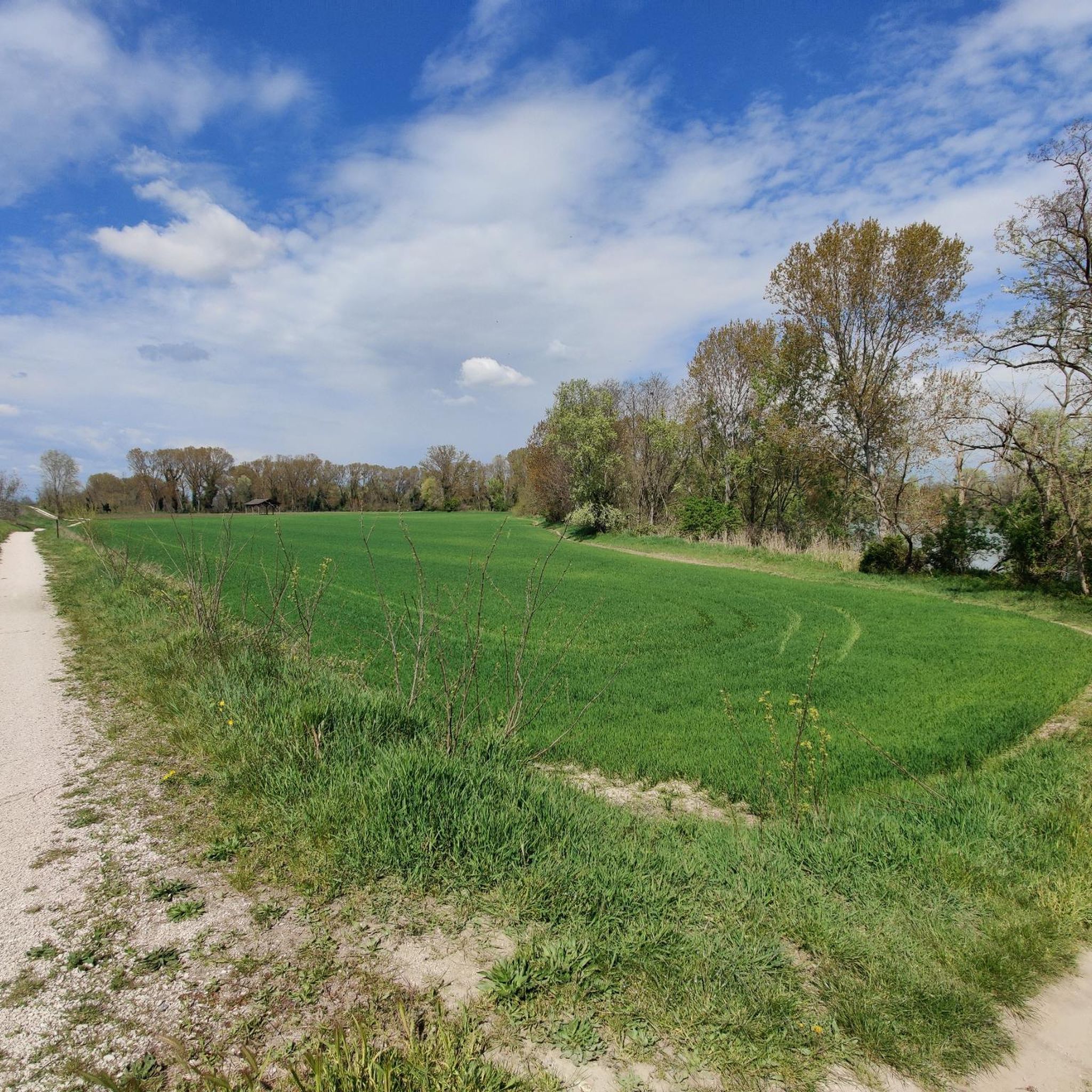
Hiking around Fossalta Di Piave is characterized by its close proximity to the Piave River, offering predominantly flat riverine paths. The landscape features the river's banks, which are rich in biodiversity and include protected areas like the Garzaia conservation area and Settolo Basso Park. The terrain is generally gentle, with minimal elevation changes, making it suitable for accessible walks along the water.
Best hiking trails around Fossalta Di Piave
- The most popular hiking route is Pontoon Bridge of Barche –…
Last updated: July 5, 2026
5.0
(4)
16
hikers
Easy hike. Great for any fitness level. Easily-accessible paths. Suitable for all skill levels.
20
hikers
Easy hike. Great for any fitness level. Easily-accessible paths. Suitable for all skill levels.

Sign up for free
10
hikers
Easy hike. Great for any fitness level. Easily-accessible paths. Suitable for all skill levels.
11
hikers
Easy hike. Great for any fitness level. Easily-accessible paths. Suitable for all skill levels.
5.0
(2)
9
hikers
Moderate hike. Good fitness required. Easily-accessible paths. Suitable for all skill levels.
Get access to more routes and recommendations from other explorers.
Sign up for free
Already have an account?
Our route recommendations are based on thousands of hikes, rides, and runs completed by other people on komoot.
Start today with a free account
Your next adventure awaits.
Login or Signup

Other adventures around Fossalta Di Piave

Tips from the Community

icon contact us icon get inspired logo 0 Ernest Hemingway, a Venetian by adoption 5 Hemingway’s favorite places in Veneto Index 1. Schio, ‘one of the most beautiful places on earth’ 2. The yellow house in Fossalta di Piave 3. Venice, the Gritti Hotel, Harry’s Bar and the Locanda Cipriani on the island of Torcello 4. The casoni of Caorle 5. Cortina D’Ampezzo It is no exaggeration to call Ernest Hemingway a Venetian by adoption: 'a boy from the lower Piave, I am an old fan of Veneto and it is here that I will leave my heart,' he used to say about himself. Arriving in our region in 1918 as a volunteer for the International Red Cross, initially stationed in Schio, he narrowly escaped death on the Piave, where he was seriously wounded in the leg. From then on, he remained forever linked to our territory, where he was treated, fell in love, and returned several times throughout his life. What are Hemingway’s favorite places in Veneto? At least five cities remained in his heart and played an important role in his personal and artistic journey. Let’s discover them together. Ernest Hemingway 1. Schio, ‘one of the most beautiful places on earth’ Hemingway arrived in Veneto in 1918, sent to Schio shortly after coming of age due to its proximity to Monte Pasubio and Vallarsa, theaters of the Great War. He was young, cocky, looking for fun, girls, and good drinks, frequenting the locals in the taverns and local inns. Moments of joy and, despite the war, of lightheartedness, which imprinted themselves on his heart. He would later write, ‘There was a garden in Schio, with a wisteria-covered wall, where we drank beer on hot evenings, under a moon that bombarded us and cast all sorts of shadows with the plane tree that stretched over the tables.’ These words date back to 1922; Hemingway had recently married and was working as a journalist in Toronto. He was in Italy to interview Mussolini and returned to Schio to show his wife what he remembered as ‘one of the most beautiful places on earth.’ But the disappointment was bitter; he no longer recognized ‘his’ Schio, rebuilt after the war, which seemed to have lost all the verve and charm that had captivated him. If there is one place that forever marked the bond between Hemingway and Veneto, it is Fossalta di Piave, in the Province of Venice, where the writer was moved to follow the Piave front. The evening of July 8, 1918, around 11 p.m., an Austrian howitzer hit an Italian stronghold on the banks of the Piave, in the Buso Burato area. One dead and two wounded, one of whom was Hemingway himself. The explosion stunned him, but although wounded in the leg, he had the strength to shoulder the other wounded man and climb the embankment. Just at that moment, a flash lit up the night: it was a flare fired by the Austro-Hungarians to check the effect of the shot. A snapshot was indelibly imprinted in the writer’s mind: that of a ruined house nearby, the famous Casa Gialla (Yellow House), which we will find in his books as a symbol of anguish.
3
0

Fossalta di Piave is an Italian municipality of 4,257 inhabitants (data updated to 2026) located in the metropolitan city of Venice, in Veneto. It stands on the right bank of the Piave river, in a flat area historically strategic for crossing the river before it flows into the sea. The town has ancient roots dating back to Roman colonization, along the Via Callalta. Its name derives from the Latin fovea alta, meaning "deep pit", probably referring to a riverbed depression. World War I: It was the scene of very hard fighting during the "Battle of the Solstice" (June 1918), which led to the almost total destruction of the inhabited area. Ernest Hemingway: The American writer was wounded right here, in the locality of Buso Burato, on July 8, 1918. This event profoundly marked his life and his works, such as the famous novel A Farewell to Arms.
1
0
A tower with the image of the great writer Hemingway along the banks of the Piave river, near Fossalta di Piave (VE).
4
0

Dedicated to the Immaculate Conception, the parish church of Fossalta di Piave is the spiritual heart of the community and a symbol of architectural rebirth. The current building stands on the ashes of the previous structure, razed to the ground during the devastating bombings of the Great War, being right on the front line of the Piave. Characterized by a sober and imposing neoclassical style, the church features a solemn facade that dominates the main square of the town. Inside, the space is large and bright, capable of conveying a sense of serenity that contrasts with the historical memory of the conflict. The bell tower, which stands out in the local panorama, serves as a visual landmark for those traveling along the riverbanks. More than just a place of worship, the parish church represents the resilience of a population that has been able to rebuild its identity and roots after total destruction, proudly preserving them along the riverbanks.
1
0
The pontoon bridge between Fossalta and Noventa di Piave is a suggestive floating structure that represents one of the last testaments to traditional river engineering on the Sacro alla Patria river. The structure, formed by a series of connected barges that float according to the water level, constitutes a vital and historical link between the two banks. Beyond its practical utility, the bridge offers a unique sensory experience: the slight rolling and the rustling of the current accompany the passage of cars and cycle tourists, immersed in a natural landscape of rare beauty. A symbol of local identity and of a time when man constantly dialogued with the rhythms of the river, the bridge remains a fundamental stop for those seeking slow and conscious mobility, capable of uniting technical ingenuity and respect for the riparian environment.
1
0
Located in Fossalta di Piave, the Monument to Peace stands in a place of profound historical significance, where the tragic past of the Great War meets a message of universal hope. The work is situated near the bank of the Piave River, precisely in the area that was the scene of fierce clashes and where the writer Ernest Hemingway was wounded in 1918. The monument does not celebrate military victory, but serves as a warning against the horror of conflicts, inviting fraternity among peoples. Its architectural structure integrates harmoniously with the surrounding landscape, creating a space for silent reflection where the memory of the fallen is transformed into an active commitment to a future without barriers. Visited by tourists and school groups, the site serves as a cultural hub for the area, inextricably linking literary and historical narrative with the natural beauty of the river, a symbol of life flowing beyond the wounds of history.
1
0
The church of the Immaculate Conception of the Blessed Virgin Mary is the parish church of Fossalta di Piave. The previous church of Fossalta di Piave was built in 1856 to a design by architect Giovanni Battista Meduna and consecrated on October 7, 1880 by the bishop of Treviso, Giuseppe Callegari. In 1914, construction work began on the bell tower in Venetian style, which was destroyed along with the church in 1918 during World War I. The current parish church was rebuilt between 1920 and 1922 with the same proportions as the 19th-century one; in that year, the new bell tower was erected and the consecration was performed. The building was restored between 1984 and 1985. Finally, between 1990 and 1991, the floor was redone.
5
0

The Monument to Peace in Fossalta di Piave, inaugurated on June 19, 1983, is a baptistery desired by the "Ragazzi del '99" (Boys of '99) on the banks of the Piave River, a symbolic place of World War I. This work, designed by Marco Furiassi, represents a warning of fraternity, uniting the memory of the fallen with the value of future peace.
1
0
Frequently Asked Questions
How many hiking trails are available in Fossalta Di Piave?
Fossalta Di Piave offers a good selection of routes, with over 15 hiking trails available. The majority of these, about 15, are classified as easy, making them accessible for various skill levels.
What makes hiking in Fossalta Di Piave unique?
Hiking in Fossalta Di Piave is defined by its close relationship with the Piave River. The trails predominantly follow flat riverine paths, offering a unique opportunity to explore the river's banks, which are rich in biodiversity. You can expect to see diverse flora and fauna, including nesting herons and migrating bird species, especially within protected areas like the Garzaia conservation area and Settolo Basso Park.
Are there easy hikes suitable for beginners or families?
Yes, Fossalta Di Piave is an excellent destination for easy walks. Most of the trails are classified as easy, with minimal elevation changes, making them ideal for beginners, families, or those looking for a relaxed stroll. For example, the View of Fossalta di Piave – Pontoon Bridge of Barche loop from Fossalta di Piave is an easy 3.5-mile path that follows the riverbanks.
Can I find circular hiking routes in Fossalta Di Piave?
Absolutely. Many of the trails in Fossalta Di Piave are designed as loops, allowing you to start and end at the same point. A popular option is the Pontoon Bridge of Barche – View of Fossalta di Piave loop from Fossalta di Piave, which is 4.5 miles long and offers scenic views along the Piave River.
What kind of wildlife can I expect to see along the trails?
The Piave River is a vibrant corridor for biodiversity. Along the trails, particularly in protected areas like the Garzaia conservation area and Settolo Basso Park, you might spot nesting herons and various migrating bird species. The river's ecosystem supports a rich array of local flora and fauna, making it a great spot for nature observation.
Are there any places to explore or landmarks near the hiking trails?
Yes, the area around Fossalta Di Piave offers several interesting points. You can explore the Fossalta di Piave Floating Bridge or the Caposile Boat Bridge. For nature lovers, the Sile River near Santa Maria di Piave and the Venetian Lagoon and Flamingos are also within reach, offering beautiful natural sights.
What are the options for parking when hiking in Fossalta Di Piave?
While specific parking locations for each trail are not detailed, the presence of numerous accessible routes around Fossalta Di Piave suggests that parking is generally available near trailheads or in the town itself. Many routes, such as the Pontoon Bridge of Barche – View of the Piave River loop from Noventa di Piave, often start from points easily reachable by car.
Is it possible to reach the hiking trails by public transport?
Fossalta Di Piave is integrated into the broader regional network, and while specific public transport links to every trailhead are not provided, the town itself is generally accessible. For detailed information on bus or train services to Fossalta Di Piave, it's best to consult local transport schedules.
What do other hikers say about the trails in Fossalta Di Piave?
The hiking trails in Fossalta Di Piave are highly regarded by the komoot community, with an average rating of 4.0 stars from over 30 reviews. Hikers often praise the gentle terrain and the serene beauty of the Piave River, making it a popular choice for those seeking peaceful riverside walks.
What is the best time of year to hike in Fossalta Di Piave?
The Piave River area is enjoyable throughout much of the year. Spring and autumn offer pleasant temperatures and vibrant natural scenery, ideal for birdwatching and enjoying the changing colors. Summer can be warm, but the riverbanks often provide a refreshing breeze. Even winter offers opportunities for quiet walks, though some facilities might have reduced hours.
Are dogs allowed on the hiking trails in Fossalta Di Piave?
Generally, dogs are welcome on many outdoor trails in Italy, especially in natural areas like the Piave River banks. However, it's always recommended to keep dogs on a leash, especially in protected areas like the Garzaia conservation area, to protect local wildlife and ensure a pleasant experience for all hikers. Please check local signage for any specific restrictions.
Are there opportunities for wild swimming near the hiking trails?
While the Piave River is a significant natural feature, its suitability for wild swimming can vary by location and current conditions. The river supports various water sports like kayaking and packrafting. For specific information on safe and permitted swimming spots, it's advisable to consult local authorities or guides. You can find more information about the Piave River's natural aspects at visitproseccohills.it.
Most popular routes around Fossalta Di Piave
Most popular attractions around Fossalta Di Piave

Get inspired with the komoot mobile app


Explore more
Browse the best Hikes in other regions.
