Attractions and Places To See around Ostuni - Top 20
Best attractions and places to see around Ostuni, known as "La Città Bianca," include historical landmarks, cultural sites, and natural features. This hilltop town in Puglia, Italy, is characterized by its whitewashed buildings and offers views of surrounding olive groves and the Adriatic Sea. The region provides a blend of ancient history, traditional architecture, and protected natural areas.
Best attractions and places to see around Ostuni
- The most popular attractions is Column of Saint Oronzo (Colonna di Sant'Oronzo), Ostuni, a man-made monument located in Piazza della Libertà. This 21-meter high Baroque obelisk, built in 1771, depicts Saint Oronzo, the patron saint of Ostuni.
- Another must-see spot is Historic Center of Locorotondo, a historical site known for its circular urban plan and whitewashed houses. It is considered among "the most beautiful villages in Italy" and overlooks the Itria Valley.
- Visitors also love Figazzano Bridge, a bridge located on the cycle route of the Apulian aqueduct. Walking along it offers views of cultivated fields and typical Trulli buildings.
- Ostuni is known for its historical sites, natural landscapes, and architectural marvels. Visitors can explore ancient monuments, scenic cycle paths, and protected natural areas.
- The attractions around Ostuni are appreciated by the komoot community, with over 250 upvotes and 170 photos shared across 85 highlights.
Last updated: October 9, 2026
Historic Center of Locorotondo
Highlight • Historical Site
Translated by Google •
Tip by

Column of Saint Oronzo (Colonna di Sant'Oronzo), Ostuni
Highlight • Monument
The column, almost 21 meters high, and is also known as the “spire”. It stands in Piazza della Libertà, in the historic center of the "white city" and was built in 1771 by Giuseppe Greco.
The statue depicts Saint Oronzo in the act of blessing the people, in fact it is said that the saint saved the city of Ostuni from the plague.
On the column several saints are depicted including Sant'Agostino, Santa Irene, San Giorgio Armeno and San Biagio.
Translated by Google •
Tip by

Sign up now to discover places like this
Get recommendations on the best single tracks, peaks, & plenty of other exciting outdoor places.
Galante Aqueduct Bridge (Apulian Aqueduct Cycleway)
Highlight • Bridge
Translated by Google •
Tip by

Church of San Francesco
Highlight • Religious Site
Francis became a role model for many people, who joined him, and the Order of Friars Minor (Ordo Fratrum Minorum) of Francis of Assisi was founded. Today, the large Franciscan order comprises three male branches: the Franciscans, the Friars Minor, and the Capuchins; and two female branches: the Franciscan nuns and the Poor Clares. In addition, there is the "Third" or "Secular" Order, to which women and men can join who do not take the traditional religious vows (poverty, chastity, and obedience) and who continue to live in their families and professions.
Translated by Google •
Tip by

Figazzano Bridge
Highlight • Bridge
Translated by Google •
Tip by

Sign up for free to discover even more attractions around Ostuni.
Already have an account?
Start today with a free account
Your next adventure awaits.
Popular around Ostuni
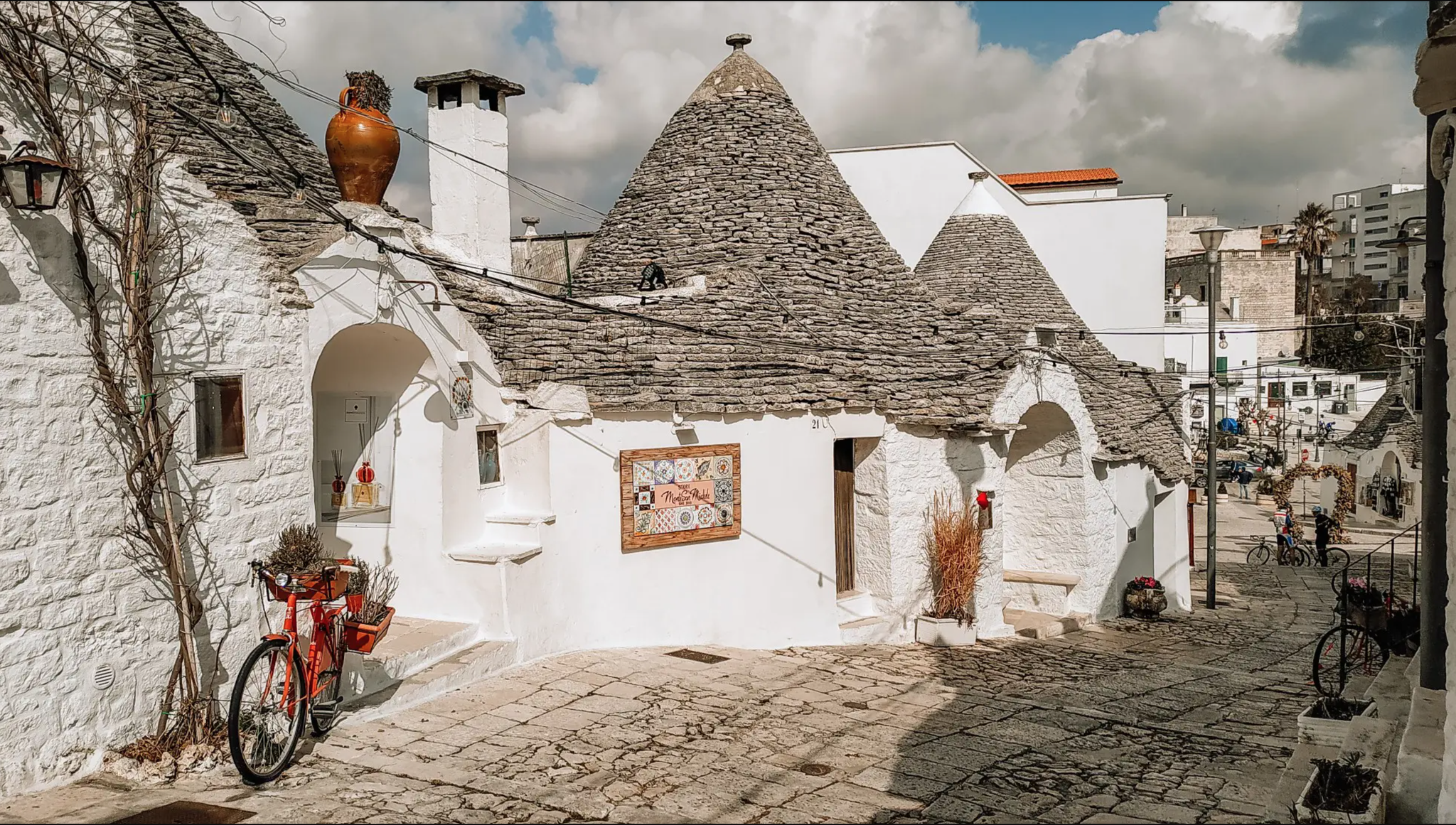
Cycle through the painted blue – a journey of discovery in Puglia
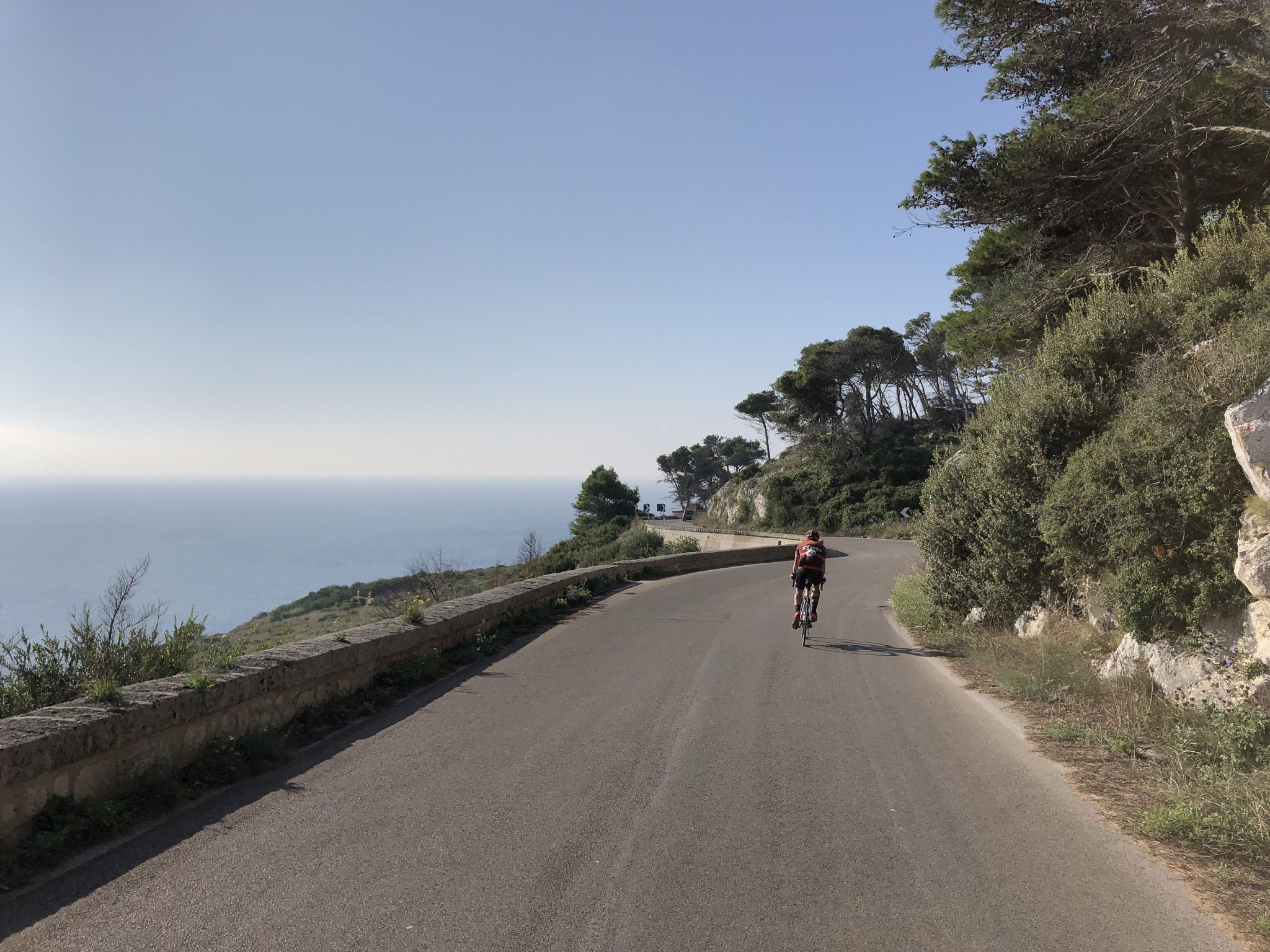
Italy’s Puglia from Bari to Santa Maria di Leuca — all the way south
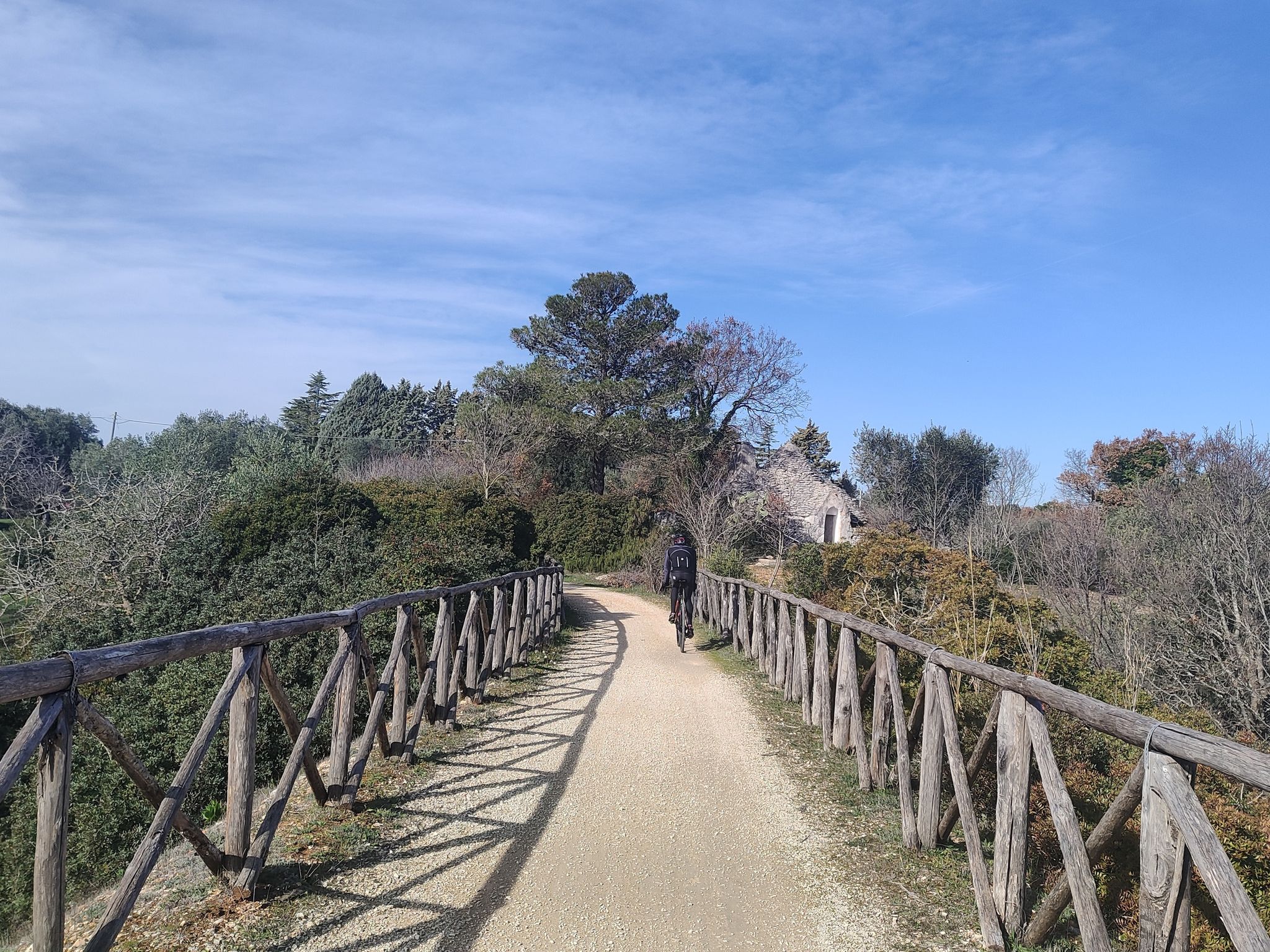
Ciclovia Anello d'oro di Puglia - Viaggio nella Puglia profonda
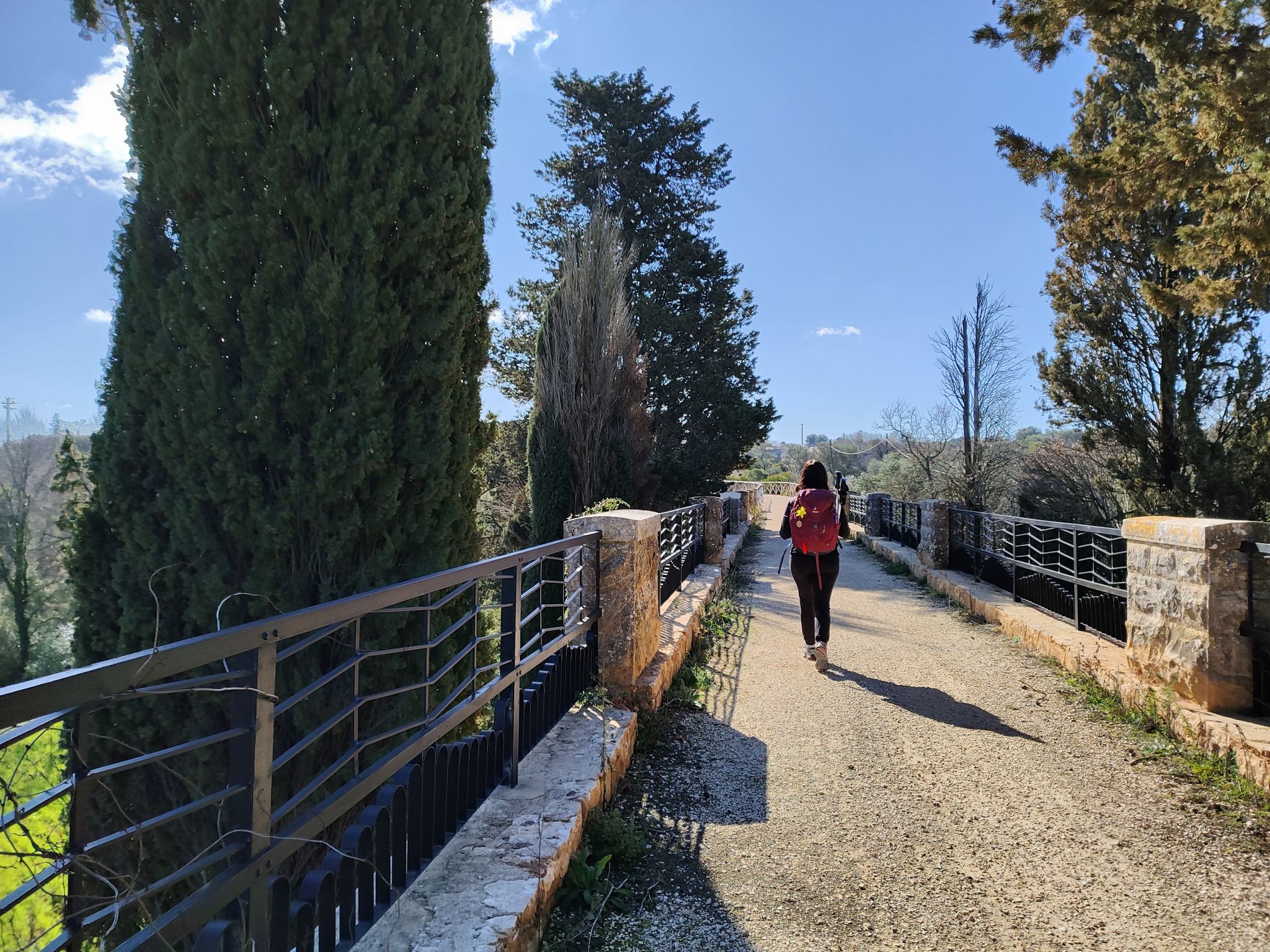
Anello d'oro di Puglia - Trekking nella Puglia profonda
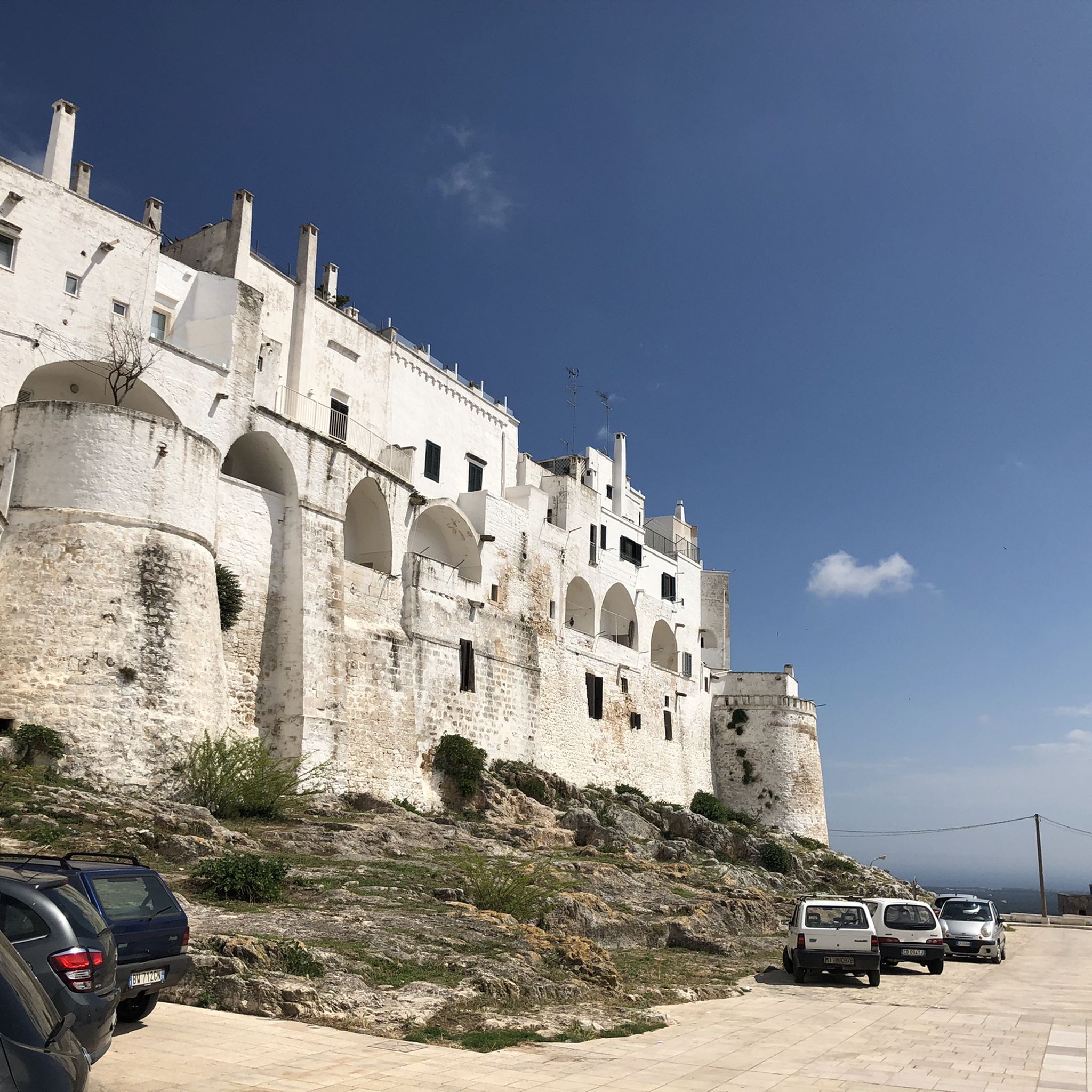
Hiking around Ostuni
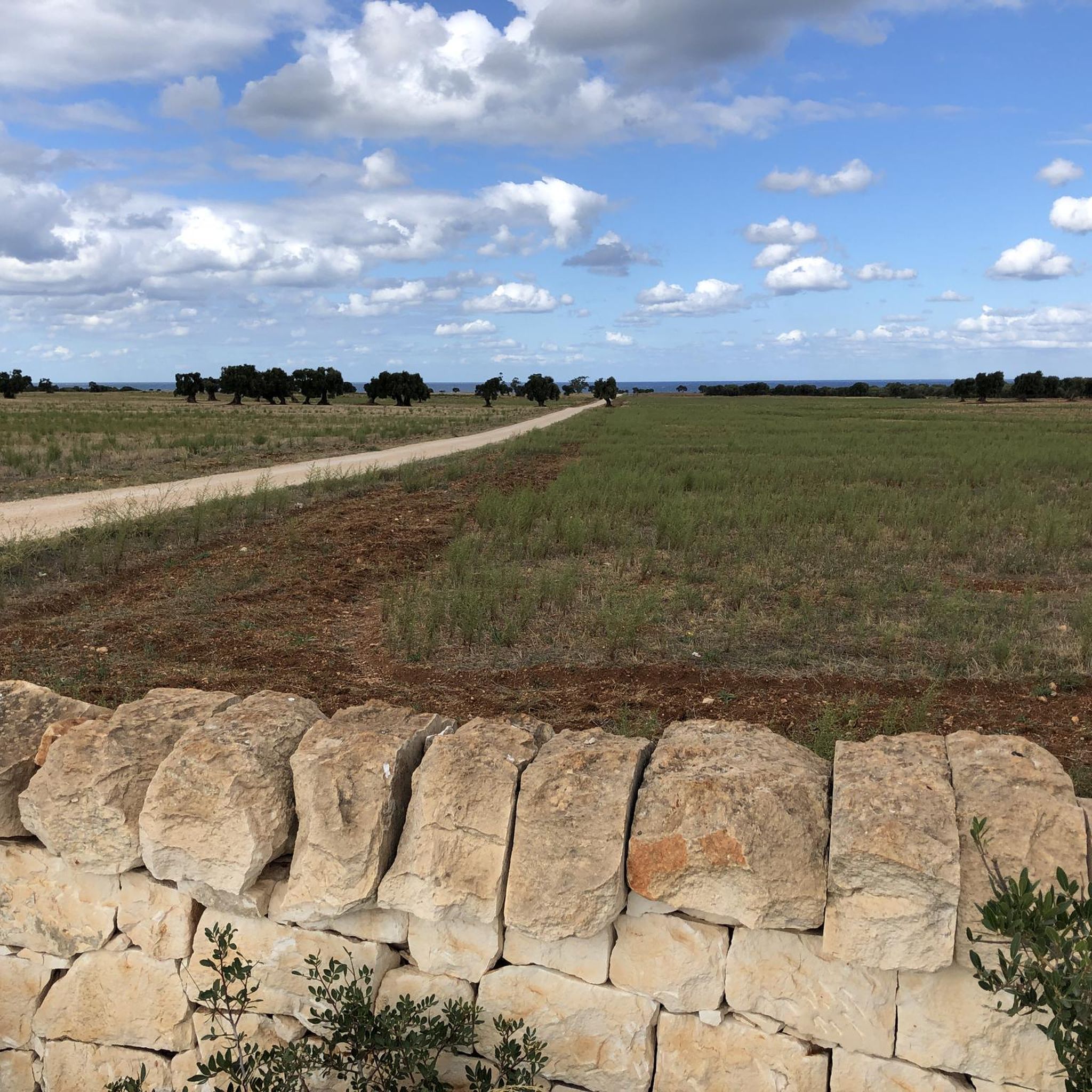
Road Cycling Routes around Ostuni
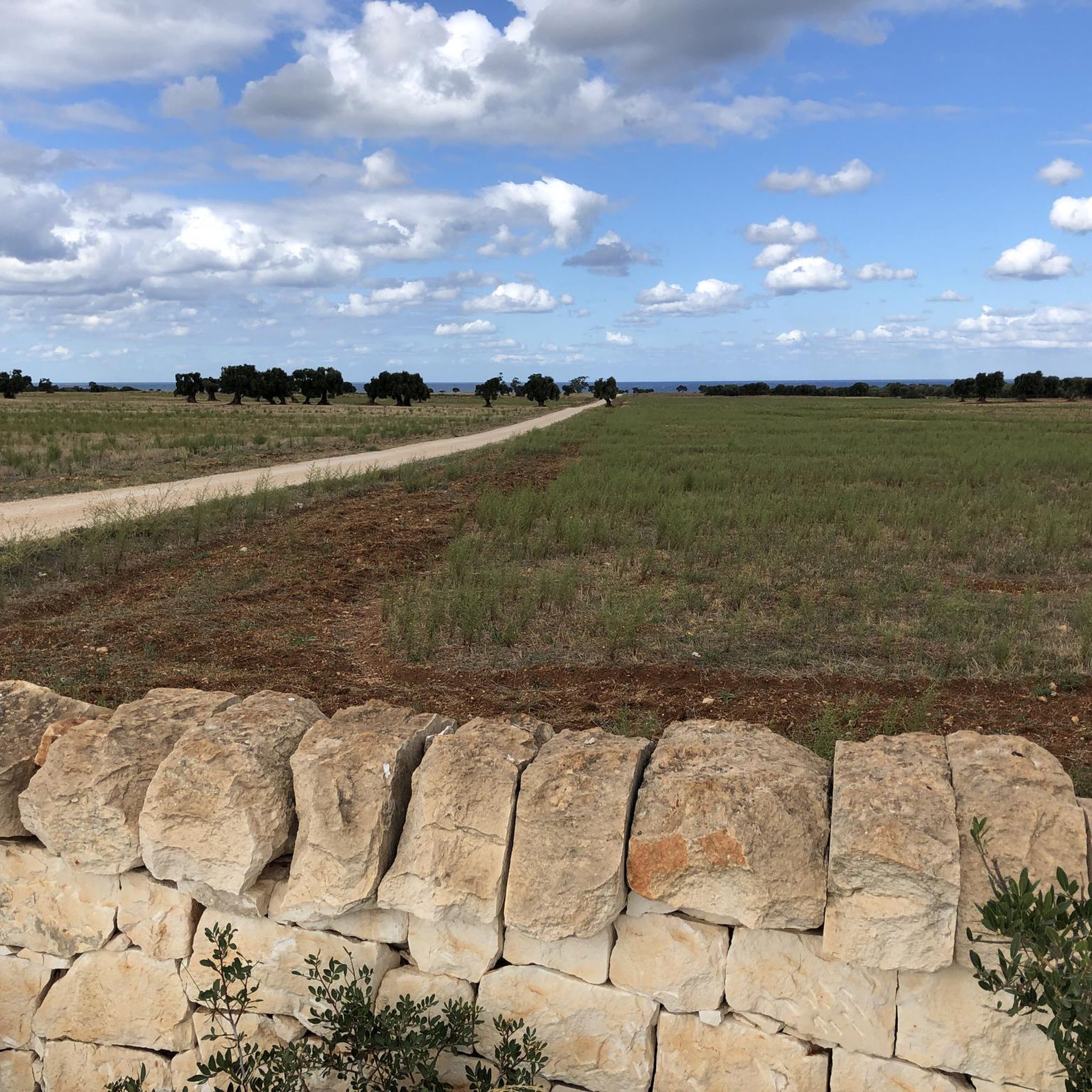
Cycling around Ostuni
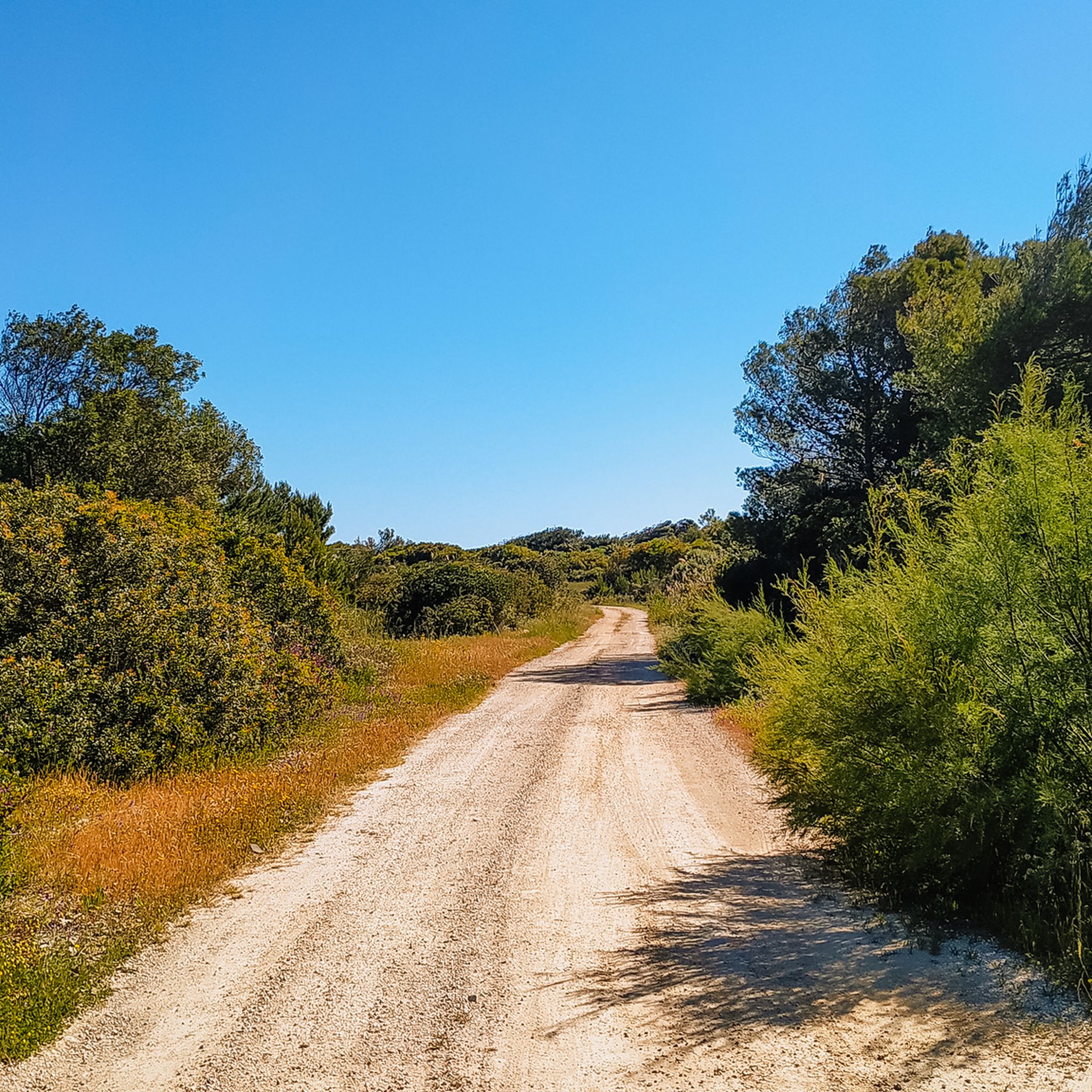
MTB Trails around Ostuni
Running Trails around Ostuni

Gravel biking around Ostuni
Other adventures around Ostuni


Tips from the Community

Saint Oronzo is said to have saved the city from the plague. Protection from the plague: In the 17th century, the plague raged in southern Italy. Lime has a natural antibacterial and disinfecting effect. To stop the spread of the epidemic, the city council ordered all houses to be whitewashed with lime milk.
2
0

It was part of a Franciscan monastery that existed until 1809 and today, together with the former monastery, which is now the town hall, forms an important cultural center of the city. Originally Gothic, the facade was renovated in the Baroque style in the 17th century. The interior is characterized by a single nave, side altars, and colorful stained glass windows.
1
0

A small town that can be reached in less than an hour; excellent for a stopover during a journey.
0
0

A church dating back to 1304, built by the Conventual Fathers Minor, who cared for it for over five centuries, the church of San Francesco, following the first suppression of the religious orders, was handed over to the Archconfraternity of the Immaculate Conception, which still manages it today.
4
0

Locorotondo is a characteristic Apulian village located in the Itria Valley, with a circular layout, known for its “cummerse”, typical houses with sloping roofs.
0
0

The church was originally built in the Romanesque style, then altered in the Gothic style and finally completely renovated in 1615 and completely redesigned in the Baroque style with painting and other restoration work in the second half of the 18th century.
1
0
It is also very lively and turbulent here due to the many cafés and restaurants.
1
0

The Galante canal bridge (known as the bridge of a hundred lights) is the longest and most important of the entire stretch.
0
0
Frequently Asked Questions
What historical landmarks can I explore in Ostuni?
Ostuni, known as "La Città Bianca," is rich in history. You can visit the 15th-century Gothic Ostuni Cathedral, featuring one of Europe's largest rose windows. In Piazza della Libertà, you'll find the imposing 18th-century Baroque Column of Saint Oronzo, dedicated to the town's patron saint. The Historic Center of Locorotondo, a short distance away, is also a must-see, known for its circular urban plan and whitewashed houses.
Are there any significant cultural sites or museums in Ostuni?
Yes, Ostuni offers several cultural insights. The Museum of Preclassical Civilizations of the Southern Murgia, housed in the old Carmelite Convent, showcases the region's ancient history, including the famous "La Donna di Ostuni" exhibit. Near the cathedral, the Museo Diocesano di Ostuni displays Italian art and artifacts. You can also experience local culture at the vibrant Saturday market or during festivals like the Cavalcata di Sant'Oronzo.
What outdoor activities can I do near Ostuni?
The area around Ostuni is perfect for outdoor enthusiasts. You can explore the hiking trails around Ostuni, with options like the moderate "Lamia Diruta – Olive Tree Path loop" or the easy "Ostuni – The White City – Church of San Francesco loop." For cycling, consider the cycling routes around Ostuni, which include scenic paths like the "Historic Center of Ostuni – Villanova Harbour and Castle loop." There are also gravel biking routes, such as the "Figazzano Bridge – Galante Aqueduct Bridge loop."
Where can I find natural landscapes or protected areas near Ostuni?
Ostuni is surrounded by beautiful natural areas. The Torre Guaceto Nature Reserve, a few kilometers away, is ideal for trekking, bird watching, and swimming in crystal-clear waters. The Parco Naturale Regionale Dune Costiere (Regional Nature Park of Coastal Dunes) offers coastal dunes, rare vegetation, and wetlands. You can also enjoy the vast olive groves characteristic of the Itria Valley, providing stunning views from the city.
Are there family-friendly attractions in Ostuni?
Yes, many attractions around Ostuni are suitable for families. The Column of Saint Oronzo and the historic center are great for a stroll. The Galante Aqueduct Bridge and Figazzano Bridge on the Apulian aqueduct cycleway offer scenic walks or bike rides. The Ulmo Pine Grove provides a picnic area, paths, and shade, perfect for a relaxing day outdoors with children.
What is the best time to visit Ostuni's attractions?
The best time to visit Ostuni's attractions is typically during the spring (April-June) and early autumn (September-October). During these months, the weather is pleasant for exploring the historic center, walking along the city walls, and enjoying outdoor activities without the intense heat of summer. The natural landscapes, like the olive groves and coastal parks, are also particularly beautiful during these seasons.
Are there beaches close to Ostuni?
Yes, Ostuni is conveniently located just 8 km from the Adriatic coast. The coastline boasts beautiful beaches, many of which have received Blue Flag awards for their cleanliness and amenities. These beaches offer opportunities for swimming, sunbathing, and various water sports, making them a perfect complement to exploring the historic town.
What is the "White City" experience like in Ostuni's Old Town?
Exploring Ostuni's Old Town, or Centro Storico, is a unique experience. It's a maze of narrow, winding whitewashed streets, hidden courtyards, and charming alleys. Getting lost in this medieval layout is part of the adventure, offering glimpses of the sea, quaint shops, and cafes. The dazzling white buildings create a striking contrast with the blue sky and the surrounding green olive groves.
What do visitors enjoy most about Ostuni?
Visitors particularly enjoy Ostuni's unique blend of history, stunning architecture, and natural beauty. The panoramic views from the city walls, the charm of the whitewashed Old Town, and the impressive Column of Saint Oronzo are frequently highlighted. The proximity to beautiful beaches and the opportunity to explore the Itria Valley's olive groves and trulli also contribute to a memorable experience.
Can I take day trips from Ostuni to other towns?
Absolutely. Ostuni serves as an excellent base for exploring other charming towns in Puglia. Popular day trip destinations include Alberobello, famous for its unique trulli houses; Locorotondo, with its distinctive circular historic center; Cisternino; Martina Franca; Polignano a Mare; and Monopoli. Each offers its own unique historical and cultural attractions.
Are there any viewpoints in Ostuni offering scenic vistas?
Yes, Ostuni offers several breathtaking viewpoints. The city walls themselves provide panoramic views of the surrounding olive groves and the Adriatic Sea. From the highest point of the city, near the Ostuni Cathedral, you can enjoy expansive vistas. Additionally, spots like the Borgo Antico Bistrot are known for their incredible views, especially at sunset, making them ideal for an aperitivo.
Most popular attractions around Ostuni

Get inspired with the komoot mobile app


Explore more
Still not found the Highlight you’re looking for? See guides of the top attractions in other regions:
