The best road cycling routes in Lower Austria
4.5
(7612)
151,470
riders
7,602
rides
Road cycling routes in Lower Austria traverse a diverse landscape, from the flat plains along the Danube River to the rolling hills of the Mostviertel and the more challenging ascents in the Vienna Alps. The region is characterized by extensive vineyards in areas like the Wachau Valley and Weinviertel, alongside dense forests and river valleys. Cyclists encounter varied terrain, including well-maintained paths along rivers and quiet side roads through agricultural areas. This geographical diversity provides options for various road cycling preferences and fitness levels.
Best road cycling routes in Lower Austria
- The most popular road cycling route is Vineyard Cycle Path – Pottenbrunn Castle loop from Krems Campus-Kunstmeile, a 58.4 miles (93.9 km) trail that takes 4 hours 12 minutes to complete. This route navigates through vineyard landscapes and past historic castles.
- Another top favourite among local road cyclists is Vineyard Route in the Wachau – Parish Church of Weißenkirchen loop from Stein-Mautern, a difficult 50.4 miles (81.1 km) path. This route offers views of the Danube River and the terraced vineyards of the Wachau Valley.
- Local road cyclists also love the Greifenstein Danube Oxbow – Danube Cycle Path loop from Stockerau, a 35.8 miles (57.6 km) trail leading through the Danube River landscape, often completed in about 2 hours 14 minutes.
- Road cycling in Lower Austria is defined by the Danube River, rolling hills, and extensive vineyards. The network offers options for different ability levels, from leisurely rides to challenging ascents.
- The routes in Lower Austria are highly rated by the komoot community with an average score of 4.6 stars from over 5,800 reviews. More than 142,000 road cyclists have used komoot to explore Lower Austria's varied terrain.
Last updated: October 20, 2026
4.5
(27)
1,624
riders
Hard road ride. Very good fitness required. Some segments of this route may be unpaved and difficult to ride.
4.6
(76)
1,566
riders
Moderate road ride. Good fitness required. Some segments of this route may be unpaved and difficult to ride.

4.9
(50)
1,436
riders
57.7km
02:14
170m
170m
Moderate road ride. Good fitness required. Mostly well-paved surfaces and easy to ride.
4.4
(76)
930
riders
68.0km
03:04
570m
570m
Moderate road ride. Good fitness required. Some segments of this route may be unpaved and difficult to ride.
4.6
(176)
870
riders
Easy road ride. Great for any fitness level. Mostly well-paved surfaces and easy to ride.
4.6
(24)
819
riders
45.5km
02:08
510m
510m
Moderate road ride. Good fitness required. Mostly well-paved surfaces and easy to ride.
4.9
(25)
747
riders
95.3km
04:15
880m
880m
Moderate road ride. Good fitness required. Mostly well-paved surfaces and easy to ride.
4.6
(69)
1,440
riders
74.9km
03:07
460m
460m
Moderate road ride. Good fitness required. Some segments of this route may be unpaved and difficult to ride.
4.3
(15)
702
riders
Moderate road ride. Good fitness required. Some segments of this route may be unpaved and difficult to ride.
4.8
(23)
684
riders
130km
05:15
570m
570m
Hard road ride. Very good fitness required. Some segments of this route may be unpaved and difficult to ride.
Get access to more routes and recommendations from other explorers.
Already have an account?
Our route recommendations are based on thousands of hikes, rides, and runs completed by other people on komoot.
Start today with a free account
Your next adventure awaits.
Popular around Lower Austria
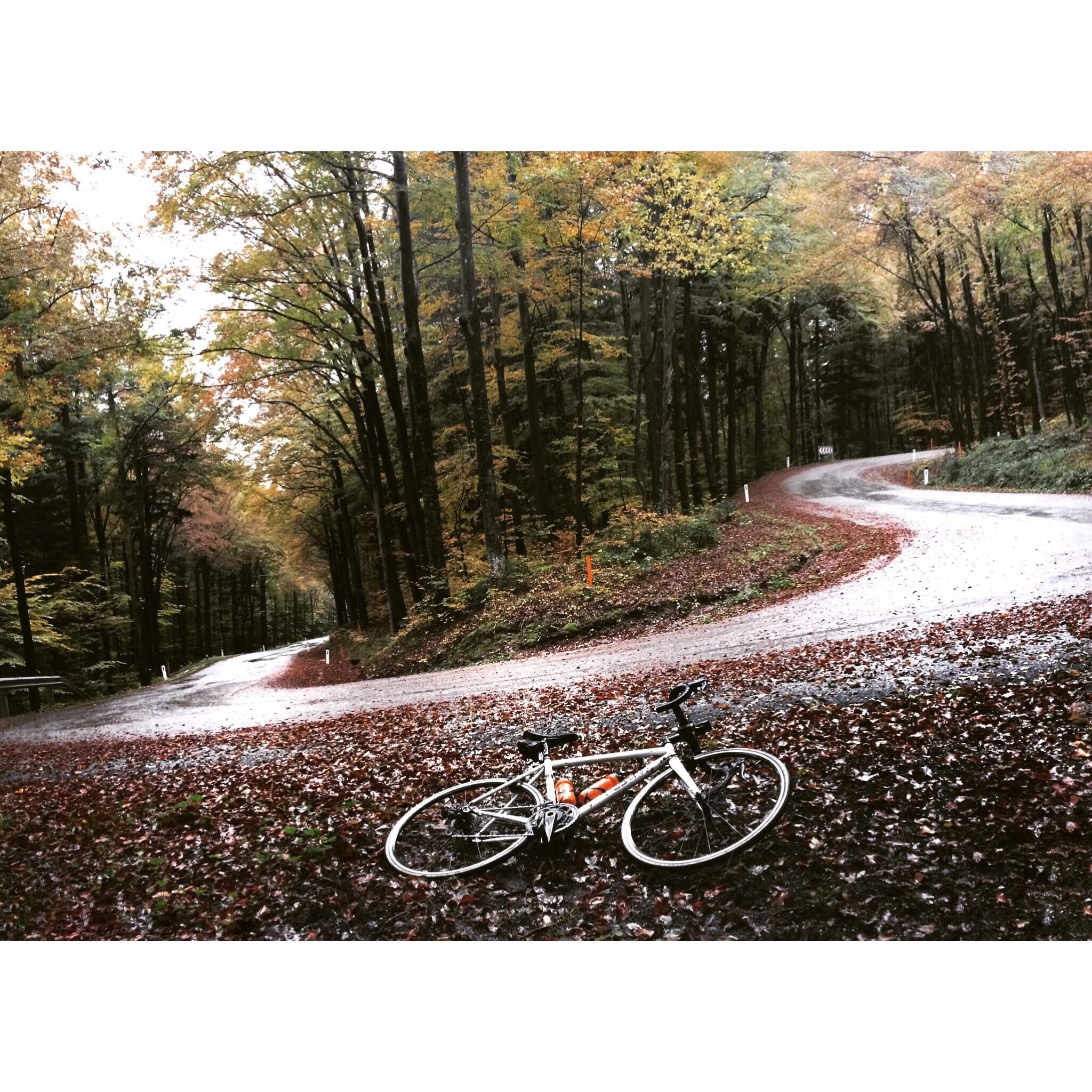
Road Cycling Routes in the Vienna Woods
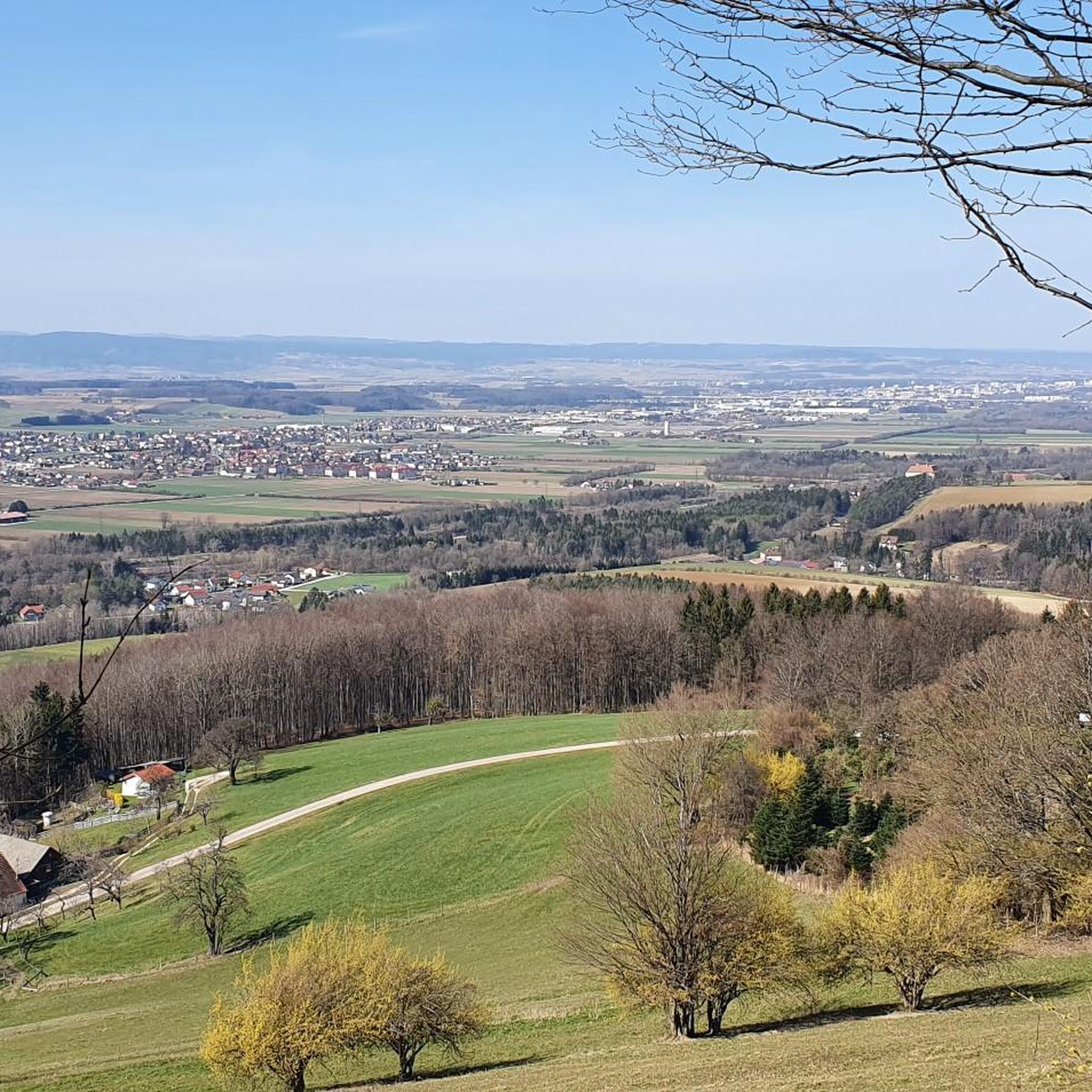
Road Cycling Routes in the Mostviertel
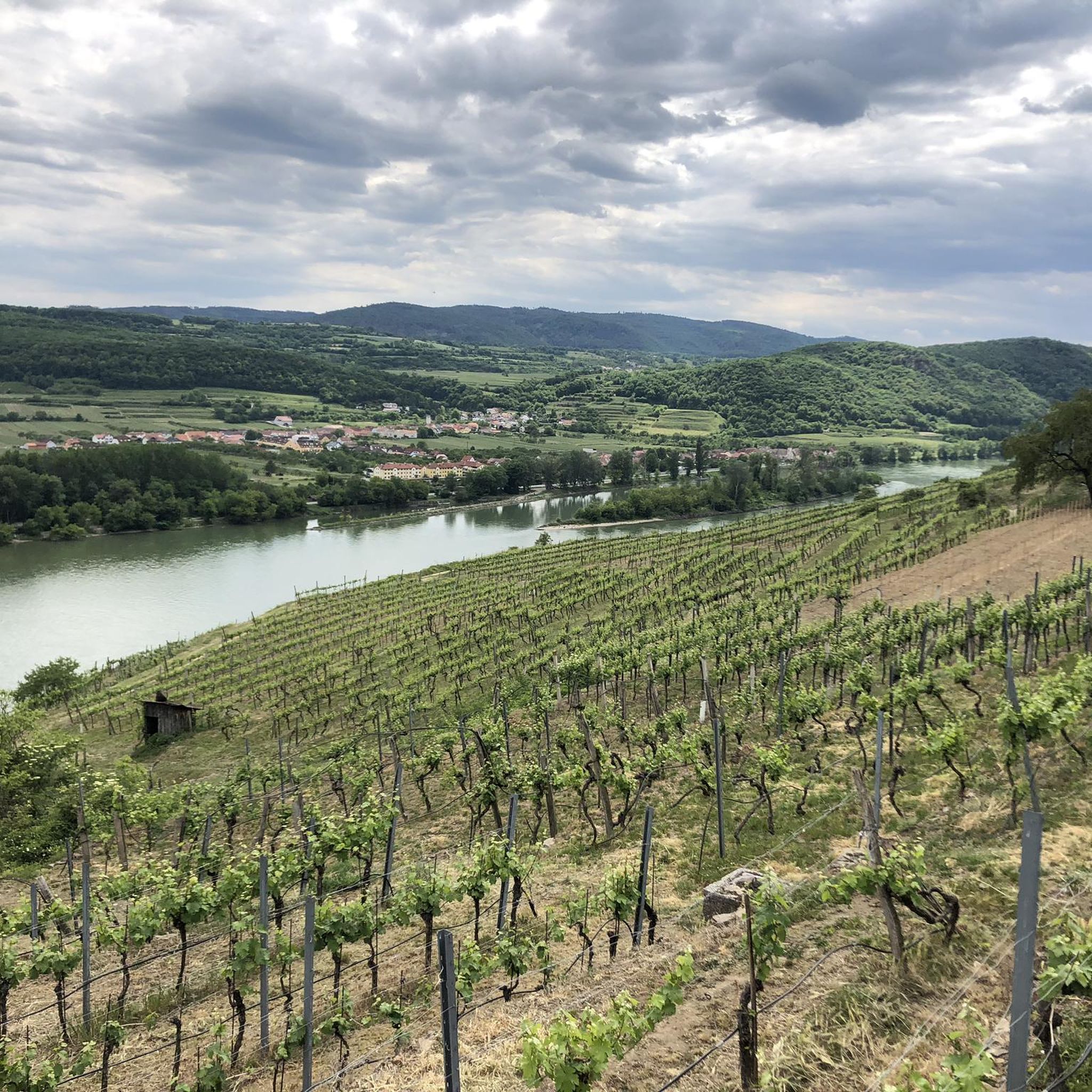
Road Cycling Routes around Krems an der Donau
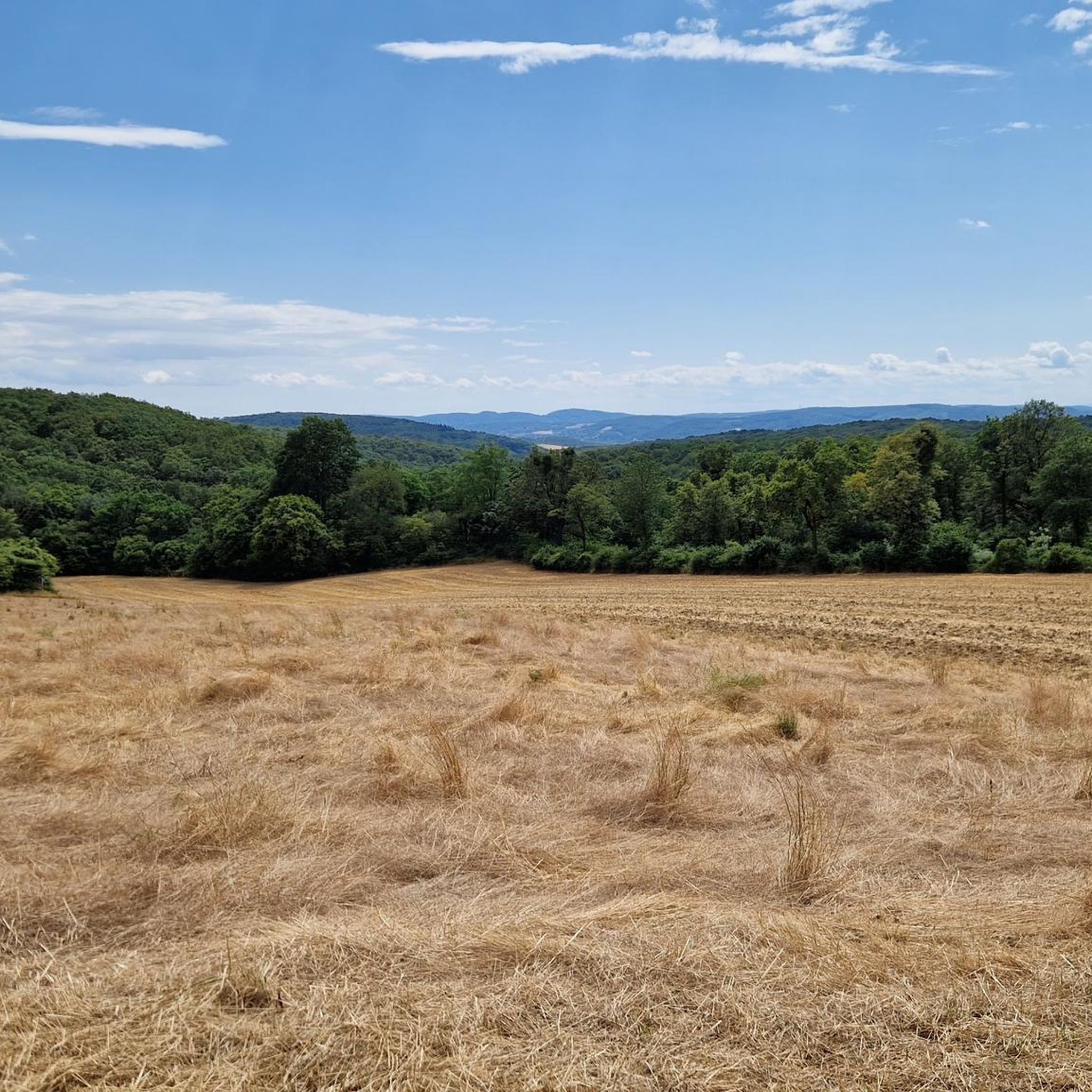
Road Cycling Routes in the Weinviertel
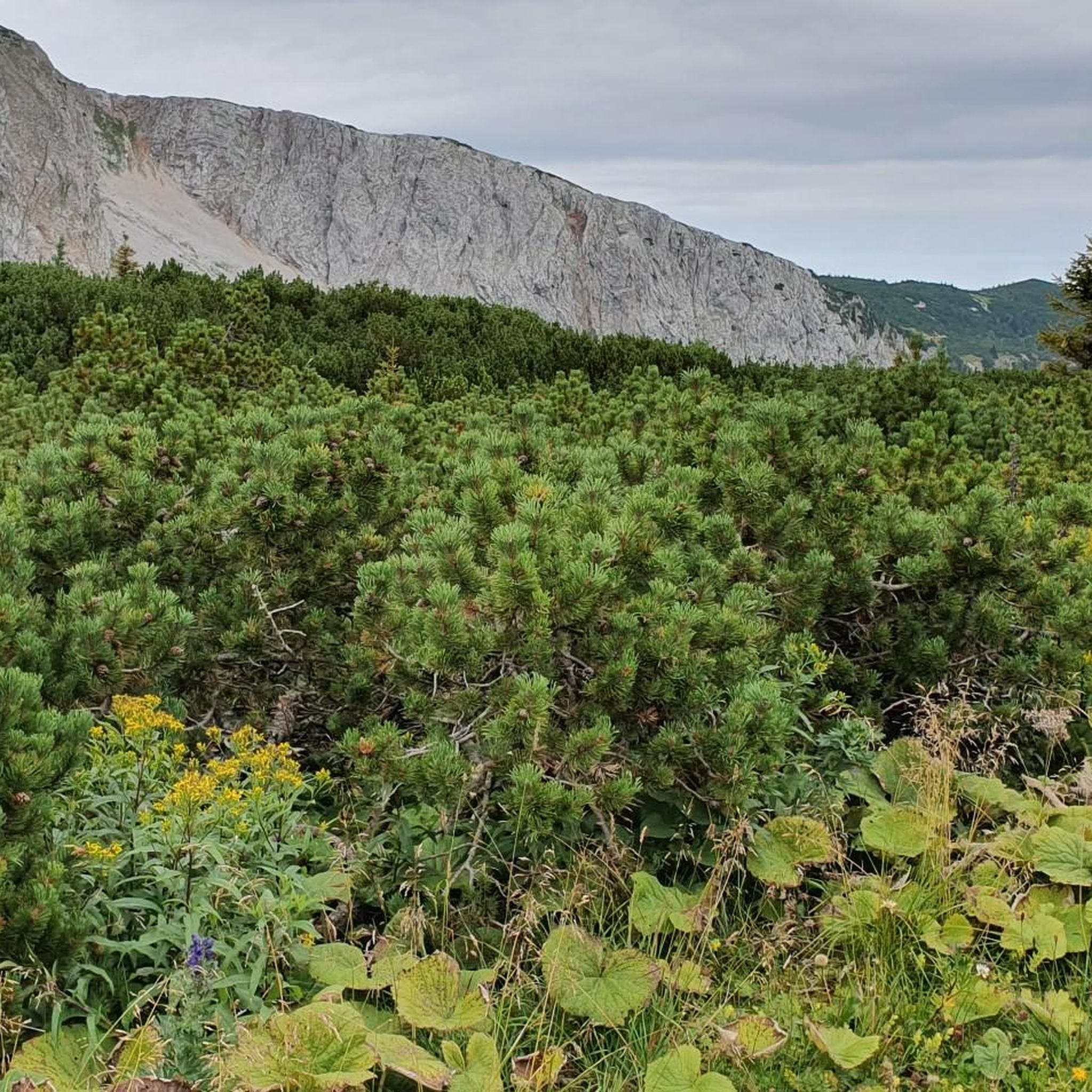
Road Cycling Routes in the Bezirk Neunkirchen
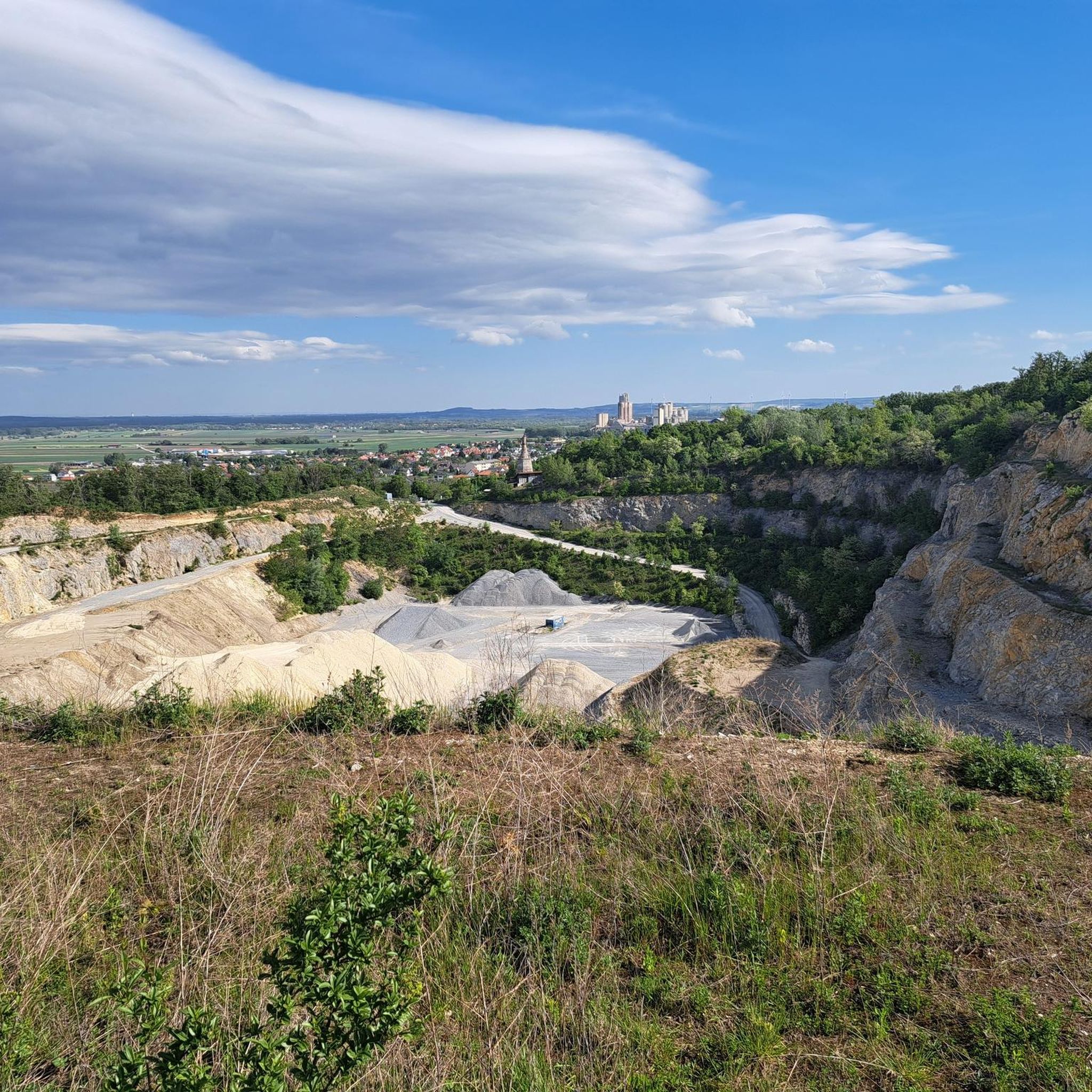
Road Cycling Routes around Bezirk Bruck an der Leitha
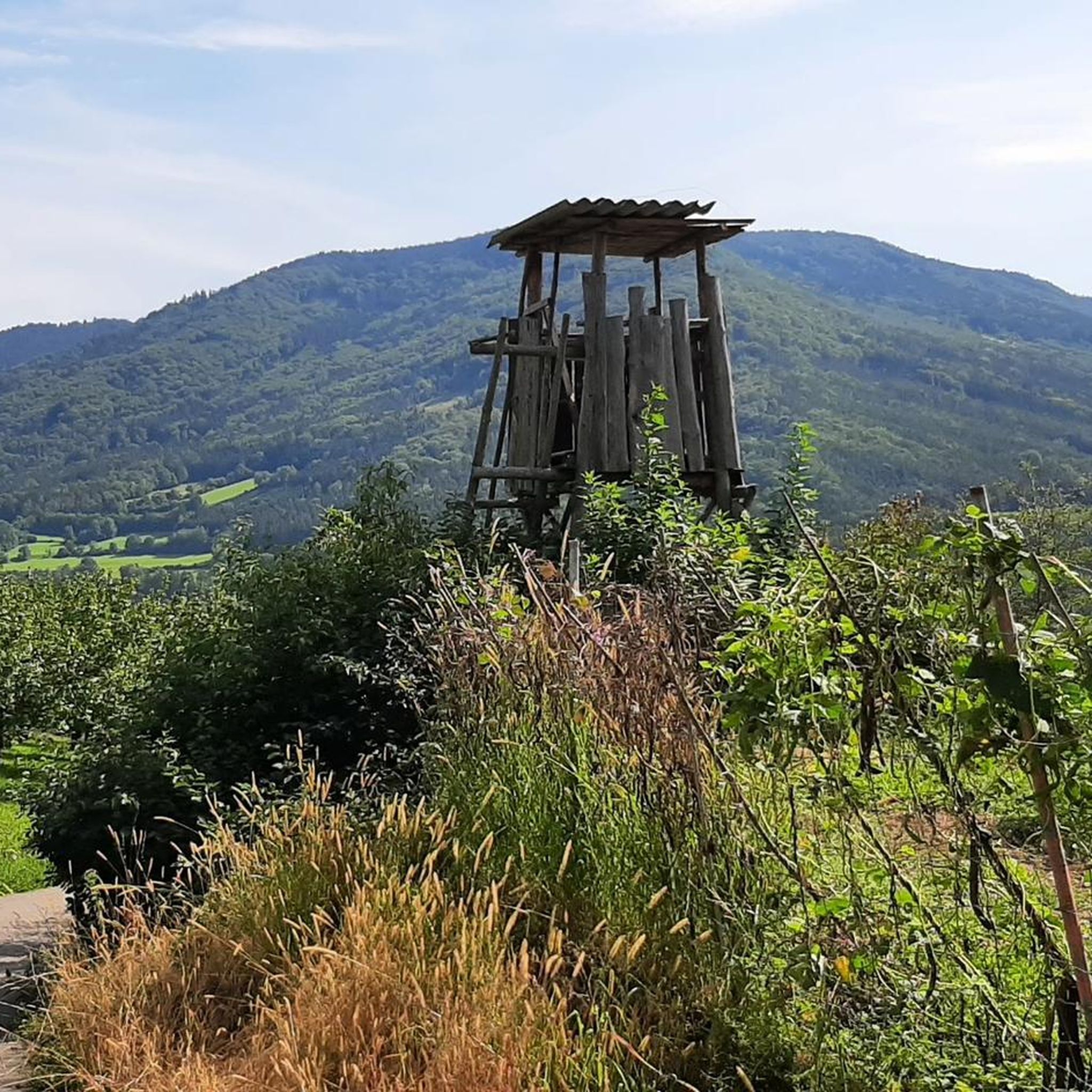
Road Cycling Routes in the Waldviertel
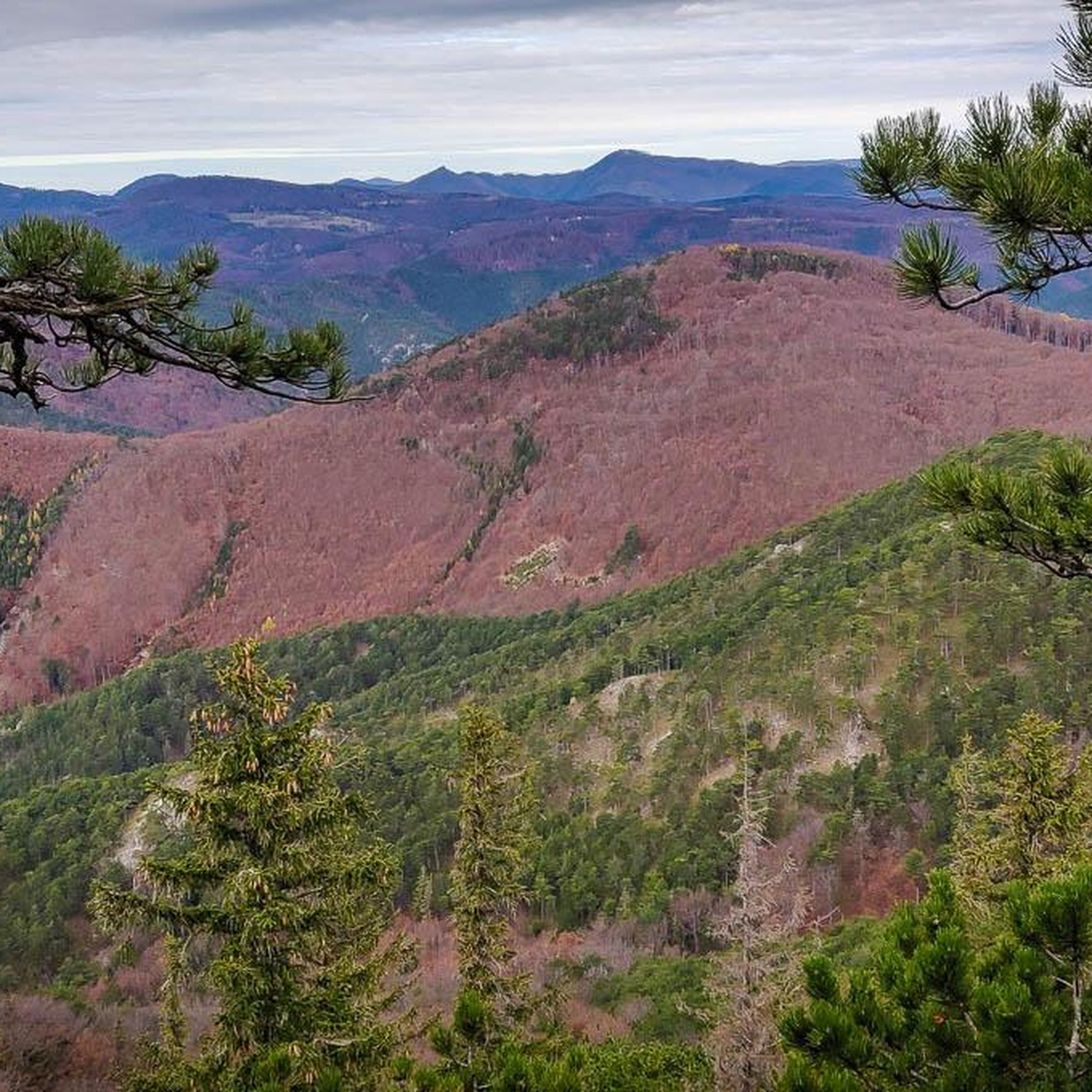
Road Cycling Routes in Bezirk Wiener Neustadt
Road Cycling Routes in Föhrenwald
As we wrote history – the Transcontinental Race #TCRN06
Other adventures in Lower Austria


Tips from the Community

Stift Melk towers as a striking Baroque landmark on a rock directly above the Danube at the gateway to the Wachau.
0
0

beautiful church on the main square of Spitz
0
0
The vineyards in the Wachau are a beautiful sight.
0
0
The Hinterhaus ruin, also called Oberhaus, is an almost thousand-year-old defensive structure in Spitz an der Donau, on an offshoot of the Jauerling. It was first mentioned in 1243. The ruin, located in the Wachau region, is situated near the "Tausendeimerberg", a vineyard that yields a certain amount of grapes each year, and on a rocky ridge of the so-called Hausberg, a part of the Jauerling massif.
0
0
In 1163, a Romanesque wooden chapel stood in the place, which was consecrated to the patron of the Niederalteich monastery. The present-day church is a significant work of the late Gothic period and rises with its mighty west tower on the present-day church square.
0
0
The parish church of Spitz, consecrated to Saint Mauritius, is a significant religious and cultural landmark of the region. This impressive church invites visitors to discover its magnificent architecture and rich history. Dedicated to Saint Mauritius, the parish church radiates an atmosphere of peace and spirituality that has impressed visitors for centuries.
0
0
beautiful view from Rossatz to Dürnstein. The Rossatz side has been disfigured since the music event.
1
0

From the other side of the Danube, you have a great view of the castle, the city, and the UFO. The path across the bridge is shared by cyclists and pedestrians.
3
0
Frequently Asked Questions
How many road cycling routes are available in Lower Austria?
Lower Austria offers a vast network for road cyclists, with over 8,200 routes available on komoot. This includes a wide range of options, from easy scenic rides to challenging ascents.
What kind of terrain can I expect on road cycling routes in Lower Austria?
The terrain in Lower Austria is incredibly diverse. You'll find flat plains along the Danube River, rolling hills in regions like the Mostviertel and Weinviertel with extensive vineyards, and more challenging ascents in the Vienna Alps, such as around Schneeberg and Wechsel. Routes often follow well-maintained paths along rivers or quiet side roads through agricultural areas.
Are there easy road cycling routes suitable for beginners in Lower Austria?
Yes, Lower Austria has numerous easy road cycling routes perfect for beginners or those seeking a relaxed ride. Many sections of the Danube Cycle Path and the Thermal Baths Cycle Path are mostly flat and family-friendly. An example of an easy route is the Rosen Bridge, Tulln – Danube Riverside Path loop from Tulln an der Donau, which covers 37.6 km with minimal elevation gain.
Where can I find challenging road cycling routes in Lower Austria?
For more ambitious cyclists, the Vienna Alps, including areas like Semmering and Wechsel, provide challenging climbs and panoramic views. The 'Bucklige Welt' (Land of a Thousand Hills) also offers constant ups and downs on quiet side roads. A difficult route to consider is the Vineyard Route in the Wachau – Parish Church of Weißenkirchen loop from Stein-Mautern, which features significant elevation changes through the Wachau Valley.
What natural features or landmarks can I see along road cycling routes in Lower Austria?
Road cycling routes in Lower Austria often pass by stunning natural features and historic landmarks. You can cycle along the picturesque Danube River, through the terraced vineyards of the Wachau Valley, or past the Greifenstein Danube Oxbow. Historic sites like Dürnstein Castle Ruins and ancient monasteries like Göttweig Abbey are also frequently encountered.
What is the best time of year for road cycling in Lower Austria?
The best time for road cycling in Lower Austria is generally from spring to autumn. During these seasons, the weather is pleasant, and the landscapes are vibrant, especially the vineyards in spring and autumn. The region's diverse terrain means you can find suitable routes for most conditions, but checking local forecasts is always recommended.
Are there any long-distance or multi-day road cycling options in Lower Austria?
Yes, Lower Austria is home to sections of renowned long-distance routes like the Danube Cycle Path. Other significant paths include the Traisental Cycle Path and the Kamp-Thaya-March Cycle Path, which offer opportunities for multi-day tours. Many routes are designed with cycle-friendly accommodations, known as 'Cycle Partners,' offering services like secure parking and tools for longer trips.
Can I find circular road cycling routes in Lower Austria?
Many road cycling routes in Lower Austria are designed as loops, allowing you to start and end at the same point. For instance, the Vineyard Cycle Path – Pottenbrunn Castle loop from Krems Campus-Kunstmeile is a popular circular route that takes you through vineyard landscapes and past historic castles.
What do other road cyclists enjoy most about the routes in Lower Austria?
The road cycling routes in Lower Austria are highly rated by the komoot community, with an average score of 4.6 stars from over 5,800 reviews. Reviewers often praise the region's diverse landscapes, from the scenic Danube River to the rolling hills and vineyards, as well as the well-maintained paths and the opportunity to combine cycling with cultural and culinary discoveries.
Are there road cycling routes in Lower Austria that offer views of historic sites or castles?
Absolutely. Lower Austria is rich in history, and many road cycling routes pass by impressive castles and historic sites. For example, the Steiner Tor – Vineyard Route in the Wachau loop from Melk offers views of the iconic Melk Abbey and other historical points of interest in the Wachau region.
Are there options for road cyclists to access routes via public transport in Lower Austria?
Yes, many road cycling routes in Lower Austria are accessible via public transport, particularly those along the Danube River. This allows for flexible planning, including one-way trips or starting points easily reached by train or bus. It's advisable to check specific transport options for your chosen route.
What amenities like cafes or restaurants can I expect along road cycling routes in Lower Austria?
Lower Austria is known for its culinary delights, and many road cycling routes pass through charming villages and towns where you can find cafes, traditional 'Heurigen' (wine taverns), and restaurants. The Weinviertel region, in particular, is ideal for combining leisurely rides with culinary stops and wine tasting.
Most popular routes in Lower Austria
Most popular attractions in Lower Austria

Get inspired with the komoot mobile app


Didn’t find what you were looking for?
Check out more Road cycling routes throughout Lower Austria below and find the perfect route in your destination.
Explore more
Browse the best Road cycling routes in other regions.
