Attractions and Places To See around Offagna - Top 20
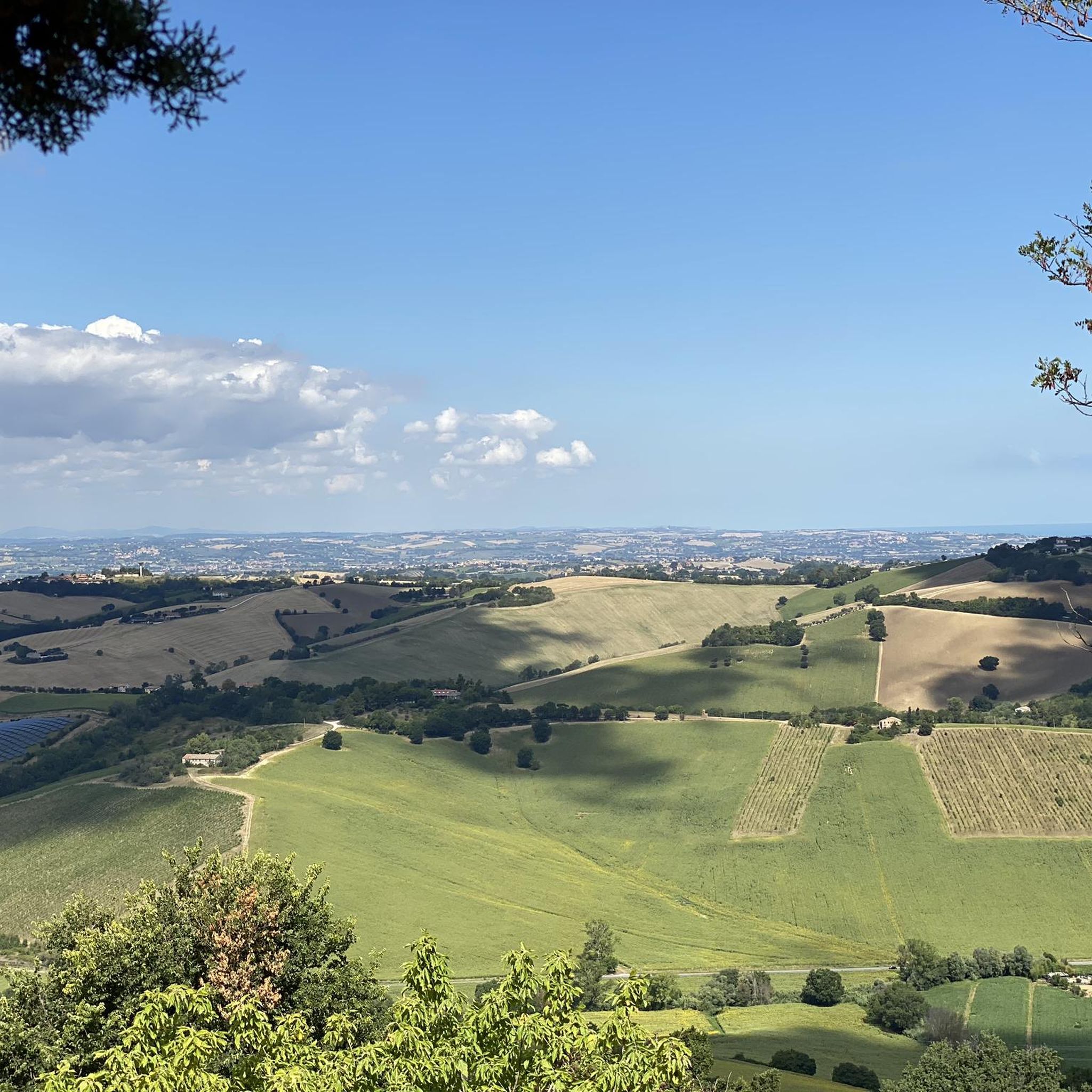
Best attractions and places to see around Offagna. Offagna is a medieval village located in the Marche hills near Ancona, recognized as one of Italy's "Most Beautiful Villages" and holding the "Orange Flag" for quality tourism. The area offers a blend of historical landmarks, cultural sites, and natural beauty. It provides visitors with insights into its preserved environment and rich traditions.
Best attractions and places to see around Offagna
- The most popular attractions is Conero Cycle Path to Gradina, a cycle_way that is a 10 km cycle-pedestrian path with stabilized gravel pavement. This path is suitable for both cyclists and pedestrians.
- Another must-see spot is Mezzavalle Beach, a beach with a wild character in the northern part of Ancona. This free beach features fine gravel and is dominated by the Conero mountain scenery.
- Visitors also love Passetto War Memorial, a man_made_monument that marks the end of Viale della Vittoria. This monument features a monumental staircase descending to the sea in the Passetto area.
- Offagna is known for its historical landmarks, cultural sites, and natural features. Visitors can explore a variety of attractions, from ancient fortresses and museums to panoramic viewpoints and nature trails.
- The attractions around Offagna are appreciated by the komoot community, with 26 upvotes and 20 photos shared by visitors.
Last updated: October 23, 2026
Mole Vanvitelliana
Highlight • Historical Site
Translated by Google •
Tip by

Mercato delle Erbe
Highlight • Structure
Translated by Google •
Tip by

Sign up now to discover places like this
Get recommendations on the best single tracks, peaks, & plenty of other exciting outdoor places.
Pia Gate
Highlight • Monument
Translated by Google •
Tip by

Cathedral of San Leopardo (Osimo Cathedral)
Highlight • Religious Site
Translated by Google •
Tip by

Mezzavalle Beach
Highlight • Beach
dominated by the majestic mountainous scenery of the Conero.
It is made up of fine gravel, Mezzavalle has a bar / restaurant but no establishments. It is forbidden to camp and light fires.
Translated by Google •
Tip by

Sign up for free to discover even more attractions around Offagna.
Already have an account?
Start today with a free account
Your next adventure awaits.
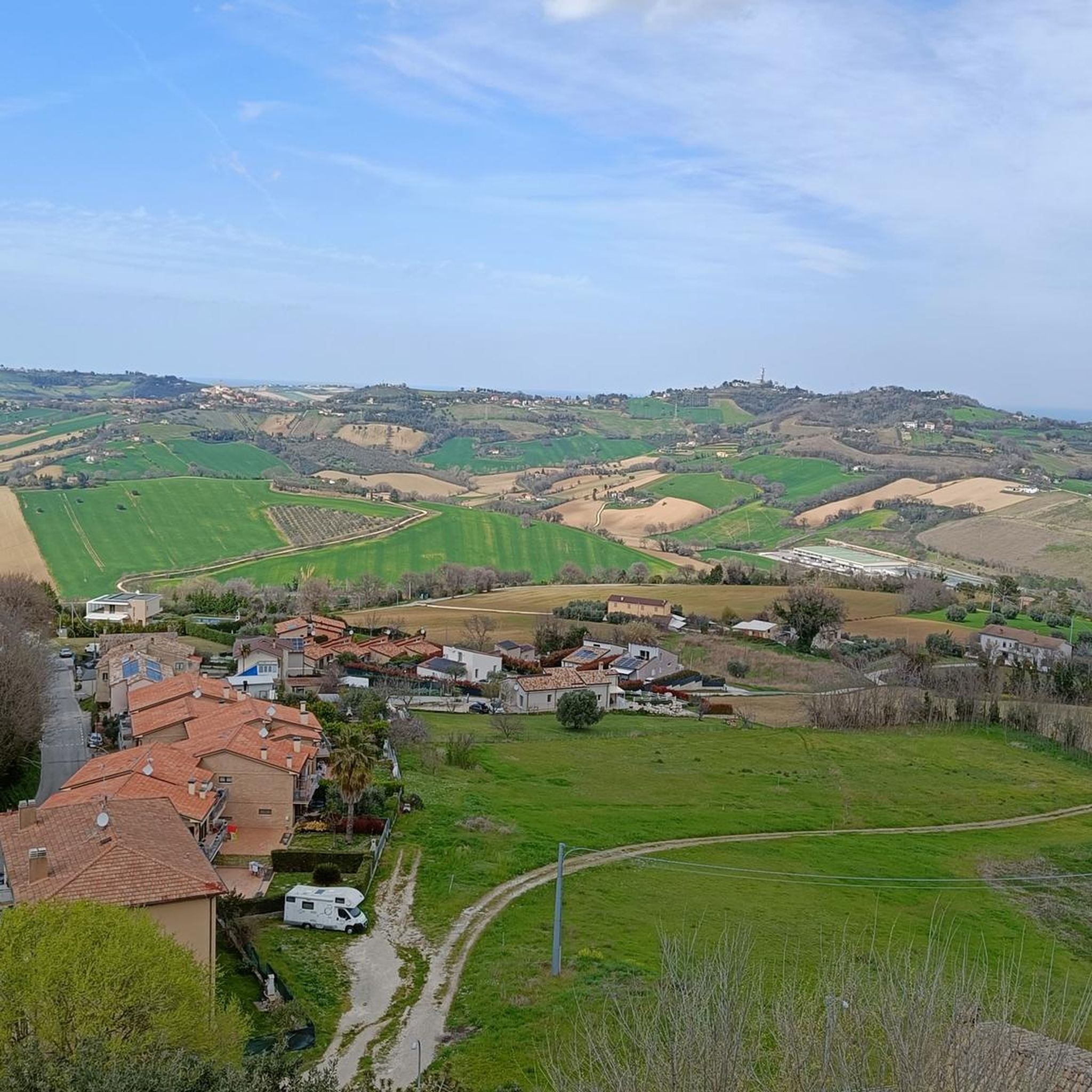

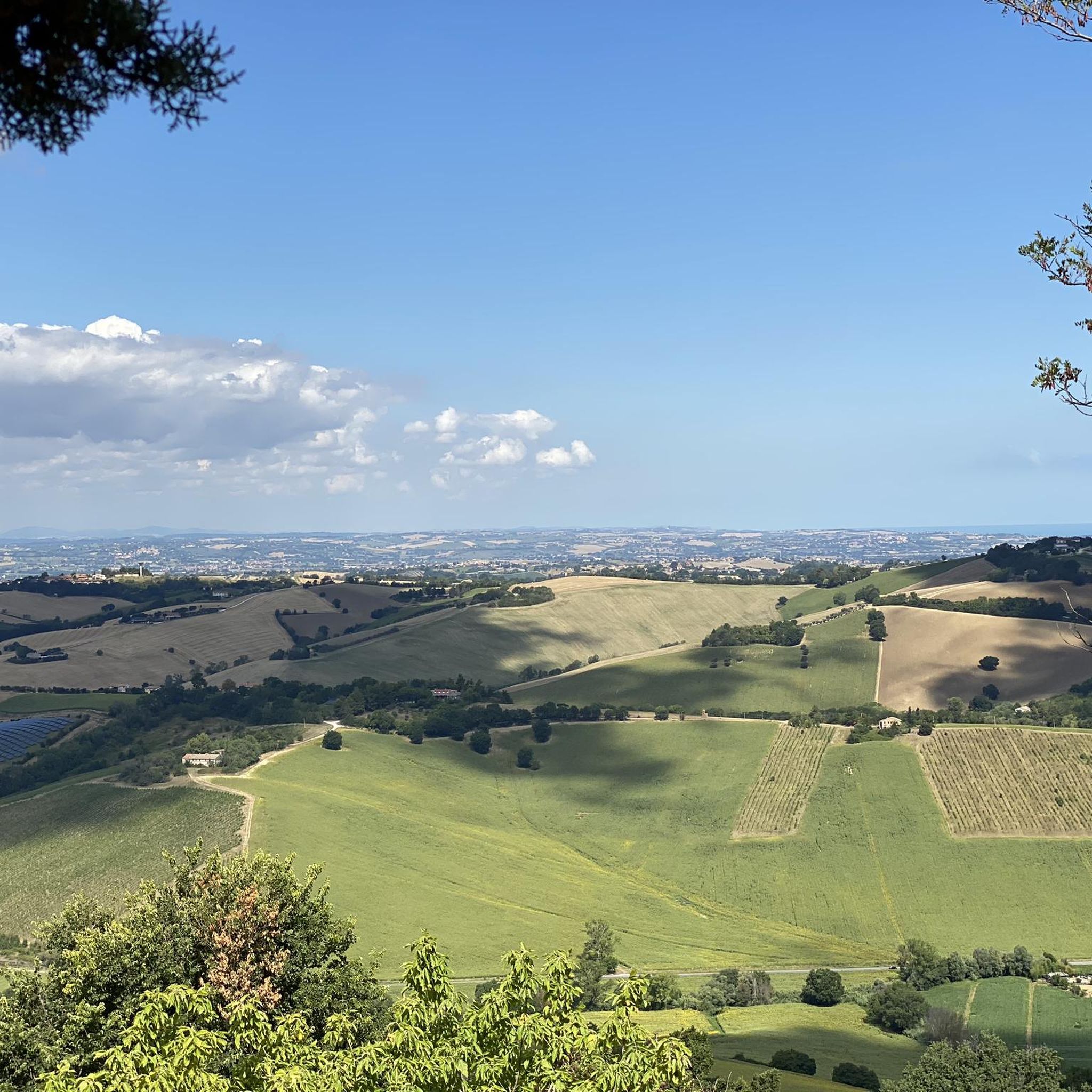
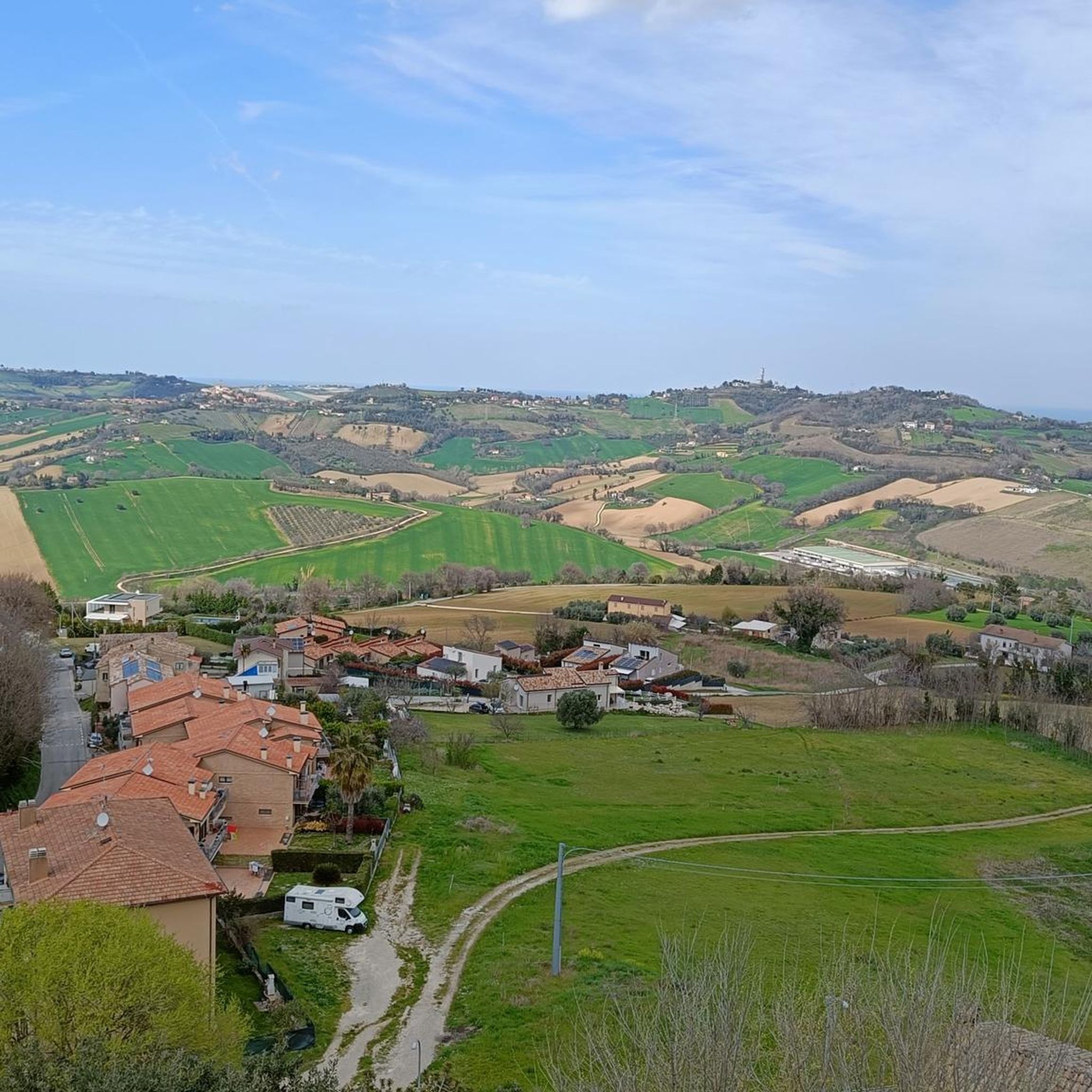
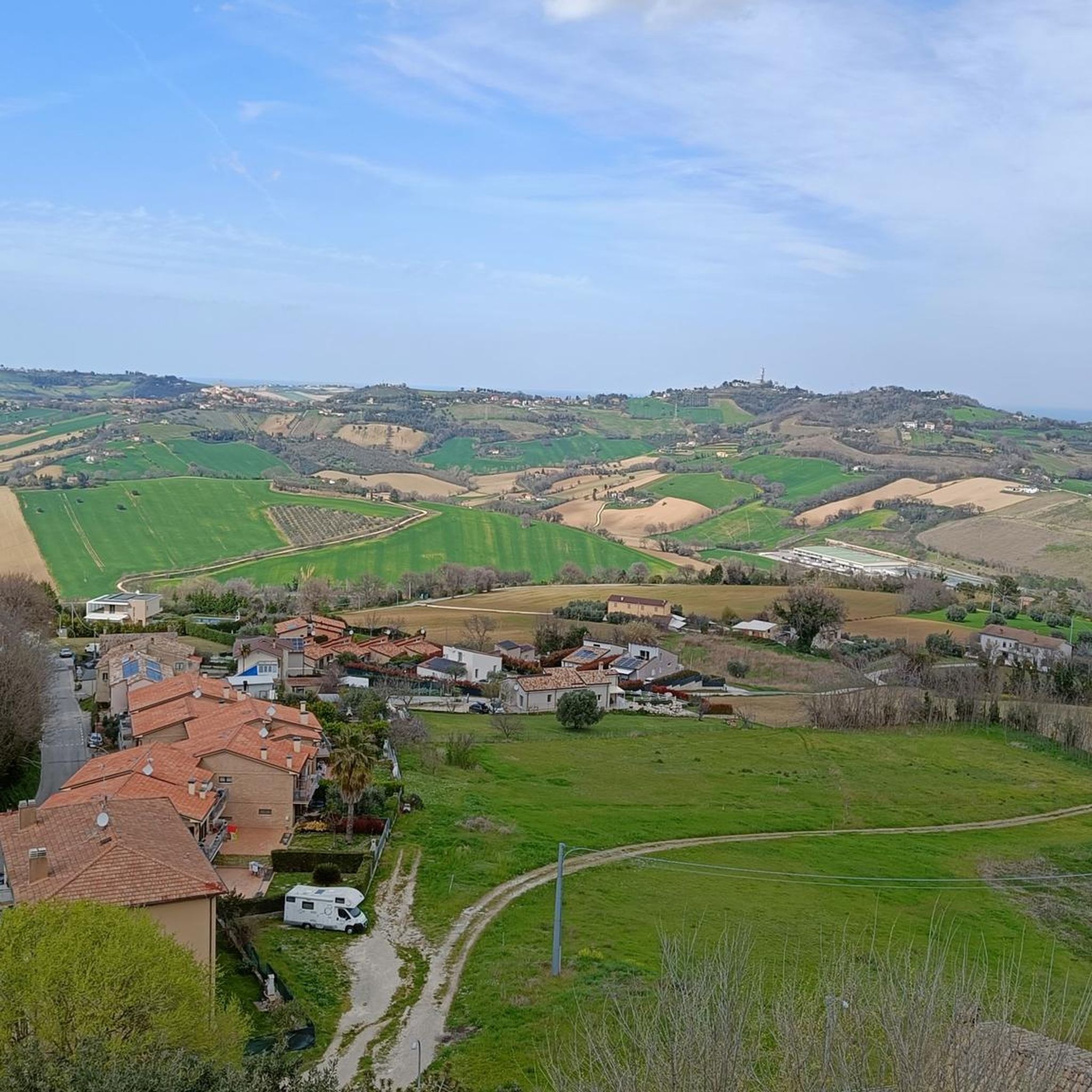
Tips from the Community

Historic monument in Ancona, a visit to the Museo Tattile Omero is recommended
1
0

The Ancona Herb Market is an Art Nouveau style structure built in 1926 to a design by municipal engineer Federico Federiconi. The structure, made of iron and cast iron, was conceived to provide a roof for the market that was already held in Piazza delle Erbe. The work was carried out by shipyard workers, using, in part, metal from Austrian ships ceded to Italy as compensation for damages from World War I; among them was the battleship SMS Erzherzog Franz Ferdinand which had struck the city. A century later, it still retains its original purpose as a covered market serving the city's four central districts, whose boundaries intersect in the nearby Piazza Roma. All of this constitutes a vast hub animated by about two hundred operators. The main facade has a palmette crowning and bears the inscription MERCATO PUBBLICO, which arches over a double scallop shell of Saint James; above the entrance, a depressed arch, is a clock surmounted by the civic coat of arms and flanked by two cornucopias overflowing with fruit, symbols of abundance. Above the side entrances, the construction date of the building can be seen: ANNO 1926. In January 2024, the long restoration work began.
2
0

This ancient monumental gate was built by architect Filippo Marchionni between 1787 and 1789 at the request of Pope Pius VI. It is a triumphal arch with a single arch, enclosed within two pilasters and featuring massive buttresses as high as the springer; the entire structure is characterized by polished blocks of Istrian stone. The façade facing the city is made of Istrian stone with Baroque friezes and is flanked by two pilasters supporting the attic, which once bore a dedicatory plaque with the papal coat of arms. This plaque, along with the dedicatory inscription, was later removed during the French occupation of 1797. The interior façade, without any particular ornamentation, is made of sandstone blocks. This side, too, topped by a simple triangular tympanum, also boasts another marble plaque commemorating the liberation from papal rule by General Cialdini's troops. https://anconatourism.it/arte-e-cultura/monumenti/porta-pia/
2
0
The Lazzaretto of Ancona, also known as the Mole Vanvitelliana, is an 18th-century monumental complex designed by architect Luigi Vanvitelli. It stands on a specially constructed artificial island in the southern part of the port basin. Originally completely isolated from the mainland, over the two centuries following its construction, it was connected to the shore by three bridges. Covering a surface area of 20,000 m², it was originally a multipurpose medical and military facility and has been a national monument since 1909. Today, it is a cultural center, home to the Omero Tactile Museum, an auditorium, and events and art exhibitions. The canal separating it from the mainland is called the Mandracchio, and houses the city's fishing fleet. The main building consists of two pentagonal structures, both designed by Vanvitelli; the two structures are adjacent, one inside the other, sharing a perimeter wall. The building occupying the ravelin dates back to the early decades of the 20th century. The main portal is made entirely of Istrian stone and is located on the side facing Porta Pia. A second, simpler, masonry portal still faces the Mandracchio side, and is therefore known as the "Water Gate." The gate remained closed for decades and opens onto a short dock that once housed clam traps. At the center of the courtyard stands the Temple of San Rocco, a small Doric-style sacred building, also built of Istrian stone, with transitional forms between Baroque and Neoclassicism. https://anconatourism.it/arte-e-cultura/monumenti/mole-vanvitelliana/
2
0


18th century gate. Next to it is the war memorial
4
0

Frequently Asked Questions
What historical landmarks can I explore in Offagna?
Offagna is rich in history. You can explore the majestic Offagna Fortress (Rocca di Offagna), a 15th-century military structure offering panoramic views. Other notable historical sites include the Clock Tower, Torrione, and the Aqueduct Tower, all remnants of the village's ancient defenses. Religious structures like the Parish Church of St. Thomas Apostle and the Church of Santa Lucia also offer historical insights.
Are there museums to visit in Offagna?
Yes, Offagna offers a unique museum complex. Within the Fortress, you'll find the Rocca Museum (Museum of Ancient Weapons), showcasing ancient weapons and historical reconstructions. The "Paolucci" Natural Science Museum displays naturalistic artifacts, and the Museum of the Liberation of Ancona documents World War II events. These three museums can be visited individually or with a cumulative ticket. For more information on the museum complex, you can visit visitoffagna.it.
What natural features and viewpoints can I enjoy around Offagna?
Offagna is surrounded by natural beauty and offers stunning viewpoints. The Offagna Fortress itself provides breathtaking views from the Sibillini Mountains to Mount Conero and the Adriatic Sea. For a 360-degree panorama, visit the Aqueduct Tower or Monte della Fiera, the highest point in the area. The region is also ideal for nature trails, and Offagna serves as a great base for exploring the nearby Conero Park.
Are there any beaches near Offagna?
Yes, you can visit Mezzavalle Beach, a wild and charming free beach located in the northern part of Ancona. It features fine gravel and is set against the majestic Conero mountain scenery. It's a great spot for clear water and ample space, though it's reachable via an unpaved and steep downhill road, so athletic shoes are recommended.
What outdoor activities, like hiking or cycling, can I do near Offagna?
The area around Offagna is excellent for outdoor enthusiasts. You can find numerous hiking trails, such as the easy "Medieval Fortress of Offagna – Rocca di Offagna loop from Offagna" (5.6 km). For cycling, consider the Conero Cycle Path to Gradina, a 10 km cycle-pedestrian path. You can explore more options for hiking and cycling routes around Offagna.
Are there family-friendly attractions or activities in Offagna?
Many attractions in Offagna are suitable for families. The Offagna Fortress and its museum are engaging for all ages, offering a glimpse into medieval life. The "Paolucci" Natural Science Museum can also be interesting for children. Additionally, the annual Medieval Festivals in July are a highlight, transforming the village into a vibrant historical experience with re-enactments and shows. The Passetto War Memorial is another family-friendly historical site.
When is the best time to visit Offagna?
The best time to visit Offagna largely depends on your interests. For experiencing the vibrant local traditions, the last week of July is ideal, as it hosts the annual Medieval Festivals. Spring and early autumn offer pleasant weather for exploring the historical sites and enjoying nature trails without the peak summer heat. The panoramic views are beautiful year-round, but clearer days provide the best visibility of the distant mountains and sea.
What local traditions or events can I experience in Offagna?
Offagna is famous for its annual Medieval Festivals (Feste Medievali), held in the last week of July. During this time, the historic center comes alive with costume parades, historical re-enactments, shows, traditional taverns, and fireworks. It's a fantastic opportunity to immerse yourself in the village's rich history and culture.
What culinary specialties should I try in Offagna?
When in Offagna, you must try the traditional "Crescia." This local flatbread is a culinary highlight, often enjoyed during the Medieval Festivals and available in local restaurants. An "Academy of the Crescia" was even established to protect this traditional Marche food, highlighting its importance to the region's gastronomy.
Can I find routes for mountain biking near Offagna?
Yes, there are several mountain biking routes available near Offagna. For example, you can explore the "Monte Cerno – Rocca di Offagna loop from Offagna," which is a moderate 16.2 km route. More options for MTB trails can be found in the area, catering to various difficulty levels.
What do visitors particularly enjoy about the attractions near Offagna?
Visitors appreciate the blend of history, culture, and natural beauty. The majestic Offagna Fortress and its panoramic views are frequently highlighted. The wild charm of Mezzavalle Beach and the historical significance of sites like the Passetto War Memorial are also popular. The area's trails, like the Conero Cycle Path to Gradina, are enjoyed by cyclists and pedestrians alike for their scenic beauty.
Are there any specific historical sites related to World War II in the area?
Yes, the Museum of the Liberation of Ancona in Offagna is dedicated to documenting the events of World War II, specifically the battles for the liberation of Ancona and the presence of the Second Polish Corps in the Marche region. This museum provides a significant historical perspective on the area's role in the war.
Most popular routes around Offagna
Most popular attractions around Offagna

Get inspired with the komoot mobile app


Explore more
Still not found the Highlight you’re looking for? See guides of the top attractions in other regions:
