Attractions and Places To See around Sassoferrato - Top 20
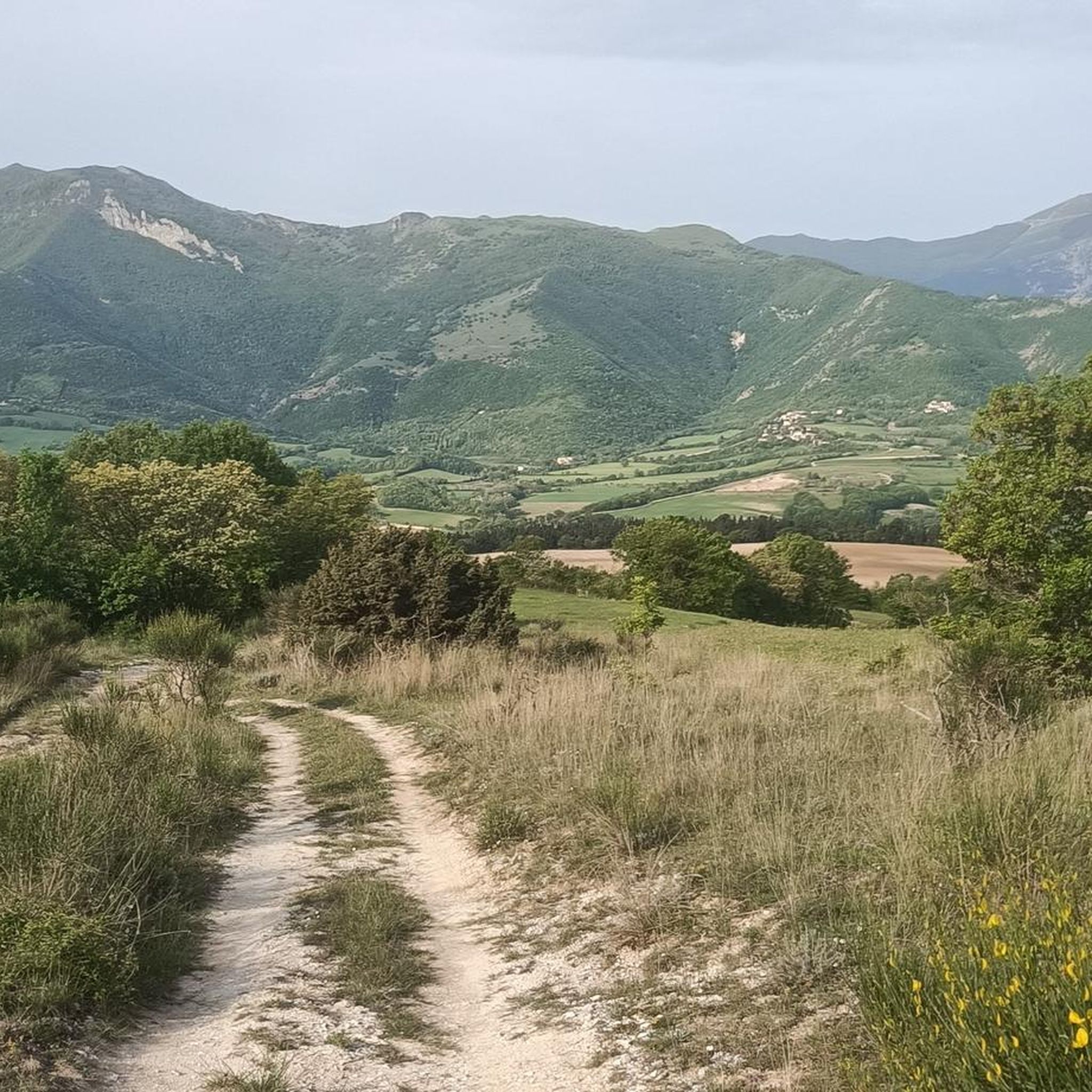
Best attractions and places to see around Sassoferrato are found in the Apennine foothills of the Marche region. The town offers a mix of historical, cultural, and natural attractions, divided between a modern lower town and a medieval upper town. Its territory includes wooded valleys, hills, and streams, providing scenic views. Visitors can explore ancient Roman roots and medieval heritage alongside natural landscapes.
Best attractions and places to see around Sassoferrato
- The most popular attractions is Summit of Monte Cucco…
Last updated: August 16, 2026
Monte Catria Summit
Highlight • Summit
Translated by Google •
Tip by

Summit of Monte Cucco
Highlight • Summit
Translated by Google •
Tip by

Sign up now to discover places like this
Get recommendations on the best single tracks, peaks, & plenty of other exciting outdoor places.
Sign up for free
Valadier Temple
Highlight • Religious Site
The …
Translated by Google •
Tip by

Riparo di Frasassi
Highlight • Religious Site
Translated by Google •
Tip by
Occhialoni Hole
Highlight • Natural Monument
Translated by Google •
Tip by

Sign up for free to discover even more attractions around Sassoferrato.
Sign up for free
Already have an account?
Start today with a free account
Your next adventure awaits.
Login or Signup

Tips from the Community

What can I say, simply fantastic.
0
0


unmissable place for visitors to the Genga-Frasassi area
0
0

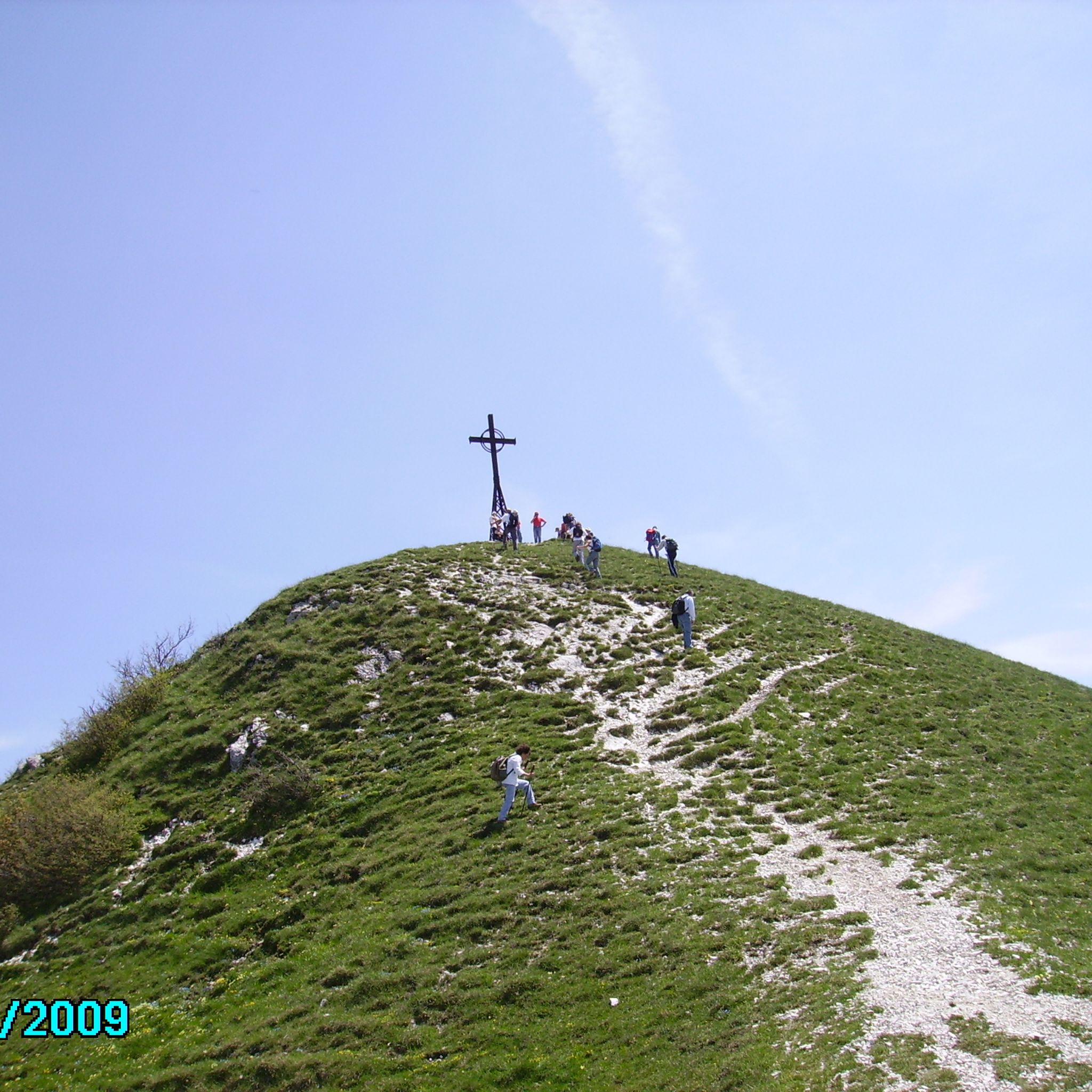
Monte Cucco is not only its peak... The natural park of Monte Cucco includes all the surrounding territory from its base, high plains and beautiful peak. This territory offers an infinite number of paths to travel on foot, by bike or even on horseback. This mountain is also very popular with those who love flying with paragliding or hang gliding. But it does not end here... Canyoning in the Rio Freddo gorge, camping, speleology etc... Also worth visiting inside its belly, the Monte Cucco cave. An oasis for fauna and flora and for people who love nature. The peak is one of the highest in the area. Have fun!
0
0
For those who arrive at the Foro degli Occhiali and want to further explore the surrounding environment or enter the hole, it is possible to do so with the via ferrata. Obviously, you need mountaineering, climbing or advanced hiking experience. I also recommend the use of a harness, helmet and suitable shoes. Remember that what you go down you have to go back up or vice versa. There is also the possibility of doing a circular tour. Prepare yourself with maps or guides.. departure from Pierosara, Rosenga, Vallemania or Gola di Frasassi
1
0
A natural window overlooking the Frasassi gorge. At the right times you can admire special plays of light. For the bravest, you can enter the hole, making a small descent with the utmost attention. Obviously recommended only to hikers with climbing, mountaineering or via ferrata experience. There are cables and/or ropes. The descent into the hole is slippery, some rocks are crumbly, and remember what you go down you should go back up!
1
0
Frequently Asked Questions
What historical sites can I explore in Sassoferrato?
Sassoferrato is rich in history. You can visit the ancient Roman city of Sentinum at the Parco Archeologico di Sentinum, which preserves ruins of streets, walls, and mosaics. The medieval upper town, known as the Castello district, features the remains of the 14th-century Rocca Albornoziana, offering panoramic views. Don't miss the Palazzo dei Priori, which houses the Civic Archaeological Museum, or the historic churches like San Facondino and San Pietro.
Are there any natural attractions or viewpoints around Sassoferrato?
Absolutely. The region is known for its stunning natural beauty. You can find breathtaking views from the Monte Catria Summit and the Summit of Monte Cucco, both offering panoramic vistas of the Umbria-Marche Apennines. The Occhialoni Hole provides a unique natural window overlooking the Frasassi gorge. The Sentino River and its waterfalls also offer scenic spots.
What kind of museums are available in Sassoferrato?
Sassoferrato offers several cultural insights through its museums. The Civic and Archaeological Museum, located in the Palazzo dei Priori, displays artifacts from Roman Sentinum. You can also visit the Sulphur Mine Museum in Cabernardi to learn about the region's industrial past, or the Museum of Popular Arts and Traditions for a glimpse into local heritage. The MAM'S Galleria Civica d'Arte Contemporanea "G.B. Salvi" showcases contemporary art, including works by local painter Giovan Battista Salvi.
What outdoor activities can I do near Sassoferrato's attractions?
The Apennine foothills provide excellent opportunities for outdoor activities. You can explore numerous hiking trails, including routes around Monte Strega, Monte Cucco, and Monte Catria. For cycling enthusiasts, there are challenging MTB and touring bicycle routes. You can find detailed routes and guides for these activities on komoot, such as Hiking around Sassoferrato, MTB Trails around Sassoferrato, and Cycling around Sassoferrato.
Are there any caves or unique geological formations to visit?
Yes, the region features some impressive caves and formations. The Valadier Temple is uniquely set into a rock, offering an impressive sight. The Occhialoni Hole is a natural window overlooking the Frasassi gorge, and the Grotta del Vernino is a suggestive cave that can be explored with proper equipment.
What is the best time to visit Sassoferrato for outdoor activities?
The Apennine foothills are generally pleasant for outdoor activities outside of the peak summer months. While some south-facing valleys, like the one where Grotta del Vernino is located, can be hot in summer, spring and autumn offer ideal temperatures for hiking and cycling. These seasons also provide beautiful scenery with lush greenery or vibrant fall colors.
What do visitors enjoy most about the attractions around Sassoferrato?
Visitors frequently highlight the stunning panoramic views from the mountain summits like Monte Catria and Monte Cucco, noting that the effort to reach them is well rewarded. The unique setting of the Valadier Temple, nestled into the rock, is also a popular draw, often combined with visits to the nearby Frasassi Caves. The blend of historical sites and natural landscapes is highly appreciated.
Are there any family-friendly activities or attractions in the Sassoferrato area?
While specific 'family-friendly' categories aren't listed for all attractions, many of the historical sites and natural areas can be enjoyed by families. The Valadier Temple, for example, has a path that offers beautiful views and places to sit, making it accessible. Exploring the Parco Archeologico di Sentinum can also be an educational experience for children interested in history. Gentle walks in the Apennine foothills are also suitable for families.
Can I find challenging hiking trails near Sassoferrato?
Yes, the Sassoferrato region offers several challenging hiking opportunities. Trails leading to summits like Monte Catria and Monte Cucco are considered intermediate to challenging. The path to the Occhialoni Hole also involves some challenging sections, and for the more experienced, there's a via ferrata option. You can find difficult hiking routes, such as 'From Casa dei Sassi to Monte Motette – Regional Park of Monte Cucco', in the Hiking around Sassoferrato guide.
What is the significance of the ancient Roman city of Sentinum?
The ancient Roman city of Sentinum, now preserved as the Parco Archeologico di Sentinum, is historically significant as the site of the decisive Battle of Sentinum in 295 BC. This battle was a pivotal moment in Roman history, where the Romans defeated a coalition of Samnites, Gauls, and Etruscans, solidifying their dominance in central Italy. Visitors can explore the remains of this important city, including streets, walls, and mosaics.
Are there any specific cycling routes recommended around Sassoferrato?
Yes, there are several cycling routes catering to different preferences. For challenging rides, you can find routes like 'Beautiful gravel – Frasassi Caves loop from Sassoferrato-Arcevia' or 'Sentino Gorge – Beautiful gravel loop from Sassoferrato'. These and other routes are detailed in the Cycling around Sassoferrato guide, offering diverse terrain through the region's scenic landscapes.
What is the difference between Sassoferrato's Borgo and Castello districts?
Sassoferrato is distinctly divided into two main areas. The Borgo district is the modern lower town, serving as the contemporary center. In contrast, the Castello district is the medieval upper town, perched on a hill. This historic area retains much of its original defensive structure, with narrow streets, stone houses, and the remains of the Rocca Albornoziana, offering a glimpse into the town's ancient past.
Most popular routes around Sassoferrato
Most popular attractions around Sassoferrato

Get inspired with the komoot mobile app


Explore more
Still not found the Highlight you’re looking for? See guides of the top attractions in other regions:
