The best MTB trails around Roccafluvione
4.5
(296)
2,211
riders
17
rides
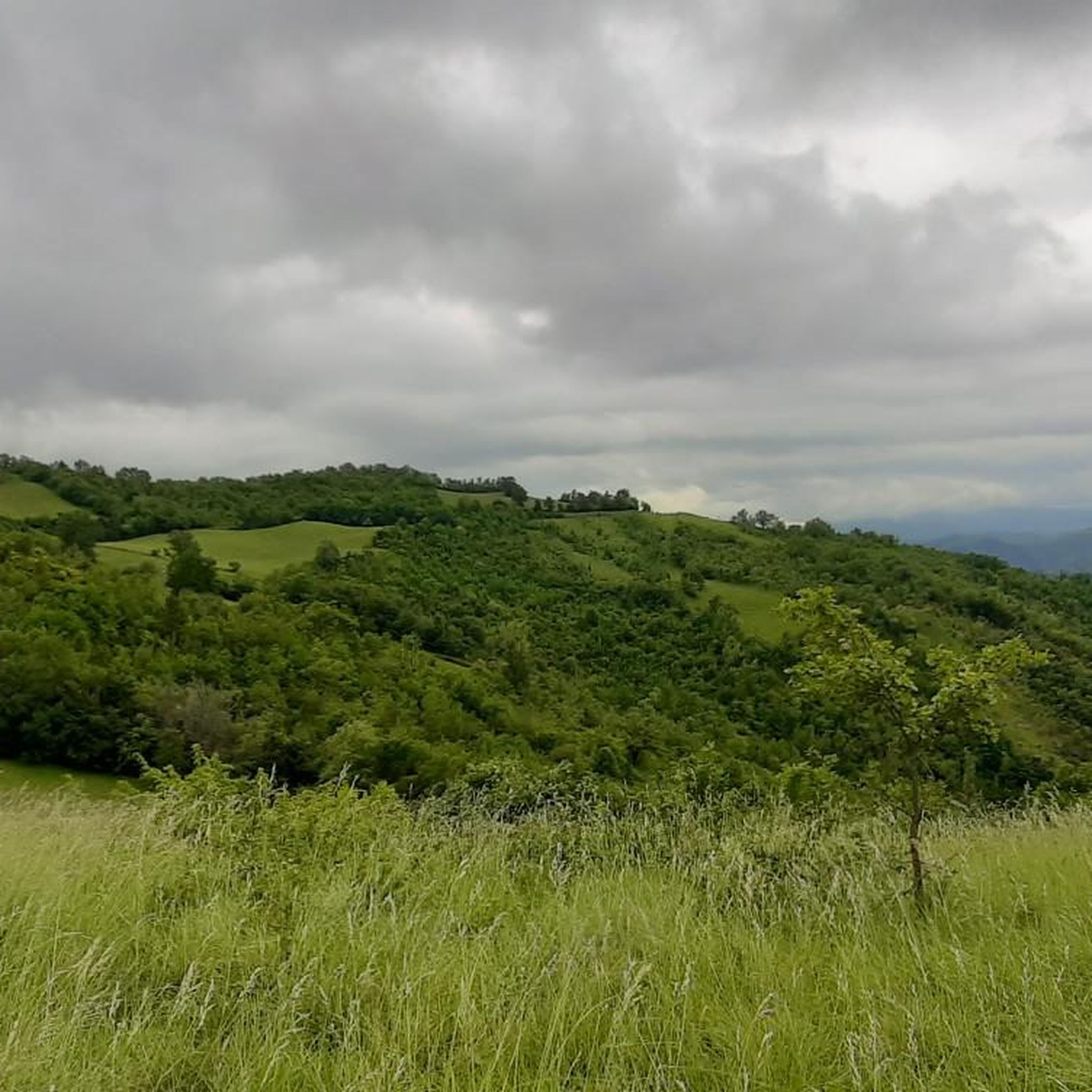
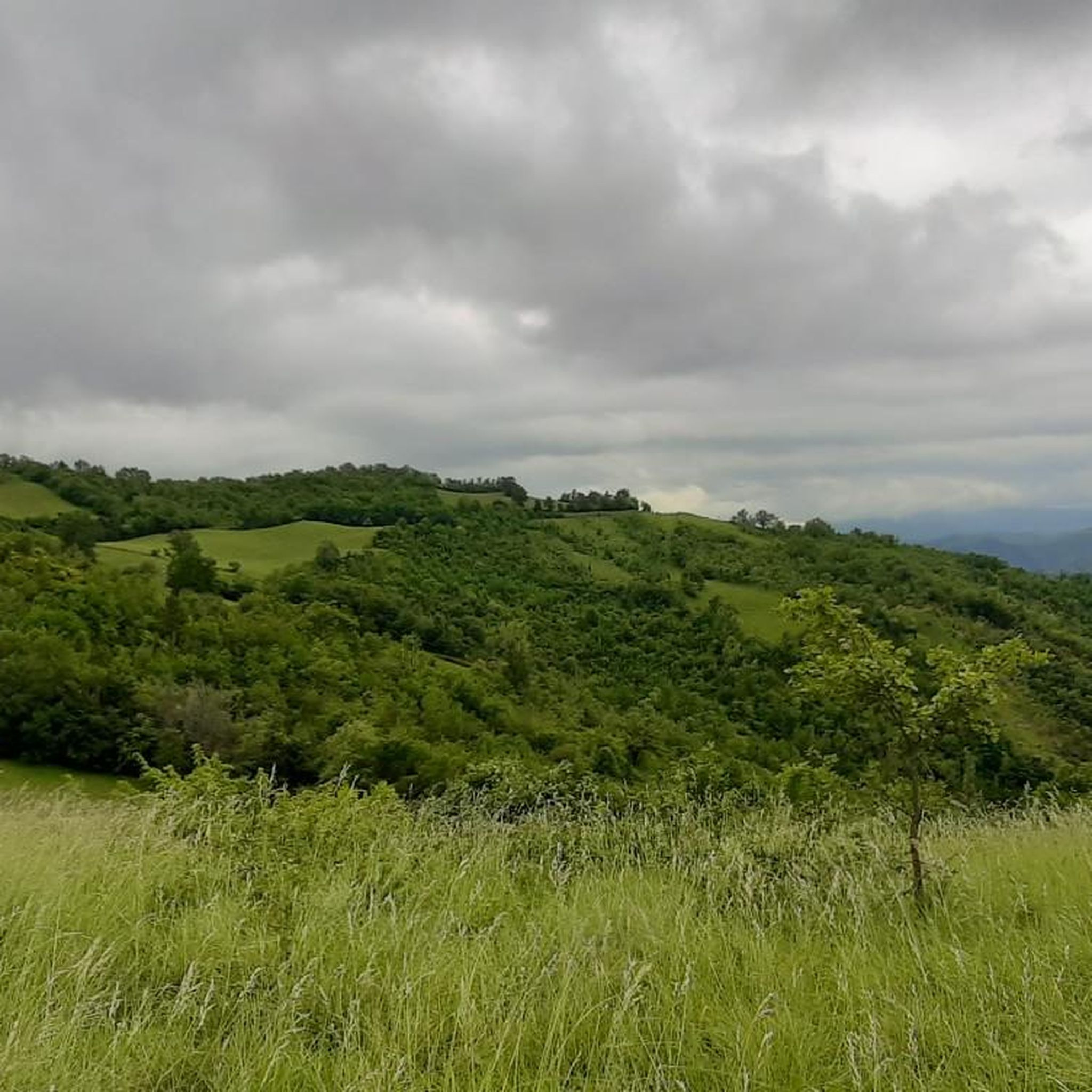
Mountain biking around Roccafluvione offers a diverse landscape characterized by rolling hills, dense woodlands, and river valleys. The region features numerous historical sites and natural attractions like waterfalls, providing varied scenery for mountain bike trails. Riders can expect challenging ascents and descents, with many routes leading to panoramic viewpoints.
Best mountain bike trails around Roccafluvione
- The most popular mountain bike trail is Borgo di Bovecchia – Monestino Ruins loop from Roccafluvione, a 23.6 miles (38.0 km) trail that takes…
Last updated: October 11, 2026
5.0
(1)
52
riders
37.8km
03:59
1,190m
1,190m
Hard mountain bike ride. Very good fitness required. Advanced riding skills necessary. Some portions of the route may require you to push your bike.
18
riders
Moderate mountain bike ride. Good fitness required. Advanced riding skills necessary.

5.0
(1)
13
riders
23.0km
01:53
560m
560m
Moderate mountain bike ride. Good fitness required. Suitable for all skill levels.
5.0
(2)
12
riders
46.2km
03:47
1,040m
1,040m
Hard mountain bike ride. Very good fitness required. Advanced riding skills necessary.
4.0
(4)
9
riders
36.4km
03:20
950m
950m
Hard mountain bike ride. Very good fitness required. Advanced riding skills necessary. Some portions of the route may require you to push your bike.
Get access to more routes and recommendations from other explorers.
Already have an account?
Our route recommendations are based on thousands of hikes, rides, and runs completed by other people on komoot.
Start today with a free account
Your next adventure awaits.
Tips from the Community

The Arena waterfall is one of the most beautiful natural attractions in the Roccafluvione area. It presents itself to visitors with a drop of over 10 meters, between two steep rocky spurs. It is fed by the Fluvione stream, one of the main tributaries of the Tronto river.
1
0

A pre-mountain area rich in history and culture, the territory of the Municipality of Roccafluvione includes approximately 60 hamlets, mostly located in the area of Mount Ceresa, a mountain range between the municipalities of Roccafluvione Acquasanta and Montegallo.
0
0

Magnificent waterfall over ten meters high along the Fluvione stream. Its leap is spectacular and can be admired from the stone bridge adjacent to the old Pignoloni mill. Before the waterfall, the stream forms a small lake with very shallow and calm waters where it is possible to find relief from the summer heat.
0
0

The Arena waterfall, a natural jewel of Roccafluvione, is a drop of water of over 10 meters, created by the Fluvione stream between steep rocks. Next to it stands the Pignoloni Mill, built in the 17th century. Above the waterfall is a lake created by a weir. In autumn, the lake offers a unique show. The best observation point is the bridge overlooking the waterfall, a stone's throw from the ancient mill of Arena.
2
0
Monestino, once a fraction of the municipality of Rocca Casaregnana, today is a set of a few ruins immersed in the vegetation. Its history is a fascinating piece of the medieval history of the Marches. The first traces identify it as a "monastery", a term that suggests an origin linked to a religious community. It is mentioned in the Ascoli land registers of 1381 alongside Vetoli, both part of a union. Over the centuries, Monestino experienced depopulation and territorial changes, culminating in the annexation to Rocca Casaregnana and then to Roccafluvione after the unification of Italy. Today, you can still see the traces of the houses half-buried in the vegetation, as well as the remains of a farmhouse that reveal the various architectural interventions that have taken place over time. A still active spring flows in front of the decaying building, and the road, going up, leads to the top of the village, where the interlocking between nature and architecture creates a suggestive atmosphere.
2
0

Background Currently the church (18.00 x 6.50 meters) has a single nave facing east with a slender cuspidated bell tower (2.50 x 2.50 x 16.00 meters) incorporated into the façade on the right side. The gabled façade, in squared sandstone blocks, has a simple and elegant portal with architrave on molded shelves, dated 1516, surmounted by a lunette and a small single lancet window. The north side adjacent to the cemetery has nothing particular, while in the south there is a simple side portal with an architrave on shelves and traces of ancient single lancet windows now closed; the current semicircular windows as well as the brick pennuccia of the roof date back to restorations of the mid-century. XX. Leaning against the back wall of the church you can see the small building of the hermitage characterized by two narrow slits. The entrance has a narrow atrium, flanked on one side by the bell tower and on the other by the baptistery which is accessed from the nave; above these there is a small choir loft. The hall has a painted rectangular plan, except for the remarkable stone triumphal arch of 1549, with a wooden trussed ceiling and some niches with statues of saints; the current terrazzo floor dates back to an intervention in the mid-century XX; interesting are the baptismal font in sandstone and the lateral stoup in travertine. The presbytery, raised from the hall by a step, has a cross vault and a Baroque altar on a 16th century frescoed dossal, containing a niche with the clay statue of the Madonna and Child, two other niches are present on the sides as well as two doors, the one on the left that leads into the sacristy, the one on the right in a room of the ancient hermitage. https://www.iluoghidelsilenzio.it/chiesa-di-s-maria-delle-scalelle-roccafluvione-ap/
0
0
MONESTINO Fraction of the former municipality of Rocca Casaregnana The few ruins that lie among the brambles still perpetuate the history of this singular now uninhabited village to visitors. Most probably it originates in the Middle Ages and in the first correspondences that mention it it appears with the name of Monastery, which links the place to an unspecified monastic community. The Ascoli land registers of 1381 treat the hamlet together with Vetoli, as belonging to its own union, which already in the following century had suffered great depopulation and had been annexed to the neighboring Rocca Casaregnana, remaining there until the territorial upheavals of the Roman Republic and of Napoleon, subjected like the whole area to the Department of Tronto. With the restoration in 1815 it passed under Venarotta together with Vetoli, Marsia and Vallicella, to then be definitively united with the municipality of Rocca Casaregnana up to united Italy; in 1863 it will become part of the nascent municipality of Roccafluvione. What remains are some houses semi-submerged by vegetation or reduced to ruins, although some are still inhabited in the summer, built on a cultivated plateau; singular is the ruin of a farmhouse where you can read the various extensions made in different eras. In front of the dilapidated building you can draw water from the still functioning spring, while continuing the road climbs towards the highest part of the incasato where by now the remains of the modest houses have given way to increasingly dense vegetation.
2
0
Frequently Asked Questions
How many mountain bike trails are available around Roccafluvione?
There are over 160 mountain bike trails around Roccafluvione. The region offers a diverse landscape with options ranging from moderate to difficult, catering to various skill levels.
Are there mountain bike trails suitable for beginners in Roccafluvione?
While Roccafluvione is known for its challenging terrain, there is at least one easy mountain bike trail available. Most routes in the area are classified as moderate or difficult, so beginners should carefully check trail descriptions before heading out.
What kind of terrain can I expect on mountain bike trails in Roccafluvione?
Mountain biking around Roccafluvione features a diverse landscape characterized by rolling hills, dense woodlands, and river valleys. Riders can expect challenging ascents and descents, with many routes leading to panoramic viewpoints. The region also includes historical sites and natural attractions like waterfalls.
Are there any mountain bike trails with scenic viewpoints in Roccafluvione?
Yes, many mountain bike trails in Roccafluvione offer panoramic viewpoints. For example, the difficult route Sibillini Balcony Viewpoint – Cascata Arena loop from Roccafluvione is specifically named for its views and includes a waterfall. The region's hilly terrain naturally provides numerous opportunities for scenic vistas.
What are some of the longer mountain bike routes in the Roccafluvione area?
For longer rides, consider the difficult Sandstone Bank – Trail in the Woods loop from Valle Castellana, which covers approximately 27 miles (43.6 km) and takes around 4 hours 42 minutes. Another substantial option is the Borgo di Bovecchia – Monestino Ruins loop from Roccafluvione, a 23.6-mile (38.0 km) trail.
Are there any circular mountain bike routes in Roccafluvione?
Yes, many of the mountain bike routes in Roccafluvione are designed as loops. Popular circular trails include the Borgo di Bovecchia – Monestino Ruins loop from Roccafluvione and the Poggio Rocchetta – Tallacano Village loop from Corneto, which offers village views.
What can I see along the mountain bike trails in Roccafluvione?
The trails often pass through historical sites and natural attractions. You might encounter places like the Zilioli Memorial Cross or the stunning Pilate Lake. The region is also known for its dense woodlands and river valleys, with routes like the Forcella Waterfalls – Ponte Vecchio loop from Ponte D'Arli featuring scenic waterfalls.
What is the best time of year for mountain biking in Roccafluvione?
The best time for mountain biking in Roccafluvione is typically during spring and autumn when the weather is mild and the natural scenery is at its most vibrant. Summer can be warm, while winter might present challenges with colder temperatures and potentially snow at higher elevations, though some trails may still be accessible.
What do other mountain bikers enjoy most about Roccafluvione?
The komoot community highly rates mountain biking in Roccafluvione, with an average score of 4.5 stars from over 400 reviews. Riders often praise the diverse landscape, the challenging ascents and descents, and the combination of historical sites and natural beauty like waterfalls and panoramic viewpoints.
Are there any specific attractions or landmarks near the mountain bike routes?
Beyond the trails, Roccafluvione is close to significant landmarks. You can find the historic Piazza del Popolo in Ascoli Piceno and the impressive Cathedral of Saint Emygdius. For those interested in natural peaks, Monte Vettore is also in the broader region.
How long do mountain bike trails near Roccafluvione typically take to complete?
The duration of mountain bike trails in Roccafluvione varies significantly based on distance and difficulty. For example, the Poggio Rocchetta – Tallacano Village loop from Corneto, a 16.7-mile (26.9 km) difficult trail, typically takes about 2 hours 40 minutes. Longer routes can take up to 4 hours or more.
Most popular routes around Roccafluvione
Most popular attractions around Roccafluvione

Get inspired with the komoot mobile app


Explore more
Browse the best MTB trails in other regions.
