The best road cycling routes around Valpelline
4.4
(372)
11,995
riders
77
rides
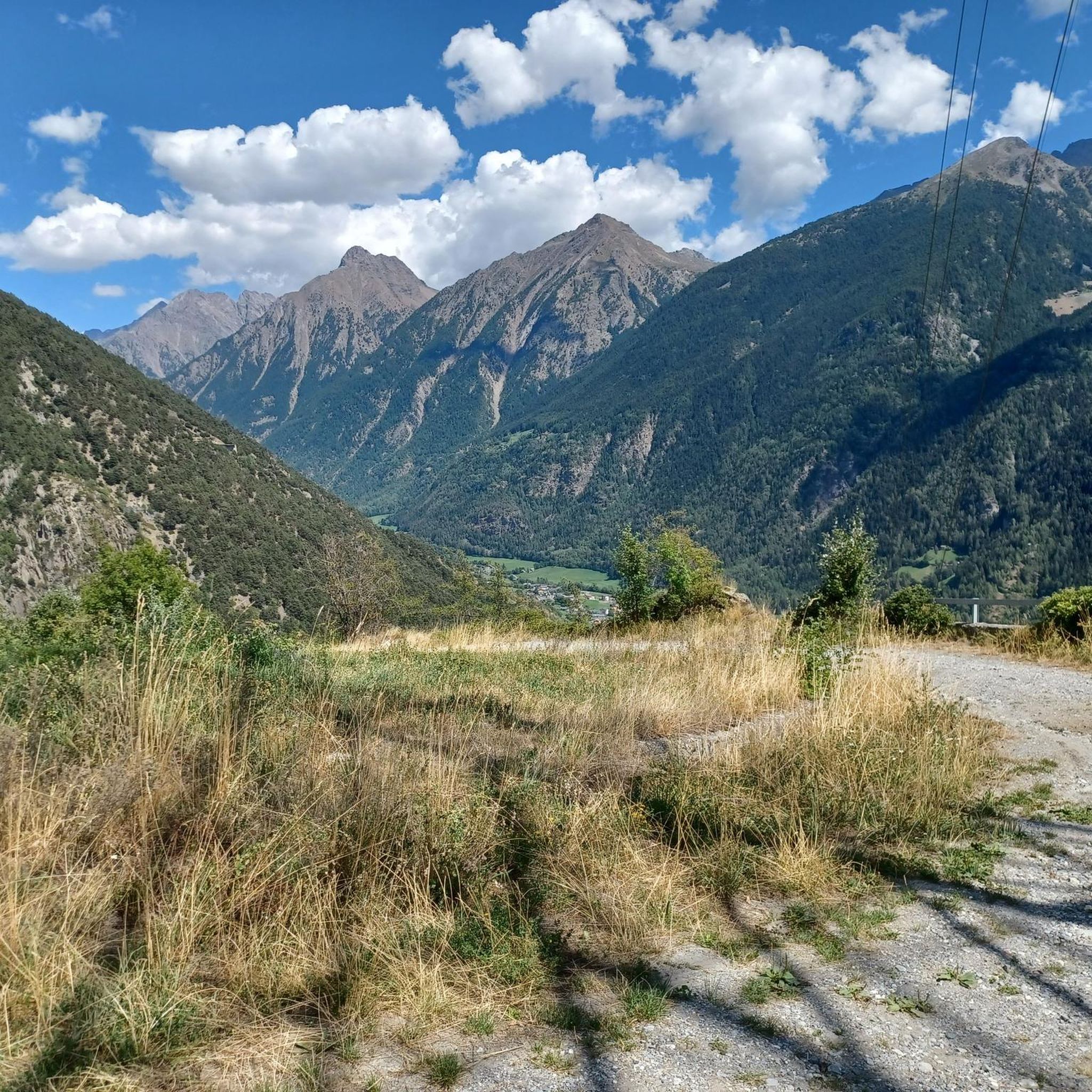
Road cycling around Valpelline features routes through the alpine landscape of the Aosta Valley. The region is characterized by deep valleys, challenging mountain passes, and historic villages nestled among the peaks. Road cyclists can expect varied terrain, from valley floors to significant ascents, providing diverse experiences. The area offers a mix of demanding climbs and more moderate valley rides.
Best road cycling routes around Valpelline
- The most popular road cycling route is Great St Bernard Pass from Aosta, a…
Last updated: July 2, 2026
4.9
(23)
926
riders
58.0km
03:44
1,770m
1,770m
Cycle the difficult 36.0-mile Colle del Gran San Bernardo from Variney, gaining 5801 feet with panoramic alpine views.
4.0
(1)
25
riders
16.7km
01:13
610m
610m
Moderate road ride. Good fitness required. Mostly well-paved surfaces and easy to ride.

Sign up for free
3.8
(19)
353
riders
55.9km
02:50
700m
700m
Moderate road ride. Good fitness required. Mostly well-paved surfaces and easy to ride.
4.0
(6)
300
riders
70.9km
03:55
1,490m
1,490m
Hard road ride. Very good fitness required. Mostly well-paved surfaces and easy to ride.
3.0
(1)
142
riders
45.5km
02:59
1,340m
1,350m
Hard road ride. Very good fitness required. Mostly well-paved surfaces and easy to ride.
Get access to more routes and recommendations from other explorers.
Sign up for free
Already have an account?
Our route recommendations are based on thousands of hikes, rides, and runs completed by other people on komoot.
Start today with a free account
Your next adventure awaits.
Login or Signup
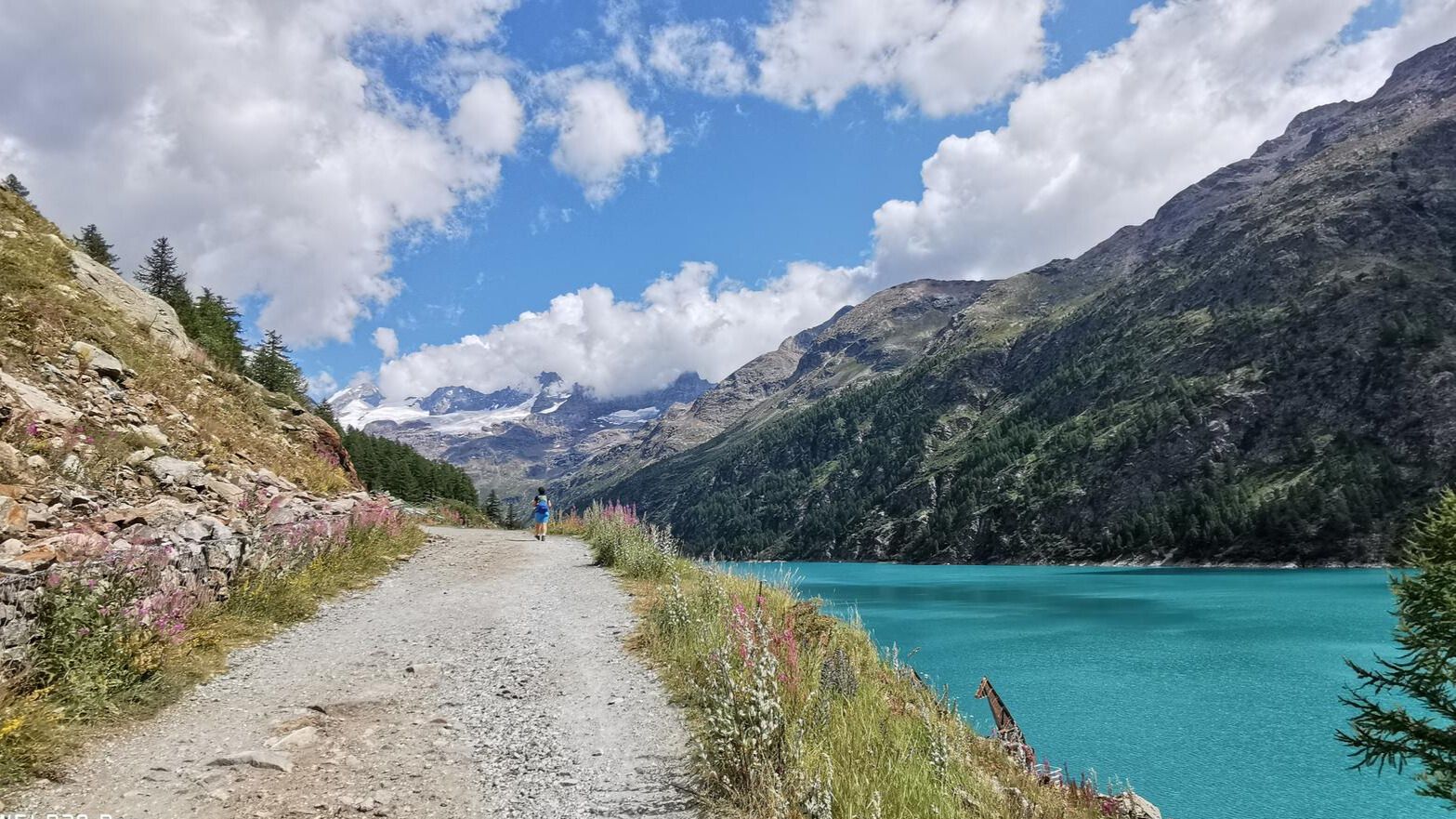
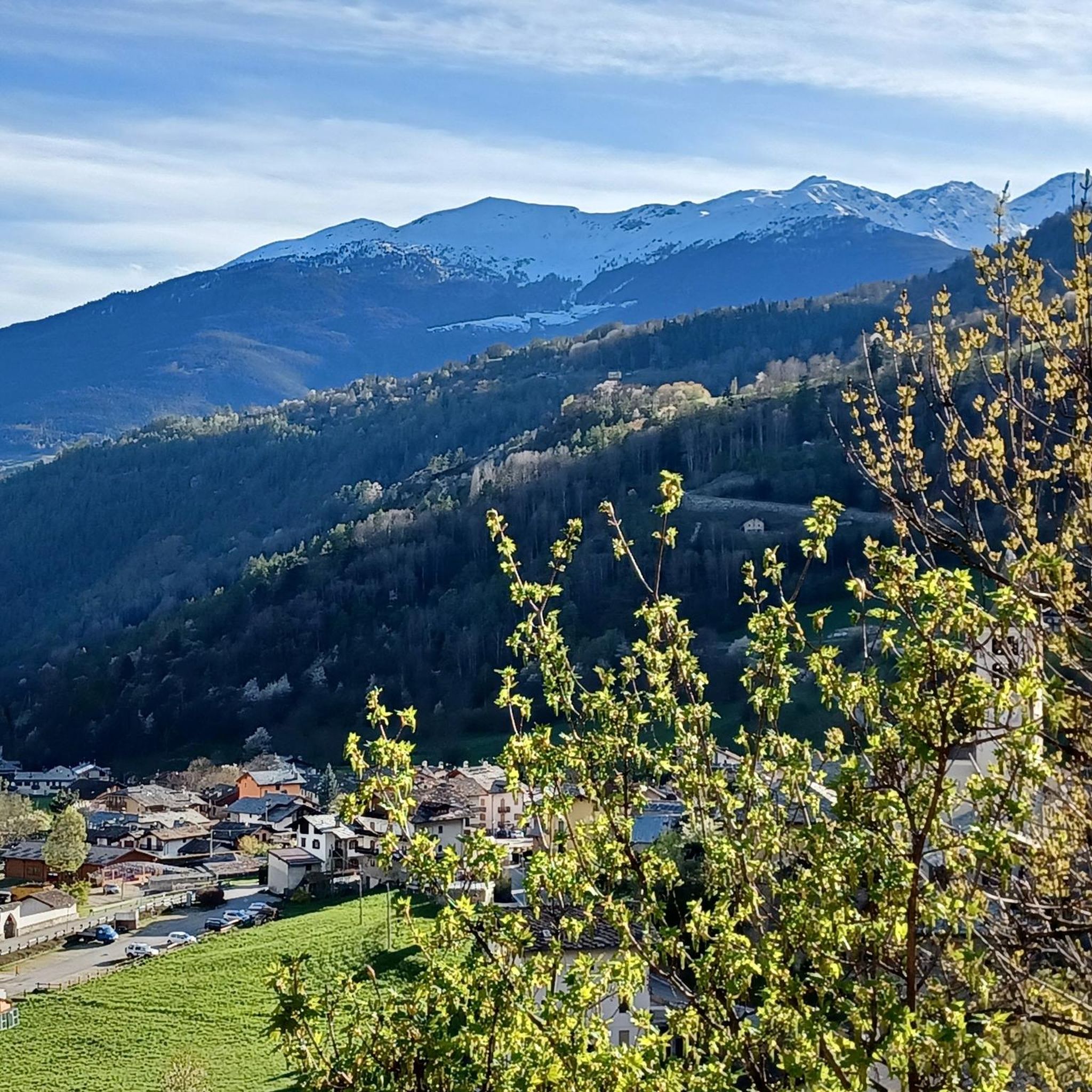
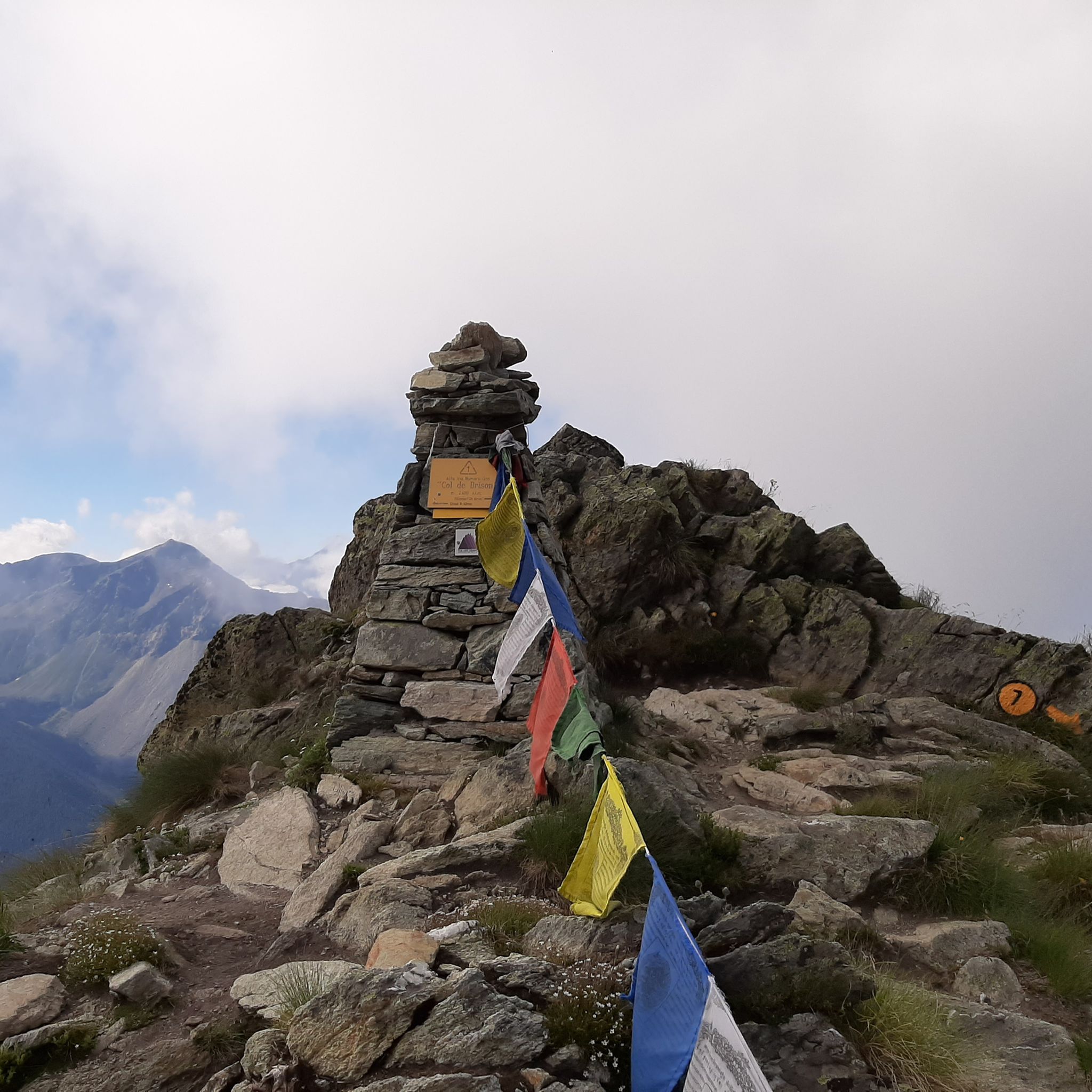

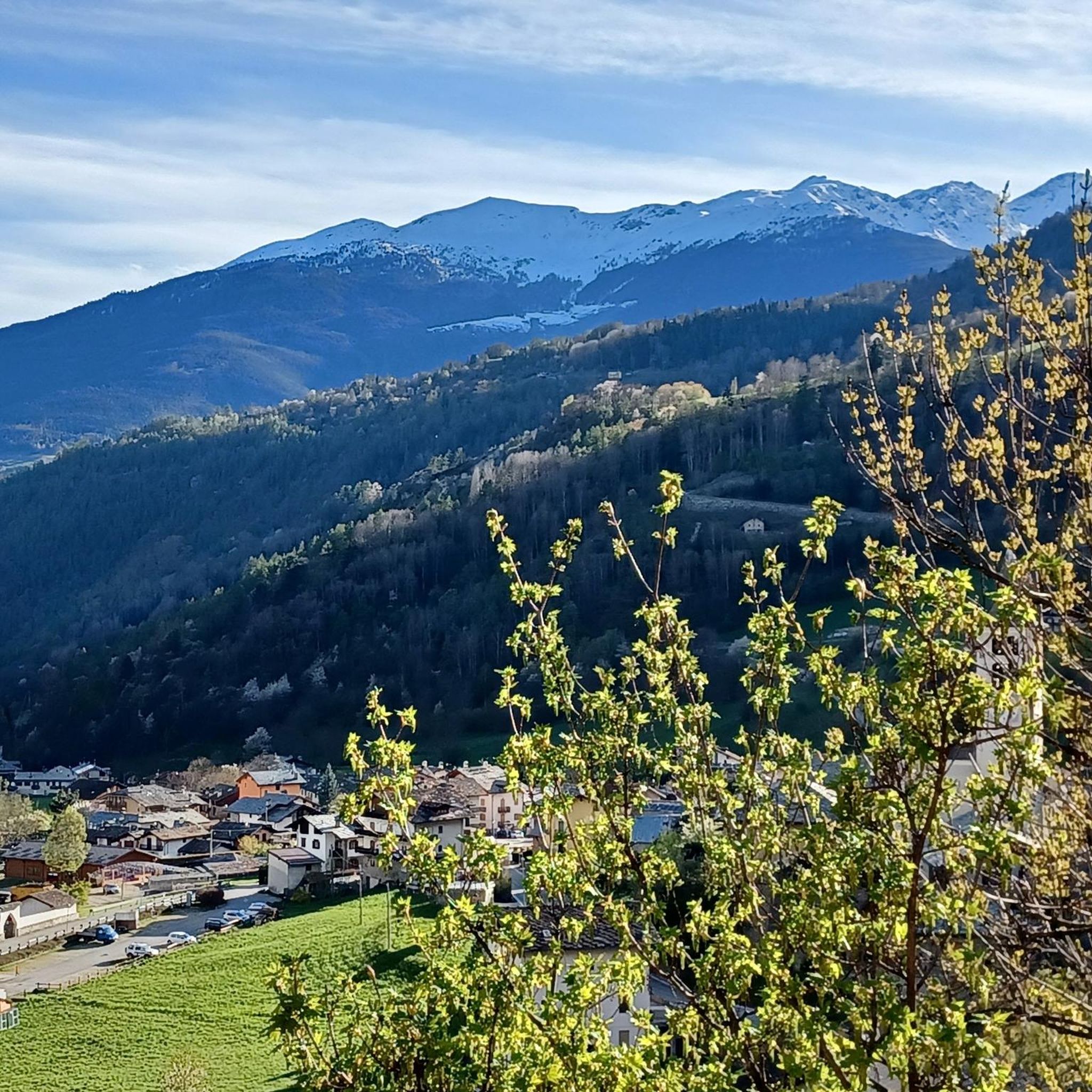
Other adventures around Valpelline

Tips from the Community

Passing under the imposing covered viaduct that leads to the tunnel marks the beginning of the toughest part of the climb: the gradients become more demanding (though never prohibitive), the fatigue accumulated over the previous 20 km takes its toll, and the winds from Switzerland begin to lash you... you're officially in the high mountains, after all, that's why you came here. If the day is one of the worst, with strong winds from the pass, these last 10 km will be a nightmare, but the beauty and majesty of the landscape will more than make up for even the most intense of efforts.
1
0
A small village located at the start of the Valgrisenche climb; interesting fact: this is the birthplace of Maurice Garin, winner of the first Tour de France.
1
0

You can also stay for just a few hours: the hour costs 50 cents (as of 2025).
0
0

Hotel Italia is highly recommended
0
0

Excellent place to grab a bite to eat.
0
0

The Arco di Augusto was built in 25 BC in honour of Emperor Augustus after the Roman victory over the Salassi. This impressive arch marks the northern entrance to the city and is located in line with the decumanus maximus. It is made of conglomerate blocks and has a single arch with a height of 11.40 metres. The ten half-columns on the facades and sides are decorated with Corinthian capitals. The Doric frieze, with metopes and triglyphs, adds a classical touch. In the Middle Ages it was known as Saint-Voût because of an image of the Redeemer that was placed there. During the 12th century it served as a residence for a local noble family and later as a fortress for the balestrieri. In 1716 the roof was replaced with slate due to water damage. The current appearance is the result of restoration work in 1912. Under the arch is a wooden cross, a copy of the original placed in 1449 as a votive offering against flooding from the Buthier River.
8
0
One of the most characteristic monuments of Aosta that tells of its Roman origins: built in 25 BC. by Aulo Terenzio Varrone Murena, not far from the eastern entrance of the walls.
8
0
The austere buildings of the Hospice of Great St. Bernard are situated in a rocky pass through which an icy wind almost always blows, on the edge of a lake that is frozen for an average of 265 days a year and where winter lasts almost eight months. For nine centuries, the Canons Regular of the Order of St. Augustine, who settled here at the instigation of St. Bernard of Menthon, have maintained a tradition of helpfulness and hospitality. Travellers who wish to relax for a while in this peaceful place are welcome all year round.
6
0
Frequently Asked Questions
What kind of road cycling routes can I expect in Valpelline?
Valpelline offers a diverse range of road cycling experiences, characterized by the alpine landscape of the Aosta Valley. You'll find routes through deep valleys, challenging mountain passes, and historic villages. The terrain varies from moderate valley rides to demanding ascents, catering to different skill levels.
How many road cycling routes are there in Valpelline?
There are over 75 road cycling routes available around Valpelline. These include a mix of easy, moderate, and difficult trails, ensuring options for every cyclist.
Are there easy road cycling routes suitable for beginners or less experienced riders?
Yes, Valpelline has several easier options. For instance, Cycling from Valpelline to Glassier is a moderate 10.4-mile (16.7 km) path that follows the valley floor with a steady, manageable ascent. There are 14 routes classified as easy in the region.
What are some challenging road cycling routes in Valpelline?
For experienced cyclists seeking a challenge, Valpelline offers routes with significant climbs. The Great St Bernard Pass from Aosta is a demanding 36.0-mile (58.0 km) route featuring a substantial climb. Another difficult option is the Castello di Aymavilles – Arch of Augustus loop from Gignod, which covers 44.0 miles (70.9 km) through varied terrain.
What is the best season for road cycling in Valpelline?
The best season for road cycling in Valpelline is typically from late spring to early autumn (May to October). During these months, the weather is generally more stable, and mountain passes are clear of snow, offering optimal conditions for exploring the alpine routes.
Are there any loop road cycling routes in Valpelline?
Yes, many routes in Valpelline are designed as loops. An example is the Roisan Village and Church – Castello di Aymavilles loop from Saint-Christophe, a 39.5-mile (63.7 km) route that allows you to start and finish in the same location while exploring historical sites.
What kind of attractions can I see along the road cycling routes in Valpelline?
Road cycling routes in Valpelline often pass by various points of interest. You might encounter historical sites like the Tza de Fontaney Alp, or natural features such as Luseney Lake and the Les Iles Nature Reserve. Some routes also lead to mountain huts like Cuney Refuge and Oratory.
What do other road cyclists enjoy most about road cycling in Valpelline?
The komoot community highly rates road cycling in Valpelline, with an average score of 4.6 stars from over 230 reviews. Cyclists often praise the stunning alpine scenery, the variety of terrain from valley floors to challenging climbs, and the opportunity to discover historic villages and natural landmarks.
Are there any routes that pass by significant historical sites?
Absolutely. The Castello di Aymavilles – Arch of Augustus loop from Gignod is a great example, leading through historical sites and varied terrain. Another route, Church of Saint Michael, Oyace – Place Moulin Dam loop from Ollomont, also offers a blend of natural beauty and historical interest.
Where can I find starting points for road cycling routes in Valpelline?
Many routes start from key villages and towns within or near Valpelline. For example, the popular Great St Bernard Pass route begins from Aosta, while other routes might start directly from Valpelline village or nearby Gignod and Saint-Christophe, offering convenient access to the network.
Are there options for family-friendly road cycling in Valpelline?
While many routes involve significant elevation, there are more moderate valley rides that can be suitable for families with older children or those looking for a less strenuous experience. Look for routes classified as 'easy' or 'moderate' that stick to the valley floors, such as the path from Valpelline to Glassier.
Most popular routes around Valpelline
Most popular attractions around Valpelline

Get inspired with the komoot mobile app


Explore more
Browse the best Road cycling routes in other regions.
