The best cycling routes around Arnad
4.5
(92)
2,041
riders
96
rides
Touring cycling routes around Arnad traverse the Dora Baltea river valley, characterized by its historical fortifications and surrounding mountainous landscapes. The terrain varies from relatively flat riverside paths to more challenging ascents into the hills. This region offers a mix of cultural landmarks and natural beauty, suitable for various cycling preferences.
Best touring cycling routes around Arnad
- The most popular touring cycling route is Dora Baltea Cycle Path: Verrès - Issogne Loop, a 6.76 miles (10.9 km) trail that…
Last updated: June 21, 2026
3.0
(1)
1
riders
10.9km
00:47
100m
100m
This easy 6.8-mile touring cycling route along the Dora Baltea river offers scenic views, charming villages, and historical landmarks.
3.5
(4)
133
riders
78.5km
06:42
2,710m
2,710m
Hard bike ride. Very good fitness required. Mostly paved surfaces. Suitable for all skill levels.

Sign up for free
35
riders
69.8km
05:27
1,800m
1,790m
Hard bike ride. Very good fitness required. Mostly paved surfaces. Suitable for all skill levels.
5.0
(1)
22
riders
120km
08:24
2,060m
2,060m
Hard bike ride. Very good fitness required. Mostly paved surfaces. Suitable for all skill levels.
4.0
(5)
30
riders
26.9km
01:46
330m
330m
Moderate bike ride. Good fitness required. Mostly paved surfaces. Suitable for all skill levels.
Get access to more routes and recommendations from other explorers.
Sign up for free
Already have an account?
Our route recommendations are based on thousands of hikes, rides, and runs completed by other people on komoot.
Start today with a free account
Your next adventure awaits.
Login or Signup



Tips from the Community

The Forte di Bard seen from the bridge over the Dora Baltea river offers one of the most iconic and photographed views in the Aosta Valley. This spectacular perspective captures the imposing, craggy fortress that dominates the village below and the river waters.
0
0

Scenic spot to park to start the hike to Punta Quinzeina
1
0

Brusson is a renowned mountain resort, renowned for its tranquil atmosphere and Alpine landscapes. Its heart is the lake, an easily accessible body of water perfect for relaxing walks, picnics, and outdoor activities. In winter, the town becomes a hub for cross-country skiing.
1
0

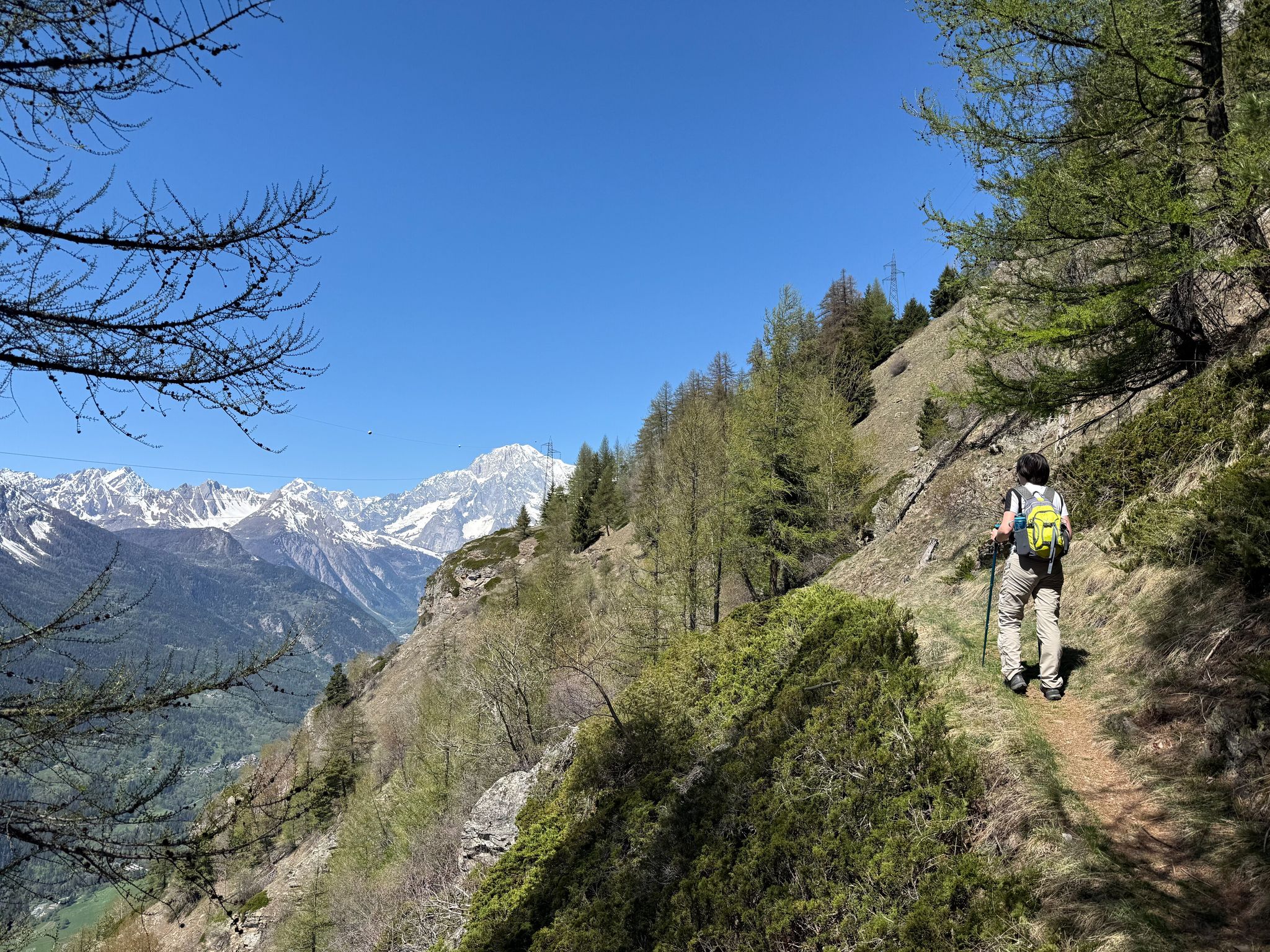
The Church of Saint Elizabeth can be seen from tens (perhaps even hundreds) of kilometers away. It's the little white dot you see on clear days when looking toward Quinzeina. Reaching it by bike is wonderful, though quite tiring...
1
0

very beautiful hill with slopes around 10%
0
0

Be careful, the old road that leads to Bard is blocked by a landslide, but they made a variant with a climb of about 100m with a gradient that reaches 30% (at least the Garmin reported this)
0
0

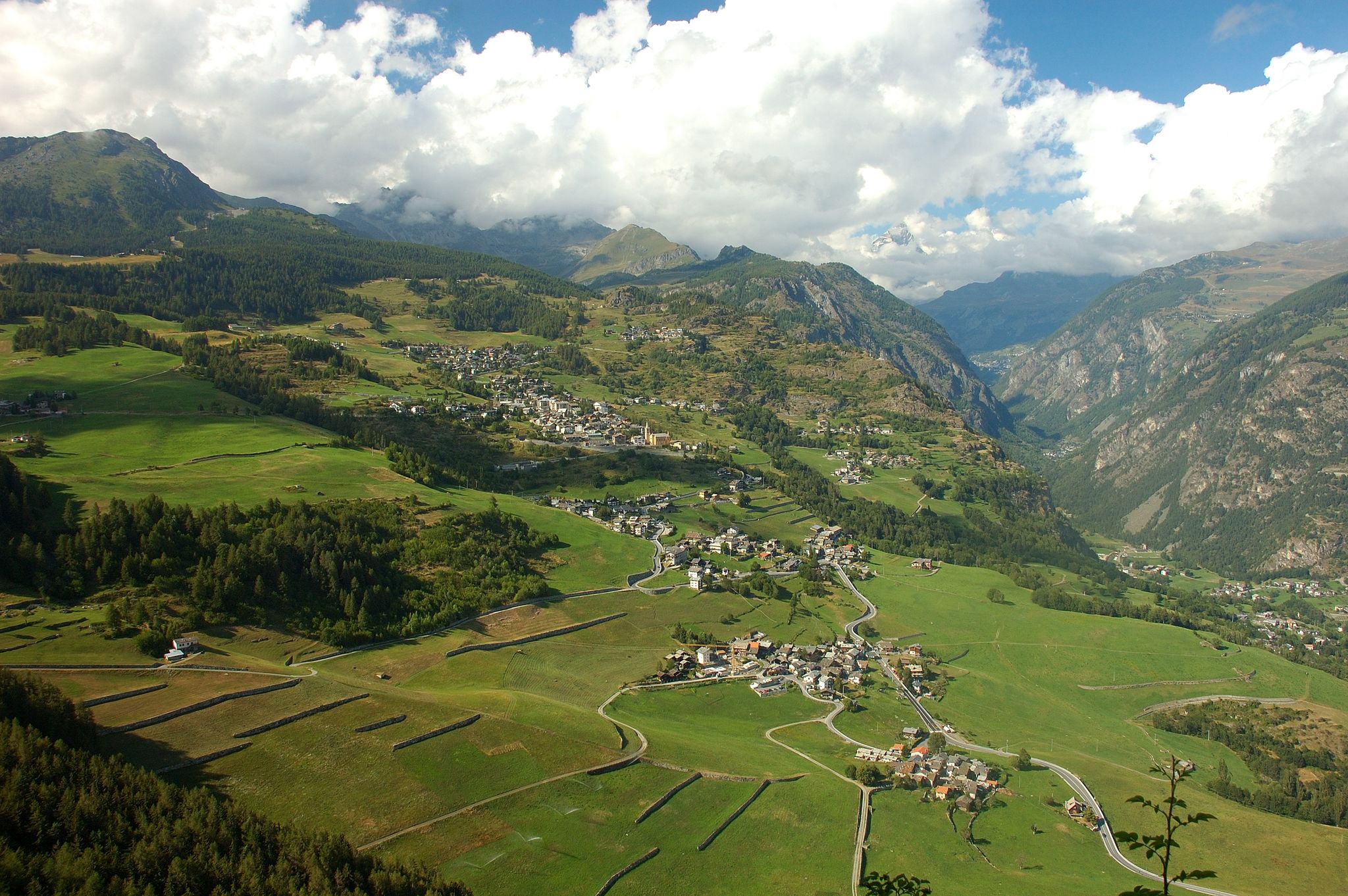
In reality, this place is not so "flat" because, from when the slopes become less steep to when the descent begins, there will not even be a hundred meters ... but the environment is superb, high mountain, and makes up for the road that, especially towards Frassinetto, is not in such good condition. There is nothing, not a bar, not a fountain ... but it is worth stopping and admiring the splendid panorama. Going up from Frassinetto the slope, after the village, becomes discontinuous and challenging, more gradual if you go up from Colleretto Castelnuovo, where the road alternates beautiful hairpin bends in the woods ... however, it is not a gift from this side either!
1
0

Beautiful bridge connecting Hone to Bard. Magnificent view of the fort.
2
0
Frequently Asked Questions
What is the overall difficulty level of touring cycling routes around Arnad?
Arnad offers a wide range of touring cycling routes suitable for various skill levels. Out of 79 routes, you'll find 14 easy options, 13 moderate, and 52 challenging routes, primarily due to the mountainous terrain surrounding the Dora Baltea river valley.
Are there any easy or family-friendly touring cycling routes in Arnad?
Yes, Arnad has 14 easy touring cycling routes, many of which follow the Dora Baltea river valley, offering relatively flat terrain. A great option for families or beginners is the Dora Baltea Cycle Path: Verrès - Issogne Loop, which is just under 11 km and passes through historical areas.
What kind of landscapes and attractions can I expect to see while cycling in Arnad?
The routes around Arnad are characterized by the Dora Baltea river valley, historical fortifications, and stunning mountainous backdrops. You can expect to see landmarks like Fort Bard, ancient Roman structures such as the Roman Arch and Road in Donnas, and picturesque lakes like Lake Muffé and Lake Vargno. Many routes also offer views of various mountain passes.
Are there challenging routes for experienced touring cyclists in Arnad?
Absolutely. Arnad is home to 52 difficult touring cycling routes, many featuring significant elevation changes as they ascend into the hills surrounding the valley. An example is the Issogne Castle – Brusson loop from Verres, which covers over 54 km with substantial climbing.
Are there any circular touring cycling routes around Arnad?
Yes, many of the routes in Arnad are designed as loops, allowing you to start and end at the same point. For instance, the Fort Bard – Lago San Michele loop from Hône-Bard is a challenging 63 km circular route offering scenic views.
What is the best season for touring cycling in Arnad?
The best time for touring cycling in Arnad is typically from spring to autumn (April to October). During these months, the weather is generally mild, and the mountain passes are clear of snow, offering the most accessible and enjoyable conditions for exploring both the valley and higher elevations.
What do other touring cyclists say about the routes in Arnad?
The touring cycling routes in Arnad are highly regarded by the komoot community, with an average rating of 4.2 stars from over 80 reviews. Cyclists often praise the diverse terrain, the blend of historical landmarks with natural beauty, and the well-maintained paths along the Dora Baltea river.
Are there opportunities to see wildlife along the touring cycling routes?
While specific wildlife sightings cannot be guaranteed, the diverse natural environment of the Aosta Valley, including its river valleys and mountainous areas, provides habitats for various species. Cyclists might encounter local birds, small mammals, and alpine flora, especially on routes that venture into more secluded areas or higher elevations.
Can I find places to stop for refreshments or food along the routes?
Many routes pass through or near villages and towns in the Dora Baltea valley, where you can find cafes, restaurants, and shops. It's advisable to check the route details or plan your stops in advance, especially for longer or more remote rides, to ensure you have access to refreshments.
How long do touring cycling routes in Arnad typically take to complete?
The duration varies significantly based on the route's distance and difficulty. Easy routes like the Dora Baltea Cycle Path: Verrès - Issogne Loop can be completed in under an hour, while more challenging and longer routes, such as the View of Fort Bard – Echallod Stone Bridge loop from Hône-Bard (69.2 km), may take over 5 hours.
Are there any specific historical sites to look out for while cycling?
Yes, the region is rich in history. Besides Fort Bard, which is a prominent landmark, you can also explore the Roman Arch and Road in Donnas. Many routes also offer views of various castles and ancient structures scattered throughout the valley, reflecting the area's strategic importance over centuries.
Most popular attractions around Arnad

Get inspired with the komoot mobile app


Explore more
Browse the best Cycling routes in other regions.
