Top 20 Mountain Passes around Bionaz
Best mountain passes around Bionaz are located in the Valpelline valley of the Aosta Valley, surrounded by an amphitheater of peaks. This region provides access to several notable mountain passes. These passes offer challenging experiences and panoramic views of the Pennine Alps. Historically, some passes served as connections between Italy and Switzerland.
Best mountain passes around Bionaz
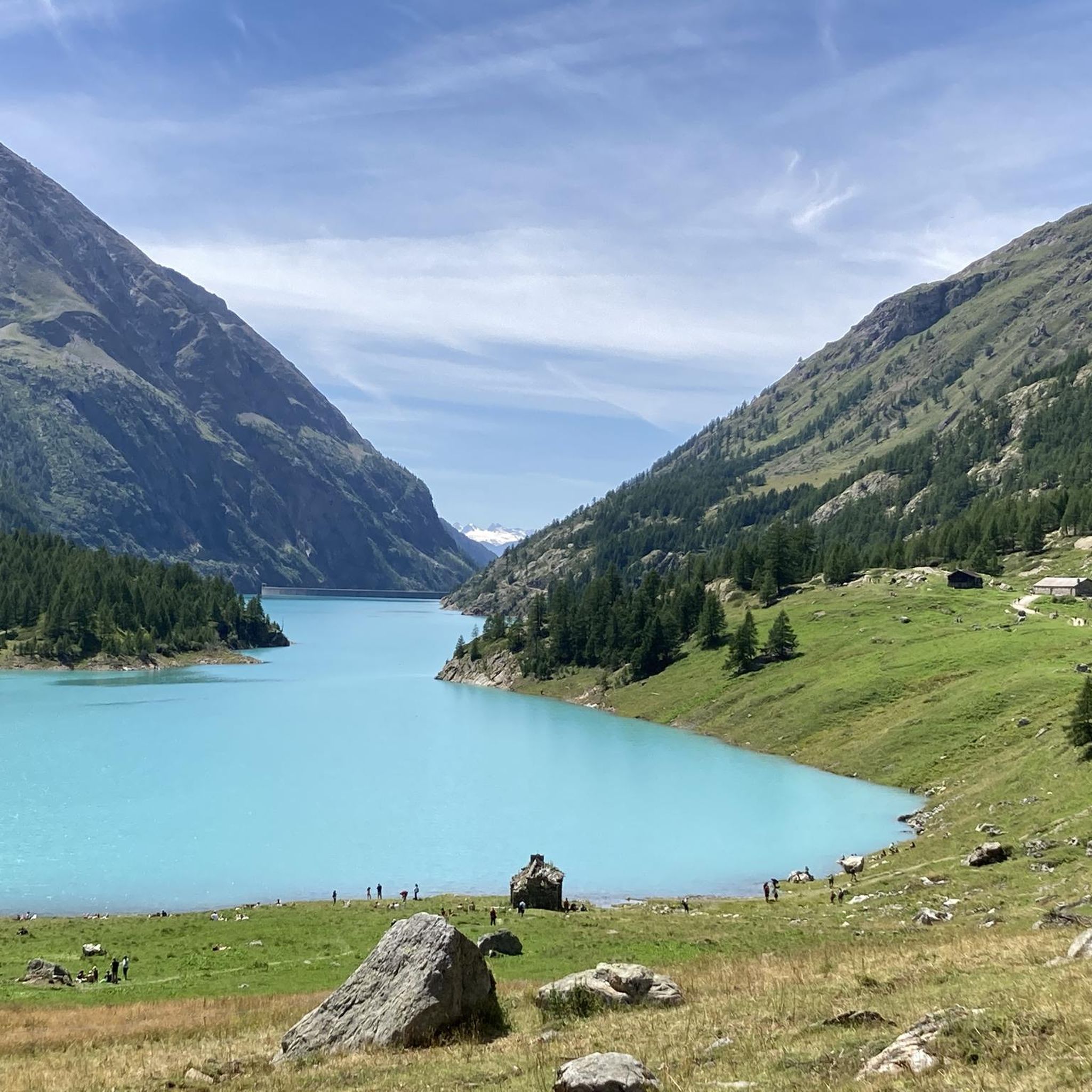
- The most popular mountain passes is Cignana Window, a viewpoint that offers a vast panorama from the artificial basin below to the…
Last updated: August 20, 2026
Cignana Window
Highlight • Viewpoint
From this point three …
Translated by Google •
Tip by

Theodul Pass
Highlight • Mountain Pass
Translated by Google •
Tip by

Sign up now to discover places like this
Get recommendations on the best single tracks, peaks, & plenty of other exciting outdoor places.
Sign up for free
Fenêtre de Durand
Highlight • Mountain Pass
Tip by

Col de Champillon
Highlight • Mountain Pass
Translated by Google •
Tip by
Pas de Chèvres Ladders and Walkways
Highlight • Climb
Translated by Google •
Tip by

Sign up for free to discover even more mountain passes around Bionaz.
Sign up for free
Already have an account?
Start today with a free account
Your next adventure awaits.
Login or Signup
Popular around Bionaz
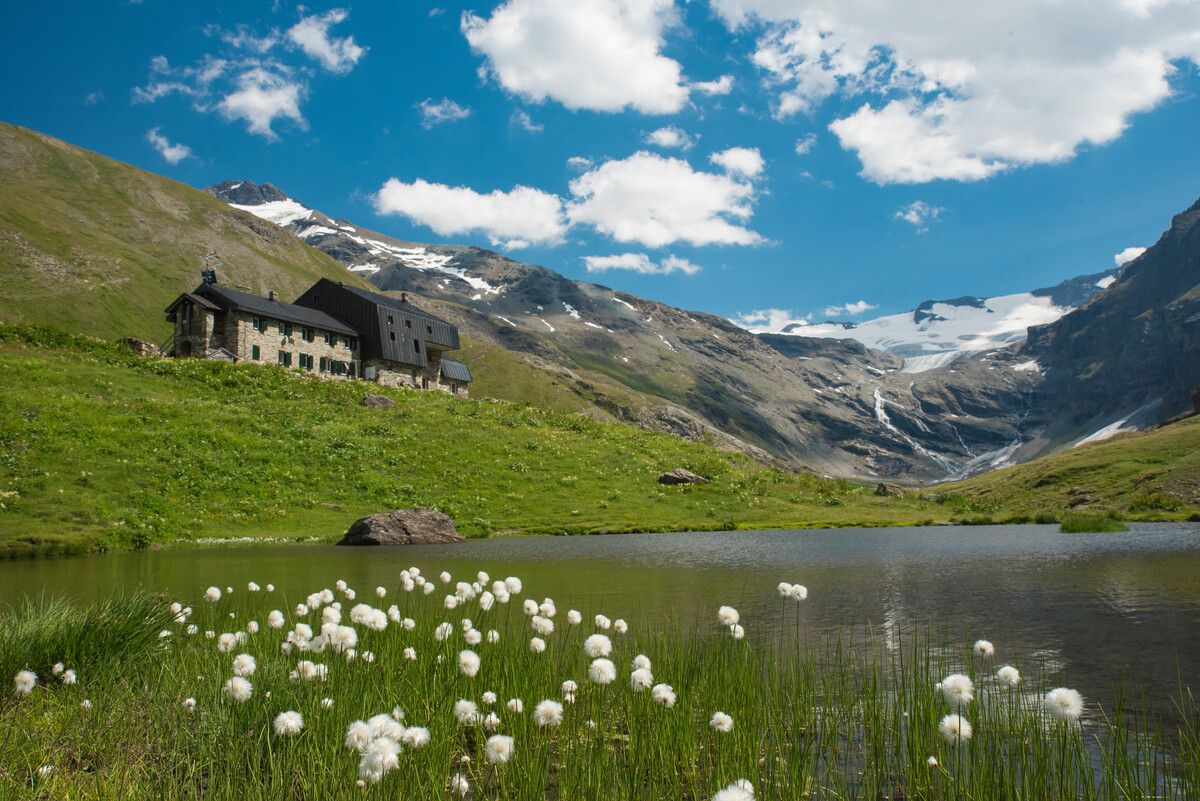
Hiking to the Aosta Valley’s mountain huts: 10 beautiful trails
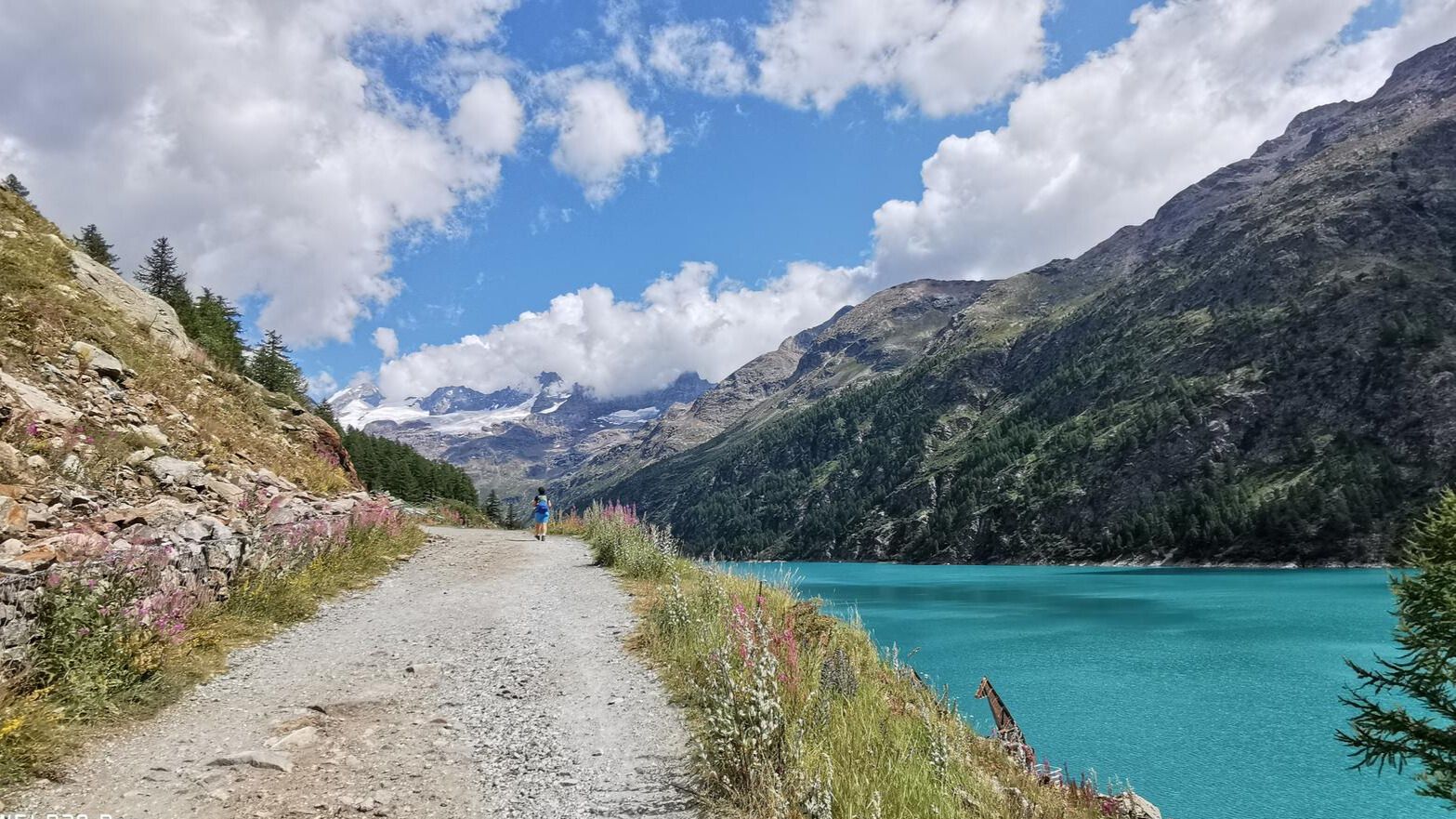
In the footsteps of the first mountaineers – Valpelline Trek
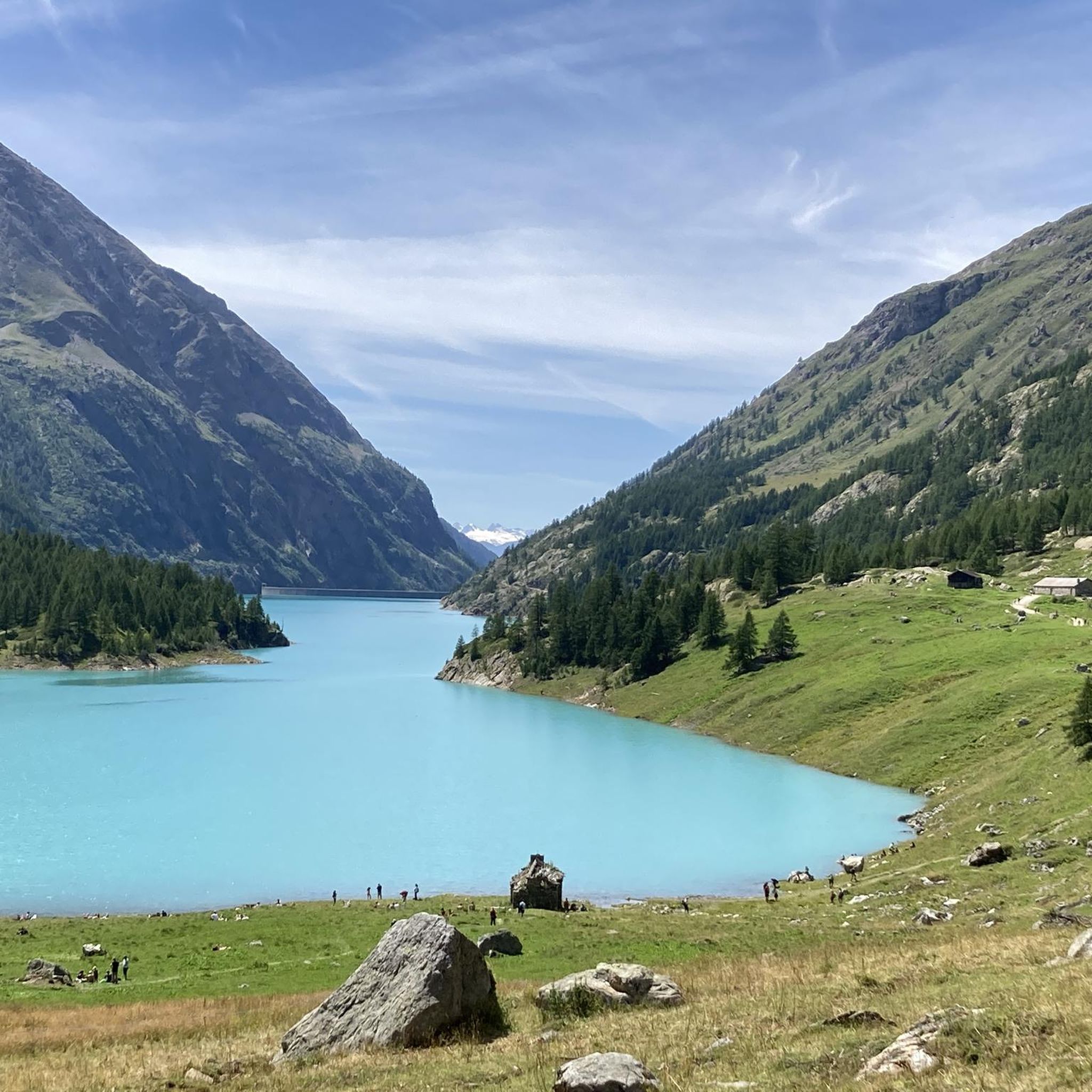
Hiking around Bionaz
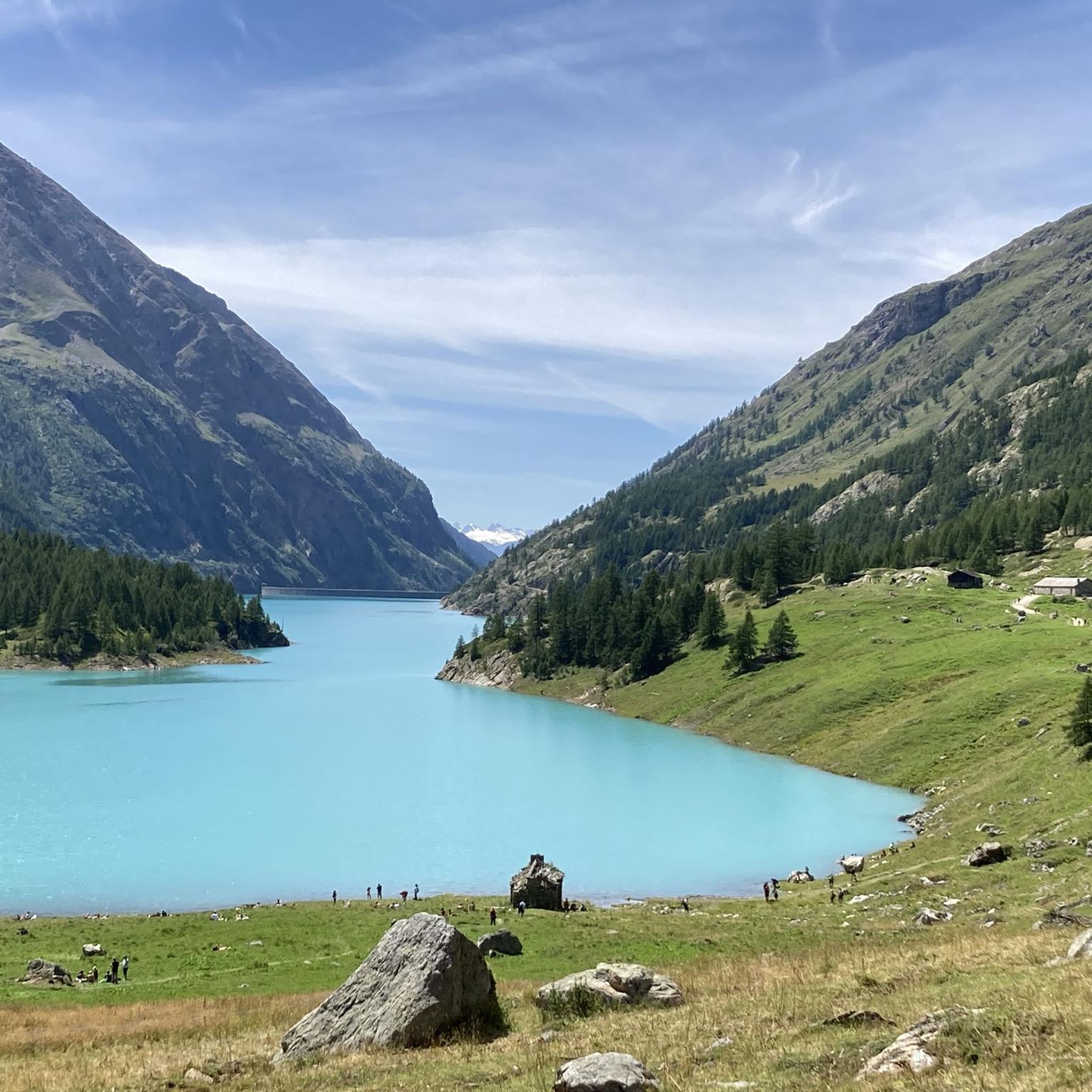
MTB Trails around Bionaz
Cycling around Bionaz
Road Cycling Routes around Bionaz

Mountain Hikes around Bionaz
Running Trails around Bionaz

Gravel biking around Bionaz


Tips from the Community

The pass is closed until further notice.
0
0

Spectacular view of Lake Cignana and the 3000m crown that surrounds it.
0
0

Very panoramic hill, reachable only with bike on your shoulder
0
0

The pass between Switzerland and Italy connects Valais and the Aosta Valley (the smallest region in Italy with the black and red flag). "The Fenêtre de Durand is a 2,797-meter-high mountain pass in the Pennine Alps. The mule track connects the Swiss Rhône Valley via the Val de Bagnes with the Italian Aosta Valley. The gap between the 3,347-meter-high Mont Avril and the 3,518-meter-high Mont Gelé (Chanrion) is the only ice-free crossing over the main Alpine ridge east of the Grand Combin massif and west of the Monte Rosa massif. Immediately below the pass summit, on the Italian side, is the small Lac Fenêtre." Source: Wikipedia.
1
0

The ladders are closed due to rockfall at the base of the ladders and cracks in the rockface around the ladders. The alternative is to go over Riedmatten.
6
0

https://youtu.be/D352Ql5fMaY?feature=shared I also passed through here on the Tour du Combin. Crossing the lonely col is simply epic. The climb from Fionnay up to the reservoir through the many tunnels is an experience; the climb to the col is easy for a long time, but quite steep at the end. The descent across the lake into the valley is an absolutely fantastic trail, culminating in the Ru Neuf irrigation channel.
1
0


The Teodulo Pass is a high mountain pass that crosses the eastern Pennine Alps, connecting Zermatt in the Swiss canton of Valais and Breuil-Cervinia in the Italian region of Valle d'Aosta. It is the lowest and easiest pass between the Zermatt and Valtournenche valleys. Right next to the pass, there is the Teodulo refuge, at 3,317 meters above sea level. From here you can enjoy a magnificent view of the Matterhorn and the suggestive Grandes Murailles chain. A relatively easy peak to reach from here is the Theodulehorn, at 3,472 metres.
3
0
Frequently Asked Questions
What are some of the most scenic mountain passes around Bionaz?
The region around Bionaz offers several passes with breathtaking views. For expansive vistas of the Pennine Alps, including Mont Collon and L'Évêque, consider Col Collon. Another excellent choice is Col de Crête Sèche, which provides magnificent views stretching from Luseney to Becca di Nona, the majestic Grivola, and as far as Ruitor. For a panoramic view of Mont Blanc, the Grand Combin, and the Gran Paradiso massif, visit Col de Champillon.
Are there any historically significant mountain passes near Bionaz?
Yes, several passes in the area have rich historical significance. Col Collon served as a historic connection for trade and passage between the Valpelline in Italy and Arolla in Switzerland. Col de Crête Sèche also gained notoriety as a route for smugglers until the mid-20th century.
What is the difficulty level of hiking to mountain passes around Bionaz?
The difficulty varies significantly. Passes like Col Collon are considered difficult, requiring very good fitness and alpine experience, with sections over morainic terrain. Col de Crête Sèche is rated E (Excursionist), suitable for experienced hikers but with strenuous sections, especially the steep final ascent through loose rocks. Other passes like Col de Champillon offer trails that are easy and non-technical in some sections, despite steep terrain.
Are there any mountain refuges near the passes for overnight stays?
Yes, there are well-situated refuges. Just below Col Collon on the Italian side, you'll find Rifugio Nacamuli al Col Collon, offering accommodation and services for multi-day treks. For Col de Crête Sèche, Rifugio Crête Sèche is located at 2,410 meters, serving as an ideal base for hikers and mountaineers.
What outdoor activities can I do near these mountain passes?
The area around Bionaz is excellent for various outdoor activities. You can find numerous hiking trails, including challenging routes like the one to Rifugio Nacamuli at Col Collon. For more hiking options, explore the Hiking around Bionaz guide. Mountaineering is also popular, with routes such as the Rifugio Nacamuli to Col Collon loop. Cyclists can discover scenic Road Cycling Routes around Bionaz.
What do visitors enjoy most about the mountain passes around Bionaz?
Visitors frequently praise the stunning panoramic views and the sense of accomplishment. For instance, those who reach Theodul Pass describe an indescribable feeling of achievement at over 3300 meters. The vast panorama from Cignana Window, embracing the artificial basin and surrounding peaks up to the Monte Rosa glacier, is also highly appreciated.
Are there any family-friendly mountain passes or trails near Bionaz?
While many high mountain passes require experience, the approach to Rifugio Crête Sèche, located below Col de Crête Sèche, is often considered suitable for families, accessible via a two-hour walk from the valley floor. For broader family-friendly hiking options, it's best to consult specific trail guides for the Valpelline valley.
What is the best time to visit the mountain passes around Bionaz?
The best time to visit for hiking and mountaineering is typically during the summer months, from late June to early September, when the passes are generally free of snow and ice. However, high-altitude passes like Theodul Pass may have snow and ice fields year-round on the Swiss side, so checking current conditions is always recommended.
Can I bring my dog on trails to mountain passes in the Bionaz area?
Dog policies can vary by specific trail, refuge, and protected area regulations. While some trails might be dog-friendly, it's crucial to check the rules for individual refuges like Rifugio Nacamuli or Rifugio Crête Sèche, as well as any regulations for the Gran Paradiso National Park if your route enters it. Always keep dogs on a leash and be mindful of wildlife and other hikers.
Are there any less crowded mountain passes to explore near Bionaz?
While popular passes attract many, the high-mountain environments around Bionaz, particularly in areas like the upper Comba d'Oren near Col Collon, are characterized by wild and solitary landscapes. Exploring these more challenging routes often leads to a less crowded experience, offering a sense of peace amidst grand moraines and rugged peaks.
What kind of terrain can I expect on mountain pass trails in Bionaz?
The terrain around Bionaz's mountain passes is diverse and often challenging. You can expect rocky paths, morainic terrain, and steep ascents, sometimes with loose rocks, as seen on the final approach to Col de Crête Sèche. Some trails, like those leading to Col de Champillon, can be steep but non-technical, while others, such as Cignana Window, offer varied paths from technical sections to pleasant, easy stretches.
Most popular routes around Bionaz
Most popular attractions around Bionaz

Get inspired with the komoot mobile app


Explore more
See even more epic mountain passes by checking out these guides around Bionaz:
