Attractions and Places To See around Villeneuve - Top 20
Best attractions and places to see around Villeneuve are found within the Aosta Valley, offering a blend of natural beauty and historical significance. This region features alpine lakes, mountain refuges, and ancient Roman landmarks. Visitors can explore high-altitude trails and discover historical sites. Villeneuve provides opportunities for both outdoor activities and cultural exploration.
Best attractions and places to see around Villeneuve
- The most popular attractions is Mont Fallère Refuge, a hut that offers delicious food and panoramic views. It…
Last updated: October 11, 2026
Mont Fallère Refuge
Highlight • Mountain Hut
Translated by Google •
Tip by

Lake Chamolé
Highlight • Lake
As you approach the lake you have a wonderful view of Mont Blanc, the valley of the Great Saint Bernard and the Gran Combin.
Translated by Google •
Tip by

Sign up now to discover places like this
Get recommendations on the best single tracks, peaks, & plenty of other exciting outdoor places.
Arbolle Hut
Highlight • Mountain Hut
Showing Translation
Tip by

Piazza Émile Chanoux
Highlight • Historical Site
Showing Translation
Tip by

Vetan
Highlight • Settlement
Showing Translation
Tip by

Sign up for free to discover even more attractions around Villeneuve.
Already have an account?
Start today with a free account
Your next adventure awaits.
Popular around Villeneuve
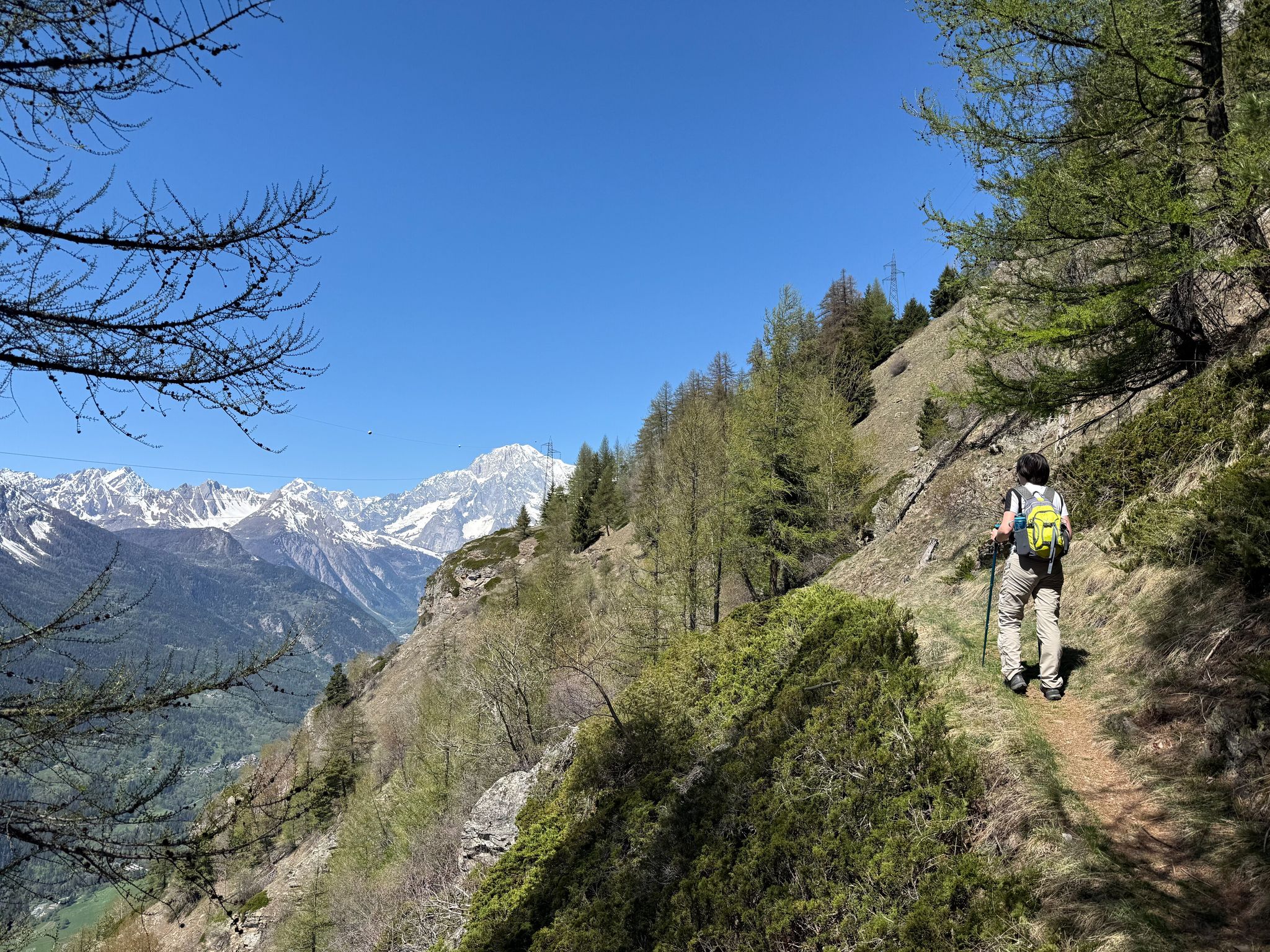
Cammino Balteo – castles, vineyards and trails of the Aosta Valley
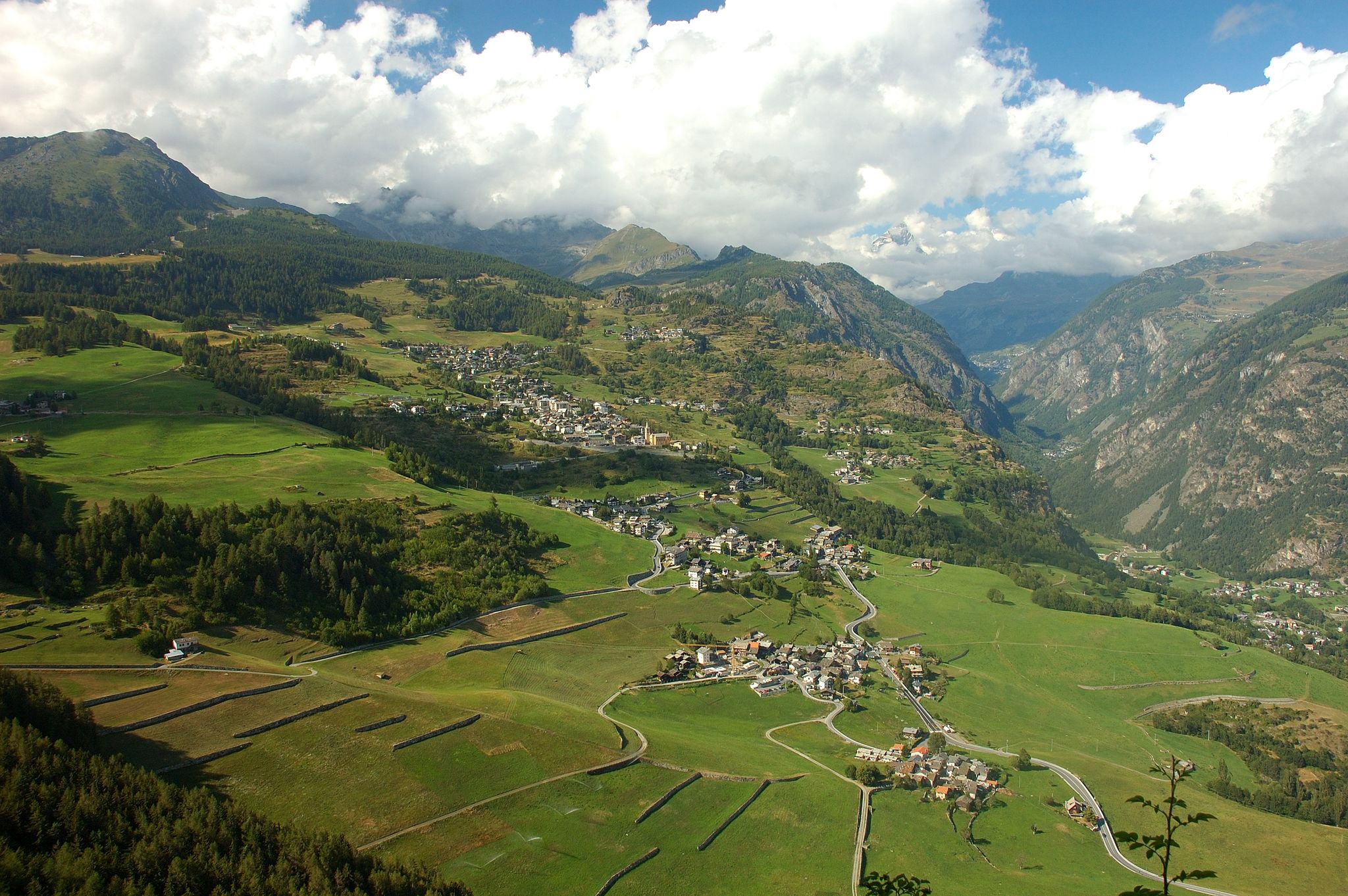
Paths, castles and views of Italy’s Aosta Valley – Cammino Balteo
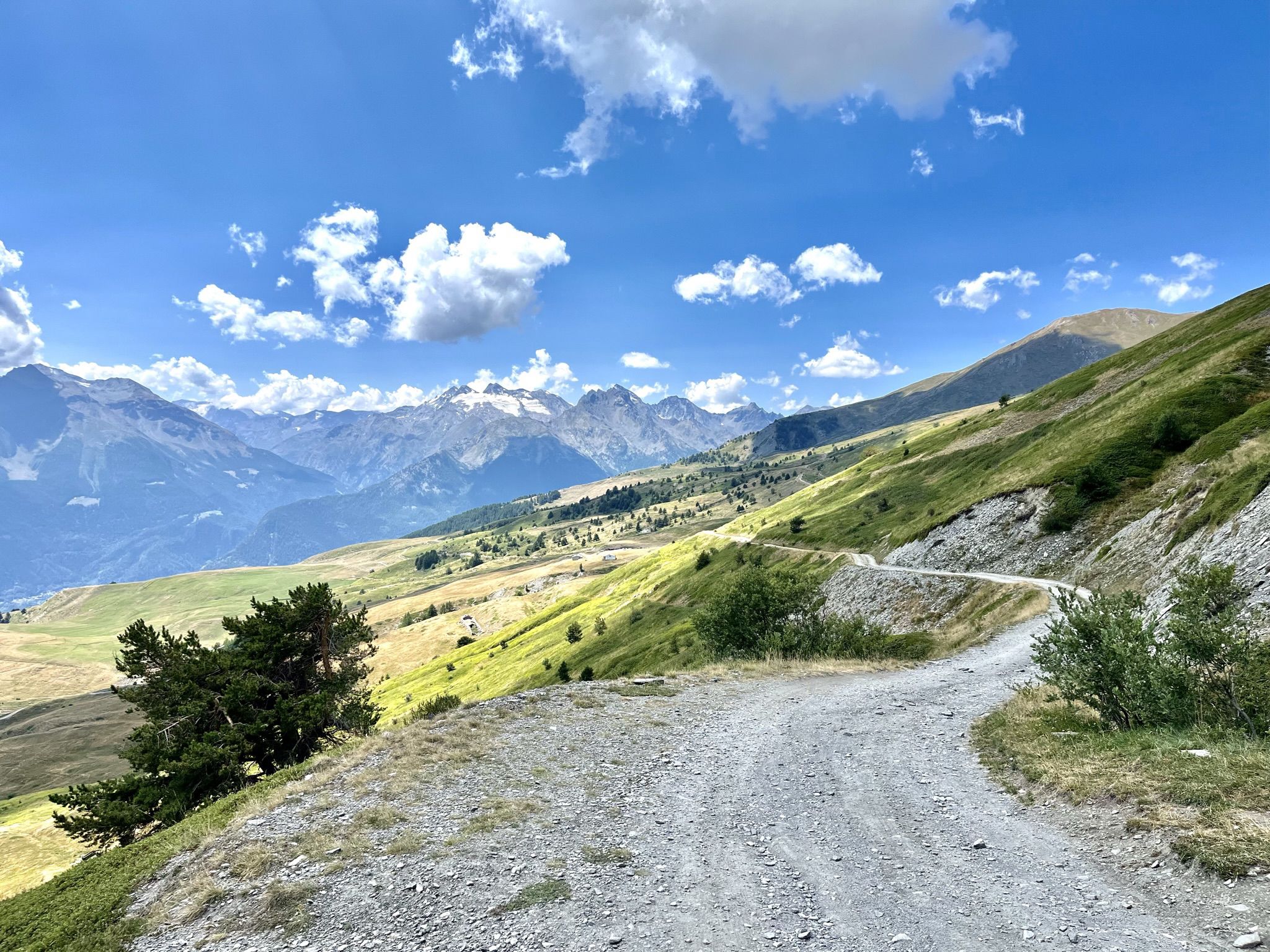
Mountain biking with a glacier backdrop – rides in Italy’s Aosta Valley
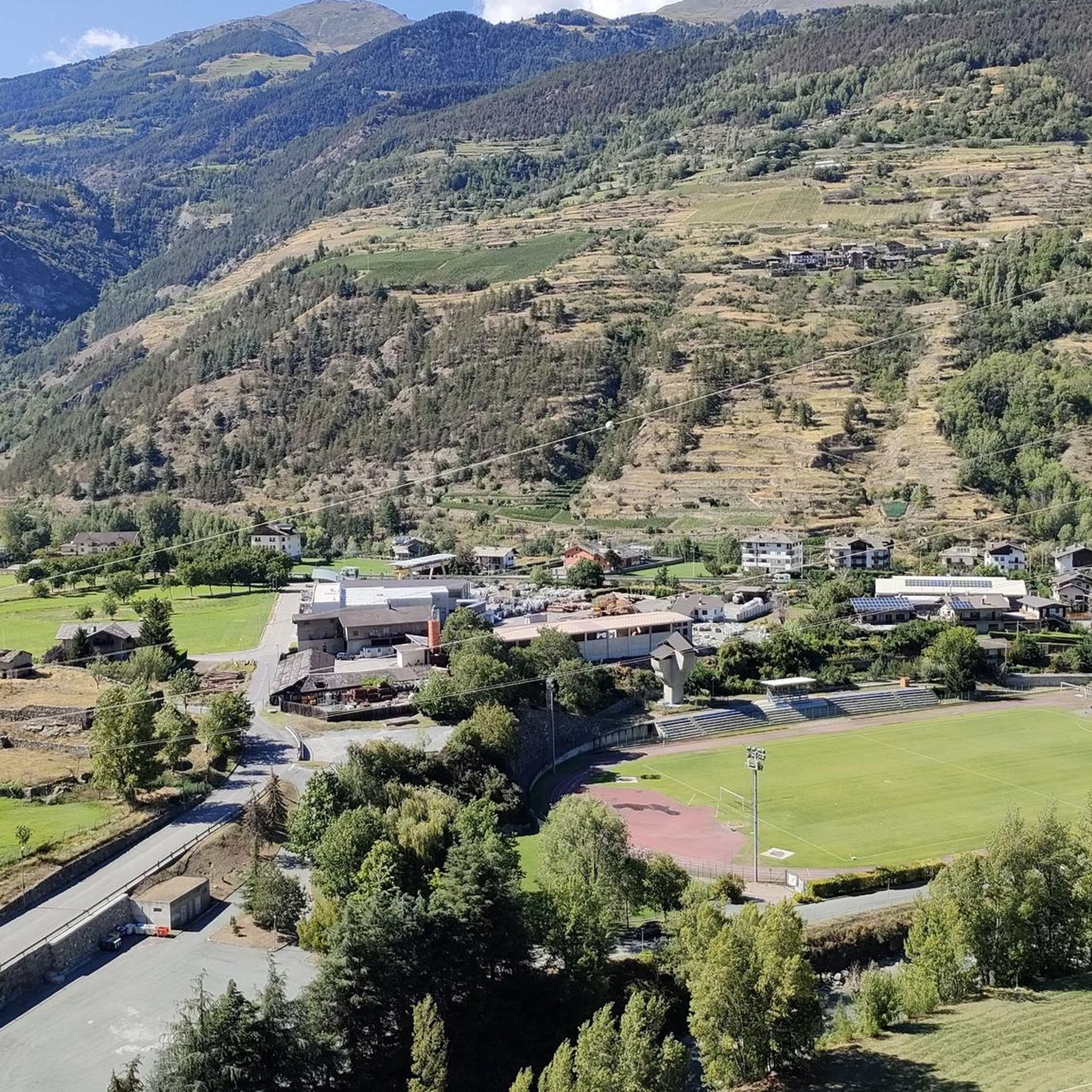
Road Cycling Routes around Villeneuve
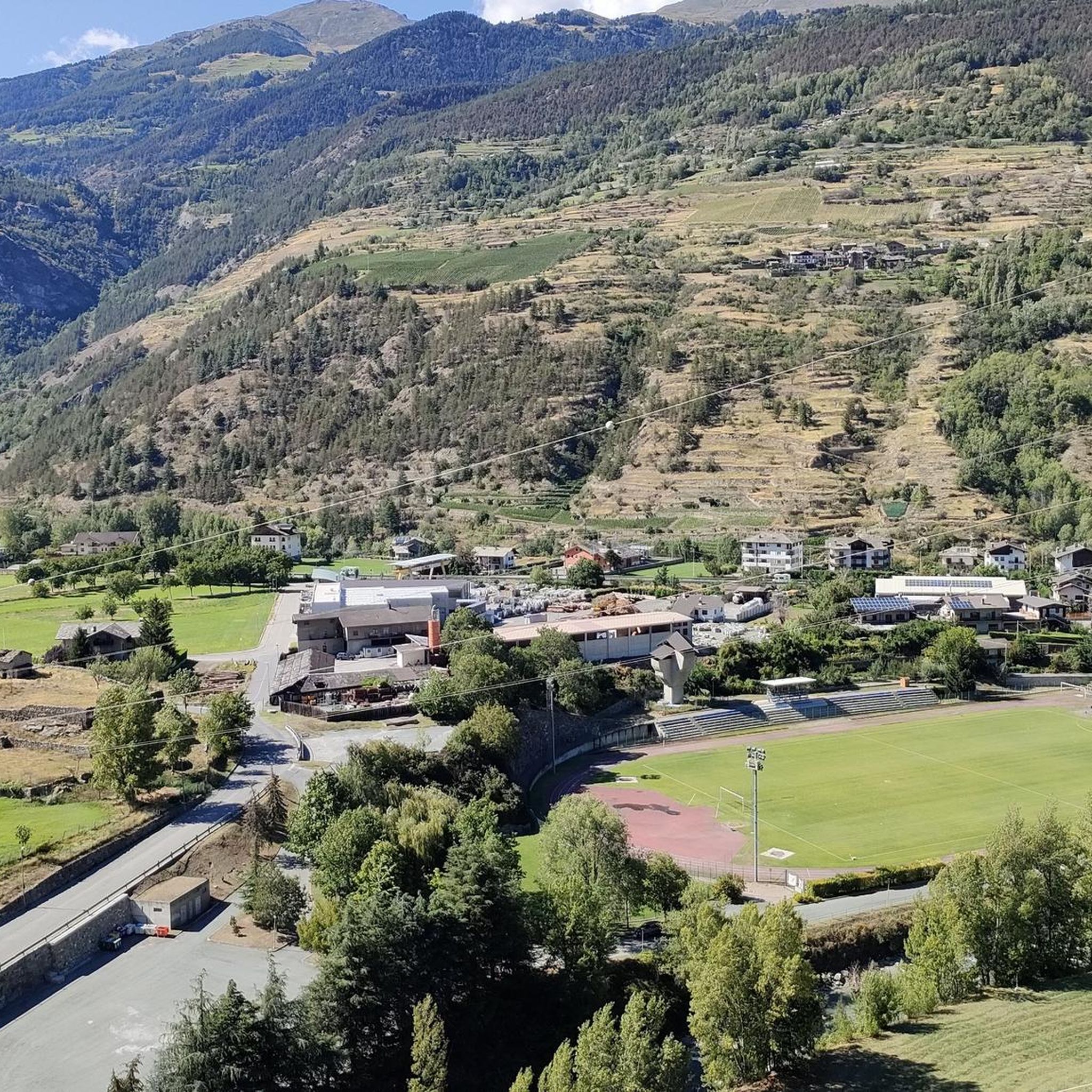
MTB Trails around Villeneuve
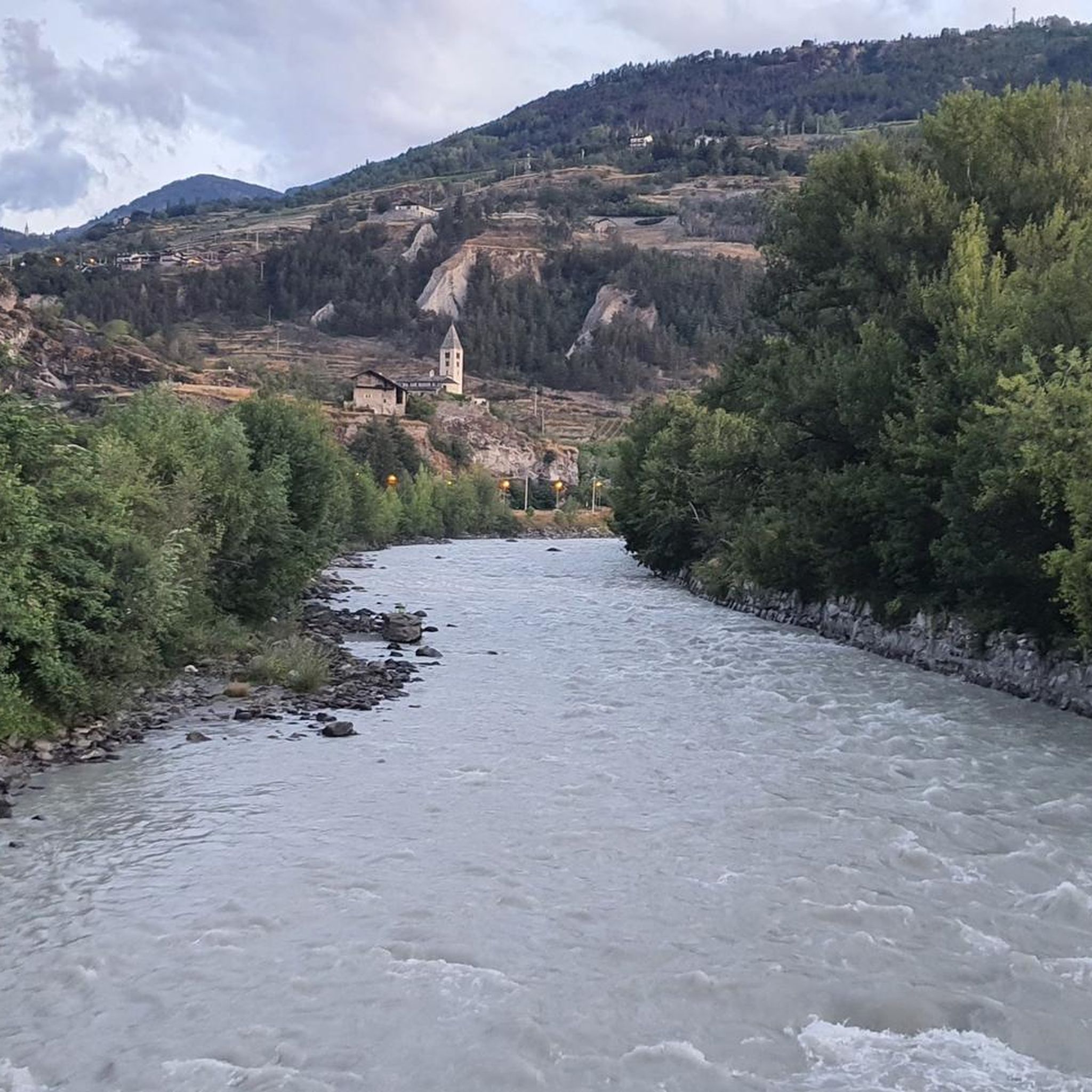
Hiking around Villeneuve
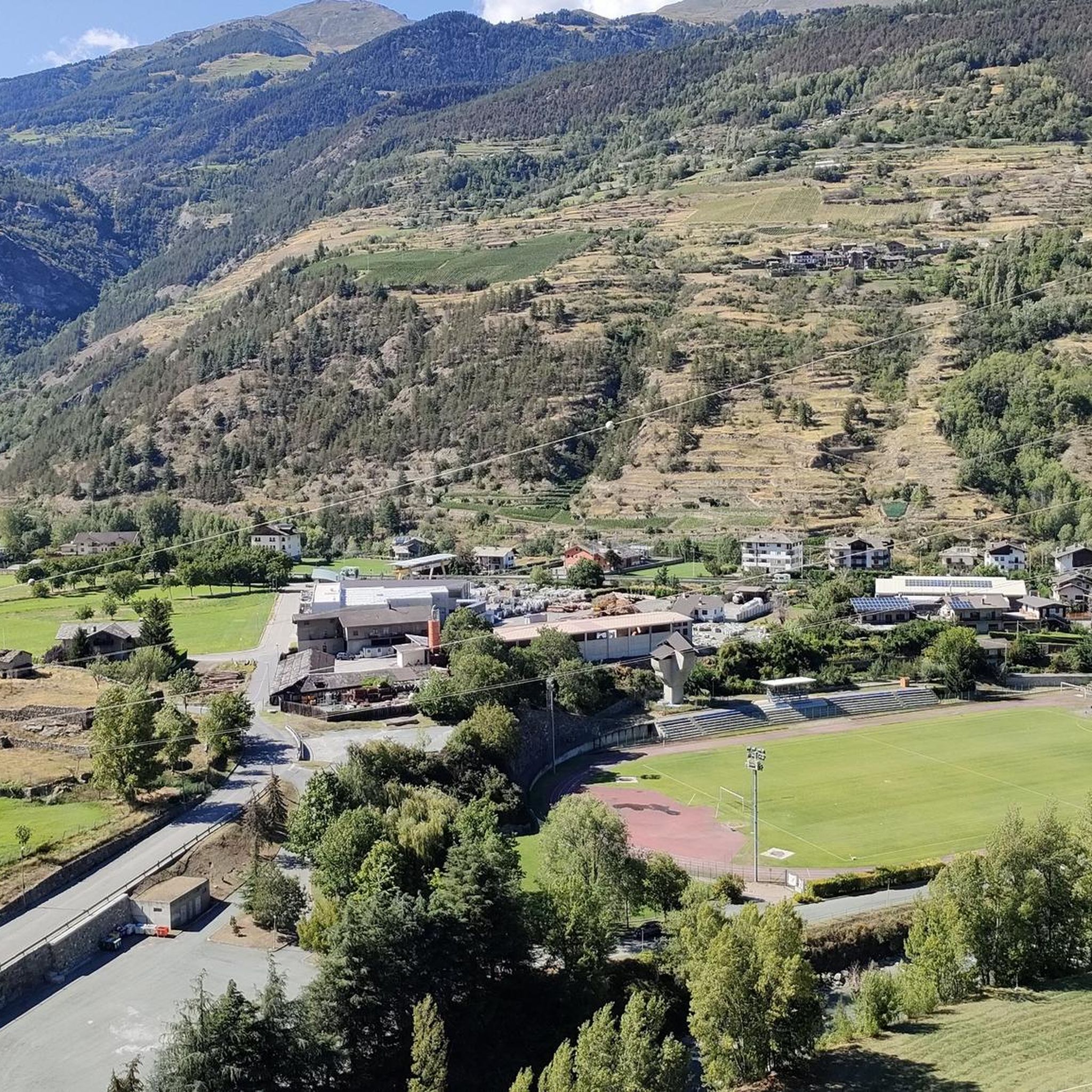
Cycling around Villeneuve
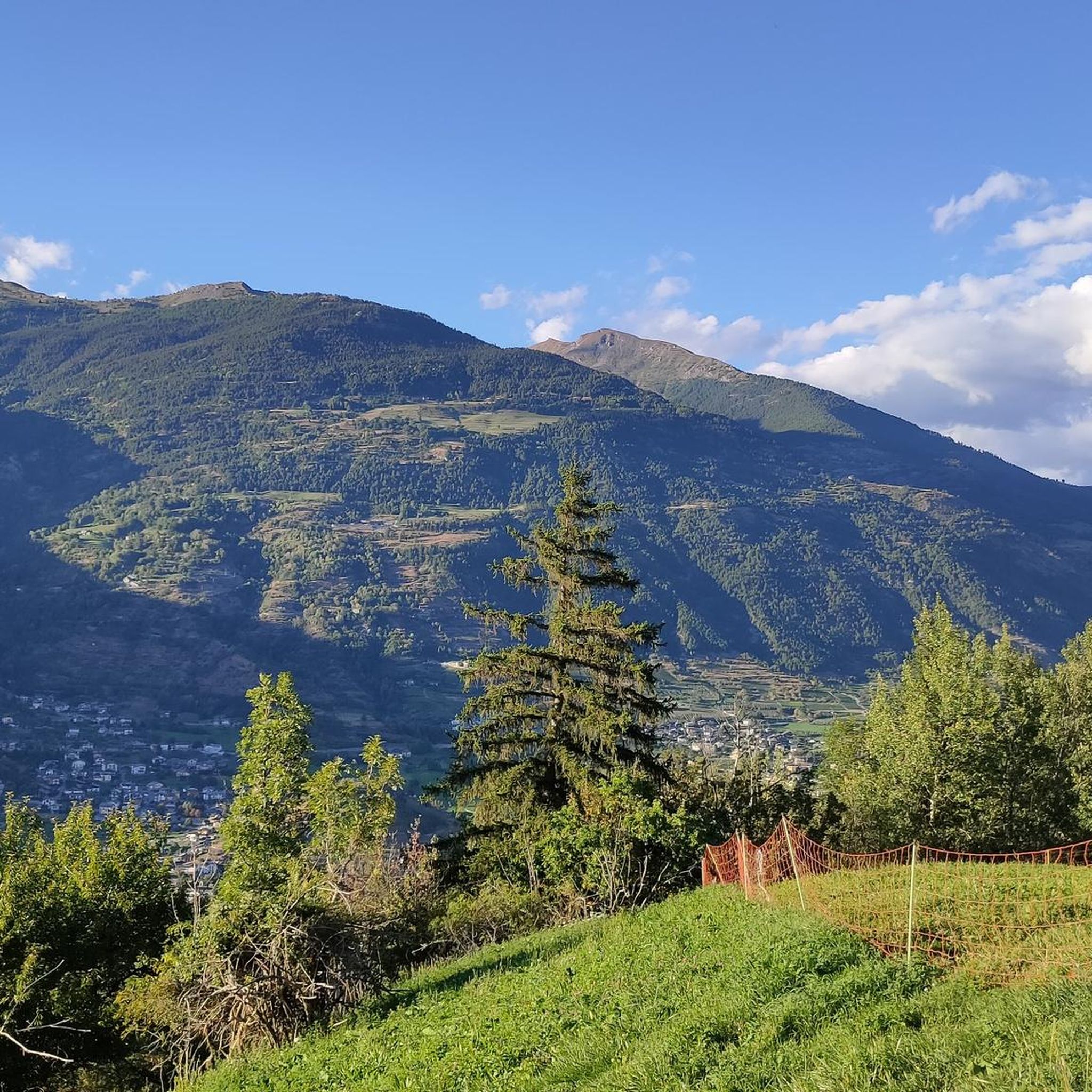
Running Trails around Villeneuve
Gravel biking around Villeneuve
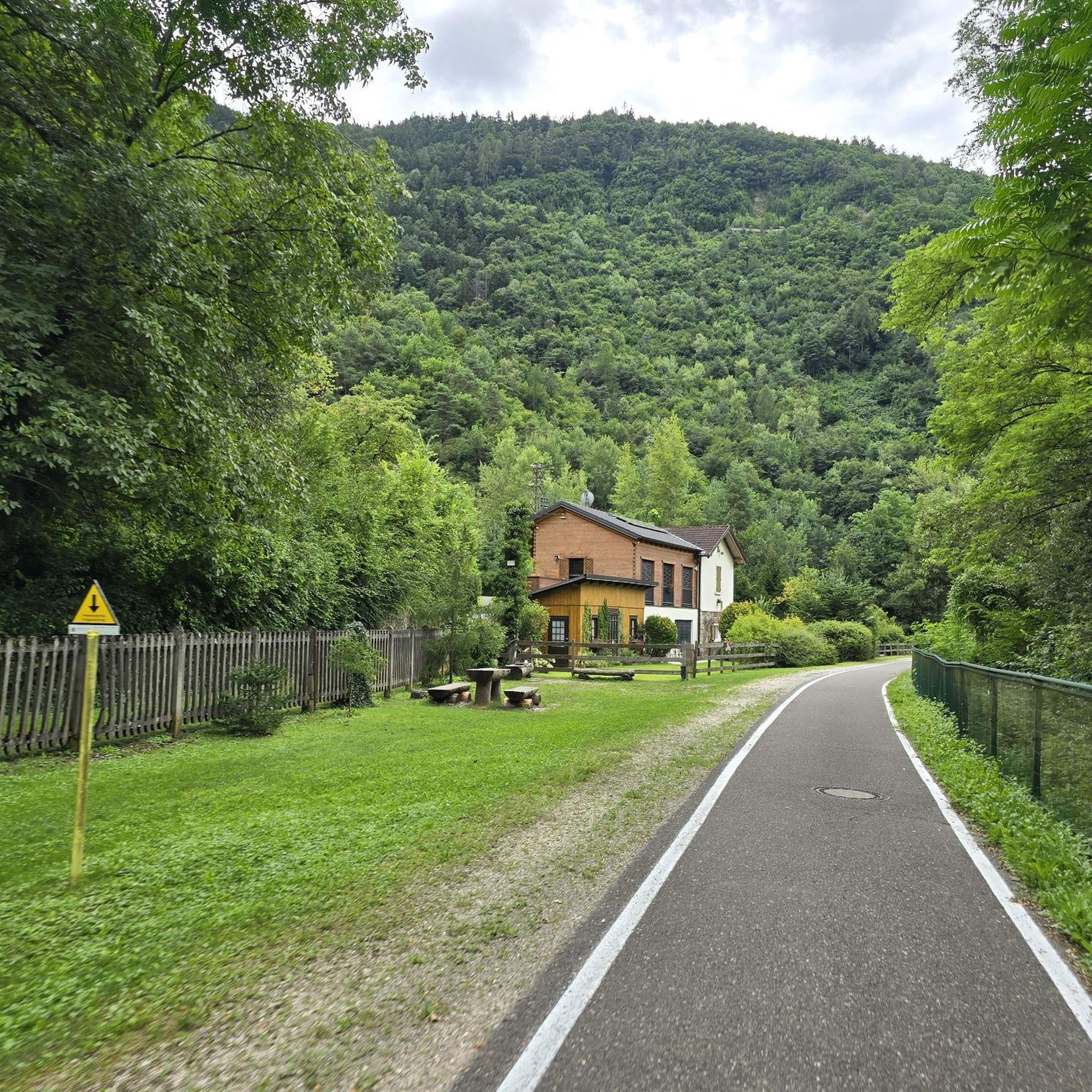
Mountain Hikes around Villeneuve
Other adventures around Villeneuve


Tips from the Community

Often used as a base for Emilius, a large, cozy refuge with excellent cuisine. For overnight stays, it offers several rooms, including dormitories with bunk beds, floor beds, and more comfortable and private rooms. The refuge has two showers.
0
0

Vtan is the starting point for reaching Mount Fallere and the refuge of the same name, but not only that, because from this small village some beautiful white roads branch off, very suitable for MTB, as well as other minor excursions, but always rewarding for the grandiose panoramas. Very suggestive, in the pine forest, is the "meditation trail", a path that invites "meditative walking", a practice that combines yoga, breathing, self-control... more information about it can be found at the nearby Hotel, which also provides a map of possible excursions.
0
0

Mountain tour through woods and spectacular panoramas
0
0

Located in the municipality of Charvensod, the Rifugio Arbolle welcomes hikers in a warm and professional environment, offering 66 beds divided between four-bed rooms and a classic dormitory. The structure features a bar area and a restaurant serving typical Aosta Valley cuisine, ensuring a relaxing stop before embarking on spectacular hikes towards Becca di Nona or Monte Emilius.
1
0

Very well kept refuge, great cleanliness, splendid cuisine and great welcome
1
0

The Mont Fallère Refuge, at 2,385 m, is located in the valley between Mont Fallère and Monte Rosso di Vertosan. It offers 50 beds in rooms with bathrooms, and has a restaurant with typical cuisine. Open in summer, it can be reached on foot or by mountain bike.
1
1

The regional capital is located in the middle of the valley of the same name. The city still has the layout of the old Roman castrum, and in the car-free centre several monuments recall the Roman period. Aosta was a lively religious centre in the Middle Ages. St. Anselm, the later Archbishop of Canterbury who died in 1109, was born here. Today Aosta is a busy tourist hub at the crossroads of the roads to the Great St. Bernard Pass and Switzerland.
7
0
Piazza Émile Chanoux is the central square of Aosta, located in the Valle d’Aosta region of Italy. Named after the notary and resistance leader Émile Chanoux, the square is a rectangular square with its long sides facing north and south. The square is surrounded by elegant buildings, including the neoclassical Town Hall (Hôtel de Ville), which is richly decorated with frescoes and marquetry. In front of the Town Hall is a monument to the Soldier of the Aosta Valley, made by Pietro Canonica in 1924. The square serves as a meeting place and venue for festivals and markets, and is also home to the Hôtel des États, an important 18th-century building now used for temporary exhibitions.
5
0
Frequently Asked Questions
What natural features can I explore around Villeneuve?
The region around Villeneuve in the Aosta Valley is rich in natural beauty. You can visit Lake Chamolé, a stunning mountain lake at 2300 meters altitude, offering views of Mont Blanc and the Gran Combin. The area is characterized by alpine lakes and high-altitude landscapes.
Are there any historical sites to visit near Villeneuve?
Yes, the Aosta Valley, where Villeneuve is located, has significant historical sites. You can explore Émile Chanoux Square in Aosta, which retains the layout of an old Roman castrum. Another notable site is Porta Pretoria (Aosta), an impressive Roman gate dating back to 25 BC, which served as a main access point to the ancient city of Augusta Praetoria Salassorum.
What outdoor activities can I do near Villeneuve?
Villeneuve is an excellent base for outdoor activities. You can find numerous hiking and cycling opportunities. For hiking, explore routes like the Cammino Balteo Trail or the ancient Roman trail to Pont d'Aël aqueduct. For road cycling, challenging climbs such as Cogne Climb from Aymavilles or Valsavarenche Climb to Pont are available. Gravel biking routes like the Descent from Pila to Aosta are also popular. You can find more details on these activities in the dedicated guides for Hiking around Villeneuve, Road Cycling Routes around Villeneuve, and Gravel biking around Villeneuve.
Are there family-friendly attractions around Villeneuve?
Yes, the region offers attractions suitable for families. Porta Pretoria (Aosta) is listed as family-friendly, allowing for an engaging historical experience. The natural landscapes, such as Lake Chamolé, also provide beautiful settings for family walks and exploration.
Can I stay overnight at any of the mountain huts?
Absolutely. Mountain huts like Mont Fallère Refuge and Arbolle Hut offer accommodation. Mont Fallère Refuge even provides amenities like a sauna and jacuzzi for overnight guests, alongside delicious food. Arbolle Hut has 66 beds in various room types.
What kind of views can I expect from the attractions around Villeneuve?
The attractions around Villeneuve offer spectacular panoramic views of the Alps. From Lake Chamolé, you can see Mont Blanc, the Great Saint Bernard valley, and the Gran Combin. Both Mont Fallère Refuge and Arbolle Hut are known for their amazing panoramas of the surrounding mountain ranges.
What do visitors enjoy most about the attractions around Villeneuve?
Visitors particularly appreciate the stunning natural beauty and the well-maintained facilities. The mountain huts, such as Mont Fallère Refuge, are praised for their delicious food and amenities like saunas and jacuzzis. The spectacular panoramic views from places like Arbolle Hut and the beauty of Lake Chamolé are also highly rated.
Are there accessible attractions in the Villeneuve area?
Yes, Émile Chanoux Square in Aosta is noted as wheelchair accessible, making it a suitable historical and cultural site for visitors with mobility considerations.
What makes the mountain huts around Villeneuve special?
The mountain huts in the Aosta Valley are special for their strategic locations, offering breathtaking views and serving as excellent starting points for high-altitude treks. For instance, Arbolle Hut is a great base for reaching peaks like Becca di Nona and Monte Emilius. They also provide comfortable accommodation and often delicious local cuisine, enhancing the mountain experience.
Can I find places to eat near the attractions?
Yes, several attractions offer dining options. Both Mont Fallère Refuge and Arbolle Hut are equipped with restaurants, providing meals for visitors and overnight guests. These are ideal spots to refuel after exploring the surrounding trails.
What is the significance of Aosta in relation to Villeneuve?
Aosta, the regional capital, is a significant historical and cultural hub near Villeneuve. It was an important Roman city, Augusta Praetoria Salassorum, and still features Roman landmarks like Porta Pretoria and the layout of the old Roman castrum seen in Émile Chanoux Square. It serves as a busy tourist hub and a crossroads for routes to the Great St. Bernard Pass.
Most popular routes around Villeneuve
Most popular attractions around Villeneuve

Get inspired with the komoot mobile app


Explore more
Still not found the Highlight you’re looking for? See guides of the top attractions in other regions:
