The best cycling routes around Hône
4.4
(85)
1,735
riders
78
rides
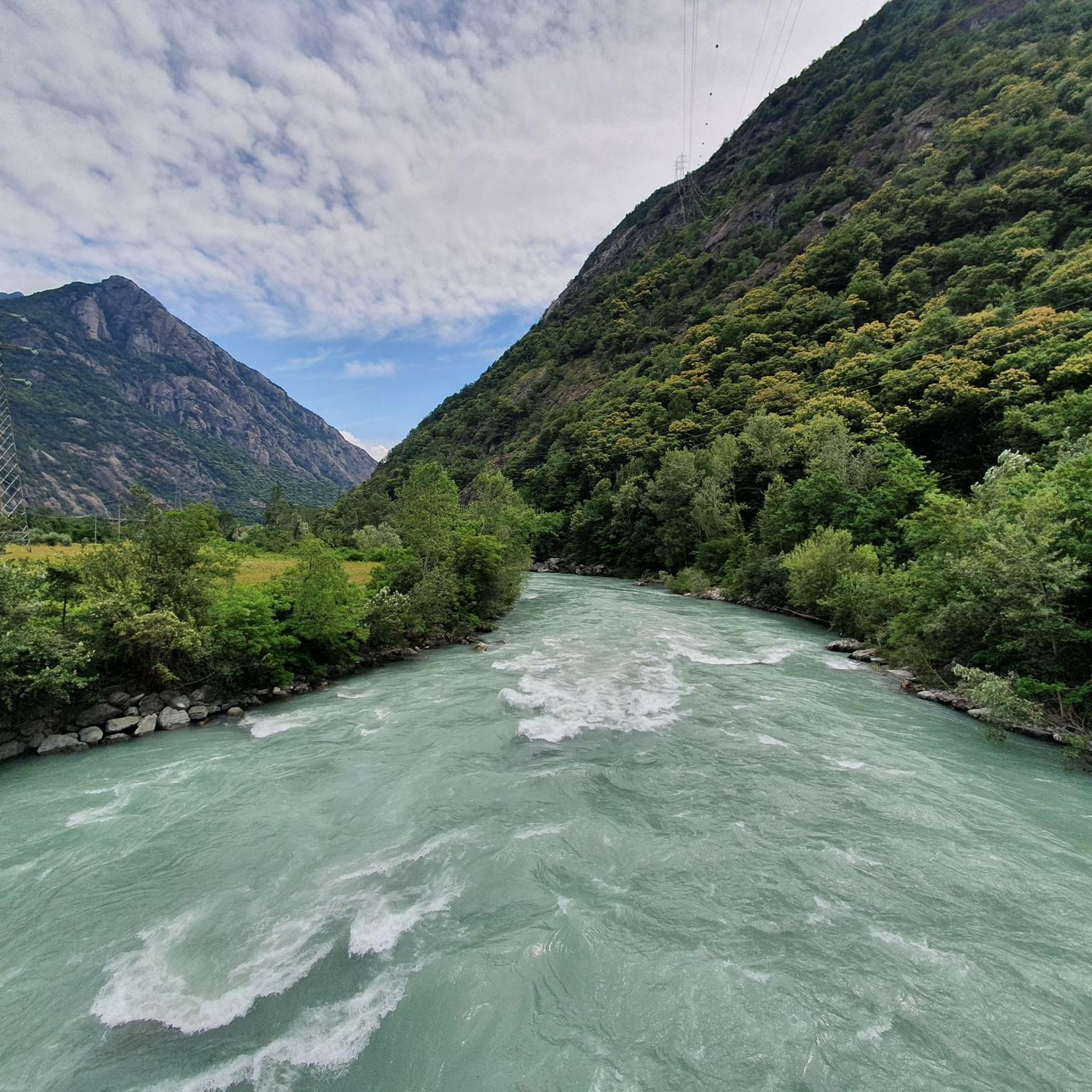
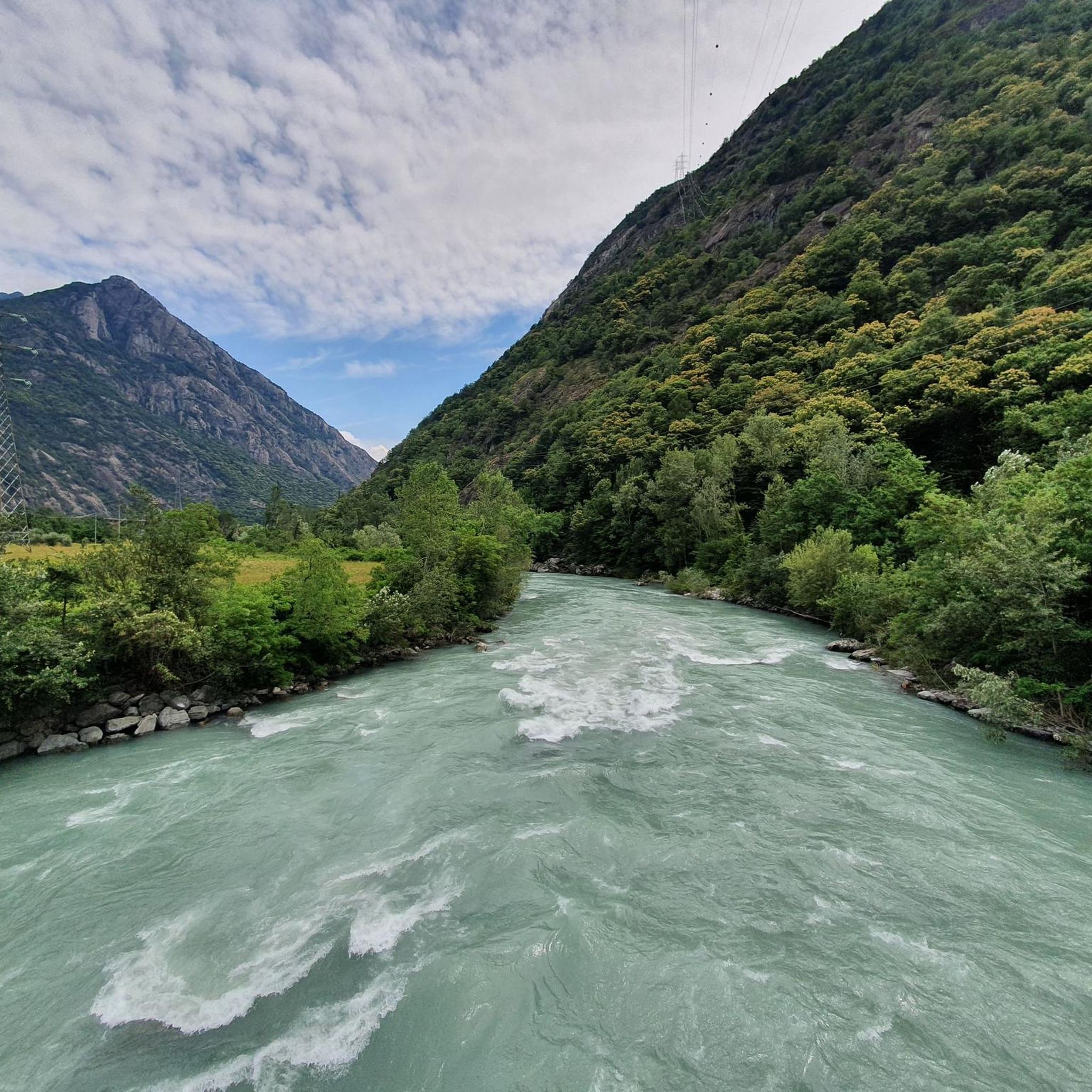
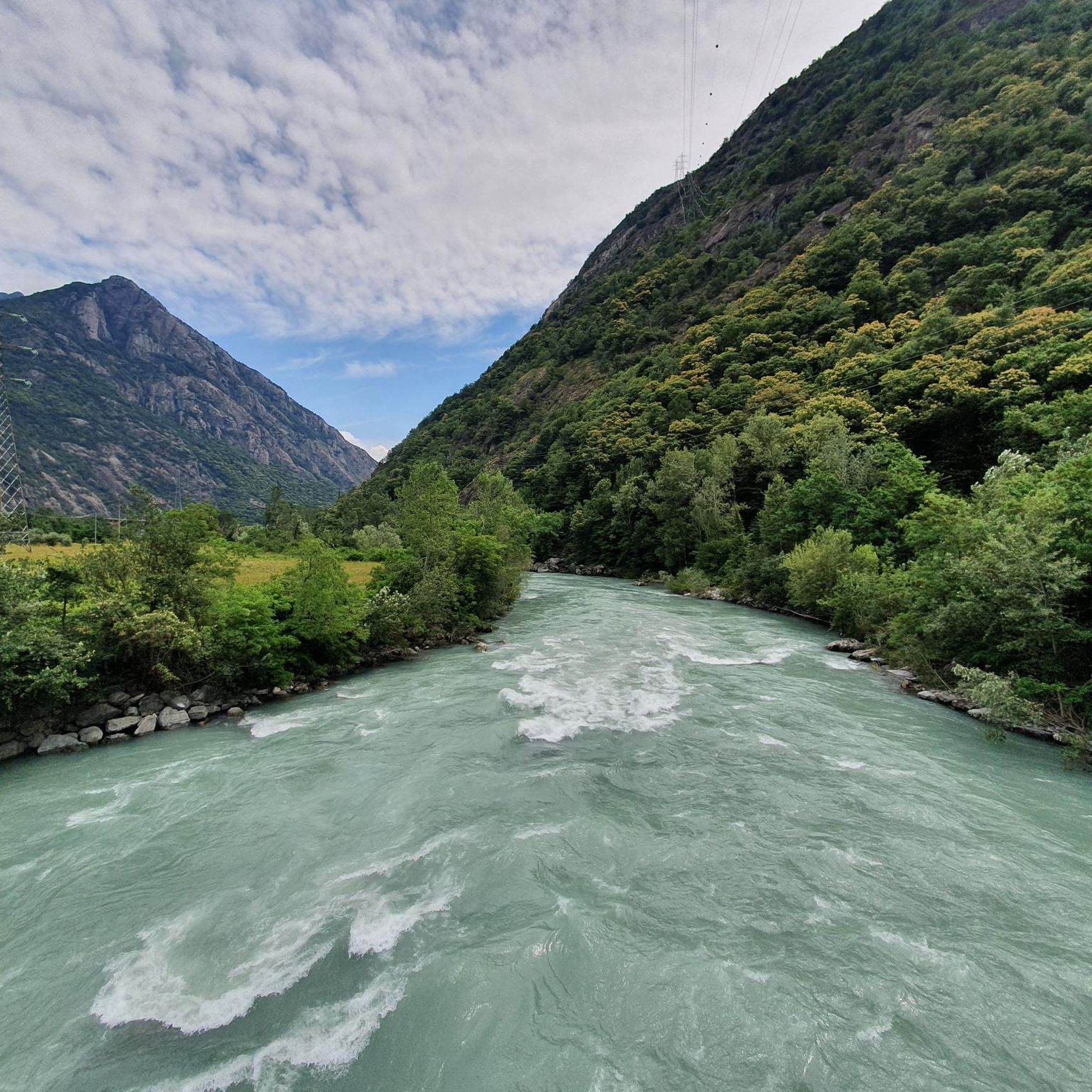
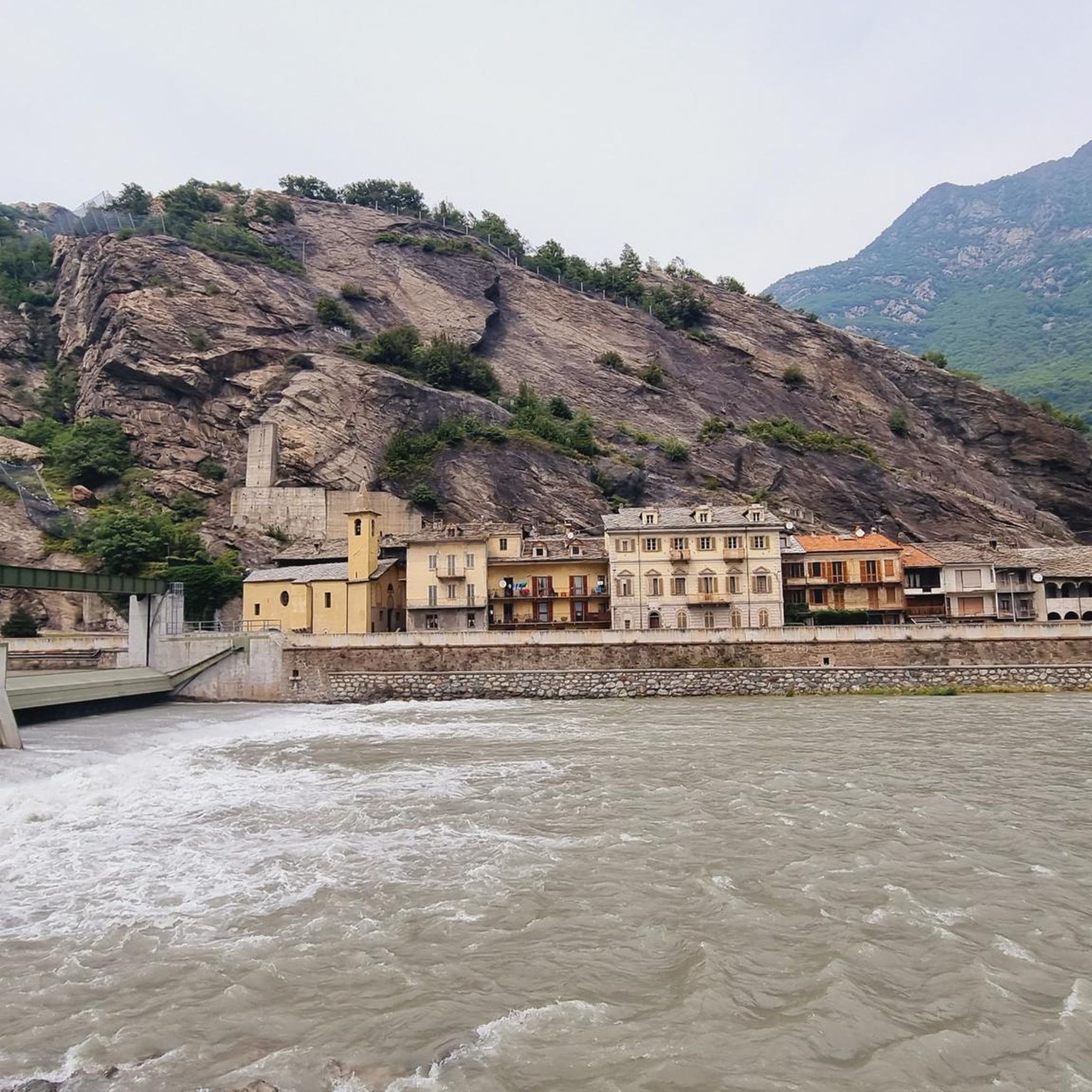
Touring cycling around Hône offers diverse routes within Italy's Aosta Valley, characterized by its alpine scenery, the Dora Baltea river, and the entrance to the Champorcher Valley. The region features a mix of valley floors, vineyards, rocky cliffs, and rolling hills, with the Mont Avic Regional Nature Park nearby. Routes often follow the Ayasse stream and provide views of historic landmarks like the Bard Fortress. The landscape provides varied terrain for touring cyclists.
Best touring cycling routes around Hône
- The…
Last updated: May 7, 2026
1
riders
7.31km
00:42
140m
140m
Easy bike ride. Great for any fitness level. Mostly paved surfaces. Suitable for all skill levels.
5.0
(1)
50
riders
43.5km
02:39
260m
260m
Moderate bike ride. Good fitness required. Mostly paved surfaces. Suitable for all skill levels.

Sign up for free
39
riders
69.2km
05:24
1,790m
1,790m
Hard bike ride. Very good fitness required. Mostly paved surfaces. Suitable for all skill levels.
5.0
(1)
26
riders
54.6km
04:53
1,980m
1,980m
Hard bike ride. Very good fitness required. Mostly paved surfaces. Suitable for all skill levels.
5.0
(2)
25
riders
55.8km
04:59
1,920m
1,920m
Hard bike ride. Very good fitness required. Mostly paved surfaces. Suitable for all skill levels.
Get access to more routes and recommendations from other explorers.
Sign up for free
Already have an account?
Our route recommendations are based on thousands of hikes, rides, and runs completed by other people on komoot.
Start today with a free account
Your next adventure awaits.
Login or Signup

Tips from the Community

The Castello di Suzey stands on an inaccessible rocky spur, in a position that in the 14th century guaranteed absolute control over the transit of the Lys valley. The structure is a classic example of a medieval enclosure castle, dominated by a massive quadrangular tower and surrounded by the remains of a fortified village now swallowed by vegetation. This stronghold was the headquarters of the lords of Suzey, a branch of the Vallaise known for their bellicose nature and independence from central powers. A famous anecdote concerns the family's determination to defend their privileges: it is said that the lords of Suzey imposed such severe transit taxes that they sparked fierce disputes with merchants and neighboring communities, turning the castle into a sort of armed customs post. A local legend also tells that the castle was connected to the other Vallaise properties in Perloz via a network of secret passages dug directly into the rock, used to move troops and riches away from prying eyes during sieges. Another popular tale describes the castle's end as a dramatic event: a devastating fire, which broke out during an enemy attack, would have marked the definitive abandonment of the structure.
0
0
The stone bridge of Lillianes, completed in 1733, represents a hydraulic work of exceptional value for the Lys Valley, being the only historic bridge in the region structured on four round arches. The choice of this configuration, supported by robust piers equipped with cut-water spurs, was dictated by the need to span a section of the Lys stream particularly subject to violent floods. The roadway, made with a characteristic donkey-back shape in local stone, hosts a votive shrine dedicated to Saint Roch in the center, historically placed to protect travelers against pestilences. A relevant anecdote concerns the complex financing of the work: the local community, in order not to depend exclusively on central subsidies, chose to heavily tax themselves through the "taglioni" system, a form of mandatory contribution based on land ownership. It is said that the families of the village contributed not only with money but also by providing labor and materials, as the bridge was considered vital for the economy linked to the chestnut trade and transhumance. Another curious detail concerns its incredible resistance: during past floods, while other wooden or lighter structures were swept away, the bridge of Lillianes remained intact, consolidating its fame as an indestructible monument and a symbol of unity for the entire valley population.
0
0
The historic center of Perloz constitutes an architectural nucleus of considerable interest for understanding the social and political dynamics of the lower Aosta Valley. The heart of the settlement is represented by the Casaforte Vallaise, a 14th-century quadrangular structure that served as the administrative and judicial center for the noble family of the same name. The building preserves medieval construction elements, including the coat of arms carved on the portals, a testament to the exercise of jurisdictional power over the territory. A short distance away stands the parish church of San Salvatore, characterized by a facade entirely frescoed with a representation of the Last Judgment dating back to the 17th century, a work that served as a tool for religious instruction for the local population. The monumental route continues with the Museum of the Resistance, housed in premises that recall the historical memory of the "Brigata Lys". Here, documents and artifacts related to the events of 1944 are preserved, when the village became a fundamental operational center for the partisan formations in the area. Walking through the narrow stone streets, one also notices the presence of numerous stone fountains and community ovens, symbols of the collective management of rural resources. This stratification of different eras, from medieval feudalism to contemporary history, makes the center of Perloz a relevant technical and cultural stop for those crossing the slopes of the Lys valley.
0
0

very beautiful hill with slopes around 10%
0
0

While traveling along the Via Francigena, on the stretch from Arnad to Bard, you cross this characteristic three-arched pedestrian bridge. On the left orogr. area with a bench for rest.
1
0
Emarese is located on a beautiful plateau that is sunny all year round. The village has beautiful stone houses, many of which have been renovated respecting the original materials and architecture. On the walls of some of these houses, reproductions of period photos have been hung, showing the faces of the people who lived in the village in a past that is becoming increasingly distant.
0
0

The Chiesa del Santissimo Salvatore in Quincinetto, Italy, is a beautiful parish church located in the center of the village, near the bell tower. Although there are reports of medieval origins since 1297, the church was rebuilt in 1770 in the current late Baroque style, according to the design of architect Bella. The church is 35 meters long and has three chapels on each side. The facade is decorated with beautiful frescoes by the famous painter Carlo Cogrossi from Treviglio. The facade has two marker bands that divide it into registers. The lower registers contain six niches with statues of saints, while the upper register shows an altar icon of the Redeemer in relief. The church has a spacious and bright single-nave space with twelve windows that illuminate the interior. The walls are decorated with frescoes of the Via Crucis, altars and decorative floral motifs. The presbytery is crowned with a red canopy and houses an impressive altar in brick and imitation marble. Four frescoes in the presbytery show scenes from the life of Jesus. The church also contains a unique painting of Jesus as the Redeemer. The walls of the choir are decorated with biblical scenes set after the Resurrection of Christ, painted by Carlo Antonio Cogrossi.
8
0
The Roman road of the Gauls, built to connect Rome with the Rhone Valley, has in the Donnas section one of its most characteristic and spectacular points, carved out of the living rock over a length of 221 metres. In a place where in ancient times the rocky promontory plunged into the waters of the Dora, the Romans launched a real challenge to nature by carving out a living rock on which they could draw perfectly vertical walls and in whose bosom they cut the roadbed. Exciting and unusual, here the Via delle Gallie gives its best by offering the spectacle of a vaulted passage 4 metres thick, 4 metres high and almost 3 metres wide that eloquently illustrates the amount of rock removed and shows all the refinement of a road engineering never again achieved until viaducts and modern tunnels. In the Middle Ages it served as a gate to the village, which was closed at night; The other defences were of course: on one side the mountain and on the other the river. A fundamental road, much used over the centuries, as evidenced by the deep ruts left by the passage of carts and the wear of the walking surface that has been patched and repaired at various points over time. A little further on, on the right, we recognise the excellent profile of a milestone, also spared in the rocky bank, which informs us of the distance to Augusta Praetoria (the current city of Aosta): XXXVI miles (about 54 km).
6
0
Frequently Asked Questions
How many touring cycling routes are available around Hône?
There are over 60 touring cycling routes around Hône, offering a wide range of options for different skill levels. You'll find everything from easy valley rides to challenging ascents into the alpine landscape.
What kind of terrain can I expect on touring cycling routes near Hône?
The terrain around Hône is diverse, ranging from flat valley floors along the Dora Baltea river to rolling hills, vineyards, and rocky cliffs. Routes often follow the Ayasse stream and can lead into the more rugged alpine scenery of the Mont Avic Regional Nature Park, featuring forests and lakes.
Are there any easy touring cycling routes suitable for beginners or families?
Yes, Hône offers several easy touring cycling routes. A great option is The Fort of Bard and the Roman Road, an easy 4.5-mile trail that connects to the historic Bard Fortress and follows the Dora Baltea river, perfect for a relaxed ride.
What are some challenging touring cycling routes for experienced riders?
For experienced touring cyclists seeking a challenge, Hône provides numerous difficult routes. Consider the Lake Meugliano – Traversella loop from Donnas, a demanding 47.3-mile path exploring the wider Aosta Valley with significant elevation changes. Another challenging option is the View of Fort Bard – Echallod Stone Bridge loop from Hône-Bard.
What natural features or landmarks can I see along the touring cycling routes?
Many routes offer stunning natural features and landmarks. You can cycle past alpine lakes such as Lake Muffé and Lake Ville. The region is also known for its forests, the Dora Baltea river, and the Ayasse stream, which features a unique 'ravines path'. You might also encounter the Arlaz Waterfall on some routes.
Are there any historical sites or cultural attractions accessible by touring bike?
Absolutely. Hône's strategic location provides access to several historical sites. The iconic Bard Fortress is a prominent landmark, often visible or directly accessible from routes like The Fort of Bard and the Roman Road. You can also explore Roman historical sites along routes such as the Roman Arch and Road in Donnas – Pont-Saint-Martin loop from Donnas.
What do other touring cyclists say about the routes around Hône?
The touring cycling routes around Hône are highly regarded by the komoot community, with an average rating of 4.2 stars from over 70 reviews. Cyclists often praise the diverse alpine scenery, the well-maintained paths along the Dora Baltea river, and the opportunity to combine natural beauty with historical exploration.
Are there any circular touring cycling routes around Hône?
Yes, many touring cycling routes around Hône are designed as loops, allowing you to start and end in the same location. Examples include the challenging Lake Meugliano – Traversella loop from Donnas and the moderate Roman Arch and Road in Donnas – Pont-Saint-Martin loop from Donnas.
What is the best time of year for touring cycling in Hône?
The Aosta Valley, including Hône, is generally best for touring cycling from spring through autumn. During these seasons, the weather is typically mild, and the alpine landscapes are vibrant. Summer offers warmer temperatures, while spring and autumn provide cooler rides and beautiful foliage, though some higher passes might still be affected by snow early or late in the season.
Are there any huts or refuges accessible from touring cycling routes near Hône?
Yes, some touring cycling routes can lead you near or provide access to mountain huts and refuges. Notable options include the Barbustel Refuge at Lac Blanc, Rifugio Bruno Piazza, and Chiaromonte Hut, which can offer resting points or overnight stays for longer tours.
Can I find routes that offer views of the Bard Fortress?
Many routes in the Hône area offer excellent views of the historic Bard Fortress. For a direct experience, the The Fort of Bard and the Roman Road route connects directly to the fortress. Another route, Fort Bard – Lago San Michele loop from Hône-Bard, also features the fortress as a key point of interest.
Most popular attractions around Hône

Get inspired with the komoot mobile app


Explore more
Browse the best Cycling routes in other regions.
