Top 18 Castles around Charvensod
Best castles around Charvensod are situated within the Aosta Valley, a region known for its mountainous terrain and historical architecture. Charvensod, a municipality in this valley, contains historical remnants such as the 14th-century Charvensod Castle, now largely in ruins, and the medieval Tornettaz signaling tower. These sites offer a connection to the area's past but are not publicly accessible. The wider Aosta Valley, however, features numerous well-preserved castles that highlight the region's strategic importance and rich architectural heritage.
Best castles…
Last updated: July 1, 2026
Aymavilles Castle
Highlight • Castle
Translated by Google •
Tip by

Saint-Marcel Castle
Highlight • Castle
Showing Translation
Tip by
Sign up now to discover places like this
Get recommendations on the best single tracks, peaks, & plenty of other exciting outdoor places.
Sign up for free
Quart Castle
Highlight • Castle
Translated by Google •
Tip by

Torre dei Balivi
Highlight • Historical Site
The tower, also known as Tour Cornière in French, was mentioned as early …
Translated by Google •
Tip by

Saint-Pierre Church and Castle
Highlight • Castle
11010 Saint-pierre AO
Translated by Google •
Tip by

Sign up for free to discover even more castles around Charvensod.
Sign up for free
Already have an account?
Start today with a free account
Your next adventure awaits.
Login or Signup
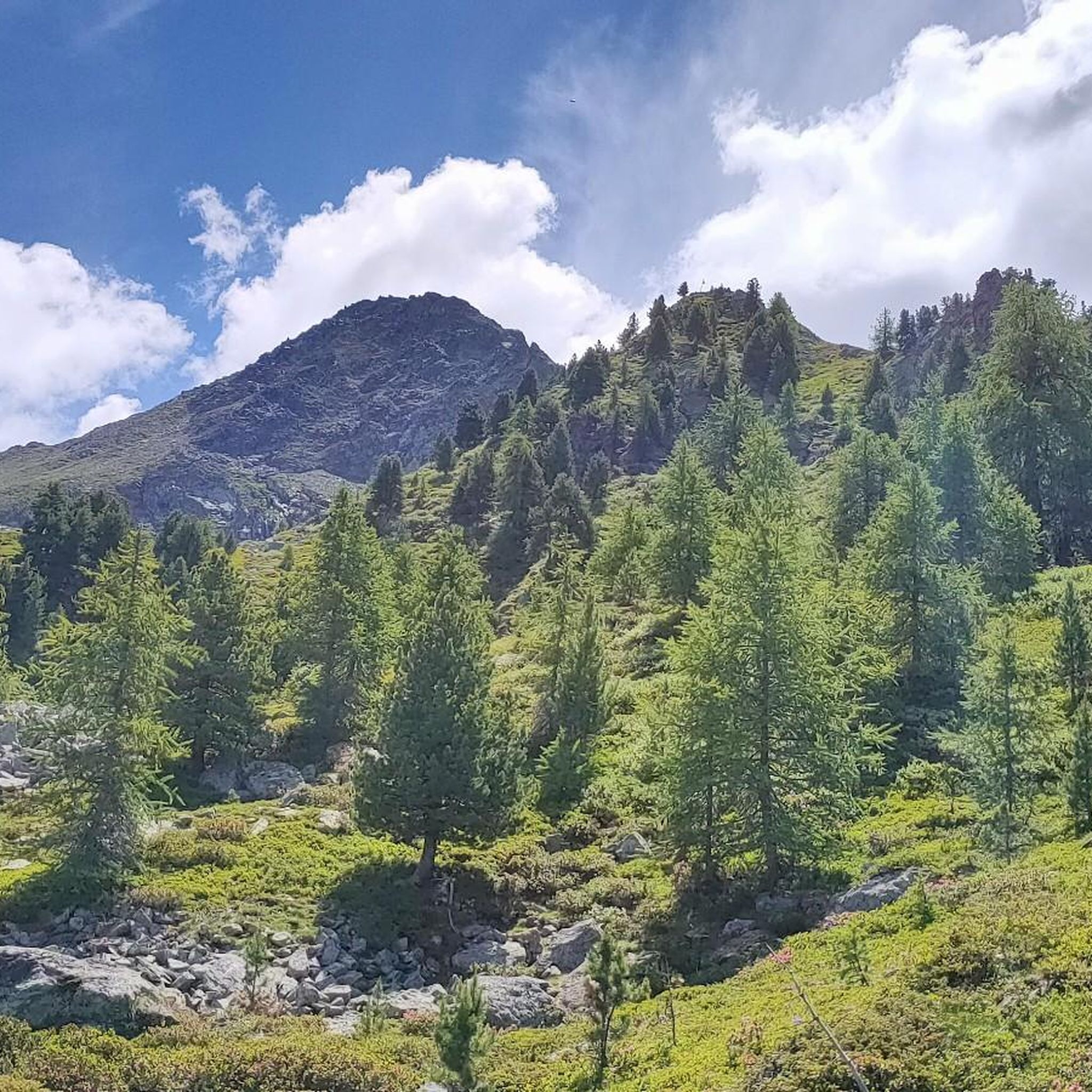
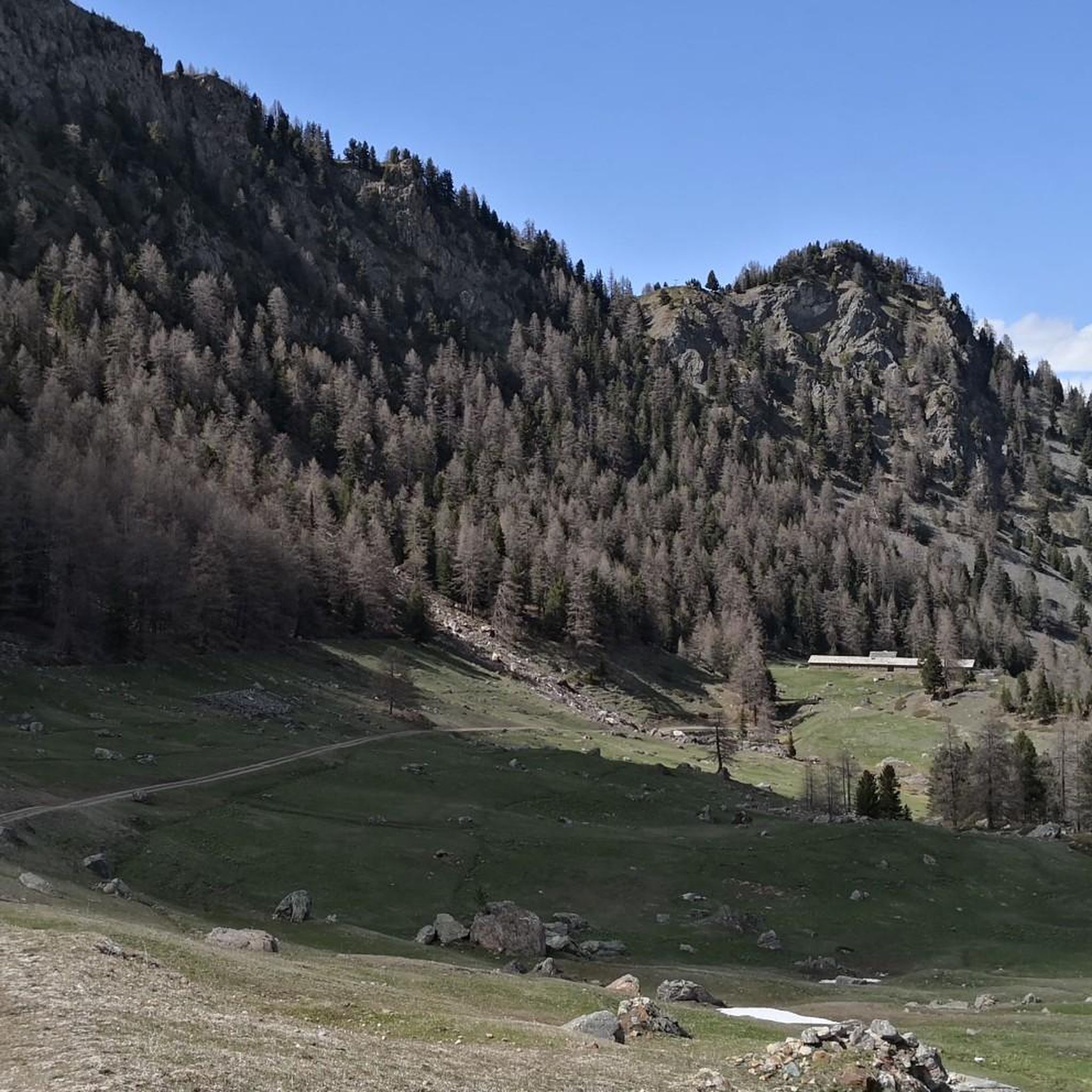

Other adventures around Charvensod

Tips from the Community

Seen only from the outside, very very beautiful!
0
0

Quart Castle is currently (January 2025) undergoing conservation work. The work should be completed by summer 2025.
0
0

Travelling along the Via Francigena from Aosta to Nus, just before Quart you come across this Castle built on a hill, an enchanting and solitary place.
0
0


The current castle was built on the remains of an earlier fortified dwelling. The feudal estate of Saint-Marcel was originally dependent on the nearby castle of Ussel. Both estates were in the hands of the powerful Challant family. The castle was originally built in the 15th century by Giacomo di Challant-Aymavilles. It had a fundamentally square shape as a castle-residence, with an added rectangular western part for extra living space. A square tower dominated the structure, while two turrets with projecting battlements adorned the corners, similar to those of the castle of Ussel. Inside, the halls were covered with wooden ceilings, and some still contain remnants of large fireplaces.
6
0
The Torre dei Balivi, also known as Tour du bailliage, is one of Aosta's medieval architectural treasures. The tower, also known as Tour Cornière in French, was mentioned as early as 1192. In the 12th century it became the property of the local noble family De Palais (or De Palacio), who used it for their own purposes. Later, in the 13th century, it was transferred to the Count of Savoy and served as the seat of the bailiff (in old French, Bailly). The tower was expanded and remodeled in the 15th and 16th centuries, with new parts added to meet growing needs. In the 17th century it was used as a prison and courthouse. Since 2014, the tower has housed the Istituto Musicale Pareggiato della Valle d'Aosta.
8
0

The Aymavilles castle, located on a moraine hill and surrounded by meadows and vineyards, dominates the course of the Dora Baltea and the strategic and commercial route that led to the Alpine passes including the Piccolo San Bernardo. Its history is very ancient, in a papal bull of 1207 it appears as a simple tower or stronghold belonging to the assets of the canons of Saint Gilles. This fortification subsequently underwent numerous transformations thanks to the illustrious owners who followed one another over time, starting from 1360, when the Savoys enfeoffed the jurisdiction to Aimone di Challant. The castle is easily recognizable for its original but elegant structure characterized by eighteenth-century stuccoes, loggias and coats of arms. The exterior is refined by the presence of a vast park with a fountain, from which you can enjoy a spectacular view of the entire valley floor.
0
0
Probably founded in the 14th century, an example of the late type of so-called “monobloc castles”, the castle of Saint-Marcel is located on a plateau at the base of the alluvial fan of the Saint-Marcel stream and at a road junction of the routes running along the valley floor and towards the valley to the south, known for the extraction of soapstone and for the presence of iron-copper and manganese mines certainly already known in the medieval period.
3
0
Frequently Asked Questions
Are the Charvensod Castle ruins accessible to the public?
Charvensod Castle, built in the 14th century, is largely in ruins today, with only remnants of its boundary wall and a circular tower visible. It is not open to visitors. Similarly, the medieval Tornettaz, a former signaling tower in the same municipality, is also a ruin and not publicly accessible.
What are some family-friendly castles to visit near Charvensod?
Several castles near Charvensod are suitable for families. Quart Castle, Aymavilles Castle, and Saint-Marcel Castle are all categorized as family-friendly and offer engaging historical experiences.
What is the best time of year to visit castles in the Aosta Valley?
The Aosta Valley, including the area around Charvensod, is beautiful throughout the year. However, spring and autumn offer pleasant weather for exploring castles and their surroundings, with fewer crowds than peak summer. Some castles may host events and concerts in their parks during spring and summer, such as Aymavilles Castle.
What kind of historical architecture can I expect to see in the castles around Charvensod?
The castles in the region showcase a range of architectural styles and historical periods. For example, Aymavilles Castle features a blend of medieval and Baroque elements, while Saint-Marcel Castle is an example of a 15th-century 'monobloc castle' with a square shape and defensive turrets. The region's history as a strategic point means many castles have undergone transformations over centuries.
Are there any castles with notable viewpoints near Charvensod?
Yes, Quart Castle stands on a high rocky cliff and offers remarkable landscape views. From the park of Aymavilles Castle, you can also enjoy a spectacular view of the entire valley floor.
What outdoor activities can I do near the castles around Charvensod?
The area around Charvensod offers various outdoor activities. You can find numerous cycling routes, including road cycling and touring bicycle options, as well as mountain hikes. For detailed routes, explore the Road Cycling Routes around Charvensod, Mountain Hikes around Charvensod, and Cycling around Charvensod guides.
Are there hiking trails near the castles?
Yes, several hiking trails are available. For instance, Quart Castle is located along the Via Francigena, which offers hiking opportunities. You can find more options in the Mountain Hikes around Charvensod guide, with routes like the 'Punta della Valletta loop from Pila' or 'Pointe de la Pierre loop from Pont D'Aël'.
What is the Torre dei Balivi and can I visit it?
The Torre dei Balivi, also known as Tour du bailliage, is a medieval architectural treasure in Aosta. Historically a seat of the bailiff and later a prison, it now houses the Istituto Musicale Pareggiato della Valle d'Aosta. While it's a significant historical site, its primary function is no longer a public castle attraction.
What do visitors enjoy most about the castles around Charvensod?
Visitors appreciate the variety of castles, from medieval fortresses to residential castles, and the rich historical context they provide. The komoot community has shared 24 photos and given 66 upvotes, highlighting the scenic beauty and historical significance of sites like Quart Castle and Aymavilles Castle.
How can I get to the castles near Charvensod?
Access to castles varies. Some, like Quart Castle, can be reached by car, on foot, or by mountain bike. For specific directions and parking information, it's best to check local resources or the individual castle's official website, as public transport options can be limited in some areas of the Aosta Valley.
Are there any castles that offer a unique blend of history and natural beauty?
Yes, Aymavilles Castle is a prime example. It is situated on a moraine hill, surrounded by meadows and vineyards, and features a vast park with a fountain, offering a beautiful natural setting alongside its rich medieval and Baroque history.
What is the significance of the Saint-Pierre Church and Castle?
The Saint-Pierre Church and Castle represents a site of historical, cultural, and architectural interest. It combines religious heritage with a fortified structure, offering insights into the region's past where ecclesiastical and defensive functions often intertwined.
Most popular routes around Charvensod
Most popular attractions around Charvensod

Get inspired with the komoot mobile app


Explore more
Looking for the best castles somewhere else? Discover other guides around Charvensod:
