The best walks and hikes around Caragnani/Calangianus
4.4
(1069)
3,711
hikers
83
hikes
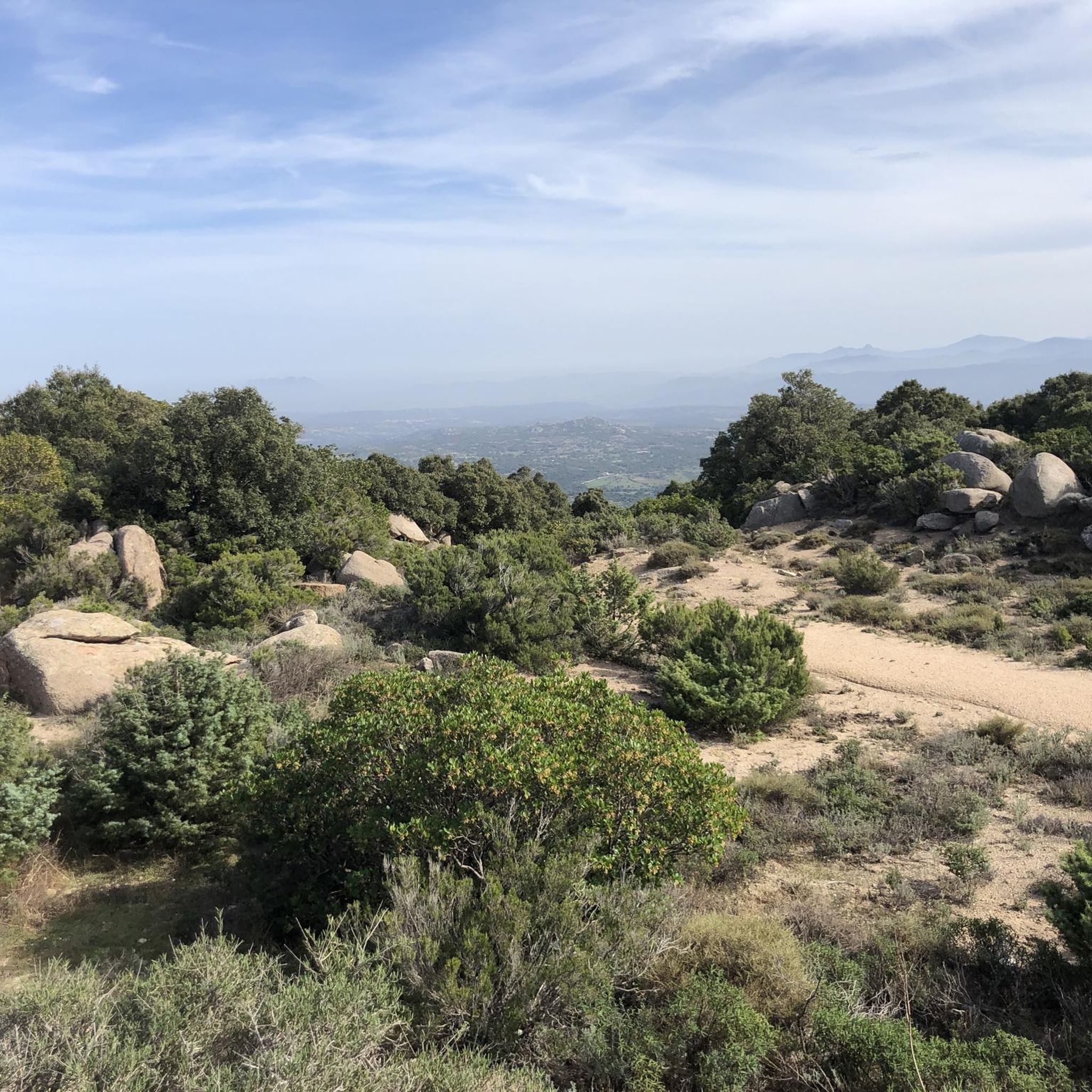
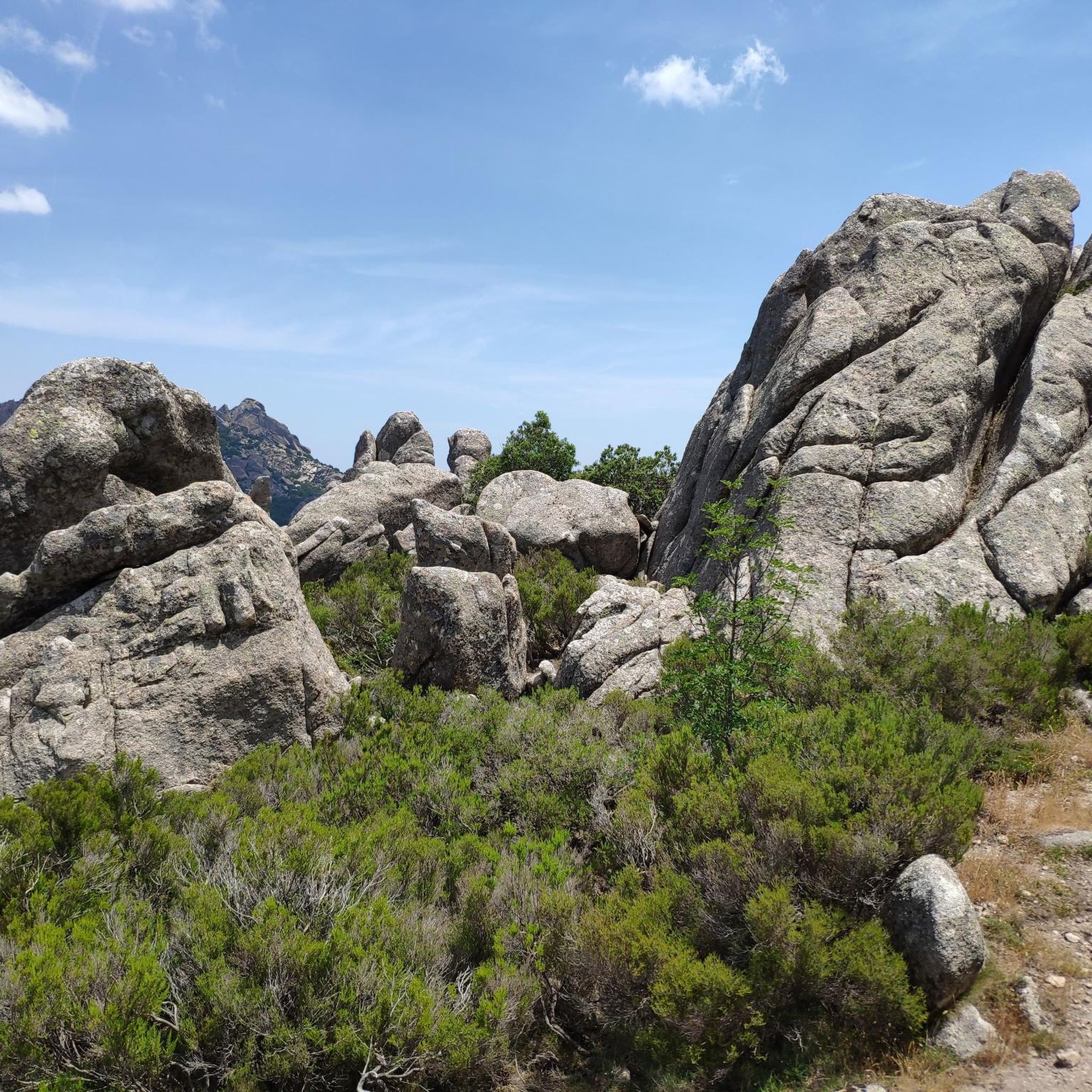
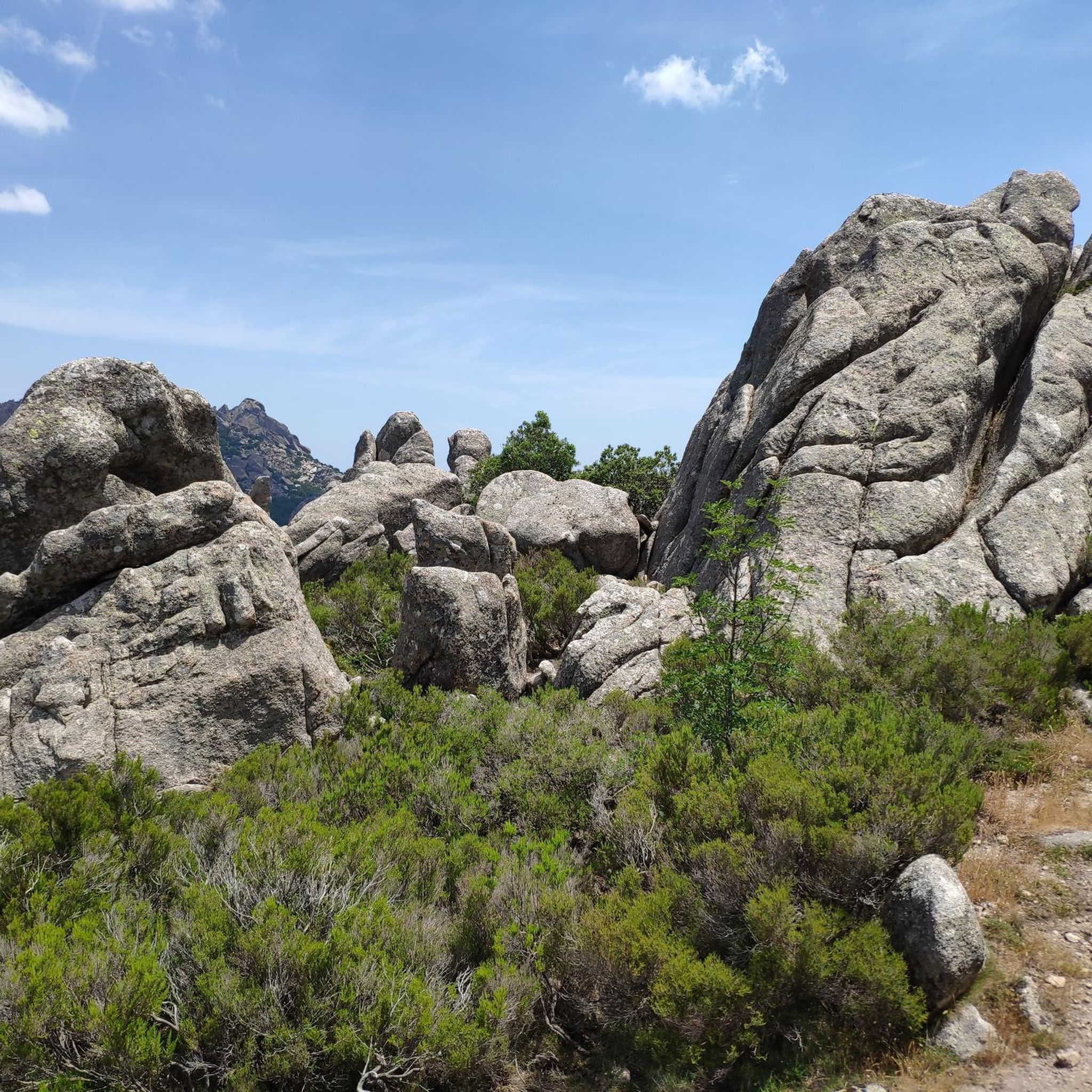
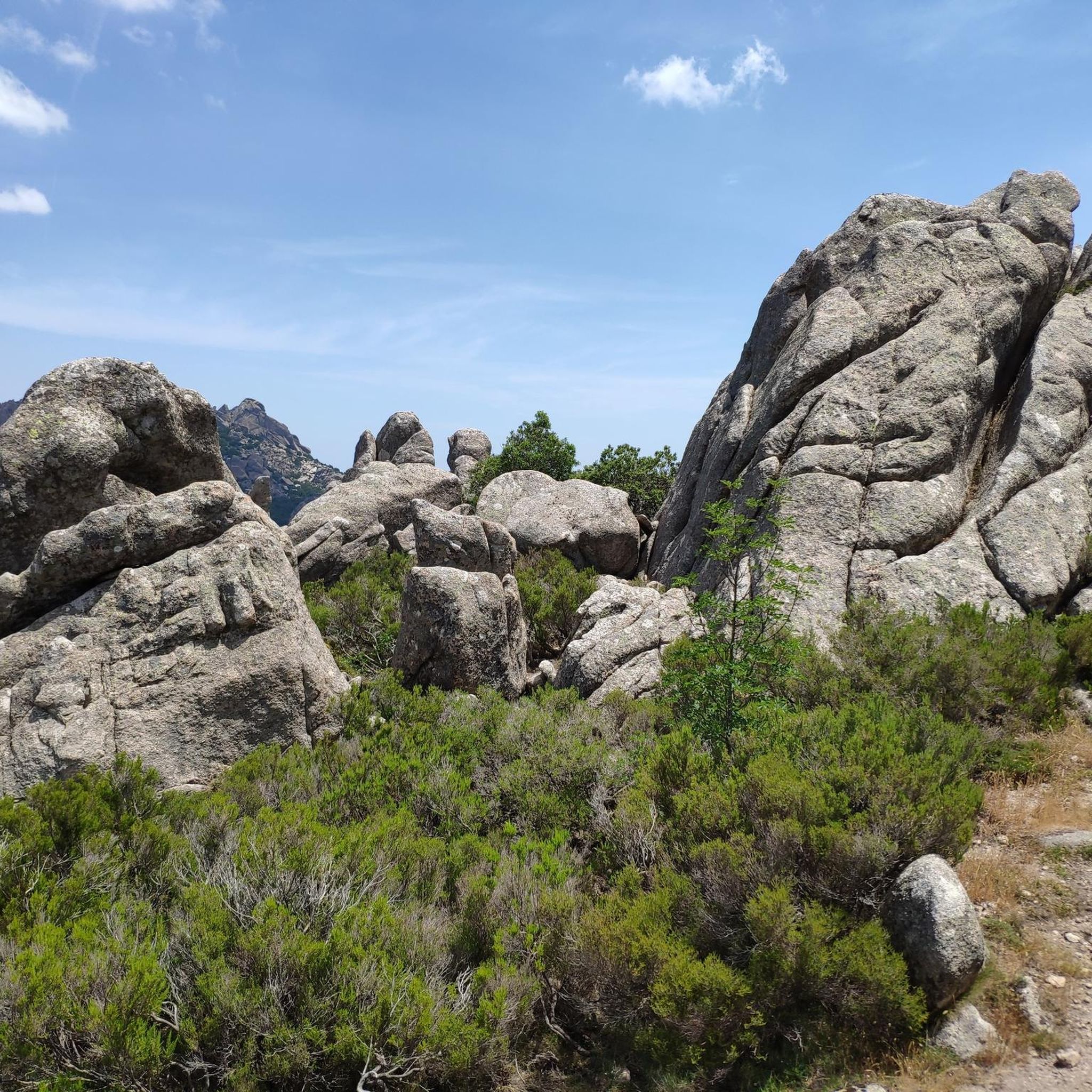
Hiking around Caragnani/Calangianus offers diverse landscapes dominated by the Monte Limbara Massif, providing a backdrop for numerous trails. The region features impressive granite formations, often sculpted into unique shapes by natural erosion, and rich Mediterranean scrub, cork forests, and wild olive trees. Pathways frequently lead through these wooded areas, offering a serene hiking experience. The area also contains ancient rural settlements known as "stazzi," adding a historical and cultural dimension to the natural trails.
Best hiking trails around Caragnani/Calangianus
- The…
Last updated: May 10, 2026
4.5
(2)
3
hikers
31.5km
09:46
1,110m
1,110m
Hike the difficult 19.6-mile (31.5 km) Walk from Nuchis to the peaks of Gallura - ring tour, gaining 3655 feet (1114 metres).
4.8
(104)
408
hikers
Moderate hike. Good fitness required. Mostly accessible paths. Sure-footedness required.

Sign up for free
4.6
(26)
76
hikers
Easy hike. Great for any fitness level. Easily-accessible paths. Suitable for all skill levels.
4.5
(19)
80
hikers
11.3km
03:41
510m
510m
Moderate hike. Good fitness required. Easily-accessible paths. Suitable for all skill levels.
4.5
(23)
63
hikers
4.19km
01:26
150m
140m
Moderate hike. Great for any fitness level. Mostly accessible paths. Sure-footedness required.
Get access to more routes and recommendations from other explorers.
Sign up for free
Already have an account?
Our route recommendations are based on thousands of hikes, rides, and runs completed by other people on komoot.
Start today with a free account
Your next adventure awaits.
Login or Signup

Tips from the Community

A simple hut with benches and tables, located on a gravel road, suitable for a rest or a short overnight stay. There is also space for a tent in front of the hut. Occasional traffic from construction/forestry vehicles.
0
0

Beautiful route. What made it a bit difficult for me was the path full of rocks and roots...but beautiful rock/granite formations...
0
0

The patronage of "Our Lady of the Snows" – which, in my experience, is not all that common – indicates that this church was dedicated to the Blessed Virgin Mary, but not, as is usually the case, associated with one of her classic feast days (such as the Name of Mary, the Nativity, the Assumption, or as Queen of the Rosary). Rather, the search for the origin of "Our Lady of the Snows" leads us far back in church history to the fourth or fifth century, and geographically speaking, away from Sardinia to the Italian capital. On August 5, 363, at the site where the magnificent church of Santa Maria Maggiore stands today, the so-called "Miracle of the Snows" occurred. That is, on that day, in the middle of summer, snow lay on the ground in the morning because Our Lady wanted a church dedicated to her to be built on that spot. She communicated this wish in a nighttime vision to a wealthy couple – who financed the construction – and to the Bishop of Rome, Pope Liberius. The Roman church has the rank of a patriarchal basilica (papal basilica), and is the origin of all churches and chapels bearing this patronage. In the liturgical calendar of the Catholic Church, the date of August 5, the day of the church's consecration (in the year 432 by Pope Sixtus III), is a "non-obligatory memorial."
0
0

Special place and for us Dutch very special because this tomb shows similarities with the dolmens in Drenthe (Netherlands). In addition, it is a very beautiful piece of nature where this tomb is located. From the parking lot it is only a short walk without challenges and recommended for everyone!
2
0

It's not really a "via ferrata" - but you need to have the ability to find your way and should be able to climb a bit to get to the top (and back down safely).
0
1
Frequently Asked Questions
How many hiking trails are available in Caragnani/Calangianus?
The Caragnani/Calangianus region offers a wide selection of hiking opportunities, with over 80 routes available. These range from easy strolls to challenging mountain treks, catering to various fitness levels.
What kind of landscapes can I expect to see while hiking in this region?
Hikers in Caragnani/Calangianus will encounter diverse landscapes dominated by the Monte Limbara Massif. The area is renowned for its impressive granite formations, often sculpted into unique shapes, and features rich Mediterranean scrub, extensive cork forests, and wild olive trees. Pathways frequently lead through these wooded areas, offering a serene experience.
Are there any easy, family-friendly hiking options in Caragnani/Calangianus?
Yes, there are several easy trails suitable for families. One option is the Stone Water Fountain – Statue of Madonna della Neve loop from Santa Maria de la Neve, which is 6.2 km long and takes about 1 hour 53 minutes to complete. This route offers varied terrain without significant elevation.
Can I find circular hiking routes in the Caragnani/Calangianus area?
Many of the trails in Caragnani/Calangianus are designed as circular routes, allowing you to start and end at the same point. For example, the Tilles Felsenmeer – View of Monte Limbara loop from Santa Maria de la Neve is a moderate 10.2 km circular path offering views towards Monte Limbara.
What are some notable natural landmarks or attractions to see along the trails?
The region is rich in natural and historical landmarks. You can explore the unique granite formations, including those reminiscent of the Valle della Luna. Hikers can also visit the Monte Limbara summit, or discover the ancient Li Muri Necropolis, combining nature with cultural exploration.
What is the best time of year to go hiking in Caragnani/Calangianus?
The best months for hiking in Caragnani/Calangianus are typically spring (April-May) and autumn (September-October) when temperatures are milder and the landscape is vibrant. Summer can be very hot, especially at lower elevations, while winter can bring cooler, wetter conditions, particularly in the Monte Limbara Massif.
Are there any challenging hikes for experienced trekkers?
Yes, experienced trekkers will find challenging options. The Monte Limbara Loop is a difficult 31.5 km trail with a substantial elevation gain of over 1,100 meters, offering expansive views across the Monte Limbara Massif.
What do other hikers say about the trails in Caragnani/Calangianus?
The hiking routes in Caragnani/Calangianus are highly rated by the komoot community, with an average score of 4.4 stars from over 1000 reviews. Hikers often praise the diverse terrain, the impressive granite formations, and the serene experience of walking through cork forests and Mediterranean scrub.
Are there any historical or cultural sites accessible via hiking trails?
Beyond natural beauty, the region offers historical insights. The Li Muri Necropolis is an ancient site that can be visited. Additionally, the area contains ancient rural settlements known as 'stazzi,' which add a historical and cultural dimension to many natural trails.
Are dogs allowed on the hiking trails in Caragnani/Calangianus?
Generally, dogs are welcome on many hiking trails in the Caragnani/Calangianus region. However, it's always advisable to keep them on a leash, especially in areas with livestock or protected wildlife, and to check specific trail regulations if available.
Is there a trail that offers a good overview of the region's geology?
The region's geology is characterized by its distinctive granite formations. A hike like the Li Conchi del Monte Bianco – Roccia del Ras loop from Monte La Trona provides an excellent opportunity to observe these unique rock formations and the overall geological features of the Monte Limbara area.
Are there any trails that follow old railway lines?
Yes, a disused railway line between Monti and Calangianus has been repurposed into a 36 km route. This path is ideal for both walking and cycling, showcasing the region's natural beauty, including Mediterranean scrub, cork forests, and granite formations, offering a unique hiking experience.
Most popular routes around Caragnani/Calangianus
Most popular attractions around Caragnani/Calangianus

Get inspired with the komoot mobile app


Explore more
Browse the best Hikes in other regions.
