Attractions and Places To See around Monte/Monti - Top 20
Best attractions and places to see around Monte/Monti are found in a region known for its historical sites, unique natural formations, and scenic routes. This area offers a blend of ancient history and striking landscapes, making it a destination for exploration. Visitors can discover medieval fortresses, distinctive rock formations, and significant archaeological sites. The diverse terrain provides opportunities to experience both cultural heritage and natural beauty.
Best attractions and places to see around Monte/Monti
- The most popular attractions is Elephant…
Last updated: July 6, 2026
Pedres Castle
Highlight • Castle
Translated by Google •
Tip by

Elephant Rock of Telti
Highlight • Natural Monument
Translated by Google •
Tip by

Sign up now to discover places like this
Get recommendations on the best single tracks, peaks, & plenty of other exciting outdoor places.
Sign up for free
Tomb of the Giants Su Mont'e S'Abe
Highlight • Historical Site
Tip by

Padru
Highlight • Settlement
Translated by Google •
Tip by

Old Monti-Calangianus Railway
Highlight • Cycleway
Translated by Google •
Tip by

Sign up for free to discover even more attractions around Monte/Monti.
Sign up for free
Already have an account?
Start today with a free account
Your next adventure awaits.
Login or Signup
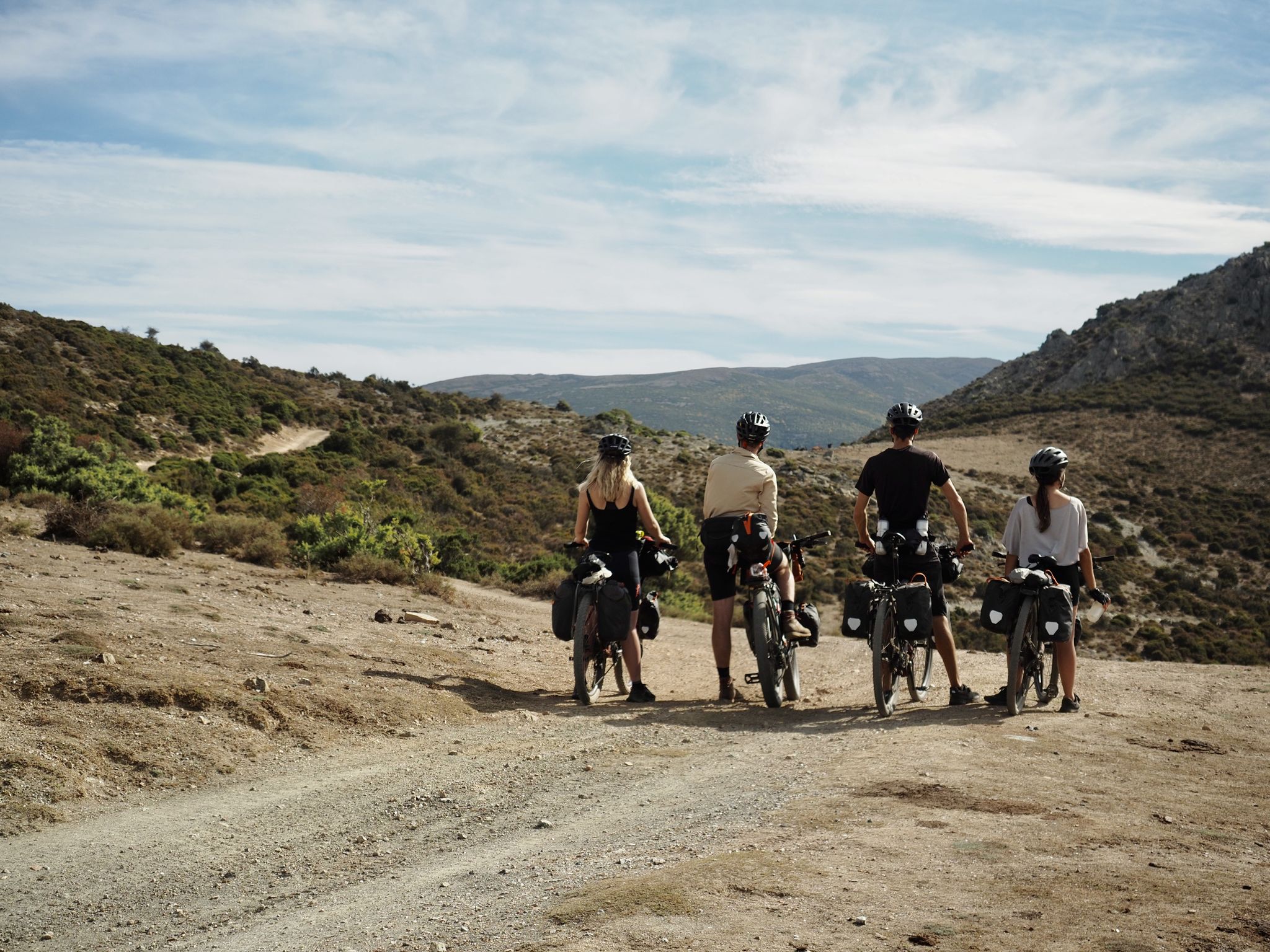
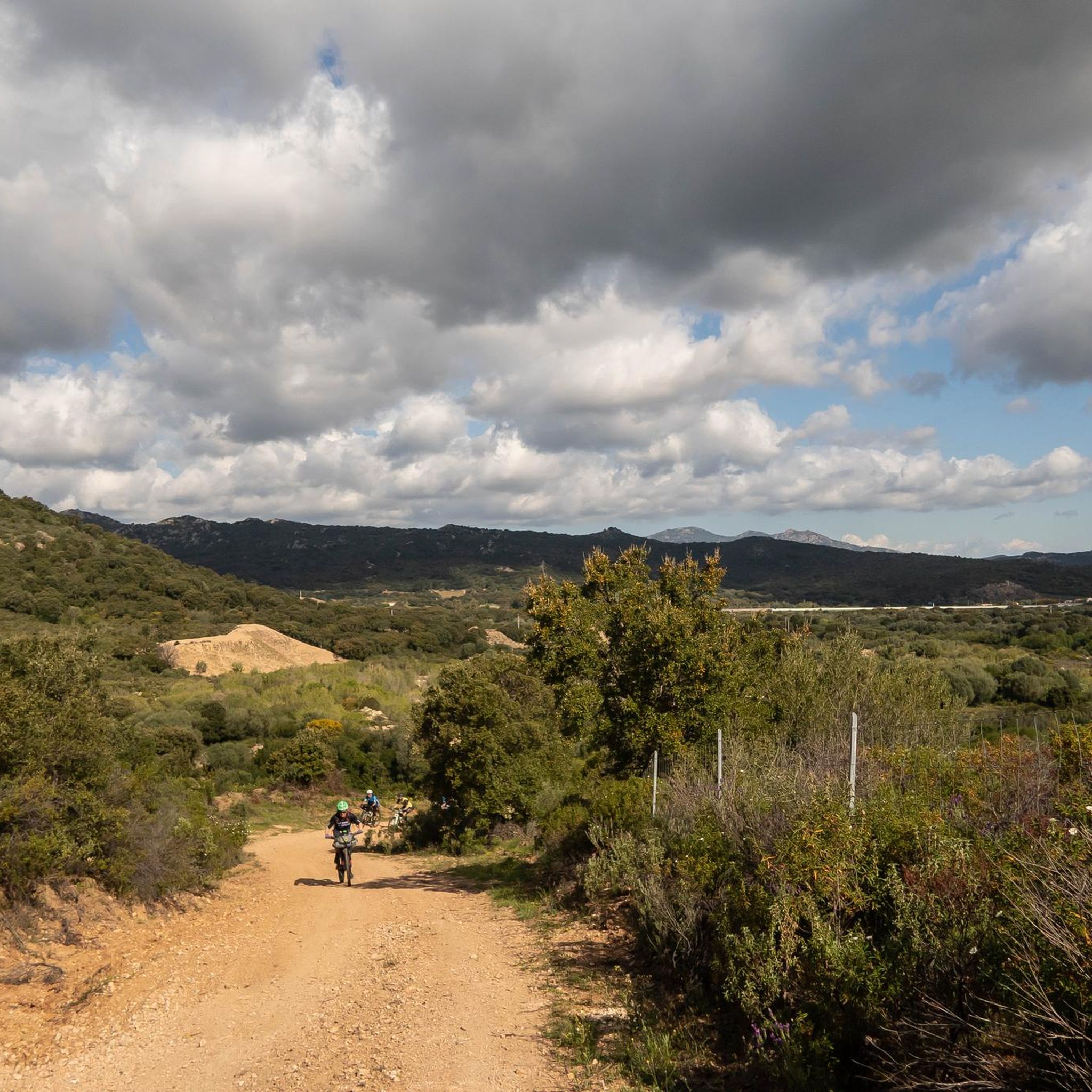
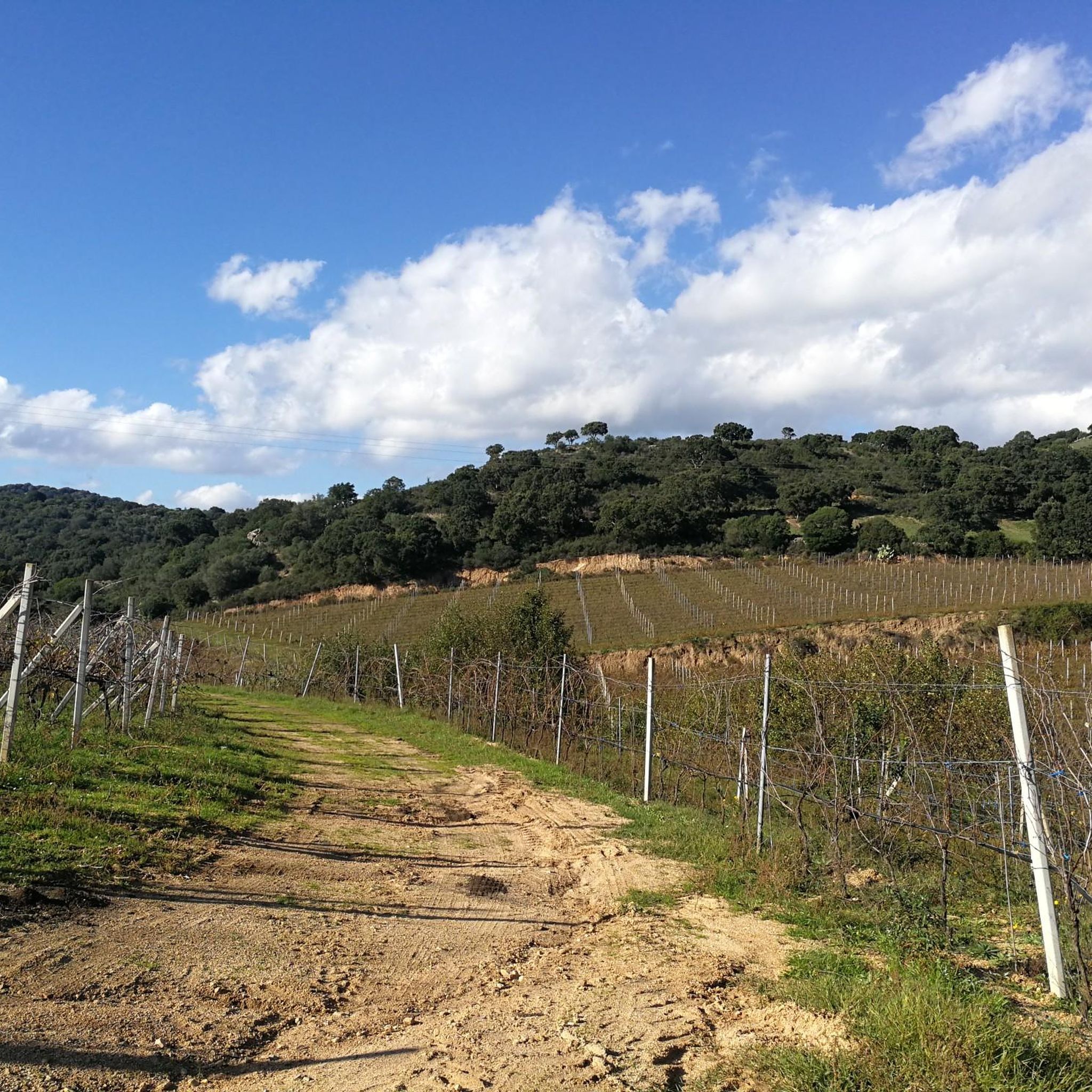

Other adventures around Monte/Monti

Tips from the Community

The short climb is worth it - you have a great view of the surrounding area and over Olbia.
0
0

In Telti, near Monte Pino, you can see this fascinating rock immersed in a beautiful landscape. It has the shape of an elephant, at least that's what it looks like when you look at it from afar.
1
0

Similar to the more famous Elephant Rock of Castelsardo, this rock formation near Telti, also in northern Sardinia, is very fascinating. While walking towards Monte Pino, take a few minutes to observe this strange rock that looks, indeed, like an elephant.
1
0

The Monti - Calangianus railway, a short line of only 27 kilometers in length, was originally part of a longer network connecting the main centers of the Gallura interior, which reached as far as the town of Tempio Pausania.
1
0

In front of the castle of Pedres, near the town of Olbia, an aura of mystery surrounds a nuraghic burial site. In the Giganti de su mont'e s'Abe (or s'Ape) tomb, the deceased were buried together, unlike the thousands of prehistoric burials of this type. In the burial room, the sacred rites associated with the deceased were performed, but here, unlike other places, the burial documents that accompanied the deceased until his union with the deity were not found in the sacred well. The construction of the building took place in two phases. In the first part, which dates back to the Bonnanaro culture period, the Allée Couverte tomb was built - a kind of elongated dolmen - which was subsequently built around 1600 BC. BC was converted into a giant tomb with an exedra and stele, some of which you can admire traces. The building, originally built in the shape of the head of a bull, a life-giving deity, was bordered by a semicircle at the front. In the center of the exedra was a four-meter-high granite stele and at the base a small opening that served as the entrance to the tomb. Inside, the tomb consisted of a ten-meter-long chamber, while the entire structure, which is still clearly visible, is one of the largest in all of Sardinia, measuring 28 meters long and six meters wide. Source: https://www.sardegnaturismo.it/it/esplora/su-monte-sabe
1
0
It is a medieval fortress, built of local stone in the mid-13th century, during the Visconti period of the Judicato of Gallura, and subsequently used by the Pisans to withstand the attack of the Aragonese. Until 1296, Nino Visconti was judge of Gallura (he was also the last), who used it for military purposes. His daughter Giovanna, who was unable to succeed him, took over his real estate assets, including this castle. The fortress's main role was to defend Civita and the borders with the Judicate of Torres. Originally the castle was equipped with four towers and was characterized by two squares, an upper and a lower one, surrounded by polygonal walls, accessible by stairs made of large granite blocks. In the upper square two ruined rooms are still visible, one of them with a groin vault, a cistern to collect rainwater and the keep, originally divided into four floors and allowing control of the area up to the Gulf of Olbia. Access to the tower was about 6 meters high and was via extendable wooden ladders. In 1339 the castle was entrusted to the Hospitallers of Saint John of Jerusalem. From the second half of the 14th century it was occupied by the Aragonese and then by the Judicate of Arborea. At the beginning of the 15th century there was a final abandonment, which was accompanied by the decline and depopulation of Civita (later Terranova Pausania). Most of the damage the fortress has suffered is due to neglect and neglect over the past few decades, but some is also due to the bombing of the last war. In the years following the conflict, it was also used as a functional structure for the administration of the nearby Olbia-Venafiorita airport. Source: https://it.wikipedia.org/wiki/Castello_di_Pedres
1
0

Named the 'Tomb of the Giants' due to its enormous size, this Middle Bronze Age burial tomb is well worth a stop to explore. The first iteration of the granite tomb is belived to have been constructed over 4,000 years ago, with later additions in around 1,600 BC.
2
0
Frequently Asked Questions
What historical sites can I explore around Monte/Monti?
The Monte/Monti region offers significant historical sites. You can visit Pedres Castle, a medieval fortress built in the mid-13th century, offering great views of the surrounding area and Olbia. Another notable site is the Tomb of the Giants Su Mont'e S'Abe, an enormous Middle Bronze Age burial tomb, believed to have been constructed over 4,000 years ago.
Are there any unique natural formations to see in the Monte/Monti region?
Yes, the region is home to distinctive natural formations. The most popular is the Elephant Rock of Telti, a fascinating rock formation near Telti that strikingly resembles an elephant. It's a unique visual experience set in a beautiful landscape.
What kind of outdoor activities are available near Monte/Monti attractions?
The Monte/Monti area is excellent for outdoor activities. You can find numerous routes for hiking, cycling, and mountain biking. For hiking, explore trails like the 'Li Conchi del Monte Bianco – Roccia del Ras loop' or the 'Mount Pino loop'. Cyclists can enjoy routes such as the 'Old Monti-Calangianus Railway – Telti Loop'. Mountain bikers have options like the 'Mountainbike loop from Telti'. For more details on these and other routes, visit the hiking guide, cycling guide, or MTB trails guide for Monte/Monti.
Are there family-friendly attractions around Monte/Monti?
Absolutely. The Elephant Rock of Telti is considered family-friendly and offers a memorable sight for all ages. Additionally, the Scenic country road through forest and hills is a pleasant route for families to enjoy together, whether cycling or driving, due to its good pavement and minimal traffic.
Where can I find scenic routes for cycling or driving in the region?
For breathtaking views, consider the Scenic country road through forest and hills. This route is praised for its unspoiled views, good pavement, and minimal traffic, making it ideal for a quiet journey by bike or car. It's a great way to immerse yourself in the natural beauty of the area.
What do visitors particularly enjoy about the attractions in Monte/Monti?
Visitors appreciate the blend of history and nature. For instance, the short climb to Pedres Castle is highly recommended for the great views it offers over the surrounding area and Olbia. The Elephant Rock of Telti is often described as 'fascinating' and 'strange' for its unique shape. The Scenic country road is loved for its 'unspoiled place' and 'excellent flooring' for cycling.
Can I find ancient archaeological sites in the Monte/Monti area?
Yes, the region is rich in ancient history. The Tomb of the Giants Su Mont'e S'Abe is a significant archaeological site. This Nuragic burial site, dating back to the Middle Bronze Age, is notable for its enormous size and unique construction, with parts believed to be over 4,000 years old.
Are there hiking trails suitable for different skill levels near Monte/Monti attractions?
Yes, the Monte/Monti area offers a variety of hiking trails. You can find easy trails like the 'Su Piscalia Waterfall loop' (5 km) or the 'Pedres Castle loop' (0.9 km). For those seeking a moderate challenge, options include the 'Li Conchi del Monte Bianco – Roccia del Ras loop' (11.3 km) or the 'Mount Pino loop' (10.1 km). More details are available in the hiking guide for Monte/Monti.
What is the best way to experience the natural beauty of the Monte/Monti region?
To truly experience the natural beauty, consider exploring the region's scenic routes and natural monuments. Cycling or driving along the Scenic country road through forest and hills offers panoramic views. Visiting the Elephant Rock of Telti allows you to witness a unique geological wonder amidst a beautiful landscape. Hiking trails also provide immersive experiences in the forests and hills.
Is there a good place to rest or find amenities near the attractions?
The settlement of Padru is a small, quiet place located below Punta lu Casteddácciu in the Monte Nieddu mountain range. It offers a good opportunity for a rest and has shops available, making it a convenient stop if you are exploring the area.
What is the best time of year to visit Monte/Monti for outdoor activities?
Given the nature of the attractions and outdoor activities like hiking and cycling, spring (April-May) and autumn (September-October) are generally ideal. The weather is typically mild and pleasant, perfect for exploring historical sites and enjoying scenic routes without the intense heat of summer.
Are there mountain biking trails in the Monte/Monti area?
Yes, the Monte/Monti region offers a variety of mountain biking trails. You can find routes suitable for different skill levels, including moderate trails like the 'Mountainbike loop from Telti' (46.5 km) and more challenging ones such as the 'Trail on snakes – Li Sciucchi Artificial Lake loop' (67 km). For a comprehensive list and details, refer to the MTB Trails guide for Monte/Monti.
Most popular attractions around Monte/Monti

Get inspired with the komoot mobile app


Explore more
Still not found the Highlight you’re looking for? See guides of the top attractions in other regions:
