Attractions and Places To See around Bonolva/Bonorva - Top 20
Best attractions and places to see around Bonolva/Bonorva are found in the Meilogu region of Sardinia, an area characterized by its volcanic landscape and historical depth. The region offers a range of sites, from ancient archaeological complexes to natural formations. Visitors can explore remnants of the Nuragic period and discover unique geological features.
Best attractions and places to see around Bonolva/Bonorva
- The most popular attractions is Punta Palai, a summit that offers spectacular views in good weather. It is a highly worthwhile hike for its panoramic vistas.
- Another must-see spot is Nuraghe Santu Antine di Torralba, a historical site showcasing advanced Nuragic architecture. This monumental complex features a central tower and interconnected side towers, with illuminated corridors.
- Visitors also love Macomer, a settlement rich in history and archaeology. The town is known for its murals on house facades and its local cheese production.
- Bonolva/Bonorva is known for ancient archaeological sites, Nuragic complexes, and natural viewpoints. The area provides a variety of attractions to see and explore, reflecting its historical and geological significance.
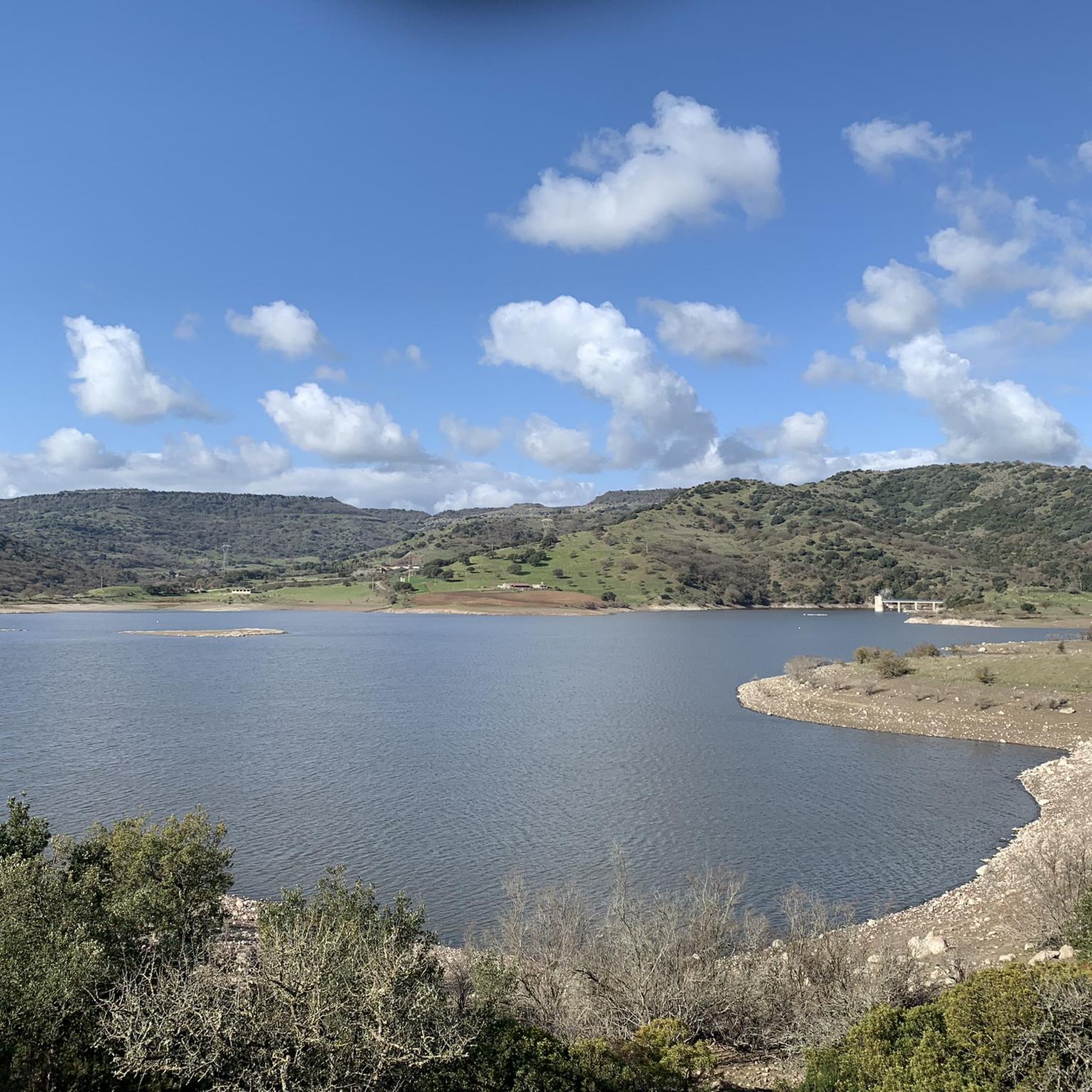
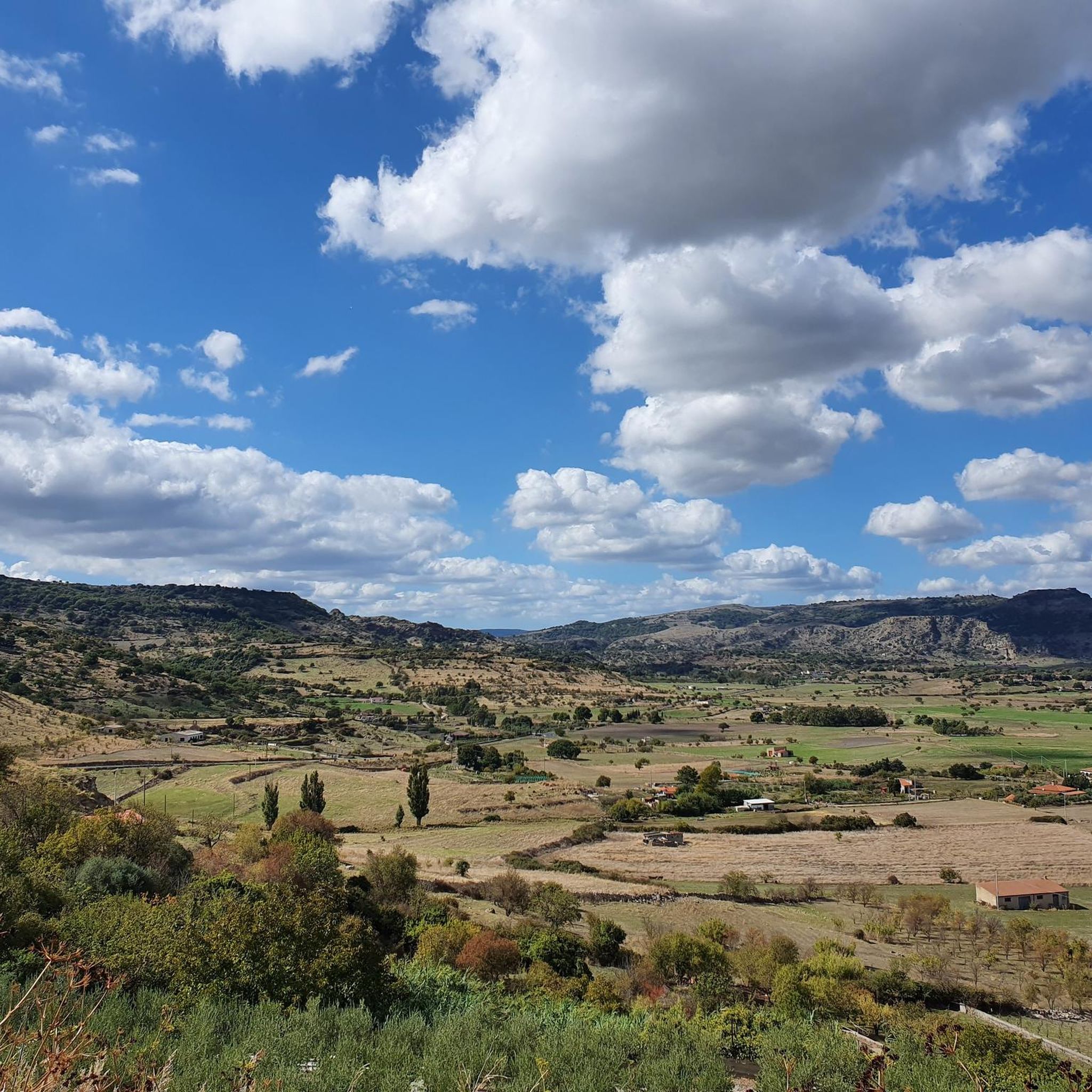
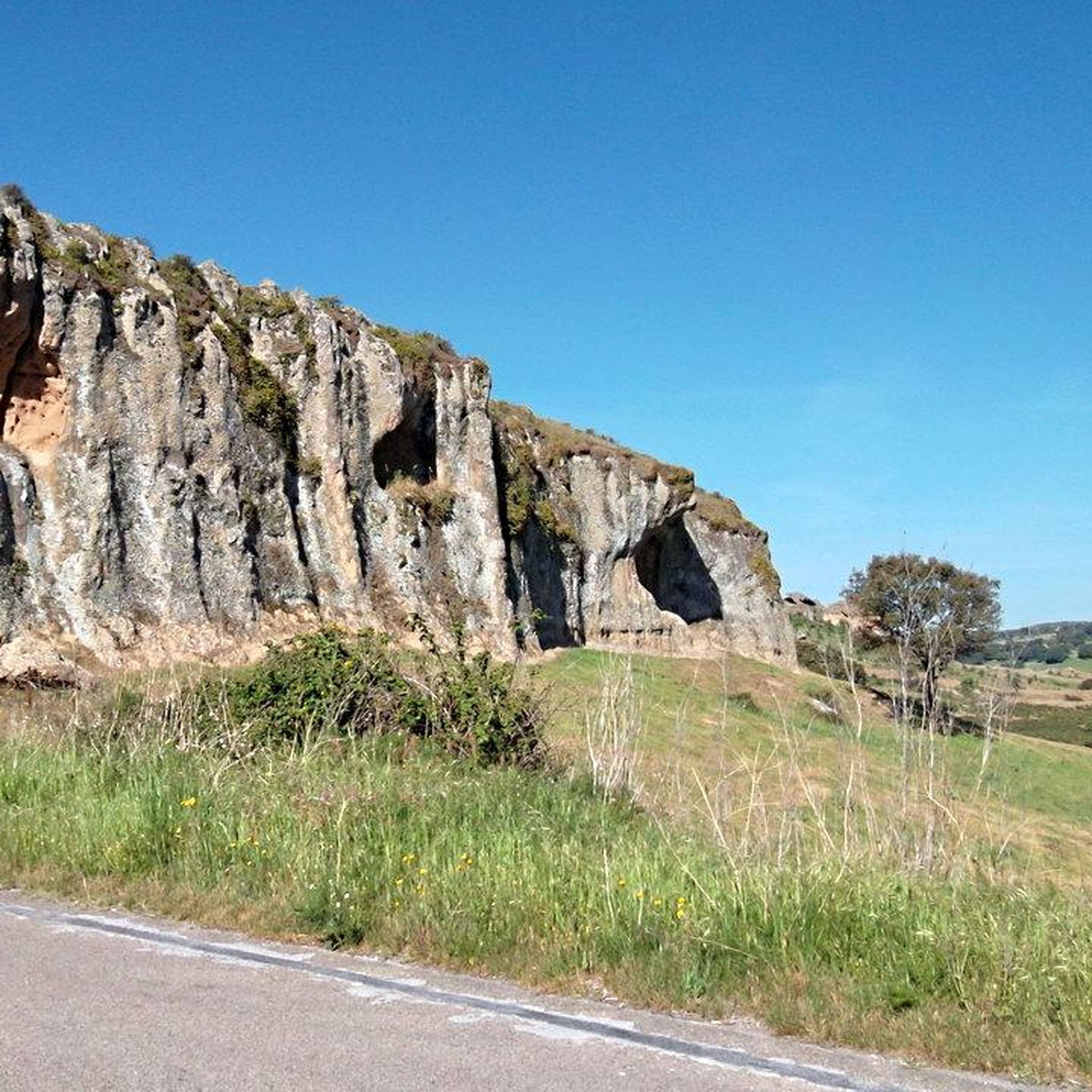
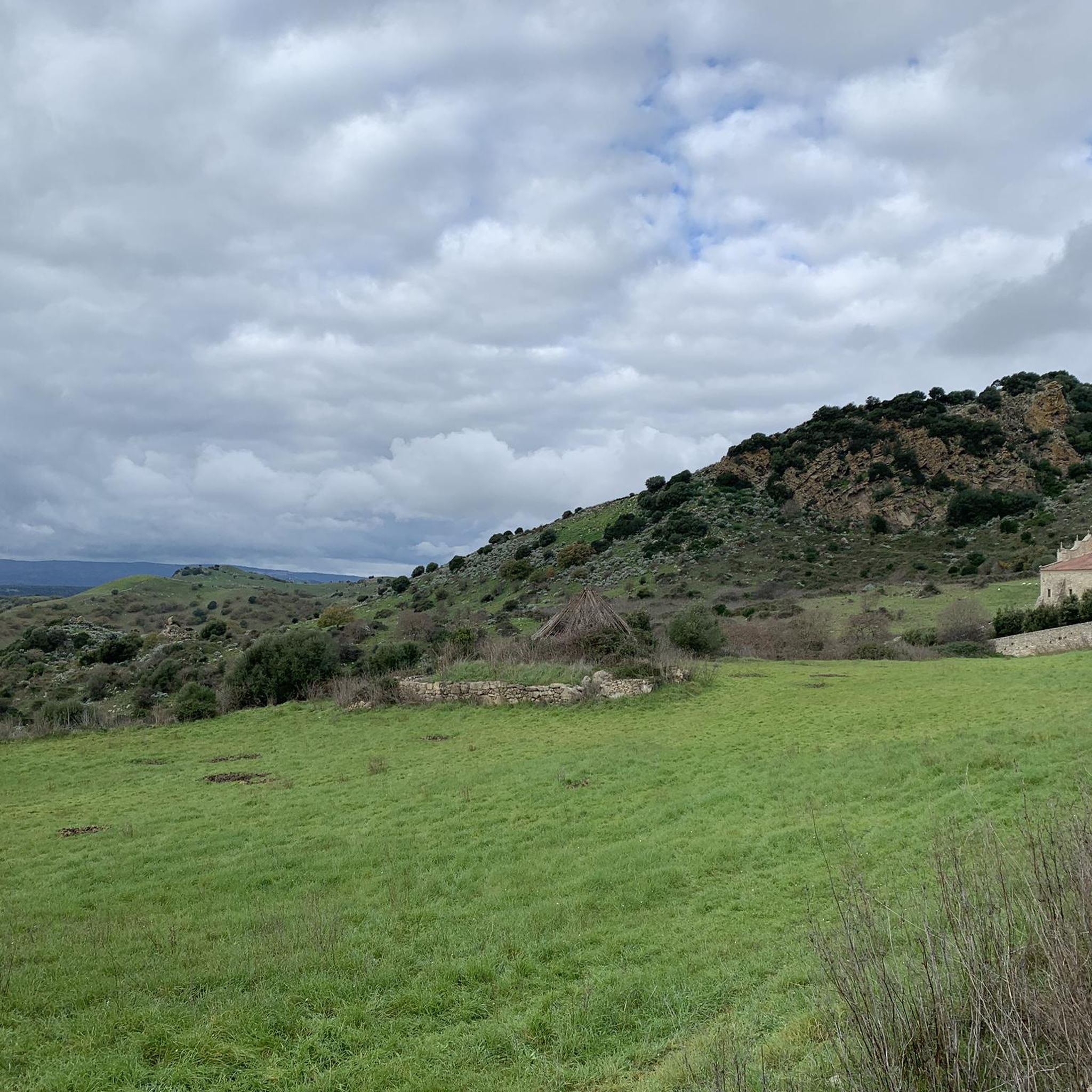
- The attractions around Bonolva/Bonorva are appreciated by the komoot community, with 15 upvotes and 60 photos shared by visitors.
Last updated: May 20, 2026
Nuraghe Santu Antine di Torralba
Highlight • Historical Site
The virtual reconstruction of the Nuraghe Santu Antine represents an equilateral triangle centered on the central tower – or mastio – whose original height exceeded 25 meters. At the corners are three side towers that are almost identically spaced from each other, about 42 meters.
The exterior brickwork follows a curvilinear pattern, with rows arranged in horizontal courses. Inside, there are long corridors, simple and spiral staircases to reach the upper rooms, silos for storing food, and a fountain system. The constant regularity of dimensions and symmetries suggest a unified project in which the desire to create large voids within the walls is clearly felt.
The main entrance overlooks the courtyard in which stands the mastio, of which only the first and second chambers are complete; On the wall there are 7 monumental entrances, arranged symmetrically, from which you can reach the different rooms also on the first and second floor. At the two ends of the courtyard are the entrances to the west and east towers: in each of these chambers another passageway connects them to the north tower through monumental corridors.
From the ground floor of the mastio, going up the spiral staircase, you reach the room on the first floor, which, like the lower one, has a tholos roof. The geometric lines of the planimetric scheme of the basement are also proposed on the upper floor: only the central tower had an additional level, now reduced to a few lines.
Source: nuraghesantuantine.it/nuraghe.html
Translated by Google •
Tip by

Punta Palai
Highlight • Summit
Translated by Google •
Tip by

Sign up now to discover places like this
Get recommendations on the best single tracks, peaks, & plenty of other exciting outdoor places.
Sign up for free
Sacred Spring of Su Lumarzu
Highlight • Historical Site
The paved rectangular atrium (5.15 x 1.80 m) has seating along the walls (height 0.30 m; width 0.40 m) and a small alcove. The masonry (height 2 m; width 3 m) consists of regular rows of carefully squared basalt blocks.
From the atrium one enters the small cell through an entrance with a trapezoidal light (0.65 m wide; 0.64 m high) obtained in a monolithic slab.
The small room (diameter 0.97 m; height 1.60 m), built of roughly worked but carefully joined blocks of basalt, has a "tholos" roof closed by a large horizontal slab.
In Christian times, a Latin cross was engraved on the underside of the end plate.
The water flows through a channel carved into the sill of the entrance to the spring to a drainage channel built under the floor of the atrium itself.
The settlement of the place lasted until late antiquity, as evidenced by coins from the fourth century. AD Found in the time of Taramelli while clearing the porch.
Source: sardegnacultura.it/j/v/253?v=2&c=2488&t=1&s=21393
Translated by Google •
Tip by
Rebeccu Medieval Village
Highlight • Settlement
During the Judgment period, the center had 400 inhabitants, then it began to depopulate from the 15th century. According to legend, the survivors of the curse founded Bonorva, while some of them, the boldest, tried to rebuild the village, being careful not to exceed thirty houses. However, history says that a Catalan detachment, arriving from Alghero in 1353, exterminated the population and burned the village, only to provoke the reaction of the Arborea Judicate. A few decades later, a peace treaty was signed between Eleonora d'Arborea and the King of Aragon in the church of Rebeccu. The importance that the center had in the Middle Ages has also given rise to another legend: it is here, in a castle that has now disappeared, that the marriage between the judge and Brancaleone Doria was said to have taken place. Between the cobbled streets and the houses, you will walk in absolute silence, breathing in a constantly evocative and mysterious atmosphere. It's no coincidence that the village has become a backdrop for movies and photo sets, and has hosted a film festival for decades.
Source: sardegnaturismo.it/it/esplora/rebeccu
Translated by Google •
Tip by
Riu Ilde Waterfall
Highlight • Waterfall
Translated by Google •
Tip by

Sign up for free to discover even more attractions around Bonolva/Bonorva.
Sign up for free
Already have an account?
Start today with a free account
Your next adventure awaits.
Login or Signup

Tips from the Community

Here the Riu Ilde rushes and gurgles wonderfully.
1
0
A short walk through the wonderfully green forest leads to this pretty waterfall. It gurgles and splashes wonderfully. The Riu Ilde is relatively easy to cross at a slightly higher elevation, allowing you to get even closer to the waterfall.
1
0
A hike to Punta Palai is highly worthwhile. In good weather, the views are spectacular.
1
0

A place of great historical value. Well worth a visit!
0
0


Very nice little walk with the reward of a pretty waterfall and a park with table and barbecue
1
0

One of the most beautiful nuraghi on the island.
1
0
The nuraghe of the monumental complex of Santu Antine di Torralba (15th century BC), cornerstone of the entire settlement system of the Valle dei Nuraghi, represents the synthesis and culmination of the architecture of the Nuragic period. At the foot of the nuraghe lies the nuragic village, only partially brought to light by the excavations. The huts were built in Roman times as early as the 2nd century BC. and after a short period of neglect (middle of the 1st century BC) a rustic villa was built on the southern village structures. The virtual reconstruction of the Nuraghe Santu Antine represents an equilateral triangle centered on the central tower – or mastio – whose original height exceeded 25 meters. At the corners are three side towers that are almost identically spaced from each other, about 42 meters. The exterior brickwork follows a curvilinear pattern, with rows arranged in horizontal courses. Inside, there are long corridors, simple and spiral staircases to reach the upper rooms, silos for storing food, and a fountain system. The constant regularity of dimensions and symmetries suggest a unified project in which the desire to create large voids within the walls is clearly felt. The main entrance overlooks the courtyard in which stands the mastio, of which only the first and second chambers are complete; On the wall there are 7 monumental entrances, arranged symmetrically, from which you can reach the different rooms also on the first and second floor. At the two ends of the courtyard are the entrances to the west and east towers: in each of these chambers another passageway connects them to the north tower through monumental corridors. From the ground floor of the mastio, going up the spiral staircase, you reach the room on the first floor, which, like the lower one, has a tholos roof. The geometric lines of the planimetric scheme of the basement are also proposed on the upper floor: only the central tower had an additional level, now reduced to a few lines. Source: https://www.nuraghesantuantine.it/nuraghe.html
1
0
Frequently Asked Questions
What ancient archaeological sites can I explore near Bonorva?
The region is rich in ancient history. You can visit the Nuraghe Santu Antine di Torralba, a monumental Nuragic complex from the 15th century BC. Another significant site is the Necropolis of Sant'Andrea Priu, a prehistoric funerary complex with 'domus de Janas' carved into volcanic rock, dating back to the Neo-Eneolithic period. Don't miss the Sacred Spring of Su Lumarzu, a Nuragic cult spring with an atrium and a small cell where the spring water collects.
Where can I find panoramic views around Bonorva?
For spectacular panoramic views, a hike to Punta Palai is highly recommended. In good weather, the vistas from this summit are truly breathtaking. The Meilogu region itself, with its volcanic craters and conical hills, offers many scenic spots.
Are there any historical villages or settlements worth visiting in the area?
Yes, the Rebeccu Medieval Village stands on a rocky ridge, offering a glimpse into the past with its stone houses and small churches, steeped in local legends. Another charming village is Semestene, known for its picturesque setting, Romanesque heritage, and the magnificent St. George's Church.
What natural landmarks can I discover near Bonorva?
The Meilogu region is characterized by its volcanic landscape. You can explore the Volcanic Craters of Meilogu, which are notable natural monuments. Pedra Mendalza, located near Giave, is a striking geological formation resulting from solidified magma, exposed by erosion, offering a unique visual experience.
What outdoor activities can I do near Bonorva's attractions?
The area around Bonorva offers various outdoor activities. You can find numerous road cycling routes, such as the 'Bonorva mural – Stone pastoral pinnacle loop from Bonorva' or 'Monument to Zichi Bread – Bonorva mural loop from Bonorva'. There are also running trails, including 'Punta Palai loop from Ortachis Circoli Megalitici Stone Circle'. For more options, explore the road cycling routes, running trails, and general cycling routes guides for the region.
Are there family-friendly attractions or activities in Bonorva?
While many historical sites are engaging for all ages, the settlement of Macomer is noted as family-friendly, with its murals on house facades and local cheese production. Exploring the natural landscapes and easier walking paths can also be enjoyable for families.
Are there museums or cultural centers related to the region's history?
Yes, the Museo della Valle dei Nuraghi del Logudoro-Meilogu provides further context and information about the Nuragic civilization and the archaeological richness of the Logudoro-Meilogu valley, offering a deeper understanding of the area's past.
What is the best time to visit Bonorva for outdoor activities?
Sardinia generally enjoys a Mediterranean climate. Spring (April-May) and Autumn (September-October) are often ideal for outdoor activities like hiking and cycling, as temperatures are milder and the landscapes are vibrant. Summers can be hot, making early mornings or late afternoons preferable for strenuous activities.
What are some significant churches or religious sites in the area?
Bonorva and its surroundings host several historic churches. The Parish Church of Natività di Maria, built between 1582 and 1610, showcases Late Gothic architecture. Other notable sites include the Church of San Giovanni Battista (consecrated in 1174), the Church of San Simeone, and the 12th-century churches of San Lorenzo and Santa Giulia in Rebeccu. The Church of San Nicola di Trullas is also recognized as an important monument.
Is parking available at major archaeological sites like Nuraghe Santu Antine?
Parking facilities are generally available at major attractions like Nuraghe Santu Antine di Torralba and the Necropolis of Sant'Andrea Priu, making them accessible for visitors traveling by car. It's always a good idea to check local signage upon arrival.
What do visitors enjoy most about the attractions around Bonorva?
Visitors particularly appreciate the historical depth and the advanced architecture of sites like Nuraghe Santu Antine di Torralba, noting the illuminated corridors that give an impression of the building's size. The spectacular views from Punta Palai in good weather are also highly praised. The overall blend of ancient history and unique natural landscapes is a major draw.
Are there any lesser-known or 'hidden gems' to explore?
Beyond the main attractions, the Rebeccu Medieval Village offers a uniquely evocative and mysterious atmosphere, often used as a backdrop for films. The charming village of Semestene, with its Romanesque heritage and St. George's Church, is another delightful discovery. Recent excavations near Bonorva have also revealed the ruins of a substantial Roman city, including a large Roman Baths area, suggesting ongoing discoveries of historical importance.
Most popular attractions around Bonolva/Bonorva

Get inspired with the komoot mobile app


Explore more
Still not found the Highlight you’re looking for? See guides of the top attractions in other regions:
