The best cycling routes around Maltis/Martis
5.0
(1)
38
riders
16
rides
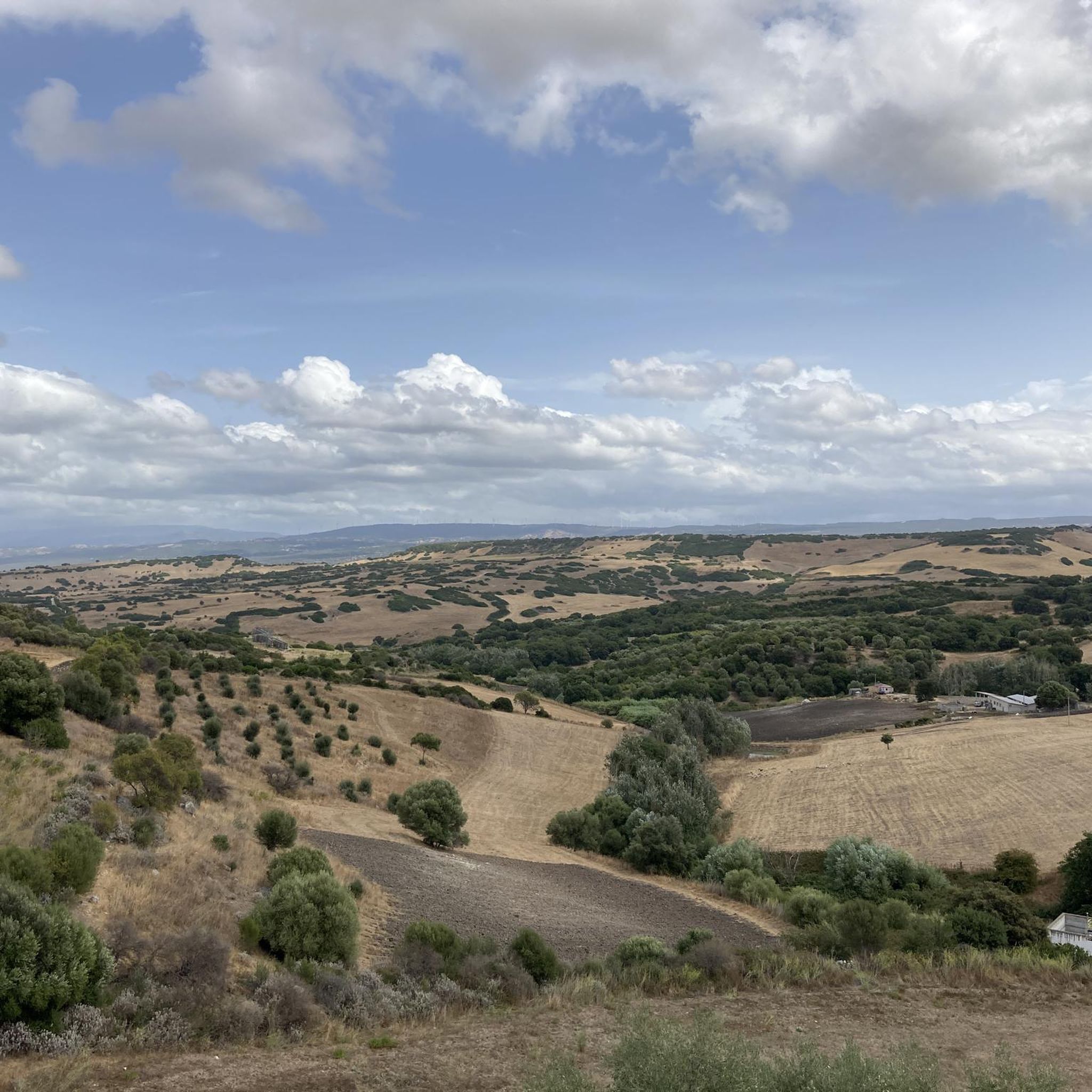
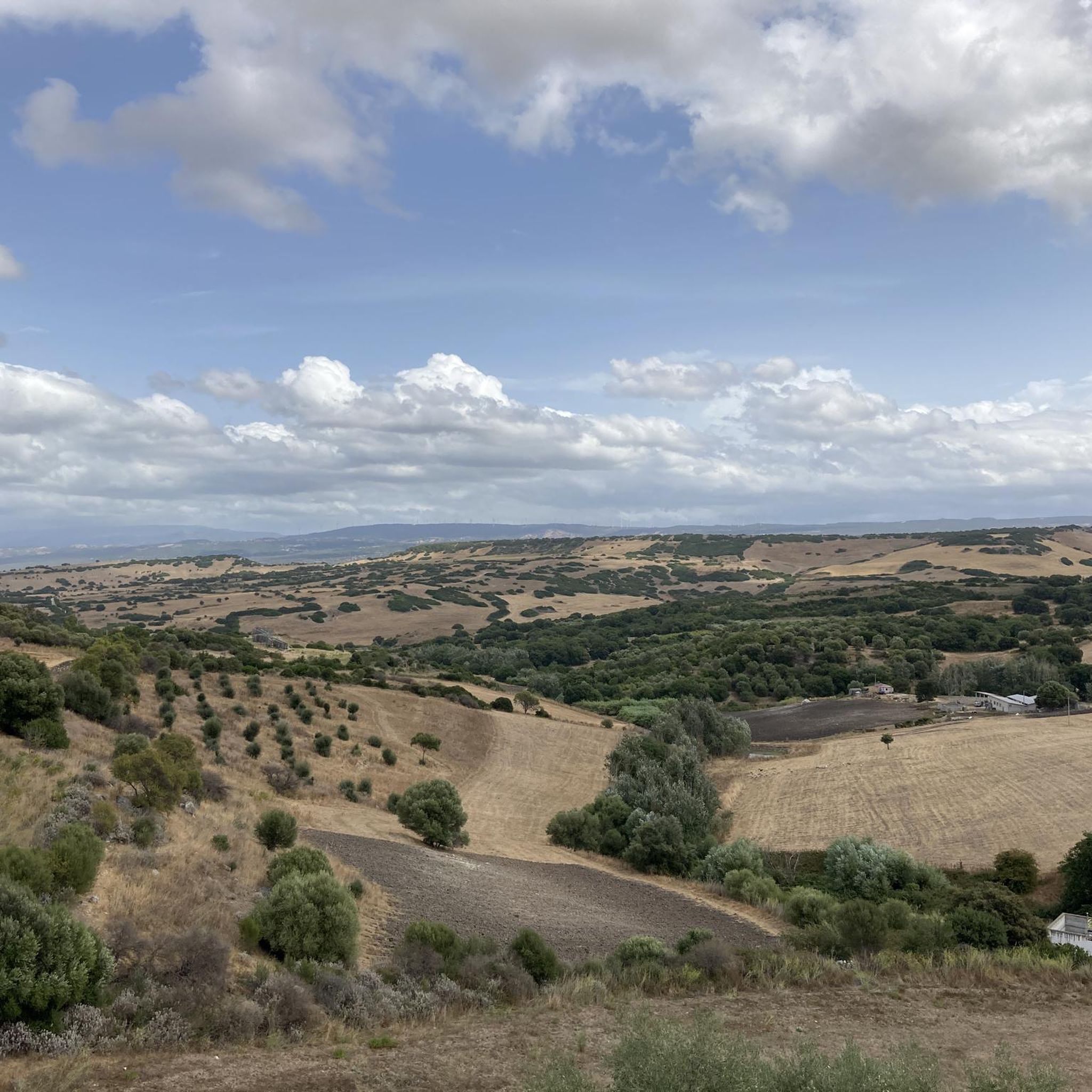
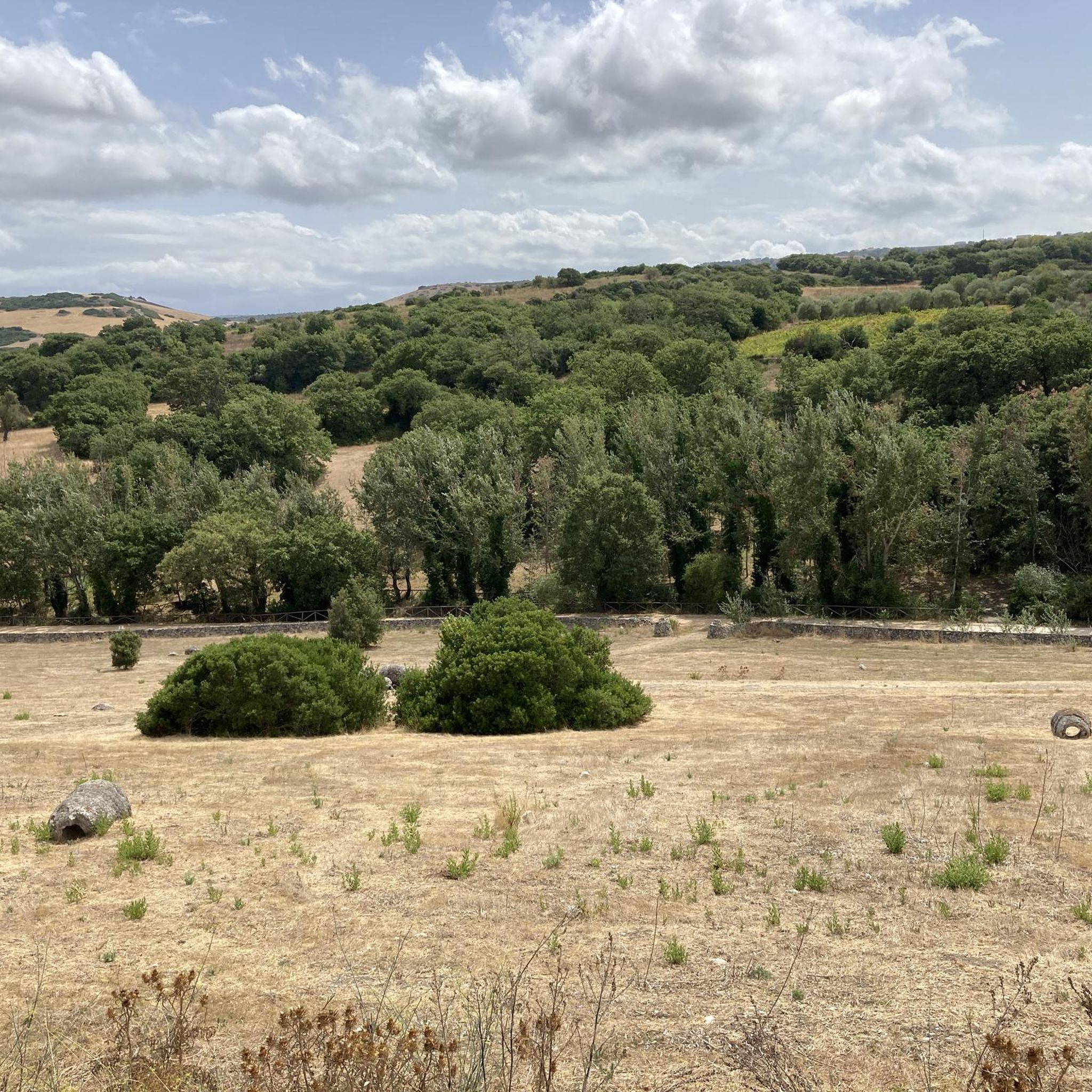
Touring cycling routes around Maltis/Martis traverse a landscape characterized by rolling hills and varied terrain, including river deltas and historical sites. The region features significant elevation changes, with routes often including climbs over 600 meters. This area offers a mix of natural scenery and glimpses into local history, providing a diverse backdrop for cycling.
Best touring cycling routes around Maltis/Martis
- The most popular touring cycling route is Bulzi – Abandoned Railway Station loop from Perfugas - Erula, a 34.7…
Last updated: October 11, 2026
5.0
(1)
16
riders
42.8km
02:57
700m
700m
Hard bike ride. Very good fitness required. Mostly paved surfaces. Suitable for all skill levels.
4
riders
Hard bike ride. Very good fitness required. Mostly paved surfaces. Suitable for all skill levels.

4
riders
53.9km
03:41
950m
960m
Hard bike ride. Very good fitness required. Mostly paved surfaces. Suitable for all skill levels.
5
riders
43.4km
03:06
920m
920m
Hard bike ride. Very good fitness required. Mostly paved surfaces. Suitable for all skill levels.
2
riders
44.7km
02:54
630m
630m
Hard bike ride. Very good fitness required. Mostly paved surfaces. Suitable for all skill levels.
Get access to more routes and recommendations from other explorers.
Already have an account?
Our route recommendations are based on thousands of hikes, rides, and runs completed by other people on komoot.
Start today with a free account
Your next adventure awaits.
Popular around Maltis/Martis
Tips from the Community

In the Middle Ages it was part of the Giudicato of Torres, in the Curatorship of Anglona, and from the thirteenth century it was ruled by the Benedictine monks of Montecassino. At the fall of the Giudicato (1259) it passed to the Doria, the Malaspina and later (mid-14th century) to the Aragonese. The Doria built two important castles near Bulzi and Perfugas. In the eighteenth century the town was incorporated into the Principality of Anglona, first under the rule of the Pimentel and then of the Tellez-Giron, to whom it was bought back in 1839 with the abolition of the feudal system.
1
0
The surface area of the lake is 400,000 km² with an average depth of 20 metres. The water quality is not the best because the lake is located between fields and pastures and therefore receives high concentrations of nutrients (phosphorus and nitrogen) from agriculture. At the mouth of the Monte Ruiu gorge towards the sea are the thermal baths of Casteldoria, from whose springs water gushes that reaches a temperature of 70°C, whose properties were already known to the Romans who passed through Anglona.
1
0
Lake Casteldoria is an artificial reservoir with a capacity of about 8 million m³ of water for almost exclusive hydroelectric use, created by artificially damming the Coghinas river with the construction of a dam in 1956. It is located at the foot of Mount Ruiu. The lake is not only fed by the river, but is also hydraulically connected to the larger and more famous Lake Coghinas.
1
0
Although there is no environmental education center on site that offers birdwatching guides, you can do this activity on your own and in complete freedom. In fact, you can observe some animal species, especially birds that stop, hibernate and nest. You can identify moorhens (Gallinula chloropus), kingfishers (Alcedo atthis), grey herons (Ardea cinerea) and ducks such as mallards (Anas platyrhynchos) and coots (Fulica atra). The kestrel (Falco tinnunculus) and the marsh harrier (Circus aeruginosus) are also present. Tree frogs (Hyla sarda), the grass snake (Natrix natrix) and the grass snake (Hierophis viridiflavus) live in and near the waters. Some local sports clubs also offer kayak and canoe trips on this lake.
1
0

The Doria Castle in Chiaramonti is located at the top of the hill overlooking the town and dominates the Anglona territory. Reachable from the narrow streets of the historic center of the town, the remains of the castle built in the 14th century by the Genoese Doria family are visible.
0
0
Frequently Asked Questions
How many touring cycling routes are available in Maltis/Martis?
There are over 15 touring cycling routes available in Maltis/Martis, offering a diverse range of experiences for cyclists. The region is known for its challenging terrain, with most routes featuring significant elevation changes.
What kind of terrain can I expect on touring cycling routes in Maltis/Martis?
Touring cycling routes in Maltis/Martis traverse a landscape characterized by rolling hills and varied terrain, including river deltas and historical sites. You can expect significant elevation changes, with routes often including climbs over 600 meters, providing a challenging yet rewarding experience.
Are there any easy touring cycling routes in Maltis/Martis for beginners?
The touring cycling routes in Maltis/Martis are predominantly challenging, with 12 out of 15 routes rated as 'difficult'. There are 3 routes rated as 'moderate', but no routes are specifically categorized as 'easy'. Cyclists should be prepared for significant elevation gains and demanding terrain.
Are there circular touring cycling routes in Maltis/Martis?
Yes, many touring cycling routes in Maltis/Martis are designed as loops. For example, you can explore the Bulzi – Abandoned Railway Station loop from Perfugas - Erula, which passes by historical railway infrastructure, or the Coghinas River Delta – View of Lake Casteldoria loop from Pèifugas/Perfugas, offering scenic views.
What natural sights can I explore along the touring cycling routes in Maltis/Martis?
While cycling in Maltis/Martis, you can encounter several natural attractions. Highlights include the Cascata Pilchina di li Caaddaggi and Cascata di Triulintas waterfalls, the unique Petrified Forest of Martis, and the intriguing Conca Prima and Seconda di Conchi caves.
Are there historical sites or landmarks to see while cycling in Maltis/Martis?
Yes, the region is rich in historical points of interest. You can visit the ancient Fairies’ Houses, the Domu de Janas La Rocca, or the Church of Our Lady of Bonaria on Mount Tuffudesu. Many routes also pass by abandoned railway stations, offering a glimpse into the area's past.
What are the typical lengths of touring cycling routes in Maltis/Martis?
The touring cycling routes in Maltis/Martis vary in length, with most being substantial. For instance, the SP 200 Road loop from Osilo is about 40.3 miles (64.8 km), while the Nuraghe Majore – Abandoned Railway Station loop from Sa Contra covers approximately 61.3 km (38.1 miles).
What do other touring cyclists say about the routes in Maltis/Martis?
The touring cycling routes in Maltis/Martis are highly rated by the komoot community, with an average score of 5.0 stars from over 3 reviews. Cyclists often praise the challenging climbs, the views of river deltas, and the historical points of interest like abandoned railway stations that define the network.
Is public transport accessible for reaching touring cycling routes in Maltis/Martis?
While specific public transport connections to every trailhead are not detailed, the routes often start from towns like Perfugas, Osilo, and Chiaramonti, which may have local bus services. It's advisable to check local transport schedules for these towns to plan your access.
Where can I find parking for touring cycling routes in Maltis/Martis?
Many touring cycling routes in Maltis/Martis begin in or near local towns such as Perfugas, Osilo, and Chiaramonti. Parking is generally available in these towns, often in public car parks or designated areas, making it convenient to start your ride.
Are there cafes or places to stop for refreshments along the touring cycling routes?
The routes in Maltis/Martis often pass through or near small villages and towns. While specific cafes are not listed for every route, you can typically find opportunities for refreshments in these settlements. It's recommended to carry sufficient water and snacks, especially on longer, more remote sections.
What is the best time of year for touring cycling in Maltis/Martis?
The region's climate generally allows for touring cycling for much of the year. Spring and autumn offer pleasant temperatures, ideal for tackling the significant elevation changes. Summers can be hot, so early morning or late afternoon rides are recommended during peak season.
Can I see any wildlife along the touring cycling routes in Maltis/Martis?
The varied terrain of Maltis/Martis, including river deltas and natural landscapes, provides habitats for local wildlife. While specific sightings cannot be guaranteed, cyclists might encounter various bird species, small mammals, and local flora, especially in quieter, more natural sections of the routes.
Most popular routes around Maltis/Martis
Most popular attractions around Maltis/Martis

Get inspired with the komoot mobile app


Explore more
Browse the best Cycling routes in other regions.
