Attractions and Places To See around Nule - Top 9
Best attractions and places to see around Nule, a town in the Province of Sassari, Sardinia, Italy, are primarily found in its surrounding region. Situated 650 meters above sea level, the area offers a traditional Sardinian village atmosphere and access to historical sites. The landscape features natural elements like cork oaks and granite outcrops, providing a setting for exploration.
Best attractions and places to see around Nule
- The most popular attractions is Bitti, a settlement that serves as the…
Last updated: June 17, 2026
Bitti
Highlight • Settlement
Translated by Google •
Tip by

Nuraghe Loelle
Highlight • Historical Site
Translated by Google •
Tip by

Sign up now to discover places like this
Get recommendations on the best single tracks, peaks, & plenty of other exciting outdoor places.
Sign up for free
Sacred Village of Romanzesu
Highlight (Segment) • Historical Site
Translated by Google •
Tip by
Pattada
Highlight • Settlement
Translated by Google •
Tip by

Romanzesu
Highlight • Historical Site
Translated by Google •
Tip by
Sign up for free to discover even more attractions around Nule.
Sign up for free
Already have an account?
Start today with a free account
Your next adventure awaits.
Login or Signup
Popular around Nule
Tips from the Community

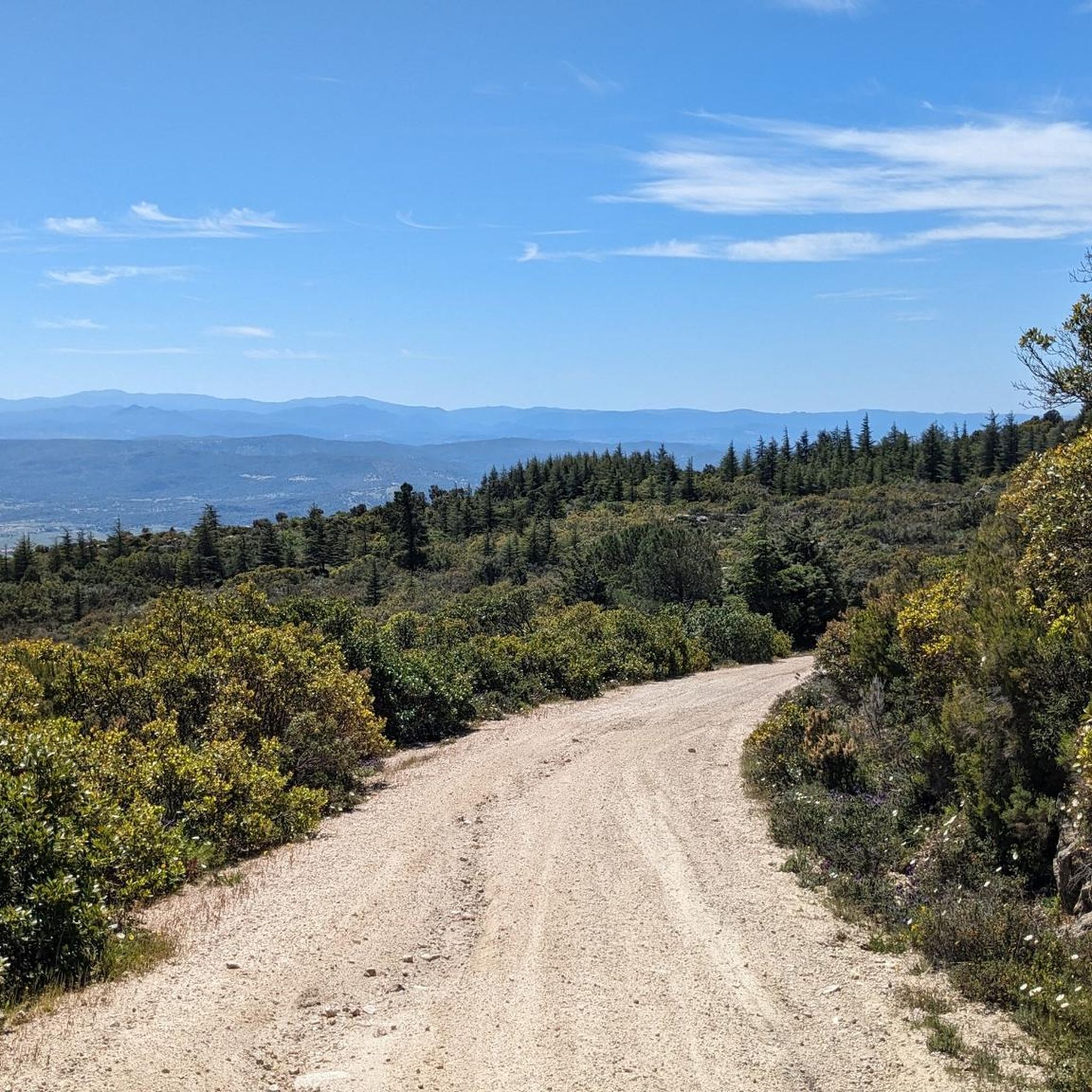
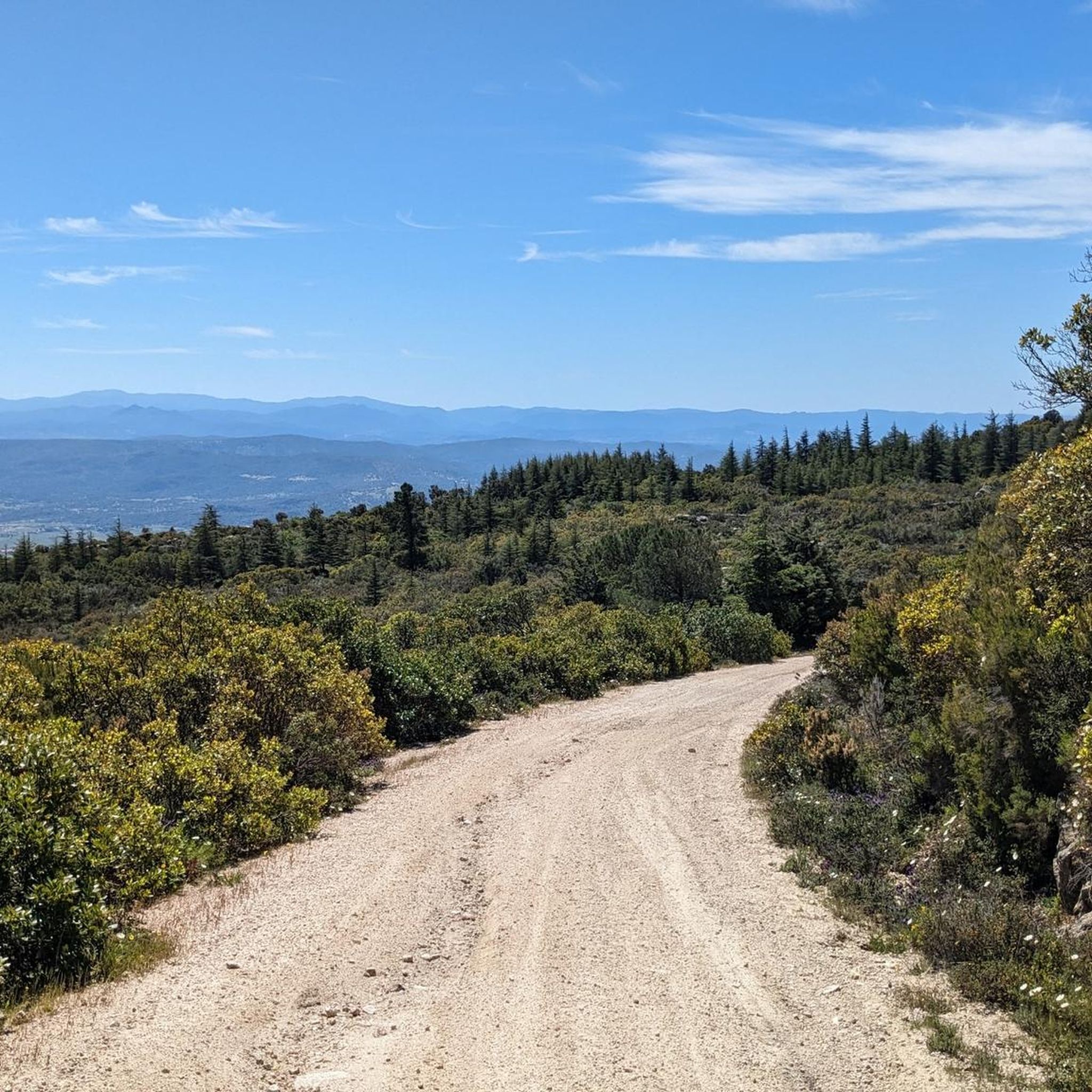
This beautiful nuraghe is located in a suggestive position: on top of a hill, surrounded by cork trees, holm oaks and Mediterranean scrub. It can be seen from the street and can be accessed for free.
0
0
This small town in northern Sardinia is known above all for the production of switchblade knives, composed of a steel blade and mouflon horn handle. The municipality is also among the highest in the area, as it is located at an altitude of 900 meters above sea level.
1
0

The Nuraghe Loelle, hidden among cork oaks and holm oaks, gradually reveals its fascinating and mysterious characteristics, perched on a granite outcrop, the main rock of the region, and dominating the plateau and the houses of Buddusò. Its structure consists of a central tower leaning on a trefoil bastion and is considered a “mixed” type as it has features of both a “corridor” and a tholos nuraghe. In fact, it is believed to be a protonuraghe, rebuilt in later phases to meet new architectural and cultural needs. All around you will notice the traces of the hut village with a circular floor plan. Upon entering, you will be surprised that the entrance does not open onto a courtyard or a corridor leading to a central room, as was common in these Bronze Age buildings. In the Loelle, however, a staircase leads clockwise around the tower and directly to the second level. Here begins another corridor, which, if you walk all the way through it, leads to the "ground floor", while about halfway there is another ramp that leads to the third level, where the final and main room opens. Before you enter the room, you will notice an apse-shaped niche on the right. In front of the keep, a bastion crossed by corridors was built with circular walls that have a concave-convex line. Outside the bastion, on the east side, there is another special feature of the Loelle: by exploiting a natural gorge, a separate room was created with a tholos vault that opens about one meter below the surface of the earth. Source: https://www.sardegnaturismo.it/en/explore/nuraghe-loelle
0
0
The Romanzesu village shrine stands on a plateau in a forest. It is part of the Bitti area, 13 kilometers away, and covers an area of seven hectares. Entirely made of granite, it includes about a hundred huts, many of which are hidden by the trees, and various cult buildings: a chess temple with a stepped amphitheater, two with a megaron, a rectangular one, a heron and a mysterious labyrinth. The name of the place goes back to the Roman settlement from the 2nd-3rd centuries. Century AD. The first information about this site dates back to 1919: it was discovered by archaeologist Antonio Taramelli. Seven excavations at the end of the 20th century uncovered fragments of ceramics, bronze and lead. The monumental centerpiece is the Chess Temple (13th-14th century BC), spring water bubbles out of its cracks. It has an entrance staircase, a room with a floor and a counter on the wall. It is connected by a corridor over 40 meters long to a circular paved tank, a ceremonial basin where water was collected. Around it are six wide steps of an amphitheater in which one can imagine the village population crowding together and taking part in the collective rituals of the water cult: ablutions and politico-religious ceremonies, including trials through ordeals (requests for divine intervention in order ). to judge crimes). In addition, three granite baetyluses were found, symbolizing divinity. Near a Megaron temple you will notice an oval enclosure surrounded by a series of concentric spiral walls, leading via a labyrinthine path to a central room: here a pedestal supported a cult object. The labyrinth, perhaps the magic priest's hut, dates from the 13th-14th centuries. century B.C. BC, while the village dates from an earlier period: the pottery found in the huts dates back to the 16th century BC. BC, i.e. from the beginning of spring, was only used to supply water. The huts are round, have a paved floor and seating around the fire pit. Some are very spacious, with niches and internal partitions, and one even has three rooms opening onto a shared courtyard. Source: https://www.sardegnaturismo.it/en/explore/romanzesu Further information can be found here: https://www.romanzesu.sardegna.it/
0
0

Main center of northern Barbagia, Bitti is an ancient stone village famous for the Tenori di Bitti, a Sardinian polyphonic chant included in the intangible heritage of humanity by Unesco. A point of reference for the production of cheeses, it is possible to visit the museum of peasant and pastoral culture.
1
0
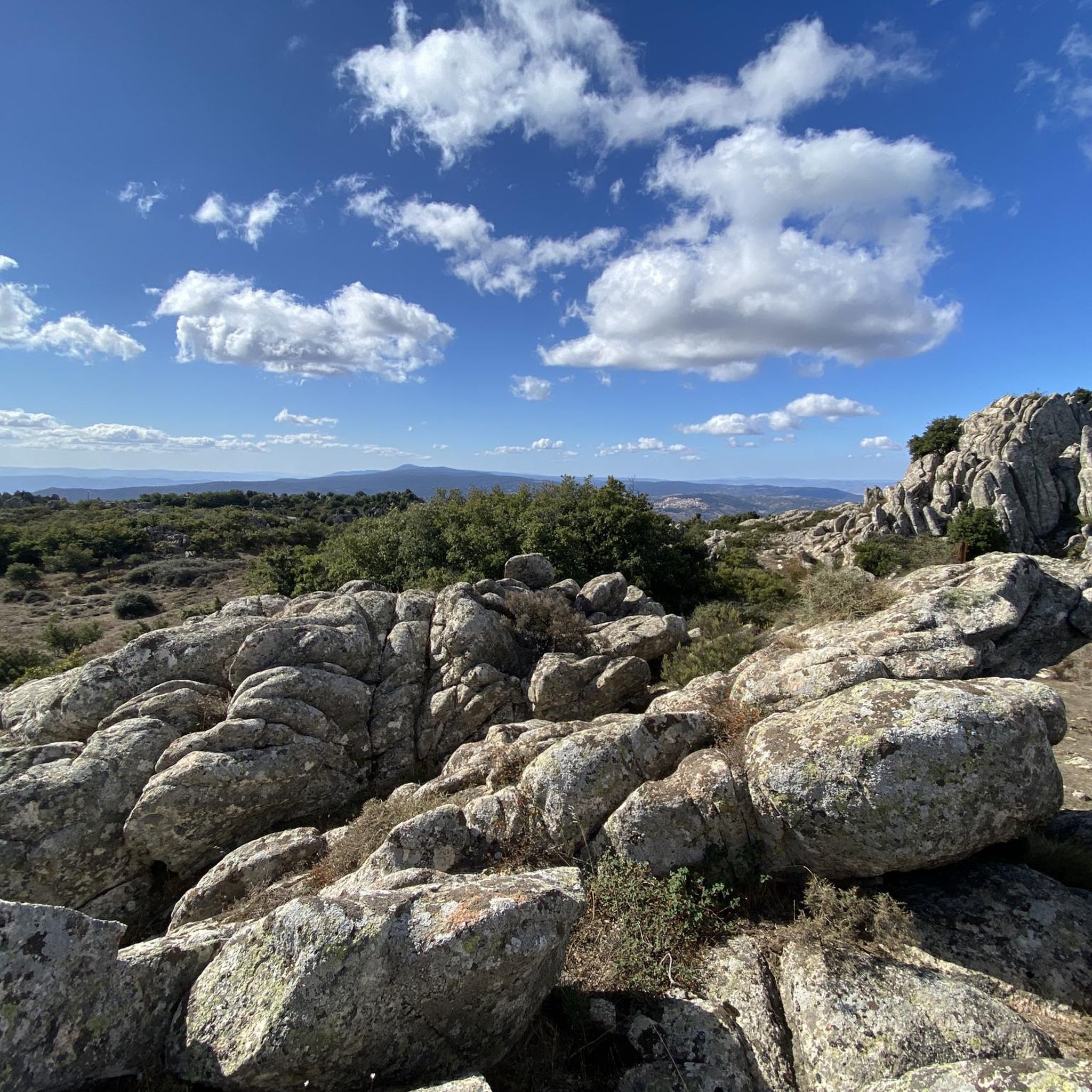
The village-sanctuary of Romanzesu is located on a plateau in northern Barbagia, immersed in a landscape of cork oaks and granite outcrops. Testimony of Nuragic civilization dating back to the XIII-IX century BC. it is worth taking a walk immersed in silence.
1
0
Frequently Asked Questions
What historical sites can I explore near Nule?
The region around Nule is rich in history. You can visit Nuraghe Loelle, an ancient historical site hidden among cork and holm oaks, featuring a central tower and traces of a circular hut village. Another significant site is the Sacred Village of Romanzesu, a Nuragic village shrine with cult buildings and a mysterious labyrinth, located in a forest near Bitti.
Are there any unique cultural experiences or local crafts to discover?
Yes, the area offers distinct cultural insights. The ancient stone village of Bitti is renowned for the Tenori di Bitti, a Sardinian polyphonic chant recognized by UNESCO, and its traditional cheese production. Additionally, the town of Pattada is famous for its production of distinctive switchblade knives, crafted with steel blades and mouflon horn handles.
What kind of natural landscapes can I expect around Nule?
The landscape around Nule, situated 650 meters above sea level, features traditional Sardinian village atmospheres complemented by natural elements like cork oaks and granite outcrops. These natural settings often conceal historical sites like Nuraghe Loelle and provide a scenic backdrop for exploration.
What outdoor activities can I do near these attractions?
The region around Nule offers various outdoor activities, particularly cycling. You can find numerous routes for mountain biking, road cycling, and touring. For example, there are MTB trails like the 'Nuraghe Loelle loop from Uddusò/Buddusò' and road cycling routes such as 'Road Through Cork Oak Forest – Bitti loop from Bitzi/Bitti'. You can explore more options on the dedicated guides for MTB Trails around Nule, Road Cycling Routes around Nule, and Cycling around Nule.
Are there family-friendly attractions around Nule?
While Nule itself is a small traditional village, the nearby settlement of Bitti is considered family-friendly. It offers a glimpse into ancient Sardinian culture with its stone village, traditional chants, and a museum of peasant and pastoral culture, which can be an educational experience for families.
What is the best time to visit Nule for exploring attractions and outdoor activities?
Given Nule's location in Sardinia, the spring and autumn months (April-June and September-October) generally offer pleasant weather for exploring historical sites and engaging in outdoor activities like cycling. Summers can be hot, while winters are milder but may have more rainfall.
What do visitors enjoy most about the attractions around Nule?
Visitors appreciate the authentic Sardinian village atmosphere and the historical depth of the region. The ancient sites like Nuraghe Loelle are valued for their mysterious characteristics and suggestive positions amidst nature. The cultural richness of places like Bitti, with its unique traditions and local products, also leaves a lasting impression.
Can I find places to eat or stay near Nule's attractions?
While Nule is a small town, you can typically find local cafes, restaurants, and accommodation options in the larger nearby settlements like Bitti and Pattada, which serve as regional centers. These towns offer a chance to experience local Sardinian cuisine and hospitality.
Are there any hidden gems or less-known spots worth visiting?
The charm of Nule and its surroundings often lies in its traditional village atmosphere and the less-traveled paths. The Sacred Village of Romanzesu, hidden within a forest, can feel like a discovery for those interested in ancient Nuragic civilization, offering a quiet and immersive historical experience away from more crowded sites.
What is the significance of the Nuragic civilization in this region?
The Nuragic civilization played a crucial role in Sardinia's ancient history, and its presence is evident around Nule. Sites like Nuraghe Loelle and the Sacred Village of Romanzesu are prime examples of Nuragic architecture and culture, dating back to the Bronze Age. These structures offer insights into the advanced building techniques and spiritual practices of this ancient Sardinian people.
Is Nule well-connected by public transport for accessing attractions?
Nule is a small town in a rural part of Sardinia. While there might be limited local bus services connecting Nule to larger towns in the Province of Sassari, exploring the various attractions and historical sites in the surrounding region is generally easier with a private vehicle. This allows for greater flexibility to reach sites that might be off the main public transport routes.
Most popular routes around Nule

Get inspired with the komoot mobile app


Explore more
Still not found the Highlight you’re looking for? See guides of the top attractions in other regions:
