Attractions and Places To See around Ercolano - Top 20
Best attractions and places to see around Ercolano include ancient Roman archaeological sites and prominent natural features. Situated at the western foot of Mount Vesuvius, Ercolano is renowned for its remarkably preserved archaeological site, a UNESCO World Heritage site offering insight into Roman life. The region also features the towering Mount Vesuvius, providing panoramic views of the Bay of Naples. This area combines historical significance with natural beauty, making it a notable destination.
Best attractions and places to see around Ercolano
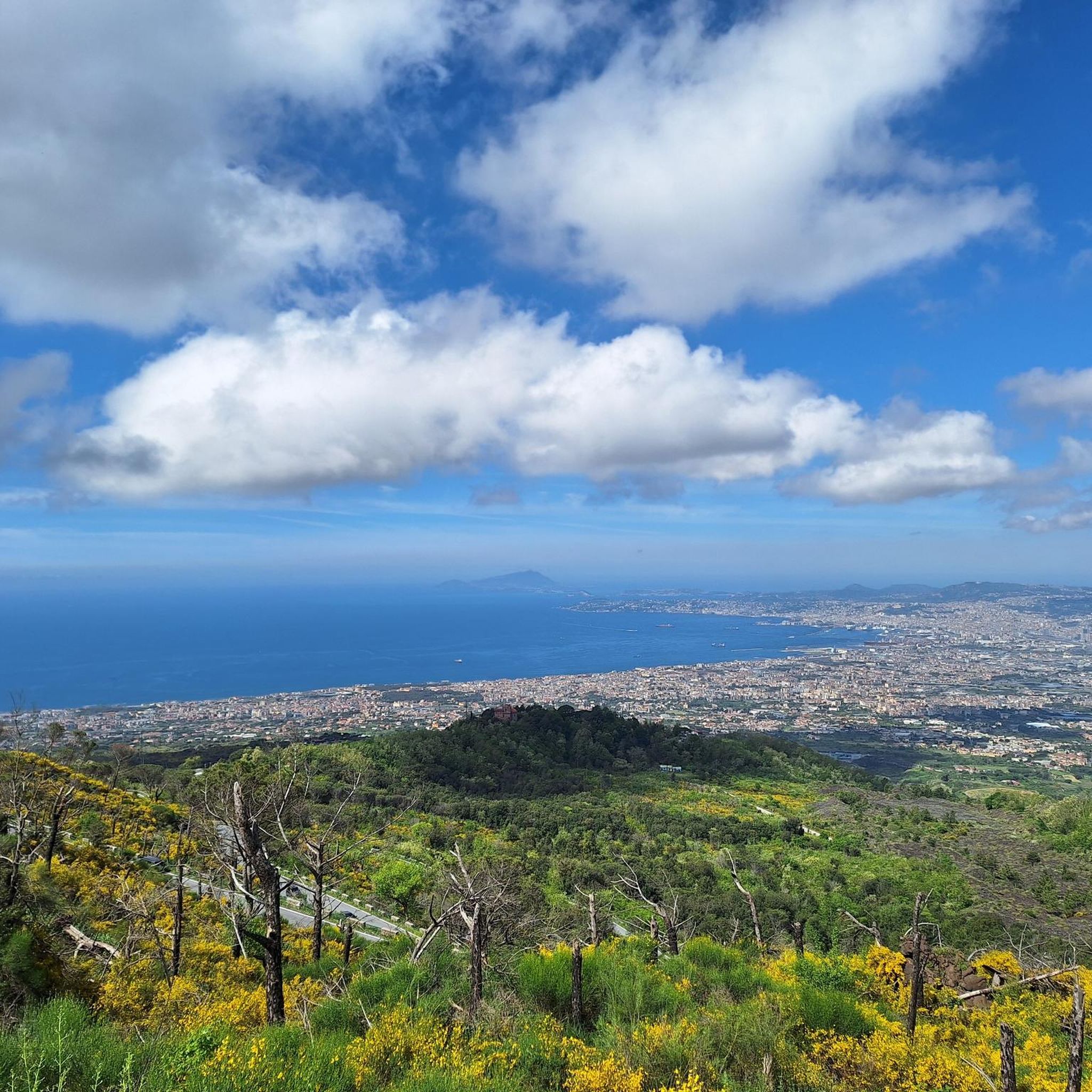
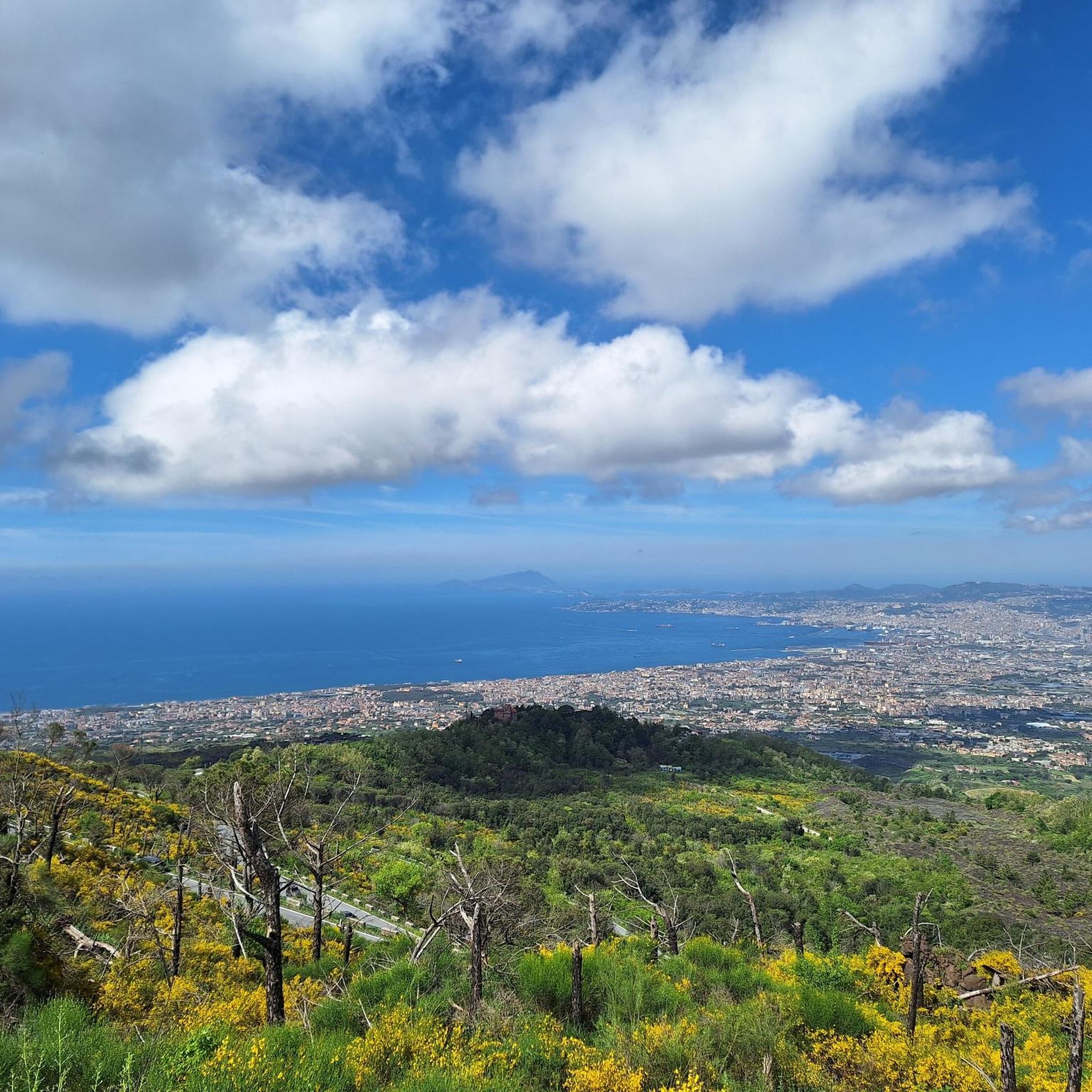
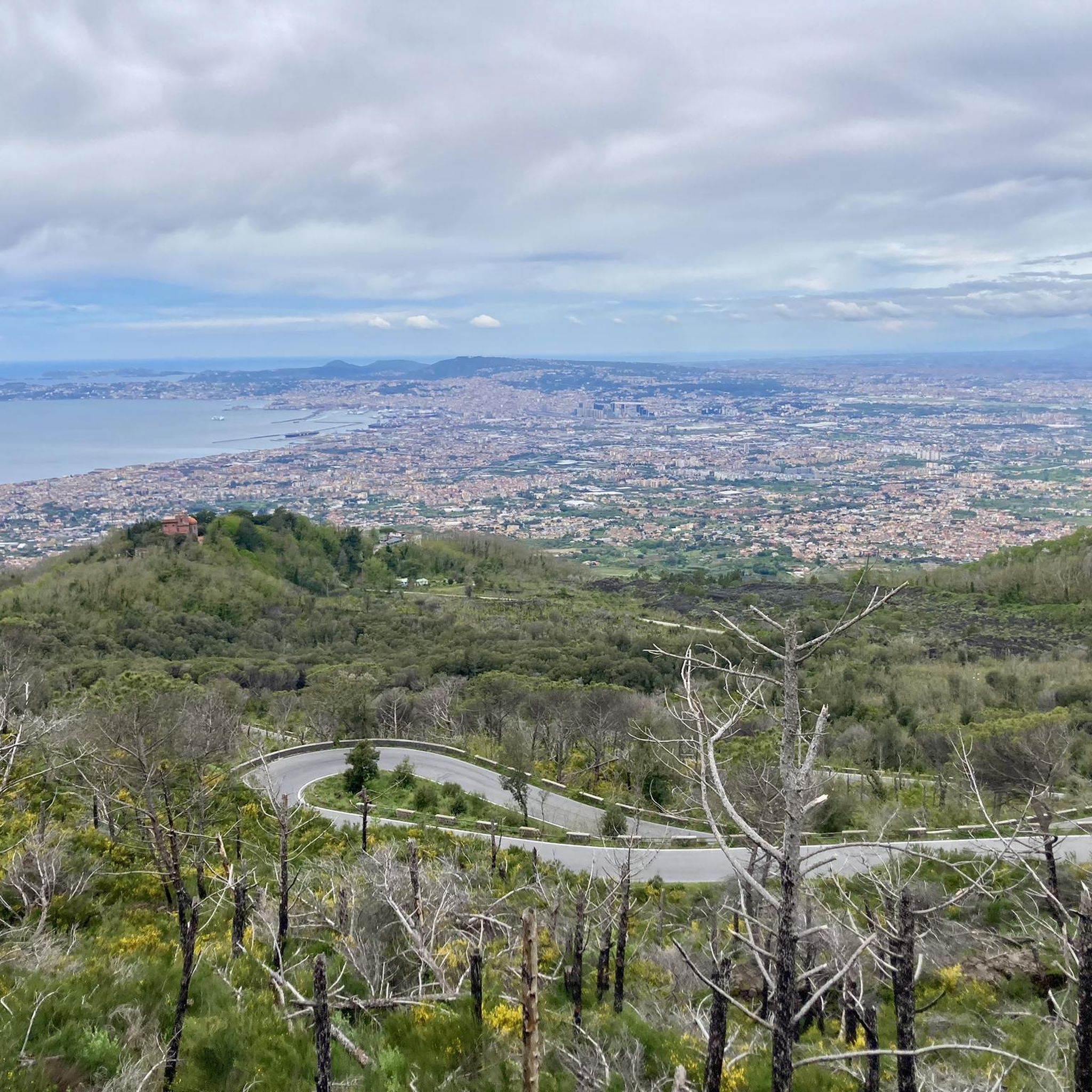
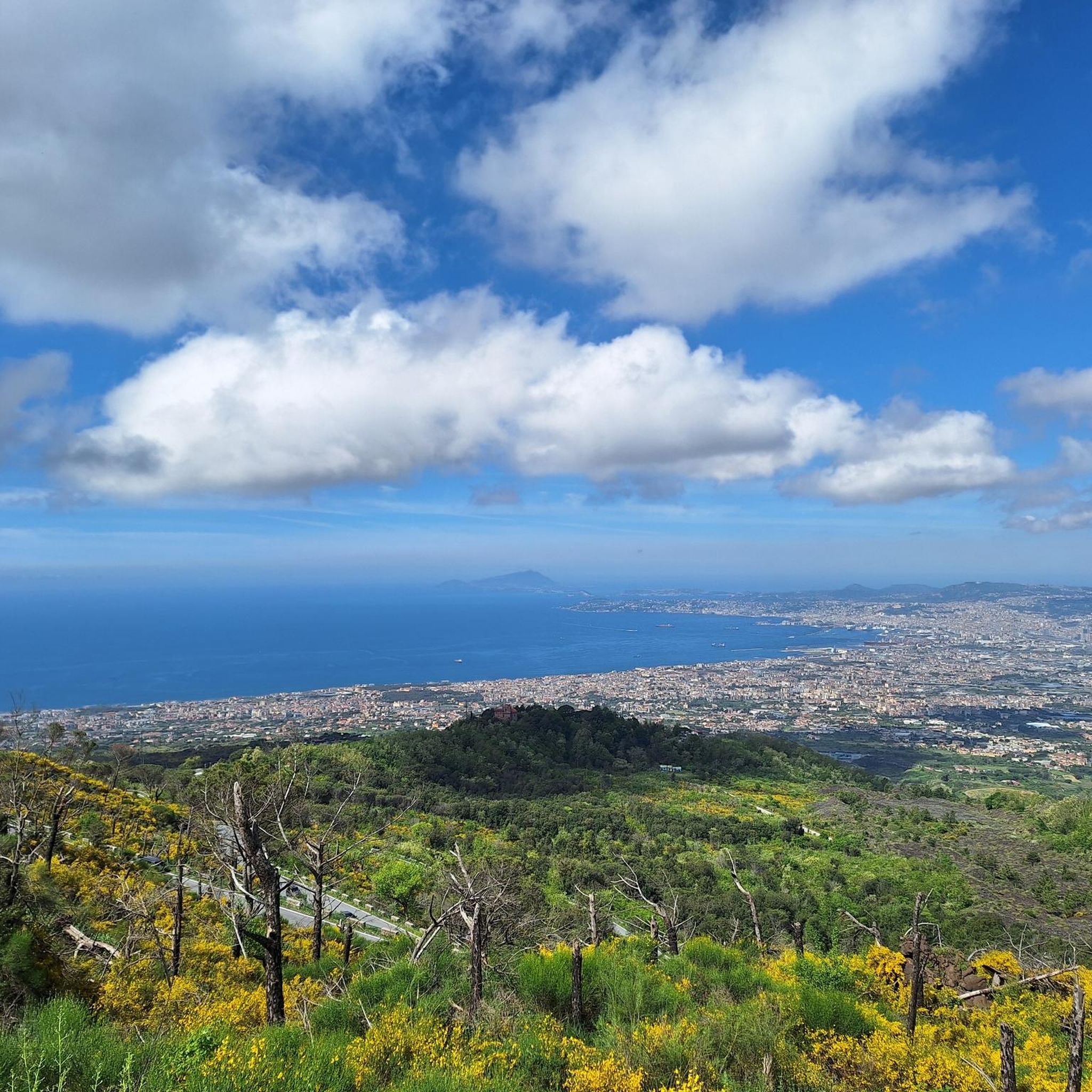
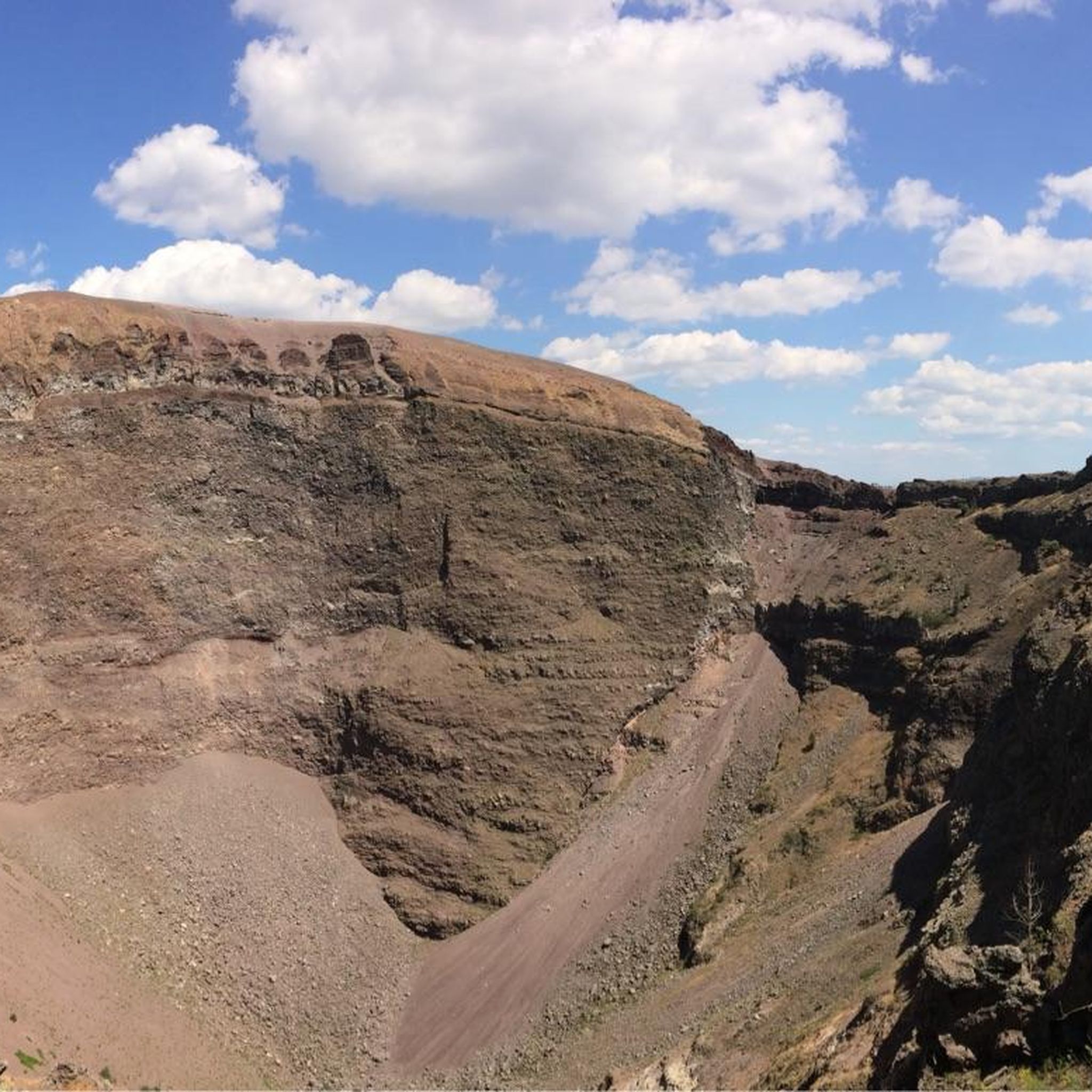
- The most popular attractions is Crater of Mount Vesuvius, a volcano that is still active. Visitors can hike up the volcano for panoramic views of the Bay of Naples.
- Another must-see spot is Galleria Umberto I, Naples, a man-made monument. This shopping mile is covered with a large glass dome and features impressive architecture.
- Visitors also love Pompeii Forum, a historical site. This was the most important square in the ancient city, around which all main public buildings were located.
- Ercolano is known for its archaeological sites, historical landmarks, and natural features. The area offers a variety of attractions to see and explore, from ancient ruins to volcanic landscapes.
- The attractions around Ercolano are appreciated by the komoot community, with over 400 upvotes and more than 500 photos shared.
Last updated: October 9, 2026
Galleria Umberto I, Naples
Highlight • Monument
Translated by Google •
Tip by

Pompeii Forum
Highlight • Historical Site
Researchers believe that the town was founded in the seventh or sixth century BC by the Osci or Oscans. It came under the domination of Rome in the 4th century BC, and was conquered and became a Roman colony in 80 BC after it joined an unsuccessful rebellion against the Roman Republic. By the time of its destruction, 160 years later, its population was estimated at 11,000 people, and the city had a complex water system, an amphitheater, gymnasium, and a port.
The eruption destroyed the city, killing its inhabitants and burying it under tons of ash. Evidence for the destruction originally came from a surviving letter by Pliny the Younger, who saw the eruption from a distance and described the death of his uncle Pliny the Elder, an admiral of the Roman fleet, who tried to rescue citizens. The site was lost for about 1,500 years until its initial rediscovery in 1599 and broader rediscovery almost 150 years late. en.wikipedia.org/wiki/Pompeii
Tip by

Sign up now to discover places like this
Get recommendations on the best single tracks, peaks, & plenty of other exciting outdoor places.
Pompeii Excavations
Highlight • Historical Site
Translated by Google •
Tip by

Sant'Elmo Castle
Highlight • Castle
Translated by Google •
Tip by

Dante Square
Highlight • Monument
Translated by Google •
Tip by

Sign up for free to discover even more attractions around Ercolano.
Already have an account?
Start today with a free account
Your next adventure awaits.

Tips from the Community

Unbelievable how all this is preserved.
0
0

A tourist magnet but also really worth it. The museum and the tour are very exciting and I would definitely recommend it. It feels like a journey back in time to the lives of people in the past.
1
0

As part of the ARD series “Classics of World Literature” by and with Tilman Spengler, a short film (in German) presents the life and, as an outstanding work, the “Divina Commedia” by => DANTE ALIGHIERI (1265 to 1321) – the great poet in the Italian language and creator of the above-mentioned “Divine Comedy”. The Florentine native died and was buried in Ravenna. Let us hope that he has actually reached heaven – like his literary alter ego – and that he has found his dearly beloved Beatrice there. Anyone who would like to find out more in the ARD media library (the German-language film only lasts a quarter of an hour) just needs to follow the link: https://www.ardmediathek.de/video/klassiker-der-weltliteratur/dante-alighieri/ard-alpha/Y3JpZDovL2JyLmRlL3ZpZGVvL2E0YmE3OWQzLTk2NjAtNGUyYS04OTBlLTY2N2E5YmJjNGZlNw
2
0


I definitely recommend taking a guided tour.
10
0
I definitely recommend taking a guided tour.
8
0

The Galleria Umberto I is a shopping arcade in the old town of Naples. It is covered with a large glass dome and is located directly opposite the world-famous Teatro San Carlo opera house. The gallery was built between 1887 and 1890 according to plans by Emmanuele Rocco and Ernesto di Mauro and was part of the urban renewal after the cholera epidemic of 1884. The passage consists of two crossing arms that have been covered with a barrel-shaped glass roof.
9
0
Piazza Dante is one of Naples' most important squares and is located in the historic city center. Dante Square It forms the beginning of the Via Toledo and flows along the Decumano Maggiore via the entrance to Port'Alba on the north side of the square.
2
0
Frequently Asked Questions
What are the key historical and archaeological sites to visit in Ercolano?
Ercolano is most famous for its remarkably preserved archaeological site, the Archaeological Site of Herculaneum (Scavi di Ercolano), a UNESCO World Heritage site. Unlike Pompeii, Herculaneum's organic materials like wooden beams and furniture were carbonized, offering unique insights into Roman life. Within this site, you can explore the Herculaneum Thermopolium, the stunning mosaics of the Casa di Nettuno ed Anfitrite, and the significant Casa dei Cervi. Another important discovery is the Villa of the Papyri, containing ancient scrolls. While in the region, consider visiting the Pompeii Forum, which was the most important square in that ancient city.
What natural attractions can I explore near Ercolano?
The most prominent natural feature is Crater of Mount Vesuvius, the towering volcano that famously destroyed Herculaneum. You can hike up the volcano for panoramic views of the Bay of Naples and the surrounding countryside. The National Park of Mount Vesuvius encompasses the volcano and its unique geomorphological features, offering various trails.
Are there family-friendly attractions in Ercolano?
Yes, several attractions in and around Ercolano are suitable for families. The Archaeological Site of Herculaneum offers an engaging historical experience for all ages. For a modern take on history, the Virtual Archaeological Museum (MAV) provides interactive reconstructions of the ancient city. Additionally, the Galleria Umberto I, Naples, with its impressive architecture and shopping, is also considered family-friendly.
What is the best time of year to visit Ercolano?
The best time to visit Ercolano is typically during the spring (April to June) and autumn (September to October) months. During these periods, the weather is pleasant, with comfortable temperatures for exploring the archaeological sites and hiking Mount Vesuvius. The summer months can be very hot and crowded, while winter can bring cooler temperatures and more rain.
What outdoor activities, like hiking or cycling, are available near Ercolano?
Ercolano is an excellent base for outdoor activities, especially around Mount Vesuvius. For hiking, you can explore routes like 'The great cone of Vesuvio – loop tour' or 'Crater of Mount Vesuvius – Mount Vesuvius Crater loop'. Cycling enthusiasts can enjoy routes such as the 'Vesuvius National Park Loop' or 'From Torre del Greco to San Giovanni – loop tour'. You can find more details and routes in the Hiking around Ercolano and Cycling around Ercolano guides.
How long should I plan for a visit to the Herculaneum archaeological site?
To thoroughly explore the Archaeological Site of Herculaneum and appreciate its unique preservation, it is recommended to allocate at least 3 to 4 hours. This allows ample time to walk through the ancient streets, examine the houses, and see the intricate frescoes and mosaics without rushing.
Are there any wheelchair-accessible sites in Ercolano?
While ancient archaeological sites often present accessibility challenges, some modern attractions and parts of the wider region are more accessible. For example, the Galleria Umberto I, Naples and Dante Square in Naples are noted as wheelchair-accessible. It's advisable to check specific accessibility details for the archaeological park directly before your visit.
What are some cultural points of interest beyond the ancient ruins?
Beyond the ancient ruins, Ercolano offers cultural insights through the Virtual Archaeological Museum (MAV), which uses modern technology to bring the ancient city to life. The area is also home to the Vesuvian Villas of the Golden Mile, grand 18th-century residences showcasing the region's rich heritage. Modern-day Ercolano itself has a vibrant town center with cafes, shops, and a lively market where you can experience authentic Neapolitan life.
What do visitors enjoy most about Ercolano?
Visitors frequently praise Ercolano for its incredibly well-preserved archaeological site, often noting it offers a more intimate and detailed look into Roman life than larger sites. The ability to see carbonized wooden structures and intricate details is a highlight. The panoramic views from Mount Vesuvius are also highly appreciated, providing a stunning backdrop to the historical exploration.
Where can I find cafes or restaurants near the main attractions?
Ercolano's modern town, situated near the archaeological park, offers a variety of cafes and restaurants. You'll find options for authentic Neapolitan cuisine and places to relax with a coffee before or after exploring the ruins. Many establishments are conveniently located within walking distance of the main entrance to the archaeological site.
How can I reach Ercolano's attractions using public transport?
Ercolano is well-connected by public transport. The Circumvesuviana train line, which runs between Naples and Sorrento, has a stop in Ercolano (Ercolano Scavi station). From there, the archaeological site is just a short walk. Buses are also available for connections to other nearby towns and attractions, including Mount Vesuvius.
Are there any hidden gems or lesser-known spots worth visiting in the Ercolano area?
While the archaeological site is the main draw, exploring the modern town of Ercolano itself can reveal charming local markets and authentic eateries away from the main tourist paths. The Vesuvian Villas of the Golden Mile, though grand, are sometimes overlooked by visitors focused solely on the ruins, offering a glimpse into a different era of regional history.
Most popular routes around Ercolano
Most popular attractions around Ercolano

Get inspired with the komoot mobile app


Explore more
Still not found the Highlight you’re looking for? See guides of the top attractions in other regions:
