The best mountain hikes around Piuro
4.7
(18)
117
hikers
11
hikes
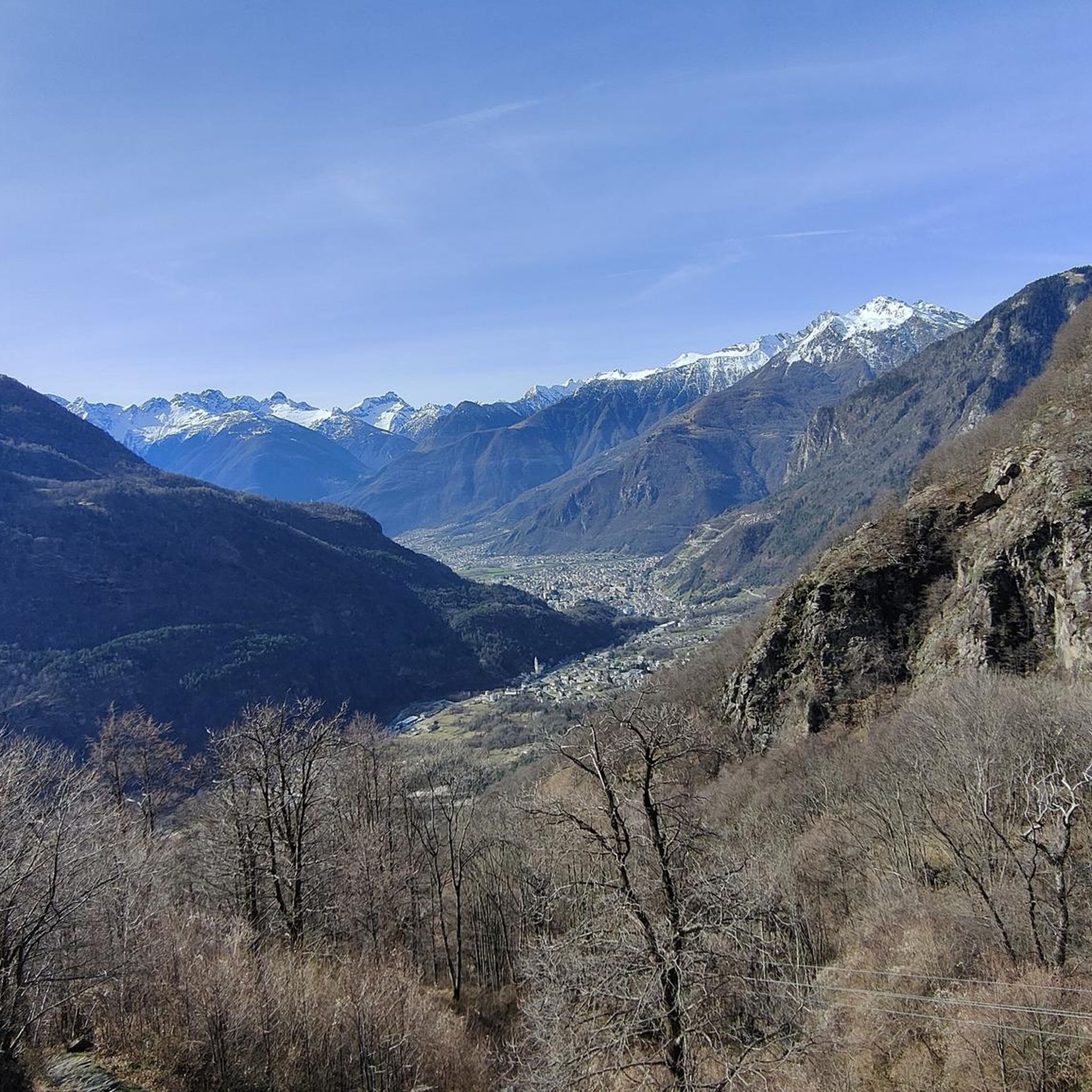
Mountaineering routes Piuro are set within Lombardy, Italy, bordering Switzerland, offering a landscape characterized by dramatic natural features. The region features majestic waterfalls, unique glacial formations, and pristine alpine lakes, providing diverse terrain for high-altitude exploration. Valleys like Val Bodengo and Valchiavenna contribute to the rugged environment, with numerous peaks and challenging ascents. This area is ideal for mountaineers seeking varied alpine experiences amidst its unspoiled natural beauty.
Best mountaineering routes around Piuro
- The most popular mountaineering route is Summit…
Last updated: July 4, 2026
4.5
(2)
47
hikers
3.43km
02:47
440m
440m
Hard mountaineering route. Good fitness required. Sure-footedness, sturdy shoes and alpine experience required.
4.9
(10)
44
hikers
8.87km
06:13
1,020m
1,020m
Hard mountaineering route. Very good fitness required. Sure-footedness, sturdy shoes and alpine experience required.

Sign up for free
4.0
(2)
6
hikers
10.6km
05:30
860m
870m
Hard mountaineering route. Very good fitness required. Sure-footedness, sturdy shoes and alpine experience required.
5.0
(1)
6
hikers
15.0km
07:09
1,140m
1,140m
Hard mountaineering route. Very good fitness required. Mostly accessible paths. Sure-footedness required.
5.0
(3)
4
hikers
3.92km
01:51
300m
300m
Hard mountaineering route. Great for any fitness level. Sure-footedness, sturdy shoes and alpine experience required.
Get access to more routes and recommendations from other explorers.
Sign up for free
Already have an account?
Our route recommendations are based on thousands of hikes, rides, and runs completed by other people on komoot.
Start today with a free account
Your next adventure awaits.
Login or Signup


Tips from the Community


beautiful village where time seems to have stopped years ago
0
0

Since, as is often the case, the pass signs are completely covered with stickers, taking photos in front of them is no longer fun. Alternatively, you can use the boundary stone to take a "proof photo." On the other side of the road, there's another, smaller stone with the elevation: 2113 m.
0
0

beautiful waterfalls and a scenic route
0
0

Church located near the Acquafraggia waterfalls
0
0

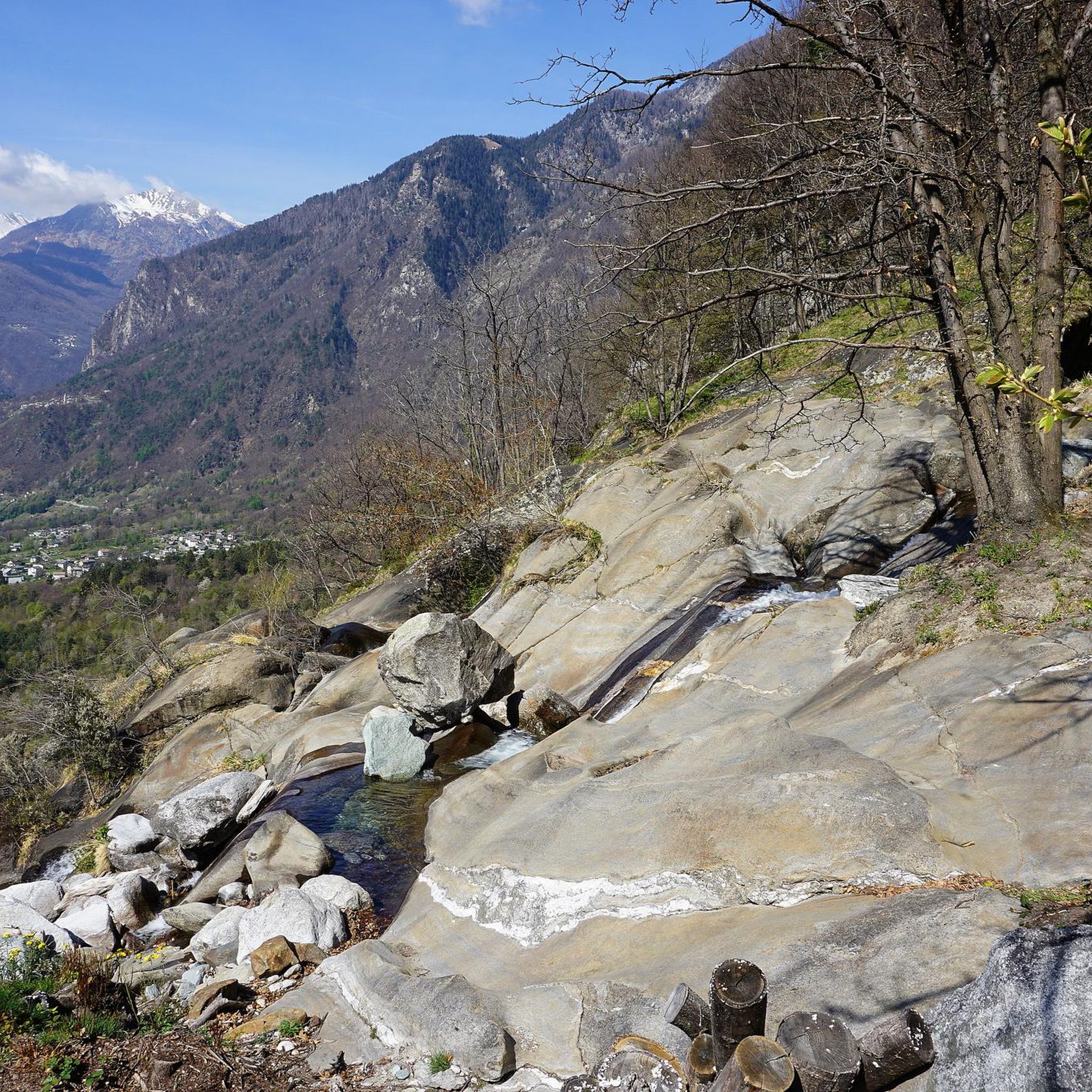
When temperatures are hot you can cool off here
2
0

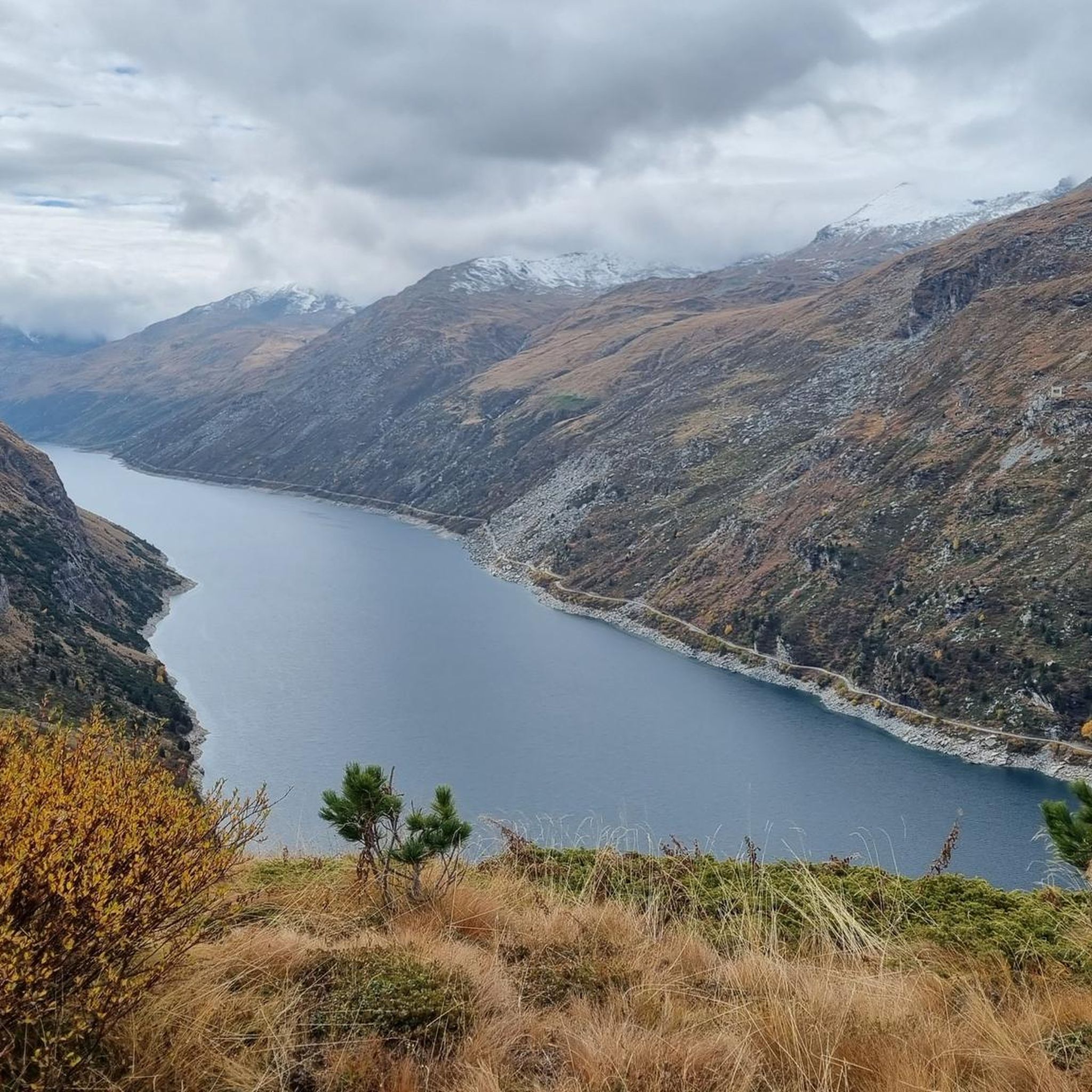
Montespluga SO The mountain village of Montespluga is located at an altitude of 1908 m above sea level at the beginning of the Val San Giacomo (also called Valle Spluga), about three kilometers from the summit of the Splügen Pass. The place originated in a hollow rich in water and pastures, where the Valle Spluga meets the Val Loga, near the border peaks of the area such as Pizzo Tambo. In 1927, the construction of the dam about 2 kilometers south of Montespluga began, damming the Torrente Liro to form the Lago di Montespluga below the village. The village with its few houses, restaurants, hotels, and shops on the pass road and the old customs building "La Casa" has hardly changed. Until 1841, it housed the only hospice on the Splügen Pass and the only place of worship, the chapel of San Francesco d’Assisi. The latter was consecrated in 1832, the year after the completion of the new road to the Splügen Pass in 1822. As early as 1767, the apostolic nuncio in Switzerland and later Cardinal Luigi Valenti Gonzaga had granted permission to set up a small chapel in the hospice. Since the opening of the San Bernardino Tunnel, the pass has no longer been kept open in winter. The village, which consists of three streets (Via Dogana, Via Ferrè, and Via Val Loga), can be cut off from both Italy and Switzerland. Montespluga is the starting point for numerous hiking, mountaineering, and ski touring destinations in the surrounding mountains and a stage destination on the cross-border long-distance hiking trail Via Spluga. Text / Source: wikipedia.org https://de.wikipedia.org/wiki/Montespluga
11
0
Frequently Asked Questions
What kind of terrain can I expect on mountaineering routes around Piuro?
Mountaineering routes in Piuro are set within a dramatic alpine landscape characterized by rugged mountains, rocky cliffs, and diverse terrain. You'll encounter majestic waterfalls, unique glacial formations, and pristine alpine lakes. The region includes deep valleys like Val Bodengo and Valchiavenna, offering challenging ascents and high-altitude exploration.
Are there any easy mountaineering routes suitable for beginners in Piuro?
The mountaineering routes around Piuro are primarily designed for experienced mountaineers. Out of 15 available routes, 14 are rated as difficult, with only one moderate option. If you are looking for a less strenuous experience, consider exploring the extensive network of hiking paths in the wider Valchiavenna and Val Bregaglia regions, which offer trails for various skill levels.
What are some notable natural features or landmarks to look out for on these routes?
The region is rich in natural beauty. You can expect to see dramatic waterfalls, such as the famous Acquafraggia waterfalls, and pristine alpine lakes like Lake Mezzola, Sufnersee, and Ober Surettasee. The routes also offer expansive mountain views and opportunities to pass by glacial formations.
Are there any circular mountaineering routes in Piuro?
Yes, several routes are circular. For example, the Summit Cross of Sench di Dalò loop from Chiavenna is a difficult 3.4 km trail. Another option is the Piz Tambo – Laghetti del Tamburello loop from Splügen Pass, which is a difficult 8.9 km path traversing high alpine terrain.
What do other mountaineers say about the routes in Piuro?
The mountaineering routes in Piuro are highly rated by the komoot community, with an average score of 4.8 stars from over 20 reviews. Mountaineers often praise the dramatic natural features, including waterfalls and glacial formations, and the challenging high-altitude exploration opportunities.
Are there any routes that pass by waterfalls?
Yes, the region is known for its waterfalls. The Behind the Waterfall – Village of Codera loop from Novate Mezzola is a 12.4 km difficult trail that leads through a valley featuring waterfalls and a historic village. The Acquafraggia waterfalls themselves are a prominent natural attraction in the area.
Can I find mountain huts along the mountaineering routes in Piuro?
Yes, there are mountain huts in the vicinity that can serve as reference points or places for rest. Notable huts include Gianetti Hut, La Locanda Hut, and Corte Vecchia Stone Huts. These can be useful for longer excursions or as starting points for certain routes.
Are there any routes that feature alpine lakes?
Absolutely. The region is dotted with pristine alpine lakes. The Mountain lake – Lago Azzurro loop from Splügen Pass and the Mountain lake – Lago Azzurro loop from Montespluga are both difficult routes that take you past beautiful mountain lakes.
What is the best time of year for mountaineering in Piuro?
The best time for mountaineering in Piuro is generally during the warmer months, from late spring to early autumn, when trails are clear of snow and weather conditions are more stable. This allows for safe access to high alpine terrain and glacial formations. Always check local weather forecasts and trail conditions before heading out.
Are there opportunities for climbing or via ferratas in the Piuro area?
Beyond traditional mountaineering, the Valchiavenna and Val Bregaglia regions are renowned for climbing, with numerous routes and bolted granite crags. For those seeking protected climbing, Valchiavenna offers via ferratas like the 'Gianni Succetti' to the Parete di Mese and 'P. Biasini' to Sench di Dalò, providing spectacular views with added safety.
What kind of wildlife might I encounter on the mountaineering routes?
The alpine environment around Piuro is home to diverse wildlife. While specific sightings are never guaranteed, you might encounter various bird species, marmots, chamois, or ibex in the higher elevations. Respecting their natural habitat and maintaining a quiet presence increases your chances of observing them.
Most popular attractions around Piuro

Get inspired with the komoot mobile app


Explore more
Browse the best Mountain Hikes & Routes in other regions.
