The 7 Most Amazing Peaks around Lòcula/Loculi
Best mountain peaks around Lòcula/Loculi are found within the broader Nuoro Province, Sardinia, Italy. While the town of Loculi is at a low elevation, the surrounding region is notably mountainous, offering diverse peaks. This area features significant limestone formations, granite hills, and high mountain massifs. Visitors can explore a variety of landscapes, from challenging ascents to accessible trails with panoramic views.
Best mountain peaks around Lòcula/Loculi
- The most popular mountain peaks is View of Monte Tuttavista and the Gulf of…
Last updated: August 25, 2026
Christ of Monte Tuttavista
Highlight • Summit
Translated by Google •
Tip by

Monte Tuttavista summit cross
Highlight • Summit
Translated by Google •
Tip by

Sign up now to discover places like this
Get recommendations on the best single tracks, peaks, & plenty of other exciting outdoor places.
Sign up for free
Tuttavista Park Road
Highlight (Segment) • Trail
Translated by Google •
Tip by

Punta Caterina Plateau, Monte Albo
Highlight • Viewpoint
Translated by Google •
Tip by

Mount Ghirveri
Highlight • Summit
Translated by Google •
Tip by

Sign up for free to discover even more peaks around Lòcula/Loculi.
Sign up for free
Already have an account?
Start today with a free account
Your next adventure awaits.
Login or Signup

Tips from the Community

The summit of Monte Tuttavista is the highest point of this isolated limestone mountain rising above the Cedrino Valley in eastern Sardinia. From the top, you get a wide panoramic view over the valley, the surrounding mountains of Barbagia, and the Gulf of Orosei on the coast.
0
0

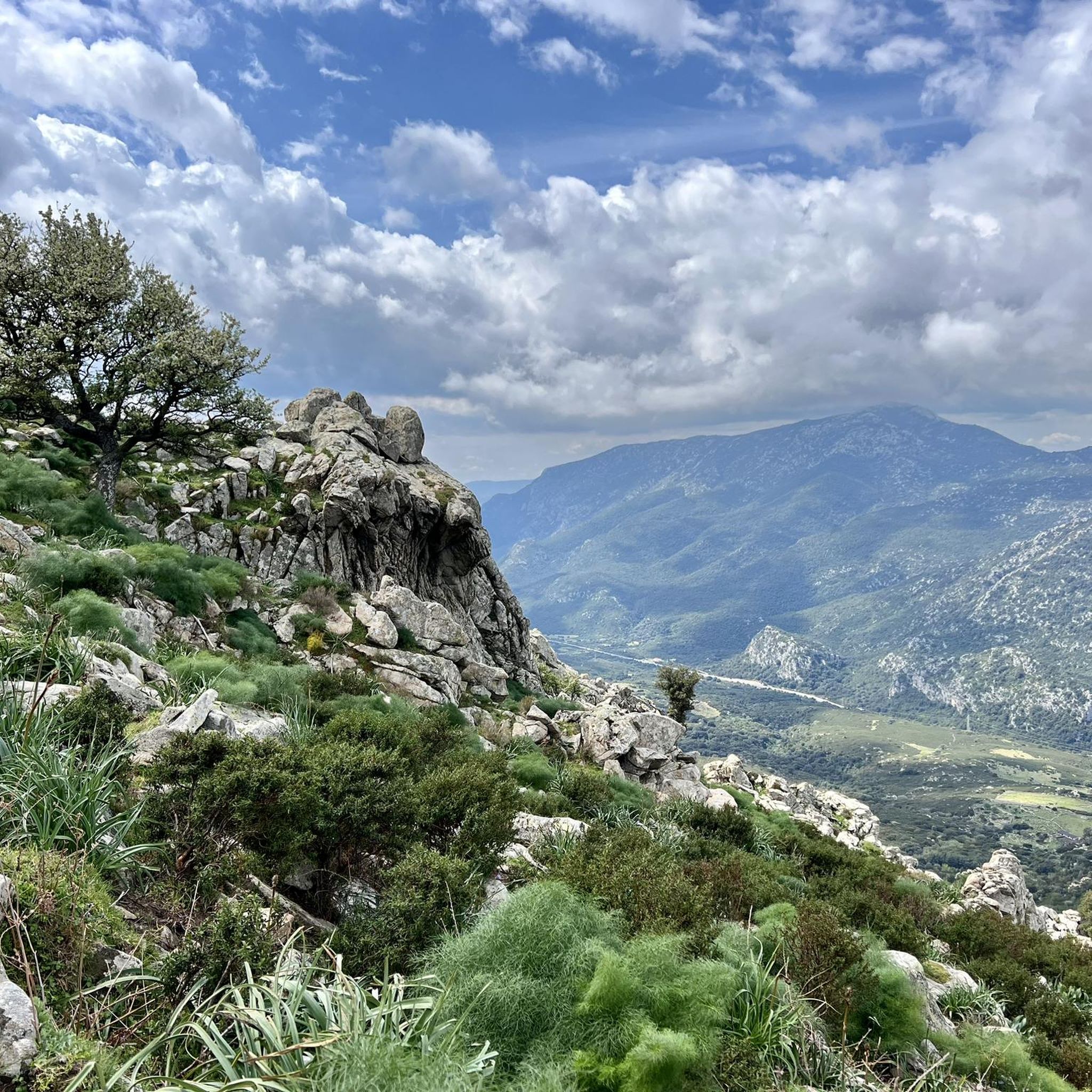
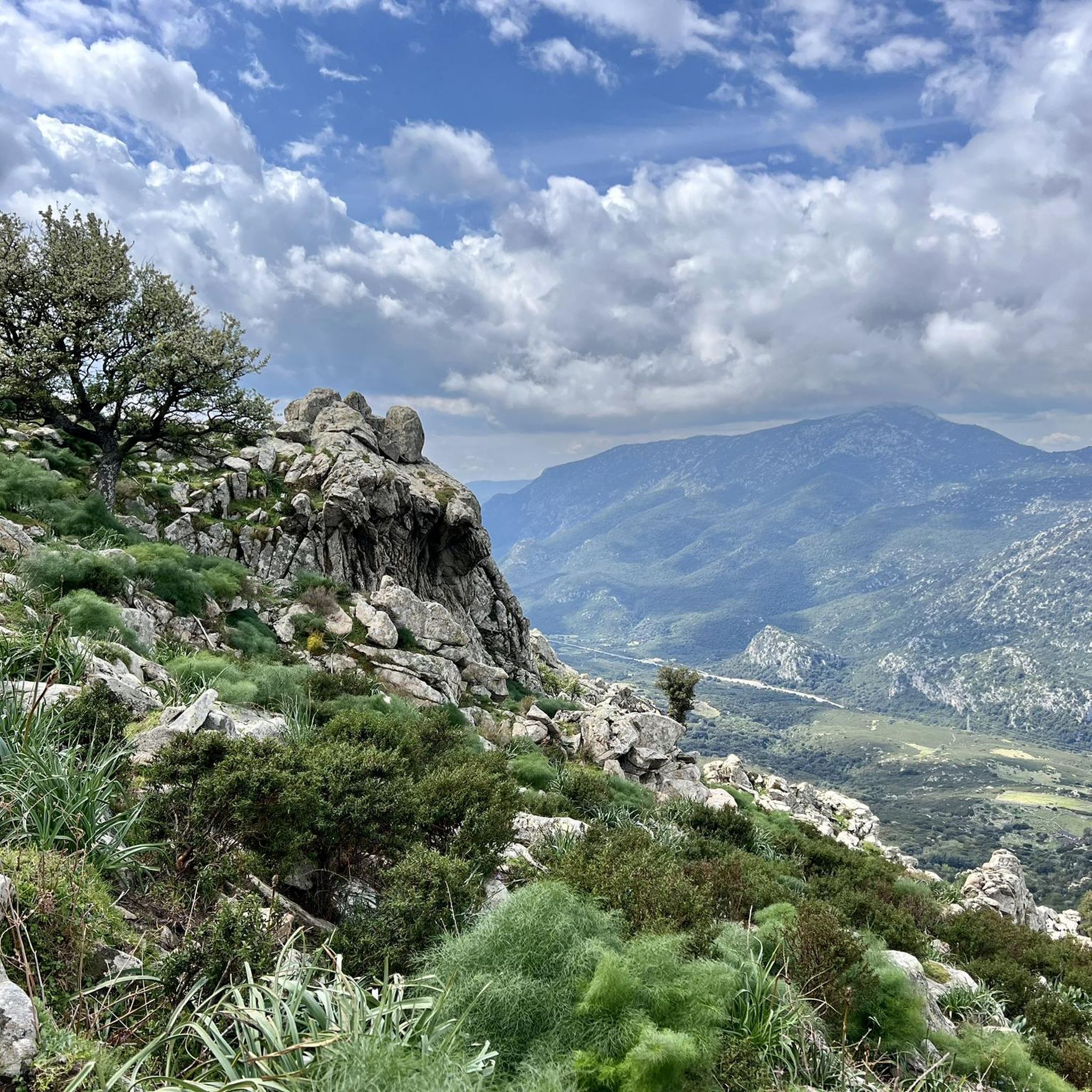
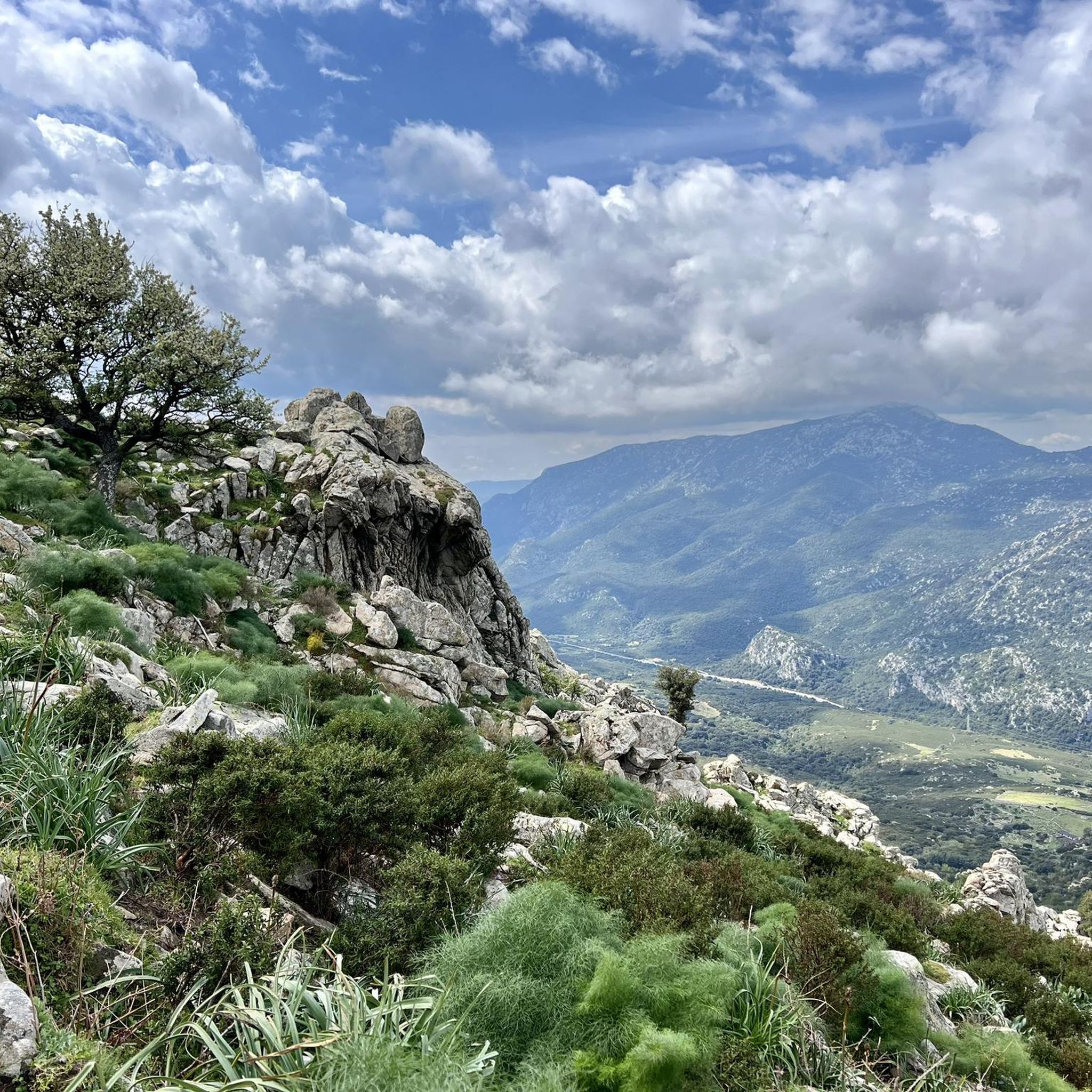
A quiet plateau with huge boulders/climbing areas. Little to no shade. Therefore, bring plenty of water!
0
0

Some of the summit crosses bear the figure of Christ crucified. But the most famous crucifix on the Italian peninsula leads us from here to the Po Valley. It is here, in the "Bassa," that the writer Giovanni Guareschi (1908 to 1968) set his popular short stories about the protagonists "Don Camillo" and "Peppone." But besides these two, there is another main character: Jesus Christ himself speaks from the high altar to the priest Don Camillo—who was brilliantly portrayed by the actor Fernandel (Fernand Joseph Désiré Contandin, 1903 to 1971) in several feature films. The crucifix, originally made solely for the film adaptations, has been preserved and has become a popular tourist attraction in Brescello (Emilia-Romagna). It can be visited virtually as a komoot highlight at the following link =>> https://www.komoot.com/de-de/highlight/6457013
0
0
A beautifully designed and monumental cross with the larger-than-life body of the crucified Christ crowns Monte Tuttavista. However, Italy's most famous crucifix is not found on the mountaintops, but in literature: The author Giovanni Guareschi, spiritual father of the protagonists 'Don Camillo' and 'Peppone,' incorporated another main character into his stories – known and loved far beyond the country's borders: the crucified Christ, who speaks to Don Camillo from the high altar. The author himself makes the following comment: "So one must explain: If the priests feel offended by Don Camillo, they can smash a candlestick on my skull for all I care; if the communists feel offended by Peppone, they can break a club on my back; but if someone feels offended by Christ's speeches, there's nothing one can do. Whoever speaks in my stories... is my Christ, that is, the voice of my conscience. My personal business, my cause. And therefore: each for himself, and God for all." (G. Guareschi)
0
0

Wonderful view after the steep climb
0
0

Great Hike! Good boots needed! Very sharp limestone terrain.
0
0

Top of the mountain, 360° view
0
0
Frequently Asked Questions
What are the most prominent mountain peaks to explore near Lòcula/Loculi?
While Lòcula/Loculi itself is at a low elevation, the surrounding Nuoro Province offers several significant peaks. You can explore Punta La Marmora, the highest peak in Sardinia, known for its panoramic views. Other notable peaks include Monte Corrasi in the rugged Supramonte region, famous for its limestone formations, and Monte Ortobene, an accessible granite hill near Nuoro with a Christ the Redeemer statue.
What are some popular viewpoints or summits near Lòcula/Loculi?
Visitors frequently enjoy the View of Monte Tuttavista and the Gulf of Orosei, which offers expansive views of the Sardinian countryside and the sea. Another popular spot is the Christ of Monte Tuttavista, a summit over 800 meters high featuring a bronze Christ statue, which requires a steep climb to reach.
Are there any unique natural features to see on the mountain peaks?
Yes, the region boasts diverse natural features. Monte Corrasi is distinguished by its sheer limestone walls, towers, white spires, and caves. On Monte Albo, you can find the Punta Caterina Plateau, an untouched area with steep limestone rocks, heather, and low trees. The Gennargentu massif, home to Punta La Marmora, features picturesque forests, flowering meadows, and impressive boulder and craggy terrain.
What kind of hiking experiences can I expect near Lòcula/Loculi?
The area offers a range of hiking experiences. For challenging treks with rewarding views, consider Punta La Marmora or Monte Corrasi. If you're looking for more accessible trails with scenic views, Monte Ortobene is a popular choice. The Punta Caterina Plateau on Monte Albo also offers a rewarding path after a steep ascent.
What other outdoor activities are available near the mountain peaks?
Beyond hiking, the region is excellent for cycling. You can find various routes for mountain biking, gravel biking, and road cycling. For example, there are numerous MTB Trails around Lòcula/Loculi, including challenging climbs to viewpoints like the Christ of Monte Tuttavista. Gravel biking and road cycling routes, such as the Monte Albo Loop, also offer scenic ways to explore the area.
Are there family-friendly mountain walks or activities near Lòcula/Loculi?
While some peaks offer challenging ascents, Monte Ortobene provides more accessible trails and scenic views, making it a suitable option for families looking for a less strenuous outing. Its proximity to Nuoro and the presence of the Christ the Redeemer statue add to its appeal.
What is the best time of year to visit the mountain peaks near Lòcula/Loculi?
The best time to visit for hiking and outdoor activities is generally during the spring (April to June) and autumn (September to October). During these seasons, the weather is milder, making for more comfortable conditions. Summers can be very hot, especially at lower elevations, while winters can bring colder temperatures and even snow to the highest peaks like Punta La Marmora.
What do visitors enjoy most about the mountain peaks around Lòcula/Loculi?
Visitors consistently praise the breathtaking panoramic views from summits like Punta La Marmora and Mount Ghirveri, often describing them as 360-degree spectacles. The challenging yet rewarding climbs, unique limestone formations, and the sense of untouched nature, particularly on the Punta Caterina Plateau, are also highly appreciated.
How accessible are the mountain peaks from Lòcula/Loculi by public transport?
Public transport options directly to mountain trailheads from Lòcula/Loculi can be limited. It is generally recommended to use a car to reach the starting points for hikes in the Gennargentu massif (Punta La Marmora), Supramonte (Monte Corrasi), or Monte Albo. For Monte Ortobene, it is more accessible from the city of Nuoro.
Are there any specific wildlife or natural phenomena to look out for?
The Gennargentu massif, where Punta La Marmora is located, is known for its diverse wildlife, including mouflons and golden eagles. The unique geological formations of Monte Corrasi, with its limestone walls and spires, are also a significant natural highlight. The area offers a chance to experience Sardinia's natural beauty and biodiversity.
What are the difficulty levels of the trails in the Gennargentu and Supramonte regions?
Trails in the Gennargentu massif, particularly those leading to Punta La Marmora, are generally considered challenging, often requiring 3.5 to 4.5 hours for the ascent. The Supramonte region, home to Monte Corrasi, also features challenging ascents due to its rugged limestone terrain. Sturdy shoes and good stamina are recommended for these areas.
Where can I find accommodation or places to eat near the mountain areas?
While Lòcula/Loculi itself has accommodation options, for areas closer to the major peaks, you might find agriturismo (farm stays) or small hotels in towns like Fonni or Desulo for Punta La Marmora, or Orgosolo and Dorgali for Monte Corrasi. The city of Nuoro offers more extensive choices for accommodation and dining, especially if you plan to visit Monte Ortobene.
Most popular routes around Lòcula/Loculi
Most popular attractions around Lòcula/Loculi

Get inspired with the komoot mobile app


Explore more
See even more amazing summits around Lòcula/Loculi with these guides:
