Attractions and Places To See around Gavoi - Top 20
Best attractions and places to see around Gavoi include a rich tapestry of historical, natural, and cultural sites. This charming village is nestled in the heart of Sardinia's Barbagia di Ollolai region, amidst mountainous terrain and lush forests. Gavoi offers a unique glimpse into the island's ancient traditions and landscapes, recognized with the Orange Flag for its commitment to quality tourism and cultural heritage. The area features diverse attractions, from ancient archaeological sites to a picturesque artificial lake.
Best attractions…
Last updated: October 9, 2026
Orgosolo Murals
Highlight • Monument
Translated by Google •
Tip by

Fabrizio De André Mural, Orgosolo
Highlight • Monument
Translated by Google •
Tip by

Sign up now to discover places like this
Get recommendations on the best single tracks, peaks, & plenty of other exciting outdoor places.
Orgosolo Political Murals
Highlight • Monument
Translated by Google •
Tip by

Picturesque Alleys of Orgosolo
Highlight • Settlement
Translated by Google •
Tip by
Mamoiada
Highlight • Settlement
Translated by Google •
Tip by

Sign up for free to discover even more attractions around Gavoi.
Already have an account?
Start today with a free account
Your next adventure awaits.

Tips from the Community

One of the nicer murals
0
0

The guitar player depicted here represents the Italian singer-songwriter Fabrizio de André who in one of his most famous songs, "Preghiera in Gennaio", sings about another artist, Luigi Tenco, a young Genoese singer like him, who committed suicide.
0
0

Great murals and picturesque streets in Orgosolo!
0
0

The paintings each tell a story. Unfortunately, we couldn't read everything because our online translator was often overwhelmed
0
0

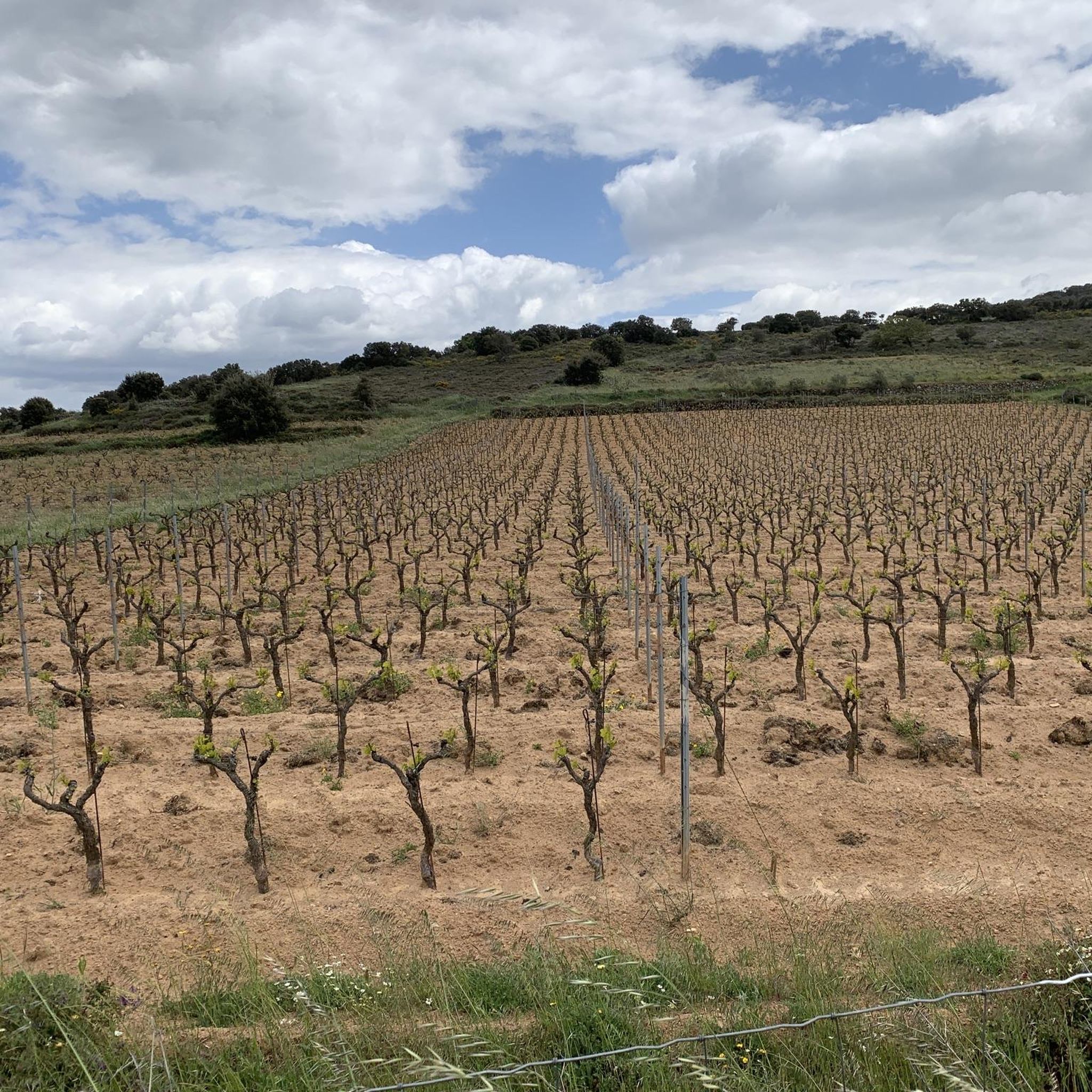
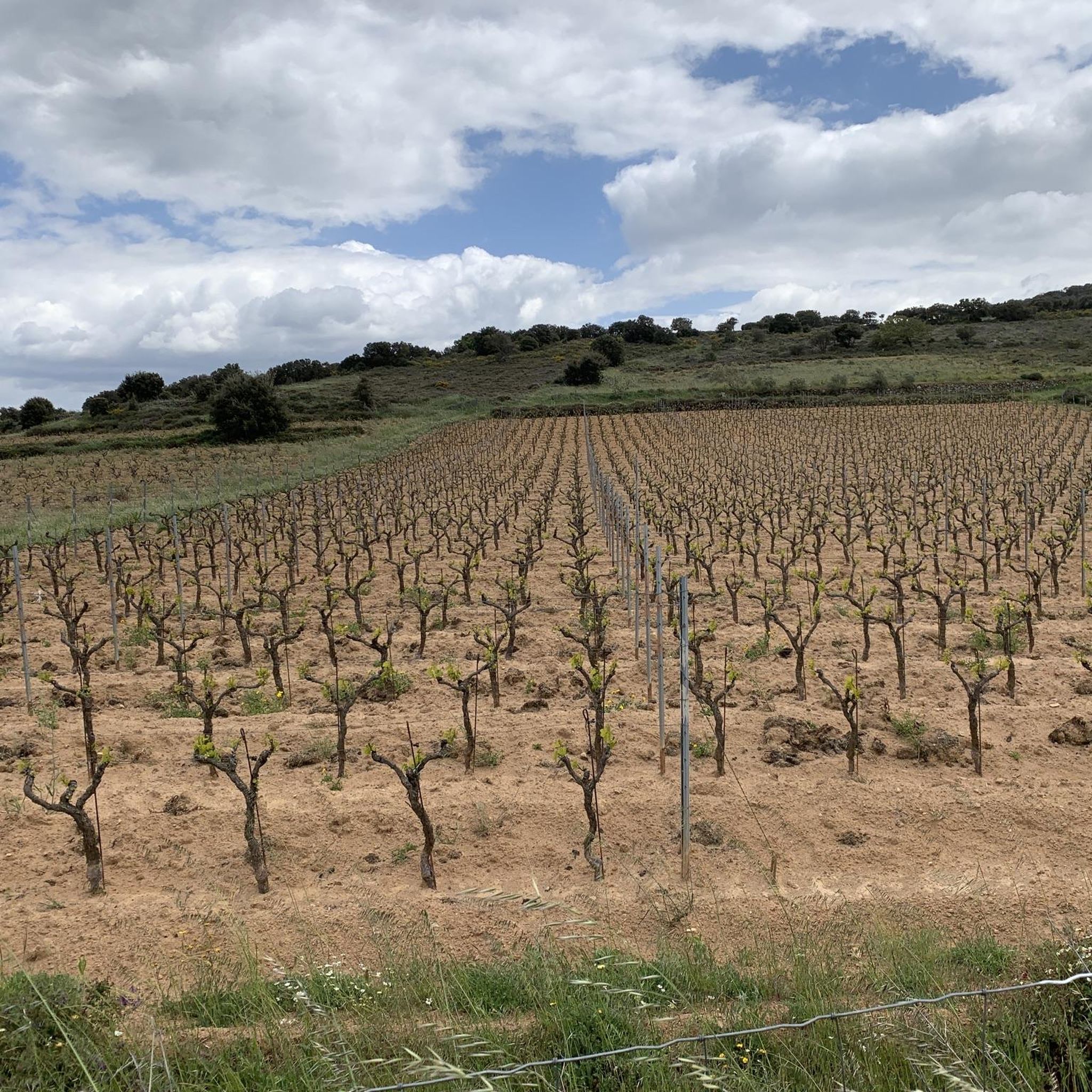
Mamoiada is famous for the evocative carnival, one of the oldest popular celebrations on the island. But don't neglect the culinary tradition because a myriad of springs and streams feed luxuriant woods, pastures and vineyards, from which excellent cheeses and wines arrive.
1
0

Orgosolo is 21 km south of the provincial capital, Nuoro. The place is in the center of the rugged Supramonte mountains in the heart of the Barbagia. Monte Lisorgoni (978 m asl) rises above the village. The neighboring municipalities are: Dorgali, Fonni, Mamoiada, Nuoro, Oliena, Talana, Urzulei and Villagrande Strisaili.
2
1
The very first of the murals, called Murales, was drawn in 1968 by the anarchist Milanese group Dioniso in Orgosolo. After seeing the film Banditi a Orgosolo, Francesco del Casino, a drawing teacher from Siena who was close to the Italian Communist Party, settled in Orgosolo and in 1975 began painting pictures on the walls of houses with students in Orgosolo. The occasion was the 30th anniversary of the partisan struggle against fascism. However, the paintings began in Sardinia in the relatively unknown village of San Sperate. The murals in Orgosolo initially expressed protest against the planned NATO troop training area on the Pratobello. The protest is also directed against the heads of the Milan group, who embezzled funds from the development plan for Sardinia. Recent portraits comment z. B. World politics - Helmut Schmidt is called an "expert in state murder" because of Stammheim, a victory of the Cambodian and Vietnamese fighters against the USA on April 25, 1978 is celebrated and the number of innocent victims for the fall of Saddam Hussein is questioned. Other images depict the simple life of shepherds and villagers, advocate the preservation of the Sardinian language or even contain advertising messages. An ironic Murales also makes fun of Alfredo Niceforo's studies on crime in Sardinia (see history). Many of the approximately 120 murals are stylistically based on cubism in the manner of Picasso's Guernica, but there are also more realistic paintings among them. In addition to Francesco del Casino, the self-taught artist Pasquale Buesca, who also lives in Orgosolo, the artists' group "Le Api" and the Milanese artist Massimo Cantoni were responsible for the murals. Despite some damage, for example due to the conversion of houses or the weather, all of the murals are largely in very good condition.
3
0

You should take some time for Orgosolo, because it is also worth turning into the small streets. Some pictures are real works of art and in some streets several pictures make up a whole story.
2
2
Frequently Asked Questions
What natural attractions can I explore around Gavoi?
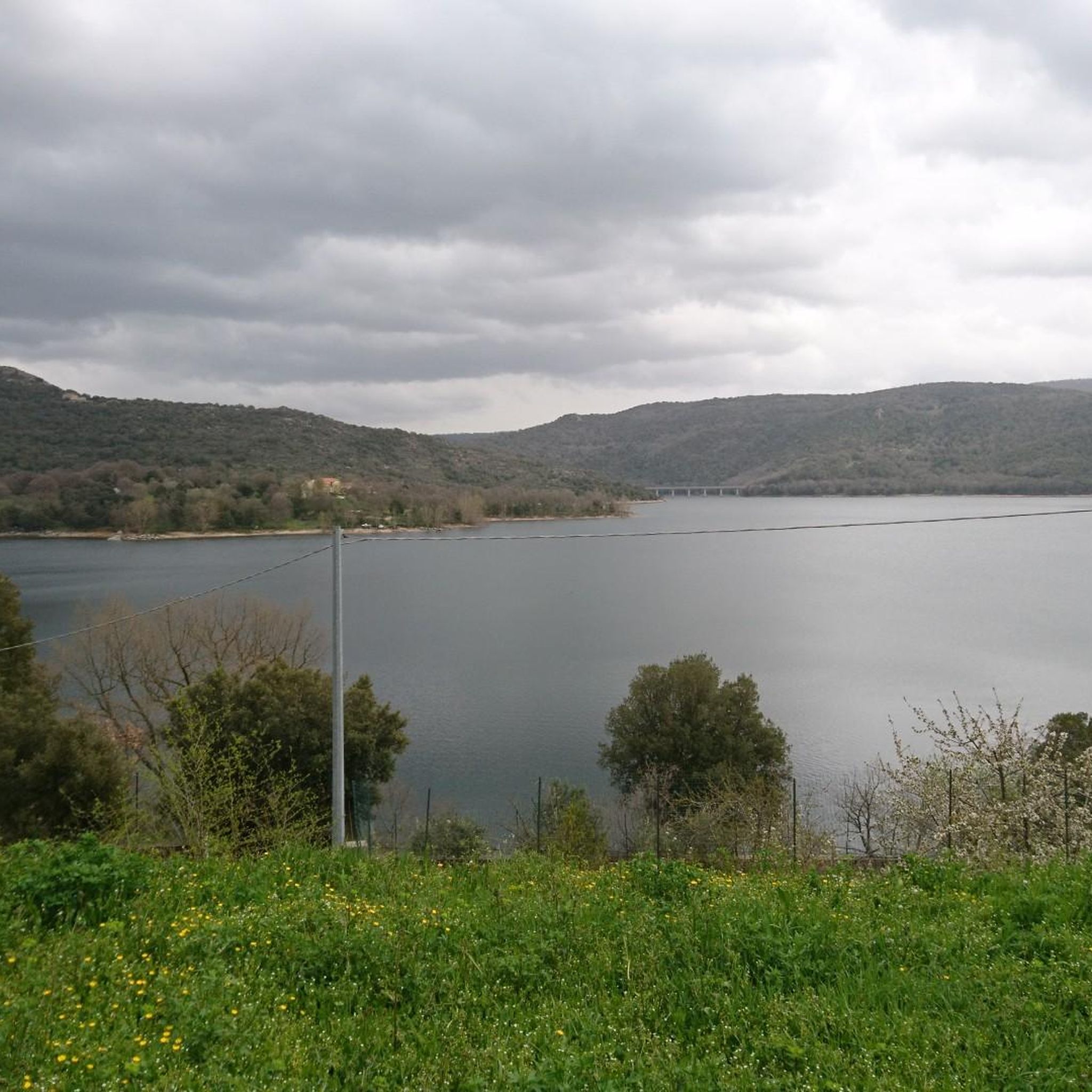
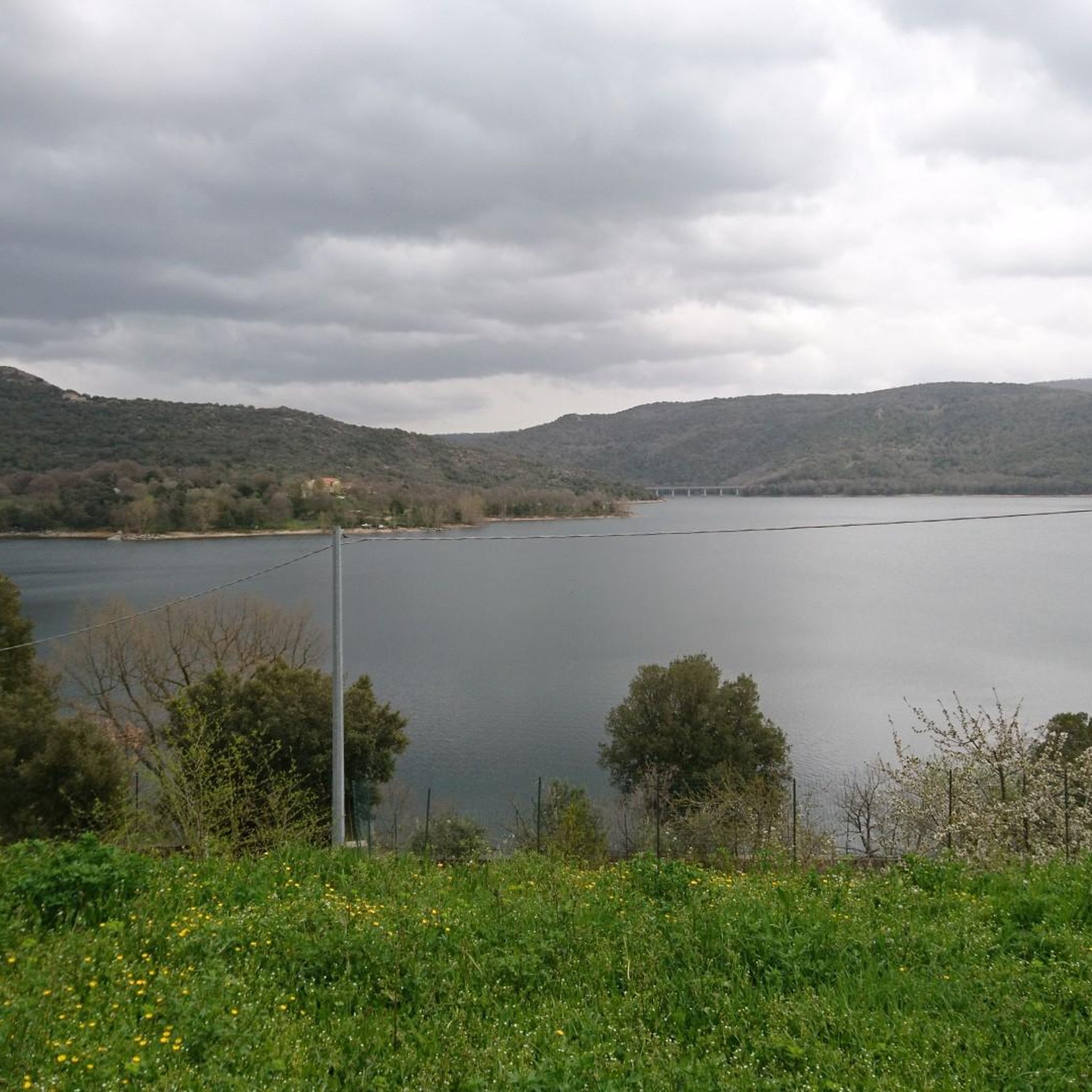
Gavoi is surrounded by beautiful natural landscapes. A primary draw is Gusana Lake, an artificial lake perfect for walking, relaxing, fishing, canoeing, and horseback riding. The village is also nestled within the Gennargentu mountains, offering immense forests and oak woodlands for exploration.
What historical and cultural sites are there to visit in Gavoi?
Gavoi's historic center is a must-see, with its narrow, cobblestoned streets and traditional granite houses. You can also visit several historic churches, including the Church of San Gavino, the 15th-century Church of Sant'Antioco, Carmelo Church, and the Church of Our Lady of Itria. For cultural insights, explore the Casa Museo Porcu Satta, an ethnographic museum, and the Fiore Sardo Museum, dedicated to the region's famous Pecorino cheese.
Are there any unique archaeological sites near Gavoi?
Yes, Gavoi's territory is rich in archaeological monuments from the Neolithic and Nuragic periods. You can find Nuraghi, Domus de Janas, Menhirs, and Tombs of Giants. Notable sites include the granite monolith Sa Perda Longa, the Perdas Fittas (a series of menhirs), the necropolis of Uniai with its seven *domus de janas*, and the well-preserved Talaichè Nuraghe with its intact tholos roof.
What kind of outdoor activities can I do near Gavoi?
The mountainous terrain and forests around Gavoi offer excellent opportunities for outdoor activities. You can enjoy hiking, road cycling, and general cycling. For detailed routes, check out the guides for Hiking around Gavoi, Road Cycling Routes around Gavoi, and Cycling around Gavoi.
Are there family-friendly attractions in and around Gavoi?
Many attractions around Gavoi are suitable for families. The natural setting of Gusana Lake is ideal for relaxed walks and activities like canoeing. Exploring the historic center and its churches can also be an engaging experience. Additionally, the Picturesque Alleys of Orgosolo and the Orgosolo Political Murals offer an interesting cultural outing for all ages.
What are the most popular hiking trails near Gavoi?
Popular hiking options include the 'Mount Gonare — Ring tour' (moderate, 14 km), and easier routes like 'Stone Picnic Table loop from Lago di Gusana' (easy, 5.7 km). For more challenging hikes, consider 'Mount Novo San Giovanni – View from Monte San Giovanni loop from Arcu biancu' (difficult, 28.8 km). You can find more details in the Hiking around Gavoi guide.
What is Gavoi known for gastronomically?
Gavoi is renowned for its rich culinary traditions. It is particularly famous for its Pecorino Fiore Sardo DOP cheese, which even has its own museum, the Fiore Sardo Museum. The village also boasts excellent traditional sweets that are a delight to discover.
What festivals or events take place in Gavoi?
Gavoi hosts several vibrant events throughout the year. Religious festivals include the Feast of St. Antiochus (two Sundays after Easter) and the Feast of N.S. d'Itria (last Sunday in July), which features the popular Palio di Sa Itria horse race. Gavoi is also known for L'Isola delle Storie (The Island of Stories), a literary festival.
Can I visit the famous murals of Orgosolo from Gavoi?
Yes, the famous murals of Orgosolo are a significant attraction nearby. You can explore the Murals of Orgosolo, which depict political and social commentary, historical events, and daily life. The Fabrizio De André Mural is particularly noted for its relaxed artistic style.
What is the best time to visit Gavoi for outdoor activities?
While specific seasonal advice isn't detailed, the region's mountainous terrain and lush forests suggest spring and autumn would be ideal for hiking and cycling, offering pleasant temperatures and vibrant scenery. Summer can be warm, but activities around Gusana Lake would still be enjoyable.
Are there any settlements or villages near Gavoi worth visiting?
Yes, the nearby settlement of Mamoiada is famous for its evocative carnival, one of the oldest popular celebrations on the island. It also offers a rich culinary tradition with excellent cheeses and wines.
Most popular routes around Gavoi
Most popular attractions around Gavoi

Get inspired with the komoot mobile app


Explore more
Still not found the Highlight you’re looking for? See guides of the top attractions in other regions:
