Attractions and Places To See around Bòrore/Borore - Top 20
Best attractions and places to see around Bòrore/Borore include a rich array of historical, cultural, and natural sites. Situated at the foot of the Marghine mountain range on the Abbasanta plateau, approximately 400 meters above sea level, the area is known for its ancient archaeological sites. Borore offers a landscape dotted with remnants of ancient civilizations, primarily from the Nuragic period, alongside cultural institutions and scenic natural features.
Best attractions and places to see around Bòrore/Borore
- The most popular attractions…
Last updated: June 24, 2026
Casteddu Etzu (Montiferru Castle)
Highlight • Castle
Translated by Google •
Tip by

Sos Molinos Waterfall
Highlight • Waterfall
Source: sardegnatoujours.com/cascata-sos-molinos-come-ragvenirerla
Translated by Google •
Tip by
Sign up now to discover places like this
Get recommendations on the best single tracks, peaks, & plenty of other exciting outdoor places.
Sign up for free
Basilica of Saint Mary of the Snow
Highlight • Religious Site
Translated by Google •
Tip by

Massabari Waterfalls
Highlight • Waterfall
Translated by Google •
Tip by

Trail Around Su Mullone
Highlight (Segment) • Trail
Translated by Google •
Tip by

Sign up for free to discover even more attractions around Bòrore/Borore.
Sign up for free
Already have an account?
Start today with a free account
Your next adventure awaits.
Login or Signup
Tips from the Community

The path to the waterfall has been closed and inaccessible for three years.
0
0

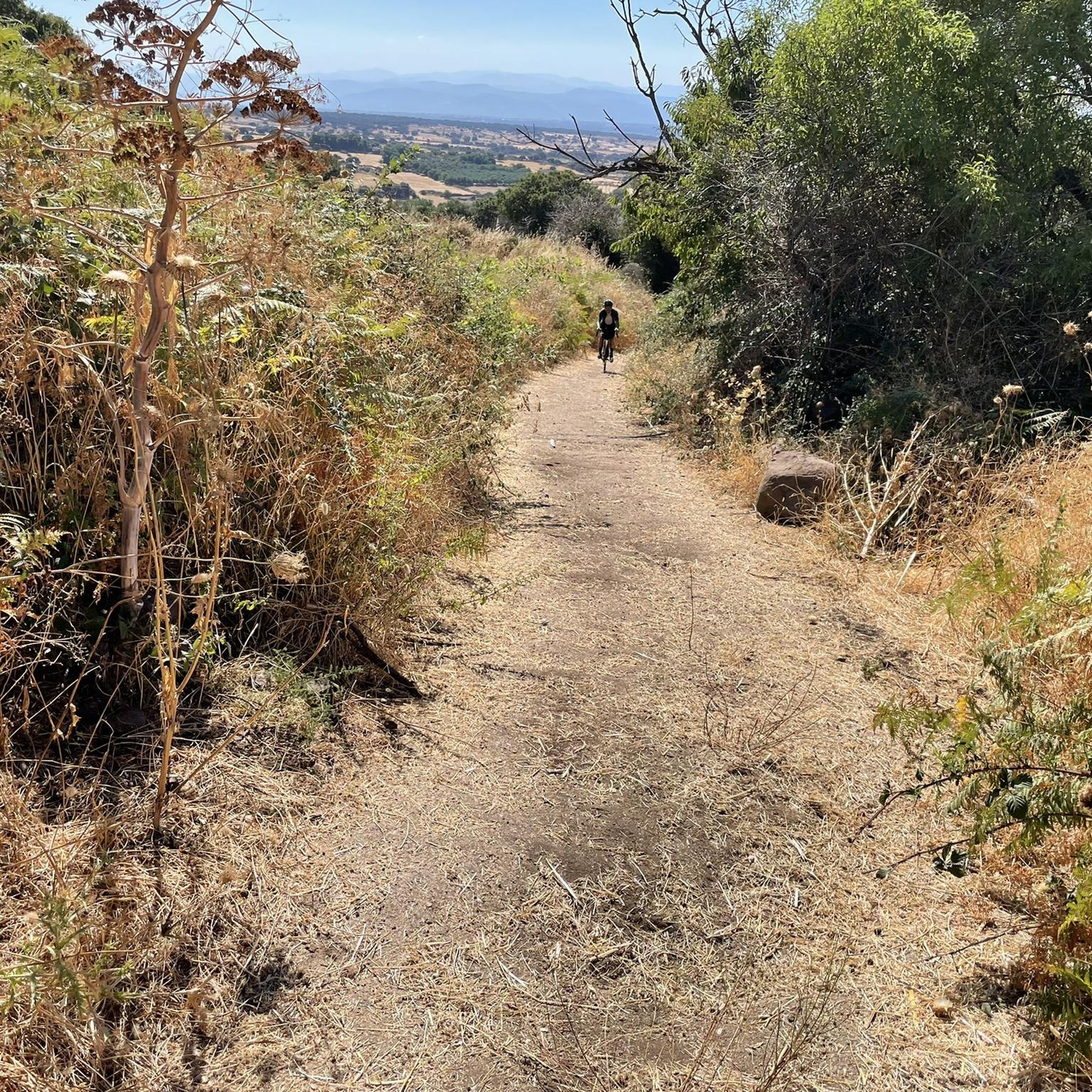
On the slopes of the Entu and Urtigu mountains (the latter is actually better known as "Su Mullone", or "pile of stones" in the local dialect), this panoramic path allows you to see both the green hills of the Montiferru massif, of volcanic origin, which characterizes this whole part of central-western Sardinia.
0
0

It is a beautiful place that we visited despite the prohibition sign at the top of the path that indicated that the path was dangerous.
0
0

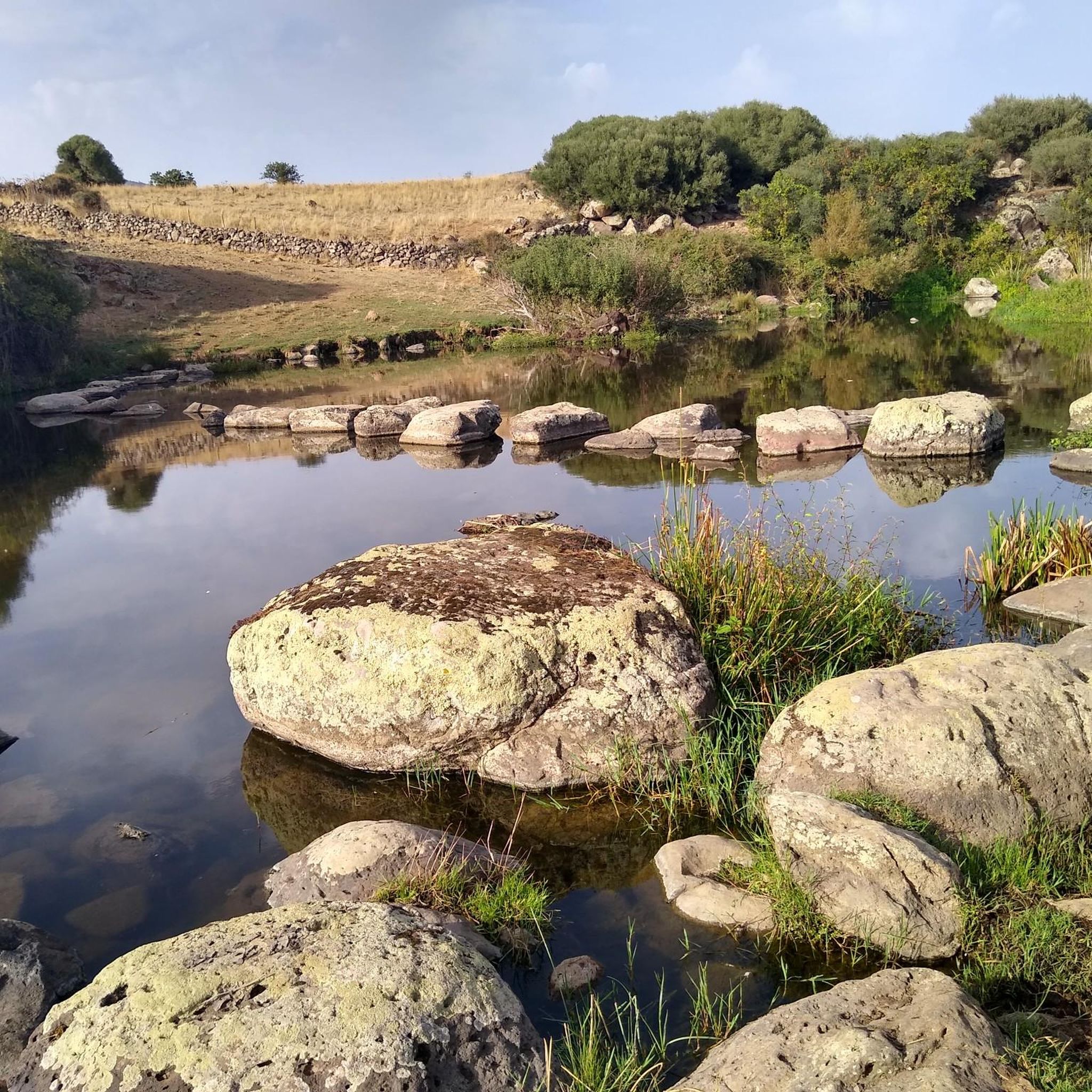
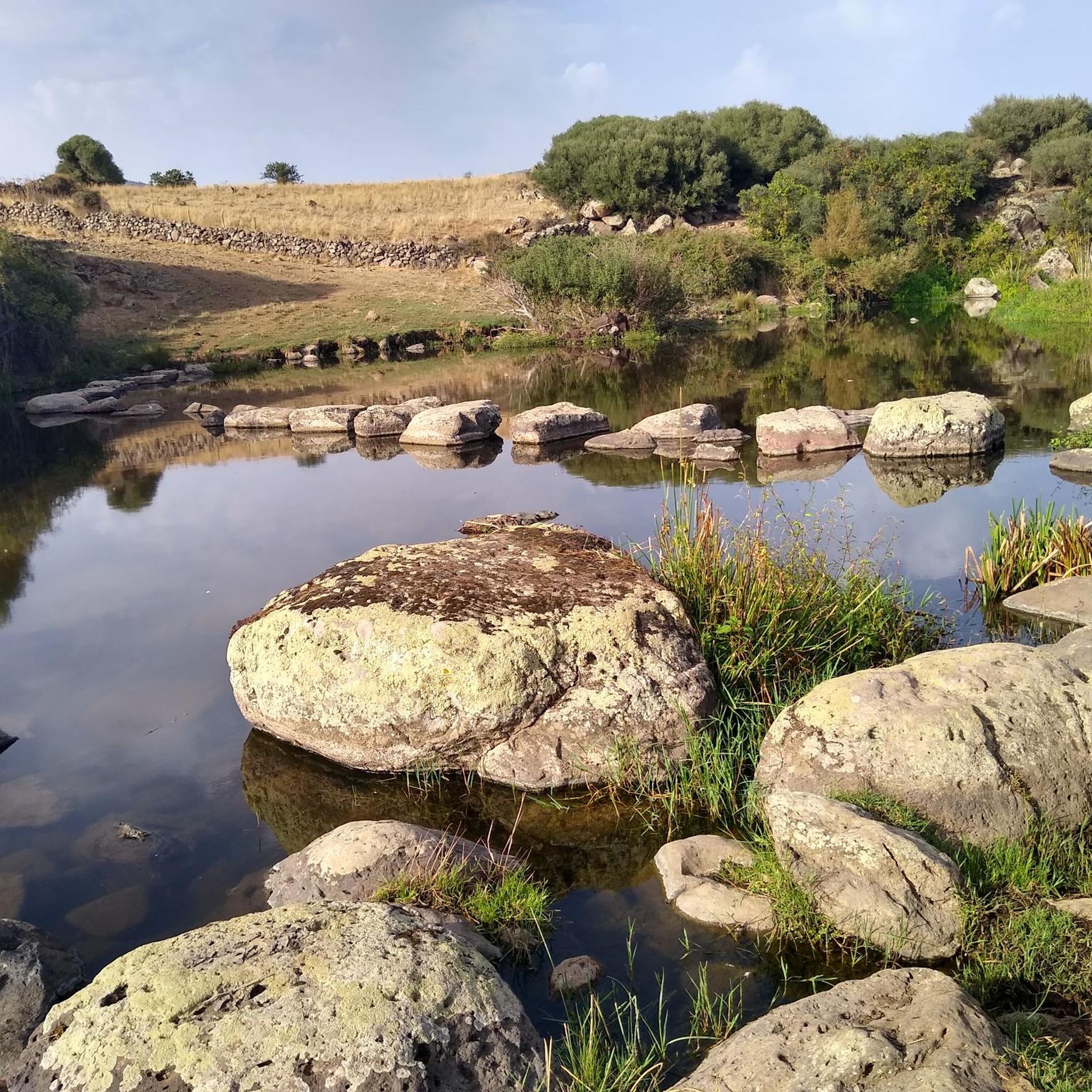
A very beautiful walk. Good shoes are necessary. The waterfall is very beautiful. A cool spot during a hot day. Beware of slippery stones and the descent. Beautiful views.
1
0

Be careful when descending/ascenting the path, the support balustrade is quite improvised. You need good shoes and good balance.
0
0

Deep inside the historic Montiferru region, surrounded by rolling hills and untouched nature, lies Santu Lussurgiu, an idyllic mountain village that seems to forget time. But this village hides a secret that is only revealed to those who set out to discover it. Follow the path as it takes you over a slightly steep path. Every step on this path, which leads down a few steps, makes the anticipation grow. And then, at the end of this path, you will be rewarded with a breathtaking spectacle: the Cascata di Sos Molinos. A waterfall where the crystal clear water plunges an impressive 12 meters into the depths. The gentle sound of the water mixing with the singing of birds and the sound of the wind creates an atmosphere of calm and peace. Even when the leaves change color in autumn and nature prepares for winter, the water of the Riu sos Molinos still bubbles powerfully and lively. It is a place where you can experience the power and beauty of nature up close. Take a moment, sit on one of the stones at the edge of the falling pool and let yourself be enchanted by the magic of this place. A visit to the Cascata Riu sos Molinos is not only a feast for the eyes, but also balm for the soul. It's a little paradise waiting for you to discover.
5
0

The first Sardinian church to obtain the title of minor basilica, it houses a remarkable stylistic variety of decorations and furnishings and is the scene of various rites of one of the most exciting events of Holy Week on the island. The church of Santa Maria della Neve stands on the town of Cuglieri from the top of the Bardosu hill.
1
0

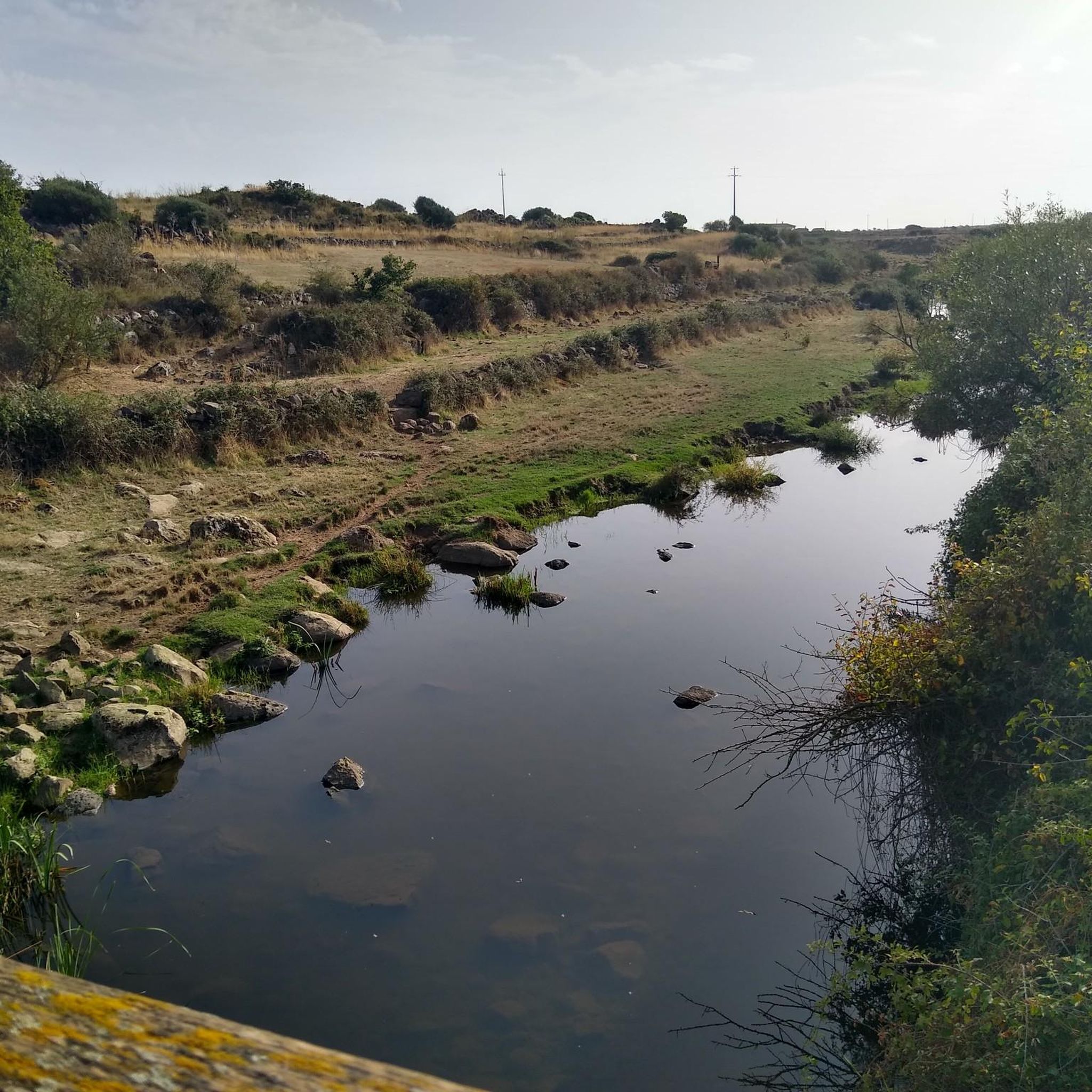
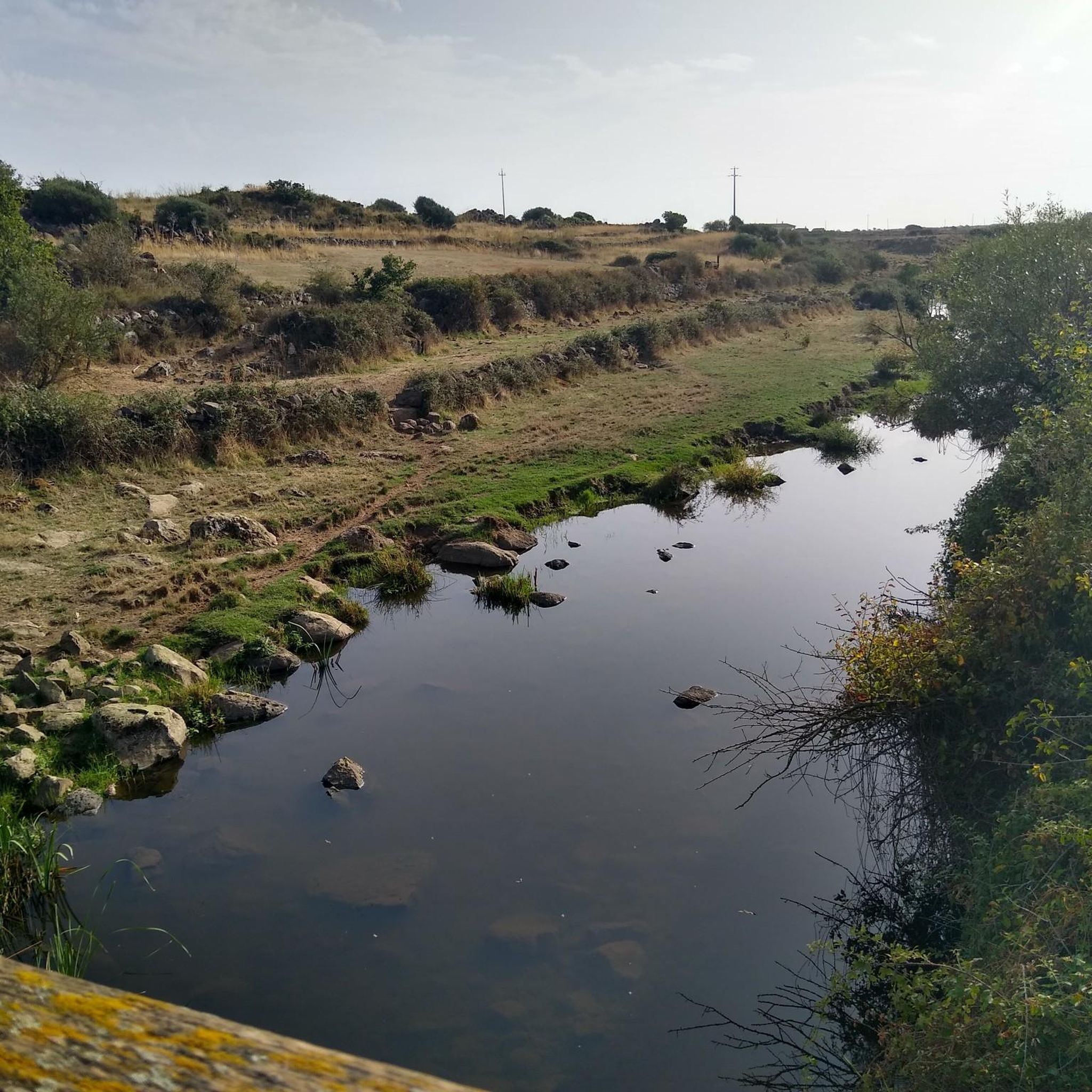
You can move around the area around the waterfalls to find a good spot to refresh and rest. In summer, a nice refreshing bath is also recommended.
0
0
Frequently Asked Questions
What historical and archaeological sites can I explore in Borore?
Borore is rich in ancient history, particularly from the Nuragic period. You can visit numerous Nuraghi, such as Nuraghe Bighinzone and Nuraghe Duos Nuraghes. The area also features impressive Tombs of Giants, including the notable Tomba dei Giganti Imbertighe, and ancient rock-cut tombs known as Domus de Janas. Don't miss the Dolmen Muttianu and the monumental Menhir Perda Longa. Additionally, the Casteddu Etzu (Montiferru Castle), a ruined 12th-century structure, offers a glimpse into medieval history with panoramic views.
Are there any cultural attractions or museums in Borore?
Yes, Borore offers several cultural insights. The Sardinian Ritual Bread Museum is a unique institution dedicated to the traditions of bread-making, showcasing over 300 bread specimens and tools. You can also visit the 17th-century Parish Church of Beata Vergine Assunta and the cherished Rural Church of San Lussorio. The nearby Basilica of Saint Mary of the Snow in Cuglieri is the first Sardinian church to receive the title of minor basilica and stands on the Bardosu hill, offering panoramic views. Keep an eye out for the vibrant murals depicting traditional life on the streets of Borore.
What natural features and viewpoints are worth visiting around Borore?
Borore is situated at the foot of the Marghine mountain range on the Abbasanta plateau, offering scenic landscapes. For natural beauty, consider visiting the Massabari Waterfalls, known for their beautiful descent and refreshing waters, perfect for a cool spot on a hot day. Another stunning natural monument is the Sos Molinos Waterfall, where crystal-clear water plunges 12 meters into a basin, creating a peaceful atmosphere.
What outdoor activities, like hiking or cycling, can I do near Borore?
The area around Borore is excellent for outdoor enthusiasts. You can find various hiking trails, including the Trail Around Su Mullone, which offers panoramic views of the Montiferru massif. For more hiking options, explore the routes listed in the Hiking around Bòrore/Borore guide. If you're into cycling, there are numerous routes for both mountain biking and road cycling. Check out the MTB Trails around Bòrore/Borore guide and the Road Cycling Routes around Bòrore/Borore guide for detailed tours.
Is Borore known for any unique local traditions or products?
Absolutely! Borore has a rich heritage of traditions. It's recognized as the 'town of the oldest wine in the world' due to the discovery of ancient Cannonau grape seeds. The village is also a historical center for extemporary Sardinian poetry, with improvisation competitions being a notable tradition. Don't leave without trying the traditional pastries like amaretti, giorminos, and sospiri, made following ancestral recipes.
What do visitors enjoy most about the attractions around Borore?
Visitors particularly appreciate the rich historical and natural beauty of the area. The ancient archaeological sites, like the Nuraghi and Tombs of Giants, offer a profound connection to Sardinia's past. Natural spots like the Massabari Waterfalls are loved for their refreshing environment and scenic walks. The panoramic views from sites like the Casteddu Etzu (Montiferru Castle) and the Basilica of Saint Mary of the Snow are also highly praised.
Are there any hidden gems or lesser-known spots to discover in Borore?
Beyond the well-known sites, Borore holds several intriguing spots. The Sacred Spring of Uore, with its Nuragic origins and Roman thermal remains, offers a unique blend of history and natural significance. Exploring the various smaller Nuraghi and Domus de Janas sites scattered across the territory can also lead to fascinating discoveries away from the main tourist paths. The charming streets adorned with murals provide an authentic glimpse into local life and art.
What is the best time of year to visit Borore for sightseeing and outdoor activities?
While specific data isn't provided, generally, the spring (April-June) and autumn (September-October) months are ideal for visiting Borore. During these periods, the weather is typically mild and pleasant, making it comfortable for exploring archaeological sites, hiking, and enjoying the natural landscapes without the intense heat of summer. The waterfalls will also likely have a good flow during these seasons.
Can I find family-friendly activities or attractions in Borore?
Borore's rich archaeological landscape can be a fascinating educational experience for families, allowing children to explore ancient ruins like Nuraghi and Tombs of Giants. The Sardinian Ritual Bread Museum offers an engaging cultural insight. For outdoor fun, easy walks and visits to natural sites like the Massabari Waterfalls can be enjoyable for families, though some paths may require good shoes and balance.
What is the significance of the Sacred Spring of Uore?
The Sacred Spring of Uore is a site of deep historical and cultural significance. It showcases traces of its Nuragic origin, highlighting the ancient reverence for water in the region. Furthermore, visible remains of a Roman thermal installation from the 1st to 3rd centuries AD can be found there, underscoring water's enduring sacred and therapeutic role throughout different historical periods in Borore.
How can I experience the local art and architecture in Borore?
Borore's local art and architecture can be experienced through its historical buildings and public art. The Parish Church of Beata Vergine Assunta, dating back to the 17th century, features neoclassical forms and an 18th-century wooden Baroque altar. The Rural Church of San Lussorio is another significant religious site. Additionally, the tidy streets and walls of Borore are often adorned with vibrant murals, depicting scenes of traditional life and offering a unique form of public art.
Most popular attractions around Bòrore/Borore

Get inspired with the komoot mobile app


Explore more
Still not found the Highlight you’re looking for? See guides of the top attractions in other regions:
