Attractions and Places To See around Guardea - Top 20
Best attractions and places to see around Guardea offer a blend of historical landmarks, cultural sites, and natural beauty in Umbria. The region features ancient ruins, medieval castles, and scenic natural areas, providing diverse exploration opportunities. Guardea is situated in a landscape characterized by hills and valleys, including the Tiber valley. Visitors can discover well-preserved medieval villages and natural features like the WWF Oasis of Lake Alviano.
Best attractions and places to see around Guardea
- The most popular attractions is…
Last updated: June 22, 2026
Historic Village of Montecchio
Highlight • Settlement
Translated by Google •
Tip by

Morruzze
Highlight • Settlement
Translated by Google •
Tip by

Sign up now to discover places like this
Get recommendations on the best single tracks, peaks, & plenty of other exciting outdoor places.
Sign up for free
Melezzole Village
Highlight • Settlement
Translated by Google •
Tip by
Rio Grande Waterfalls
Highlight • Waterfall
Translated by Google •
Tip by

Orsini Castle and Clock Tower, Celleno Antico
Highlight • Castle
Translated by Google •
Tip by

Sign up for free to discover even more attractions around Guardea.
Sign up for free
Already have an account?
Start today with a free account
Your next adventure awaits.
Login or Signup
Tips from the Community

The Rio Grande Basin is located about two kilometers from Amelia, nestled in the Monti Amerini area. The Rio Grande is a stream flowing into the Tiber, and the area is described as an urban river park and a site of naturalistic and landscape interest. Its historical importance depends mainly on two dams: the upstream dam, called Para, which formed the Lago Vecchio (Old Lake), and the downstream dam, called dei Finestroni or Ponte Grande. For centuries, this hydraulic system has guaranteed a water reserve for the territory and has powered mills for grinding oil and grain, still remembered along the course of the basin.
0
0

Gorgeous place! Too bad it takes so many rainy days to see any water!
0
0

Past the old monastery you will arrive at the old borgo. The elevated old village has been depopulated since the 19th century and has become a real ruin due to erosion and earthquakes. In 1951 it was completely abandoned. Only the old market square and the castle are accessible, the old houses are completely dilapidated and overgrown with plants over the years. The Orsini castle at the entrance of Celleno antico is the most beautiful building in the borgo. It has a large watchtower and the castle is surrounded by a deep moat. It was recently restored and inhabited by the artist Enrico Castellani. This artist was internationally known (he also studied in Brussels) and died on 1 December 2017. On the old market square you can see a beautiful rectangular bell tower, in 3 layers and made of tuff. Only the walls of the old church San Carlo (17th century), left of the castle, remain. Close to the market square is the church of San Donato from the year 1000 in Romanesque style, with a very beautiful portal in basalt stone.
0
0
Recent archaeological discoveries have confirmed the Etruscan origins (4th-3rd centuries BC) of Celleno Vecchio, a settlement that enjoyed a great position, i.e. the ancient communication route between Orvieto, Bagnoregio and Ferento. Ancient sources provide evidence that this medieval settlement is one of the fortified villages built by the Counts of Bagnoregio between the 10th and 11th centuries. At that time, the village must have consisted of a number of dwellings at the end of the tuff, protected by cliffs on three sides, surrounded by walls and a small fortress, which is now the Orsini Castle, to protect the only access route. At the end of the 12th century, after the destruction of Ferento, the municipality of Viterbo began a rapid expansion in the Tiber Valley, also acquiring Celleno, which in 1237 was one of the castles of the Viterbo area governed by a Podest (high official) appointed by the local government. At the end of the 14th century, the city center fell into the hands of the Gatti family, one of the most powerful families in Viterbo. During this period, the medieval fortress was completely renovated and converted into a fortified stately home that can still be seen today. The Gatti family ruled Celleno until the last heir, Giovanni Gatti, who was killed on the orders of Pope Alexander VI (Borgia) for refusing to return the castle. At the beginning of the 16th century, the municipality fell into the hands of the Orsini family. Interestingly, the castle still bears the name of this family. Only towards the end of the 16th century was the church able to incorporate Celleno into its possessions until the unification of Italy. In modern times, Celleno Vecchio was often affected by earthquakes and landslides, until it was finally abandoned in the 1930s. Today it is a small, charming and evocative ghost village, characterized by ruins and vegetation, with beautiful views of the surrounding landscape.
0
0


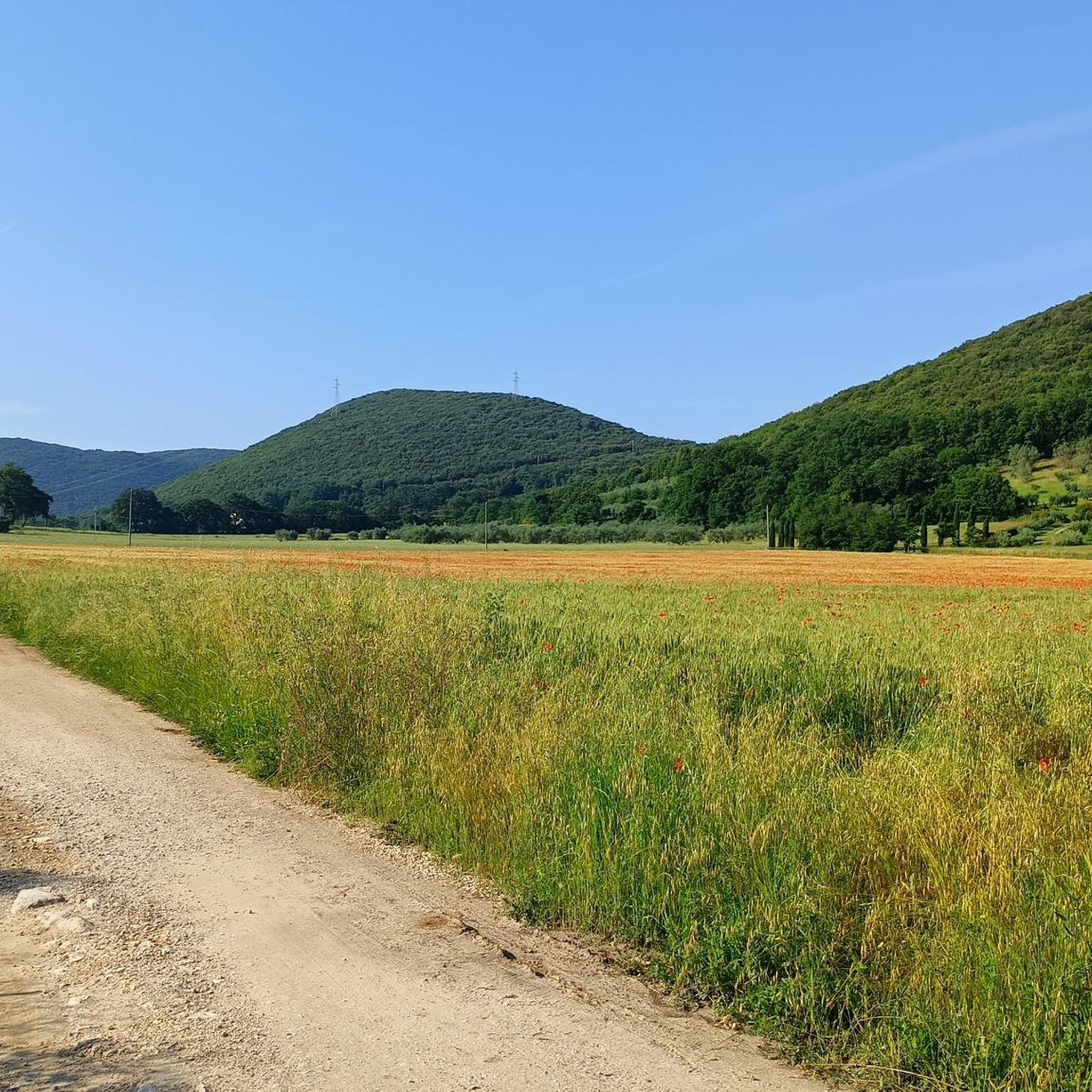
The village of Morruzze has its origins in the medieval period as a fortified villa affiliated with Todi. Although it experienced crucial moments during the 14th century due to the plague and frequent looting, the village has maintained its timeless charm. The palace, acquired by the Paperini family in the 17th century, underwent significant transformations, becoming the structure you admire today. This village, surrounded by a particular tranquility, offers a spectacular view of the Tiber valley and the surrounding hills of Todi. Along its narrow streets, you will find a small fountain and shaded benches that invite you to rest and contemplate the breathtaking landscape.
2
0

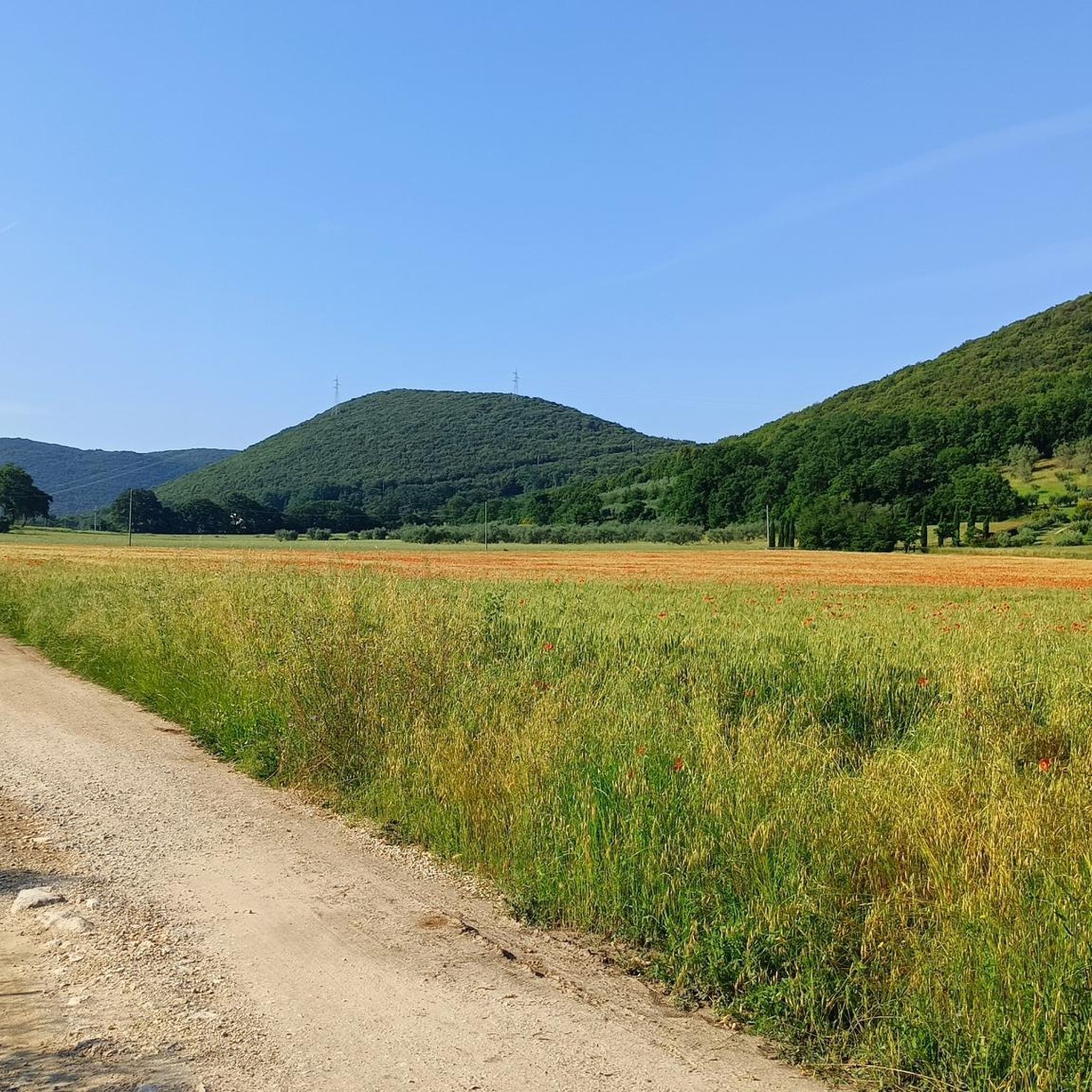
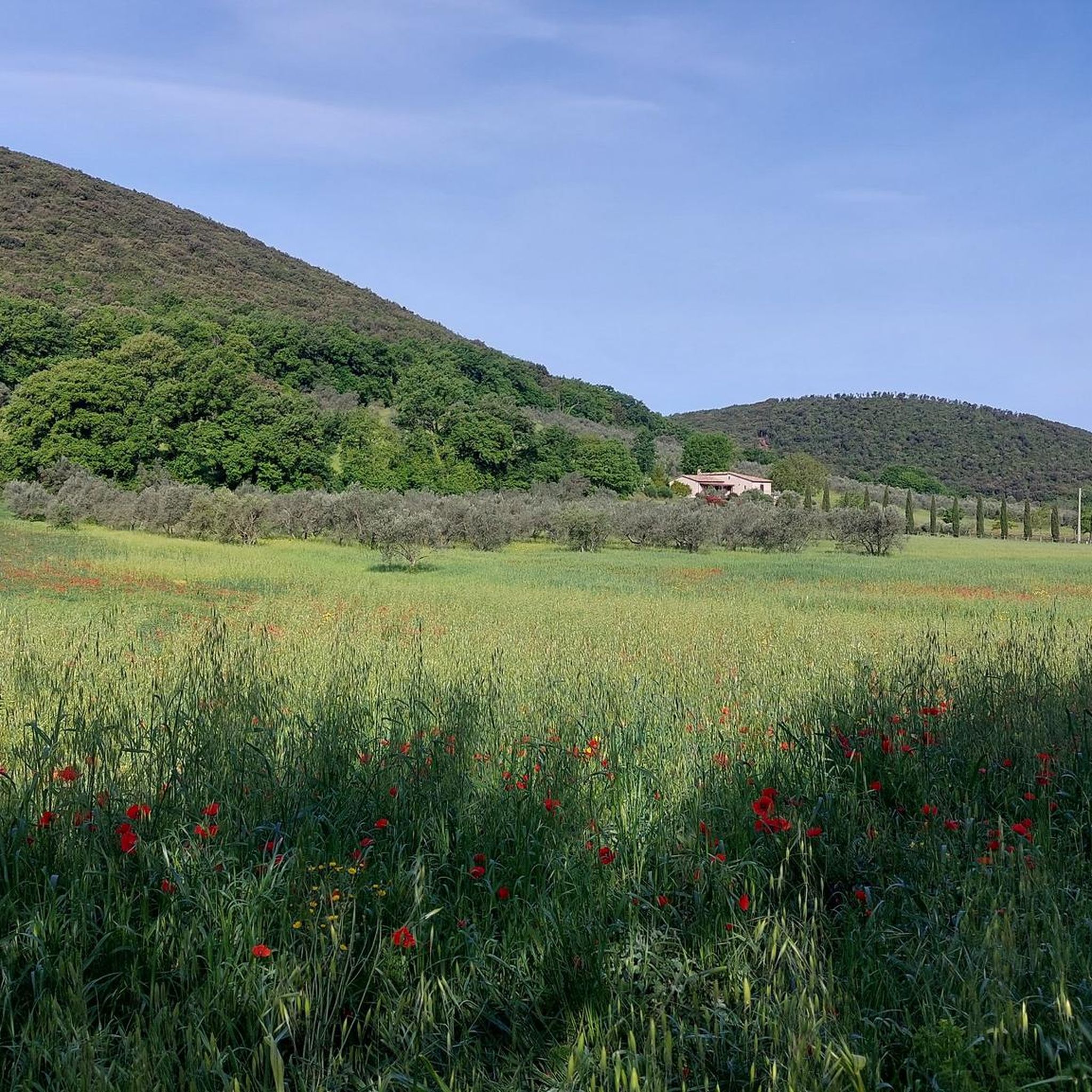
ocated on a hill overlooking the Tiber valley, Montecchio preserves the charm of the Middle Ages intact with its alleys, squares, the light tones of the stone and the mighty walls with defense towers. With a vaguely elliptical shape, the village is one of the best preserved in the valley. Soft hills of olive trees draw its territory. Dense woods make the landscape vivid and lush in the summer, while autumn paints the Mediterranean scrub in orange and red.
0
0
Frequently Asked Questions
What historical sites can I explore in Guardea?
Guardea is rich in history. You can visit the ruins of Guardea Vecchia, an ancient castle complex with visible towers and a central keep, offering panoramic views. Another significant site is the Castello del Poggio, a Norman-built castle from 1035, which has undergone 16th-century restoration. Don't miss the Historic Village of Montecchio, a well-preserved medieval fortified village, or the Melezzole Village, which developed around an ancient medieval castle.
Are there any natural attractions or areas for outdoor activities near Guardea?
Yes, Guardea offers several natural points of interest. The WWF Oasis of Lake Alviano is excellent for birdwatching and nature photography, with dedicated trails. You can also explore the Cocciano Valley, known for its vibrant nature, especially in spring. For longer adventures, Guardea is an initial stop on the Cammino dei Borghi Silenti, a circular naturalistic trail around Mount Croce di Serra.
What are some family-friendly attractions in the Guardea area?
Families can enjoy exploring the charming village of Morruzze, which is noted as family-friendly and offers tranquil spots and scenic views. The Historic Village of Montecchio is also family-friendly, with its medieval charm and interesting alleys to discover. The WWF Oasis of Lake Alviano provides accessible nature trails suitable for all ages.
Where can I find panoramic viewpoints around Guardea?
For breathtaking views, the ruins of Guardea Vecchia offer a splendid panorama of the Amerino territory and the Tiber valley. The village of Morruzze is described as a 'balcony overlooking the landscape' with spectacular views of the Tiber valley. Additionally, Civitella del Lago and Melezzole Village are also known for their scenic viewpoints.
What cultural sites are there in Guardea?
Guardea has several cultural sites. The Church of San Pietro and San Cesareo in Piazza Panfili is an 18th-century church housing the remains of the city's patron saint. The Arch of Planetary Consciousness, inaugurated in 2001, symbolizes universal brotherhood with stones from around the world. You can also visit the Museum of the Captains of Fortune and Peasant for insights into local history and culture.
Are there any unique or 'hidden gem' attractions in Guardea?
The Hermitage of Santa Illuminata, with remains of a convent from 1007 and a cave where Saint Francis is believed to have slept, offers a unique historical and spiritual experience. The Megalithic Walls (Fossi), dating from the 3rd to 2nd century BC, are an impressive and less-known ancient engineering marvel designed to manage river systems.
What cycling routes are available near Guardea's attractions?
Guardea is a great starting point for various cycling adventures. You can find numerous routes for different types of cycling. For road cycling, explore options like the 'Tenaglie Village – Campo del Pero Hilltop Ruins loop' or 'Baschi – View of Civitella del Lago loop' by checking out the Road Cycling Routes around Guardea guide. If you prefer gravel, routes like 'Acqualoreto Historic Village – Civitella del Lago loop' are available in the Gravel biking around Guardea guide. For general cycling, the Cycling around Guardea guide offers routes like 'Montecchio Historic Village – View from Civitella del Lago loop'.
What do visitors enjoy most about the attractions around Guardea?
Visitors frequently appreciate the timeless charm and tranquility of the medieval villages, such as Morruzze, often highlighting the spectacular views of the Tiber valley. The well-preserved historical architecture and the serene natural landscapes, like those found in the Cocciano Valley, are also highly valued.
Are there any dog-friendly places to visit in Guardea?
Yes, the village of Morruzze is noted as dog-friendly, offering a pleasant environment for you and your pet to explore. Many of the natural areas and outdoor trails, such as those around the WWF Oasis of Lake Alviano or sections of the Cammino dei Borghi Silenti, are generally suitable for walks with dogs, though it's always good to check local regulations.
What is the best time to visit Guardea for sightseeing and outdoor activities?
The region's nature, particularly the Cocciano Valley, bursts with colors and fruits in spring, making it an ideal time for photography and enjoying the landscape. Spring and autumn generally offer pleasant temperatures for exploring historical sites and engaging in outdoor activities like cycling and hiking, avoiding the peak heat of summer.
Can I explore ancient Roman remains near Guardea?
Yes, the region has evidence of Roman habitation. You can find thermal building remains from the 2nd century AD in Piana del Ceraso, offering a glimpse into the area's ancient past.
Most popular attractions around Guardea

Get inspired with the komoot mobile app


Explore more
Still not found the Highlight you’re looking for? See guides of the top attractions in other regions:
