Attractions and Places To See around Configni - Top 20
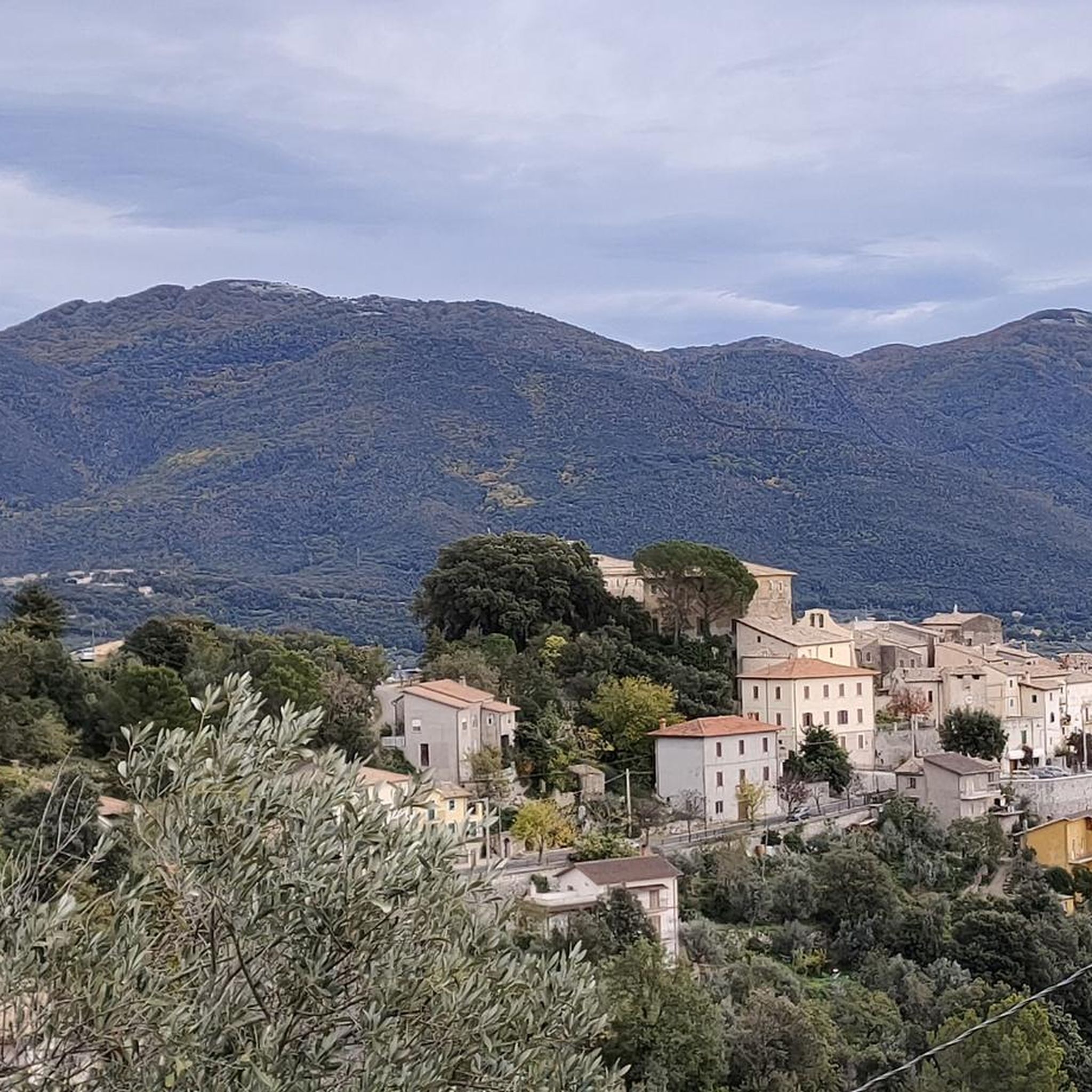
Best attractions and places to see around Configni include a blend of historical sites and natural features. This charming village, situated at approximately 550 meters above sea level in the Sabina region, offers a rich history reflected in its medieval architecture. The surrounding area provides opportunities for outdoor activities, with mountains, climbing routes, and caves to explore. Visitors can discover both cultural landmarks and natural points of interest.
Best attractions and places to see around Configni
- The most popular attractions…
Last updated: June 22, 2026
Sanctuary of Greccio
Highlight • Religious Site
Translated by Google •
Tip by

Hermitage of San Cataldo
Highlight • Religious Site
Translated by Google •
Tip by

Sign up now to discover places like this
Get recommendations on the best single tracks, peaks, & plenty of other exciting outdoor places.
Sign up for free
The Saint's Hermitage
Highlight • Cave
Translated by Google •
Tip by

Chapel of Saint Francis
Highlight • Religious Site
Translated by Google •
Tip by
Greccio Franciscan Sanctuary
Highlight • Religious Site
Translated by Google •
Tip by
Sign up for free to discover even more attractions around Configni.
Sign up for free
Already have an account?
Start today with a free account
Your next adventure awaits.
Login or Signup
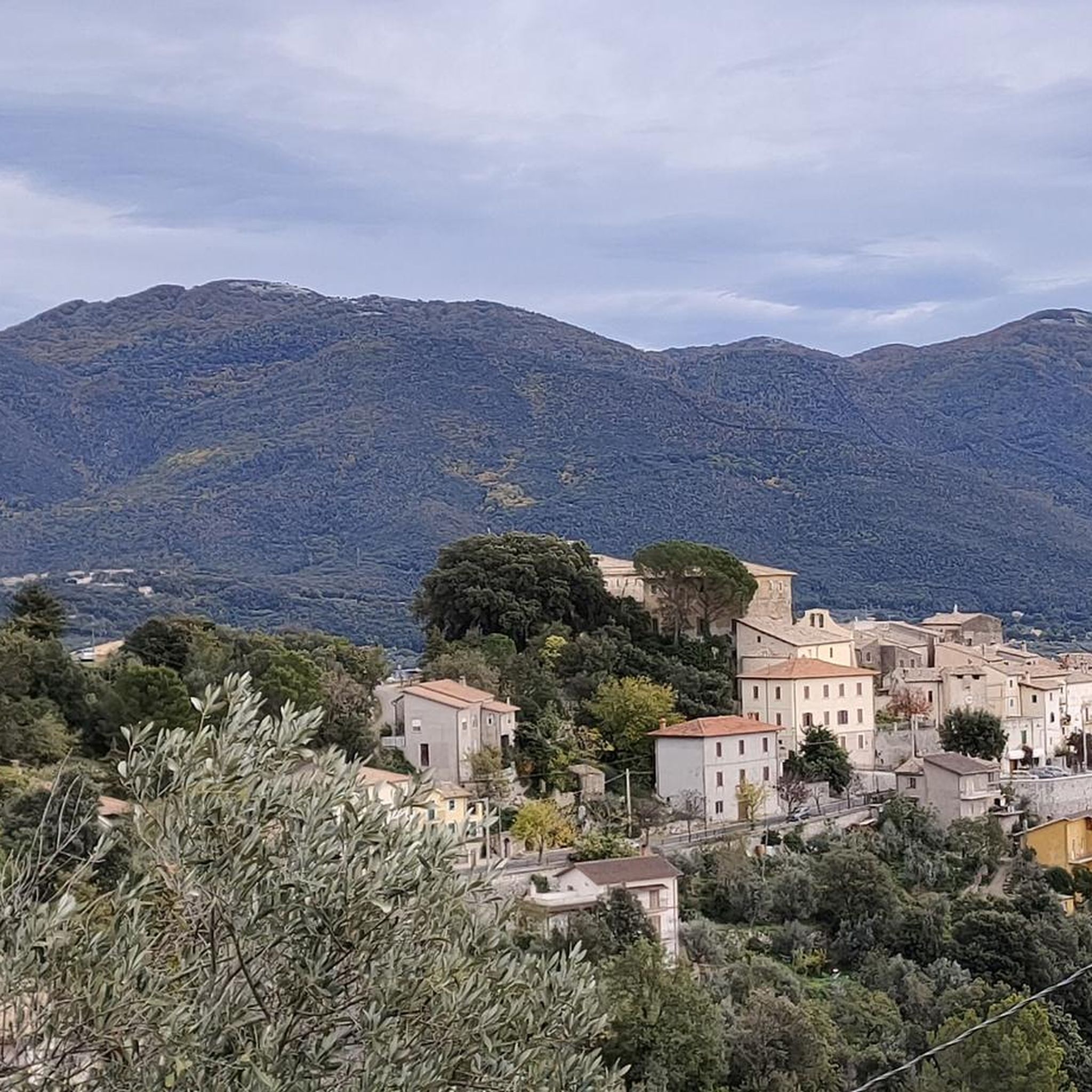
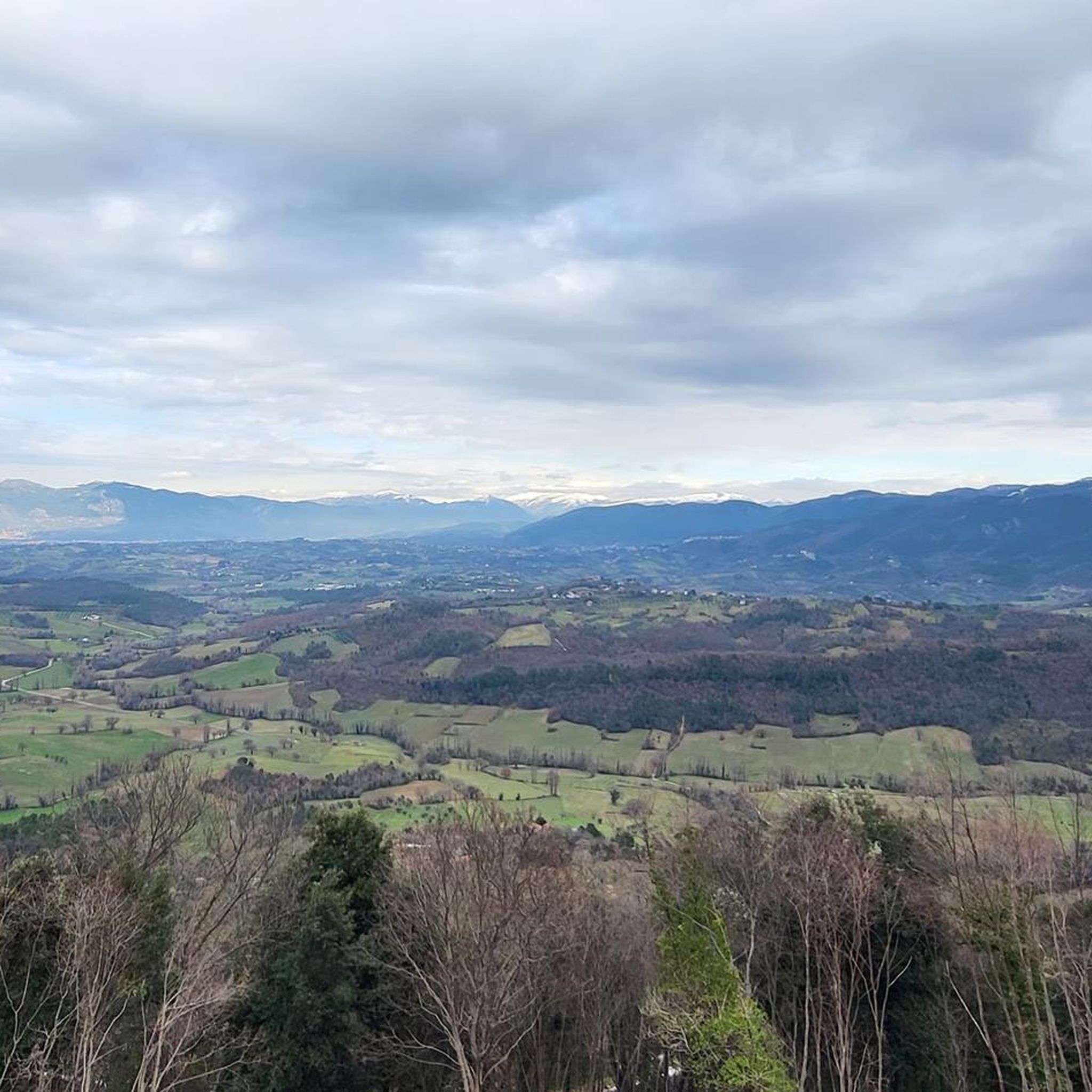
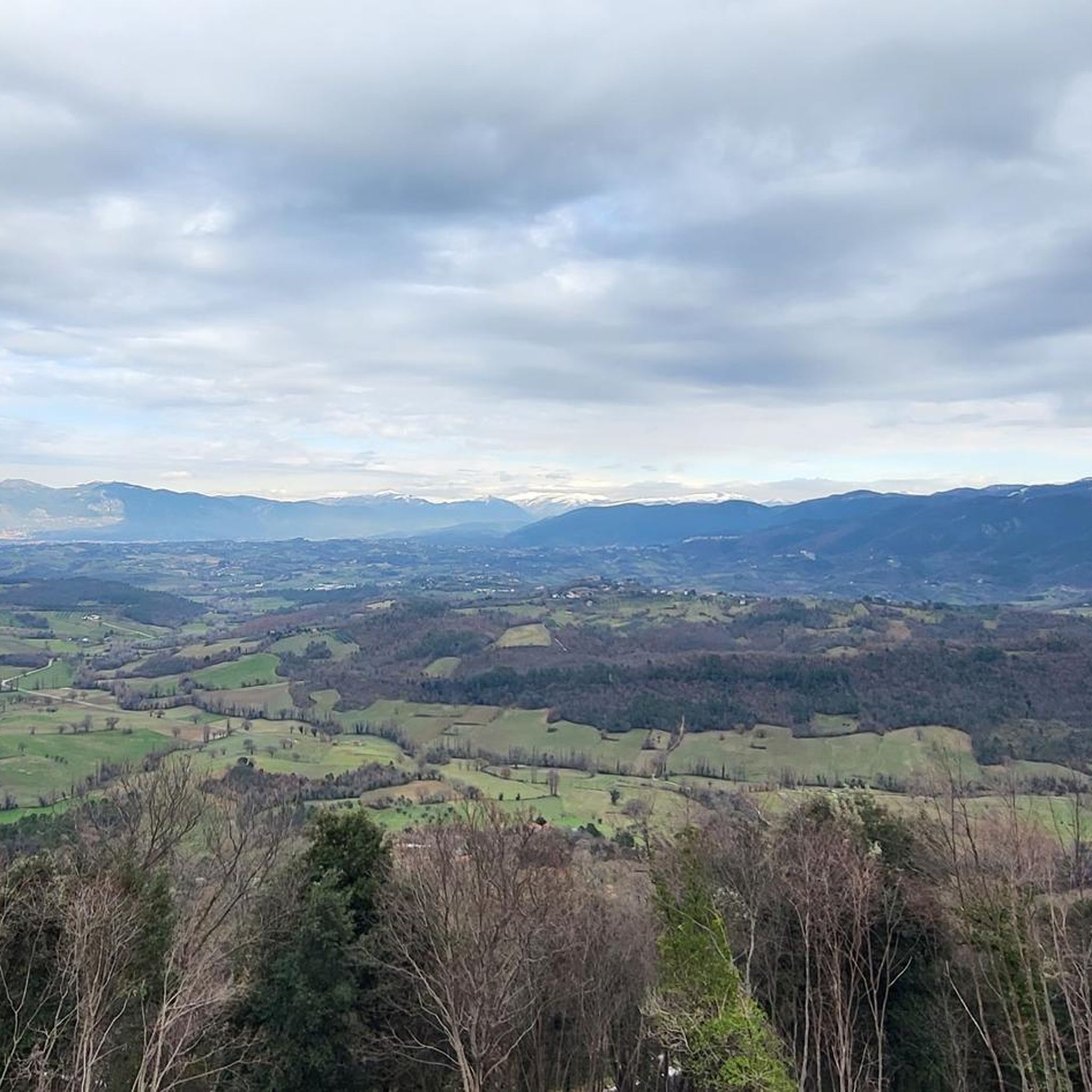
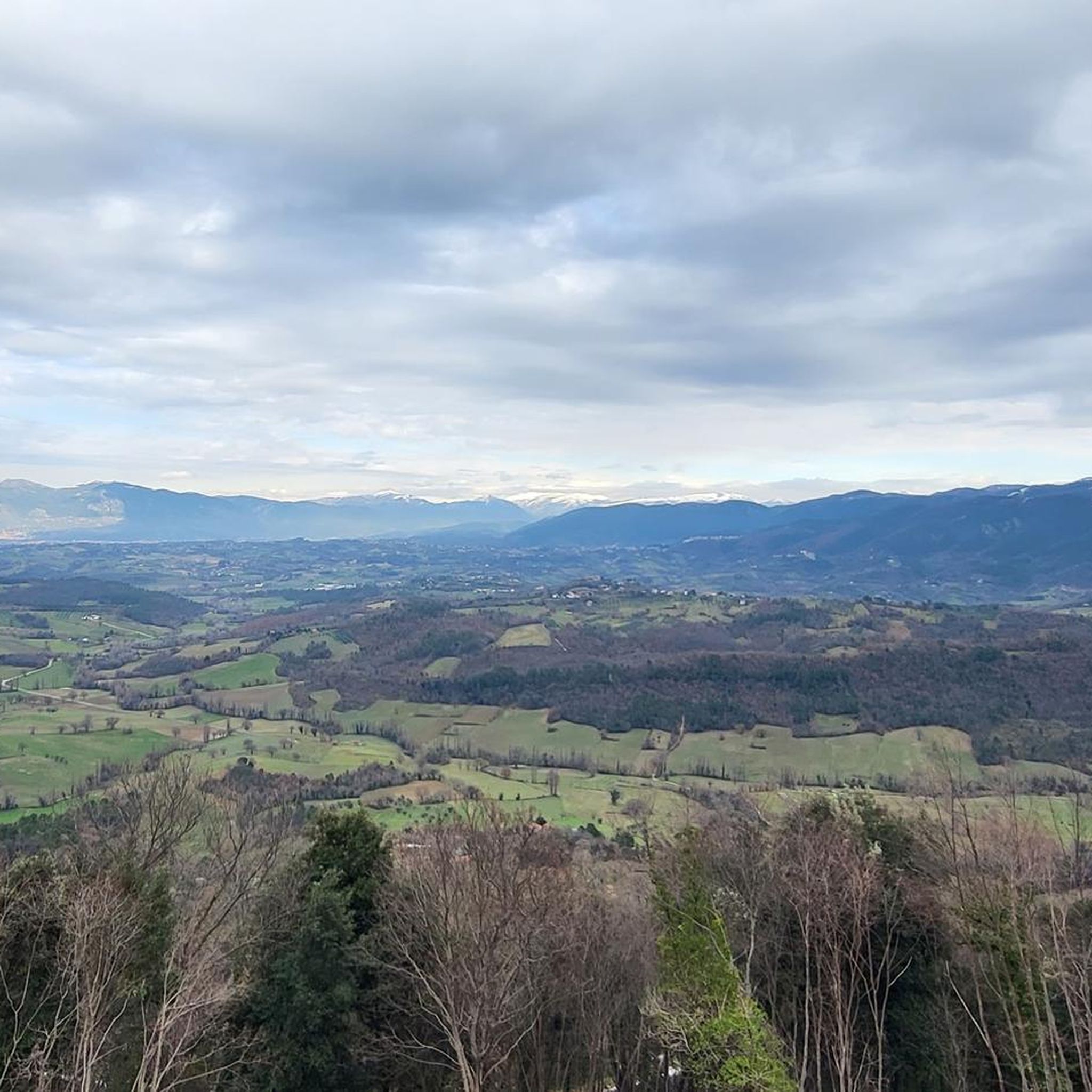

Tips from the Community

Sanctuary of Grecchio, one of the four shrines of St. Francis around Rieti Valley. Here, Francis depicted the Christmas story with living figures to help the local farmers understand it. Since then, setting up a nativity scene at Christmas has been a custom throughout most of the Christian world. Grecchio is a very special place
1
0

Above the town of Greccio, in the wooded hills of the Rieti Valley (located about halfway between Assisi and Rome), Saint Francis combined Christmas mass with a nativity scene on Christmas Eve 1223. In some depictions of this Christmas event there is a peculiarity: the baby Jesus is not lying in the manger or in his mother's lap, but is being taken in Francis's arms. Even though Francis is often referred to as the founder of the European nativity scene tradition, there have also been nativity scenes before. But what was important to him was the vivid representation of the event - actually incomprehensible to the mind - that the great, infinite God becomes human. San Francesco connects the divine childhood of Jesus with the celebration of the Eucharist, in which the living God gives himself to us again - this time in the form of bread and wine. “We have come to worship HIM” – that was the motto of the XX. World Youth Day, which was celebrated in Cologne in August 2005. Every Christmas picture, every nativity scene invites the viewer to follow this motto and to emulate the Three Wise Men (the first pilgrims to Christ), Francis of Assisi and all the saints.
3
0

"The chapel erected on the peak which was always called Monte San Francesco, at 1203 m, recalls the hermit's place where Saint Francis lived, under a cloth stretched and tied to four hornbeams, before the foundation of the convent of Greccio. In 1713, Clemente XI wanted to build a chapel in memory. From up there, the view is beautiful: from the left you can see the pink Mount Vettore, then the Reatini mountains, up to the Velino group".
0
0

This chapel is a perfect spot to take a break and enjoy the view. It consists of two rooms, a small church and a refuge area, managed by the local mountain community. Both are always open and offer excellent shelter on rainy autumn and winter days.
3
0
This is the place where St. Francis created the first crib of the Christian tradition. The Sanctuary stands in an exceptional position, clinging to the rock and with a unique view of the Rieti plain, nearby Greccio and the Terminillo massif. It can be visited every day and is open from 09.00 to 18.00. Whether you are a believer or not, it is highly suggestive to visit this place, especially during the Christmas period.
5
2
It seems that San Cataldo has never actually passed through these places. Yet the legends about the saint are not lacking. It is said that the rock that leads from the hermitage to the valley floor is full of hollows and fissures, marks of the elbows and feet of the saint who went to the stream every day to wash himself. Legends aside, the hermitage is a wonderful example of the union between human architecture and nature. The interior of the chapel and its ancient Byzantine fresco can be visited only during FAI days.
1
0
The Sanctuary of Greccio is the most famous of the four sanctuaries of the Santa Reatina Valley. Founded by St. Francis of Assisi, symbol and birthplace of the tradition of the Christmas crib, it can be reached via the panoramic climb of Via dei Frati.
2
0

Listed among the natural monuments of the Lazio region, the Hermitage of San Cataldo is a small sanctuary carved into the granite rock of the mountains. If the exterior appears very impressive, the interior with its large frescoes is no exception.
1
1
Frequently Asked Questions
What historical sites can I explore in Configni?
Configni is rich in history. You can explore the remains of the Castle of Configni, which dates back to the 10th century and forms the core of the village's historic center. The village itself, first mentioned in 1027, features medieval towers and old walls. Additionally, the Sanctuary of Greccio, a significant religious building where St. Francis created the first crib, and The Saint's Hermitage, a cave that hosted St. Francesco of Assisi, are notable historical and religious sites nearby.
Are there any natural attractions or caves to visit near Configni?
Yes, the area around Configni offers several natural wonders. You can visit the Rottaccia Cave (Grottaccia), hidden on the eastern side of Cosce Mountain, known for its stalactites and stalagmites and historical use as a shelter. Another intriguing natural feature is Pozzo Miesole ("Puzzu 'e Miesu"), a large, deep cavity on Monte Cosce explored by speleologists, leading to a huge underground hall. Both caves can be explored with experienced guides or speleologists.
Where can I go for outdoor activities like climbing or hiking in Configni?
For climbing, the Falesia (Sport Climbing Route) on the eastern slope of Cosce Mountain is a recently upgraded spot with 60 climbing itineraries, including pathways suitable for children, set in a shaded base. For hiking, Monte Cosce offers numerous trails with great views over the Aia torrent valley and the Tiber Valley. The area is ideal for those who enjoy outdoor activities and being in nature.
Are there family-friendly activities available in the Configni area?
Yes, several attractions are suitable for families. The Falesia (Sport Climbing Route) on Monte Cosce includes climbing itineraries designed for children. Additionally, The Saint's Hermitage is accessible via a very easy trail, making it a pleasant walk for families. The Chapel of Saint Francis is also categorized as family-friendly and offers a nice spot to relax.
What kind of views can I expect to see around Configni?
Configni offers stunning panoramic views. From Monte Cosce, you can enjoy vistas over the valley of the Aia torrent and, from its summit, the Tiber Valley. The Belvedere of Montegrappa Park in Configni provides a fantastic lookout over the entire Santa Valle di Rieti. The Sanctuary of Greccio also stands in an exceptional position with unique views of the Rieti plain and the Terminillo massif.
What is the best time of year to visit Configni?
The historic center of Configni is particularly lively in August, suggesting a vibrant atmosphere during the summer months. However, the region's natural beauty and outdoor activities like hiking and climbing can be enjoyed throughout the warmer seasons, from spring to early autumn, when the weather is pleasant for exploration.
Are there any specific hiking trails recommended on Monte Cosce?
Monte Cosce is a popular spot for hiking, offering various trails. While specific named trails aren't detailed, hiking on the trails of Monte Cosce is a recommended activity, providing great views over the Aia torrent valley and the Tiber Valley from its summit. The area is also known for hang-gliding, indicating open, scenic terrain.
What are the options for cycling around Configni?
The Configni area is well-suited for cycling. You can find various routes for different cycling types. For road cycling, there are challenging loops like the "Torrita Tiberina Bridge – Monument in Torrita Tiberina loop from Montebuono." For general cycling, options include the "Church of Lugnola – Basilica of Saint Valentine loop from Configni." You can explore more routes and details on the dedicated guides for Road Cycling Routes around Configni and Cycling around Configni.
Can I find places to eat or drink in Configni?
While specific cafes, pubs, or restaurants are not detailed, Configni is a charming village with a welcoming historic center. It is reasonable to expect local establishments, especially given its lively atmosphere in August. For more specific information on dining options, local inquiry upon arrival would be beneficial.
What is the significance of the Castle of Configni?
The Castle of Configni is central to the village's history, dating back to the 10th century. Its name, derived from "confine" (border), reflects its historical position between the Sabina region and Narni. While little of the original castle remains, the current village center is built around its former location, featuring medieval towers and portions of the old walls, showcasing its enduring historical importance.
What do visitors particularly enjoy about the attractions around Configni?
Visitors appreciate the blend of historical sites and natural beauty. The Sanctuary of Greccio is highly regarded for its historical significance and exceptional views. The Saint's Hermitage is loved for its easy accessibility and amazing views. Overall, the komoot community has upvoted the attractions around Configni 85 times and shared 209 photos, indicating a strong positive reception for the area's diverse offerings.
Are there any easy walking trails suitable for everyone?
Yes, the area offers accessible options for walking. The trail to The Saint's Hermitage is described as a very easy trail, suitable for a pleasant stroll. The Chapel of Saint Francis is also reachable via an easy trail from Greccio, offering a nice view without strenuous effort.
What religious buildings can I visit in Configni?
Configni and its surroundings host several significant religious buildings. The Church of the Assunta (Parish Church of the Assumption) in Configni is notable for its large carved wooden panel adorned with gold leaf. The Church of Santo Stefano, though currently unusable due to earthquake damage, is a 14th-century structure. Nearby, the Sanctuary of Greccio and the Chapel of Saint Francis are also important sites with historical and spiritual significance.
Most popular attractions around Configni

Get inspired with the komoot mobile app


Explore more
Still not found the Highlight you’re looking for? See guides of the top attractions in other regions:
